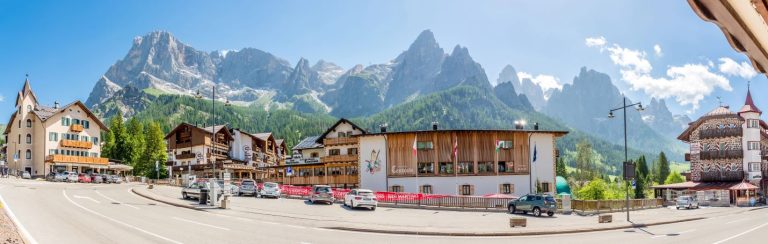
 San Martino di Castrozza
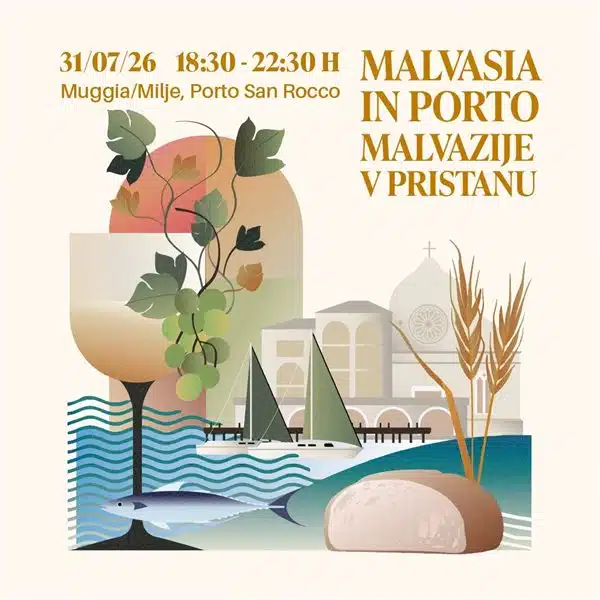 Malvasia in Porto 2026
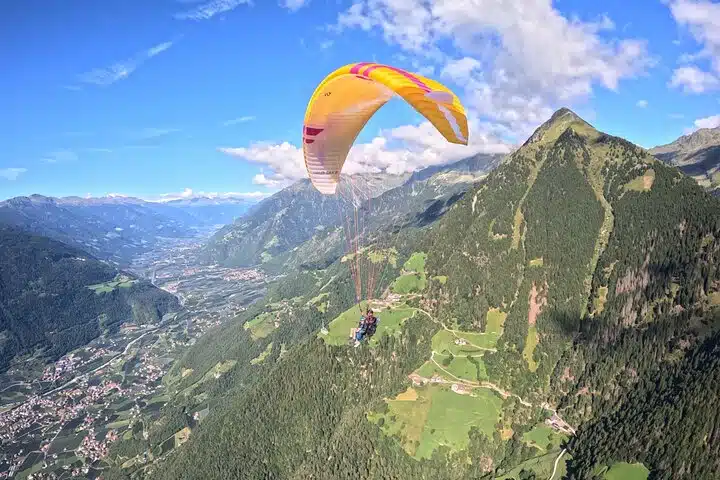 Tandem paragliding flights in Tirolo and Merano: the thrill of flying over the Alps
 Recipe: Polta di Pacentro, the peasant dish that symbolises the traditions of Abruzzo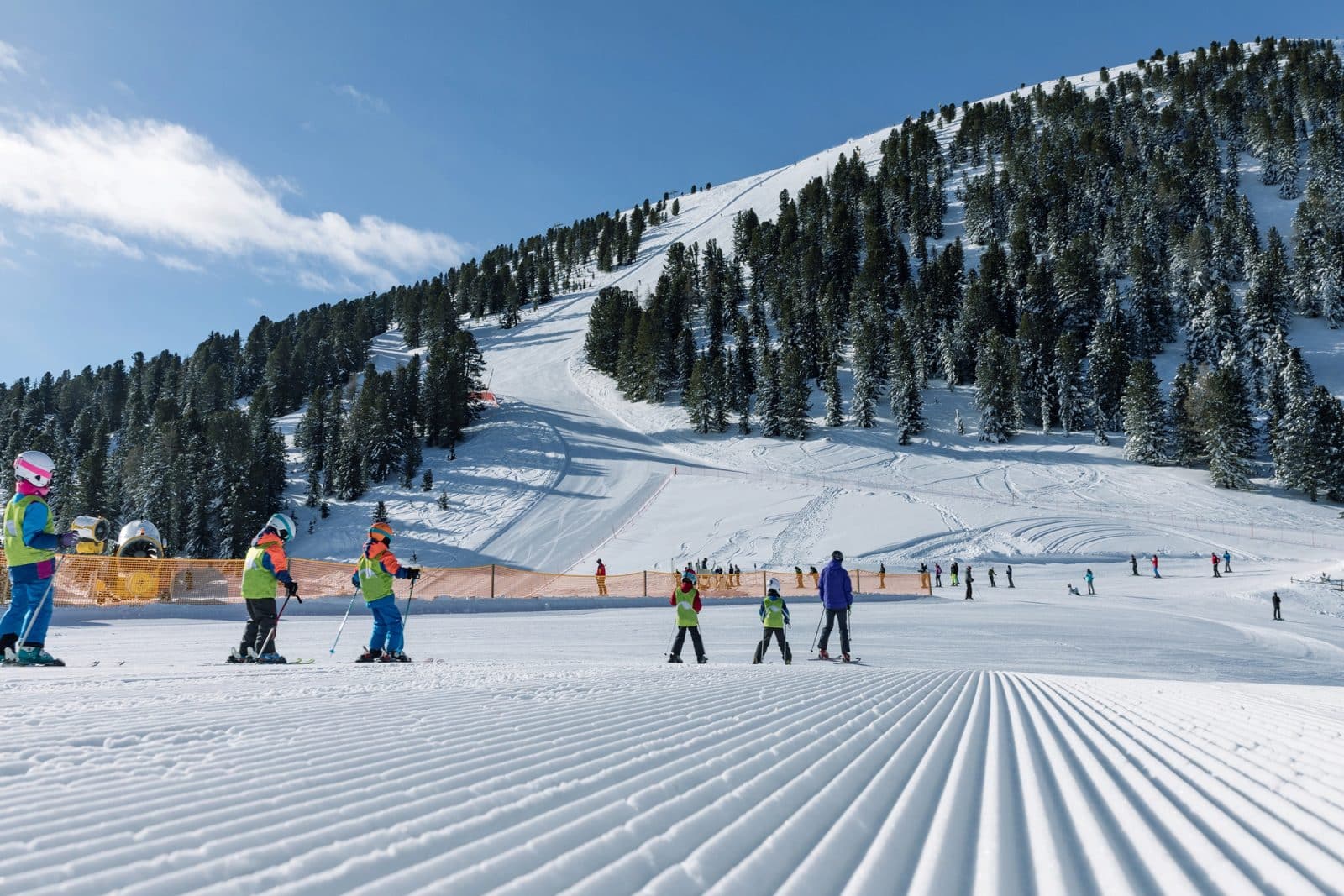
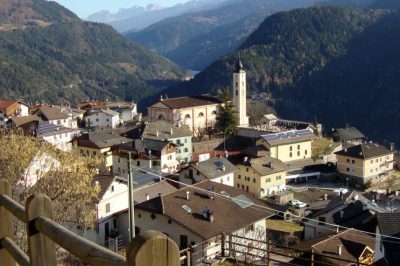
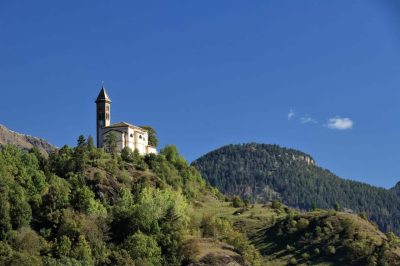
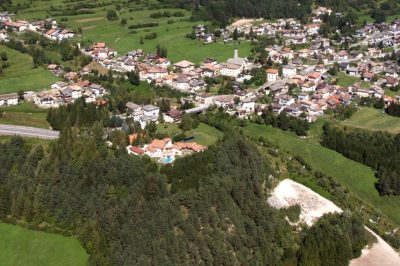
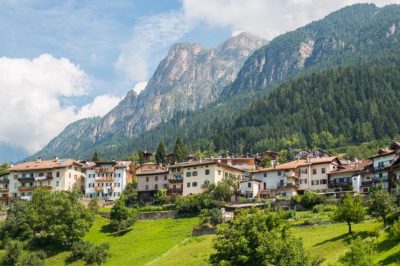
The Dolomites represent one of the most beautiful scenic jewels of the Italian peninsula: they are composed of white rock that turns a magical pink at sunset and sunrise, giving rise to the suggestive phenomenon of Enrosadira (literally ‘turning pink’), linked to the legend of the famous King Laurin and his rose garden. The Dolomite peaks frame, like a precious crown, spectacular valleys, crossed by rivers, covered by forests and dotted here and there with picturesque mountain villages. The Val di Fiemme Marmolada, crosses the entire Fiemme Valley and then flows into the Adige River.
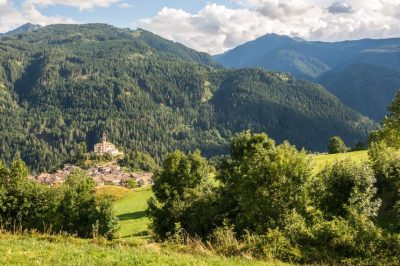
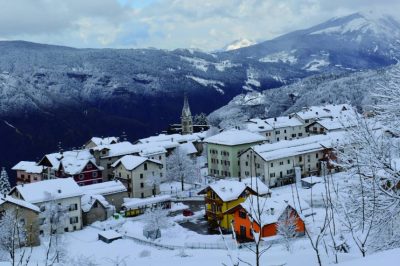
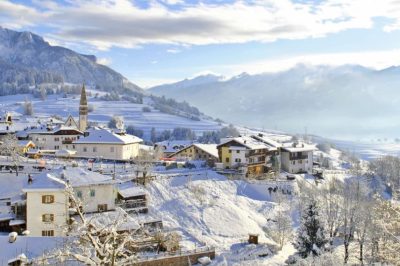
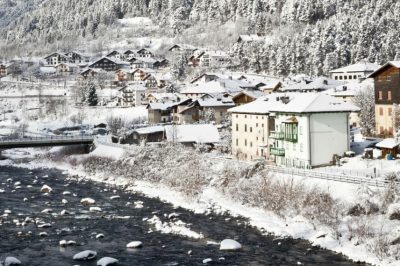
The Valley is a true natural paradise that can be visited at any time of year: from winter, the season in which one can enjoy oneself on the slopes of the ski facilities, to summer, when nature is an explosion of colours and life to be discovered in unforgettable open-air excursions.
Fiemme Valley: historical background
The presence of man in Fiemme Valley dates back to the Mesolithic period, with traces of primitive hunters, and then extended to the Bronze and Iron Ages. The first developed civilisation to set foot in the valley was the Roman one which, in the persons of Tiberius and Drusus in 15 B.C., conquered and dominated it until 500 A.D., when the Roman empire fell, opening the door to the barbarian invasions.
In the High Middle Ages the Longobards arrived, after whom feudalism was also established in the Fiemme Valley and with it Christianity began to spread, bringing about a marked change in the traditions, customs and habits of the inhabitants.
In 1000 A.D. the valley passed under the rule of the bishopric of Trento, which later granted the Fiemme people their freedom and independence, in exchange for military support in case of conflict. In the year 1000, precisely in 1111, the Magnifica Comunità di Fiemme was founded, which still today carries out its function of preserving and protecting the environmental and landscape heritage of the valley.
After the arrival of the Austrian troops in the 19th century, Fiemme Valley began its period of ascent as a tourist destination, despite the two setbacks linked to the outbreak of the two World Wars: Traces in particular of the Great War are still visible today in Cavalese, considered the historical capital of the valley.
The territory of Fiemme Valley
The Fiemme Valley lies in the shadow of some of the most iconic Dolomite peaks, the San Martino Peaks, a UNESCO World Heritage Site, the wild mountain range of the LagoraiLatemar. The valley also includes the Monte Corno Nature Park and the Paneveggio Pale di San Martino Natural Park which perfectly represent the variety of the landscape of this splendid Dolomite valley.
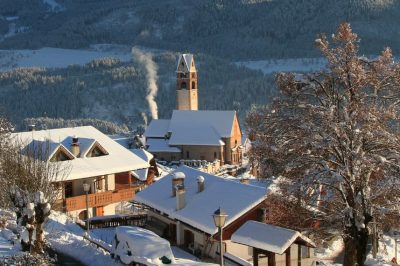
In winterthe Fiemme Valley è a snowy paradise that becomes a destination for all winter sports enthusiastswinter sports, starting with cross-country skiing, of which the valley is considered the cradle: it is enough to think that the famous the Marcialonga international cross-country skiing competition. Skiers will find slopes in five ski areas: the Passo Oclini, the , the Passo Lavazè, of Bellamonte and of the Alpe Luisa, of the Ski Center Latemarand of the Alpe del Cermis (this is the location of the famous Olympia ski run, which covers a difference in altitude of 1400 metres and a length of 7500 metres).
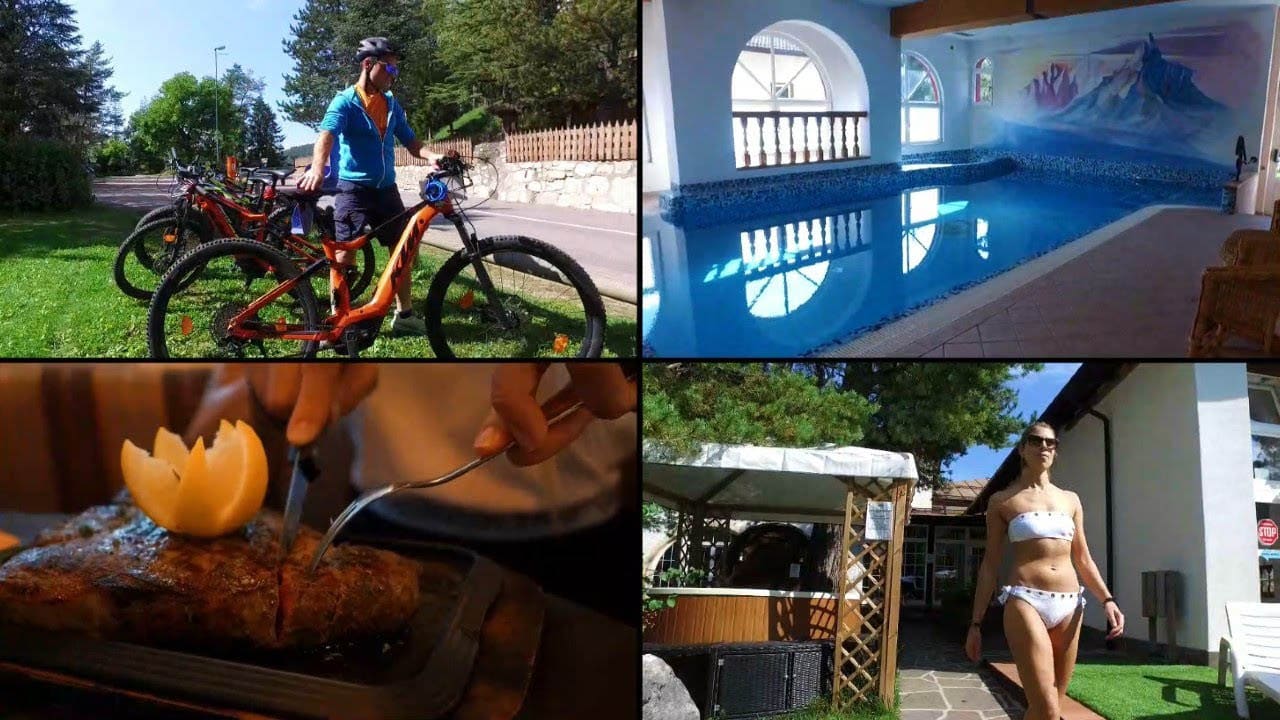
In summer excursionsto unspoilt places, suitable for both families and sports enthusiasts. There are also routes that can be followed by bicycle or mountain-bike, such as the cycle path that connects Canazei and Molina di Fiemme and runs along the course of the Avisio river, crossing of the Paneveggio Park . Even more beautiful are the Dolomites Bike Trail 48 km long and the Dolomiti Lagorai Bike . This is a ring-route that can be followed by mountain bike, starting from Tesero and allowing you to pedal up to an altitude of 2200 m.

What to see in Val di Fiemme
The Natural Park of Paneveggio and Pale di San Martino is one of the most spectacular and vast in the Fiemme Valley and includes not only the Pale di San Martino mountain group but also Cima d’Arzon, Lagorai, Sass Maor, Cima della Pala and Vezzana. The park is also home to the Fradusta glacier, much praised by the writer Buzzati and numerous British explorers. Most of the park is occupied by the marvellous Paneveggio Forest, whose spruce trees have exceptional acoustic qualities and are used to make musical instruments, especially the famous Stradivari violins.
One of the most beautiful excursions in the park is a trip to the Alpine lakes of Colbricon, situated at 1900 metres above sea level, in whose turquoise waters artefacts dating back to the Neolithic age have been found.
Very different, but no less spectacular, is theNatural Park of Monte Nero: not very high up, it has a pleasant sub-Mediterranean climate, which is also reflected in its nature. From the village of Trodena, near the historic electric mill, you can reach the Malga Cisloner, from where you can enjoy a beautiful view of the Lagorai and the Brenta Dolomites. The Casignano walk takes hikers to the scenic Kanzel point, while younger hikers should not miss a stop at the Geoparc Bletterbach, a designated UNESCO World Heritage Site: you can walk among waterfalls and high rock faces, and even see the footprints of prehistoric lizards.
Among the unmissable excursions to be made in Fiemme Valley, there are also those that, starting from the Passo Lavazè, reach the Latemar and the Pala di Santa, or the route that leads to the Torre di Pisa at a height of 2600 metres and that starts from the Predazzo cable car.
From Cavalese you can reach the Alpe del Cermis and the Cavalese Waterfall, which, despite being only 15 metres high, is very loud and powerful. From the Val di Fiemme village, sports enthusiasts can also try rafting on the Avisio river and then take a dip in its crystal clear waters. Among the monuments not to be missed in Cavalese is the 15th-century Palazzo della Magnifica Comunità di Fiemme, whose elegant rooms house the Picture Gallery, rich in manuscripts, statutes, books and above all a fine Renaissance fresco by the Vicenza painter Marcello Fogolino.
From Predazzo, a village nicknamed the “Geological Garden of the Alps”, you can reach the Bosco che Suona, a sort of path that winds its way through the fir trees whose woods have been chosen to make violins, indicated by wooden signs in the shape of these musical instruments.
Cooking and traditions of Fiemme Valley
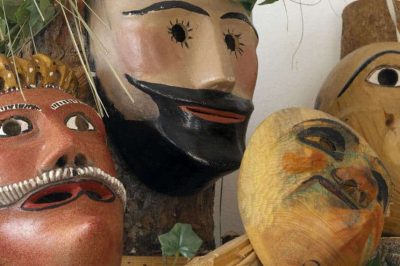
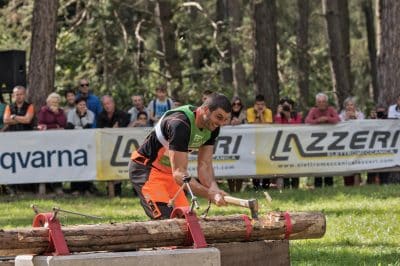
Discovering Fiemme Valley e means not only organising excursions through natural beauty and villages, but also learning more about the culture and ancient traditions that characterise this valley in the Dolomites.
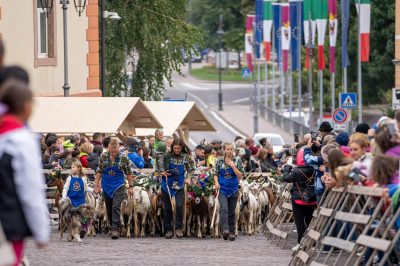
For example, in Cavalese, one of the main towns in the valley, there are some very popular events, such as the Christmas markets during the Advent season or the September Desmontegada de le Caore, during which goat breeders parade through the streets of the village with their goats in tow, adorned with colourful ribbons, flowers and bells.
In Tesero, on the other hand, the Corte de Tiézer historical re-enactment takes place in the middle of summer, with the town becoming populated by a series of installations linked to the gastronomic, musical and folkloric traditions typical of the Fiemme Valley. Tesero and its Nativity scenes is the Christmas event par excellence, as is the nearby Varena, where the Presepio – On the road to Bethlehem is staged in the form of a nativity scene in typical Arabian style.
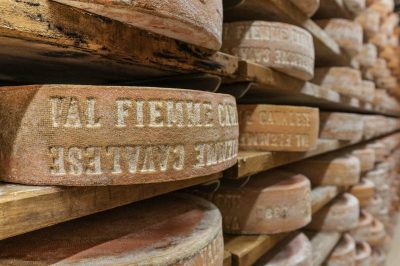
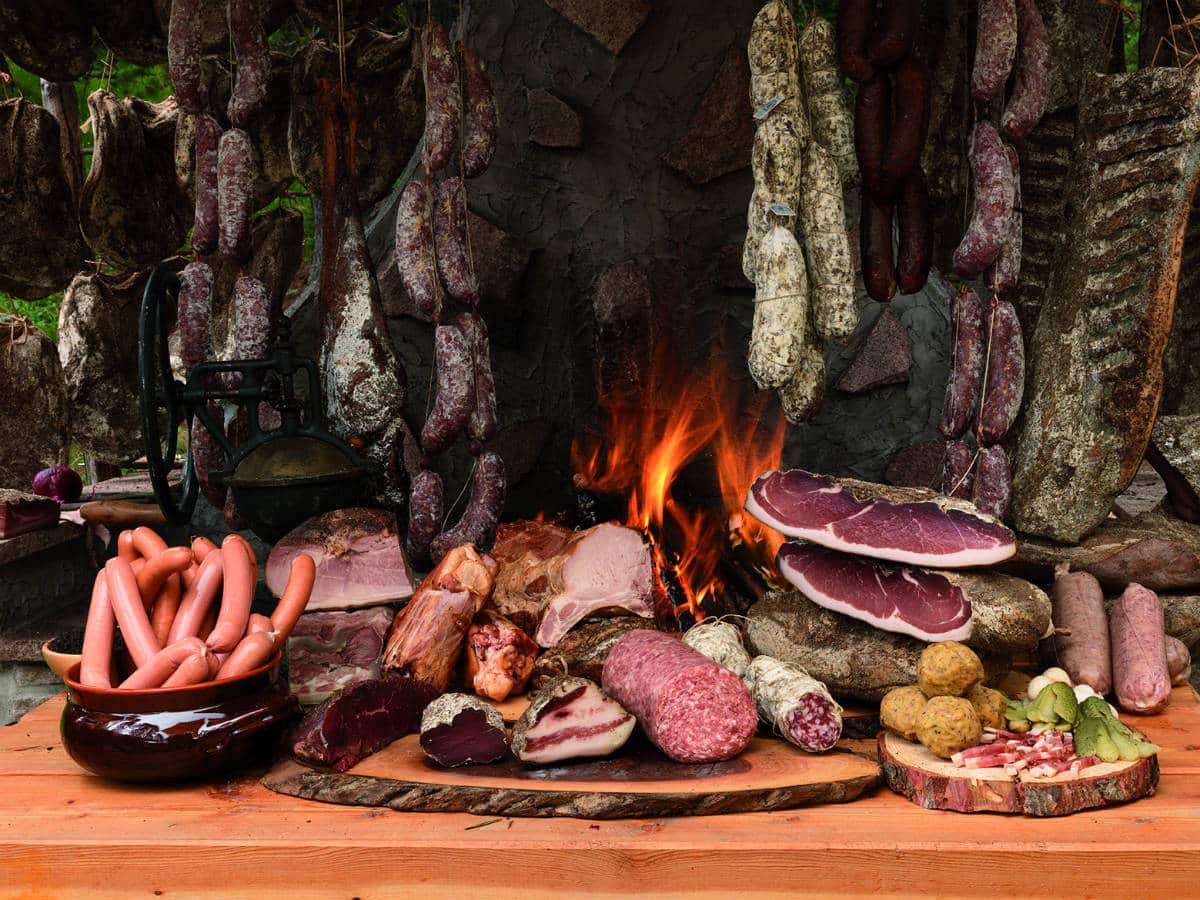
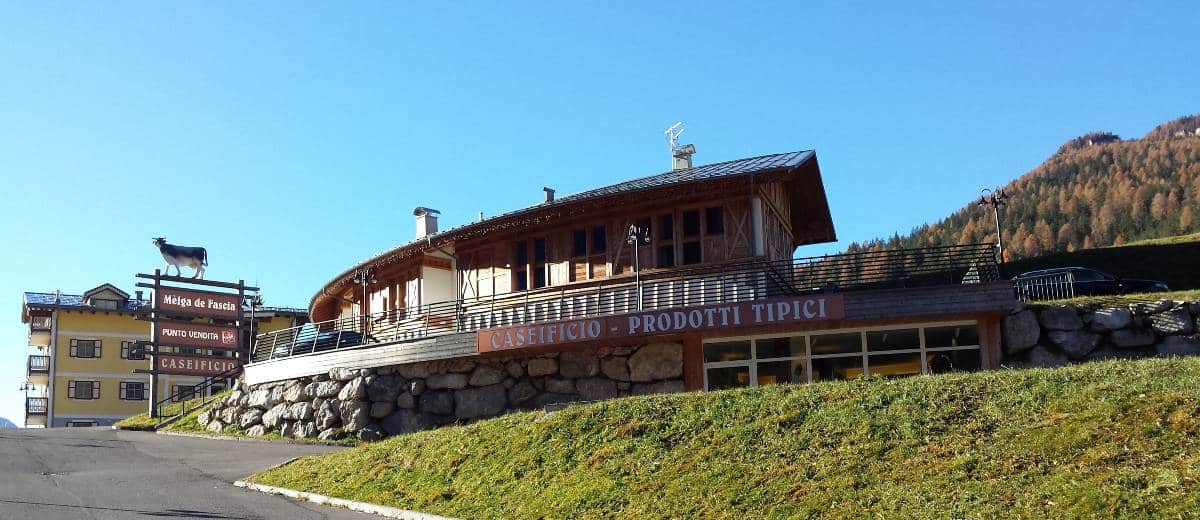
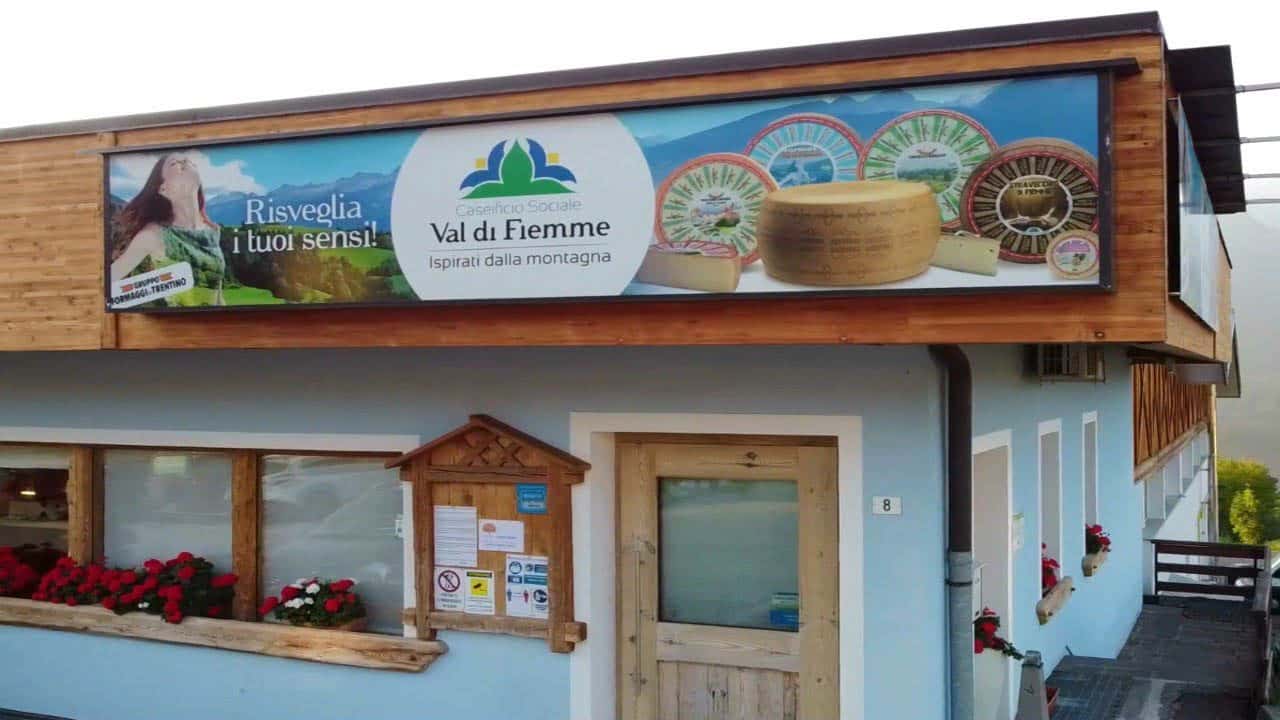
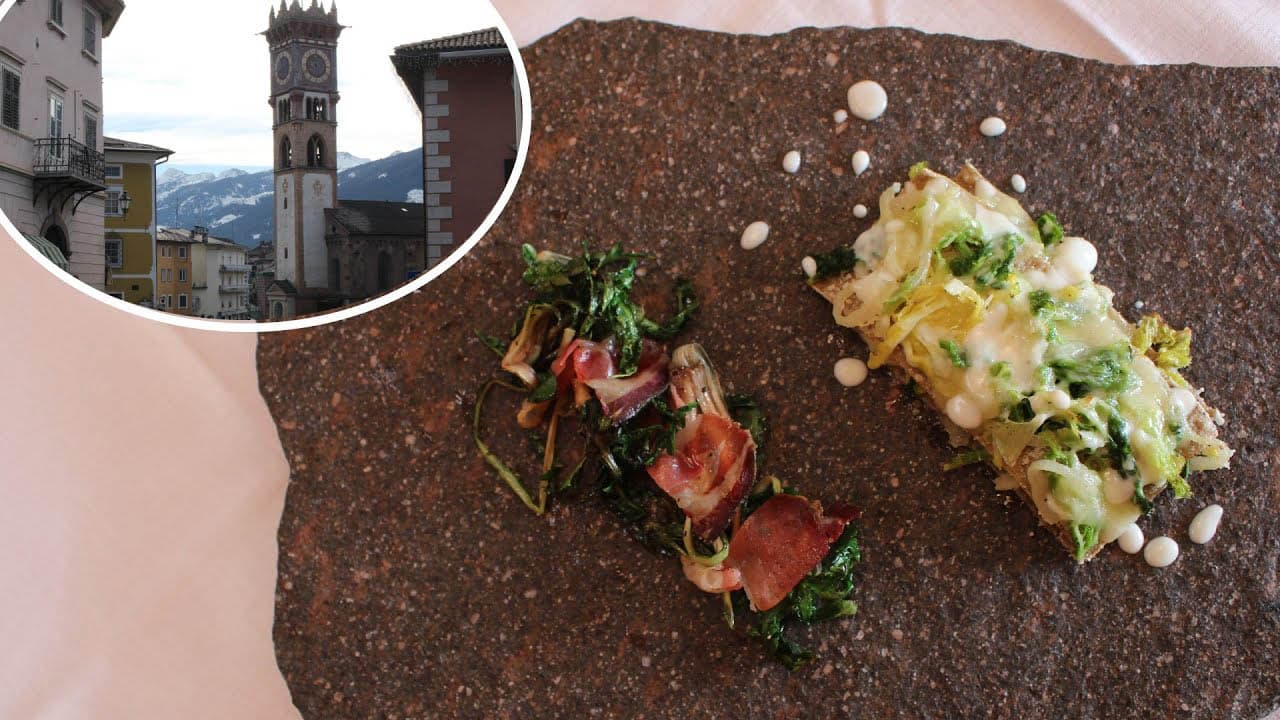
Anyone looking for a typical Fiemme Valley souvenir should look no further than the craftsmanship typical of the area, namely woodwork: furniture, mountain objects and small musical instruments. The typical gastronomic specialities are an excellent alternative, offering real delicacies to savour. These include, for example, the renowned canederli (gnocchi) made with speck or sausage, stale bread, lard and eggs; then there is the inevitable polenta to accompany game or simple mushrooms and numerous cheeses (among which Puzzone di Moena, Formae Val di Fiemme Aged and Trentingrana stand out). Among the typical desserts of the Fiemme Valley, it is worth mentioning apple strudel, now prepared in numerous variations that truly satisfy the palates of all those who choose the Fiemme Valley for their holidays.