 San Martino di Castrozza
 VIVA! Festival 2026
 Tandem paragliding flights in Tirolo and Merano: the thrill of flying over the Alps
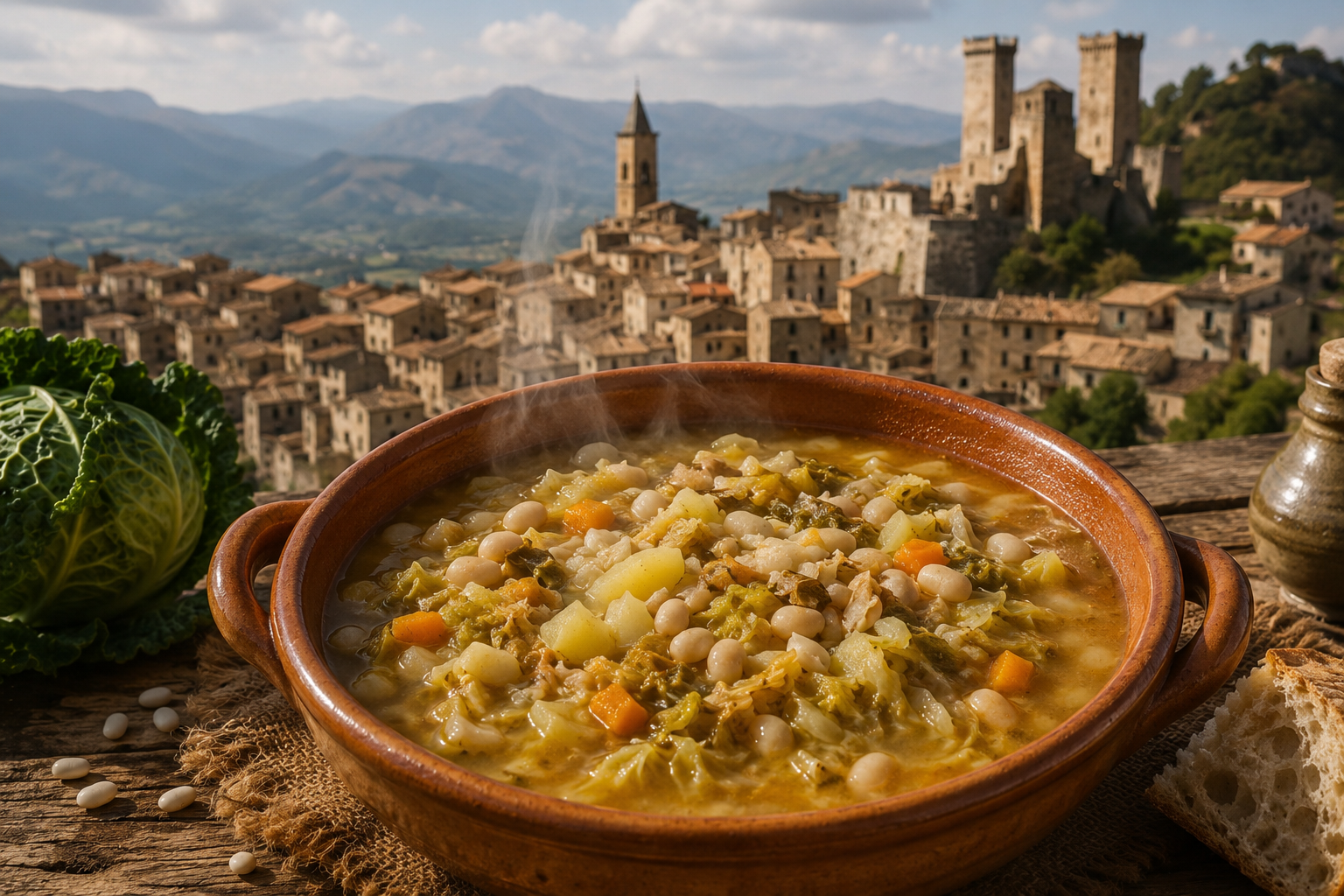 Recipe: Polta di Pacentro, the peasant dish that symbolises the traditions of Abruzzo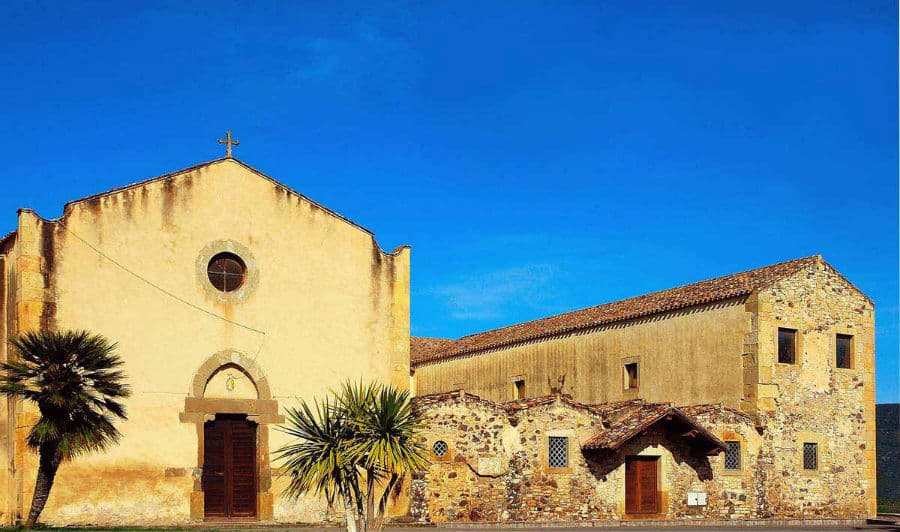
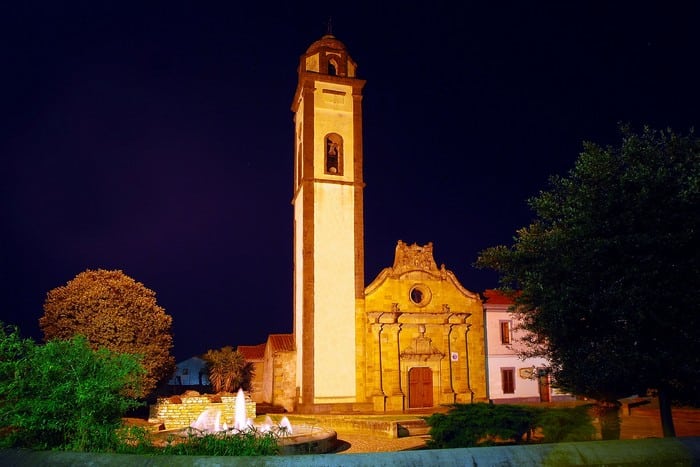
The former Capuchin monastery, together with the adjoining Church of San Francesco, is one of the most fascinating historic complexes in Masullas, in the heart of the Monte Arci area. This ancient religious building, nestled in the centre of the village, is now a place where history, spirituality and scientific culture coexist harmoniously thanks to the presence of the Monte Arci “Stefano Incani” GeoMuseum.
The construction of the convent and church dates back to the 17th century, when the Capuchin Friars Minor decided to establish a major religious centre in Masullas. The project actively involved the local population and benefactors of the time, including the wealthy Francesco Simoni. During the years of the terrible plague epidemic, the convent was also used as a lazaretto, playing a vital role for the community.
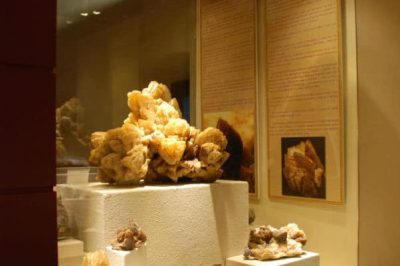
The convent complex still impresses today with the elegance of its architecture and its striking inner cloister, one of the building’s most distinctive features. At the centre of the courtyard stands a large 17th-century cylindrical cistern capable of holding almost 300,000 litres of rainwater, a precious resource that in past centuries ensured a supply during periods of drought. Today, this extraordinary space has been transformed into an exhibition area dedicated to minerals.
The convent is built around a cloister surrounded by covered corridors leading to the ancient monastic rooms. The rooms once housed the monks’ cells, service areas and spaces dedicated to religious life. The church of San Francesco, simple and intimate, features a single nave with several side chapels on the right-hand side, maintaining the austere character typical of Capuchin architecture.
During the 19th century, the complex underwent profound changes. In 1866, following the suppression of religious orders by the Kingdom of Italy, the convent and church were confiscated and put to other uses. In the years that followed, the upper-floor rooms housed schools and, during the Second World War, offices of the Fascist militia. Gradual neglect eventually led to the collapse of part of the structure, including the monks’ ancient cells.
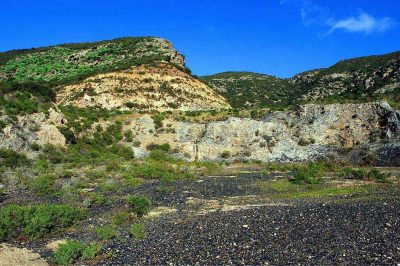
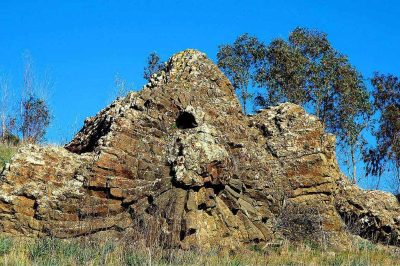
Between the 1980s and 1990s, the Municipality of Masullas launched a major restoration project that breathed new life into the complex. Since 2010, many of the convent’s rooms have housed the Monte Arci “Stefano Incani” GeoMuseum, dedicated to minerals, fossils and the extraordinary geological wealth of the area.
Visiting the former convent means embarking on a journey through Franciscan spirituality, local history and the natural heritage of inland Sardinia, in a place where past and present continue to interact amidst ancient cloisters and museum collections.