 San Martino di Castrozza
 Games of Saint Margaret
 Tandem paragliding flights in Tirolo and Merano: the thrill of flying over the Alps
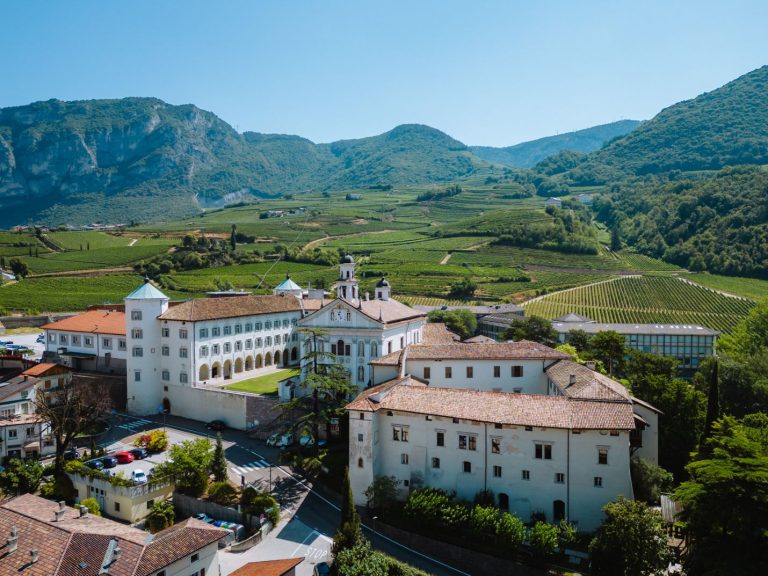 Cultural sites in the Piana Rotaliana Königsberg: a journey through the history, art and traditions of Trentino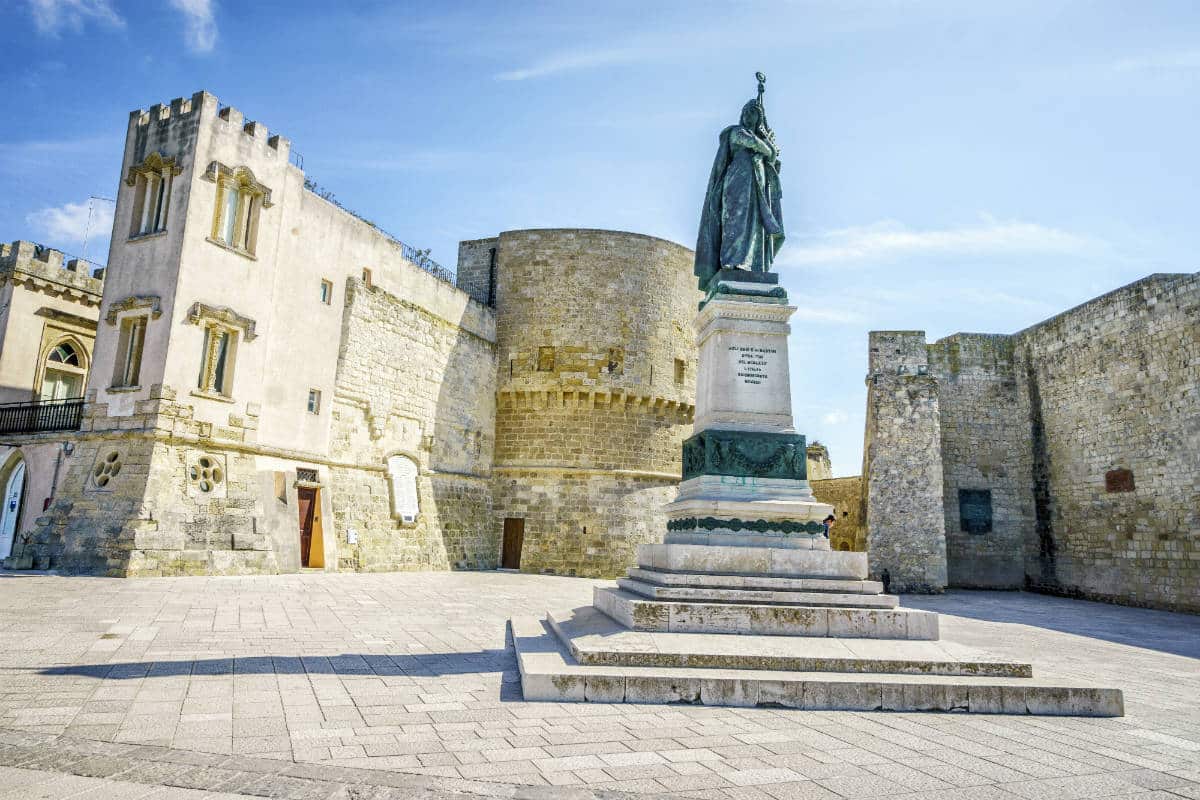
The Aragonese Castle of Otranto overlooks the old town with its imposing fortified structure, a symbol of the long military history of this town in the Salento region. Considered for centuries a key gateway to the East, Otranto has been fortified since ancient times with walls, ramparts and defensive works designed to protect the harbour and control the easternmost stretch of the Italian peninsula.
The first fortifications suffered severe damage during the siege of 1067, but were subsequently rebuilt and reinforced by Robert Guiscard. Further work was carried out in the 13th century at the behest of Frederick II of Swabia, and significant evidence of this remains today in the structures incorporated into the ramparts and the north-eastern walls of the castle.
The history of the fortress, however, is inextricably linked to the tragic Sack of Otranto in 1480, when the city was attacked by the Ottoman army. Following that event, the castle was extensively rebuilt on the orders of Alfonso of Aragon, Duke of Calabria, who transformed the complex into a formidable defensive structure capable of withstanding new siege techniques and the use of artillery.
The fortress’s current appearance is largely due to the work of the Spanish viceroys of the 16th century, who expanded and modernised the castle, making it one of the most interesting examples of Renaissance military architecture in Southern Italy. The structure has a distinctive pentagonal layout, surrounded by a wide moat and defended by four large towers: three cylindrical towers built of carparo stone and one pointed tower facing the sea, designed to improve resistance to naval attacks.
Crossing the drawbridge leads into the interior of the fortress, which is now used for exhibitions, displays and cultural events. The underground chambers and ancient tunnels bear witness to centuries of history, wars and periods of rule that have shaped the destiny of Otranto and the entire Mediterranean.
The castle’s mysterious charm also inspired Horace Walpole, who in 1764 set *The Castle of Otranto* here, considered the first Gothic novel in the history of European literature. Even today, the fortress retains that evocative, timeless atmosphere that continues to captivate visitors from all over the world.