 San Martino di Castrozza
 Sagra delle Strengozze 2026
 Tandem paragliding flights in Tirolo and Merano: the thrill of flying over the Alps
 Cultural sites in the Piana Rotaliana Königsberg: a journey through the history, art and traditions of Trentino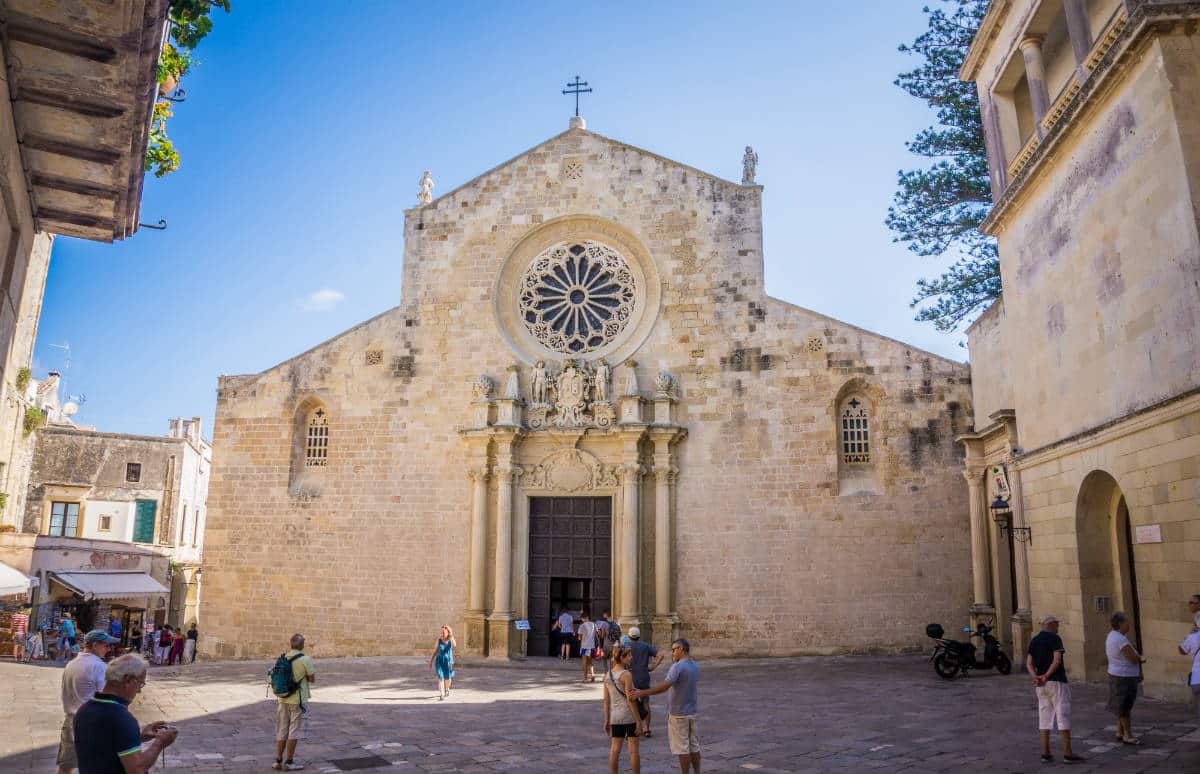
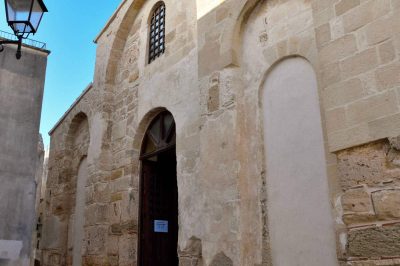
Built on the remains of a Messapic village, a Roman domus and an early Christian temple, the Cathedral of Santa Maria Annunziata was founded in 1068 by the Norman bishop William. It is a synthesis of different architectural styles including Byzantine, early Christian and Romanesque elements. The medieval double-sloping facade has undergone numerous alterations over the centuries. Noteworthy is the 16-ray rose window with fine Gothic tracery of circular shape converging in the center, in accordance with the canons of Gothic-Arabian art.
The interior has a three naves absidate, punctuated by twelve arches supported by fourteen granite columns with different capitals. The ceiling is wooden lacunar with gilding on a black background and white. In the presbytery is the high altar with the eighteenth-century paliotto in silver that returns the depiction of the Annunciation. The frescoes remaining parietal show Byzantine traces, as the image of the Madonna with Child in the right aisle. In the left aisle there is the baroque baptistery commissioned by Archbishop Michael Orsi around the half of the XVIII century. In the same nave you notice the sepulchral monument to Francesco Maria de Rods, died in 1719, and the mausoleum of metropolitan Gaetano Cosso who died in 1655.
The mosaic
of great scenic impact is the wide mosaic decoration of the pavement which develops along the aisles, the presbytery and the apse. It represents one of the most important mosaic cycles of Italian Middle Ages. Was executed between 1163 and 1165 by a group of artists headed by Pantaleone, a Basilian monk of the monastery of San Nicola di Casole. The iconographic program of the mosaic develops through scenes from the Old Testament by the cycles of knighthood, from medieval bestiary and based on the novel by Alessandro. The images, positioned along the development of the tree of life, retrace the human experience from original sin to salvation. Between the images there is also that belongs to a famous theme of iconography sacred medieval, that of the ascension of Alexander the Great on an aircraft towed into heaven from two gryphons, Allegory of pride that had a lot of luck in the Christian West.
The crypt
the crypt, which develops in the underlying area of the apse of the presbytery and of part of the house dates back to the XI century and is a miniature of the famous cistern of Theodosius or of the Mosque of Cordoba. Owns three semicircular apses and is characterized by the 48 bays interspersed with more than seventy between columns, semi-columns and pillars. The special feature is the diversity of the supporting elements, coming from old buildings and high medieval, from various figurative repertory. Valuable frescoes survivors who embrace a chronological period from the Middle Ages to the Sixteenth Century.