 Tuoro sul Trasimeno
 Montefeltro
 Francigena Film Festival
 Guided tour and tasting
 Stress-free Elba: practical tips for planning the perfect holiday
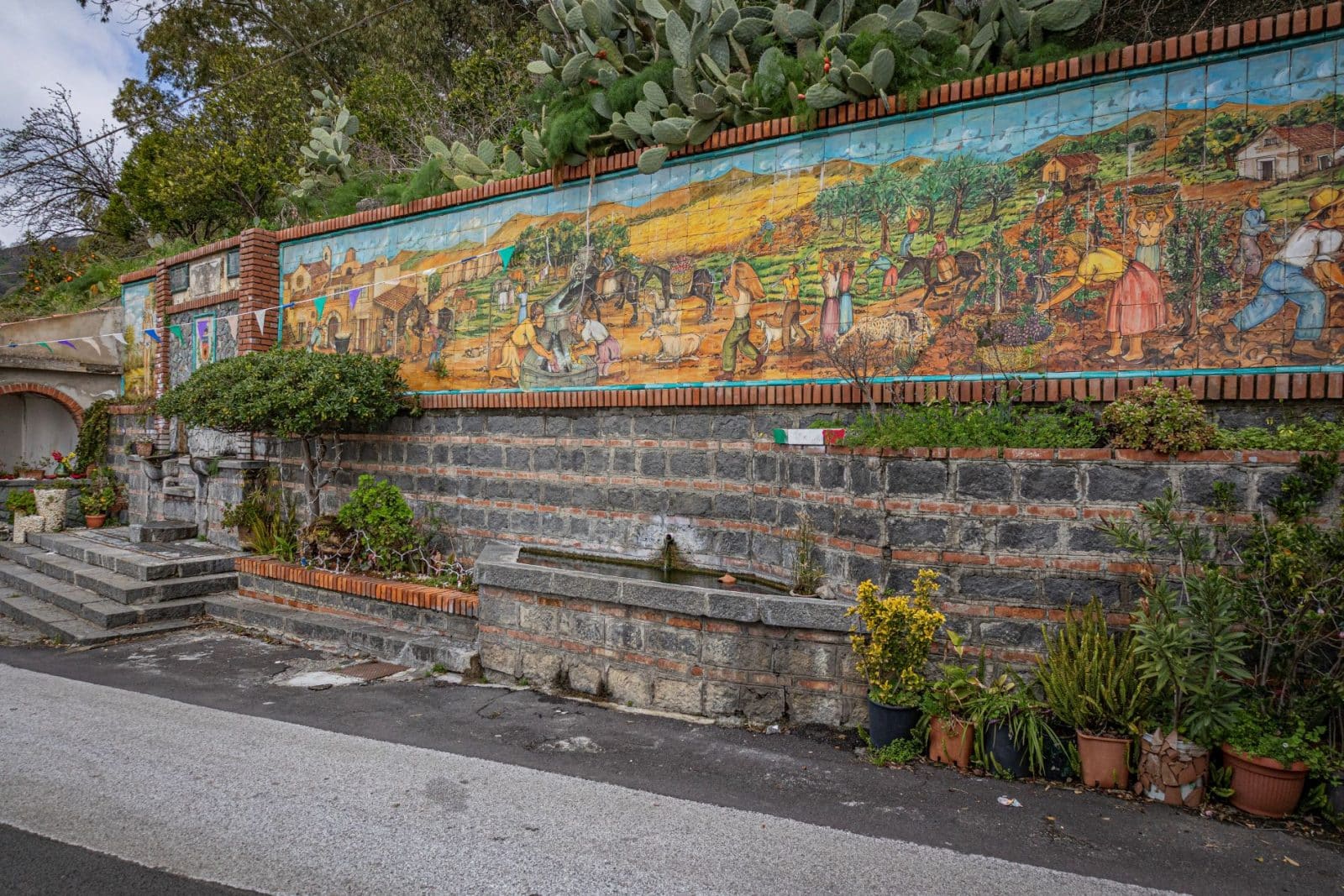
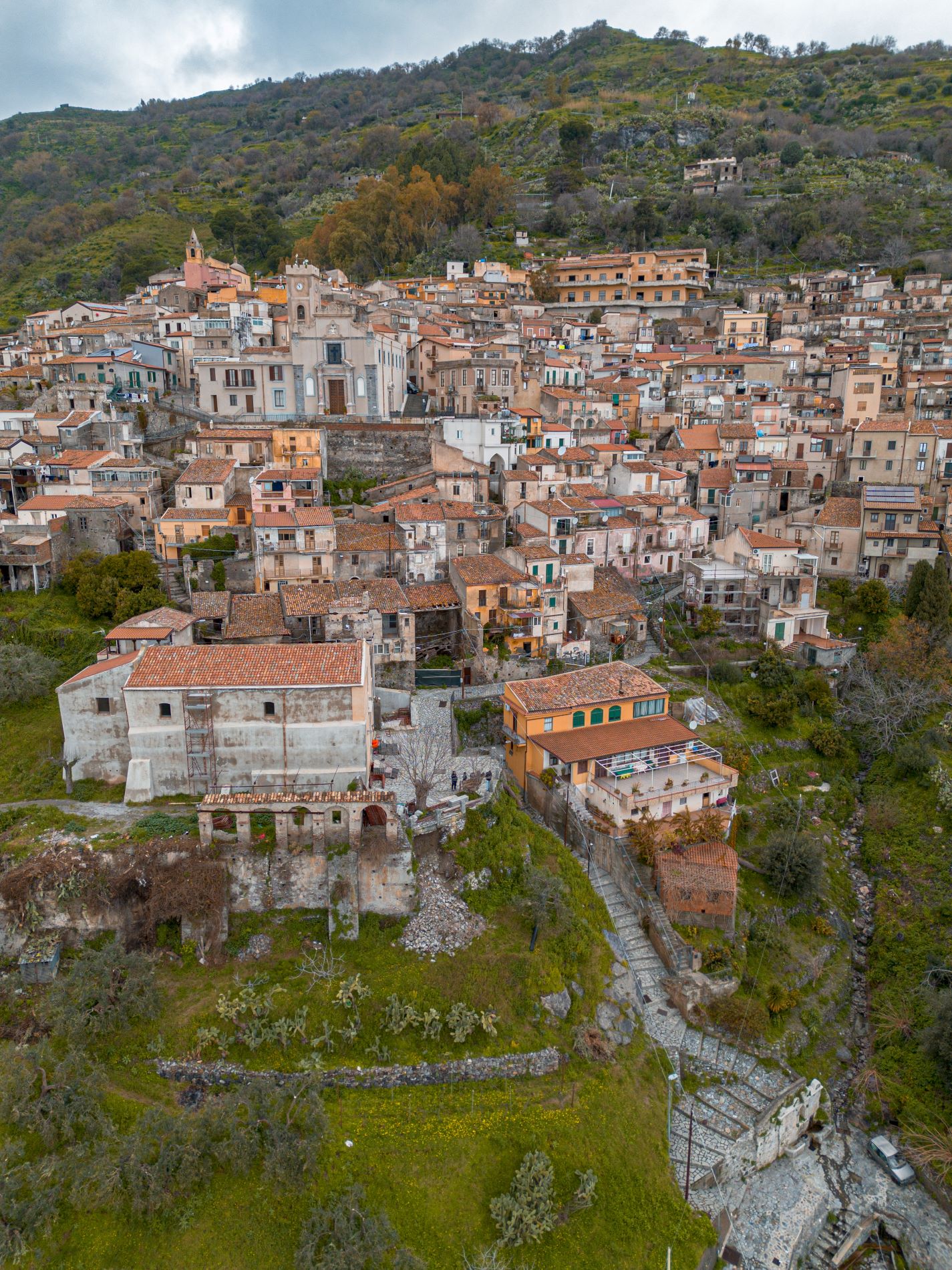
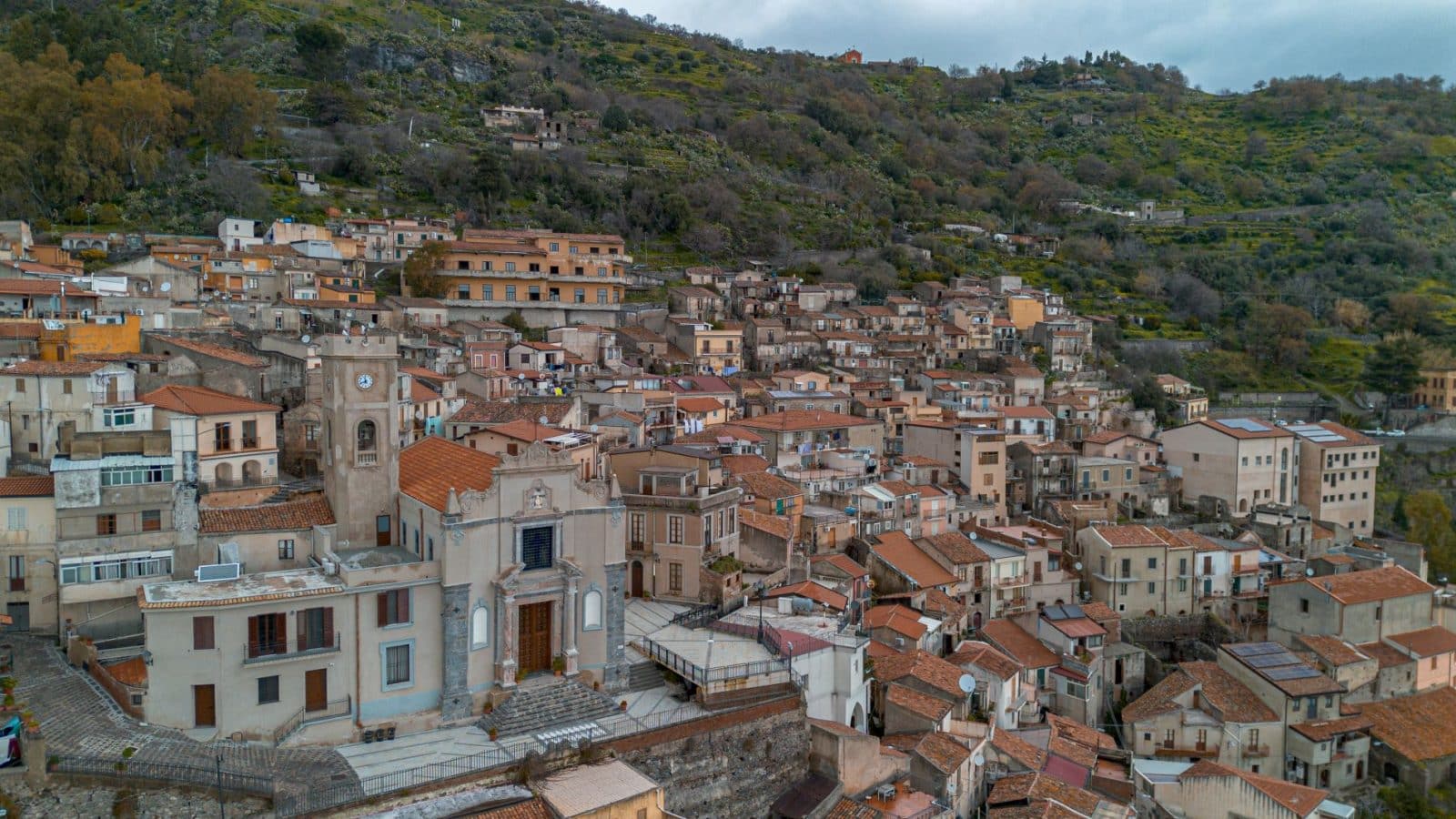
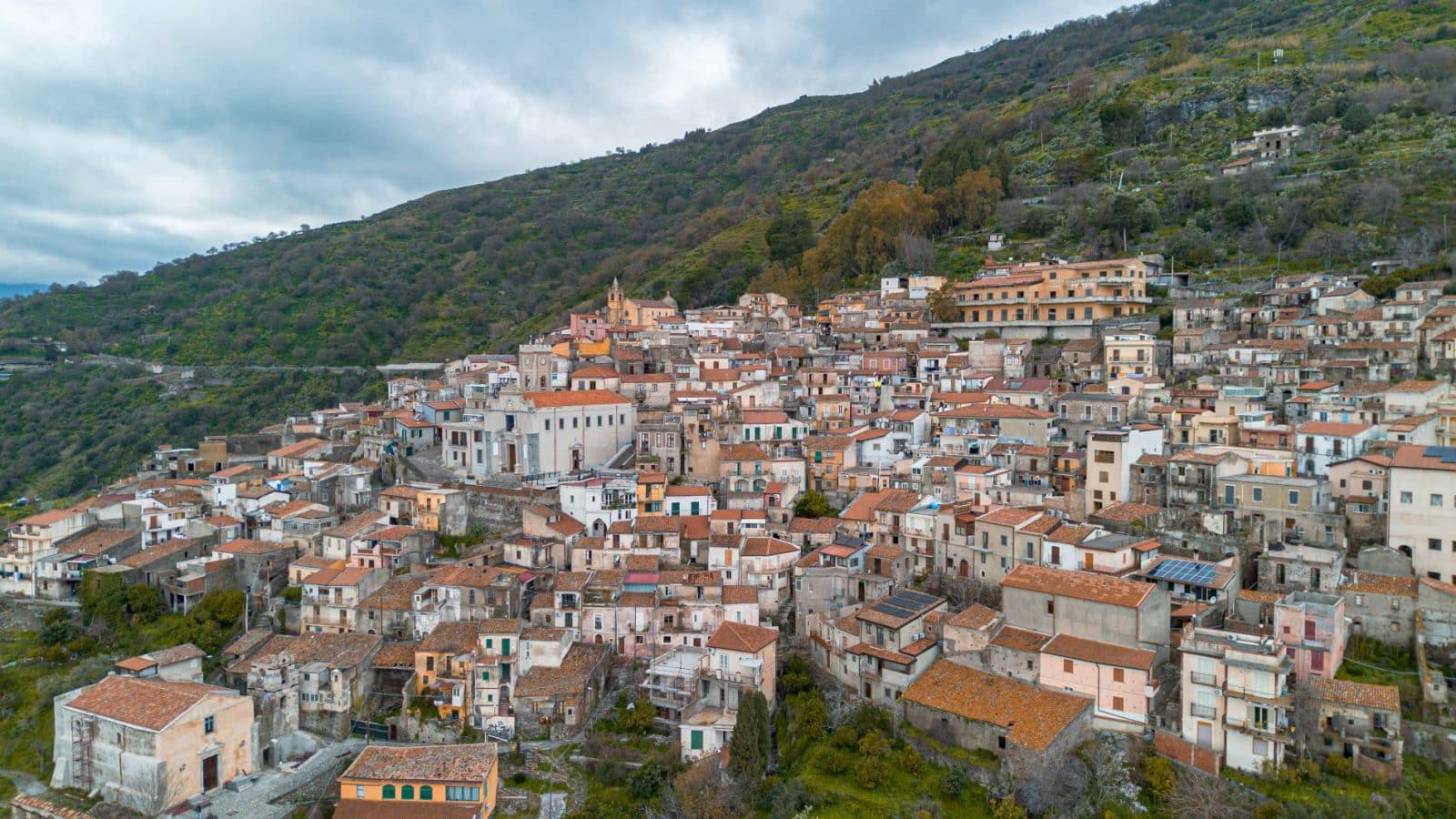
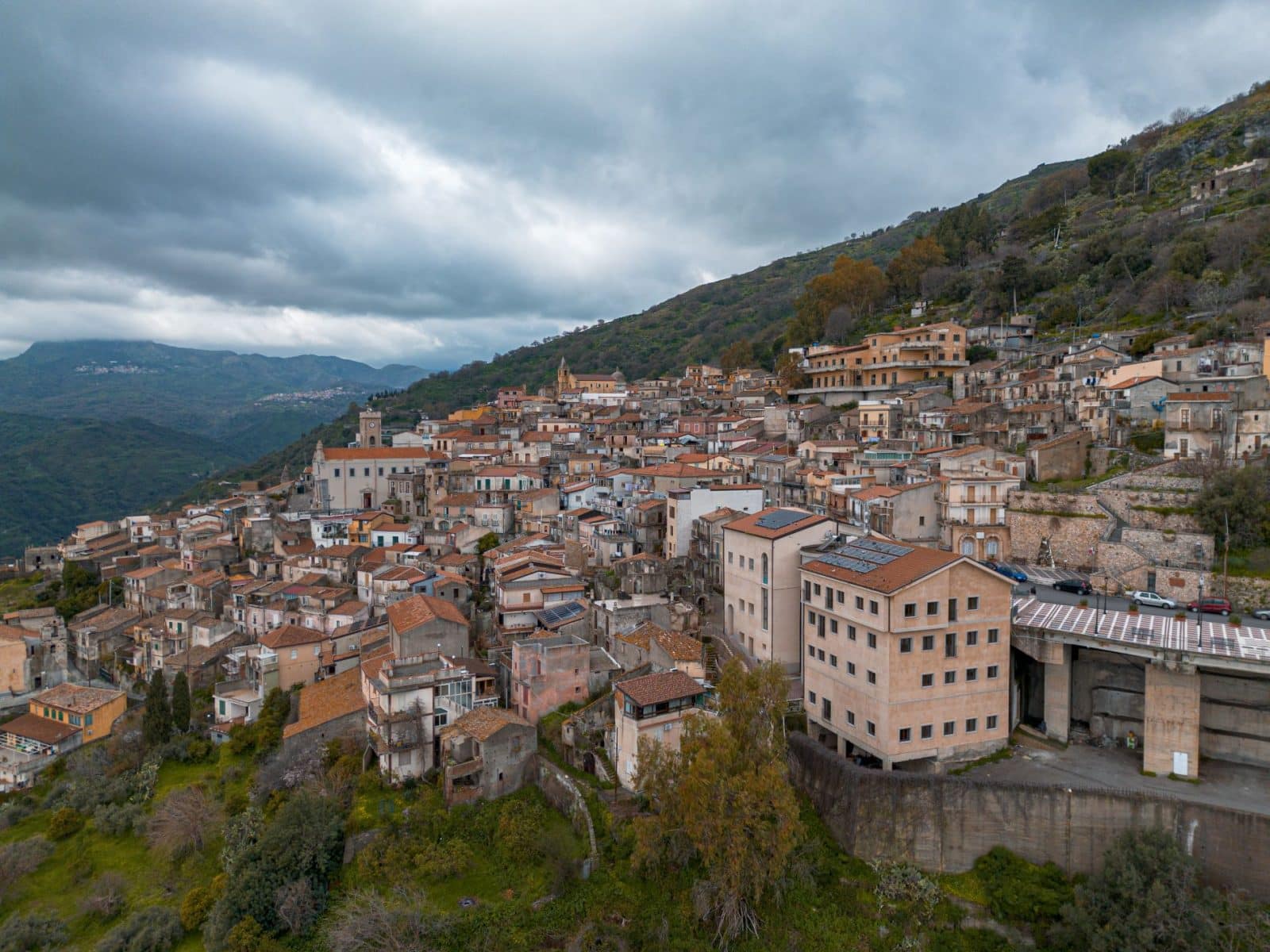
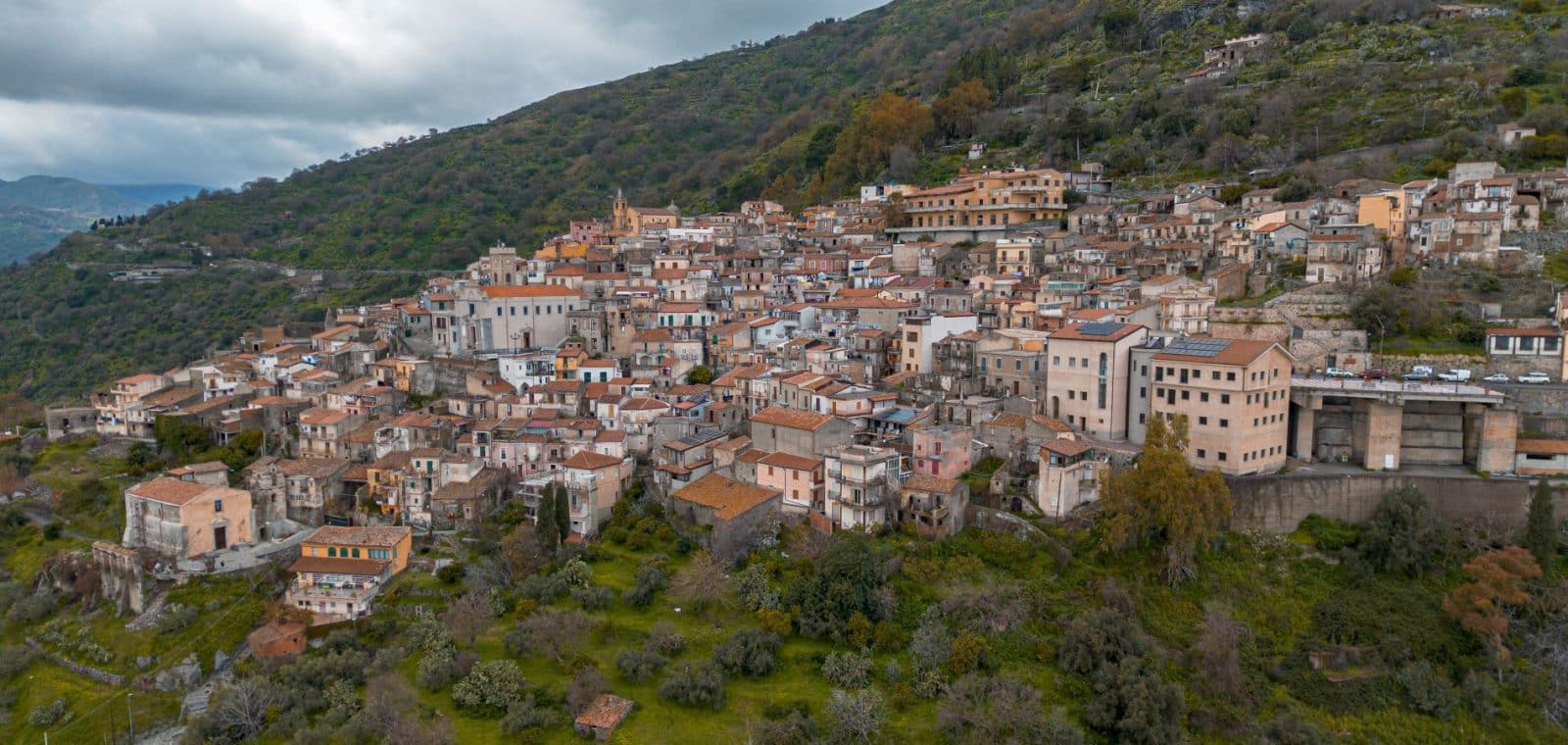
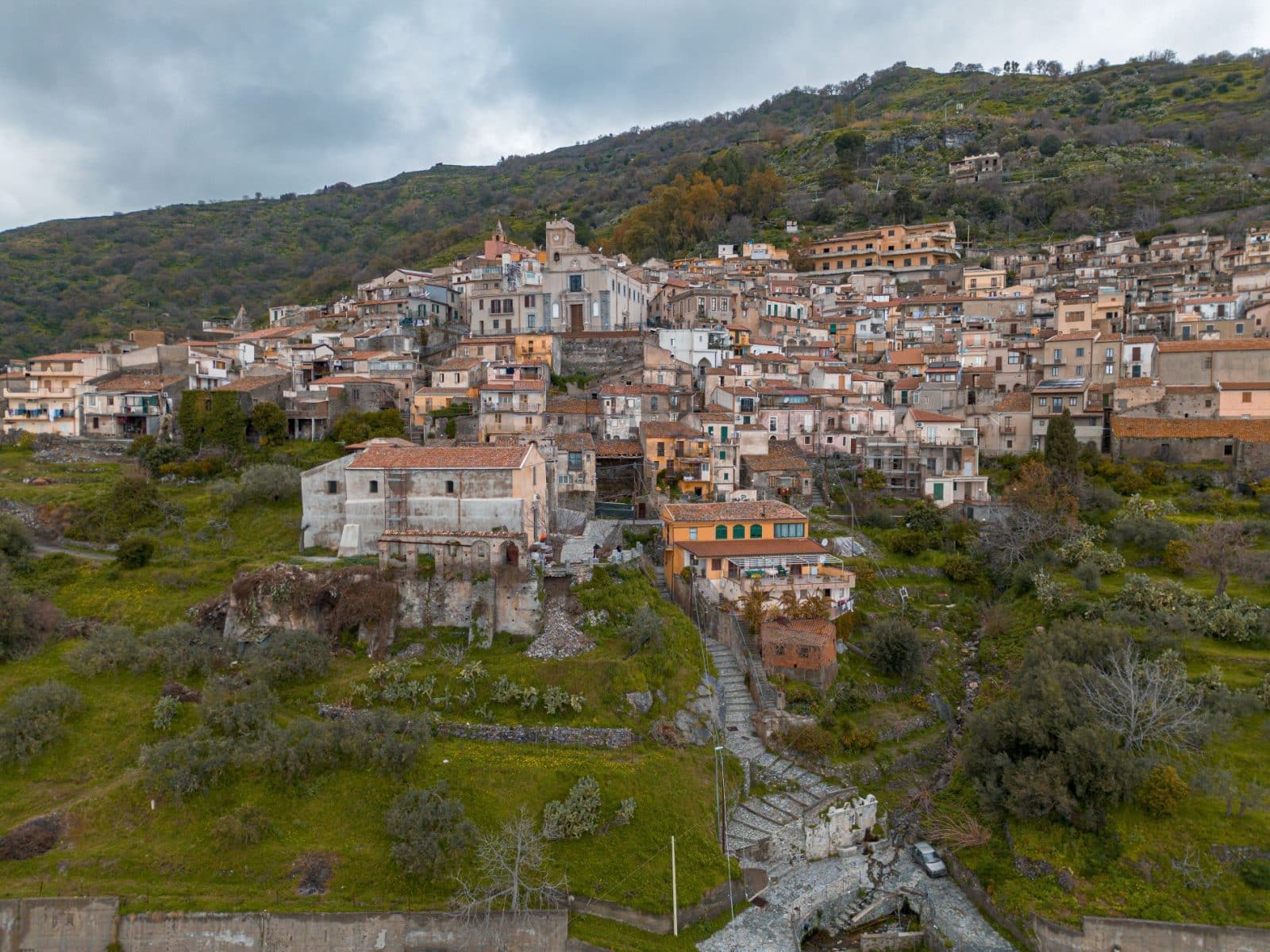
Perched on Mount Sant’Elia, in the heart of the Agrò Valley, Casalvecchio Siculo is one of those villages that reveal themselves slowly, following the pace of its narrow streets, underpasses and stairways that form a medieval urban layout. A few kilometres from the Ionian coast and not far from Taormina, it retains an authentic identity, made up of silence, ancient stone and sudden glimpses of the Strait of Messina, Calabria and, on clear days, Mount Etna. With its Byzantine memories, Arab and Norman layers and the extraordinary presence of the church of Santi Pietro e Paolo d’Agrò, the village offers an intense journey into the real Sicily, far from the beaten track.
Photo gallery
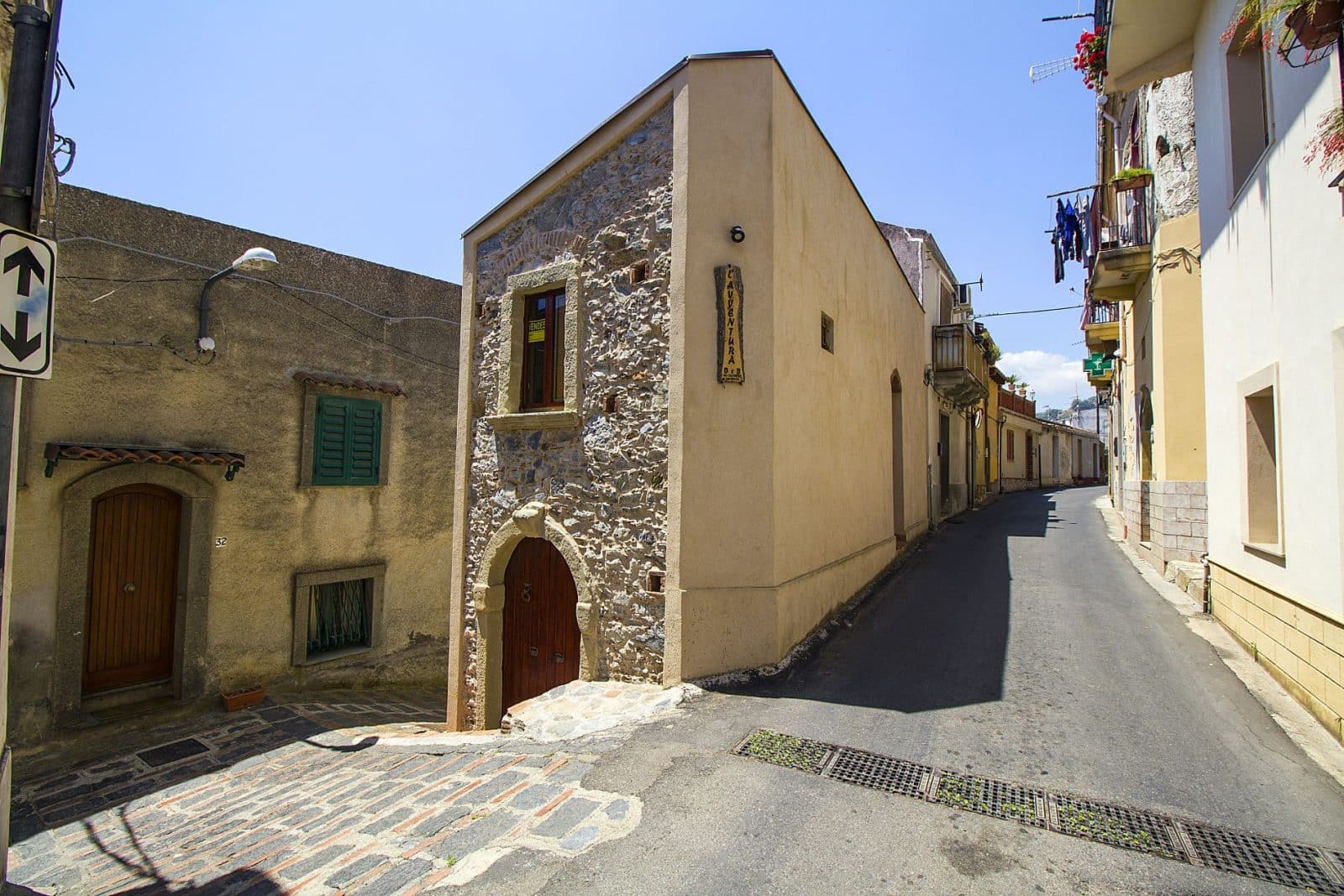
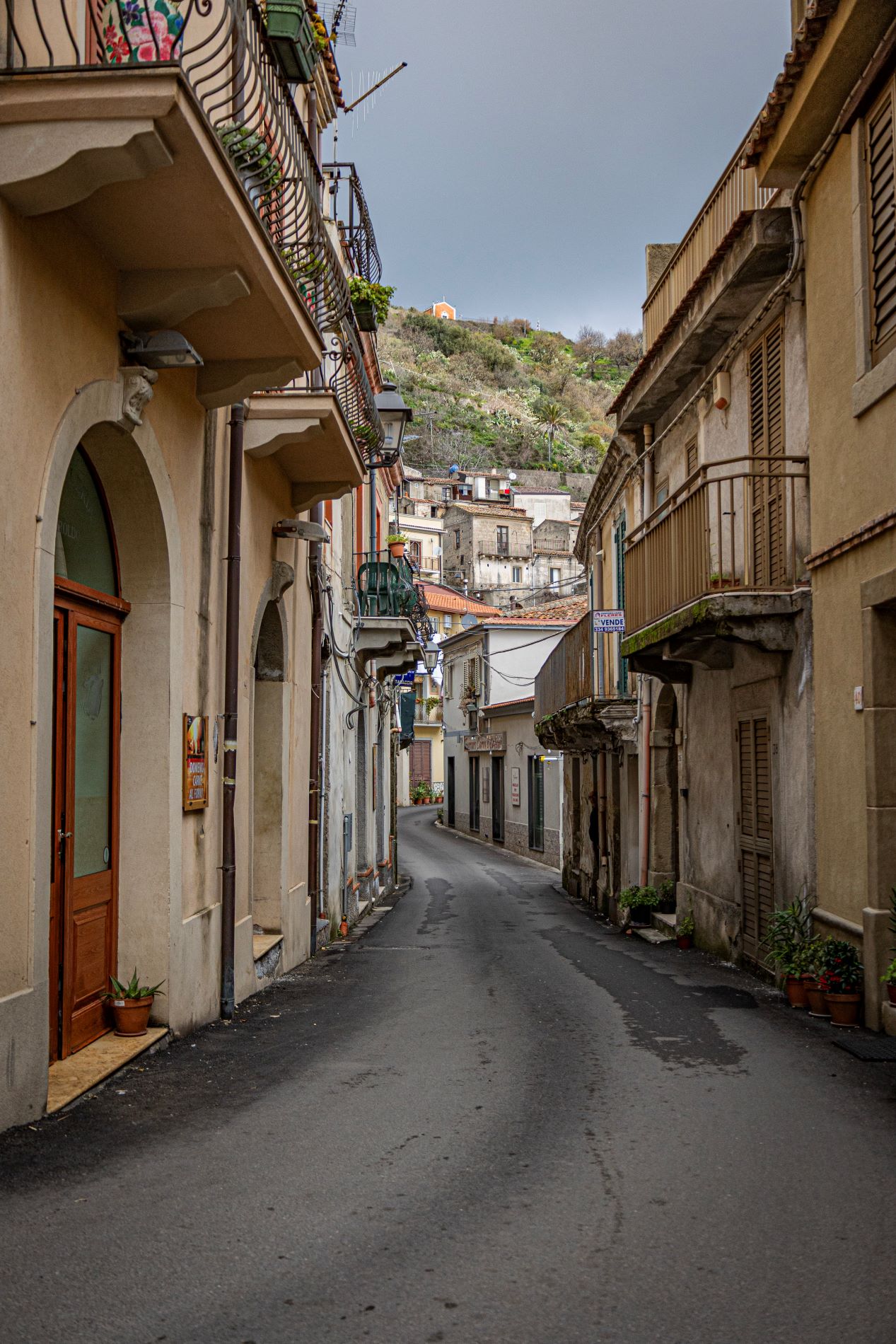
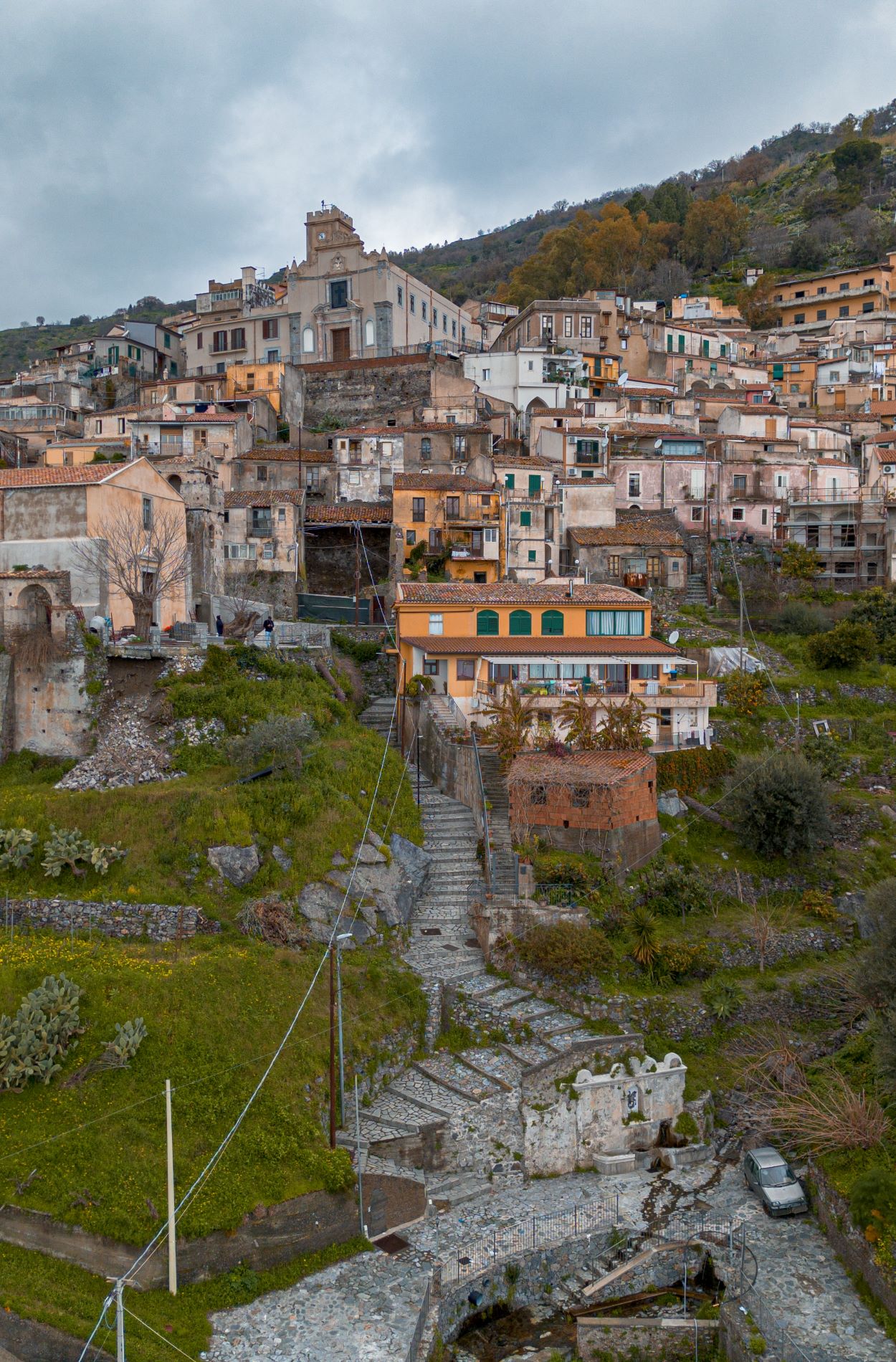
Casalvecchio Siculo, known as Casaluvècchiu in dialect, is a small municipality with around 700 inhabitants in the metropolitan city of Messina, located in the Valle d’Agrò area and part of the Union of Municipalities of the Joniche dei Peloritani Valleys. It is located 370 metres above sea level, perched halfway up Mount Sant’Elia, 39 kilometres from Messina, about 16 kilometres from Taormina and a few kilometres from the Ionian coast.
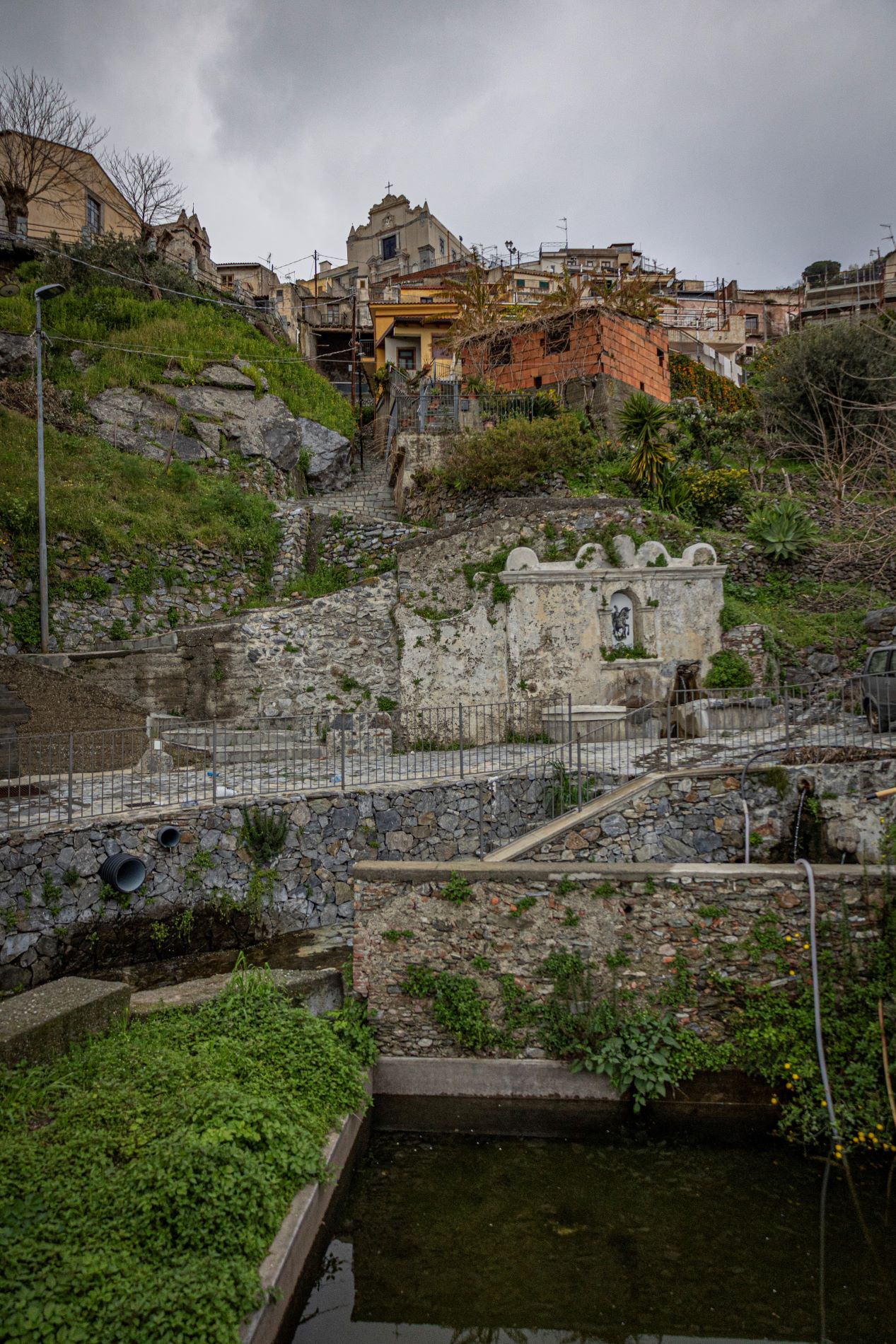
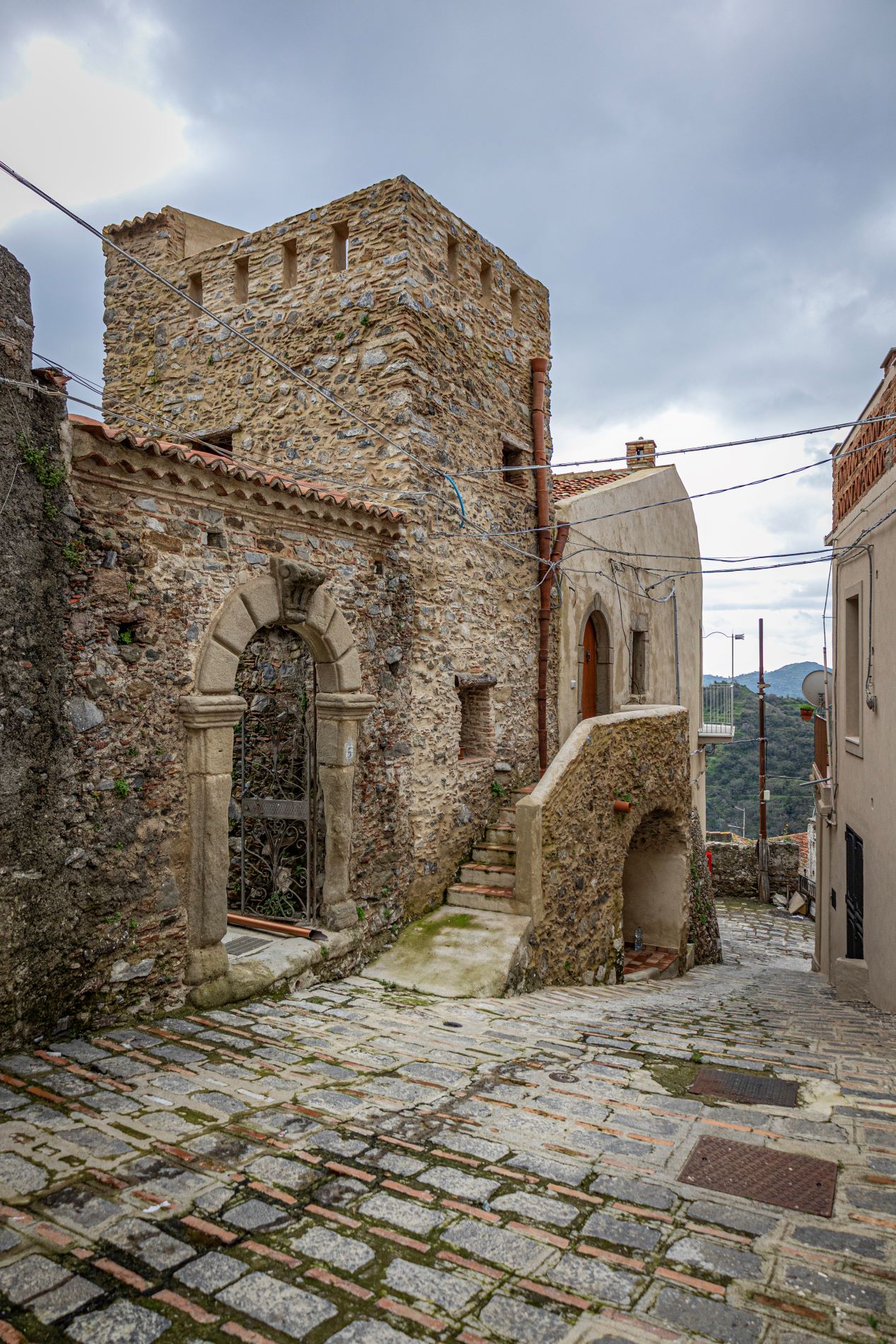
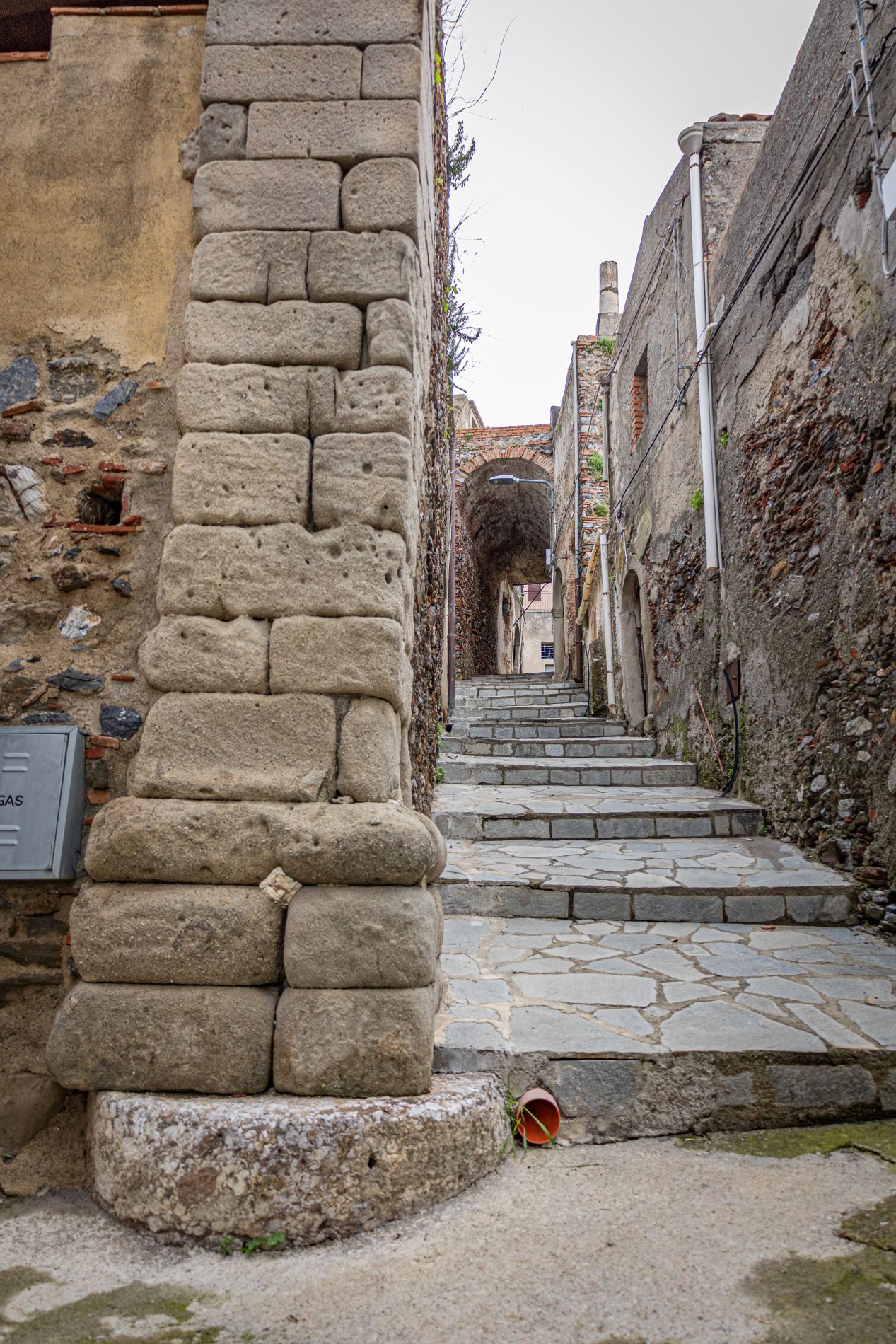
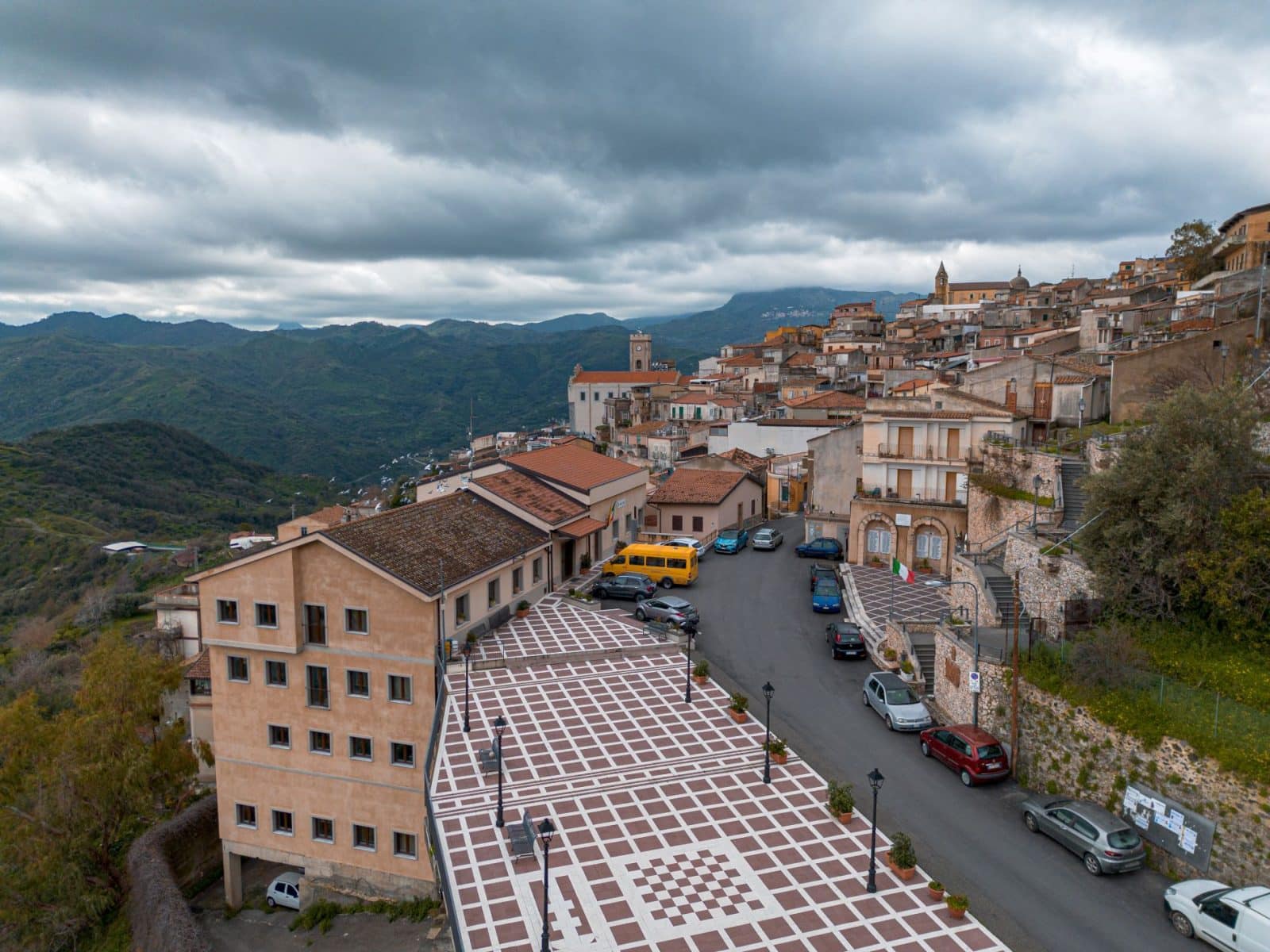
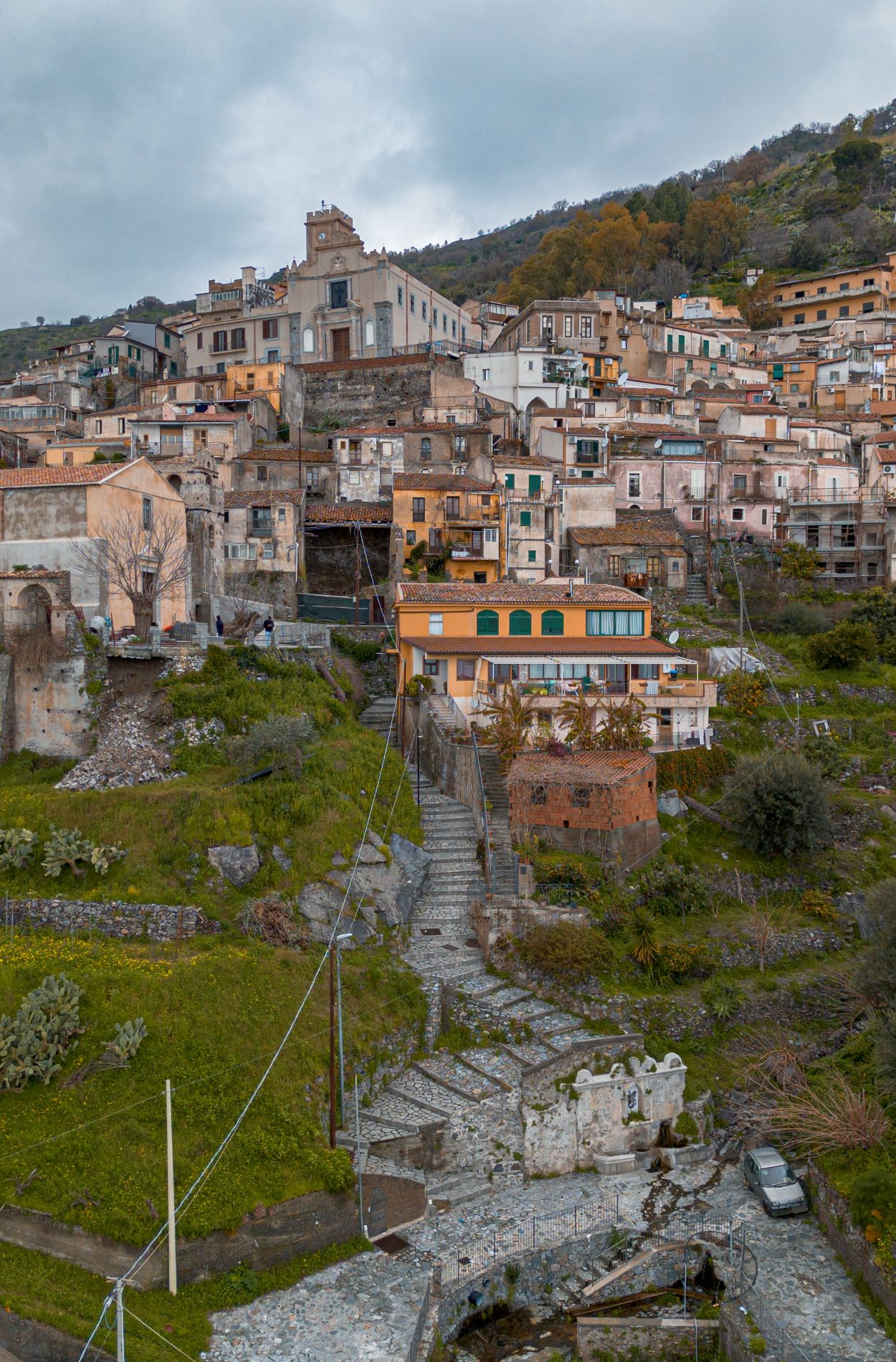
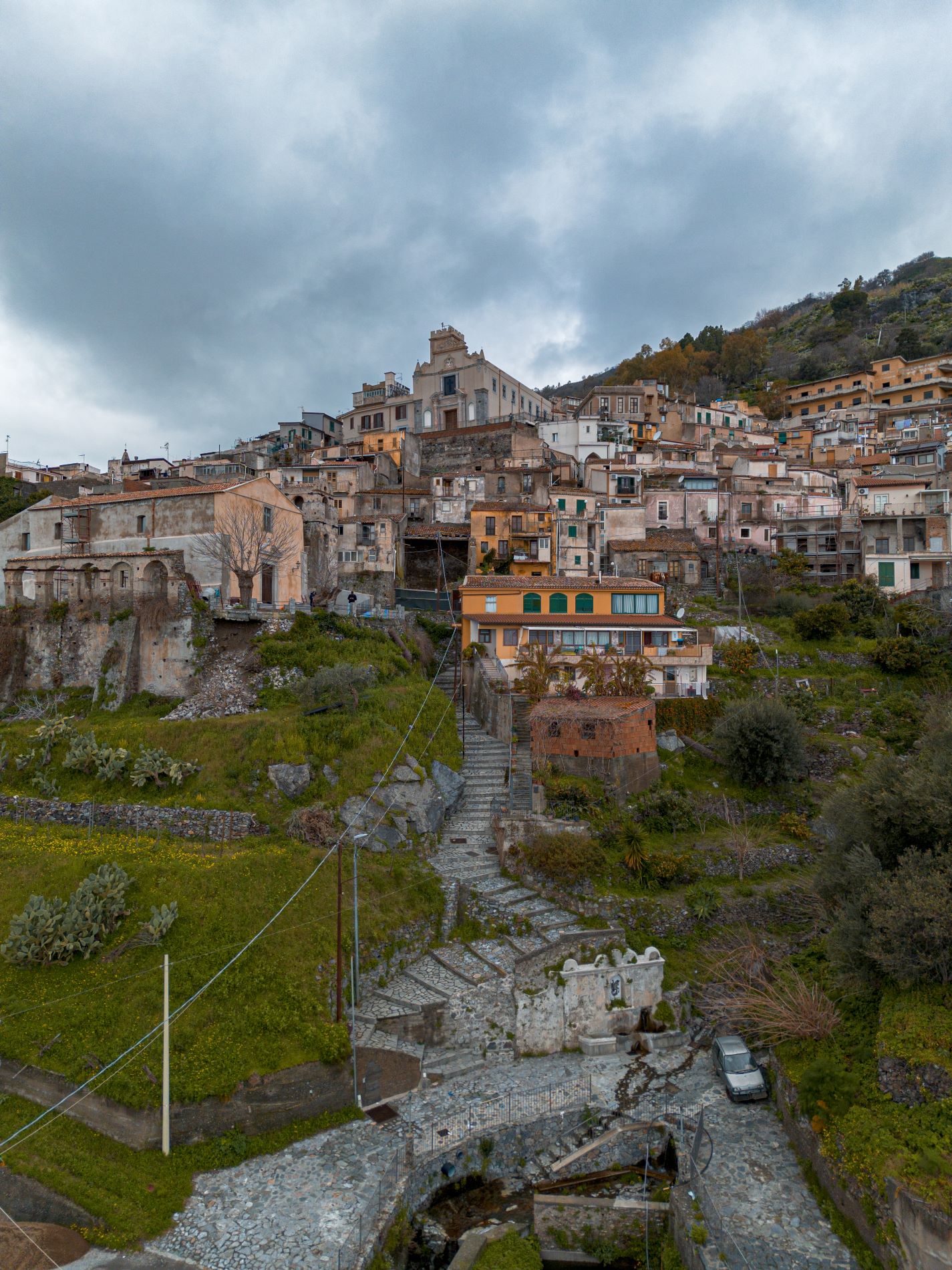
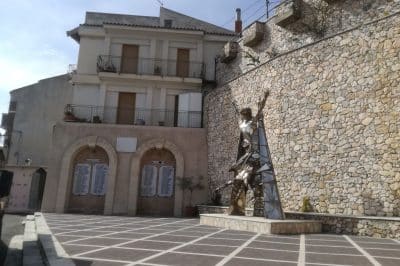
The town follows the contours of the land, with an urban layout that retains clear medieval characteristics: narrow streets, underpasses, stairways and arches reminiscent of Arabic and Spanish architecture. From the natural terraces and panoramic viewpoints, the view opens up onto a wide and evocative landscape that encompasses the Strait of Messina, the Calabrian coast, the Ionian Sea, the hills of Savoca and, on clear days, a glimpse of Mount Etna.
From its Byzantine origins to its current name
The origins of Casalvecchio are ancient and date back at least to the Byzantine era. Its first documented name was Palachorion, a Greek-Sicilian term meaning ‘old farmhouse’, later translated into Latin as Rus Vetus. During the Emirate of Sicily, the town took the name Calathabieth, reflecting the cultural stratifications that marked the entire area of the Agrò Valley.
In 1139, with the foundation of Savoca by Roger II of Altavilla, Casalvecchio lost its autonomy and was subjected to the new Terra di Savoca together with the other surrounding hamlets, the so-called Sarracinorum Pagi. Over the centuries, there were numerous attempts to regain independence: one of the most significant took place in 1603, when the village briefly obtained autonomy from the jurisdiction of Savoca, which was then revoked in 1606 by the Curia Straticoziale of Messina.
Civil and ecclesiastical autonomy was definitively regained between 1793 and 1795 thanks to a Royal Decree and the efforts of Friar Ludovico di Gesù Maria. After the unification of Italy in 1862, the municipality took on its current name of Casalvecchio Siculo to distinguish itself from the town of the same name in Puglia.
The Jewish community and craft activities
An important chapter in local history concerns the presence of a significant Jewish community until 1492. Documents from the 15th century attest that between Savoca and Casalvecchio there were about 250-300 Jews, many of whom lived in the centre of Casalvecchio. They were mainly weavers and dyers, but also iron and silk workers, as well as vine and sugar cane growers. Even today, the historic centre still has a ‘Strada della Judeca’ (Jewish Street), a tangible reminder of their presence.
With the edict of expulsion issued in 1492 by King Ferdinand II, the Jewish community was forced to leave the area, but they left a significant mark on the economic and cultural development of the region.
Churches and Baroque art
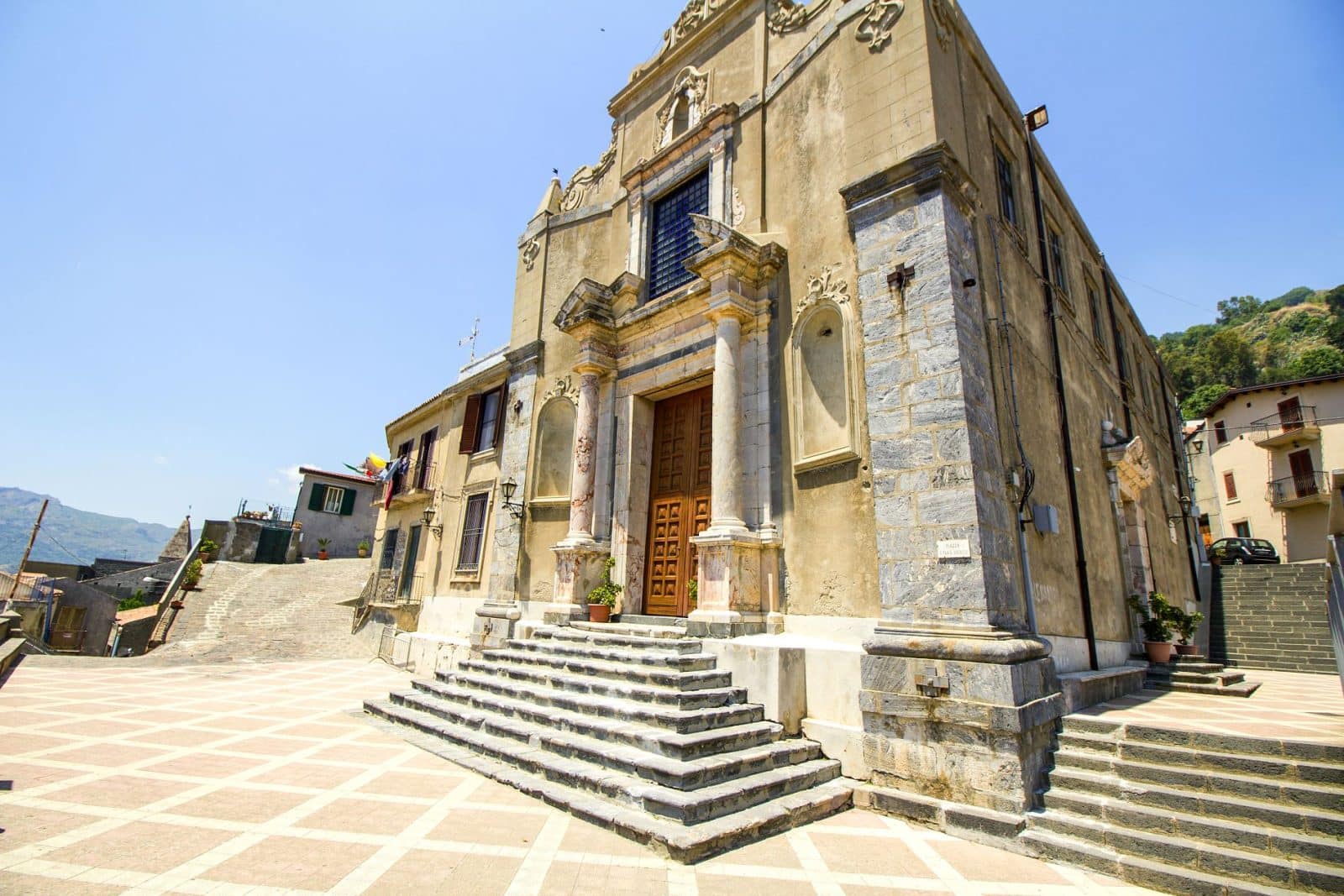
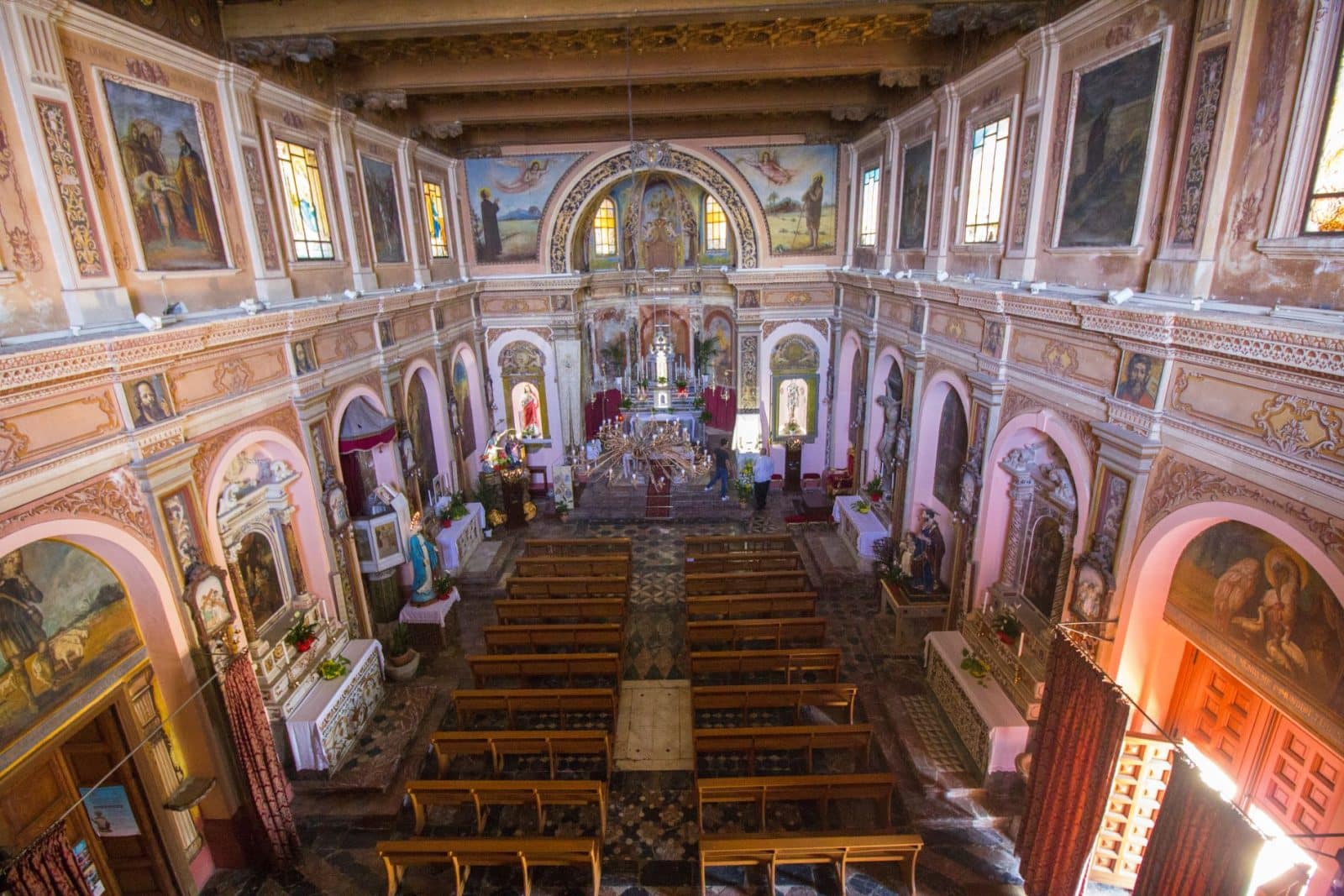
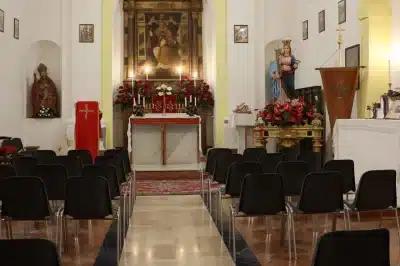
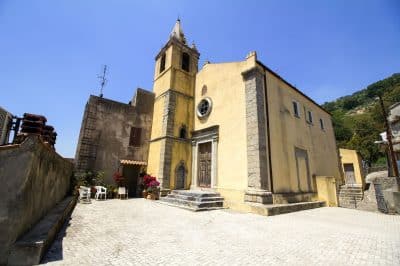
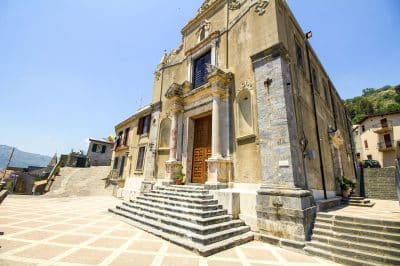
Among the most representative monuments is the 18th-century church of Sant’Onofrio Anacoreta, a splendid example of Sicilian Baroque. Located at the top of a scenic staircase, it has a harmonious façade and an interior richly decorated with inlaid marble and vibrant colours, in keeping with the exuberant style typical of the island’s art at the time.
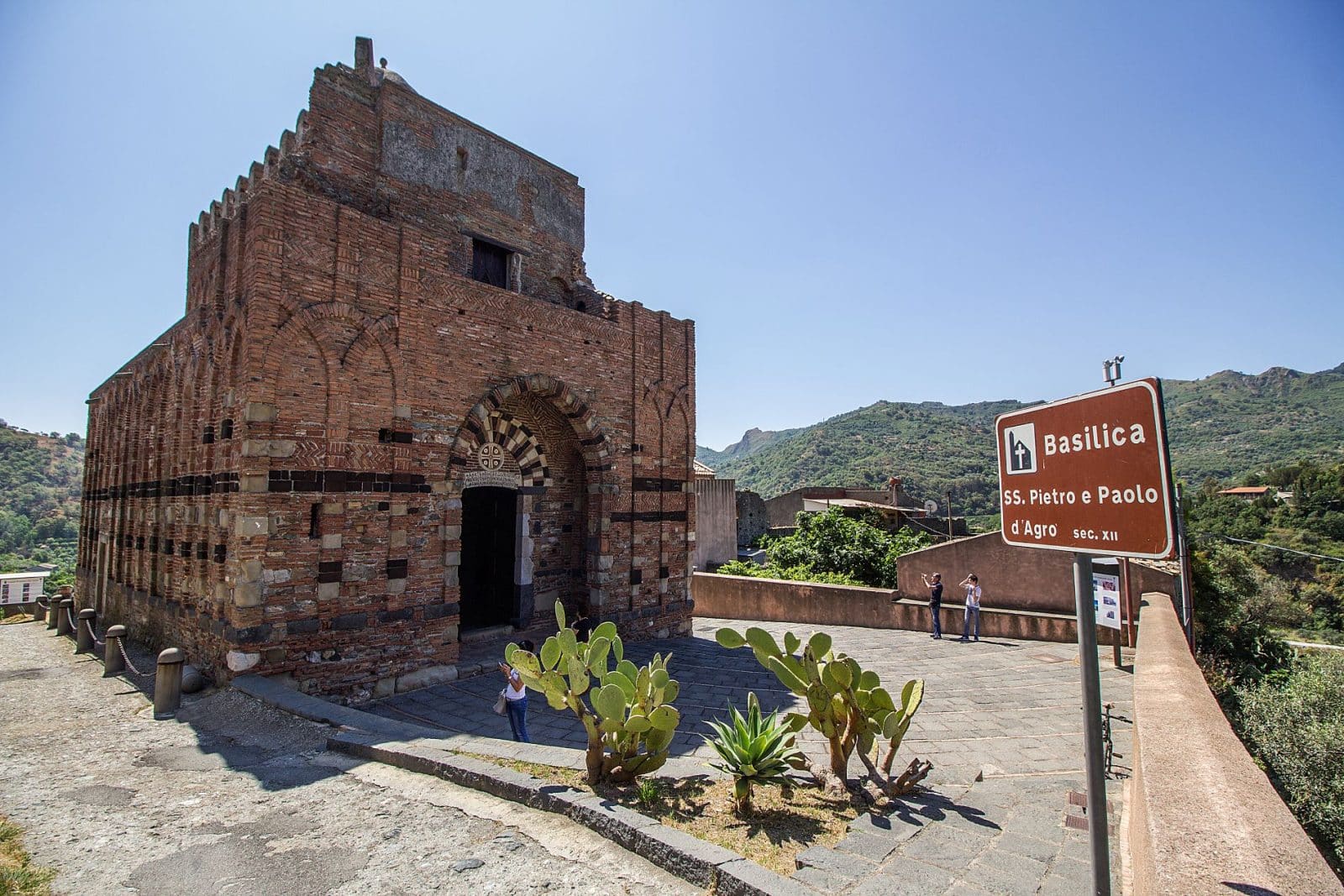
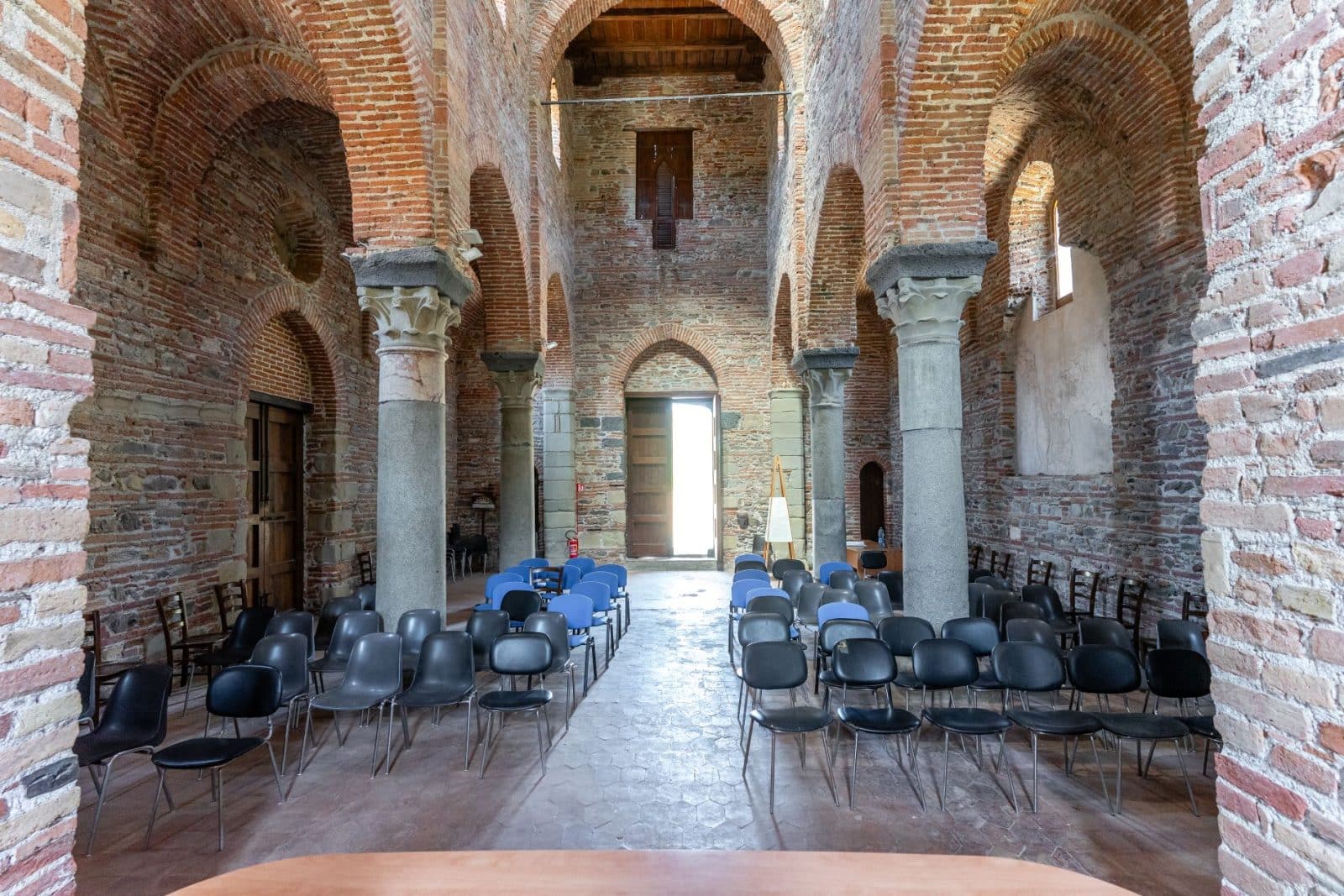
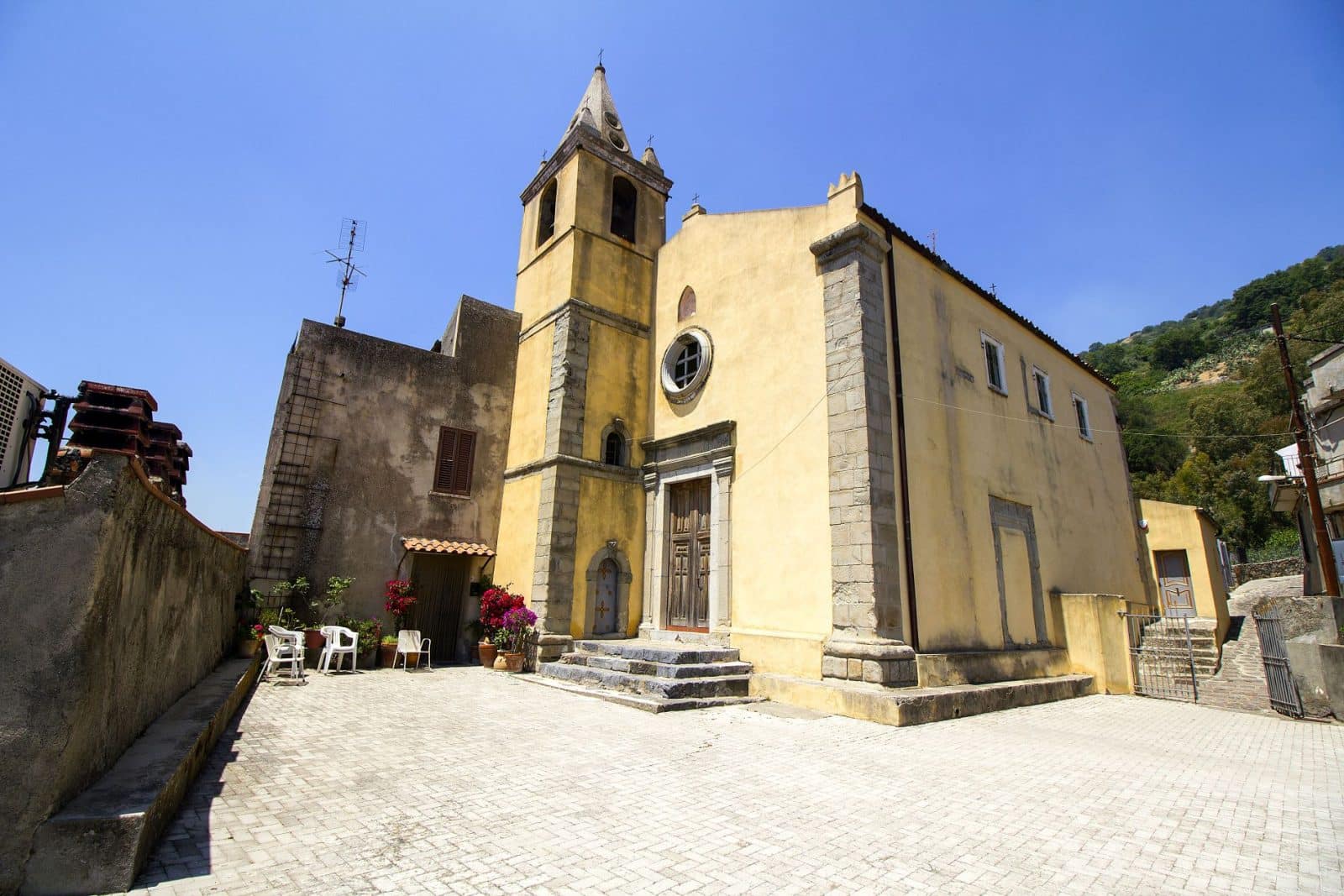
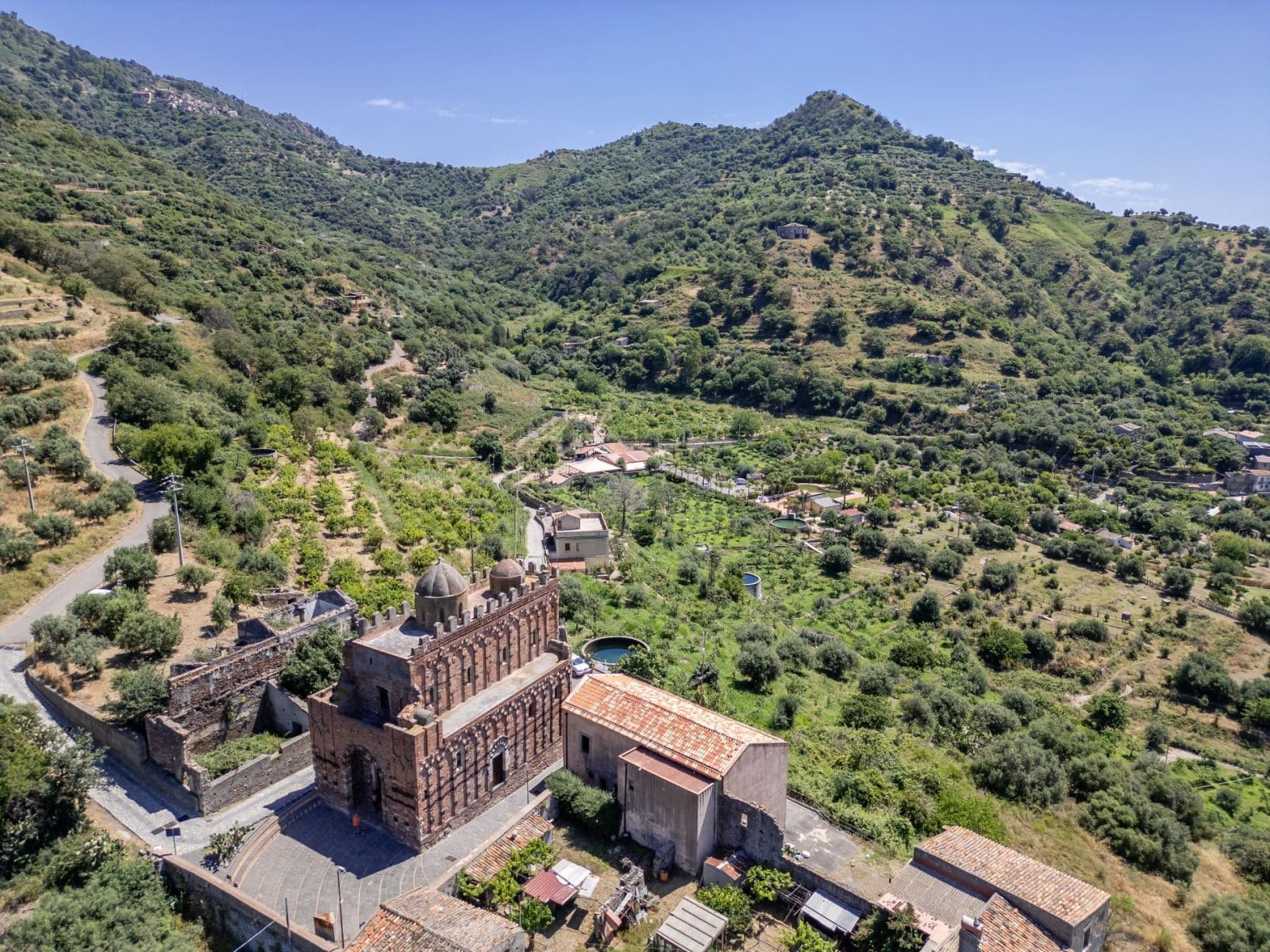
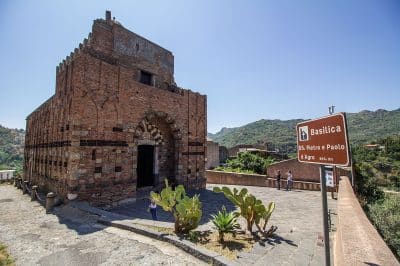
The municipal area is also home to the monumental Church of Saints Peter and Paul of Agrò, one of the most fascinating medieval complexes in Sicily. Located just outside the town centre, it represents an architectural synthesis of Byzantine, Arab and Norman elements. The building, linked to the presence of Basilian monks, was rebuilt during the Norman period, becoming one of the historical symbols of the Agrò Valley.
Landscapes, silence and Sicilian identity
Arriving from Santa Teresa di Riva along the provincial road, Casalvecchio appears almost suspended, clinging to the side of the mountain like a natural terrace overlooking the sea. After the hairpin bends, once you reach the village and look up, the view is breathtaking: over 180 degrees of horizon between Mount Etna, the Agrò valley, the heights of Savoca, the Strait of Messina and the Calabrian coast.
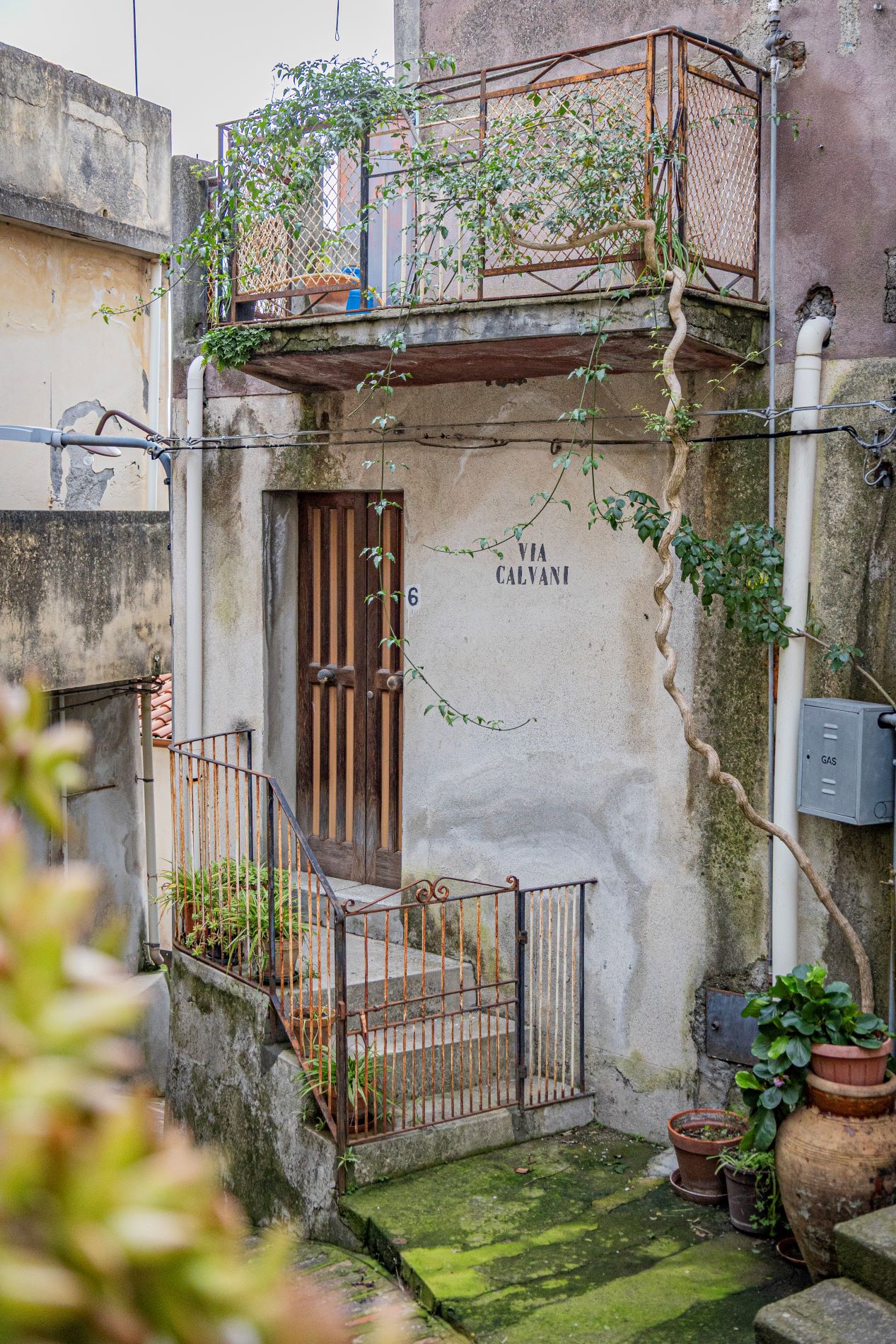
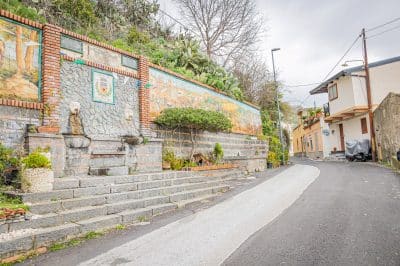
Walking through the narrow streets, where two cars cannot pass each other, you can breathe in an authentic atmosphere, made up of silence, sudden glimpses and architectural details that tell centuries of history. It is a place that invites you to slow down and contemplate, where the natural and human landscapes merge in a rare balance.
Gastronomic tradition
The cuisine of Casalvecchio Siculo is deeply rooted in the farming and pastoral traditions of the Agrò Valley. The dishes are based on simple, authentic ingredients: pasta and beans, fava bean purée, macaroni topped with pork sauce and grated baked ricotta cheese. Wild fennel and pork rind enrich the flavours, while the macaroni is made in a unique way, using a thin reed wire.
Roast pork and goat are the most common main courses, reflecting a cuisine that makes the most of local resources and still maintains its links with the agricultural world.
Casalvecchio Siculo is a village that does not impose itself with spectacular effects, but wins you over with its authenticity. With its Byzantine history, Norman heritage, Jewish traces, Baroque art and boundless views, it offers a sincere experience of the lesser-known Sicily, the one that is slowly discovered, step by step, among its ancient stones and its silence laden with memory.
Village of Casalvecchio Siculo
Municipality of Casalvecchio Siculo
Province of Messina
Region of Sicily
Population: 700 inhabitants
Altitude of town centre: 370 metres above sea level
The municipality is part of:
Union of Municipalities of the Ionian Valleys of the Peloritani Mountains
Municipality
Via Piazza dei Caduti – Tel. +39 0942761008
BY CAR
- When travelling along the motorway, the closest exits to the centre of Casalvecchio Siculo are:
– Roccalumera exit (Messina-Catania / Syracuse-Rosolini)
– Taormina exit | (Messina-Catania / Syracuse-Rosolini)
– Barcellona Pozzo di Gotto exit (Messina-Buonfornello)
– Milazzo – Aeolian Islands exit (Messina-Buonfornello)
BY TRAIN
- Santa Teresa di Riva Station/li>
- Taormina Station
IN AEREO
- Reggio Calabria Airport
- Catania Airport
What to see in Casalvecchio Siculo
Discover what to see in Casalvecchio Siculo among monuments, scenic views, museums, churches and symbolic places of the village. A useful selection to plan your visit and explore the area.
What to do in Casalvecchio Siculo
If you are wondering what to do in Casalvecchio Siculo, here you will find activities, experiences and tours to enjoy the village and its area in an authentic way, among nature, culture, food and wine, and guided routes.
Events in Casalvecchio Siculo
Upcoming events, festivals and initiatives.