 Tuoro sul Trasimeno
 Montefeltro
 Francigena Film Festival
 Guided tour and tasting
 Stress-free Elba: practical tips for planning the perfect holiday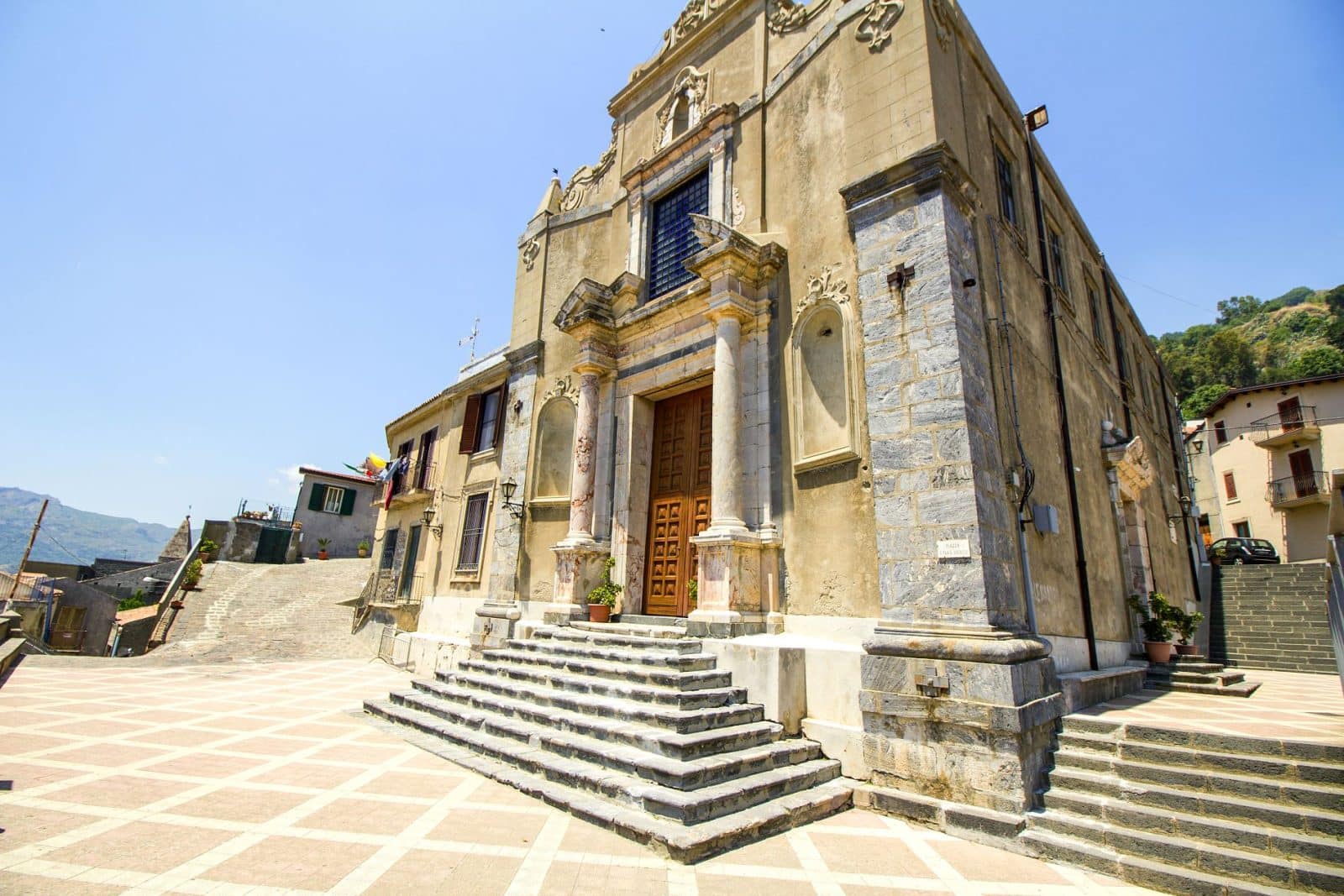
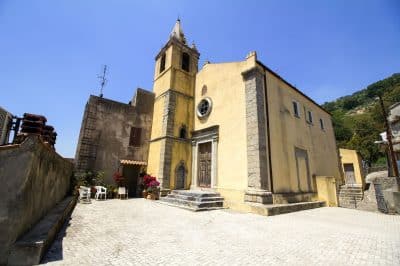
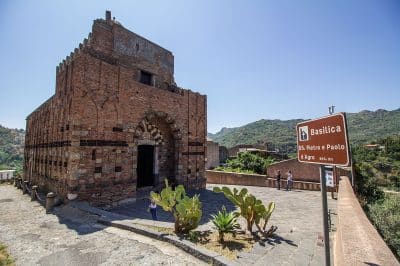
In the heart of Casalvecchio Siculo stands the Church of Sant’Onofrio, the main place of worship in the village and dedicated to its patron saint, Sant’Onofrio Eremita. His cult is attested as early as 1117, as documented in a Diploma of Endowment issued by Ruggero II d’Altavilla. As Sant’Onofrio is a saint of Eastern tradition, it is likely that his veneration came to Casalvecchio thanks to the Basilian monks who officiated at the nearby Church of Saints Peter and Paul of Agrò.
The church was already built in 1522, as attested by the registers of legacies and the wooden half-length bust of the saint, the work of local craftsmen. Over the centuries, due to natural events and population growth, the building was enlarged between the 16th and 17th centuries, taking on its current Baroque style.
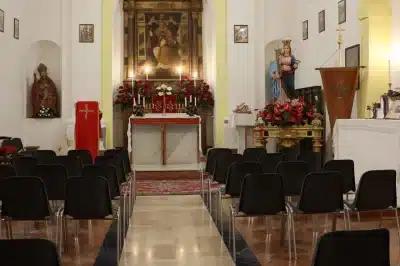
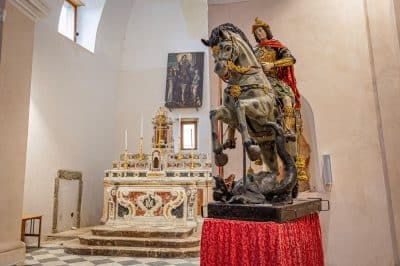
The exterior is simple and unassuming, but the interior is surprisingly richly decorated. The church has a single nave and a coffered ceiling with caryatid corbels, originally sloping and now flat. A 17th-century chandelier in glass and polychrome crystal hangs from the ceiling. The original Baroque floor is embellished with elegant geometric designs in red, white and black Taormina marble.
During the Second World War, the artist Tore Edmondo Calabrò, who had been displaced to Casalvecchio, created the pictorial decorations that still adorn the walls and windows today. The frescoes recount the life of Saint Onuphrius, from his youth to his death in the desert, assisted by his disciple Pafnunzio. Calabrò also created the cardboard and plaster throne in the apse, which houses the wooden bust of the patron saint.
The high altar, in 18th-century polychrome marble, is surmounted by an elegant throne with a tabernacle, whose silver door depicts Saint Onuphrius receiving communion from an angel. Along the nave are six side altars, enriched with 17th- and 18th-century paintings. Among the most significant works are the Epiphany attributed to the Barcelona painter Gaspare Camarda, the canvas of the Holy Family, the Madonna del Carmelo, St. Michael with an inlaid marble frontal and the evocative altar of the Crucifix with wooden and pictorial works from different periods.
Particularly touching is the “Pio transito di Sant’Onofrio” (Pious Passing of Saint Onuphrius), attributed to the Casalvetino painter Antonino Cannavò, located in the chapel that houses the silver statue of the saint. The latter was created in 1745, by vow of the people of Casalvetino, as a sign of gratitude for having spared the town from the plague epidemic of 1743. The statue is still carried in procession on the second Sunday of September, a key moment in the religious life of the village.
In front of the church is a small parish museum, commissioned by the archpriest Don Mario D’Amico, which preserves ancient tools, historical photographs, sacred vestments from the 17th and 18th centuries and precious silver objects. Among these are monstrances, chalices, reliquaries and liturgical furnishings made in Messina, testimony to the spiritual and artistic wealth that has characterised the Casalvetina community over the centuries.
The Church of Sant’Onofrio is not only a religious building but also the heart of Casalvecchio Siculo’s identity: a place of memory, art and devotion, guardian of a tradition that combines Eastern roots and Sicilian Baroque in an intense and intimate atmosphere.