 San Martino di Castrozza
 Malvasia in Porto 2026
 Tandem paragliding flights in Tirolo and Merano: the thrill of flying over the Alps
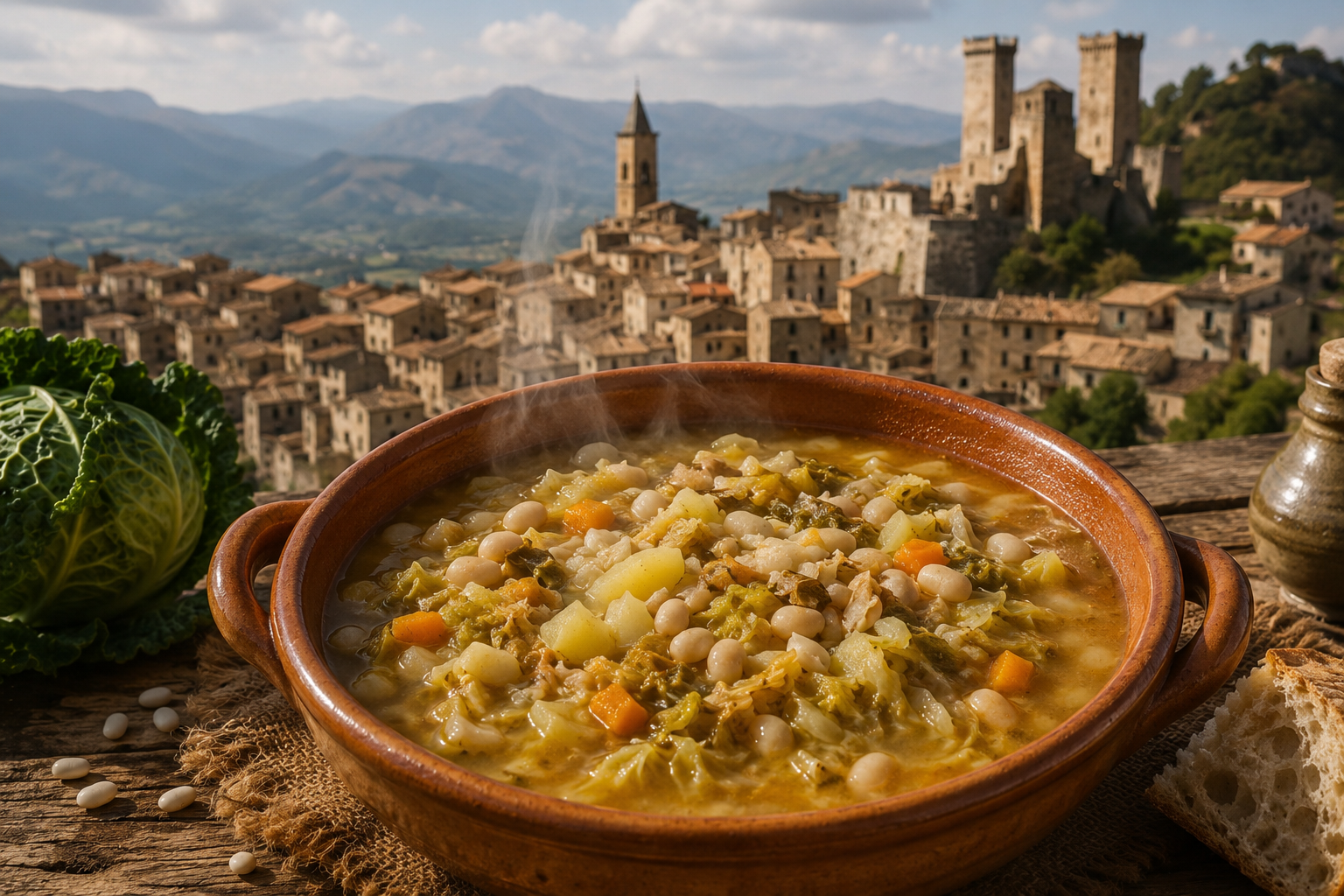 Recipe: Polta di Pacentro, the peasant dish that symbolises the traditions of Abruzzo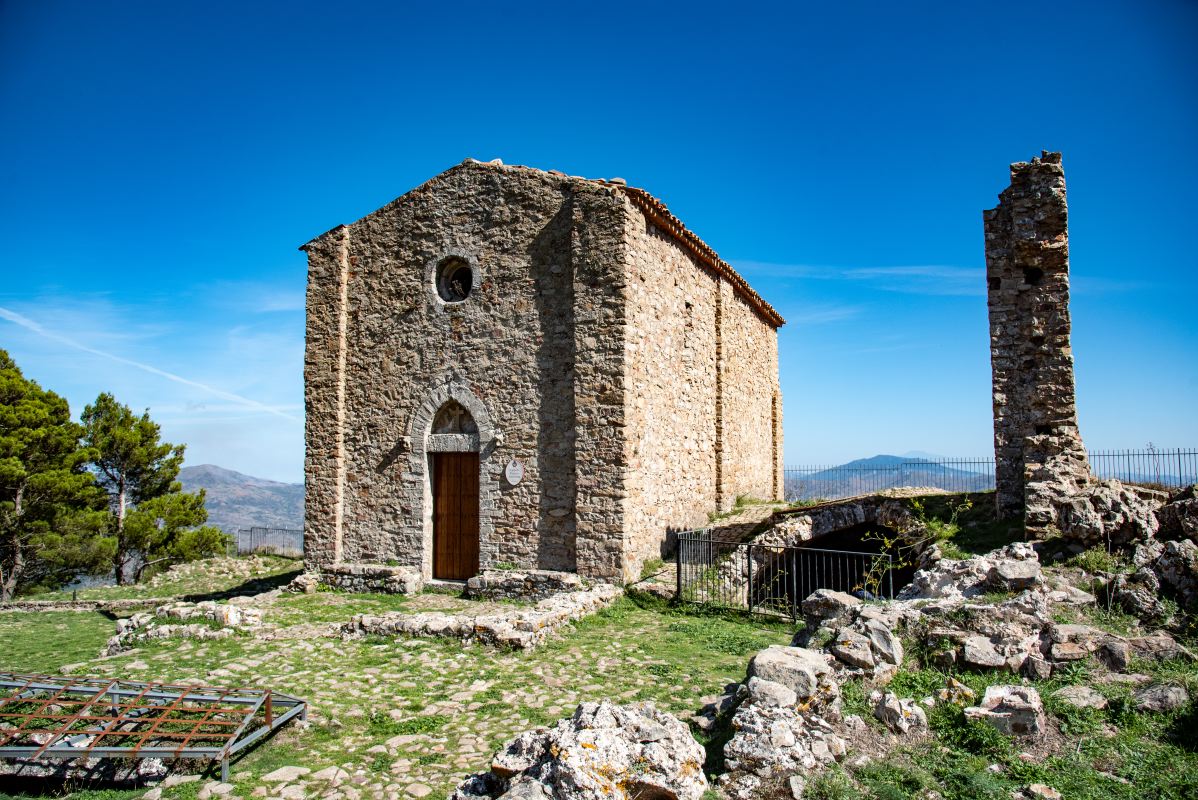
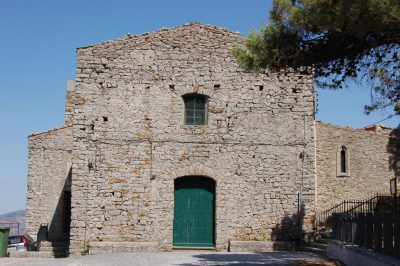
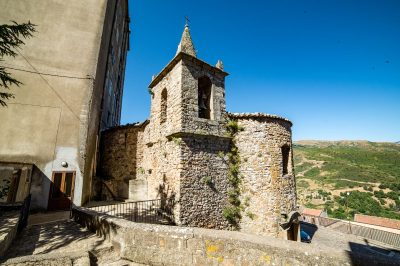
The Church of Sant’Anna in Geraci Siculo, the castle’s former palatine chapel, is one of the most significant examples of local medieval architecture. Situated on the eastern edge of the fortification, it is the only building in the complex that remains intact and is distinguished by a style described as a distinctive regional Gothic, enriched by Byzantine and Norman influences.
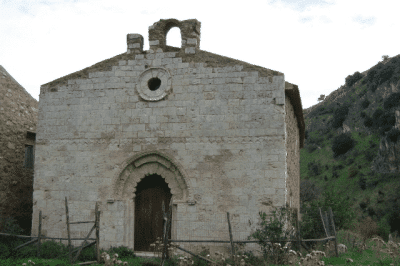
The building has a nave-and-apse plan oriented along a west-east axis, with a small projecting apse. Externally, it appears as a compact volume with a gabled roof, punctuated by pilasters that give rhythm to its surfaces. The façade, which once faced the churchyard connected to the castle courtyard, is characterised by a pointed arch portal surmounted by a small rose window, whilst a second entrance with a round arch opens onto the northern side.
The interior is divided into two square bays covered by cross vaults, with ribs resting on decorated corbels and connecting to small columns supported by corbels carved with animal, plant and geometric motifs. The apse, illuminated by a slender single-lancet window, is adorned with twisted and smooth columns featuring decorated capitals, whilst the apse basin features a double arch of refined design. On either side are two small niches with trefoil arches, elements reminiscent of the Byzantine liturgical tradition, alongside large pointed recesses originally intended for noble burials.
On the south wall there is a rectangular opening, now bricked up, which was probably connected to the castle’s interior and used as a women’s gallery from which to attend religious services.
The construction of the chapel is documented by a marble inscription dated 1311, which attributes the work to Count Francesco I Ventimiglia. However, earlier sources attest to the existence of a place of worship as early as the 13th century, when Emperor Frederick II assigned the chaplaincy of the castle. The chapel was also linked to the Ventimiglia family, who kept a precious relic there: the skull of Saint Anne, patron saint of the family.
Inside, there is also a painting depicting the Nativity of the Virgin, dating from the first half of the 17th century and attributed to the circle of the painter Giuseppe Salerno, known as ‘lo Zoppo di Gangi’, which further enhances the artistic and historical value of this extraordinary place.