 San Martino di Castrozza
 Malvasia in Porto 2026
 Tandem paragliding flights in Tirolo and Merano: the thrill of flying over the Alps
 Recipe: Polta di Pacentro, the peasant dish that symbolises the traditions of Abruzzo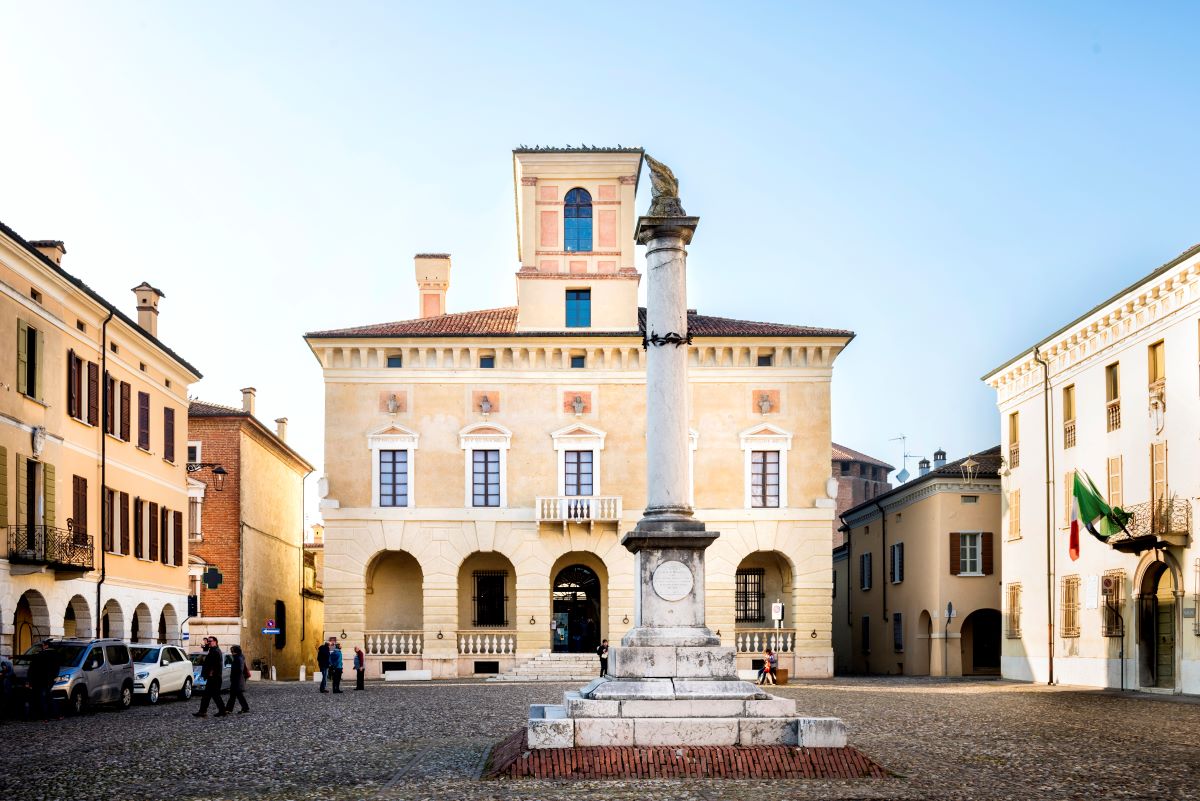
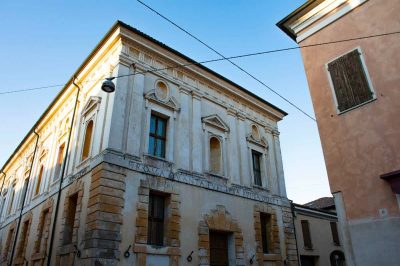
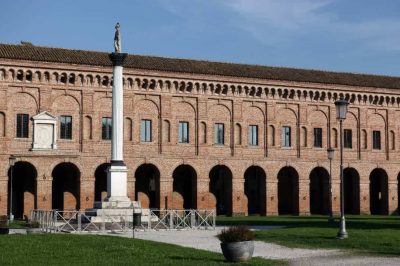
Overlooking the spectacular Piazza Ducale, the Palazzo Ducale represents the historical, political and symbolic heart of Sabbioneta. Commissioned by Vespasiano Gonzaga and built between 1558 and 1588, it was the first major building of the ideal Renaissance city and the seat of government of the duchy of the same name.
For over thirty years, the palace was the centre of administrative and court life in the State of Sabbioneta. It was here that the duke exercised his power, received ambassadors and distinguished guests, and organised the political life of his small but prestigious capital. It was within these very walls that Vespasiano Gonzaga spent the final years of his life and died on 26 February 1591.
The building is spread over two storeys and is characterised by an elegant marble-clad portico opening onto the square. On the main floor, a series of richly decorated rooms still preserve splendid carved, gilded and painted wooden ceilings, bearing witness to the refinement of the Gonzaga court. Originally, the rooms were embellished with precious Flemish tapestries, embossed leather upholstery, panelling and works of art, all of which helped to create an atmosphere worthy of the most important European courts.
Among the most significant rooms, the famous Sala delle Aquile stands out, housing the extraordinary ‘Cavalcata’, a procession of polychrome wooden equestrian statues created in 1587. The sculptures depict Vespasiano Gonzaga and some of his illustrious ancestors in ceremonial armour, celebrating the history and prestige of the dynasty.
Also of great interest is the Gallery of the Ancestors, decorated with elegant grotesques and adorned with portraits of the Gonzaga family. The Hall of the Emperors, which has been recently refurbished, houses reproductions of the famous Twelve Caesars painted by Bernardino Campi, whilst the Hall of the Duke of Alba features a monumental pink marble fireplace that bears witness to the residence’s refined taste.
Among the other rooms worthy of attention are the Hall of the Elephants, the Hall of the Lions, the Hall of the Cities and the Angel, and the Hall of the Octagons and Grapes, which once housed the duke’s extensive personal library. The frescoes and decorations were entrusted to leading artists such as Bernardino Campi and Alberto Cavalli.
One of the most evocative rooms also houses the Gonzaga family tree, which traces the history of the house through its members and the marital alliances that cemented its prestige.
Today, the Palazzo Ducale is one of the most important examples of Vespasiano Gonzaga’s urban and cultural vision. A visit to the palace offers an insight into the role Sabbioneta played in the European Renaissance and allows visitors to immerse themselves in the atmosphere of the ‘ideal city’ envisaged by its founder, which, together with Mantua, is recognised as a UNESCO World Heritage Site.