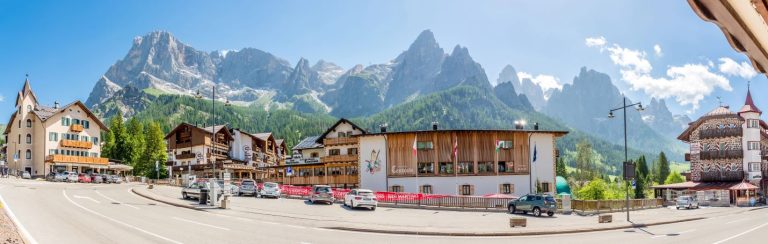
 San Martino di Castrozza
 Barga in Cioccolato 2026
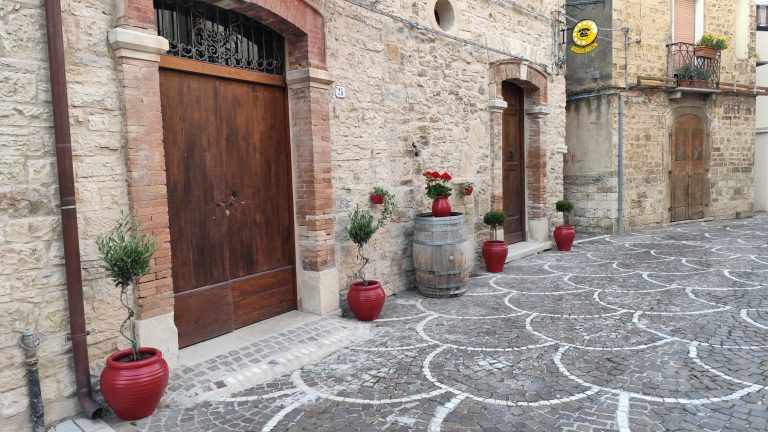 Cianfagna Winery Residence
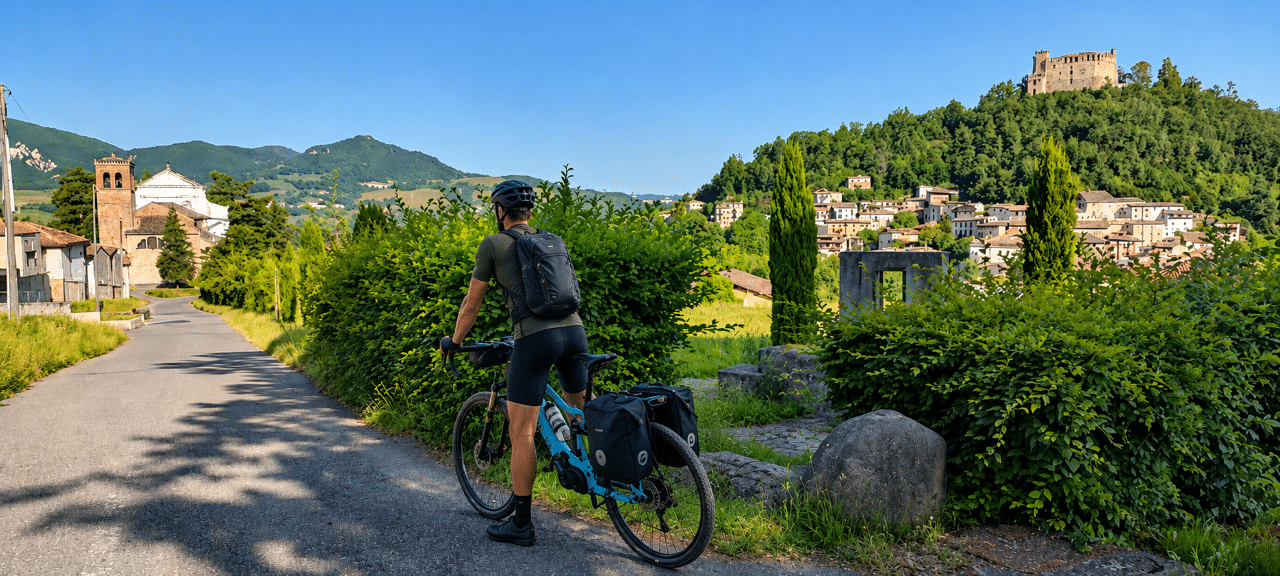 Historic trails and slow itineraries between Pavia and Oltrepò Pavese: the charm of slow tourism amidst nature, villages and spirituality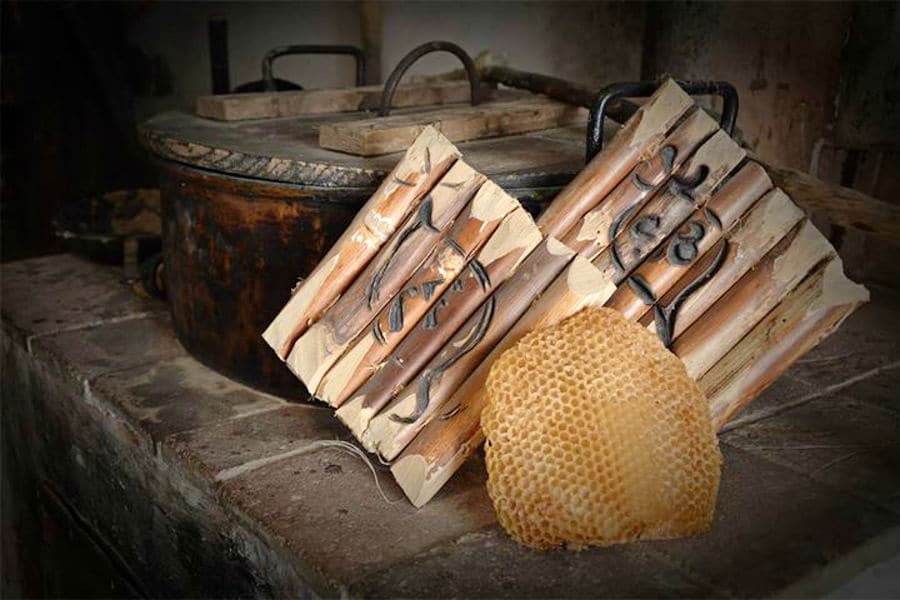
The house shows us – with guided tours – as masters fascitrari built ‘i fascetri (hives) câ ferra (with the ferrule, Ferula Comunis, characteristic porous wood and light), on work benches, i.e. supra ò vancu ‘i sgarruzzari (on the workbench suitable to cut spools – catrozzi – the trunks of the ferrule) and supra ò vancu ‘i parari (on the workbench suitable for planing and faceting of the sprockets). The House Museum we also illustrates how it was carried out the honey separation dê bbrischi (of combs) cô cannisciu and cô conzu (col basket and the Torchio). In addition panciute jars of honey, find place in the House even the typical Carretto (‘a carretta), at night and exhausting transhumance period, the many fascetri, ‘u fucularu running to wash the wax in boiling water, the many implements of work, deposits of spools, resting high on the wall, the long rods of wild almond, olive, myrtle and hackberry trees.
The house was for the beekeeper pride and a sign of family welfare, that for atavistic inherent confidentiality, was not ostentatious.
Opening times on reservation
casamuseoapicoltura@gmail.com