
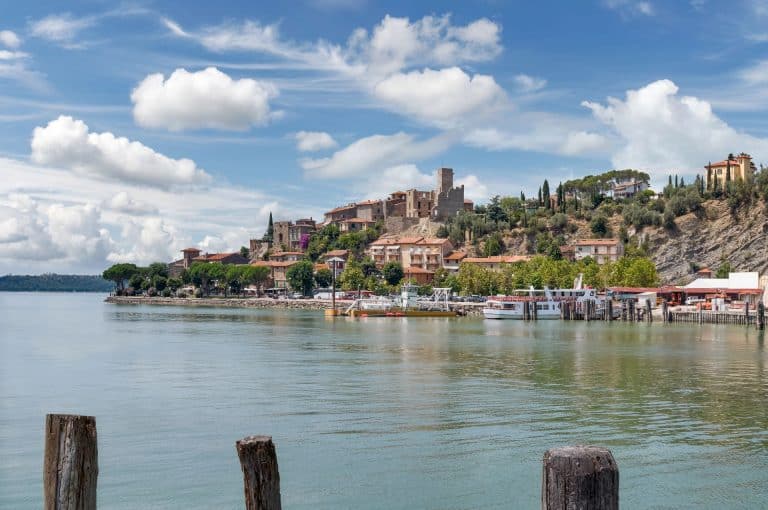
 Passignano sul Trasimeno
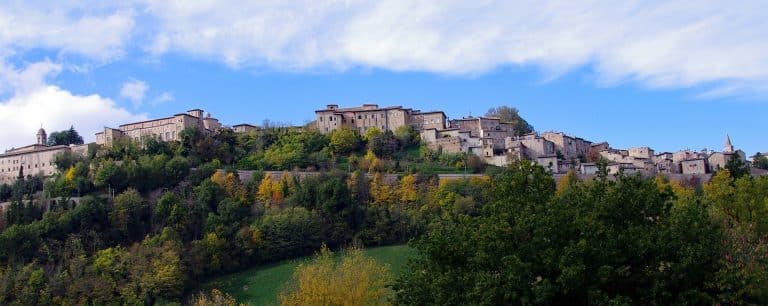 Montefeltro
 The White Night
 The Ca’ Rossa Experience: from vineyard to glass
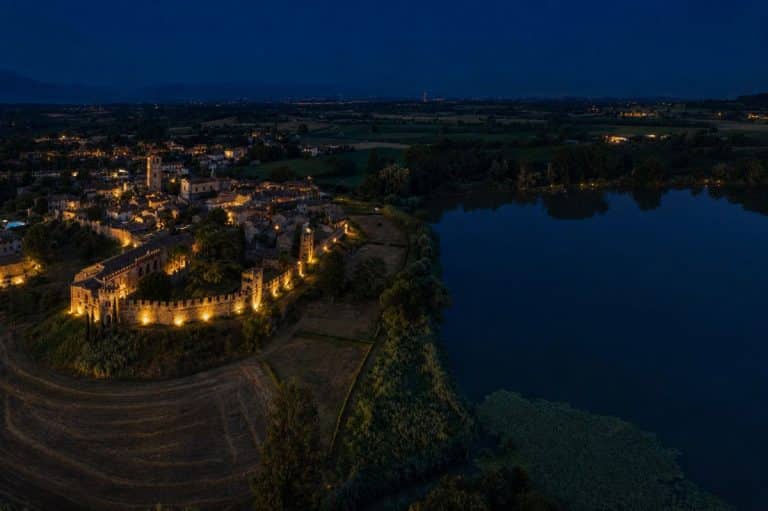 Romantic Night 2026: on 20 June, over 230 Italian villages will be aglow with love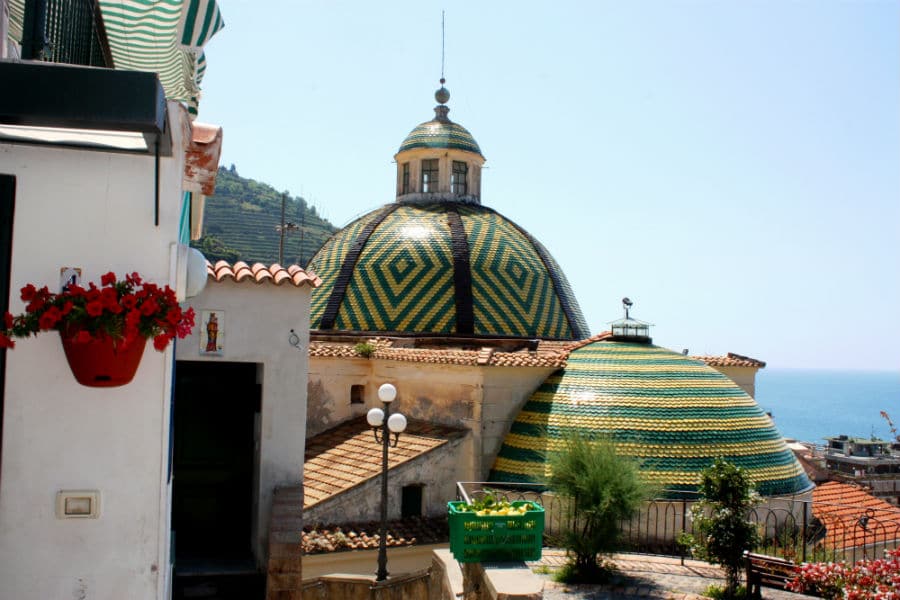
The Collegiate Church of Santa Maria a Mare is one of Maiori’s most captivating landmarks, situated on a hilltop in the heart of the town and deeply rooted in the history and devotion of the village. Its origins date back to the 13th century, when a pre-existing church dedicated to St Michael the Archangel was extended. The name derives from the tradition that, in 1204, a statue of the Virgin Mary was found on the beach, an event that gave impetus to Marian devotion.
Over the centuries, the building has undergone numerous alterations and transformations. On 10 March 1506, it was elevated to the status of a distinguished collegiate church by Julius II, whilst in 1836 it underwent a major refurbishment by the architect Pietro Valente, who helped to define its current appearance.
The interior comprises three naves and retains a solemn and elegant atmosphere. The central nave is dominated by a refined coffered ceiling, created in 1529 by the Neapolitan painter Alessandro de Fulco on commission from the Mezzacapo, Lanario and De Ponte families. The ensemble creates a striking visual effect, enriched by the presence of works of art and decorations that bear witness to the church’s centuries-old history.
The crypt is particularly striking; it houses the remains of Saint Clement and is home to the “Don Clemente Confalone” Museum of Sacred Art, offering a journey through faith, art and local traditions. Adjacent to the church is the sacristy, built in 1866, which completes the religious complex.
Externally, the building displays an elegant 18th-century style. The 14th-century bell tower stands out, whilst the hemispherical dome, completed in 1863 and clad in Vietri majolica, adds colour and brightness to the townscape, becoming one of the most iconic features of the Amalfi Coast.
In 1973, the collegiate church was elevated to the status of a Marian shrine, confirming its central role in the spiritual life of Maiori. Even today, it remains a place where history, devotion and beauty converge, offering visitors an authentic experience in the heart of the Campania coast.