 San Martino di Castrozza
 VIVA! Festival 2026
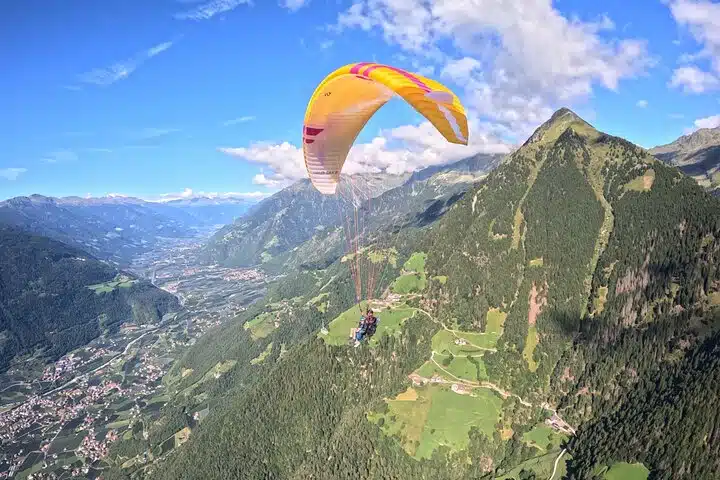 Tandem paragliding flights in Tirolo and Merano: the thrill of flying over the Alps
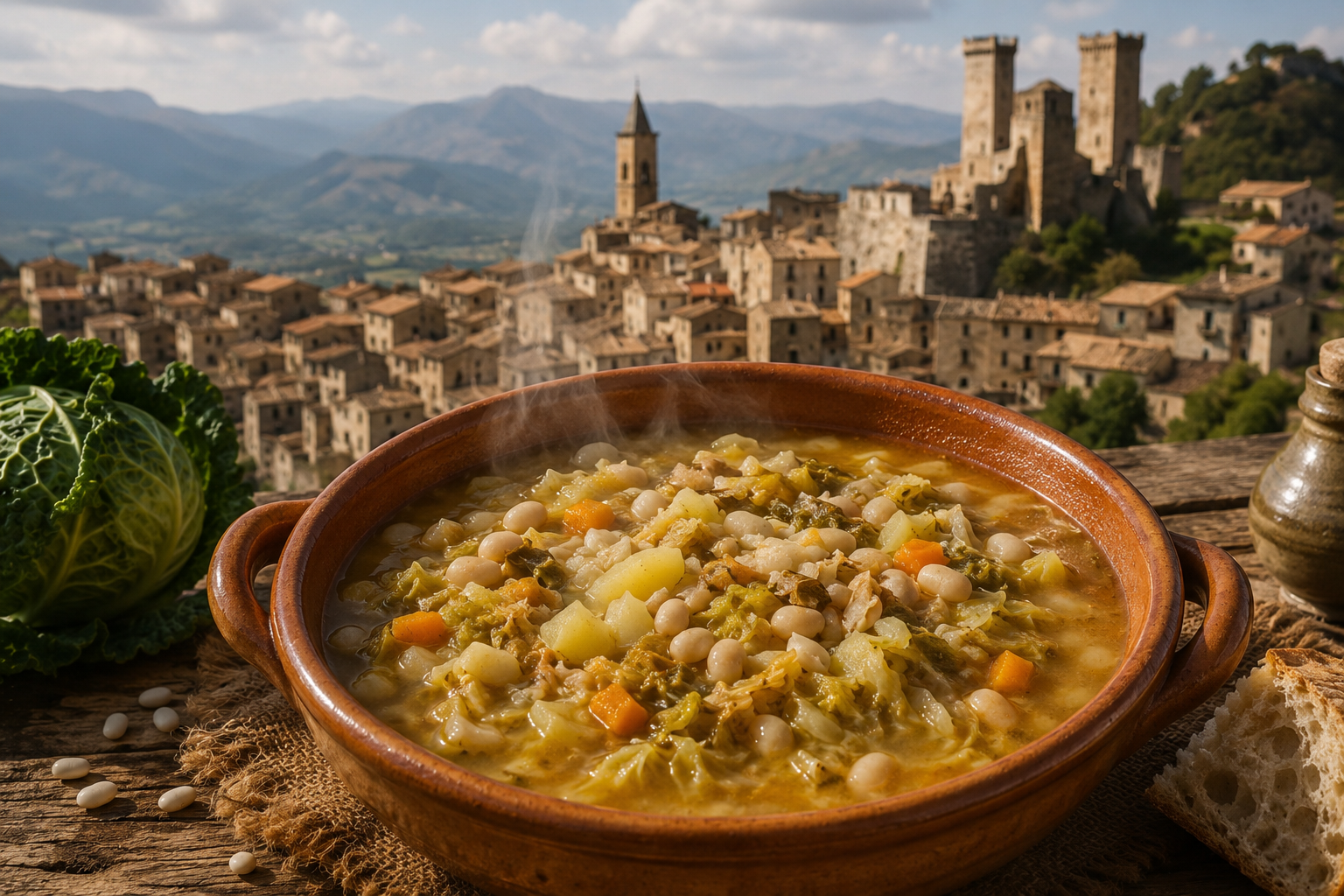 Recipe: Polta di Pacentro, the peasant dish that symbolises the traditions of Abruzzo
The sweet bread of rebirth, between peasant faith and Romagna tradition
In the heart of the Savio Valley, when winter gives way to the first scents of spring, Easter arrives with an ancient ritual of anticipation, leavening and sharing. In Sarsina, the Easter table has always been set with a powerful symbol of identity: the Pagnotta Pasquale (Easter loaf). It is not just a dessert, but the story of a farming community that celebrated the end of deprivation and the return of abundance.
An ancient ritual between Lent and spring
It is difficult to establish precisely when the Pagnotta Pasquale was first created: the earliest references date back to the early 20th century, but its roots go back much further, to the rural culture of Romagna. Its preparation faithfully followed the times of Lent and Holy Week, becoming the sweet symbol of Easter breakfast, a much-anticipated moment after weeks of sacrifice.
Easter also coincided with the reawakening of nature: the fields came back to life, the trees blossomed, and the Pagnotta represented this transition from a period of austerity to one of hope and rebirth.
Ingredients for homemade Easter bread
(Aunt Maria’s Easter Loaf Recipe)
5 uova
1 litre of milk
400 g sugar
2 tablespoons lard (or margarine or oil)
1 cube of brewer’s yeast
Grated lemon zest
Sultanas
Aniseed
Flour as required
Secret ingredient (often attributable to aniseed, but never openly stated)
Procedure
Place the flour in a mound on a pastry board. Warm the milk. In a bowl, beat the eggs with the sugar, add the lard (or margarine/oil), the yeast dissolved in the warm milk and all the other ingredients.
Pour the mixture into the centre of the well and knead until you have a soft, elastic dough. Transfer the dough to a baking tray or tin and leave to rise for 2–3 hours in a warm place.
Before baking, brush the surface with egg yolk. Bake at 150°C for about 50 minutes, until golden brown.
Easter breakfast in Romagna
Tradition dictated that Easter began with a hearty breakfast, eaten together as a family. On the table, alongside the Easter loaf, were blessed hard-boiled eggs, the first salami of the year – prepared at home during the winter months – and a glass of Sangiovese wine.
When Pagnotta was made at home, the azdore, the true pillars of the family, prepared one for each member of the household. This gesture took on the value of a symbolic dowry, a sign of prosperity after a winter of hardship.
Curiosities, secrets and living tradition
Pagnotta Pasquale always has a secret ingredient that the azdora never reveals. It is this mystery, together with its versatility – good on its own, with sweet or savoury accompaniments – that makes it so popular today.
In Sarsina, tradition is more alive than ever: so much so that it has given rise to a festival dedicated to the Easter loaf, which takes place in Piazza Tito Maccio Plauto on the two Sundays before Easter. Even today, it can still be found in bakeries and pastry shops in the village and the Savio Valley, but many families continue to prepare it at home, strictly with the secret ingredient.
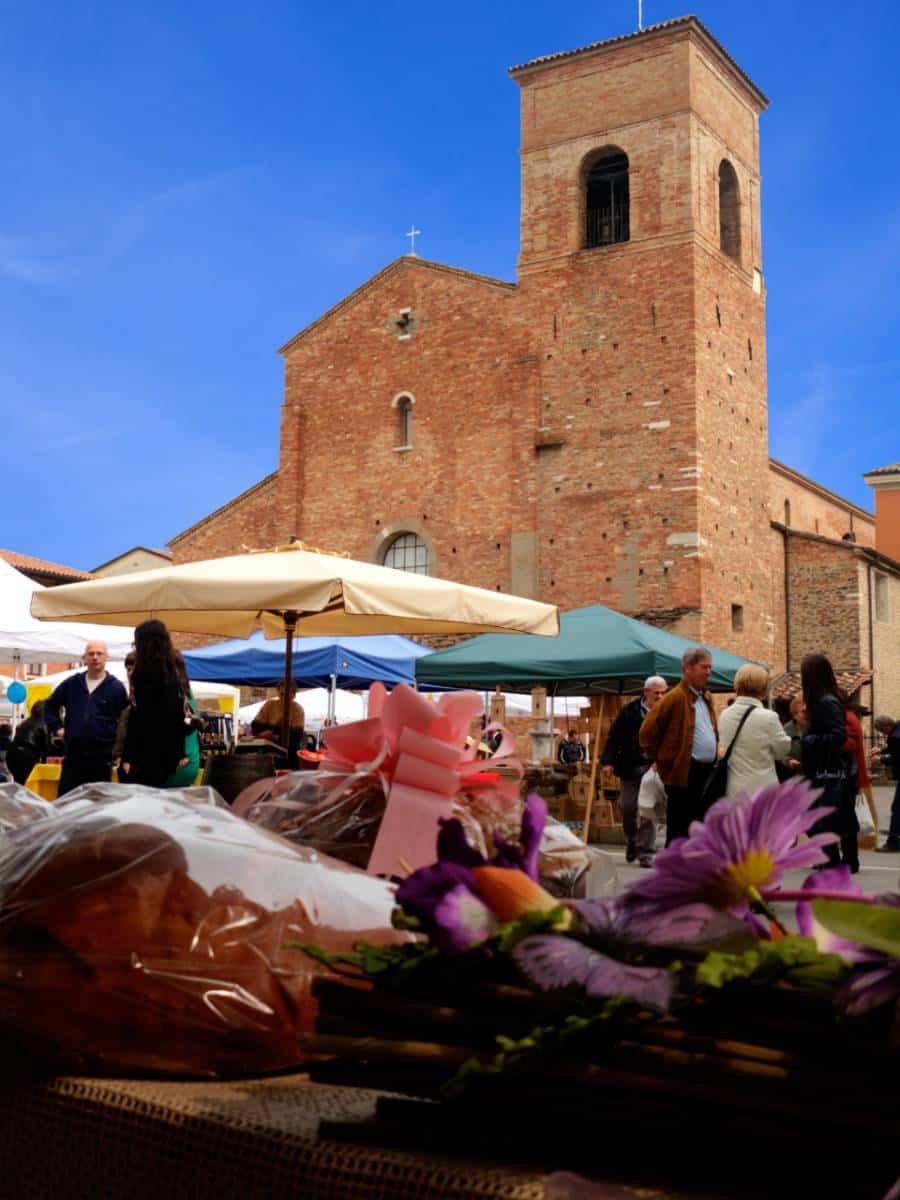
A sweet bread that tells the story of Easter in Sarsina
The Easter loaf is not just a recipe, but a collective story of faith, seasons and memory. Each slice encapsulates the knowledge of the azdore, the slow rhythm of leavening and the value of sharing, restoring Easter to its most authentic meaning: rebirth, abundance and community.
Also interesting is the study on Easter bread conducted by Dr. Catia Guerrini, who is often entrusted with recounting this ancient tradition during guided tours of the La Corte di Raffaello bakery in Sarsina. Her research and dissemination work helps to preserve and pass on the gastronomic memory of the area, keeping alive the link between history, community and rural knowledge.
In collaboration with Assessorato al Turismo di Sarsina – Ufficio Turistico Sarsina – Proloco Sarsina
and Forno Rossi Raffaello – Pasticceria Walter – Pasticceria Plautina – Forno Moretti Mike
Do you want to promote your business on e-borghi?
Reach travellers interested in villages, authentic experiences and quality tourism.
Discover how to become a partner