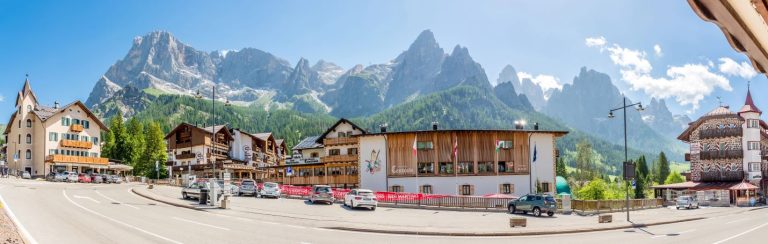
 San Martino di Castrozza
 Barga in Cioccolato 2026
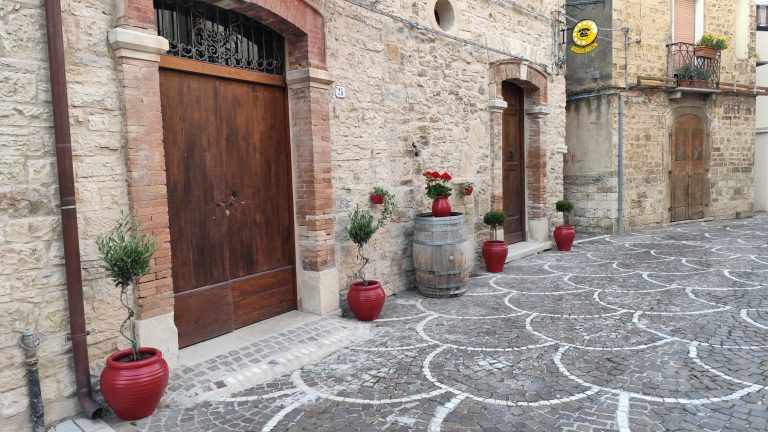 Cianfagna Winery Residence
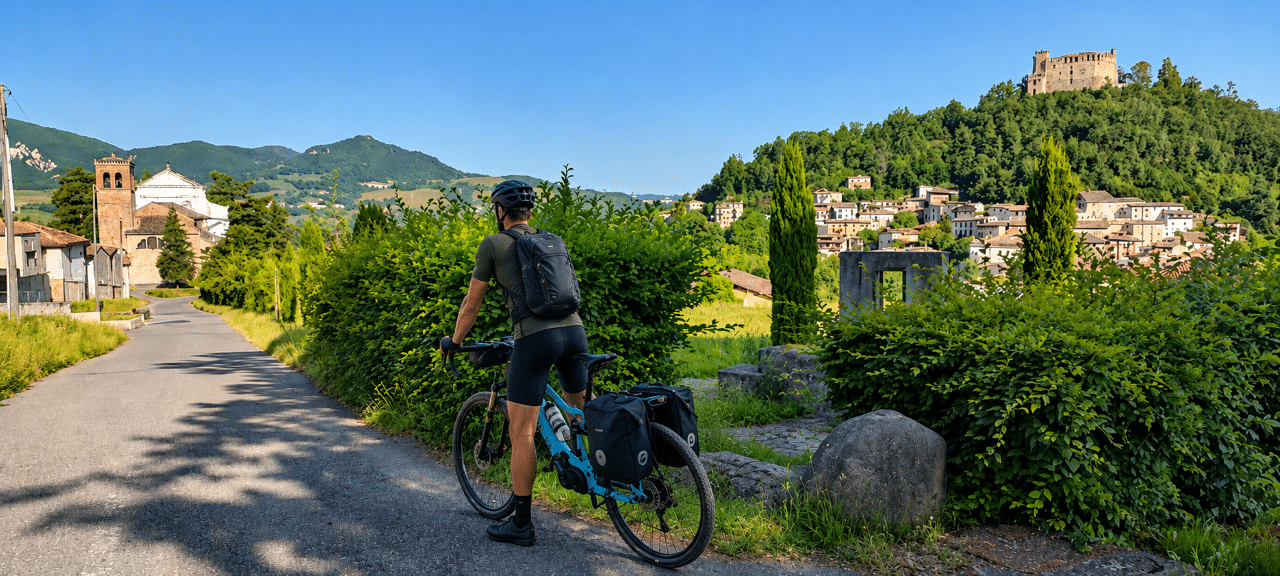 Historic trails and slow itineraries between Pavia and Oltrepò Pavese: the charm of slow tourism amidst nature, villages and spirituality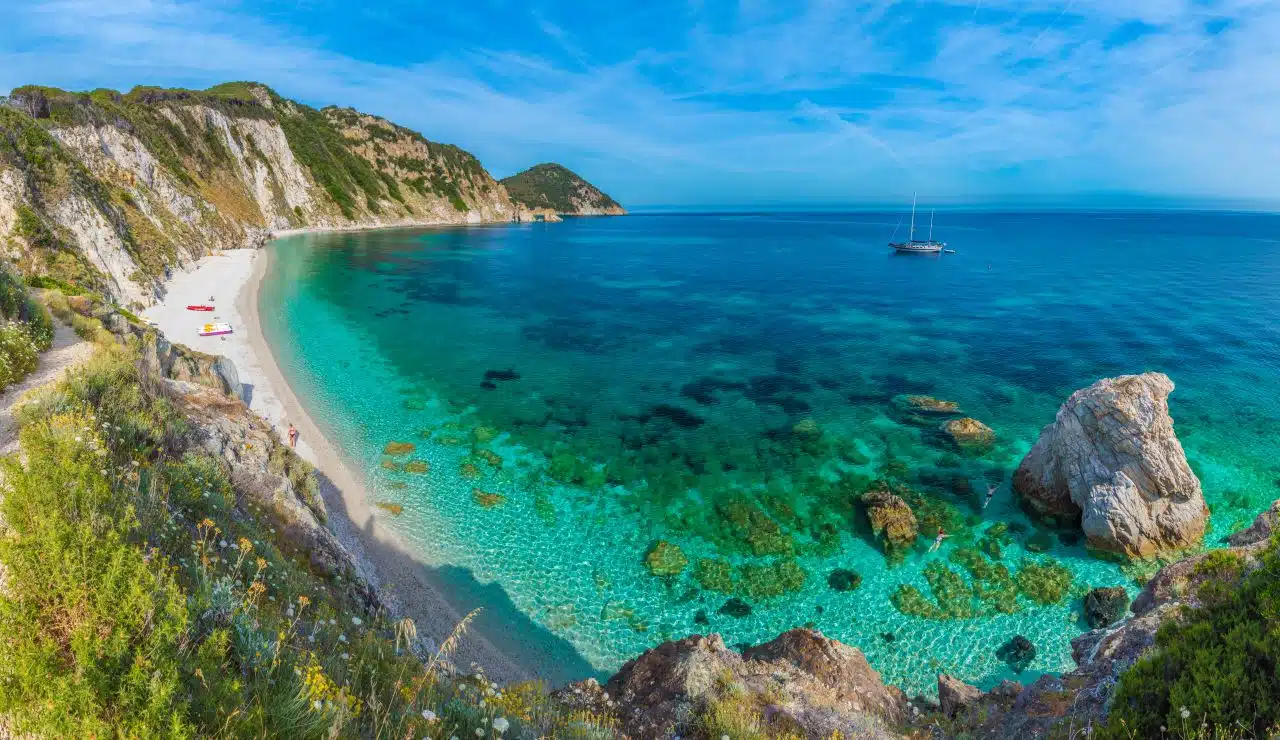
Ph. Depositphotos
When you think of the Elba Island, you almost always picture sun-drenched beaches and windswept cliffs, yet there is a lush inland area where freshwater takes centre stage. Hiking along the inland trails allows you to get away from the usual seaside tourism and discover crystal-clear springs, historic wash houses and small villages bathed in silence. It is a rural route that tells the story of daily life in days gone by, when mountain springs were the beating heart of local communities. This exploration of Elba’s most intimate and refreshing side offers a rejuvenating experience, ideal for those seeking a deep connection with the history and nature of the area.
How to plan your sea crossing to the island
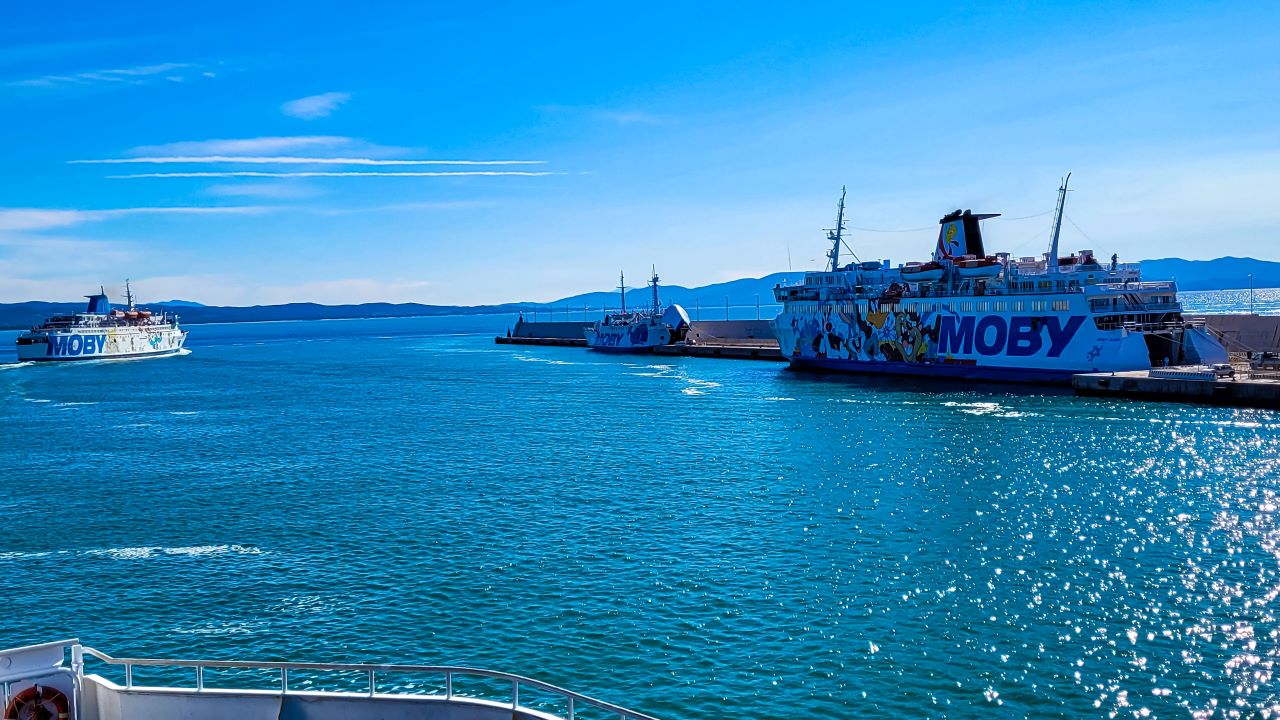
Getting to the island to begin this leisurely journey is extremely straightforward thanks to the frequent ferry services that run all year round. To plan your journey effectively, you can check the timetables for the Elba ferries, which depart from the port of Piombino and connect the mainland to three different ports on Elba: Portoferraio, Rio Marina and Cavo. During the summer season, departures are very frequent, with over a hundred daily crossings covering the whole day. The duration of the crossing varies from a minimum of thirty minutes to a maximum of one hour, depending on the route selected and the type of vessel chosen. On board the ferries, passengers can enjoy cosy bars for a coffee break, lounges with armchairs and panoramic outdoor decks, whilst some vessels also feature play areas for children. Your pets are also always welcome on board, provided they are included in the booking and have the necessary health documentation, a lead and a muzzle.
Ph. Depositphotos
The monumental public washhouses of Rio nell’Elba
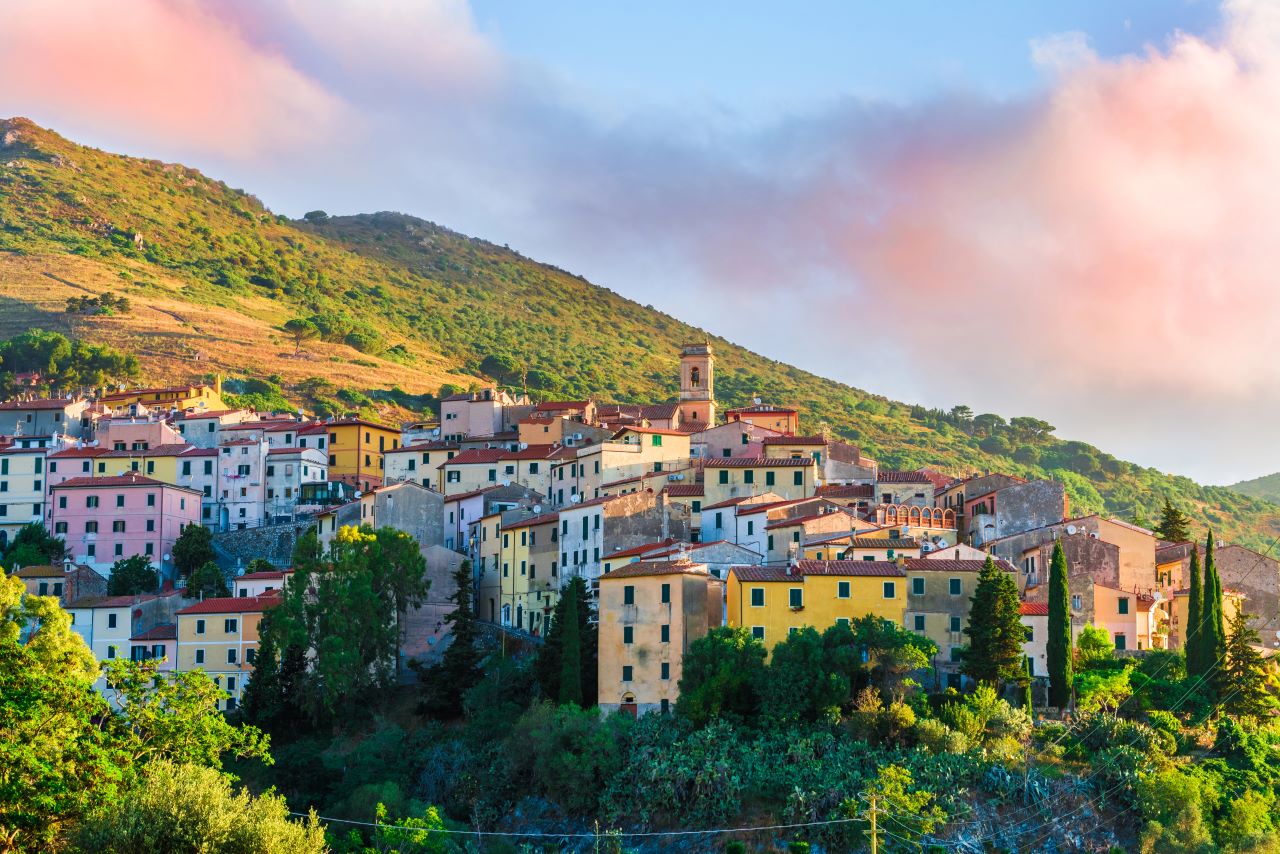
The first stop on this water trail will take you to Rio nell’Elba, one of the oldest and most charming hilltop villages on the whole island. Here you’ll find the famous public washhouses, a fascinating historic building fed directly by the nearby, abundant Canali spring. This covered space, characterised by large windows and massive stone basins, has for generations been the hub of the village’s social life, a vital meeting place where women would gather to wash their clothes and catch up on the latest news. Today, the building has been beautifully restored and welcomes visitors into a still and silent atmosphere, where the constant flow of clear water continues to tell the ancient story of the local community.
Ph. Depositphotos
Napoleon’s Spring and the Well-being of Poggio
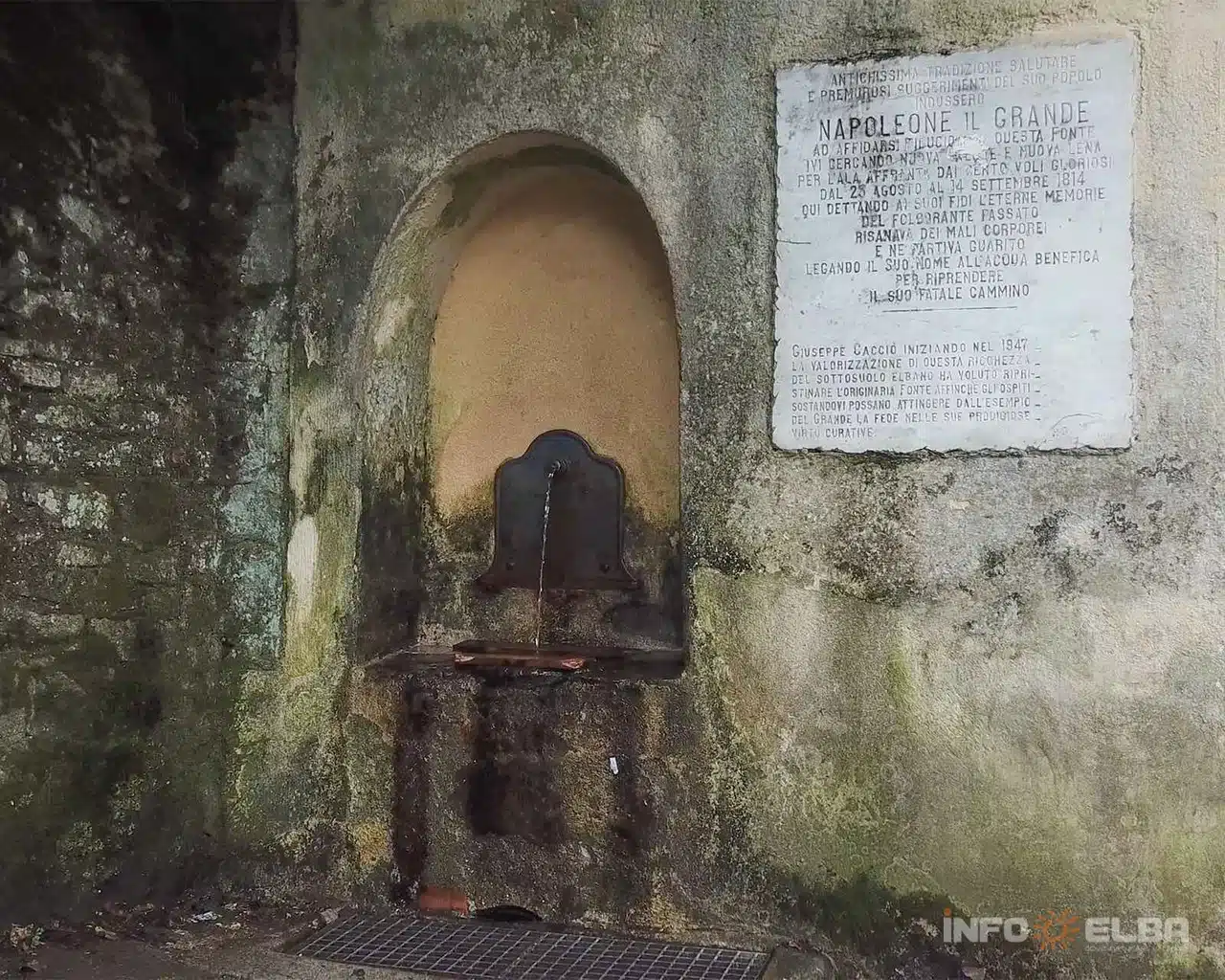
Heading towards the western side of the island, amongst the dense chestnut woods surrounding the picturesque village of Poggio, you will come across the famous Fonte di Napoleone. Originally known as the Acquaviva Spring due to the extraordinary purity of its water, the spring owes its current name to the famous French emperor, who, during his exile on Elba, appreciated its exceptional beneficial properties. Napoleon even had a rudimentary fountain built to facilitate the supply of water to his soldiers during the hot summer days. Today, the spring, situated in a cool, well-equipped area, offers an unmissable, revitalising stop for walkers wishing to refresh themselves with light, crystal-clear water before setting off again.
Do you want to promote your business on e-borghi?
Reach travellers interested in villages, authentic experiences and quality tourism.
Discover how to become a partner