 Tuoro sul Trasimeno
 Montefeltro
 Francigena Film Festival
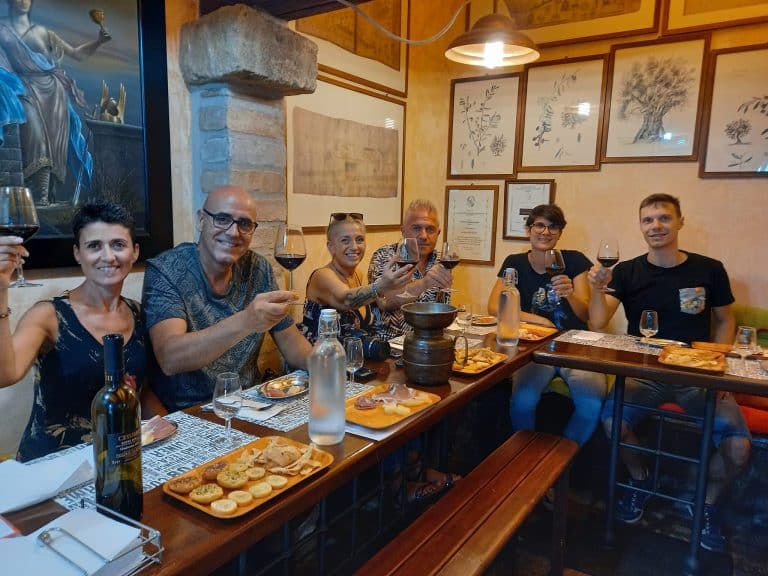 Guided tour and tasting
 Stress-free Elba: practical tips for planning the perfect holiday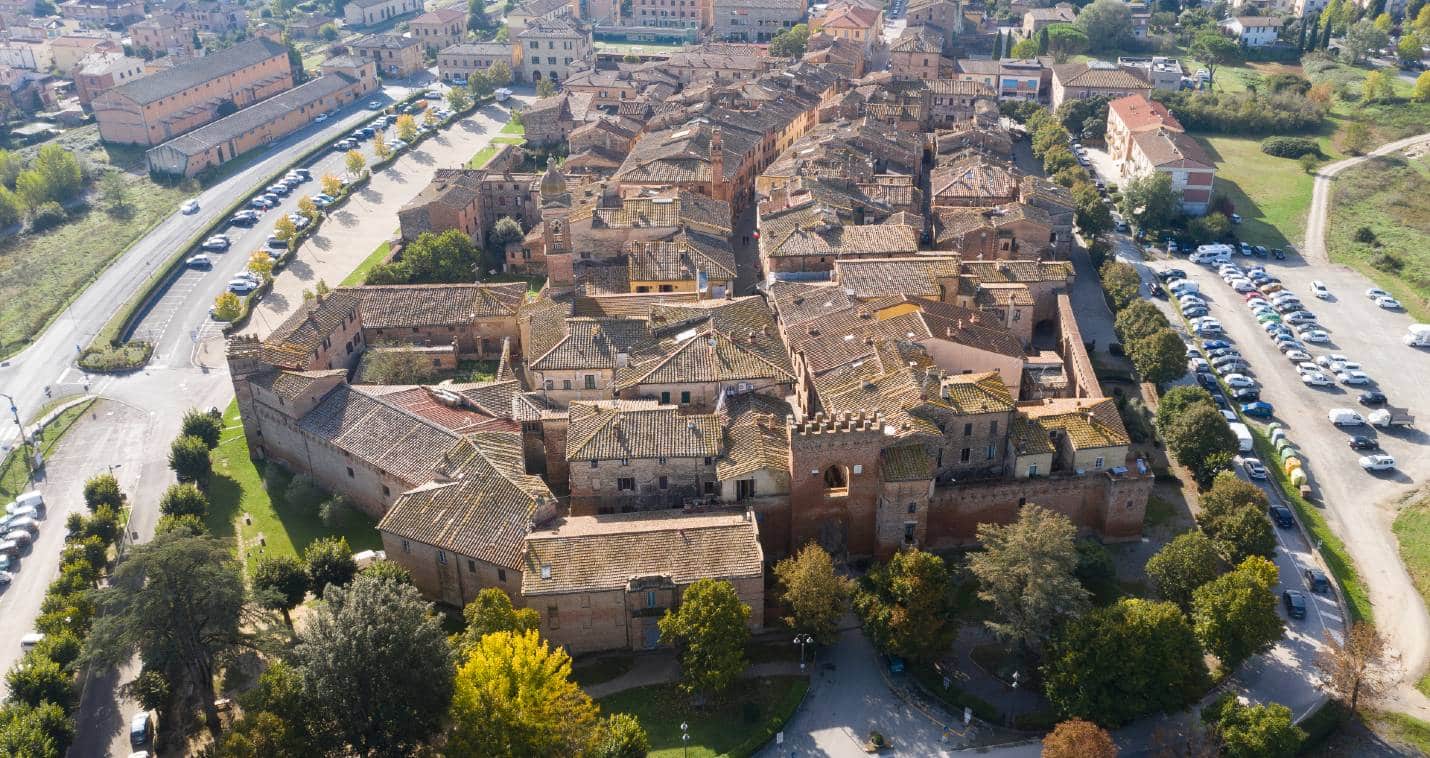
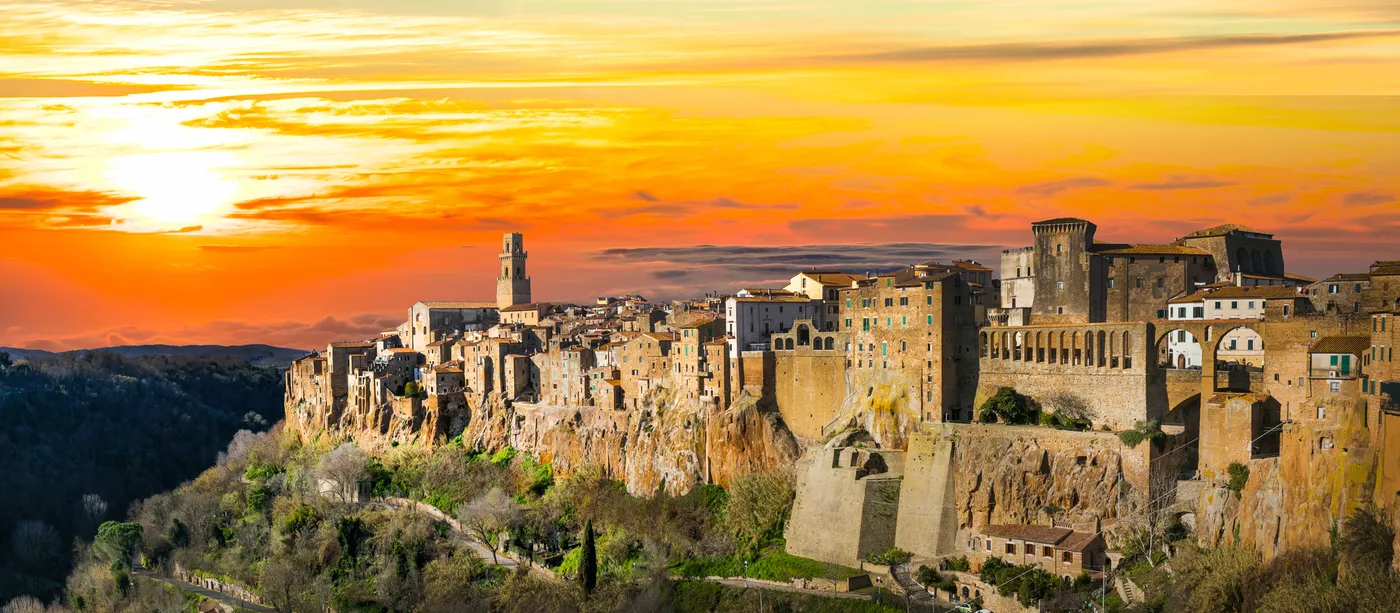
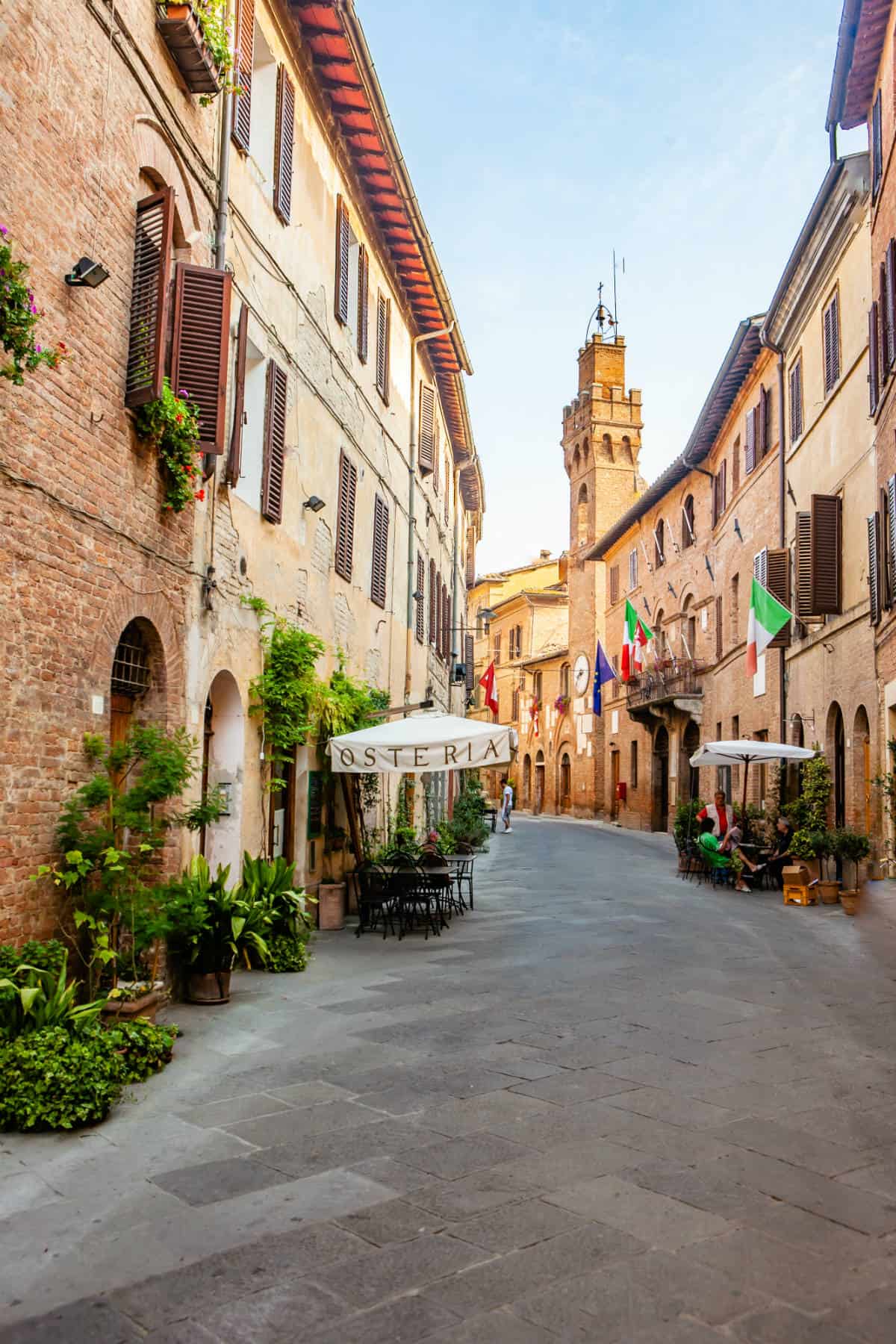
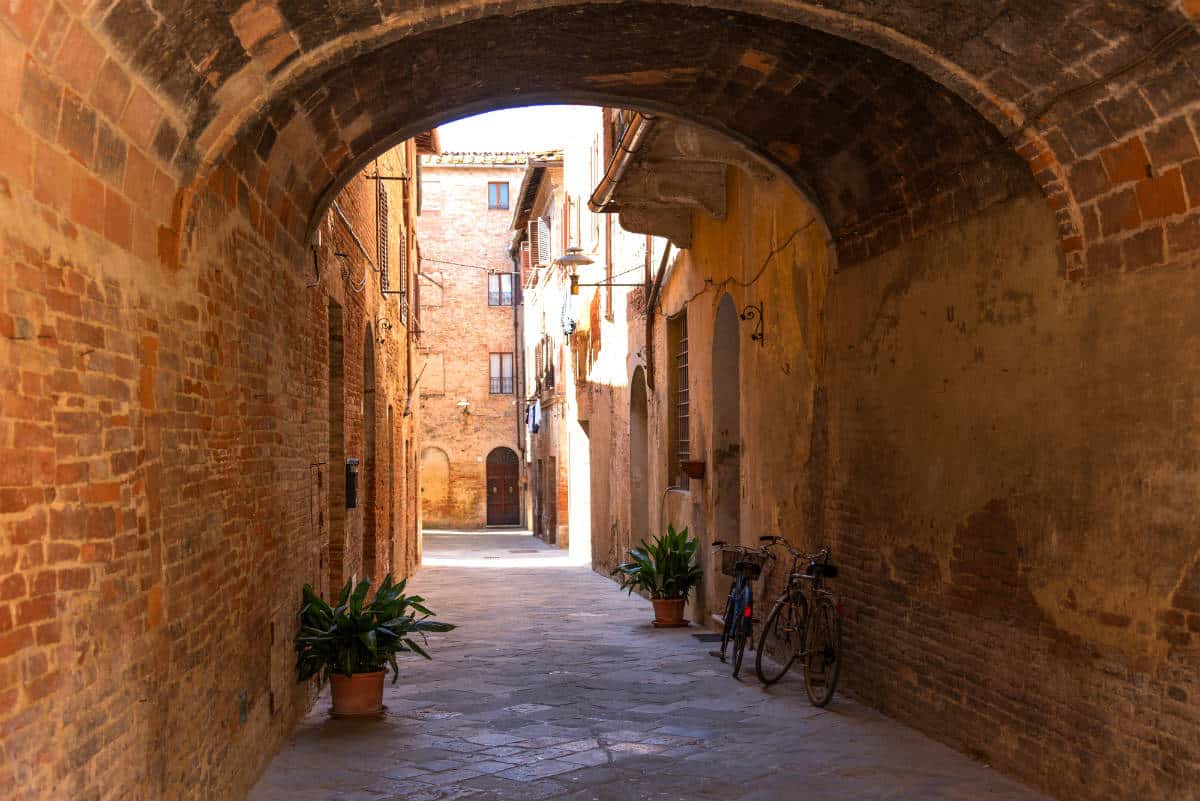
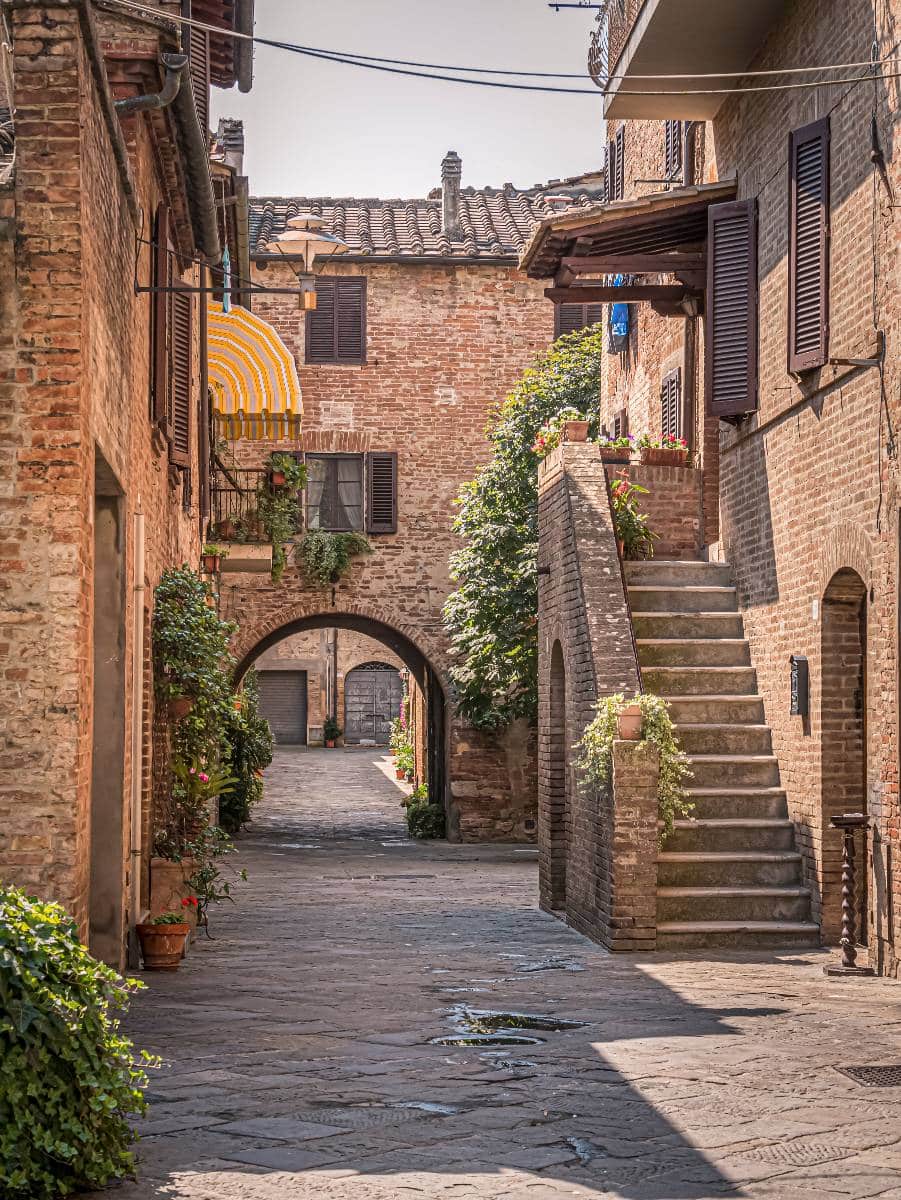
A small village built on the ancient route of the Via Francigena, in the Crete Senesi, in Buonconvento you can still breathe a timeless atmosphere, a lifestyle, a rhythm punctuated by the striking of the clock of the medieval tower of the Palazzo del Podestà .
Photo gallery
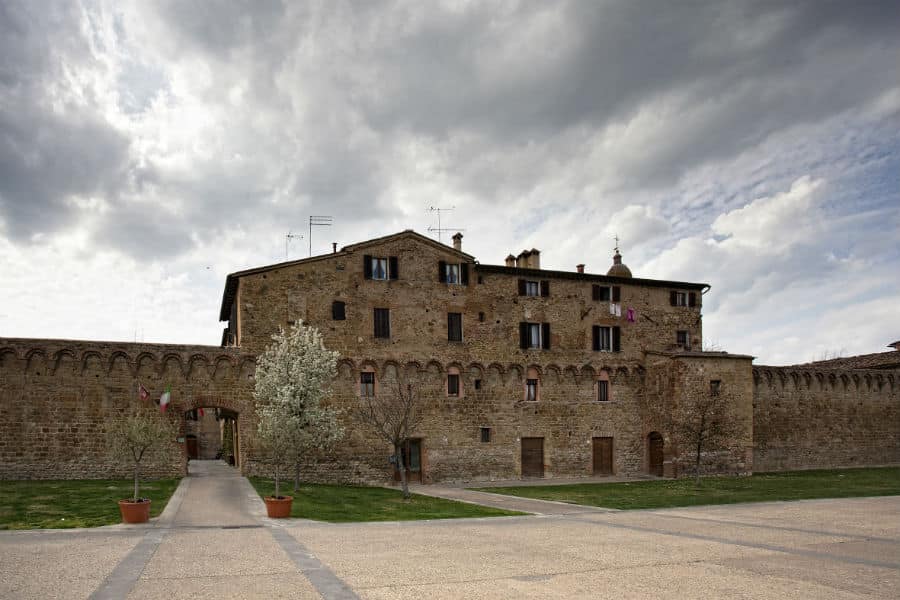
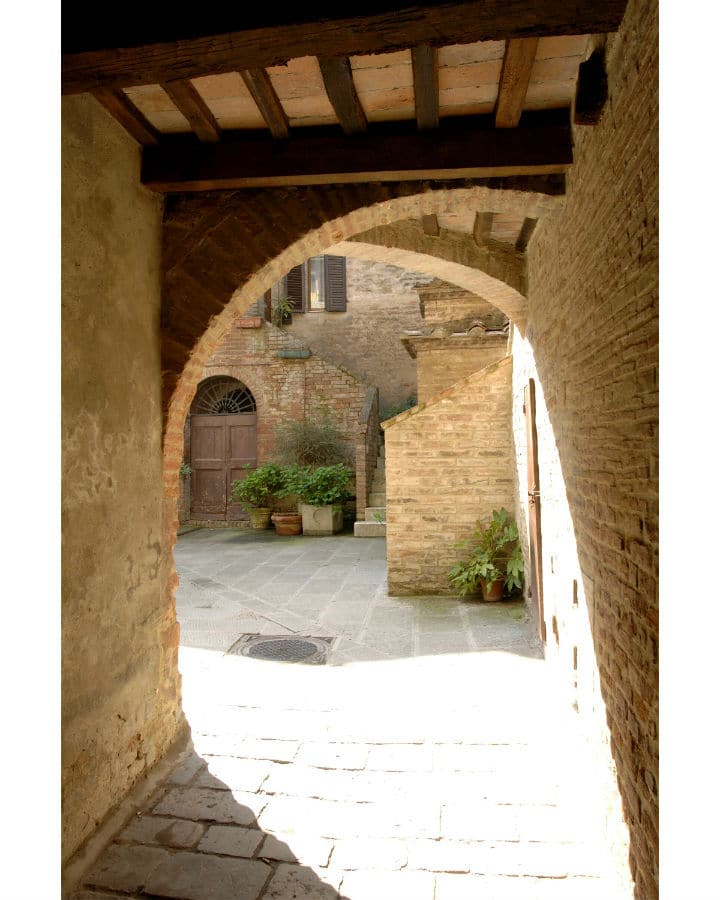
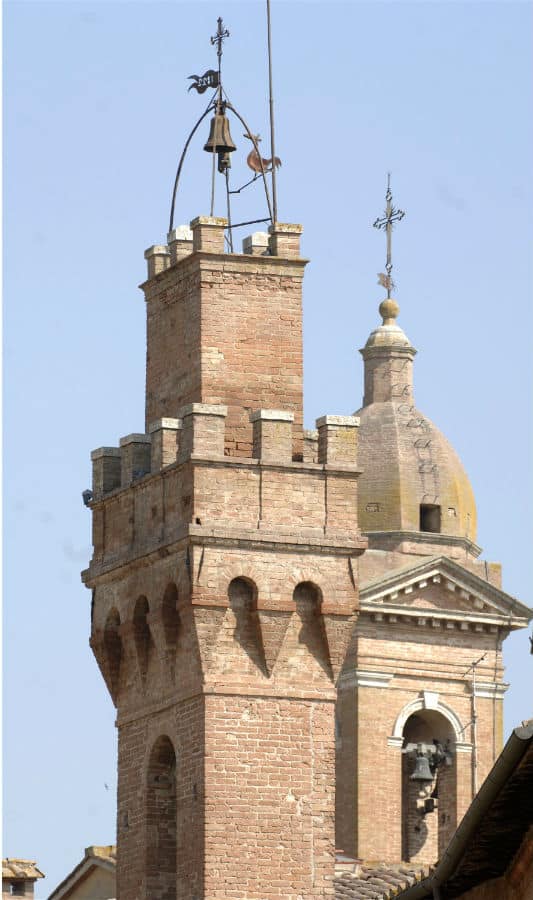
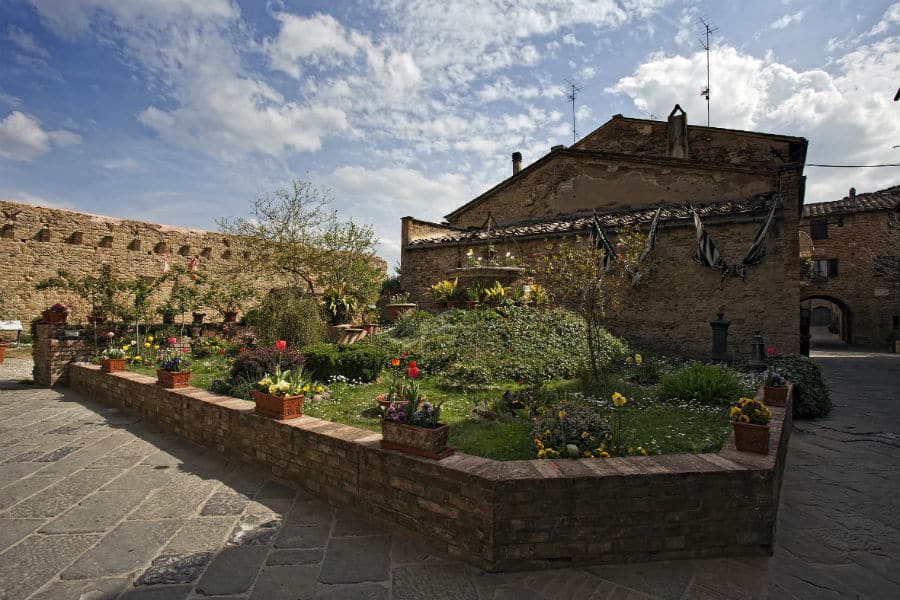
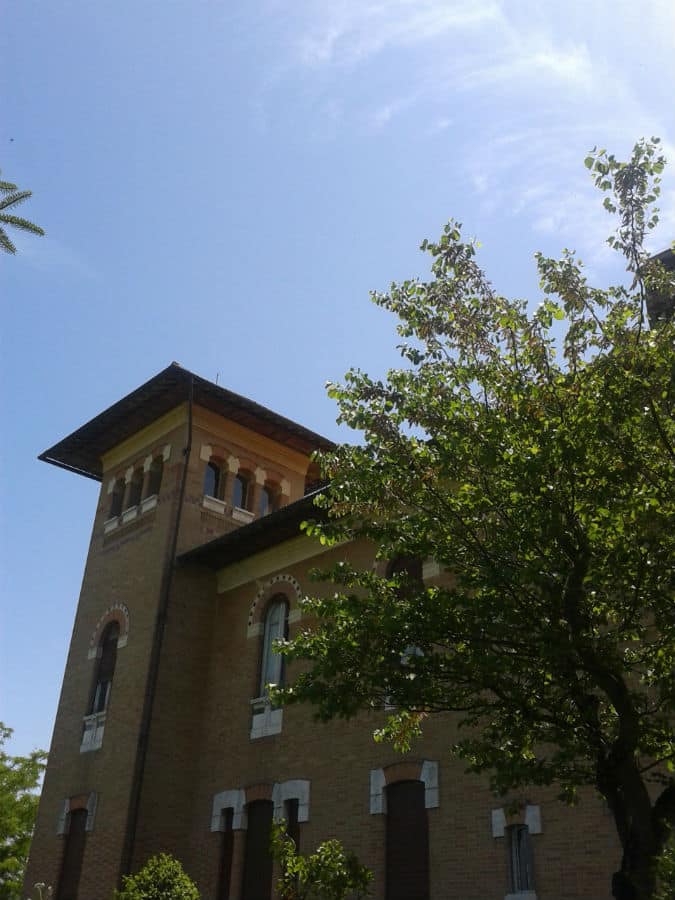
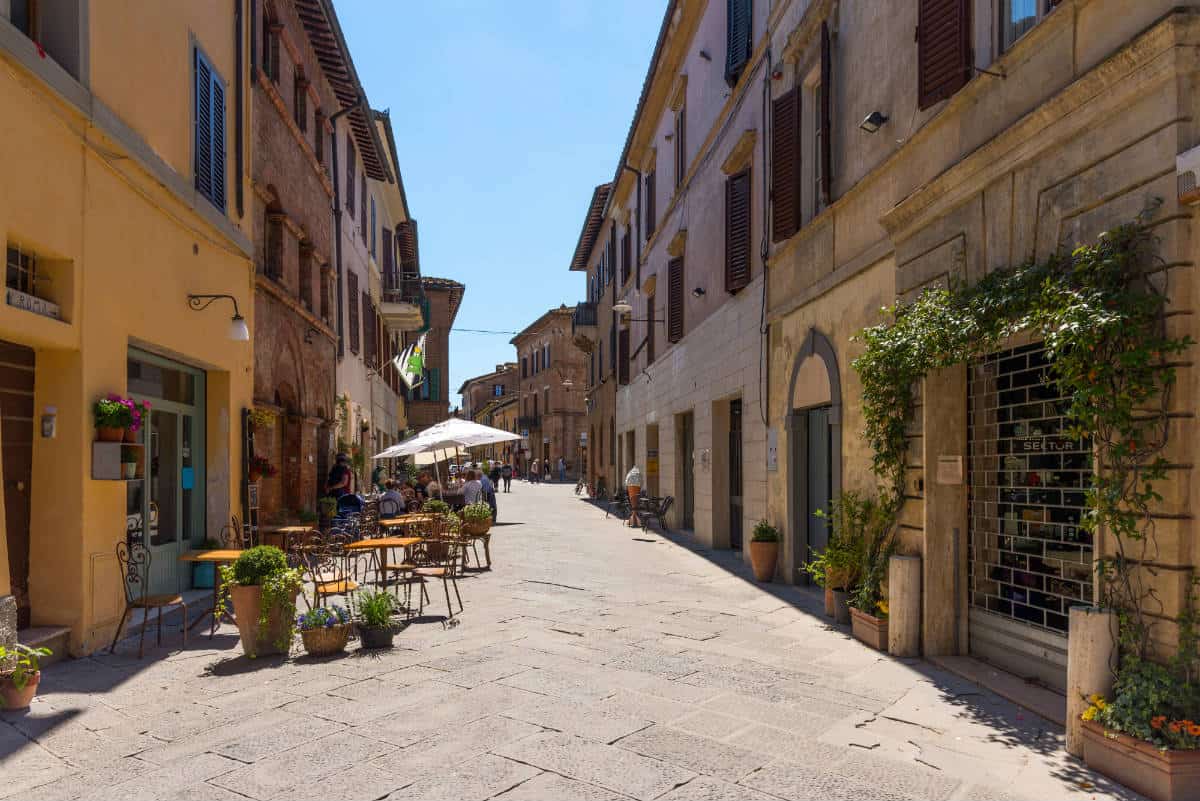
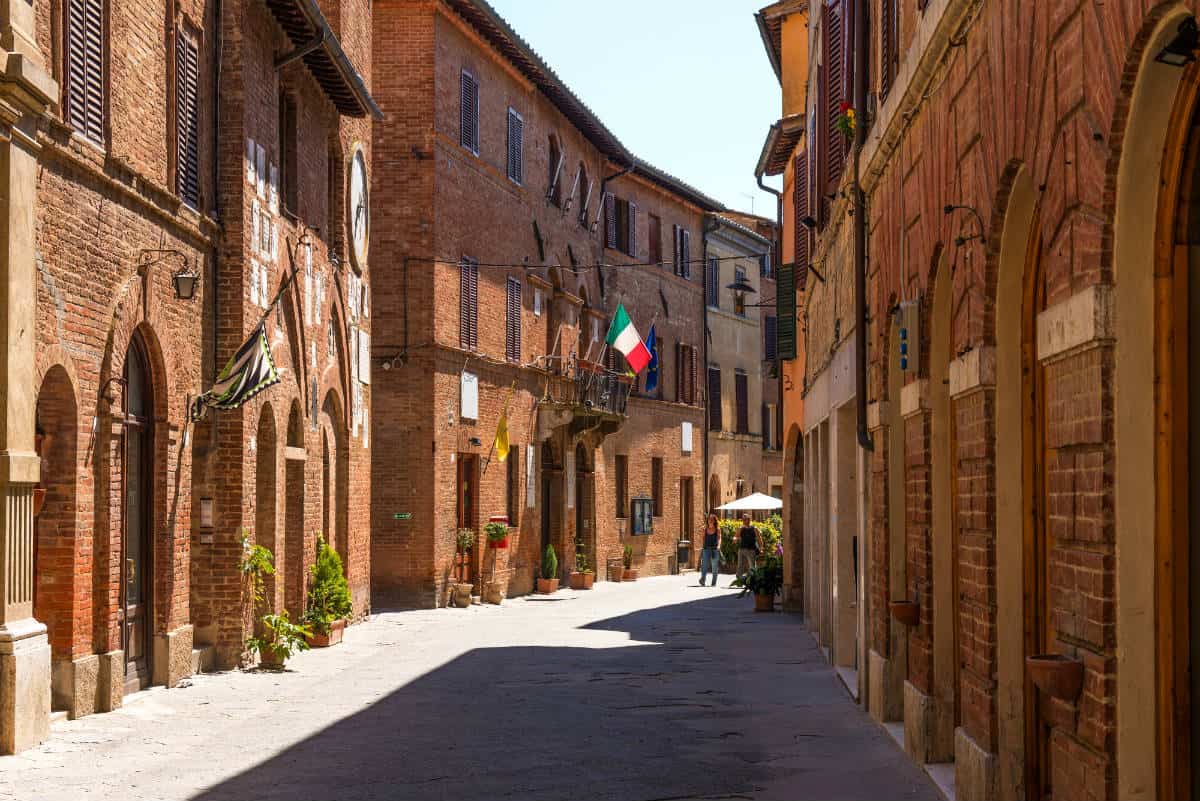
Buonconvento (from the Latin name Bonus Conventus) in its spirit of a happy community, is a small village built on the ancient route of the Via Francigena. Lying and growing thanks to the fertility of the Arbia and Ombrone rivers, it is still a place of welcome, as it was in the past for pilgrims and wayfarers on their way to Rome. The original settlement was on the hill of Percena, a fortified outpost of the Municipality of Siena, guarding the ford on the Ombrone River. One still breathes a timeless atmosphere, a way of life, a rhythm marked by the chiming of the clock in the medieval tower of the Palazzo del Podestà. You can get lost among the various alleys and “chiassi” that wind suggestively through the historic village, where plays of light and cones of shadow intertwine, as you listen to the echoing of footsteps on the medieval pavement, with the desire to delight your palate with some tasty dishes prepared with genuine ingredients, straightforward, simple but essential like bread and oil, or that smell of the sought-after white truffle of the Crete Senesi that grows in the shade of the poplars with silver foliage moved by the breeze, which you yearn for on summer evenings. While the innkeeper renews the invitation for you to taste the cured meats and cheeses served on the cutting board, you scroll through the menu the variety of game and think about how to enhance the flavor with a good vintage red wine. You hope perhaps to trigger among those delicious recipes the suggestion of the spirit of the place, to quench the pleasure of conviviality, just as pilgrims and wayfarers once did: that religious sacredness and pagan sociability of secular rituals, learning some curious legend about the ghost whose call you barely heard, or about the passion and amorous intrigues that were told around the comfort of the hearth, in the vigils of country cottages.
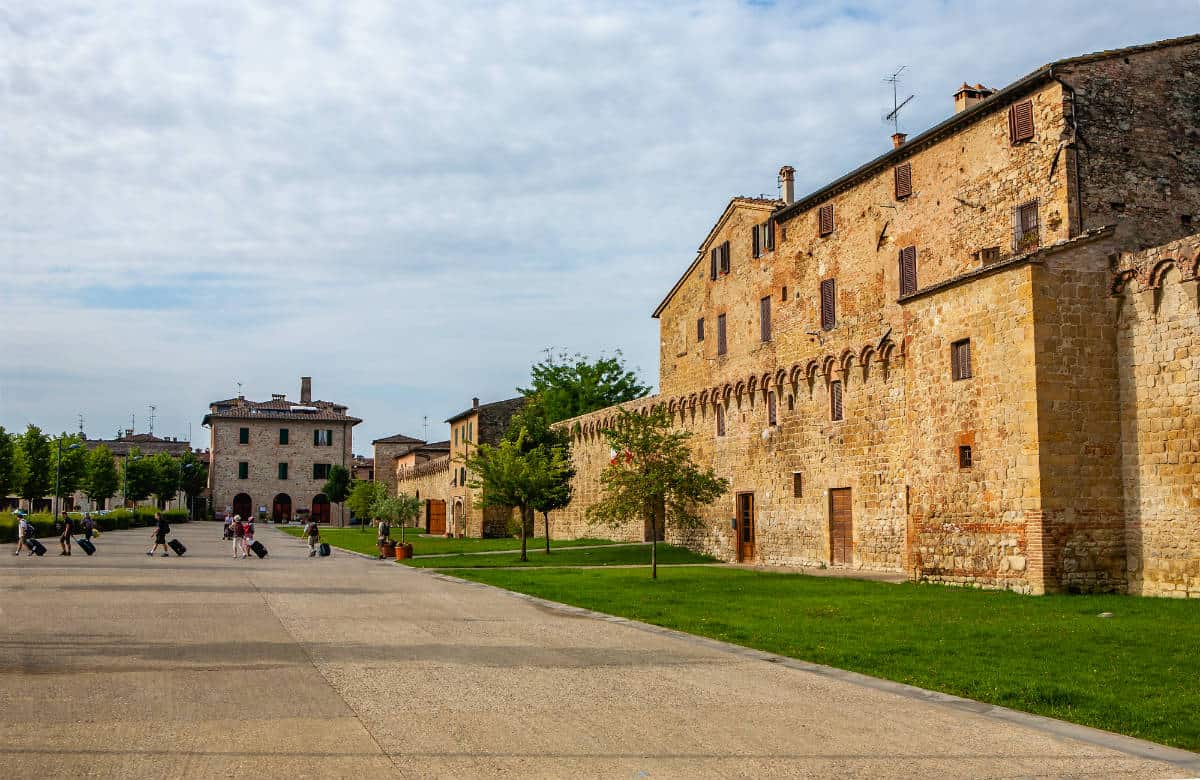
It has been remembered in history books since 1191 as a resting place during the passage of the King of France, Philip Augustus, and later for the inauspicious stay of the Holy Roman Emperor, Arrigo VII of Luxembourg, who alas, already seriously ill, met his death here on August 24, 1313. In 1316 the village was attacked by Uguccione della Faggiola and in 1358 by the Perugini fighting against the Sienese. In 1371 work began on the construction of the fortification of the village, which lasted a full 12 years. In 1385 the Palazzo Podestarile with the civic tower was built. In 1400 the village became the seat of a vast podesteria comprising 32 localities. In 1480 the Sienese governors granted the privilege of Sienese citizenship. Later, in 1559 following the fall of the Republic of Siena Buonconvento became part of the Grand Duchy of Tuscany, under the rule of the powerful Medici family. It retained its podesteria, remaining the most important center of the Val d’Arbia for a long time. Many illustrious men of letters passed through here, remaining fascinated by this land, and in their travel notes they recalled this delightful glimpse of Tuscany. We would like to recall, among the many, the verses of the great poet Luzi: “Past Siena, past the bridge of Arbia, is she, land of light that always, even far away, inseparably accompanies me…” or “You will have the most beautiful view of this world” as the English poet Thomas Gray wrote in 1740 of the countryside south of Siena in a letter to his mother during one of his journeys to Rome. It was remembered by Boccaccio in the fourth novella of the ninth day of the Decameron for the misfortune that befell the Sienese poet Cecco Angiolieri. A curiosity: to stay on the subject of poetry Buonconvento in 1920 was the birthplace of the poet, Greekist and renowned Latinist Alceste Angelini.
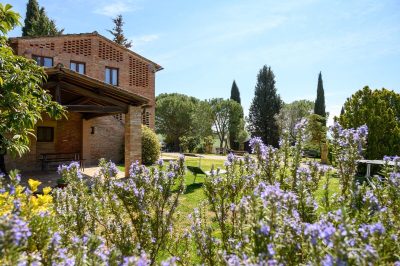
Tourists can immerse themselves in a still unspoiled landscape, characterized by valleys adorned with rows of cypress trees, hills variously planted with vines or dusted with the leaves of silvery olive trees, so much so that it looks like a painting that came out of the strokes and decisive brushstrokes of the Macchiaioli. The small woods are ablaze with color in autumn. As a testimony to the rural tradition, the countryside is dotted here and there with ancient farmhouses (where romantic legends hover) finely restored maintaining the characteristic loggias, enchanting porticoes, characteristic red bricks, and again, chapels, oratories, parish churches, manor houses adorned with parks and gardens well cared for as if they were caskets of architectural masterpieces, and finally, castles. So, moreover, did the painters of the Sienese School perceive it centuries ago, who, in their formal purity close to abstraction, made repeated mentions of it by depicting it in ashen, deserted, sometimes barely streaked reliefs.
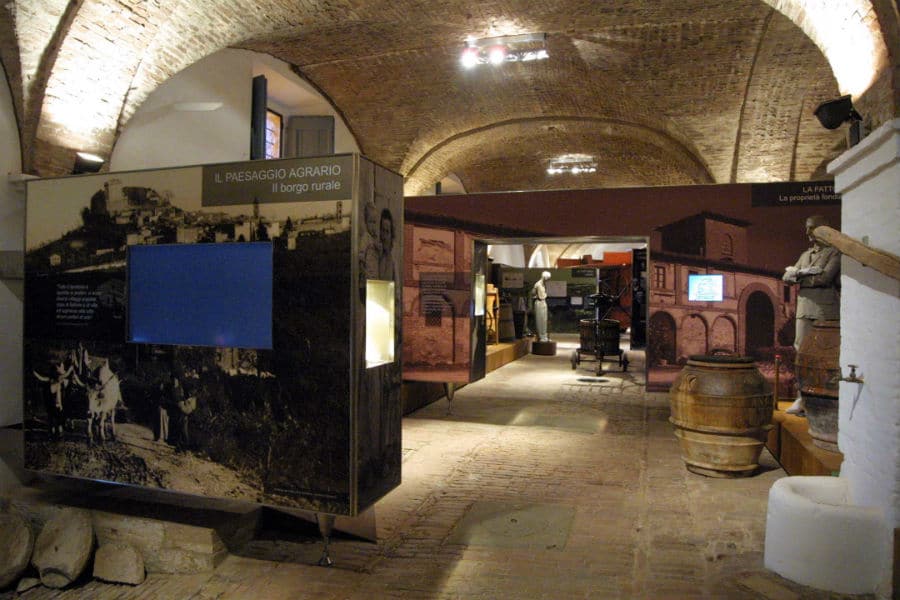
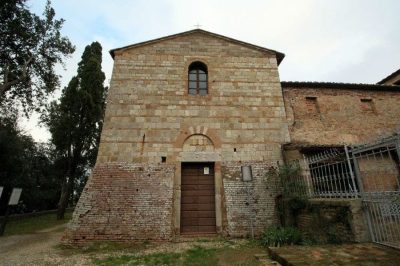
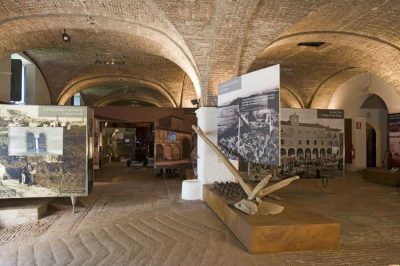
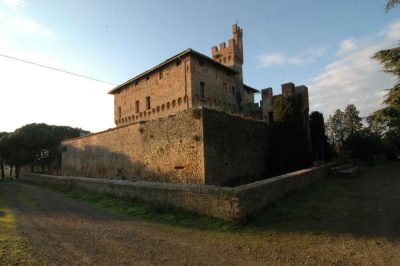
The village’s main monuments include: The Porta Senese, the Municipal Museums of Sacred Art of the Val d’Arbia and the Mezzadria Senese, the Art Nouveau palaces among which Villa La Rondinella stands out, and the SS. Peter and Paul Church. Around the village we encounter La Pieve di Santa Innocenza a Piana, a fortified complex attested to 1081; Villa La Piana with its 18th-century Oratory, a complex that was the grancia of the Santa Maria della Scala Hospital of Siena. To satisfy the curiosity of enthusiasts there arise four privately owned castles that on special occasions are opened for public visits: Castelrosi, Castelnuovo Tancredi, Bibbiano and La Torre in Bibbiano. Interesting excursions can be made to the farms of Chiatina, Armena, Casale Sergardi, Serravalle and Resta.
Village of Buonconvento
The Municipality of Buonconvento
Province of Siena
Tuscany Region
inhabitants: 3.082 buonconventini
Altitude center: 147 m a.s.l.
the municipality is part of:
I Borghi più belli d’Italia
Municipality
Via Soccini 32 – Tel. 0577-80971
BY CAR
- From the North: Take the A1 highway, exit at Firenze Certosa, take the Firenze-Siena highway, exit at Siena Sud and continue on the SS 2 Cassia following the signs for Buonconvento.
- From the South: Enter the A1 highway, exit at Sinalunga or Chianciano Terme and follow the indications for Pienza, once in Pienza follow the indications for S.Quirico d’Orcia and then for Buonconvento.
ON THE TRAIN
- Buonconvento railway station
BY PLANE
- Florence airport
- Pisa airport
- Rome Fiumicino Airport
As for food and wine, the village of Buonconvento, a rich and happy land, has no shortage of pleasant surprises in store. The main local products are:
-White truffle of the crete senesi and marzolo truffle
-Wine D.O.C. Orcia
-Meat from Chianina cattle
-Meat and products derived from the Cinta Senese.
-Tuscan Pecorino D.O.P. cheese (from sheep farms)
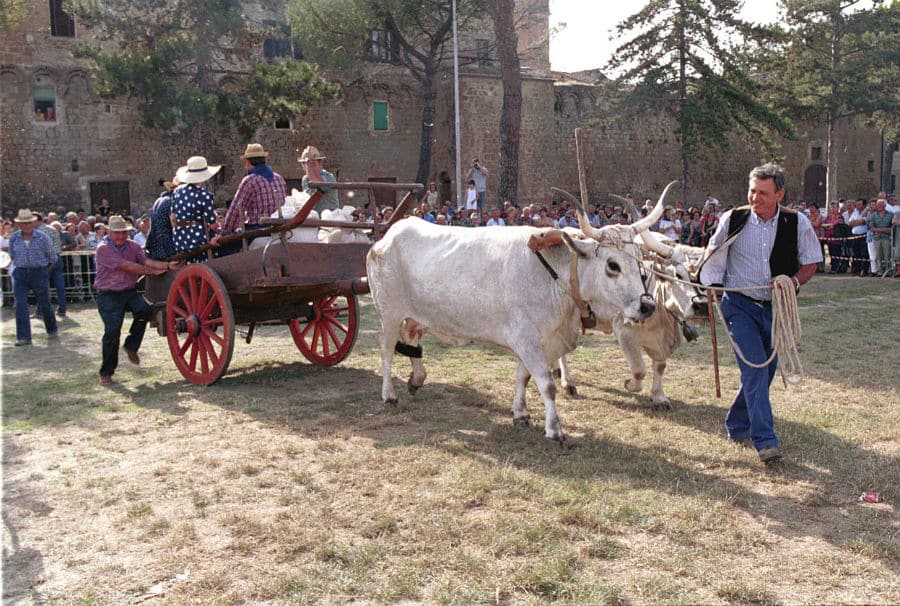
As for typical dishes, so-called “poor” dishes, prepared with sober but genuine and essential ingredients, have been handed down from the sharecropping tradition and are revived in the village festival “Sagra della Val d’Arbia” at the end of September: from panelle, to fettunta of black cabbage, to panzanella, to pasta with crumbs (of bread), to pici, to chickpea soup with noodles, to pappa al pomodoro, to ribollita, to eggs with tomato, to stuffed locio neck, to tripe, to dry cakes, to migliaccio typical of the pork processing period.
- End of November – Autumn Cretes. Flavors of Val d’Arbia. The flavors, scents and landscapes of the Crete Senesi mix with the warm autumn colors to offer a unique experience that envelops all the senses. A month of tastings and ancient legends involving the Communes of the Circondario of Crete Senesi with special events: exhibitions, tastings, guided tours, workshops and shows where every type of traveler will find his chance to know these lands. Buonconvento special events to discover the truffle, the beauties of the area between museums, short chain markets and exhibitions set up by hobbyists and collectors.
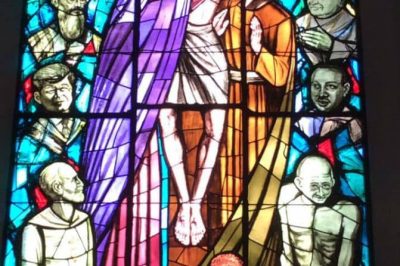
What to see in Buonconvento
Discover what to see in Buonconvento among monuments, scenic views, museums, churches and symbolic places of the village. A useful selection to plan your visit and explore the area.
Where to stay in Buonconvento
If you are looking for where to stay in Buonconvento, you can choose from hotels, B&Bs, farm stays and holiday homes in the village and nearby, for a slower stay among landscapes, culture and authentic hospitality.
News and stories about “Buonconvento”
Insights and stories from the area, to keep discovering.