 San Martino di Castrozza
 VIVA! Festival 2026
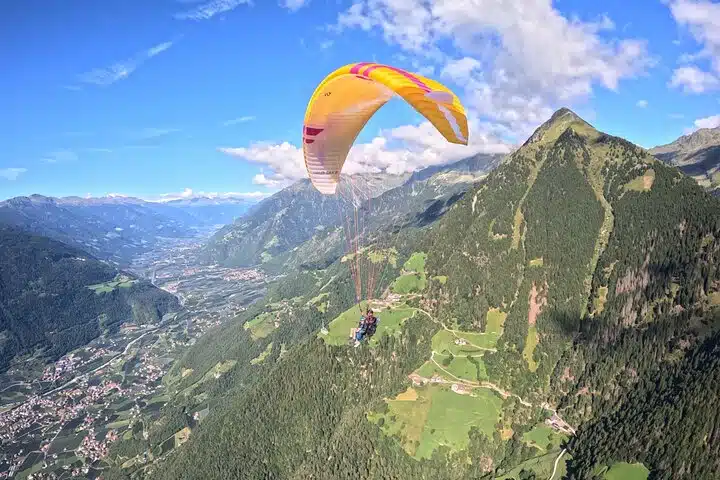 Tandem paragliding flights in Tirolo and Merano: the thrill of flying over the Alps
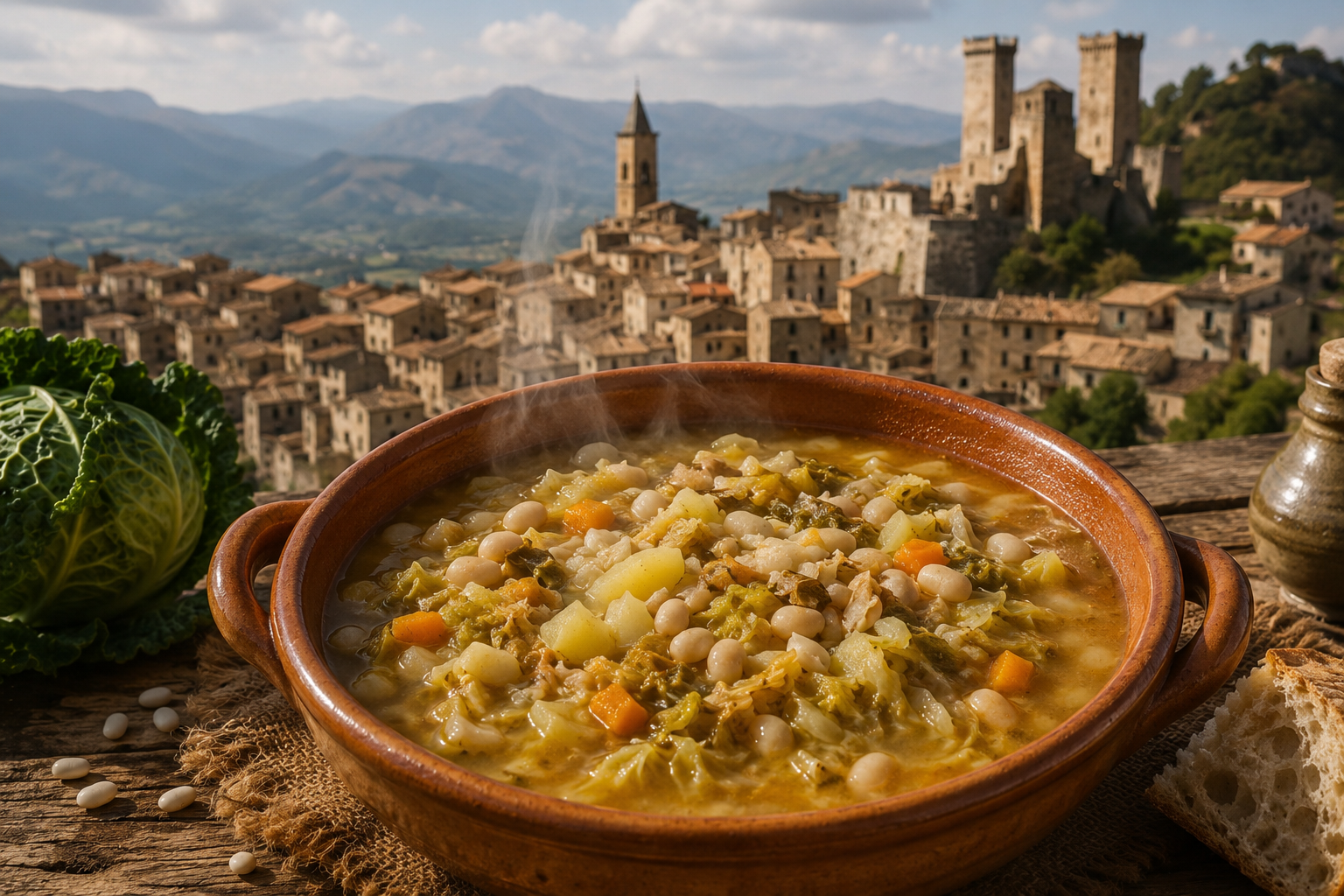 Recipe: Polta di Pacentro, the peasant dish that symbolises the traditions of Abruzzo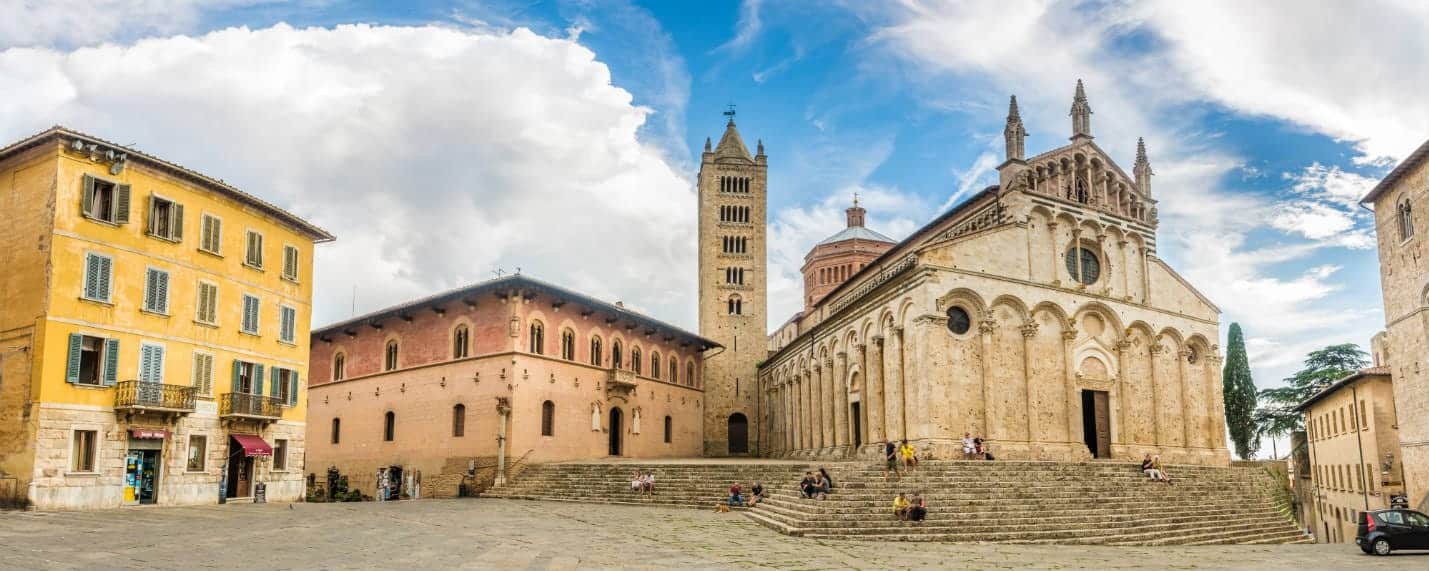
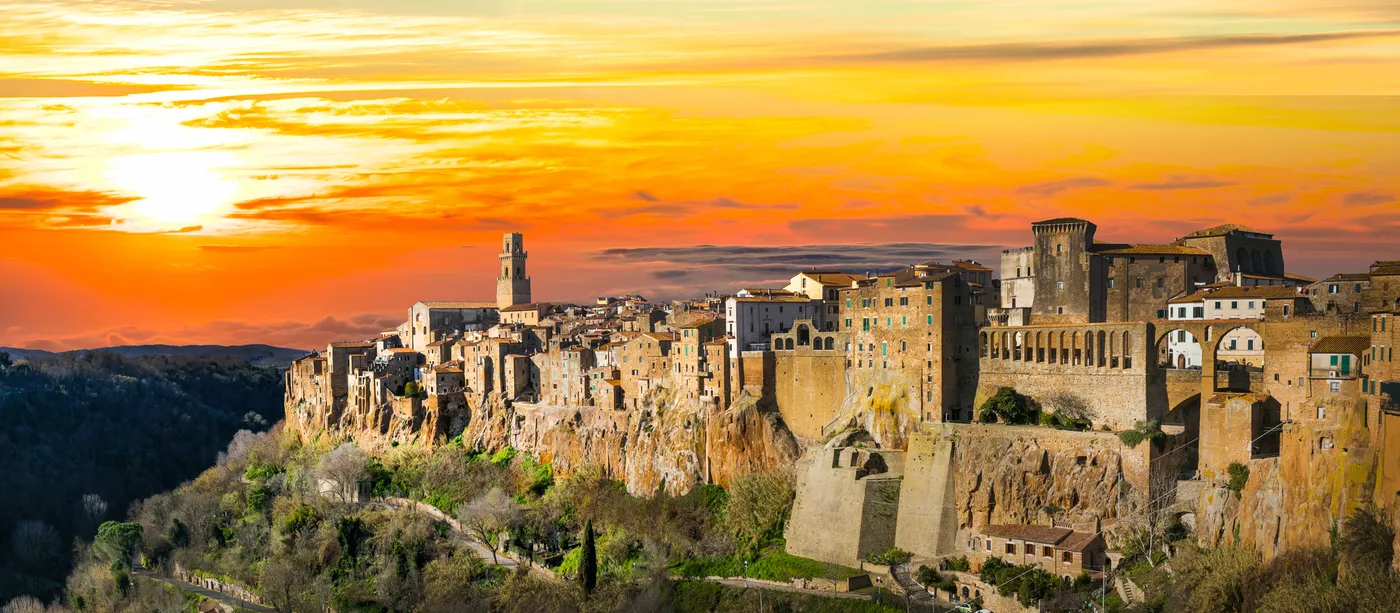
Massa Marittima is a perfect blend of art, nature and historical memory, a town that has managed to keep its medieval charm intact and that invites a journey through surprising architecture, authentic traditions and genuine flavors.
Photo gallery
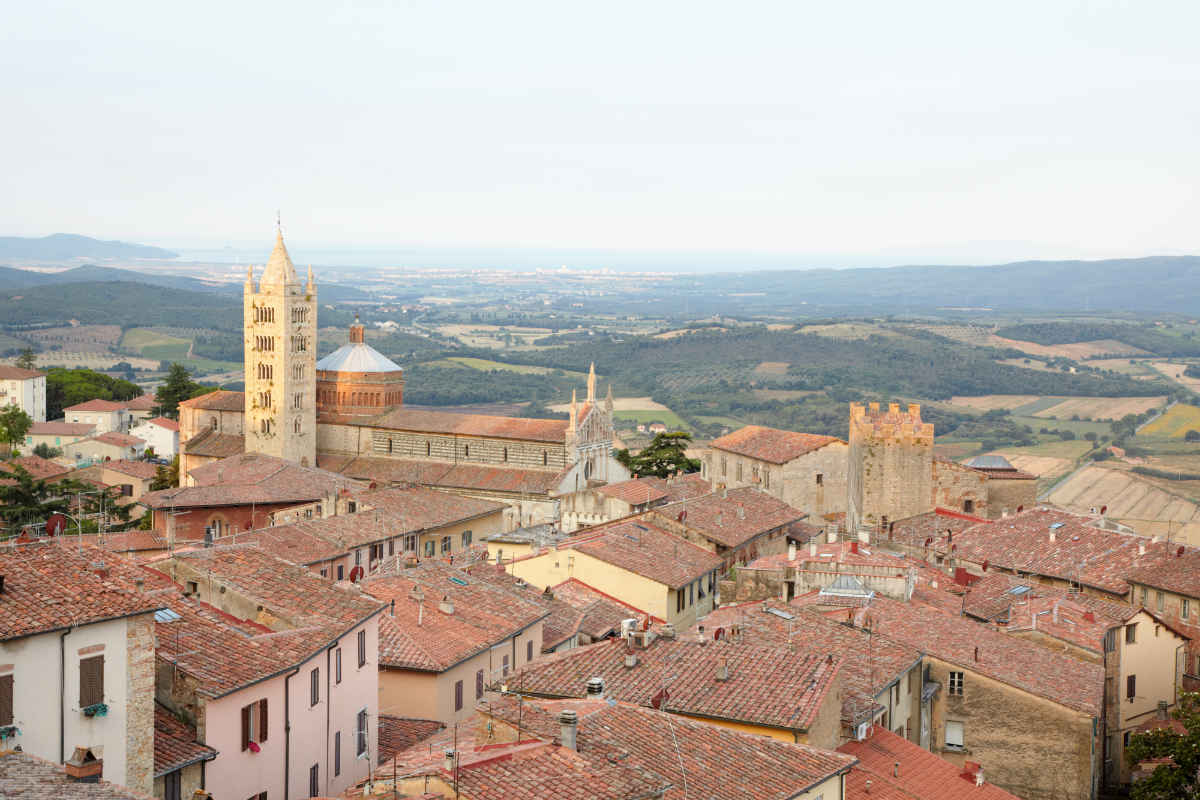
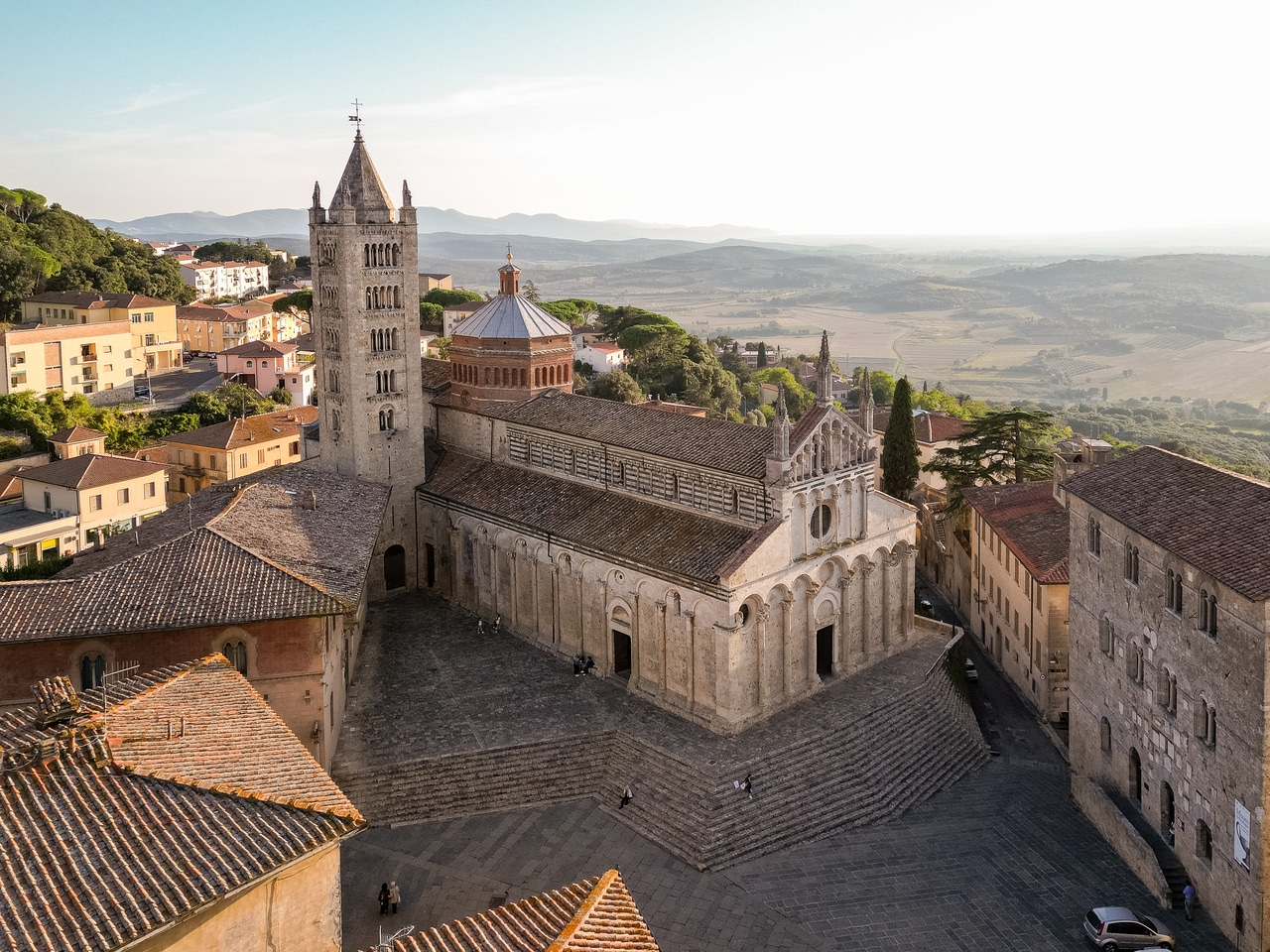
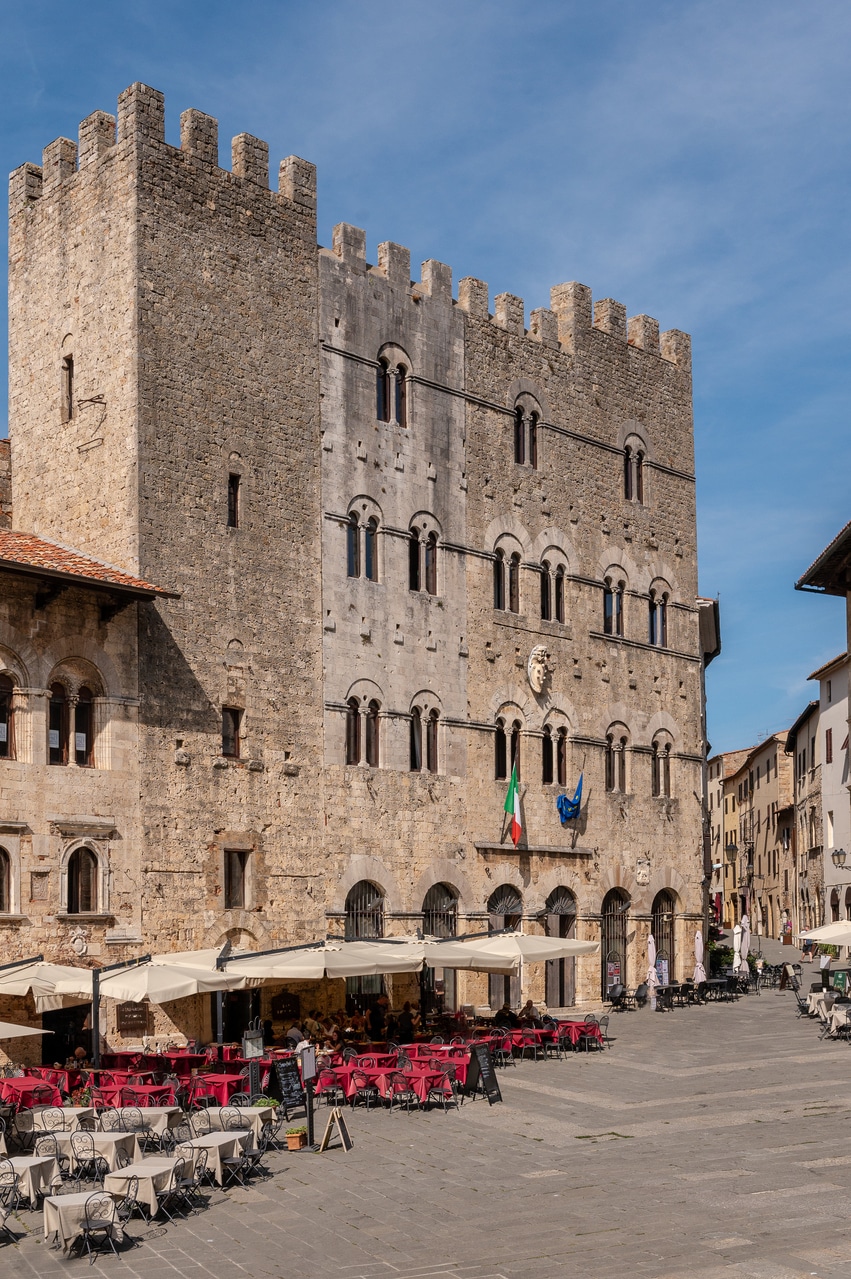
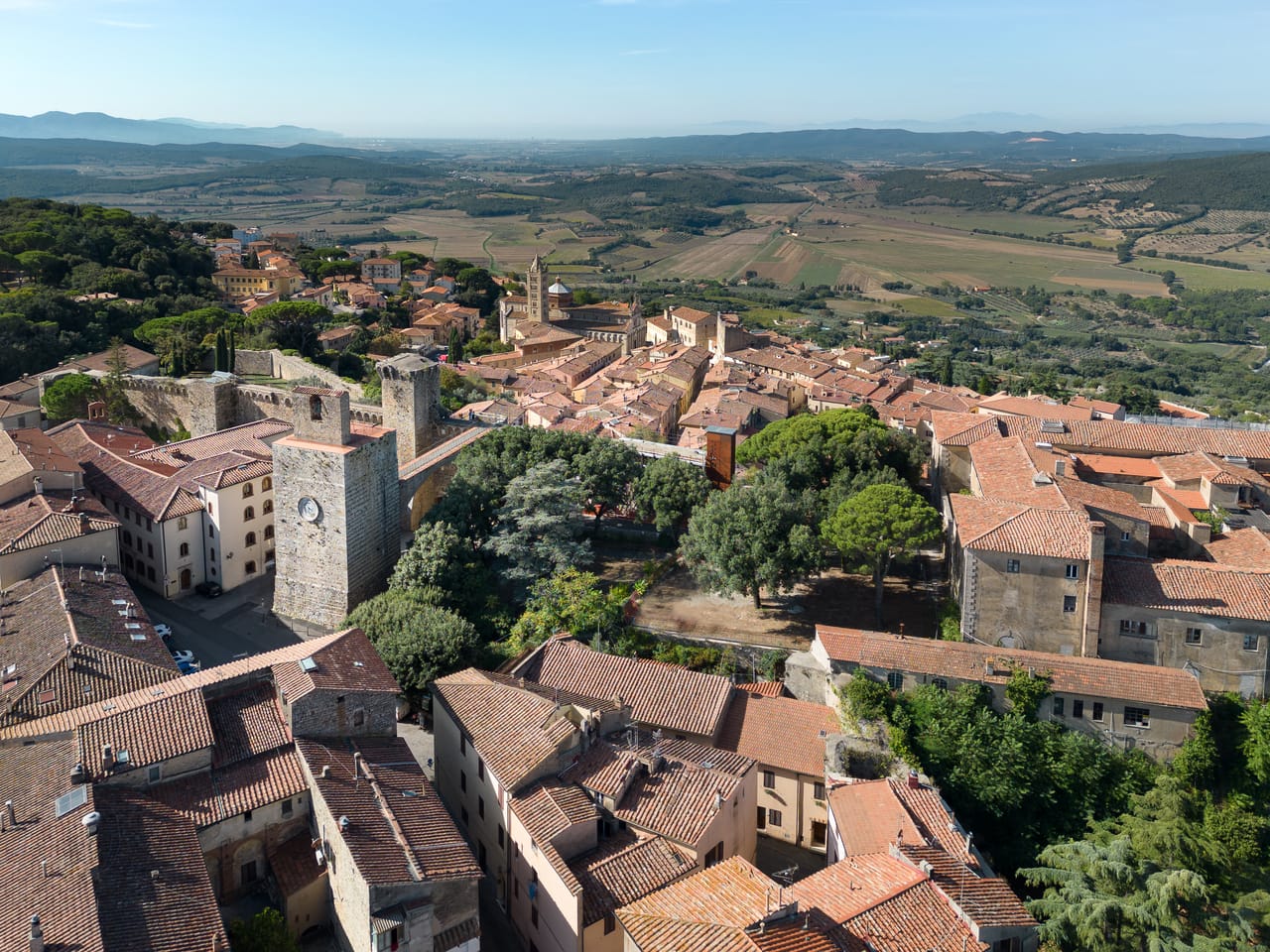
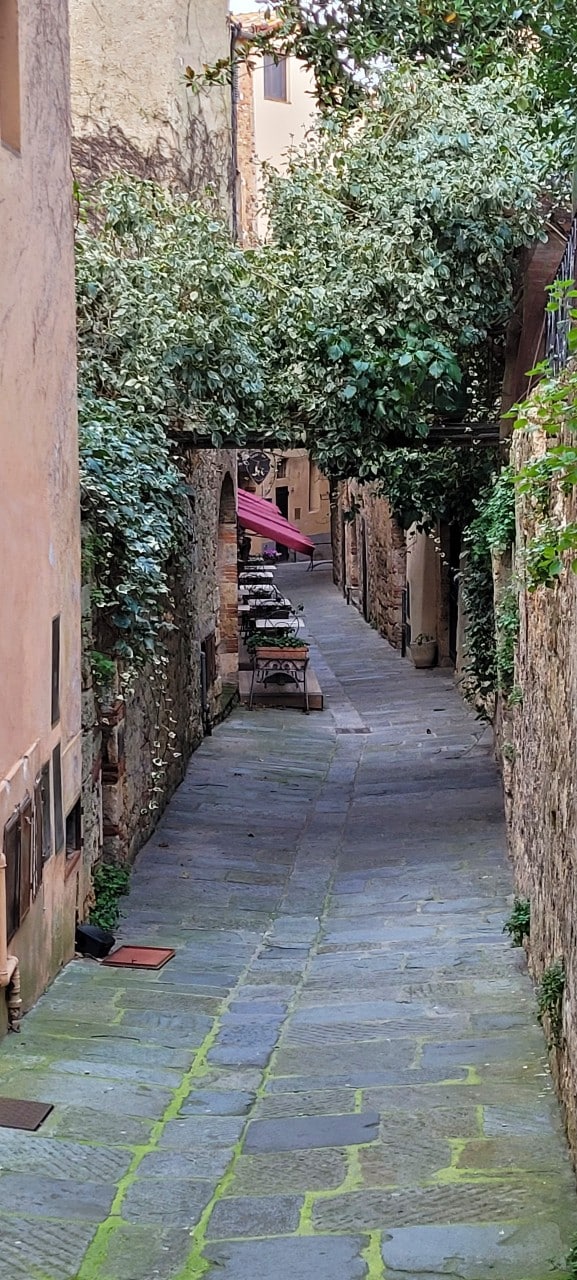
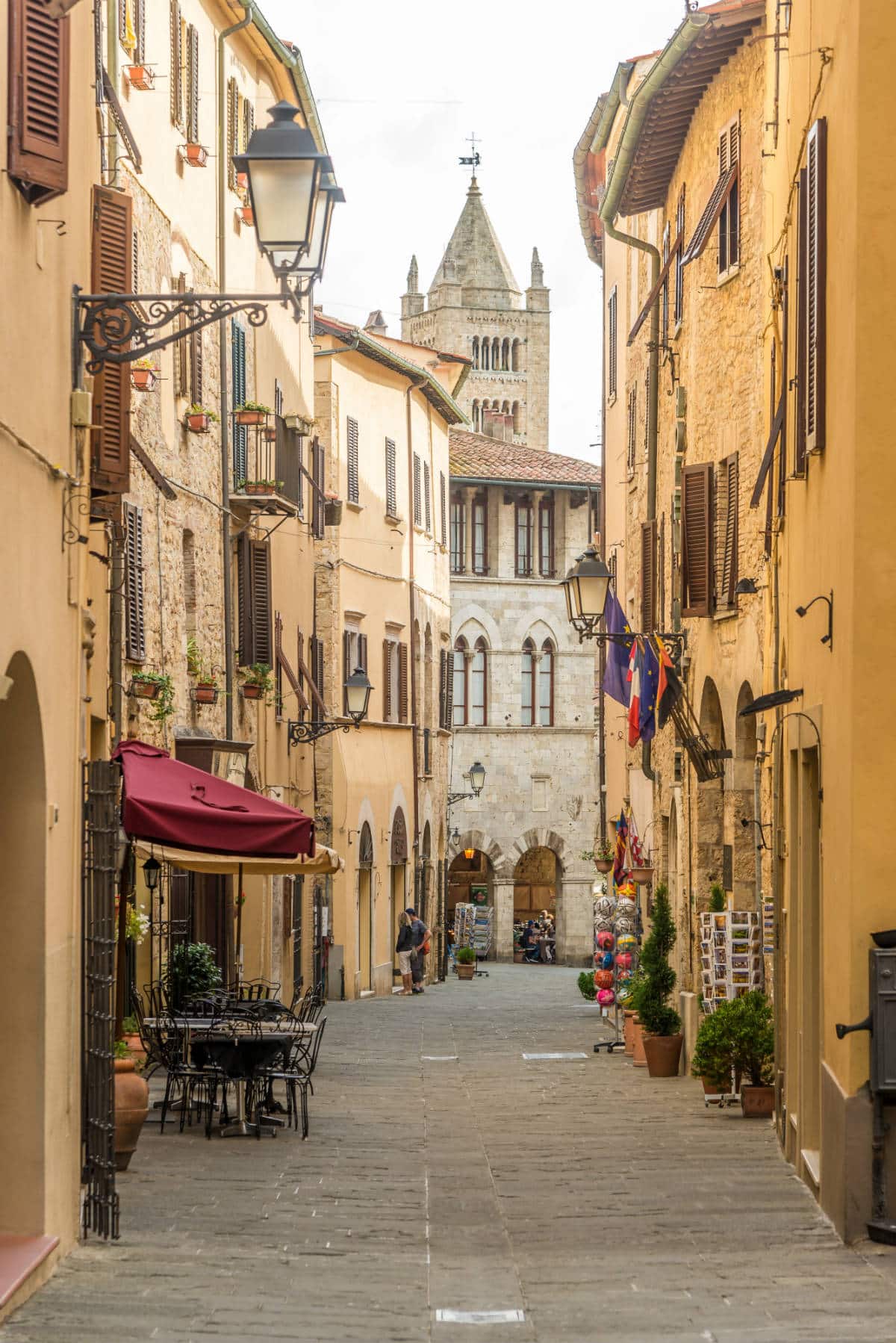
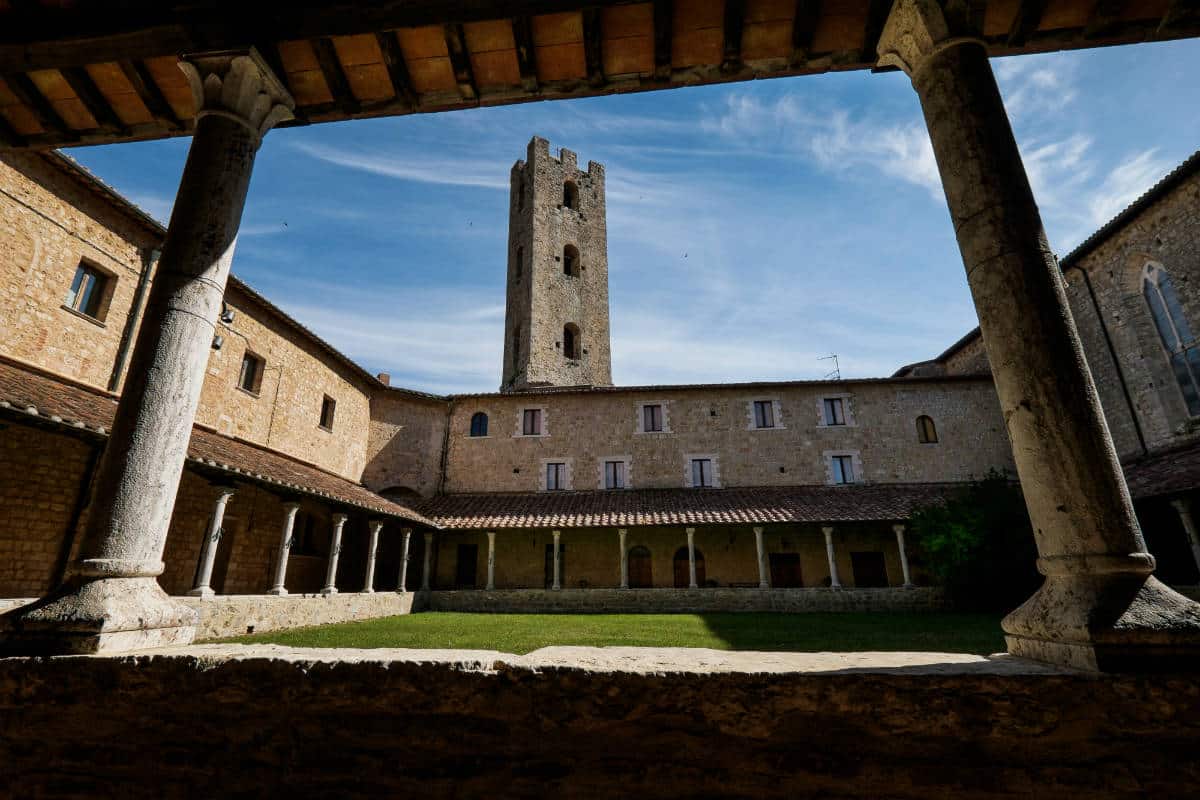
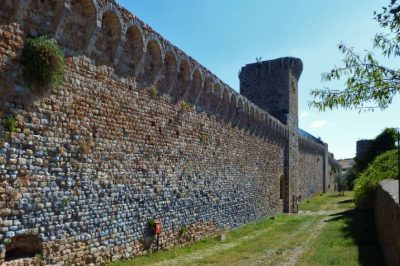
Massa Marittima is one of the most charming villages of the Grosseto hinterland, nestled among the Colline Metallifere of the Tuscan Maremma. It stands on an isolated hill about 380 meters above sea level and elegantly dominates the valley of the Pecora River. Its historic center, beautifully preserved and enclosed within an ancient city wall, is an authentic treasure chest of art and history, so much so that it deserves the prestigious Orange Flag of the Italian Touring Club.
Origins and history
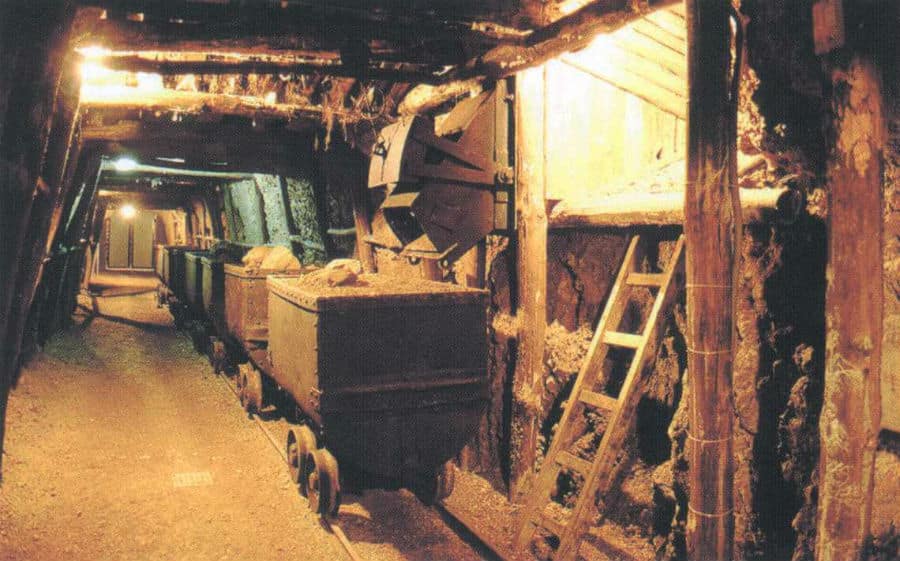
The town’s history is rooted in distant epochs: traces of settlements dating back to prehistoric and protohistoric times can be found in the area of Lago dell’Accesa, where Etruscan necropolis and dwellings dating between the 9th and 5th centuries B.C. have been found. It was, however, in the Middle Ages, between the 11th and 14th centuries, that Massa Marittima experienced its greatest splendor. Crucial was the transfer of the bishop’s seat from Populonia, which increased its religious and political importance. Having become a free commune in 1225, the town experienced a period of great growth thanks to the wealth extracted from the copper, silver and pyrite mines in the surrounding hills.
Architecture and monuments
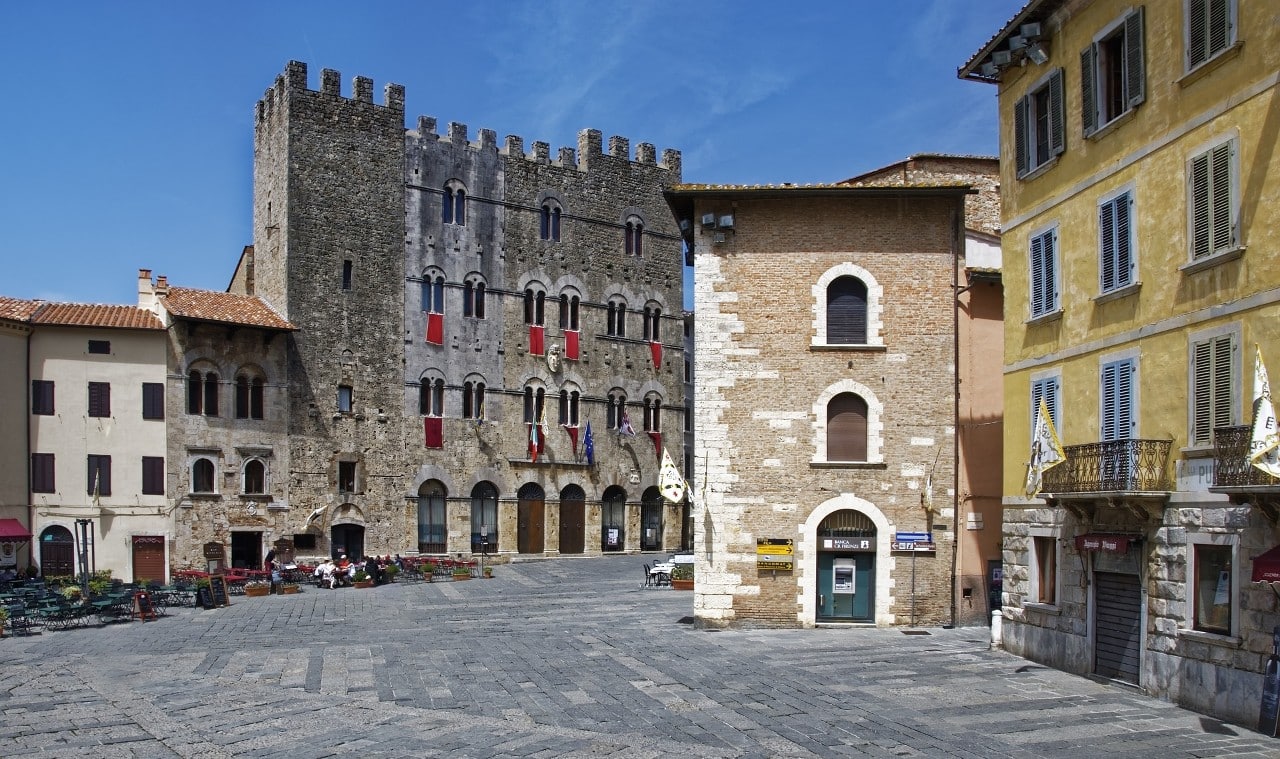
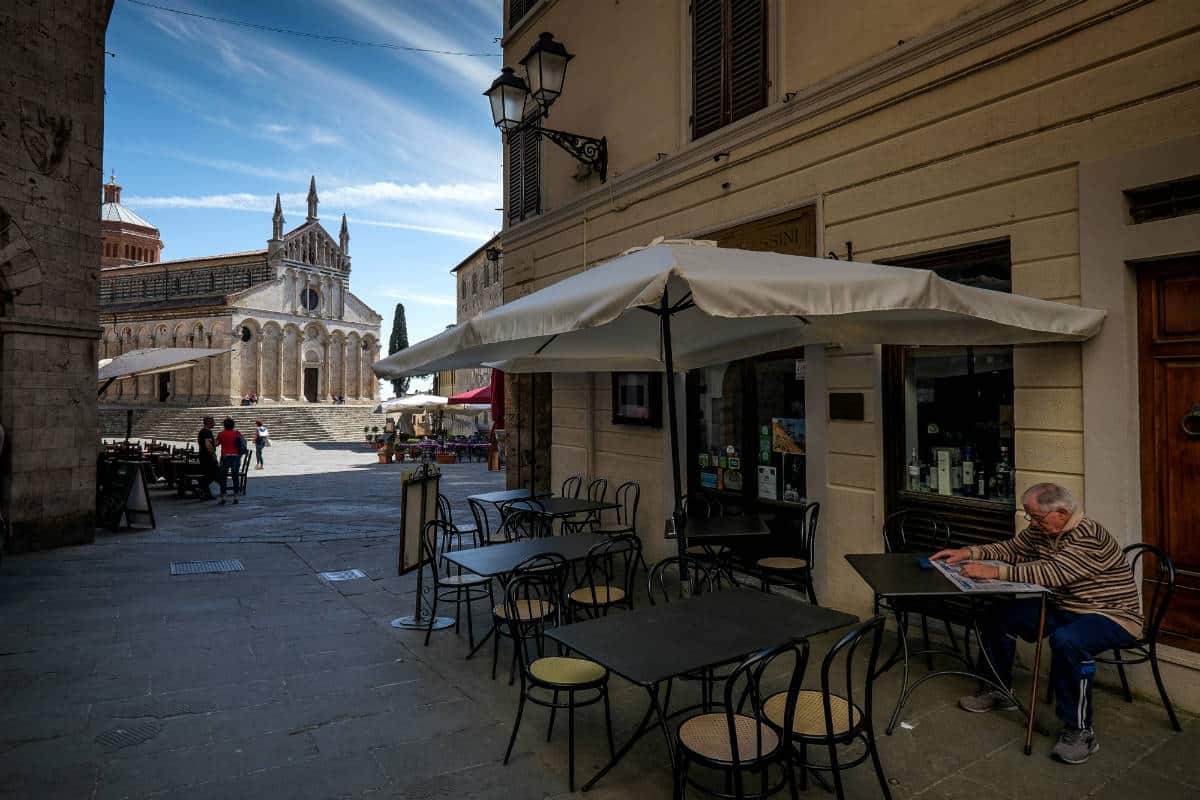
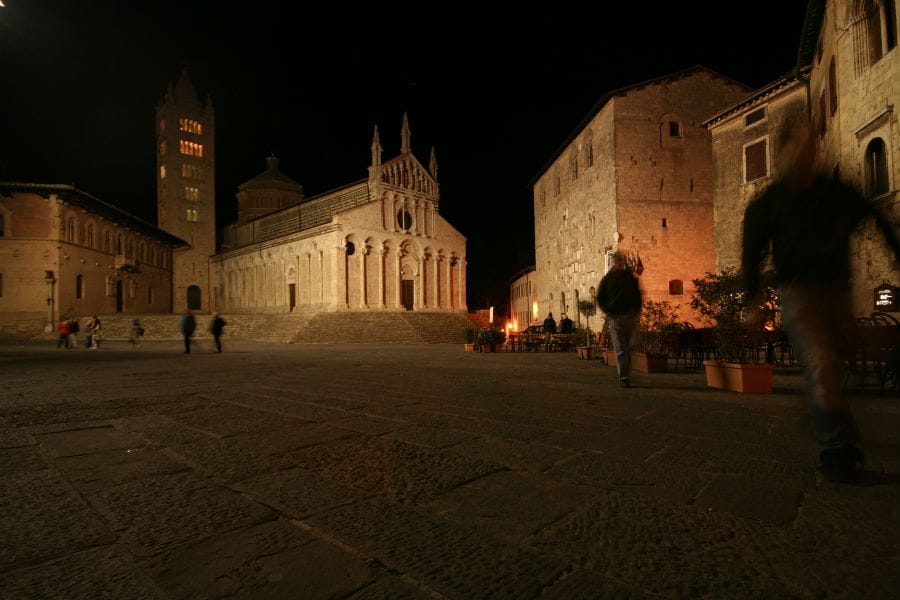
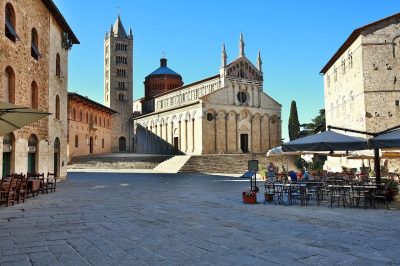
The beating heart of the village is Piazza Garibaldi, one of the most striking squares in Tuscany. Here faces the splendid Cathedral of San Cerbone, a masterpiece of Tuscan Romanesque-Gothic architecture, with a deliberately asymmetrical scenic position that enhances its visual impact. Surrounding the square are the Palazzo del Podestà, the Palazzo Comunale, the Loggia del Mercato and, not far away, the ancient Zecca.
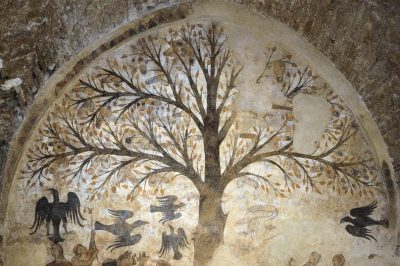
Another city symbol is the Fountain of Abundance, a medieval hydraulic work that has become famous for its surprising fresco of the Tree of Fertility, discovered in 1999 during restoration work: a powerful and symbolic image that refers to fertility rites and agricultural auspices.
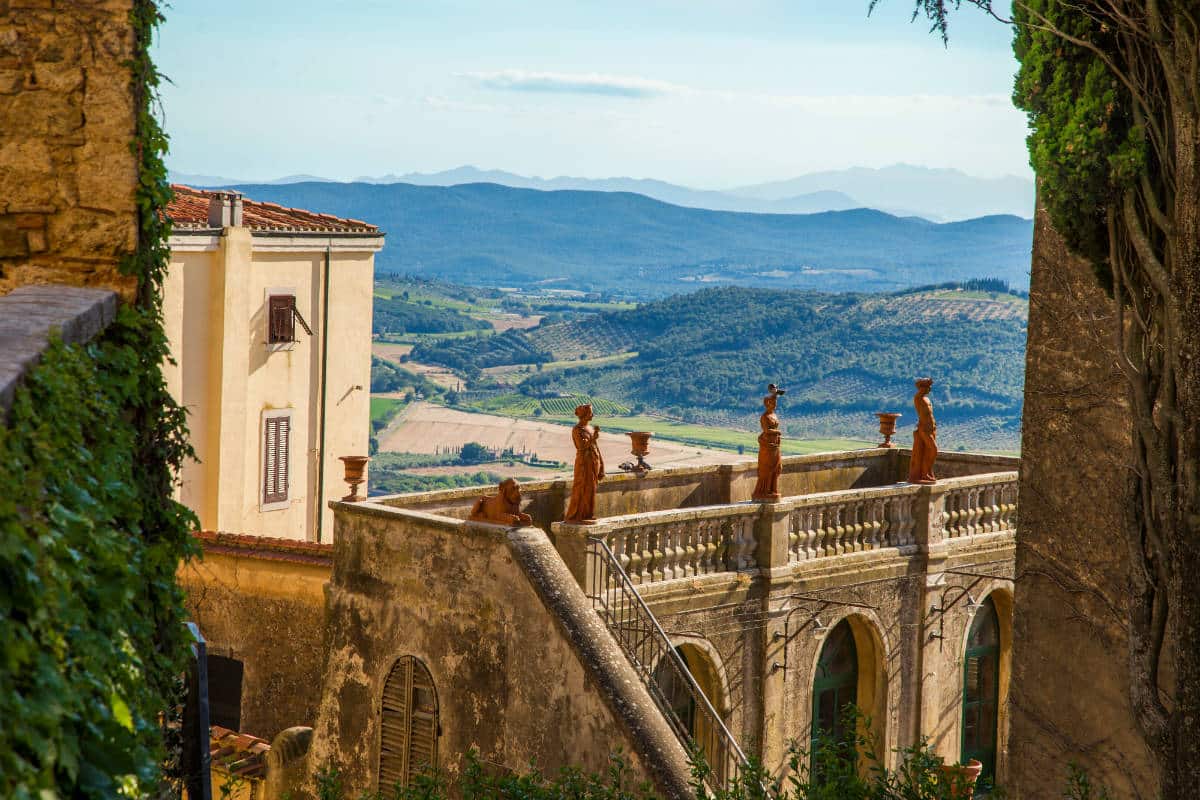
Climbing toward the “upper town”, we reach the Torre del Candeliere and the Sienese fortress, imposing military buildings from which there is a breathtaking panoramic view of the entire area.
Traditions and culture
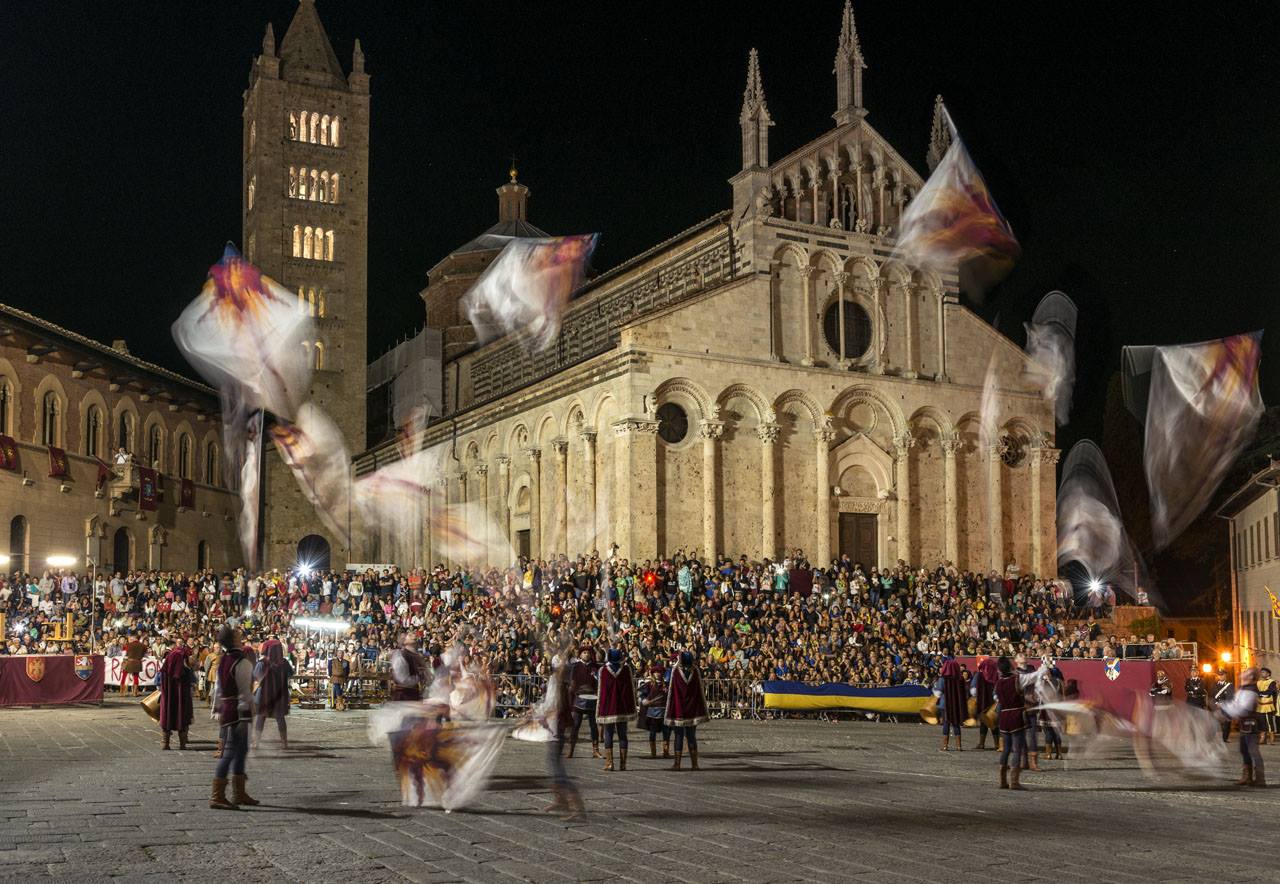
Massa Marittima also proudly guards its roots through its traditions. The Balestro del Girifalco, celebrated twice a year (fourth Sunday in May and Aug. 14), is a historical crossbow shooting competition between the three city terzieri: Cittanuova, Cittavecchia and Borgo. The event, dating back to the 14th century, takes place in Garibaldi Square and is accompanied by historical processions, music and colors that evoke the glorious medieval past.
Museums and archaeology
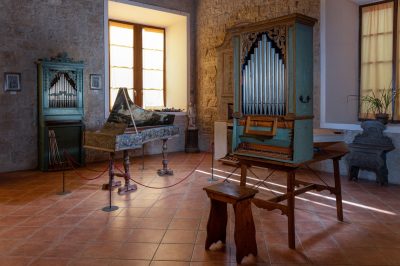
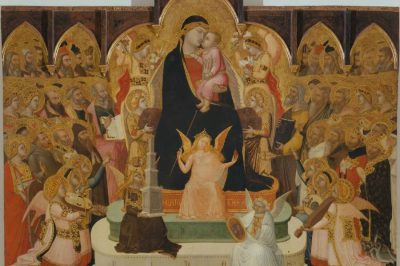
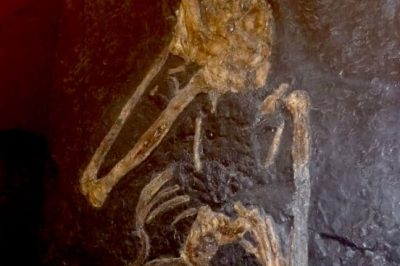
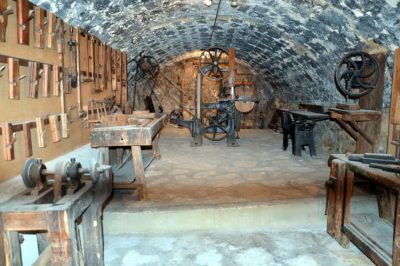
The village is also a major cultural center thanks to the presence of several museums: the Museum of San Pietro all’Orto, which houses works of sacred art; the Mining Museum, which tells the story of mining work; the Archaeological Museum, and the Old Carpentry Shop, a testament to the local craftsmanship tradition. Don’t miss the Accesa Lake Archaeological Park, where you can visit the remains of the Etruscan settlement of La Pesta.
Landscape and food and wine
Massa Marittima is nestled in a harmonious landscape of forests, hills and bodies of water such as Lago dell’Accesa. The surroundings offer trails, minor villages and enchanting views typical of the Maremma. Local food and wine complete the experience: Monteregio di Massa Marittima DOC, a full-bodied and fragrant wine, and extra virgin olive oil are the absolute stars of the table.
Village of Massa Marittima
The Municipality of Massa Marittima
Province of Grosseto
Tuscany Region
inhabitants: 8.278 massetani
Altitude center: 380 m a.s.l.
The Municipality is part of:
Città del vino
Città dell’olio
Città slow
Strada del Vino Monteregio di Massa Marittima
Unione Colline Metallifere
Acknowledgments
Orange Flag – Italian Touring Club
Spighe Verdi
Protected Natural Areas:
Parco interprovinciale di Montioni
Riserva naturale Marsiliana
Municipality
Piazza Garibaldi 8 – Tel. +39 0566 906211
BY CAR
- From Milan: Take the A1 highway towards Bologna to Parma, continue on the A15 highway, follow the Genova – Livorno direction, take the A12 highway towards Rome to Rosignano Marittimo, take the SS 1 Aurelia towards Rome, exit at Follonica East, continue on the SS 439 to Massa Marittima.
- From Florence: Take the A1 highway, exit at Firenze certosa, continue on the RA3 highway, exit at Colle di Val d’Elsa Sud, take the SS 73 Senese Aretina, continue on the SS 439 to Massa Marittima.
- From Rome: Take the A12 motorway towards Civitavecchia, continue on the SS 1 Aurelia towards Grosseto, exit at Scarlino, continue on the SS 439 to Massa Marittima.
ON THE TRAIN
- Follonica railway station
BY PLANE
- Pisa airport
- Florence airport
- Rome Fiumicino Airport
What to see in Massa Marittima
Discover what to see in Massa Marittima among monuments, scenic views, museums, churches and symbolic places of the village. A useful selection to plan your visit and explore the area.
Where to shop in Massa Marittima
Discover where to shop in Massa Marittima among small shops, local producers, wineries, artisan workshops and local excellences to take home after your visit.
Montomoli Bakery
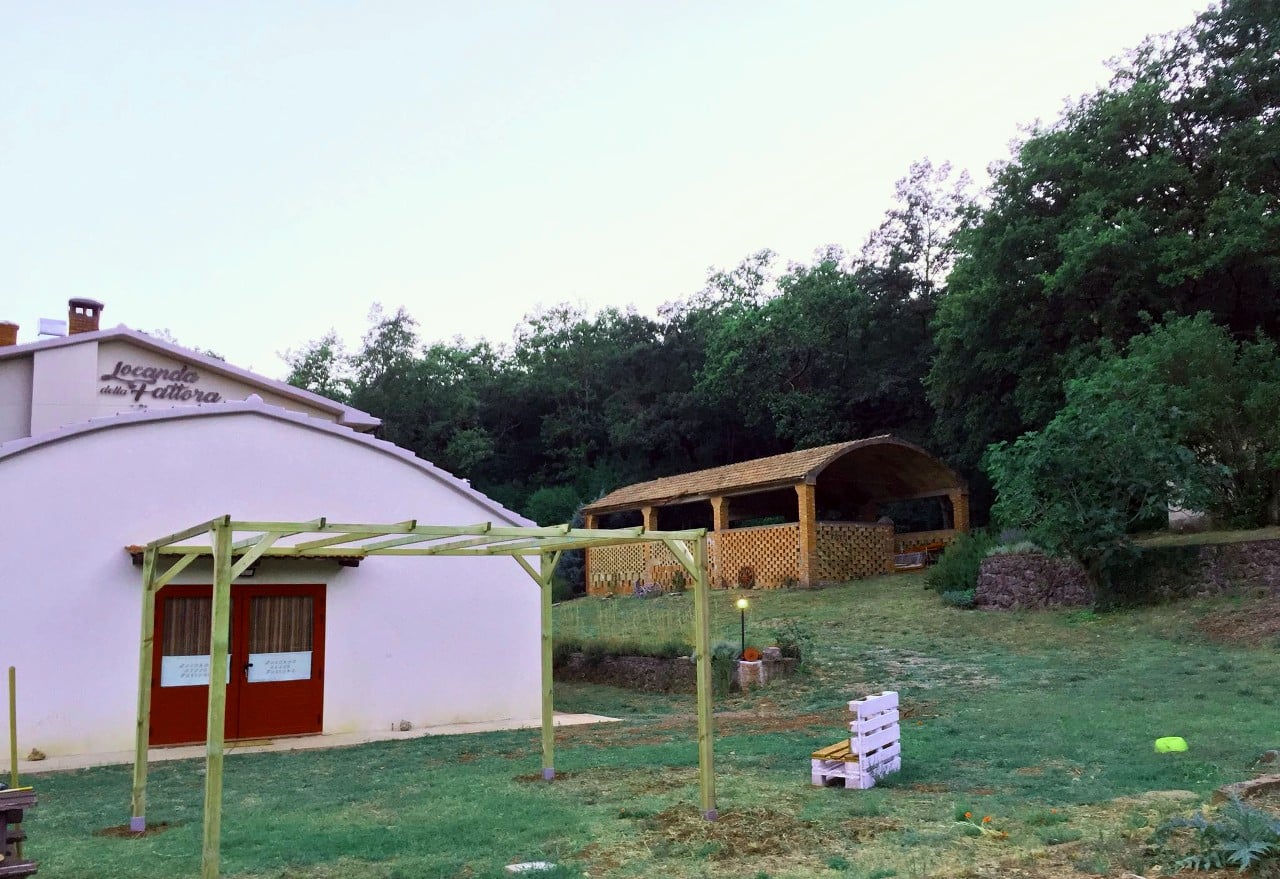
Locanda della Fattora
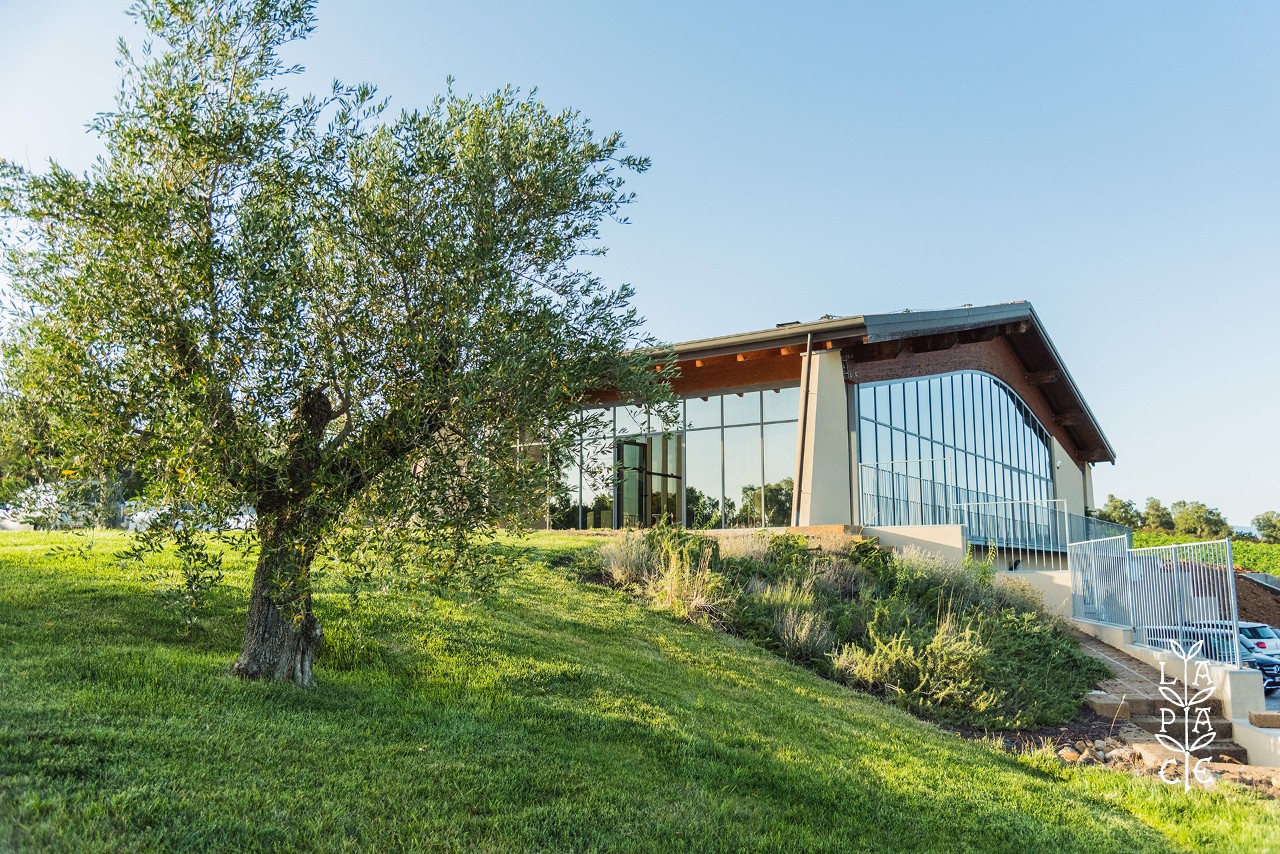
Podere La Pace
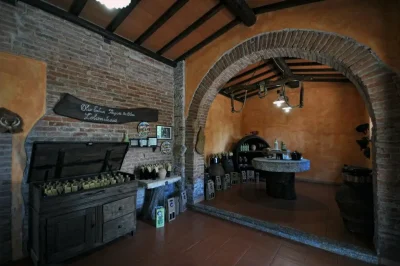
Stanghellini Oil Mill
Where to stay in Massa Marittima
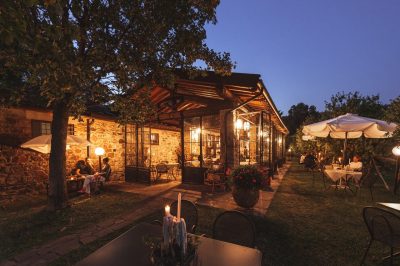
If you are looking for where to stay in Massa Marittima, you can choose from hotels, B&Bs, farm stays and holiday homes in the village and nearby, for a slower stay among landscapes, culture and authentic hospitality.
Events in Massa Marittima
Upcoming events, festivals and initiatives.
Continue the journey
Massa Marittima is only one of the treasures of the area. Use the interactive map to discover what to visit nearby, how far the other villages are and which experiences you can enjoy along the route.
Explore the area