 San Martino di Castrozza
 VIVA! Festival 2026
 Tandem paragliding flights in Tirolo and Merano: the thrill of flying over the Alps
 Recipe: Polta di Pacentro, the peasant dish that symbolises the traditions of Abruzzo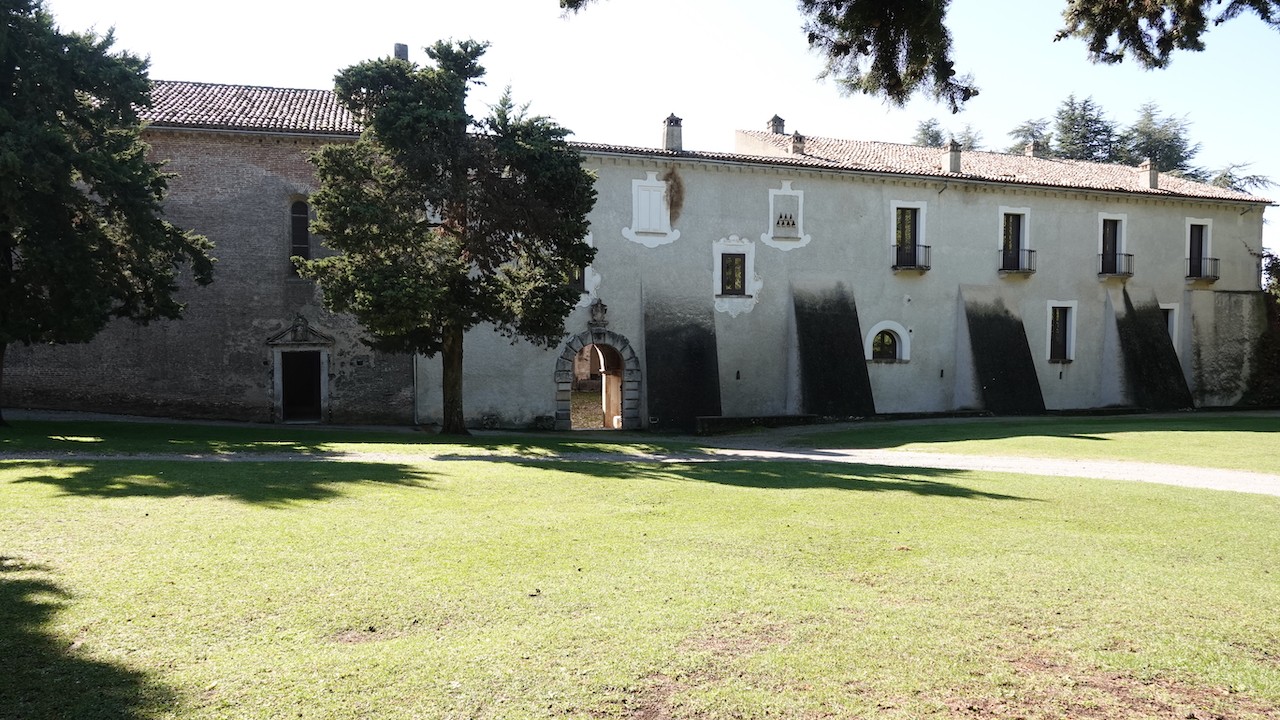
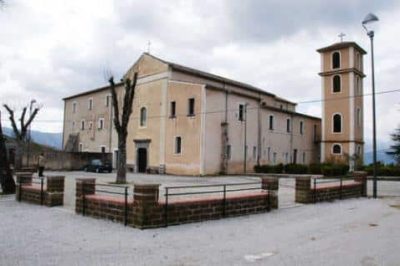
Nestled in a rural landscape of extraordinary beauty, among cultivated fields, springs and woods, Cadossa Abbey stands on a plateau south of Montesano sulla Marcellana, in the heart of the Vallo di Diano. This ancient monastic complex encompasses centuries of history and spirituality, and is deeply linked to the figure of St. Cone of Teggiano, who spent the last years of his brief existence there in the 13th century.
Founded between the 10th and 11th centuries by Benedictine monks, the abbey experienced a long period of prosperity, extending its jurisdiction over vast territories and hamlets, including Cadossa and Casalnuovo (today Casalbuono), inhabited by numerous vassals. Its spiritual and social influence grew further thanks to donations from local nobility, such as Countess Margaret of Scotto.
Over the centuries, the Abbey also faced difficulties and invasions. It was subject to usurpations, such as that of 1272 by Onorato Fornerio, and only the intervention of King Charles I of Anjou succeeded in returning it to the monks. Beginning in 1294 it passed temporarily under the Hospitaller Order of the Holy Trinity of Venosa (later Knights of Malta), before returning to the Benedictines and later being annexed in 1514 to the Charterhouse of San Lorenzo in Padula.
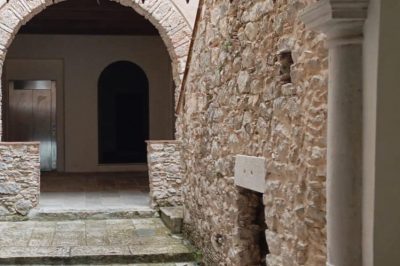
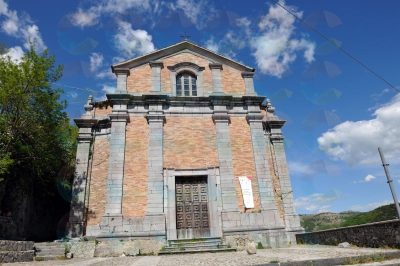
From that time, Cadossa became a Carthusian “grancia,” or monastic farm, renovated and maintained by the Carthusians with great care. The church was rebuilt in 1578, and still retains its Baroque layout with fine decorative stucco work and the painting of the Virgin of the Assumption on the high altar. Externally, an elegant portal is visible that leads to the inner courtyard, embellished by a fountain similar to those in the Charterhouse.
Decay began in the 15th century, with the transformation into a commendam and the arrival of absent and uncaring abbots for worship. After final suppression in 1866, the complex was purchased by the Gerbasio Barons and put to agricultural use.
Today the abbey is private property, but it keeps its memory alive thanks to the annual pilgrimage that the faithful of Montesano and Teggiano make on the first Sunday in August, in honor of St. Cone. This is the only occasion of the year when the complex is reopened, offering the chance to rediscover a place that was, over the centuries, a center of faith, culture and power.