 San Martino di Castrozza
 VIVA! Festival 2026
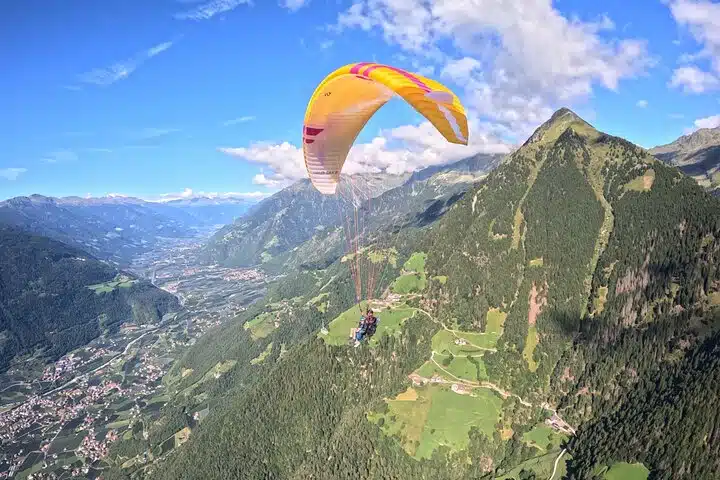 Tandem paragliding flights in Tirolo and Merano: the thrill of flying over the Alps
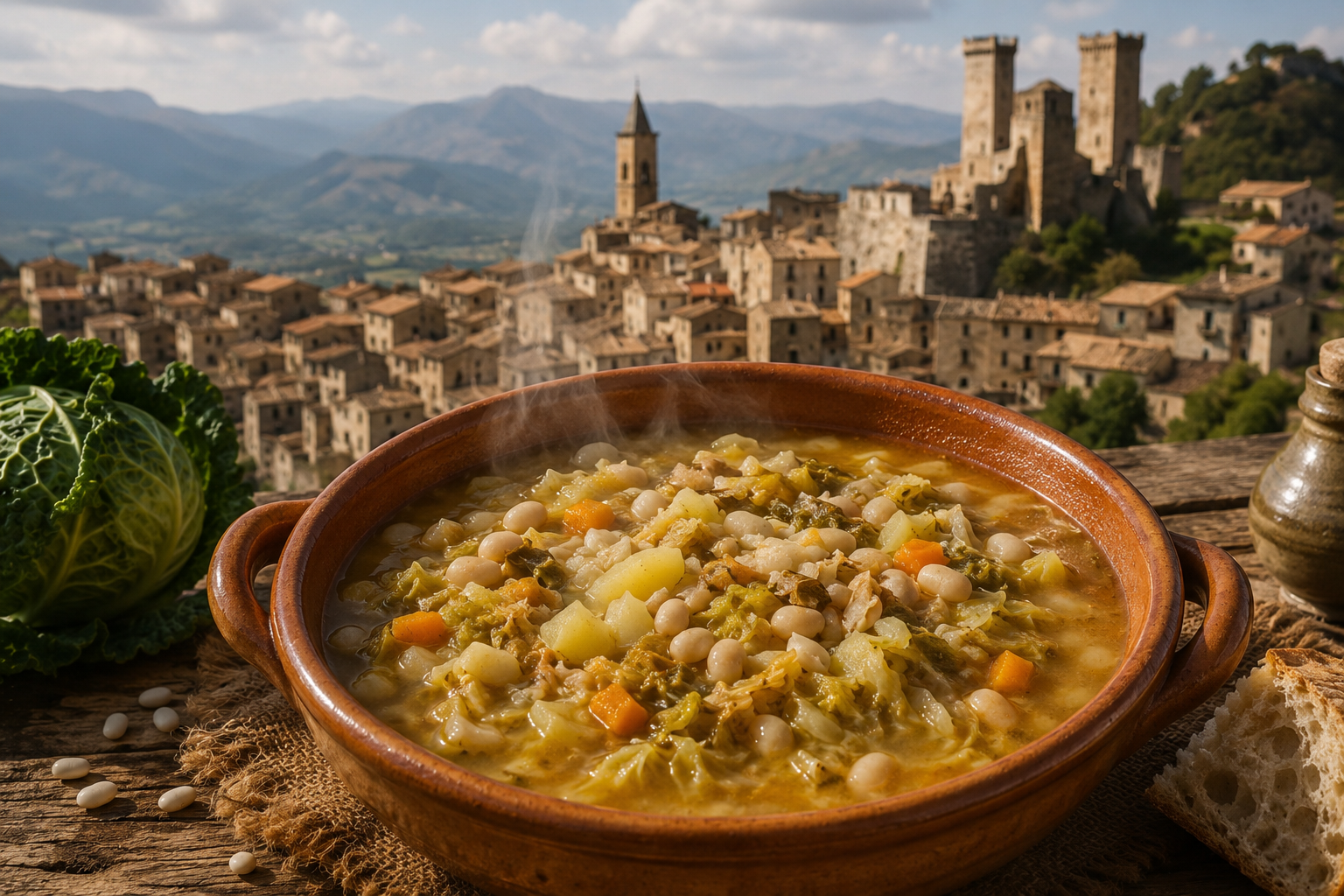 Recipe: Polta di Pacentro, the peasant dish that symbolises the traditions of Abruzzo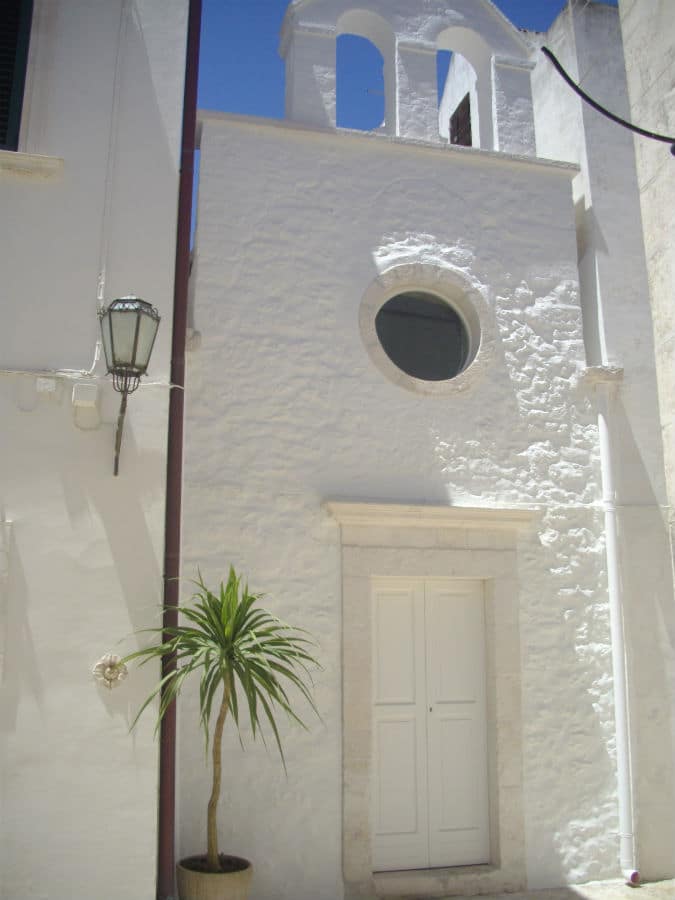
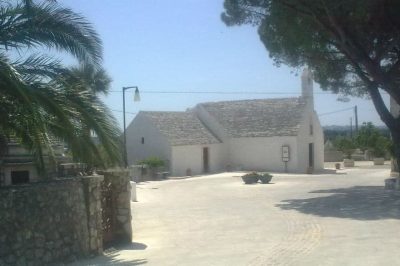
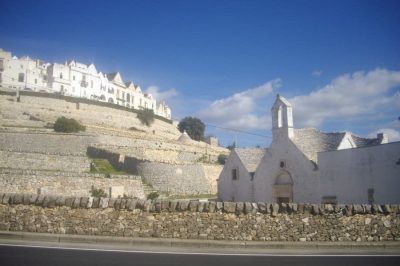
The Church of Saint Nicholas of Myra in Locorotondo was built around 1660 on the initiative of a local dignitary. Today, the building appears almost hidden amongst the tall houses of the historic centre, which leave only the simple façade visible; very little remains of its original gabled structure with a bell gable.
The church has a small but original architectural structure: the interior consists of a single nave, covered at the front by a barrel vault and, in the remaining part, by a small dome with a drum set on pendentives. Externally, this architectural combination results in the fusion of a pitched roof with the characteristic conical shape of a trullo, both clad in traditional limestone chiancarelle, whose grey colour contrasts with the white of the plastered walls. Some variations in the masonry and a crack along the vault suggest that the building was constructed in several phases.
A small raised area, situated beneath the second arch on the right, was used as a sacristy and probably also served as a choir loft. The interior is almost entirely covered with rich painted decoration arranged according to a precise iconographic scheme. At the base of the vault are ten panels depicting scenes from the life and miracles of Saint Nicholas of Myra, surmounted by a procession of angels playing music. The four Evangelists are depicted in the pendentives; among them, St Luke stands out, shown painting a Madonna and Child, in reference to the tradition that credits him as the creator of the first Marian image, the famous Hodigitria of Constantinople.
The dome’s drum depicts scenes of hermitic life, whilst the intrados of the dome features numerous cherubs circling the figure of the Eternal Father, depicted holding the globe in the act of blessing. The church’s sole altar is adorned with a late 16th-century-style aedicule with a broken pediment, inside which Saint Nicholas and Saint Anthony of Padua are depicted in adoration of the Blessed Sacrament, with a small angel holding three golden spheres, the traditional symbol of the saint of Myra.
Among the most intriguing features is a small balustrade painted in trompe-l’oeil on the vault, within which a dove is depicted. The painted decorations were executed partly immediately after the church was built and partly between the late 18th and early 19th centuries.
Beneath the second arch on the left there is also an ancient stone bas-relief depicting the Crucifixion, which is probably older than the church itself. According to a local tradition recorded by a nineteenth-century historian, the relief was reportedly found in a cave near Locorotondo and subsequently placed inside the building.