 San Martino di Castrozza
 VIVA! Festival 2026
 Tandem paragliding flights in Tirolo and Merano: the thrill of flying over the Alps
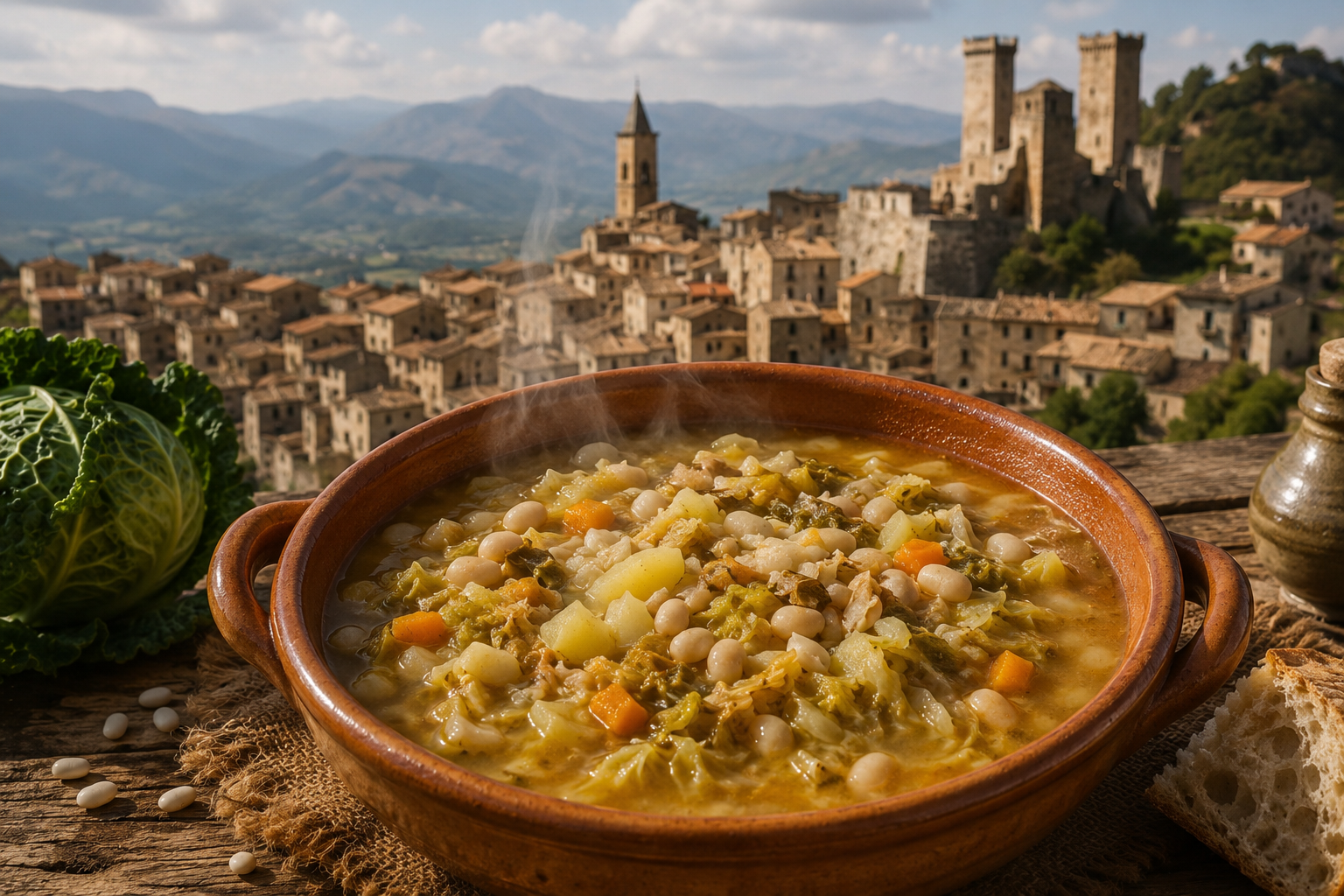 Recipe: Polta di Pacentro, the peasant dish that symbolises the traditions of Abruzzo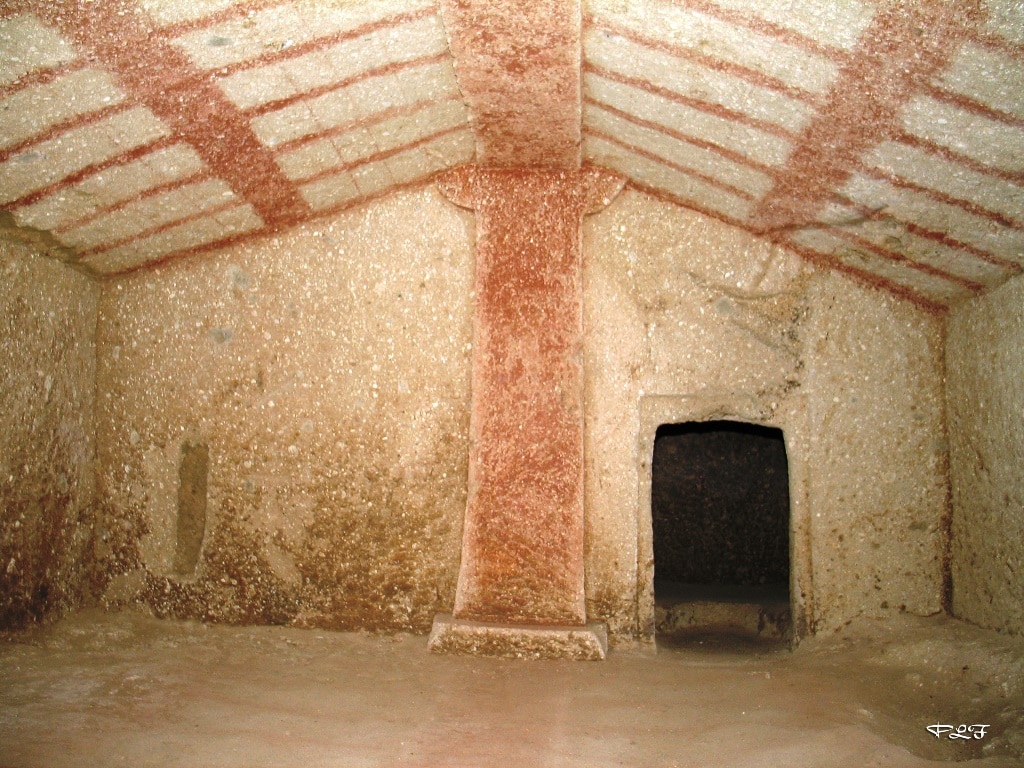
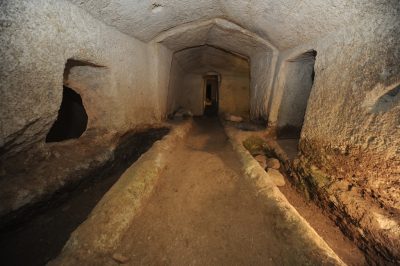
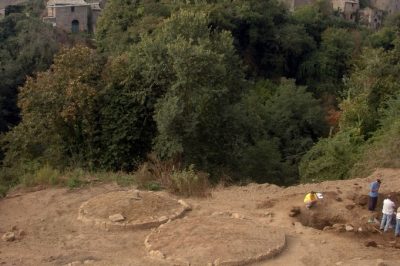
In use between the 7th and 6th centuries B.C., the necropolis is characterised by chamber tombs excavated in the western slope of the hill’s tuffaceous ridge and arranged in at least four rows. The prevailing pattern is the type of tomb with an atrium, overlooked by the burial chambers. This plan, together with other features, such as the double-sloping ceiling and the presence of architectural elements carved in the tuff, represent the transposition of the house of the living into the world of the dead. In tomb P2 the roof frame is meticulously reproduced with red paint.
museo@novacastrum.it