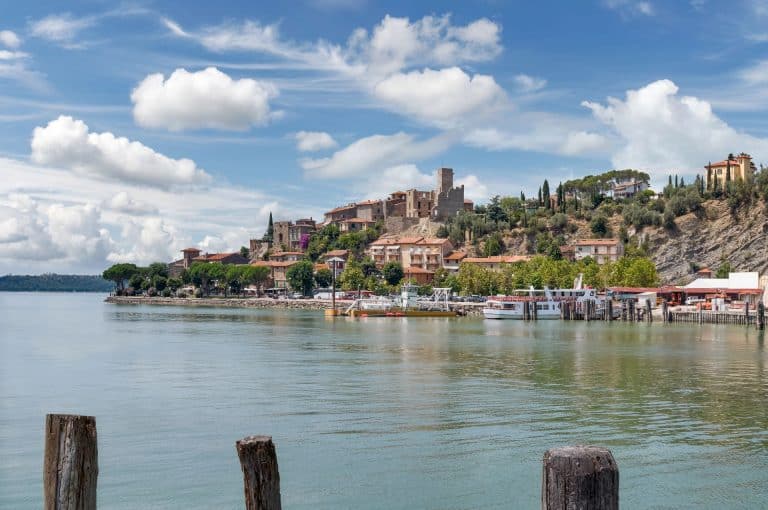
 Passignano sul Trasimeno
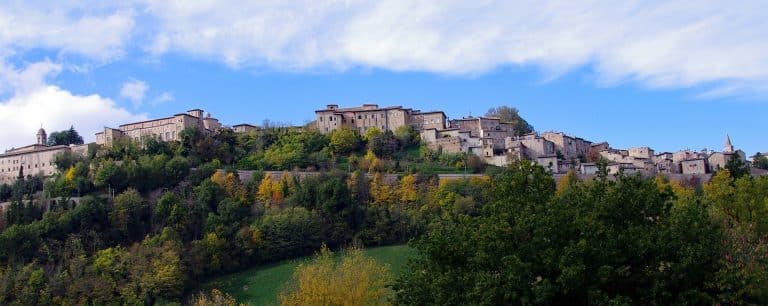 Montefeltro
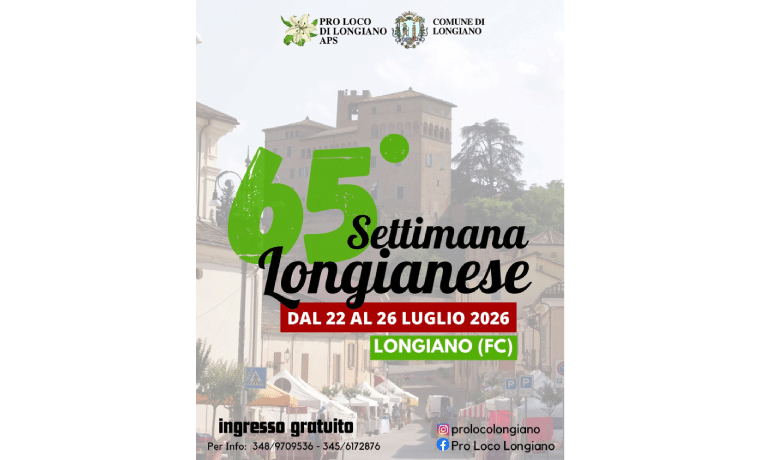 Longiano Week
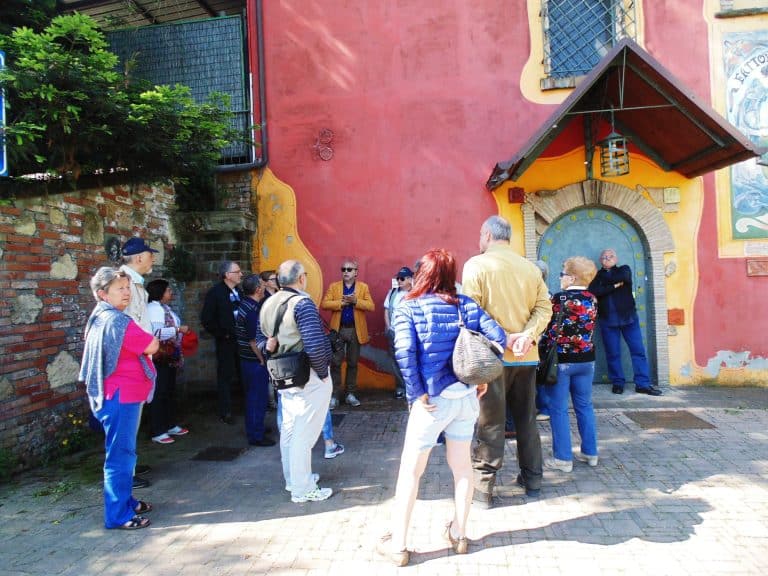 The Ca’ Rossa Experience: from vineyard to glass
 Romantic Night 2026: on 20 June, over 230 Italian villages will be aglow with love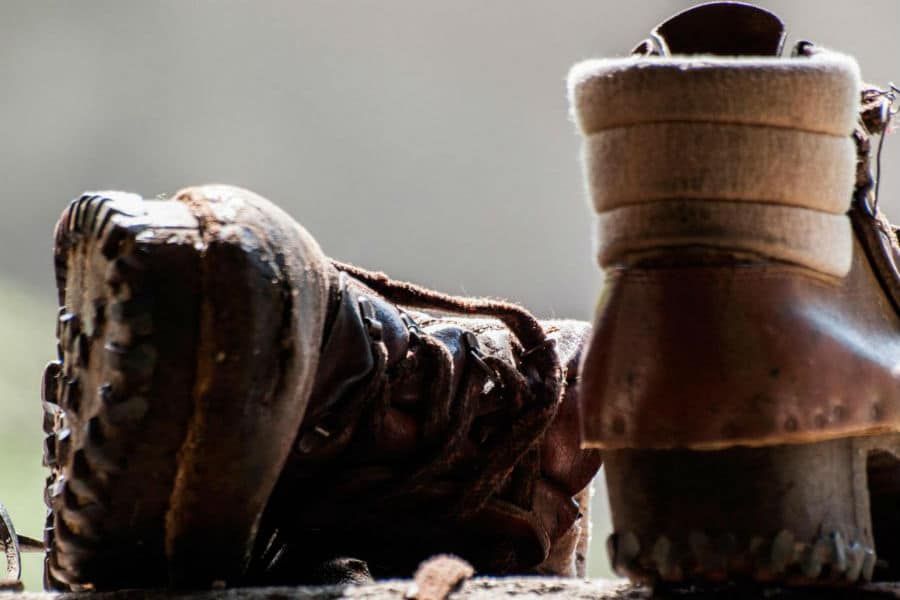
In the small hamlet of Prè di Ledro stands one of the most authentic reminders of the Valle di Ledro’s artisanal heritage: the Fucina delle Broche, a place that bears witness to the hard work, ingenuity and adaptability of an entire mountain community. Here, the ancient art of the ciuaröi lives on – the master nail-makers who, for decades, hand-crafted thousands of small nails for use in footwear.
The valley’s metallurgical tradition has its roots in the 17th century, when ironworks and forges began to spread, fuelled by the abundance of water and timber in the area. In a short time, ironworking became one of the main local economic activities, in many cases replacing agricultural and pastoral work. An entire economy revolved around the ironworks: in addition to blacksmiths, charcoal burners, transporters and numerous skilled workers were involved.
With the arrival of Napoleon’s troops and the valley’s subsequent passage under Austrian control, this prosperity slowly began to wane. Many businesses ceased trading and, by the mid-19th century, only a few small forges dedicated to the production of agricultural tools and nails remained.
The revival came after 1866 thanks to the arrival of craftsmen from the Brescia and Bergamo areas. It was they who introduced more advanced techniques and revived the old workshops, giving rise to the production of the famous broche, small nails used to reinforce the soles of shoes and clogs. At the time, footwear often had wooden or leather soles, and these nails significantly increased their durability.
The production of broche became so important that it profoundly shaped the economy of the Ledro Valley. During the First World War, many nail-makers were initially called up to the front, but the need to ensure the production of nails for military footwear prompted the authorities to recall numerous workers to the factories. Even during the Second World War, this particular specialisation helped to spare part of the local workforce from being sent directly to the front.
In the forge, one can still observe the traditional work of the ciuaröi. Around the forge and the characteristic ‘T’-shaped anvils, the craftsmen transformed thin iron rods into perfect nails with surprising speed. It took just twenty or so hammer blows and a few seconds to make a single nail. The most skilled craftsmen managed to produce up to 15,000 in a week, working exclusively with manual skill and traditional tools.
However, the advent of rubber soles in the 20th century marked the end of this trade. Broaches were no longer needed, and one by one the forges closed down for good. To prevent this important cultural heritage from being lost, the Fucina delle Broche has been preserved and restored; today it has been transformed into a demonstration centre that allows visitors to rediscover a profession that has now disappeared.
During special events and by-appointment visits, it is still possible to watch demonstrations by the nail-makers, observing at close quarters the techniques and tools used for generations. The Fucina delle Broche thus represents not only a museum of memory, but also a place where the history of the Ledro Valley continues to live on through the gestures and stories of the last custodians of this ancient art.