 Passignano sul Trasimeno
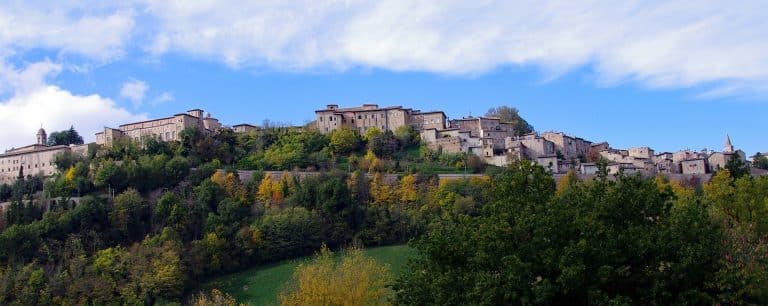 Montefeltro
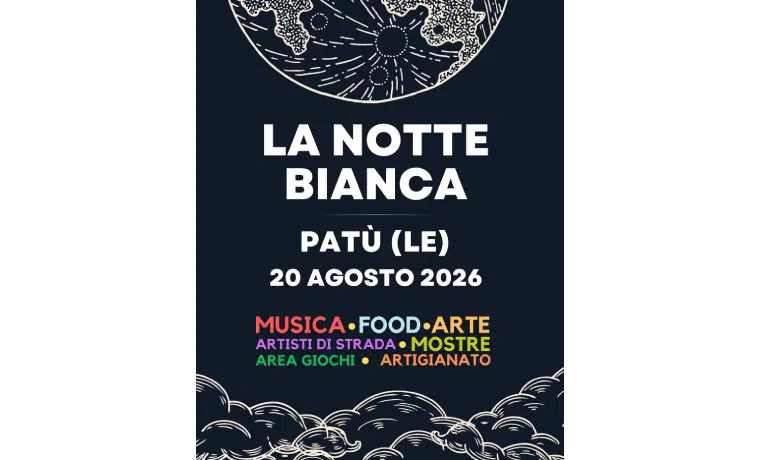 The White Night
 The Ca’ Rossa Experience: from vineyard to glass
 Romantic Night 2026: on 20 June, over 230 Italian villages will be aglow with love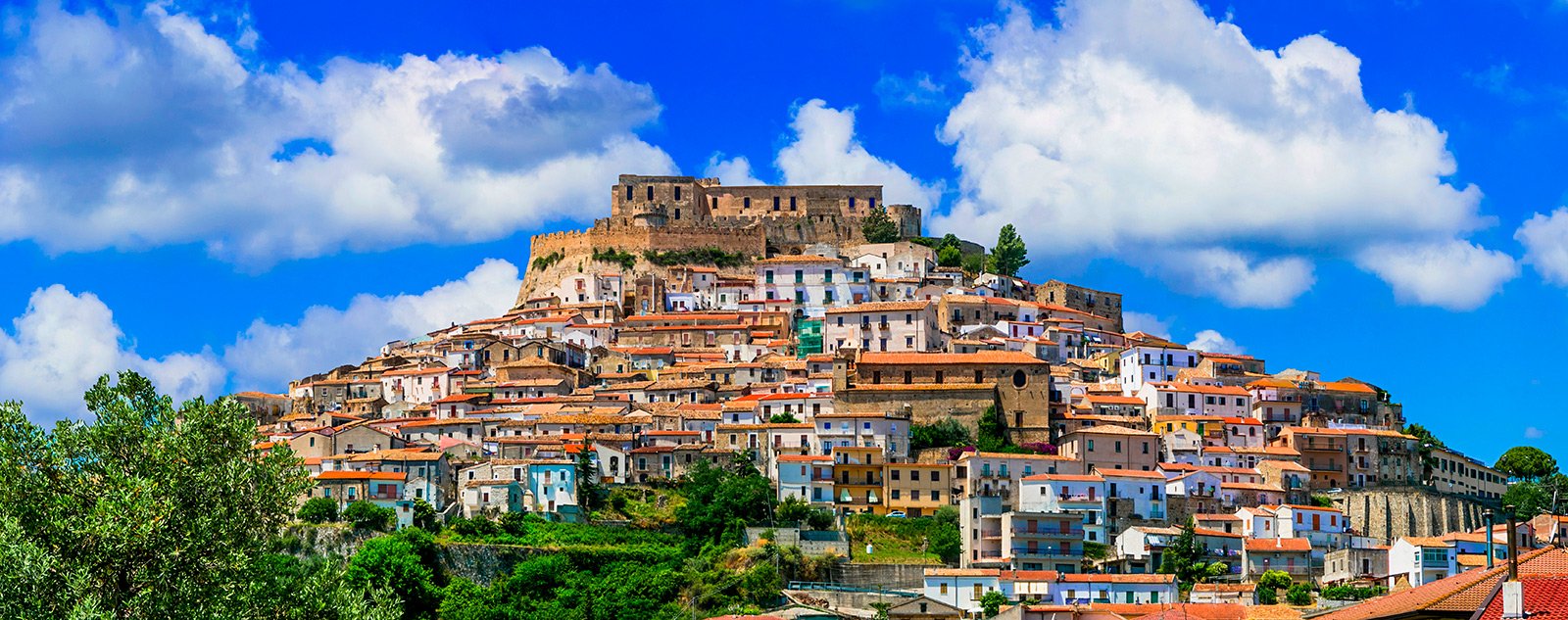
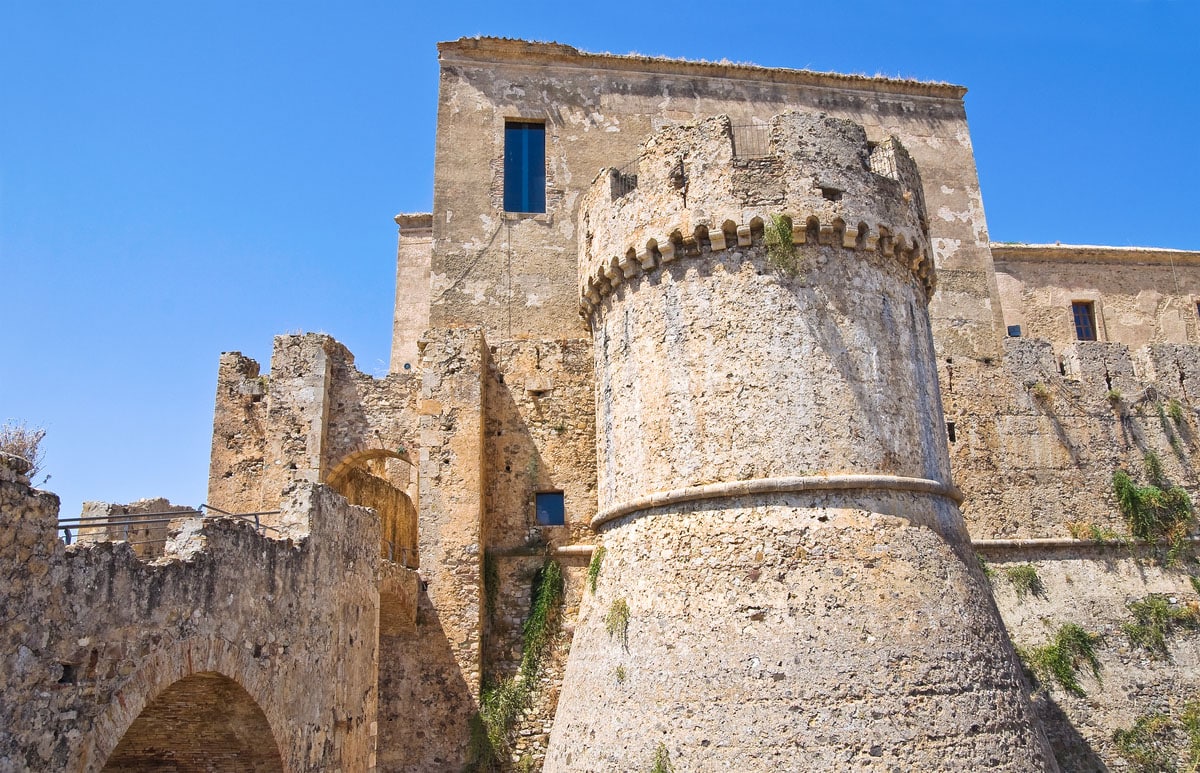
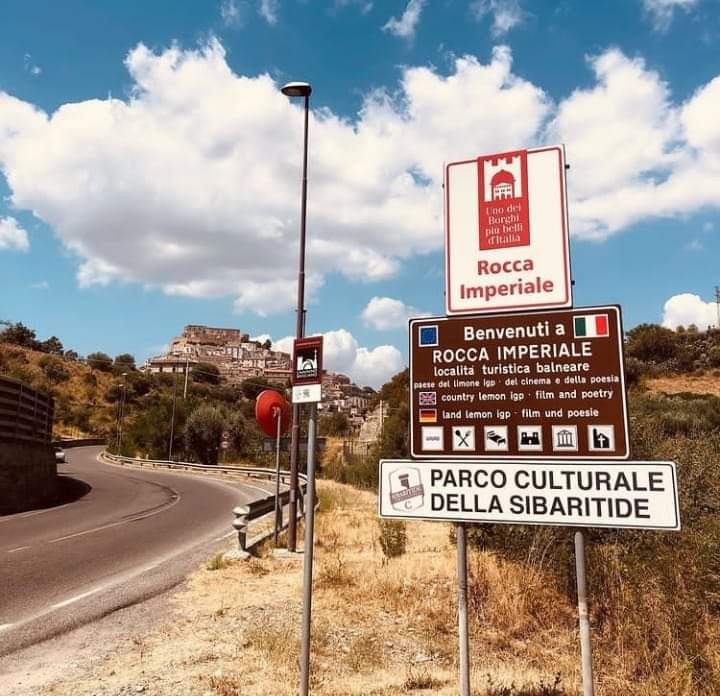
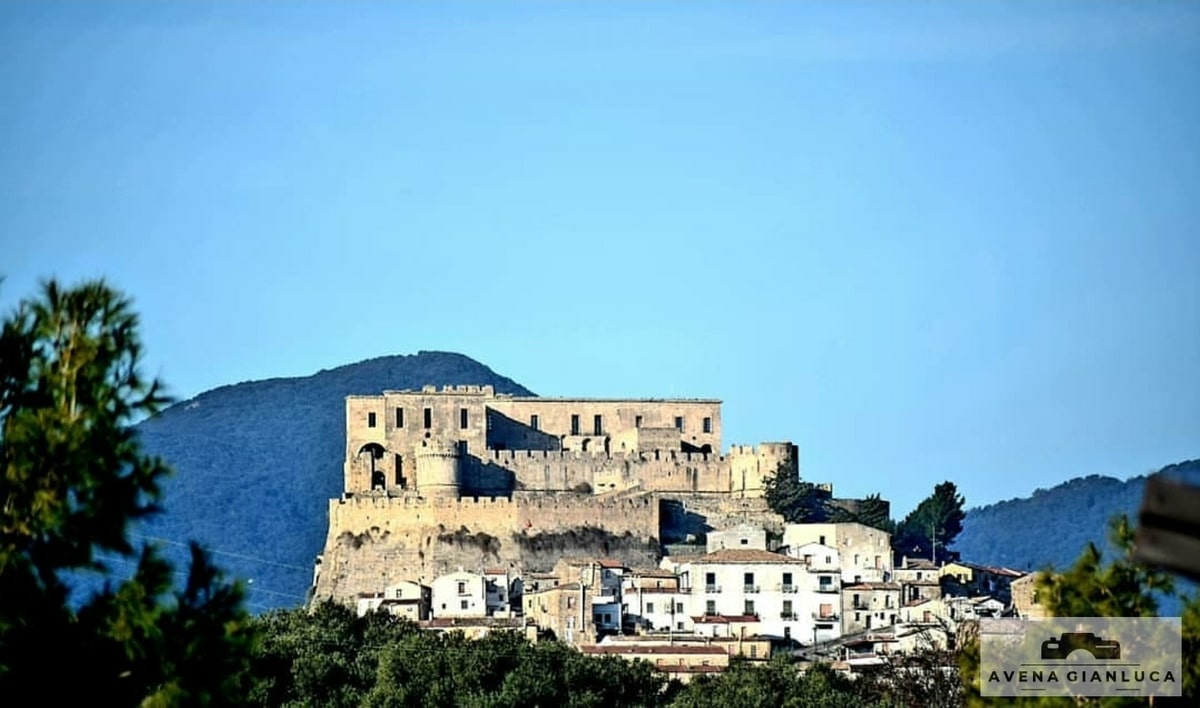
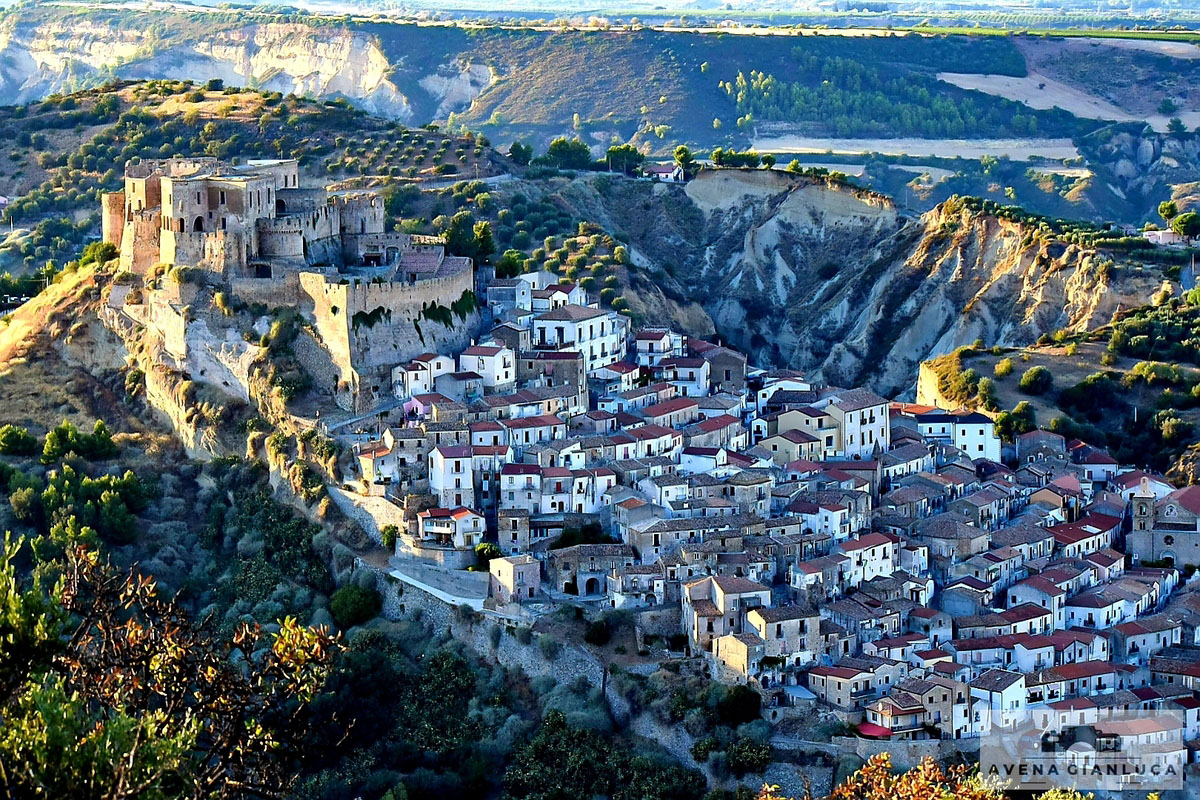
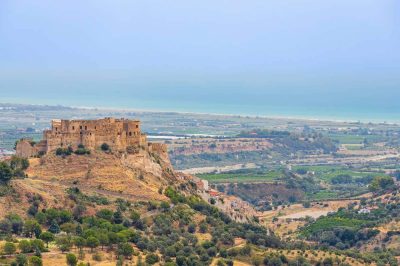
A picturesque village in the province of Cosenza, Rocca Imperiale is also known in the area for its lemons, which have been awarded the IGP (Protected Geographical Indication) denomination thanks to their peculiarity of being almost completely seedless and with an intense and persistent perfume. What immediately strikes the visitor, however, is the imposing castle that dominates the town of Rocca Imperiale; its structure is reminiscent of many other fortresses that characterise various villages in Puglia and Basilicata. After all, it too was built by Frederick II of Swabia to control the territory and for his logistical and defensive needs.
Photo gallery
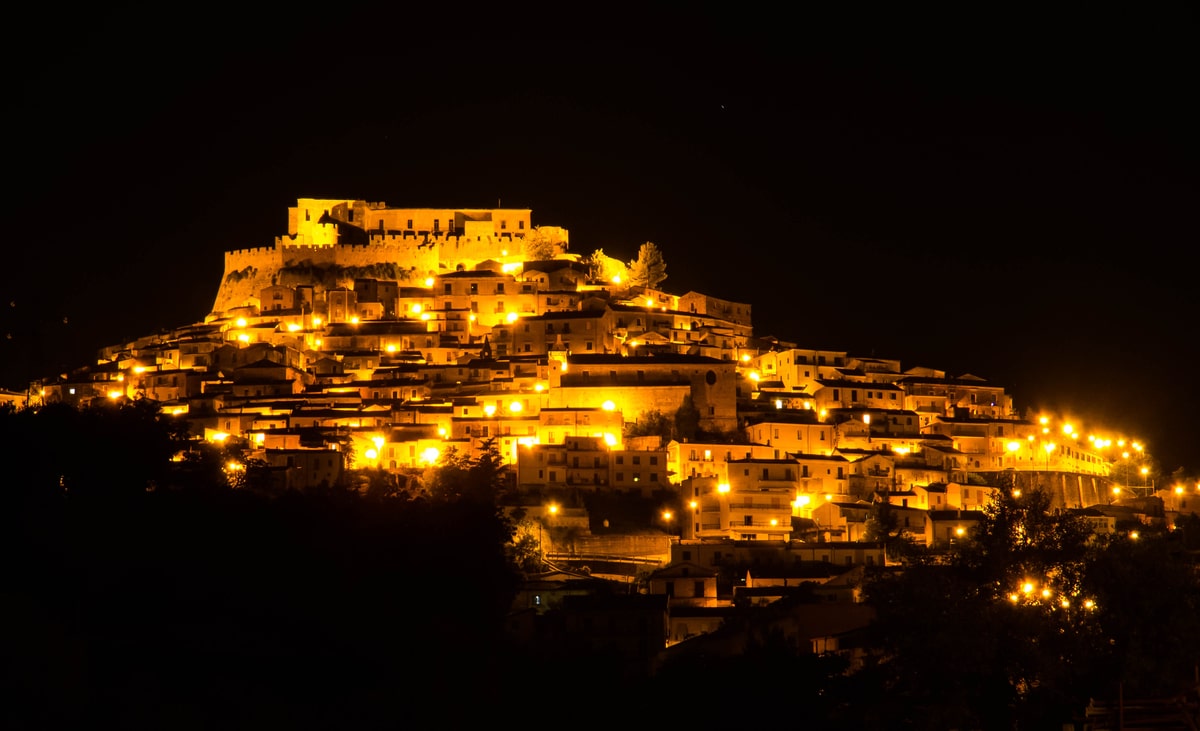
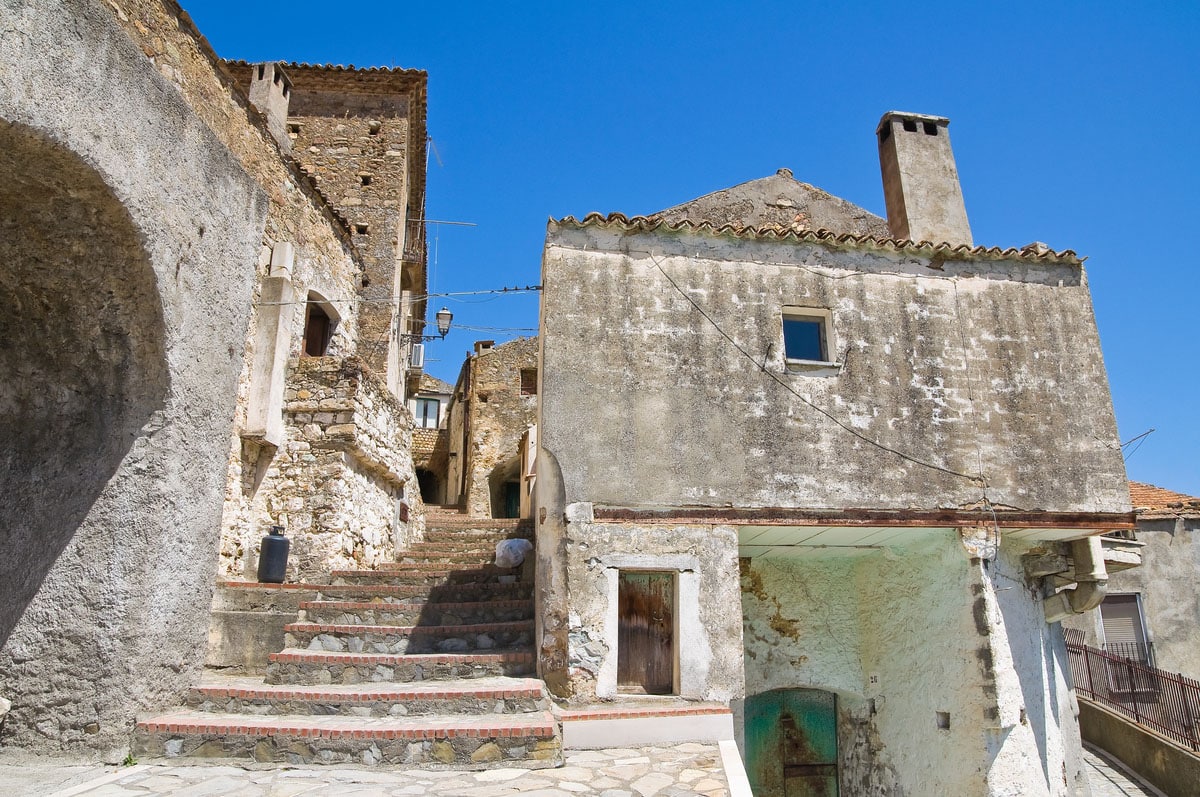
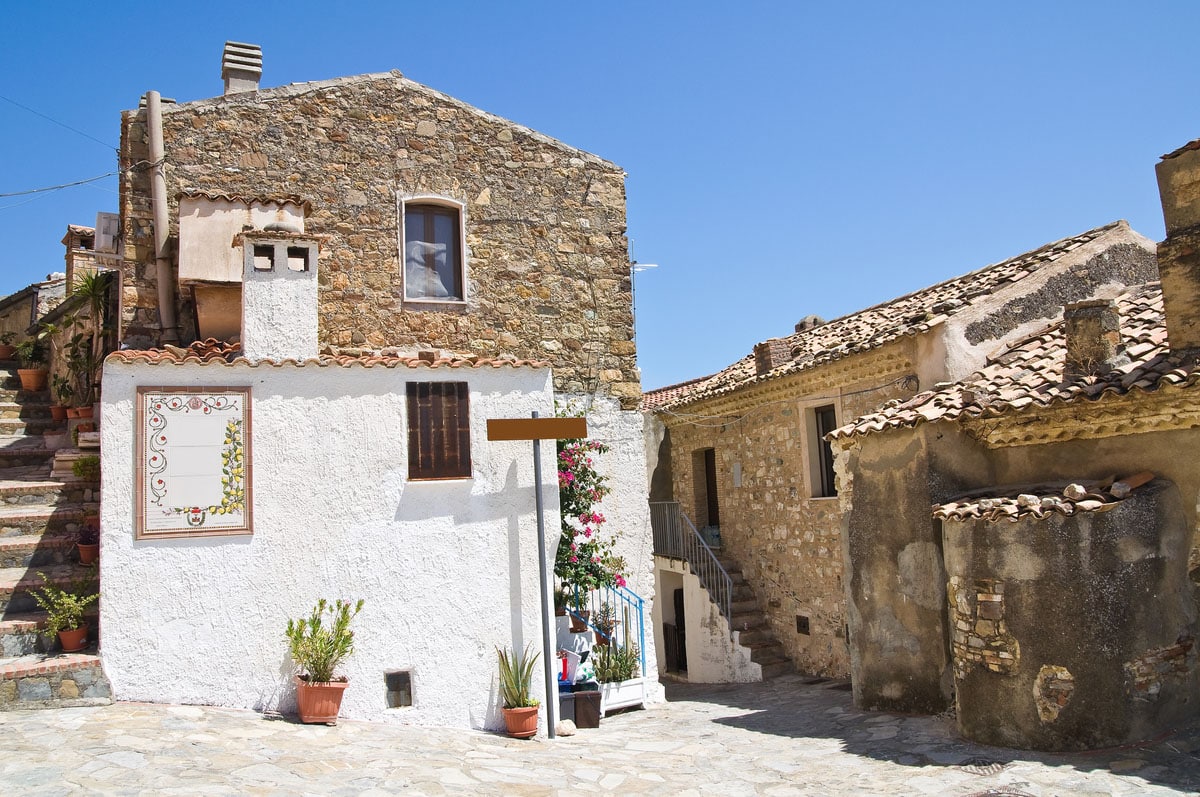
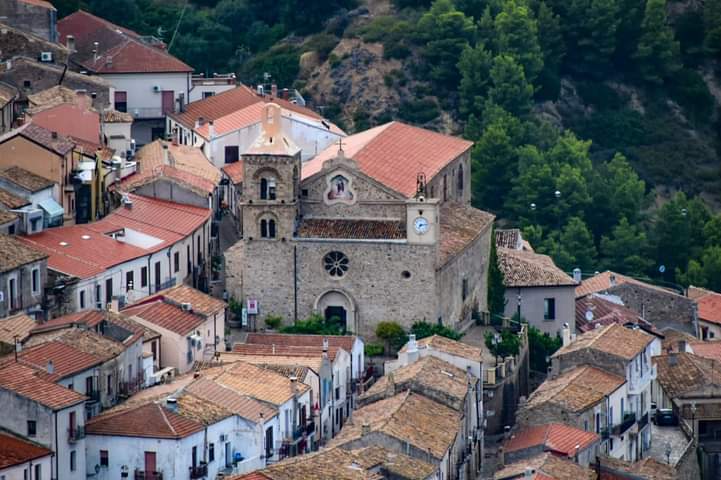
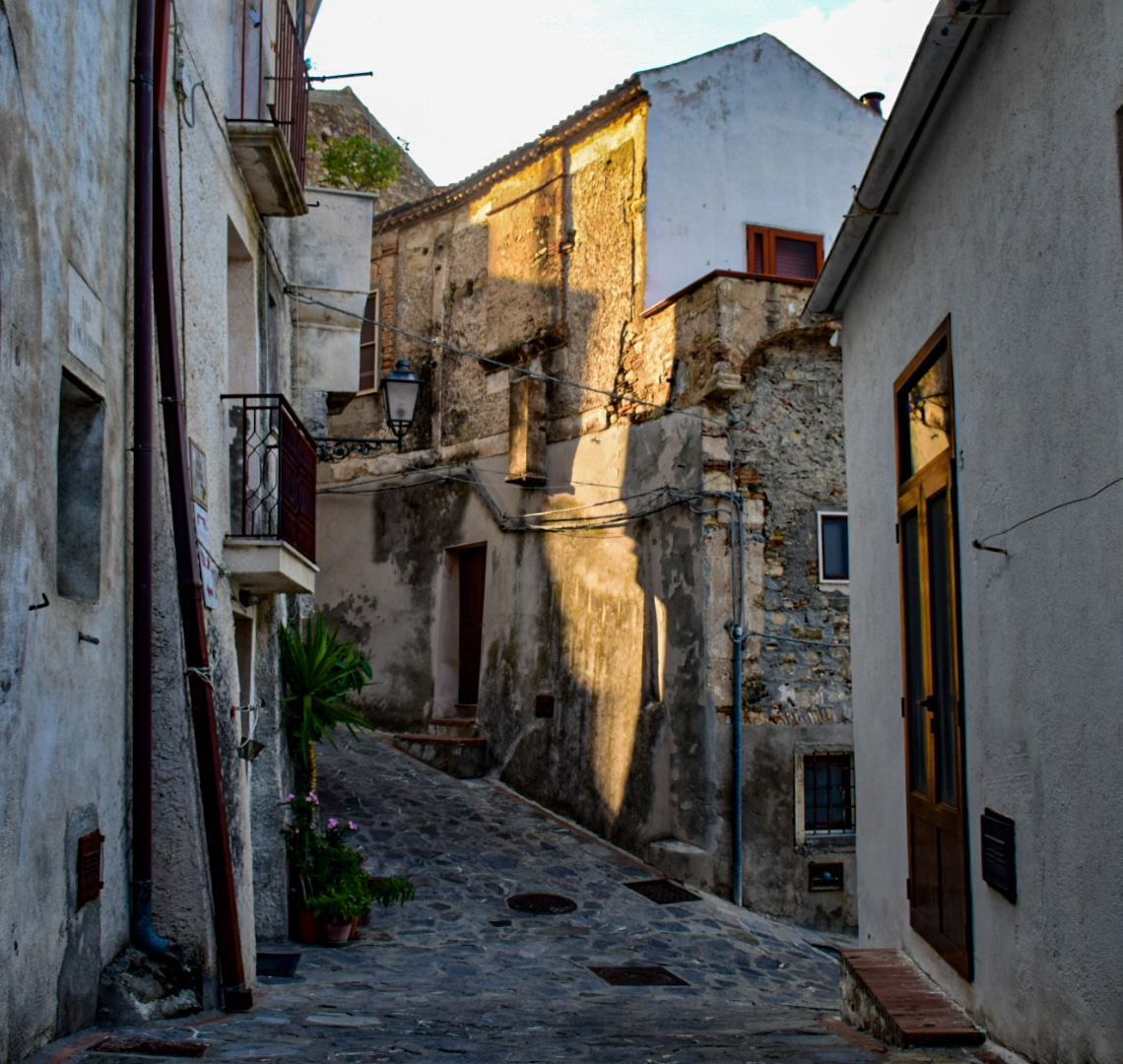
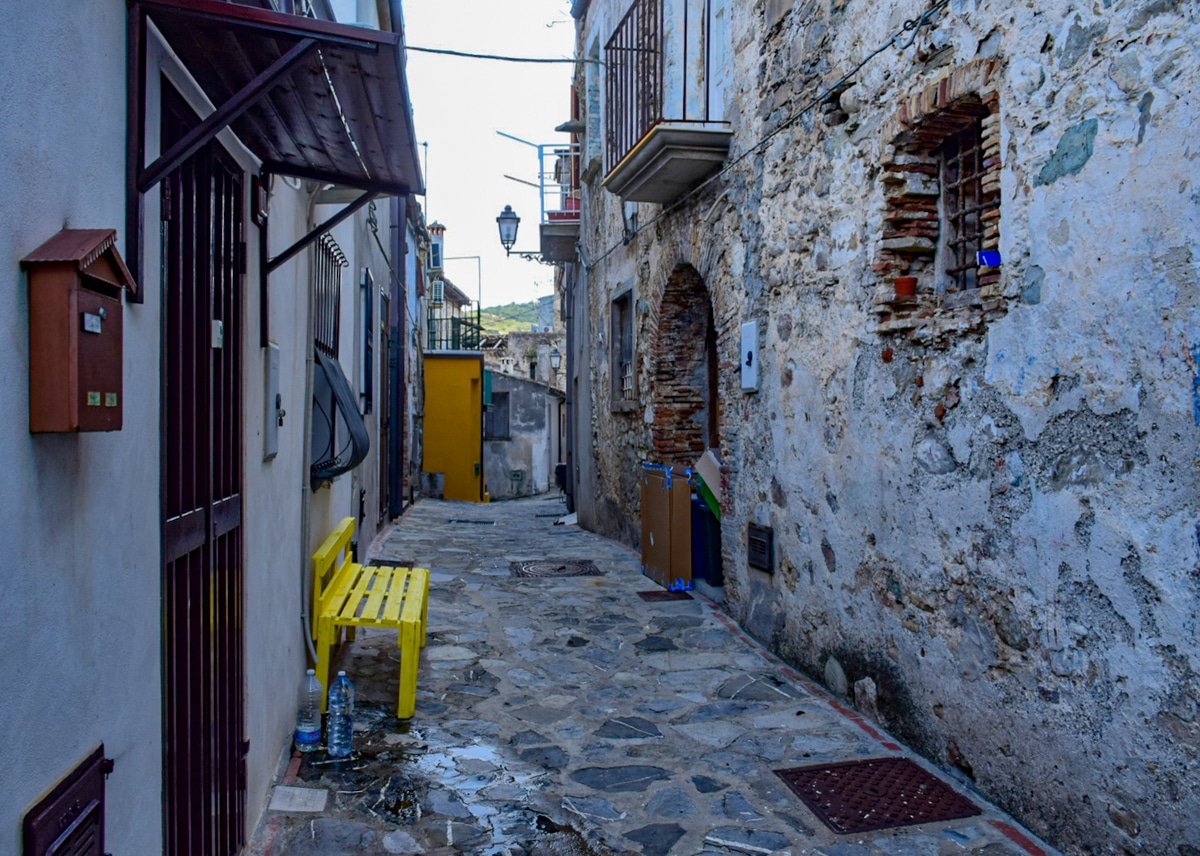
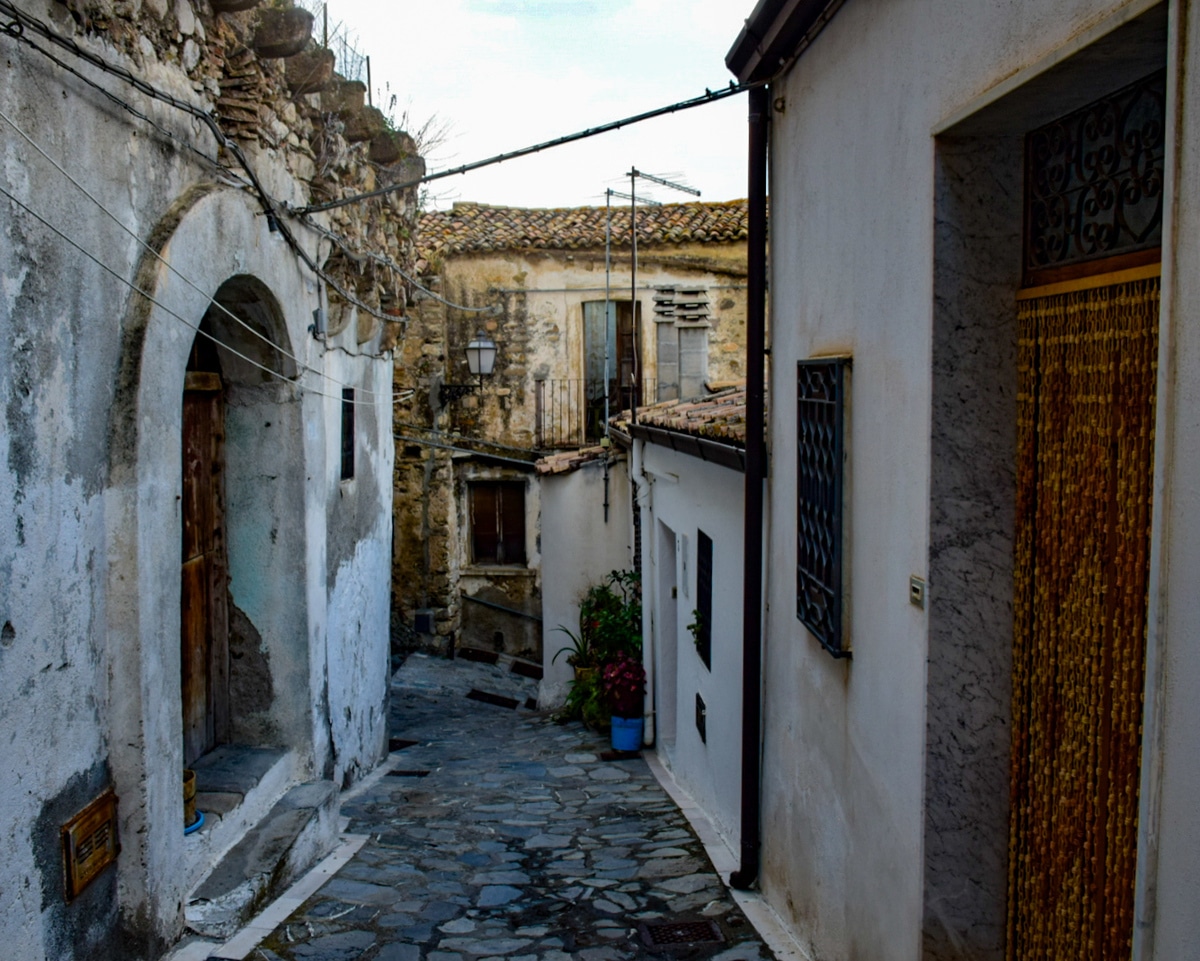
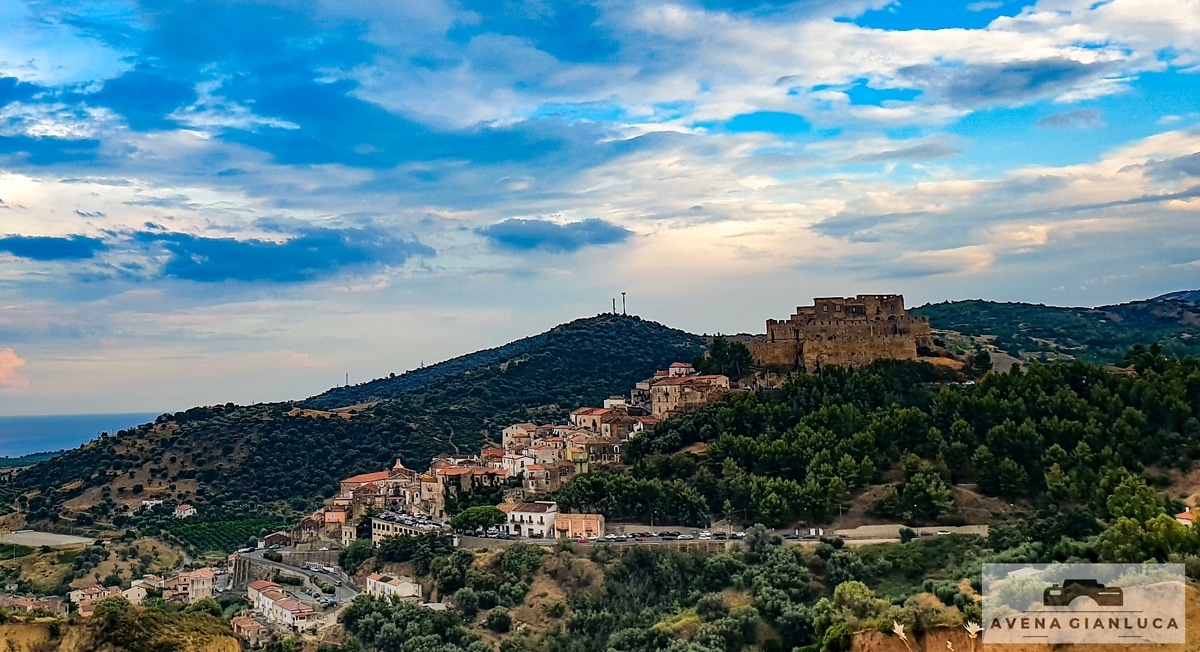
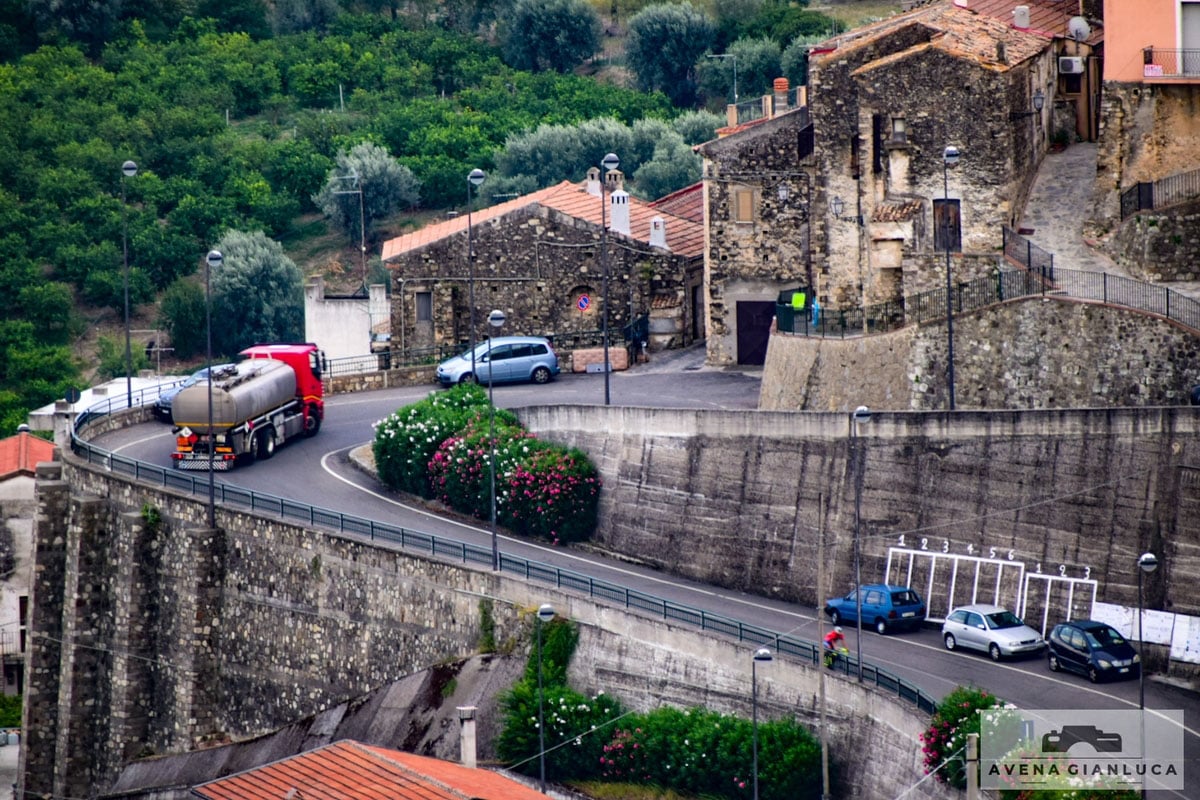
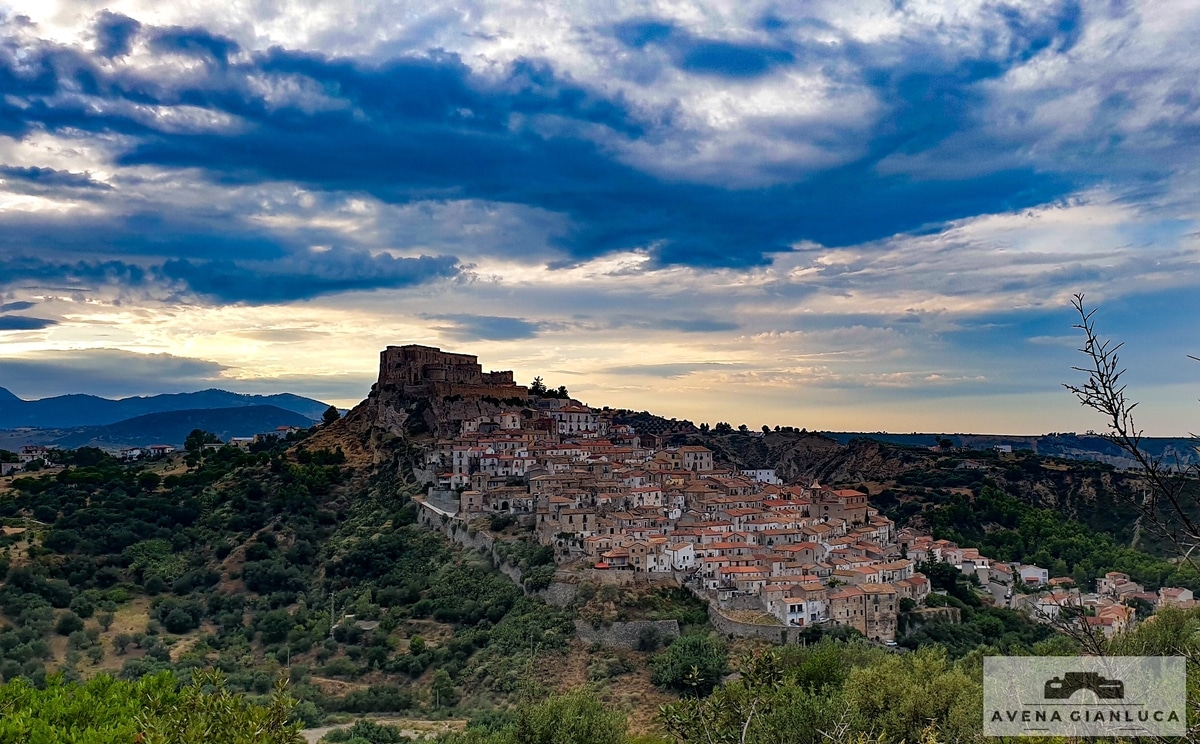
One of the many peculiarities of Rocca Imperiale is its urban development, the low and small houses arranged almost “cascading” on the hill, creating a beautiful effect that attracts photography lovers, always looking for the perfect shot. For all these reasons Rocca Imperiale has become one of the most beautiful villages in Italy.
Its history
The massive castle ordered by Frederick II was built in the first half of the thirteenth century in an area of particular strategic importance for the control of the roads that connected Reggio Calabria to Brindisi. It too, like the more than two hundred built in southern Italy, was part of a large defensive project wanted by the king. After the construction of the great fortress, that of the inhabited centre also began, with low and massive houses that encouraged the populations of the countryside and nearby towns to move to the new fortified village. Later, after the death of Frederick II, Rocca Imperiale came under the rule of Charles of Anjou, who lived there for a long time and entrusted its custody to the Knights of the Order of Jerusalem.
At the end of the 15th century Rocca Imperiale became part of the territories of Alfonso D’Aragona, who made some changes and extensions to the whole structure. In the centuries that followed, the whole village was the scene of various historical events, but above all it was often attacked by the Saracens who, in 1664, succeeded in conquering it, devastating much of it and completely destroying the beautiful thirteenth-century church. At the beginning of the eighteenth century the castle was bought by the Crivelli family, then passed into the hands of Bishop Pujia of Tursi and was eventually abandoned, falling prey to acts of vandalism that reduced it almost to a pile of ruins. Purchased by the Cappa family, it was inhabited until 1989 when it was donated to the municipality.
What to see in the village
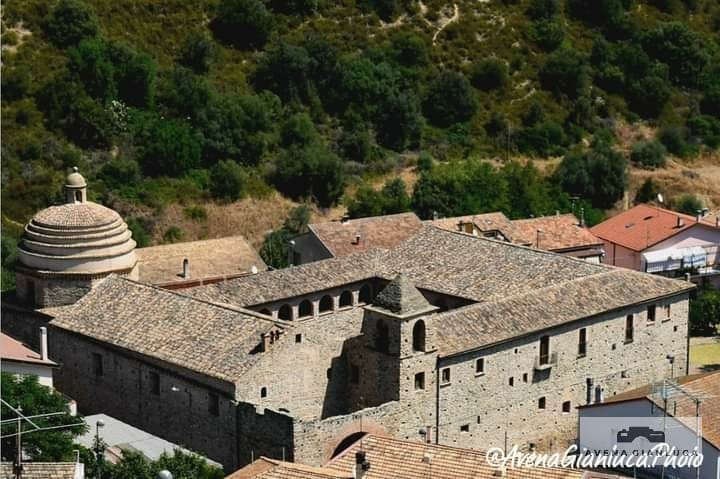
Seen from a distance, or even better from above, the village of Rocca Imperiale has a singular “pyramid structure” that starts from the castle and develops following the morphology of the hill on which it is built. Recent buildings and the inevitable urban development over the years have not affected this particularity.
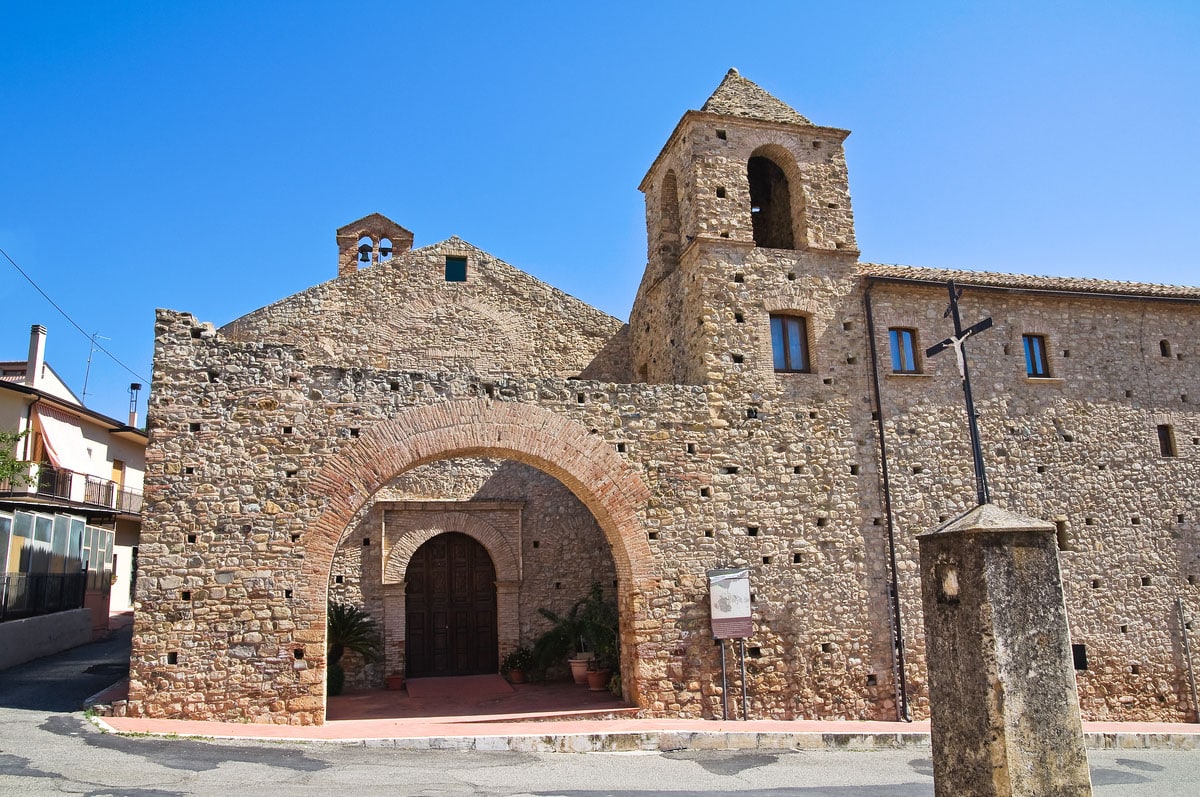
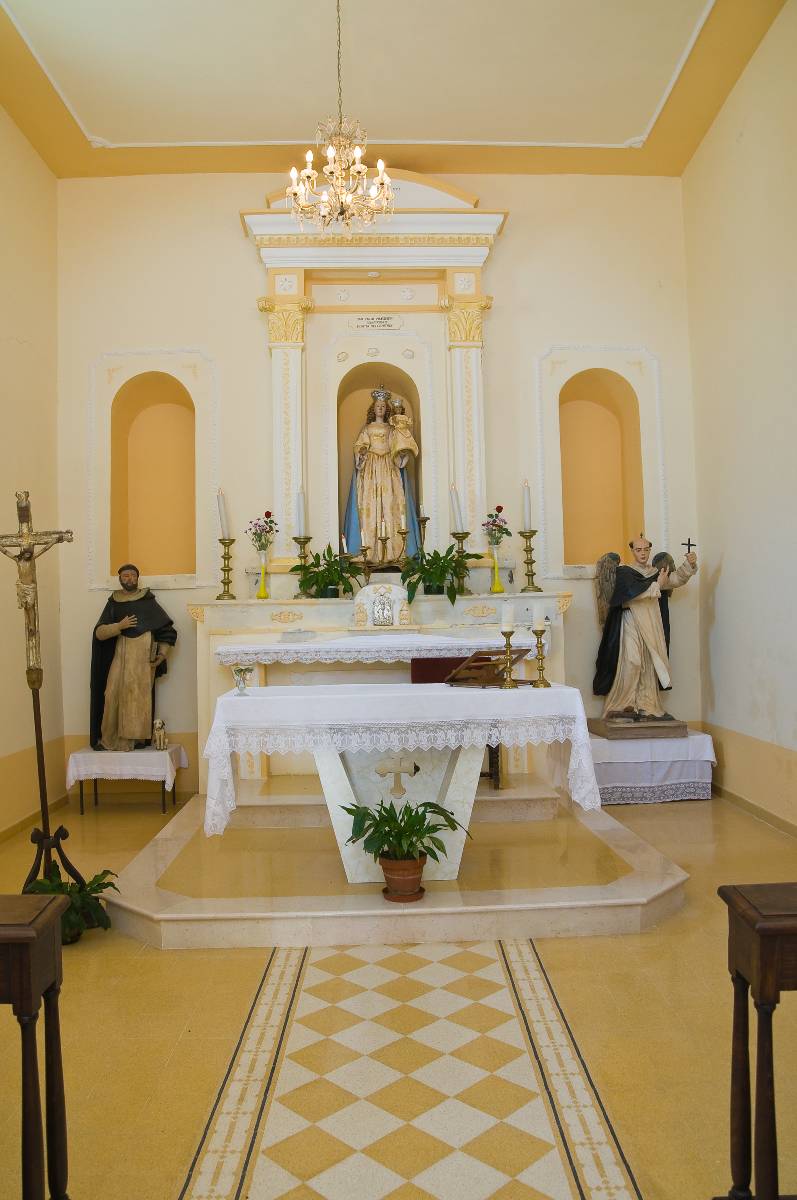
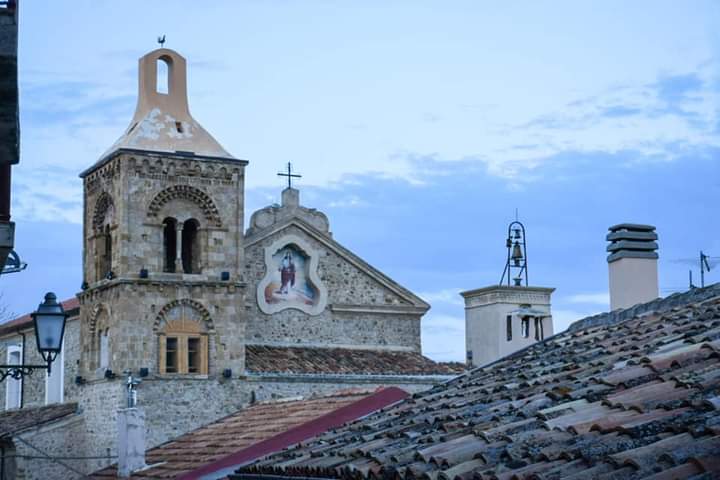
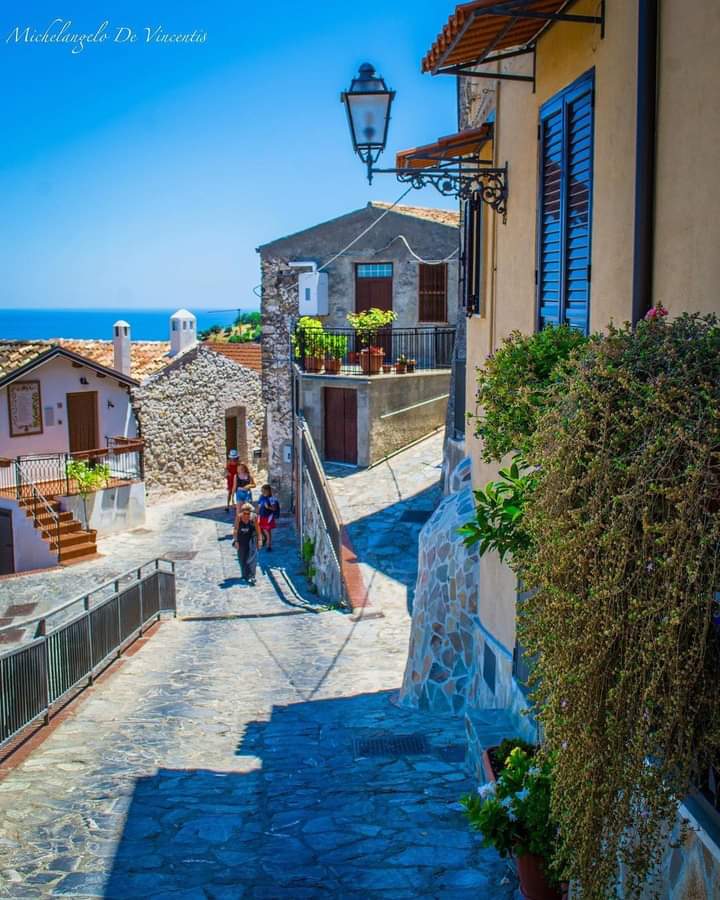
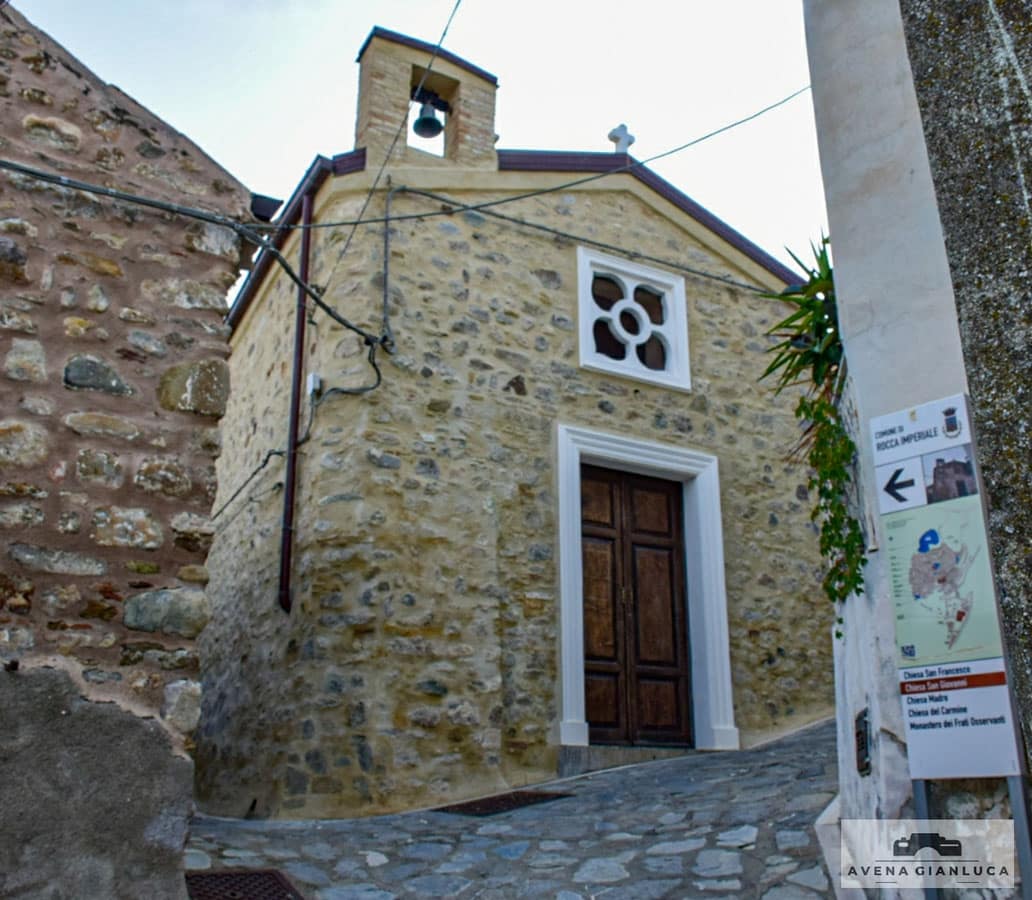
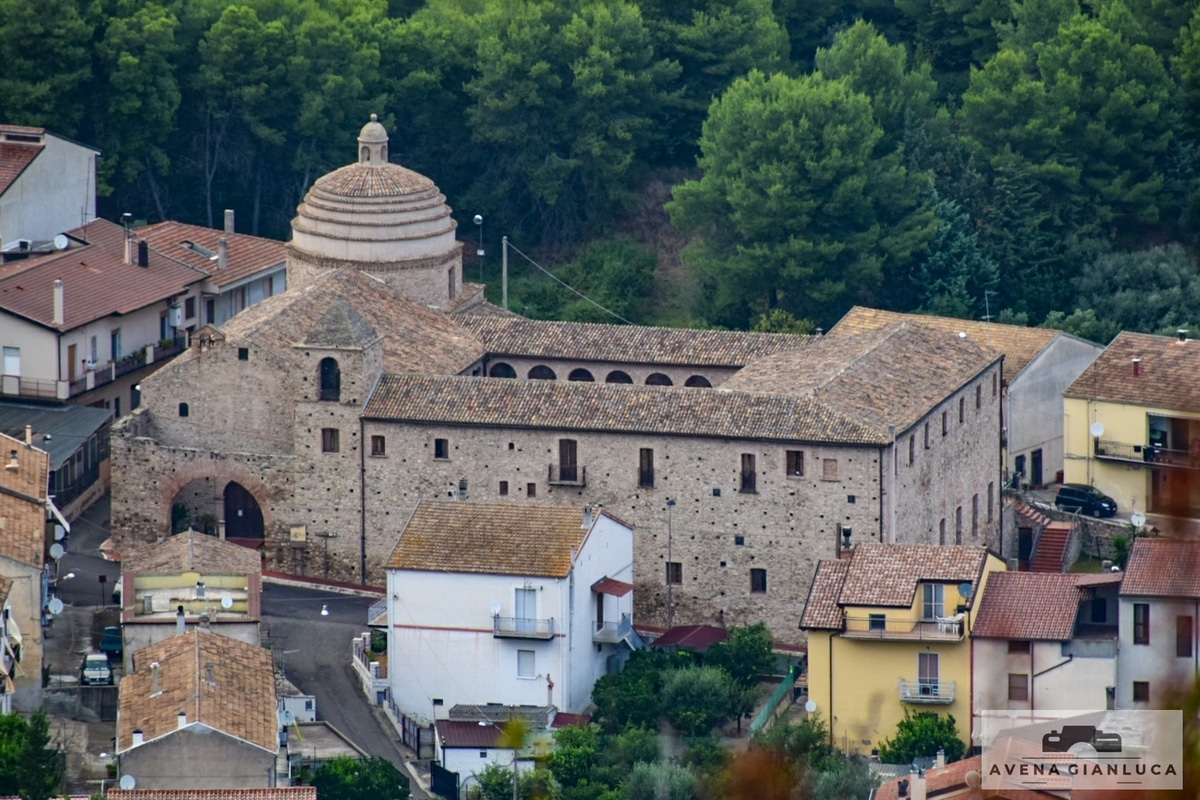
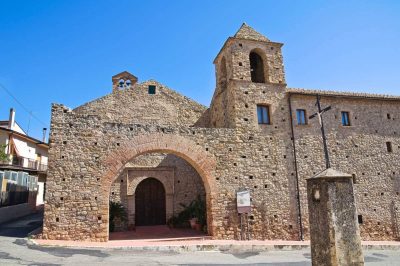
Walking through the village is not always easy or straightforward, as it is necessary to climb along small roads that lead up to the highest parts, often very steeply. However, this is also one of the peculiarities of Rocca Imperiale. Starting from the bottom, there is the Convent of S. Antonio, built between the end of the 16th century and the beginning of the 17th century for the confraternity of the Minori Osservanti. Despite later modifications, the church still retains its original portal with beautiful wooden doors from 1615.
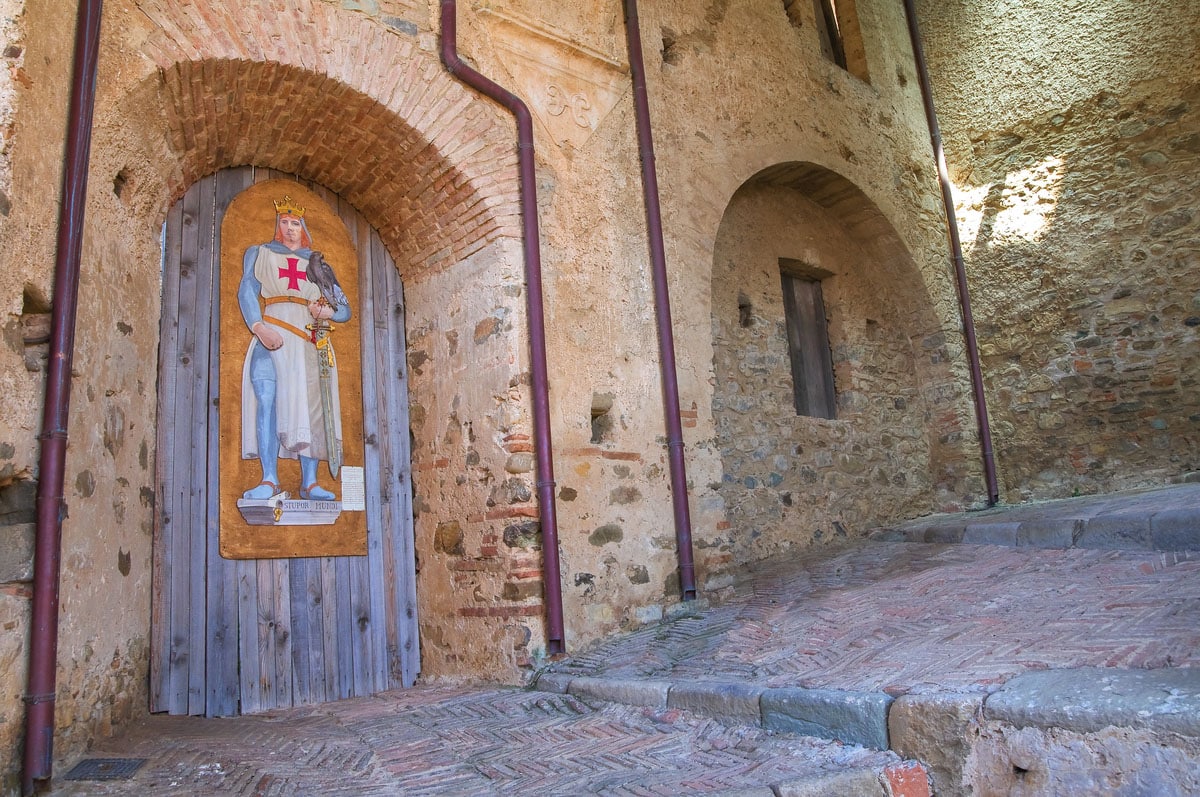
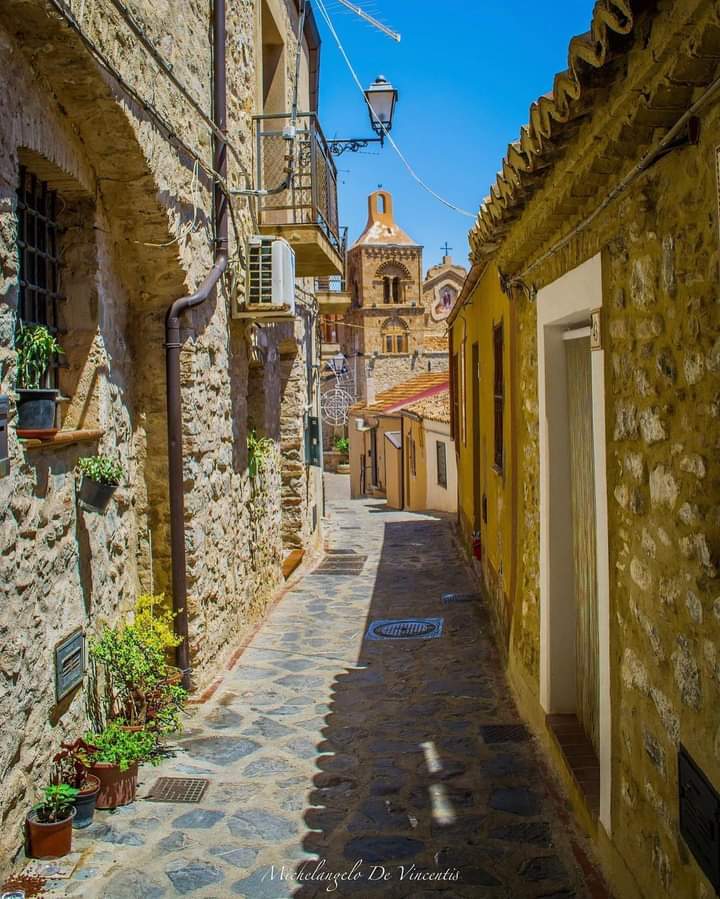
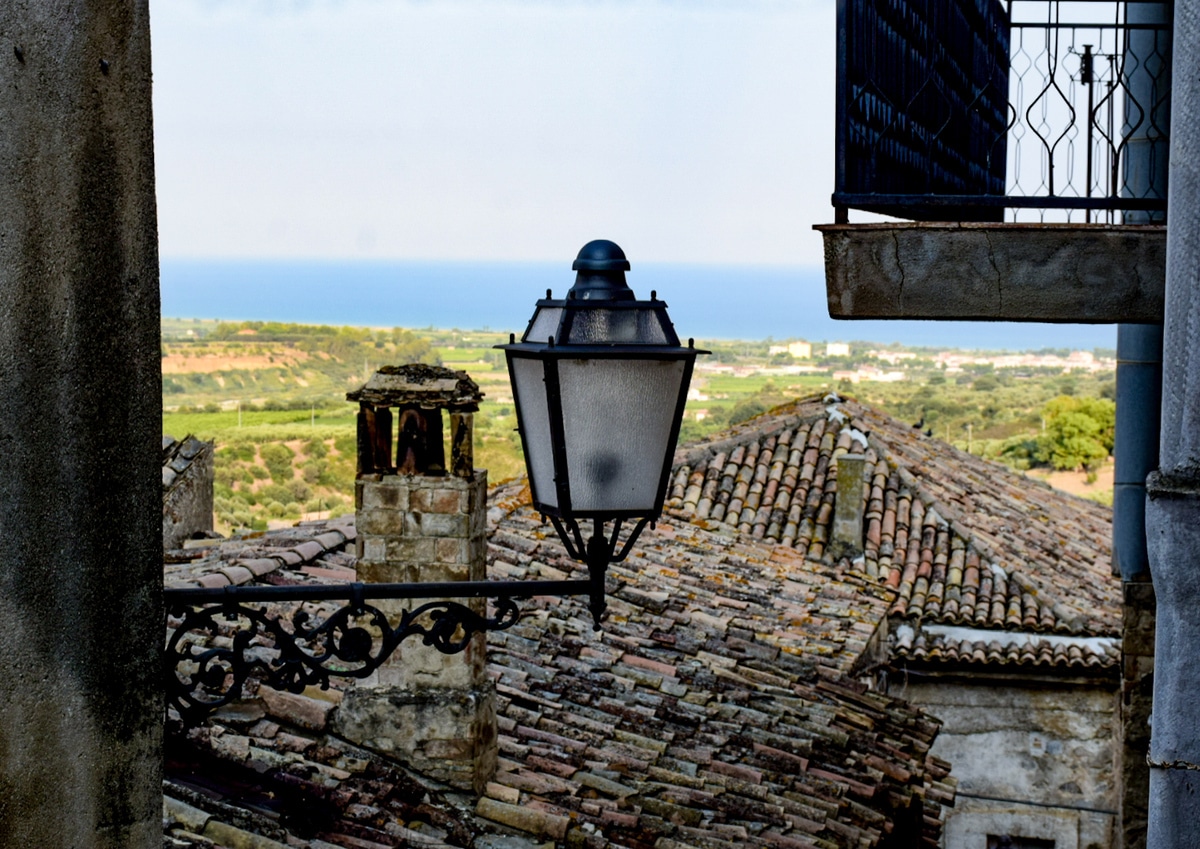
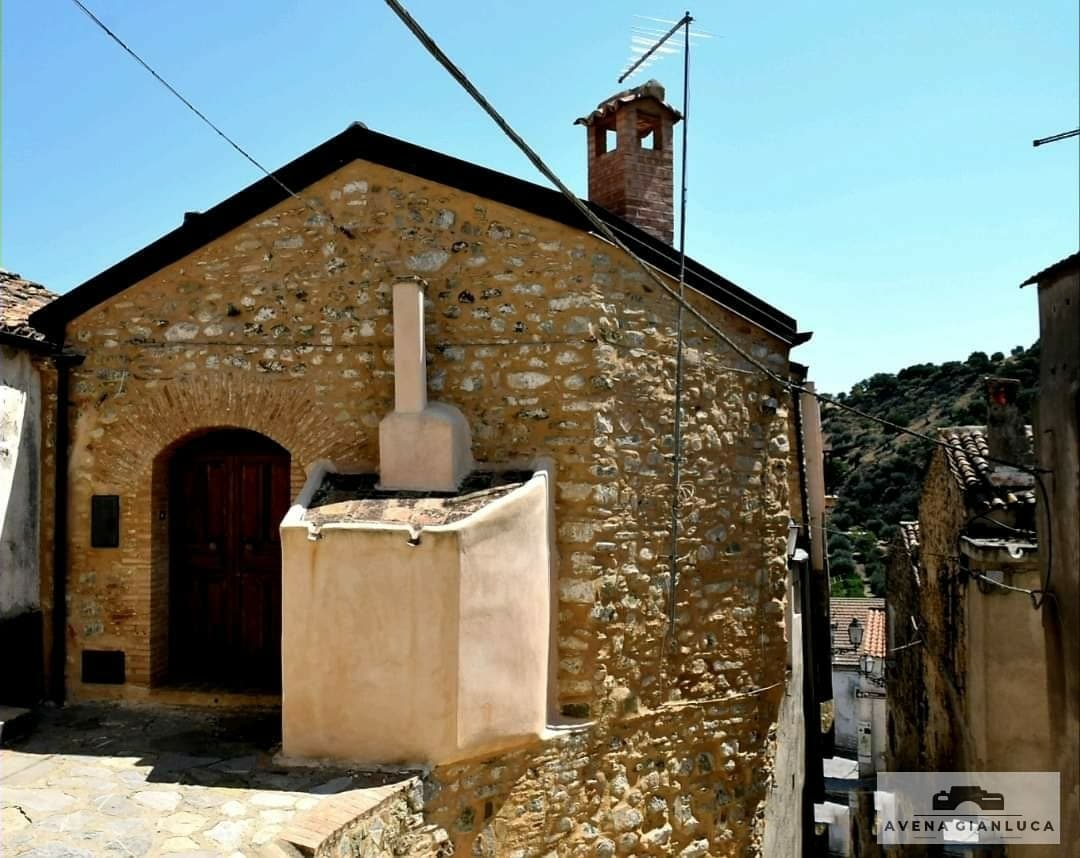
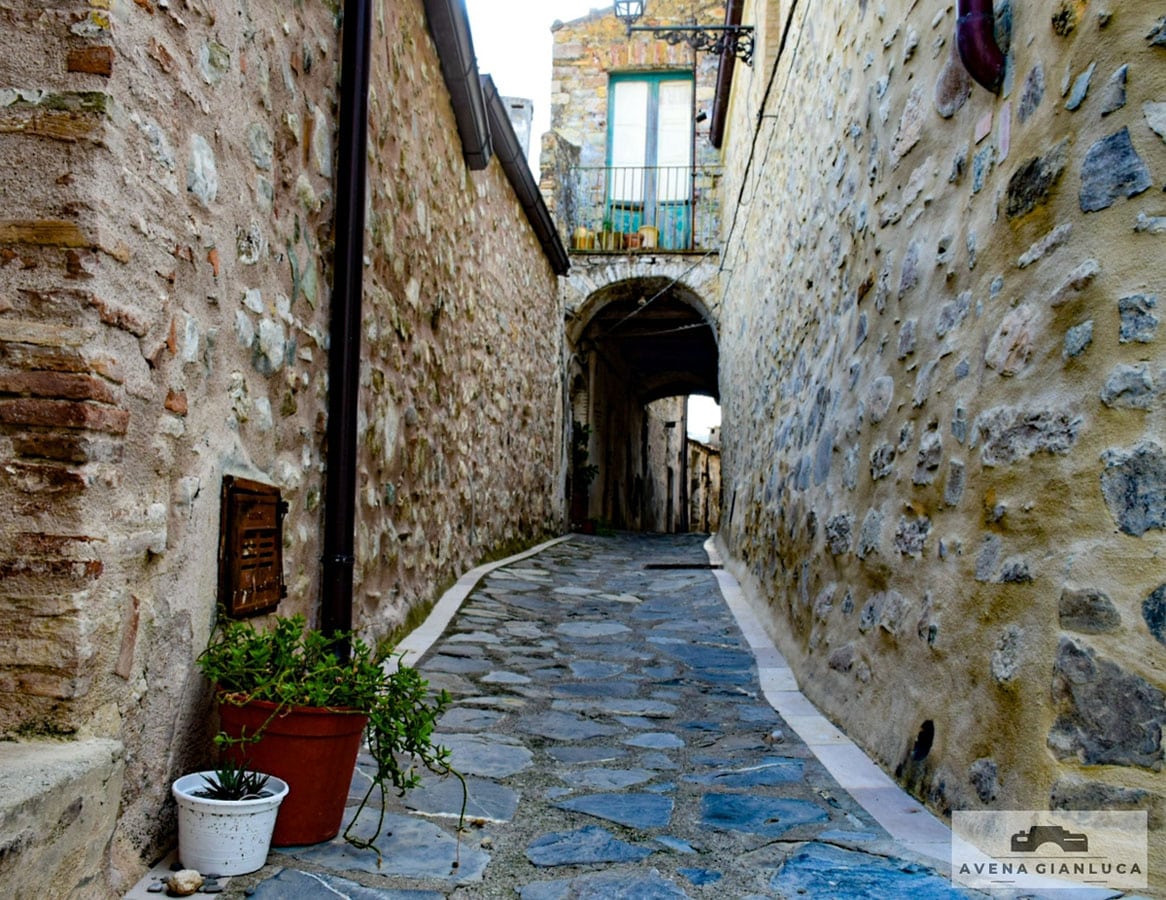
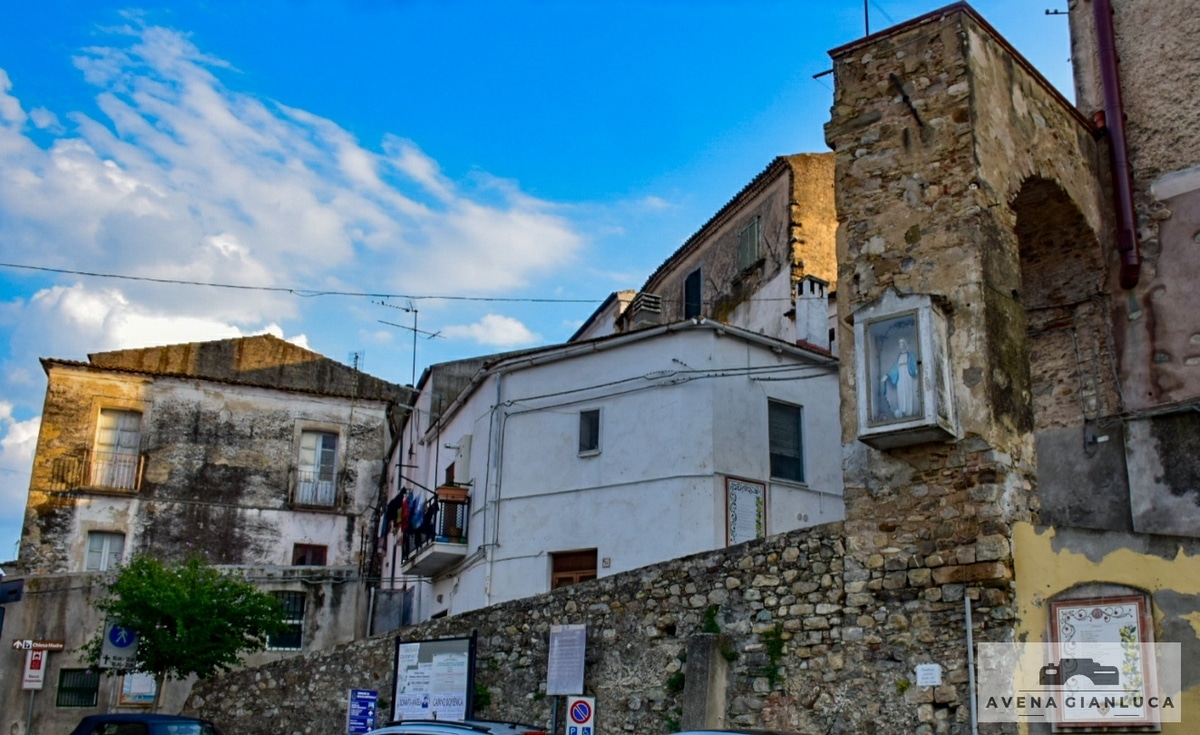
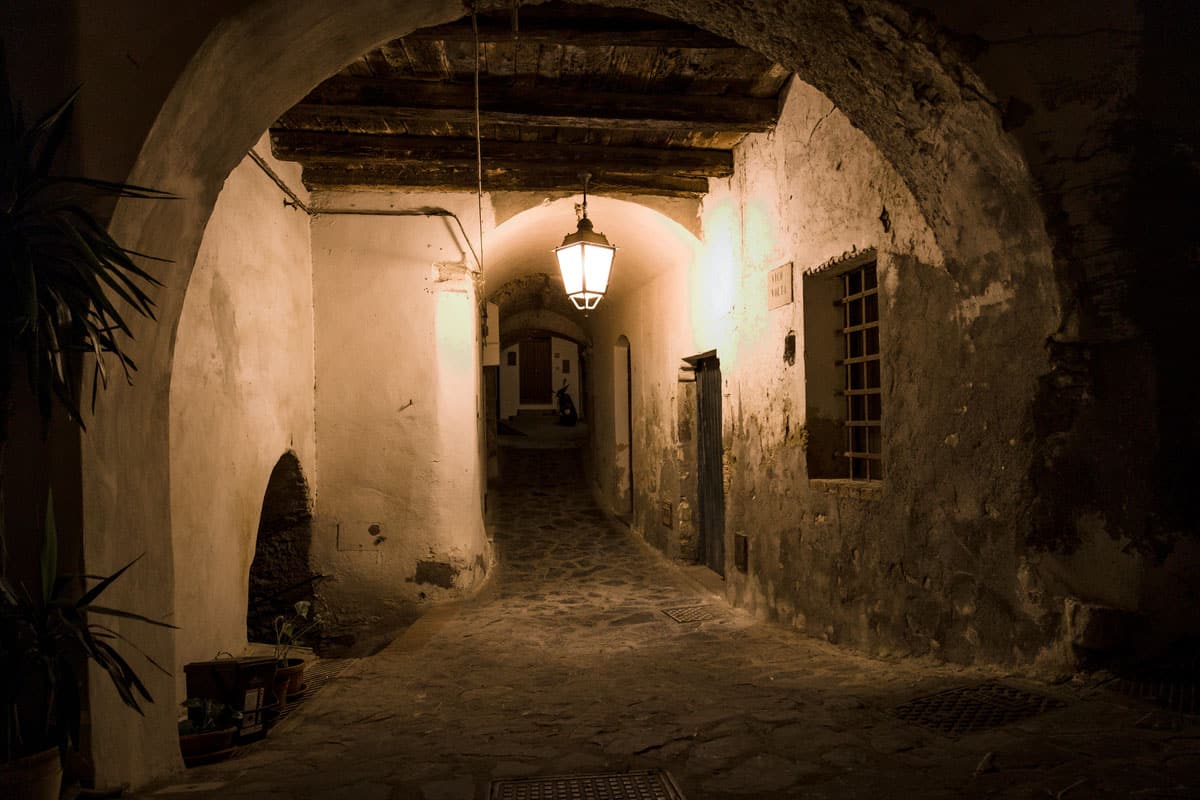
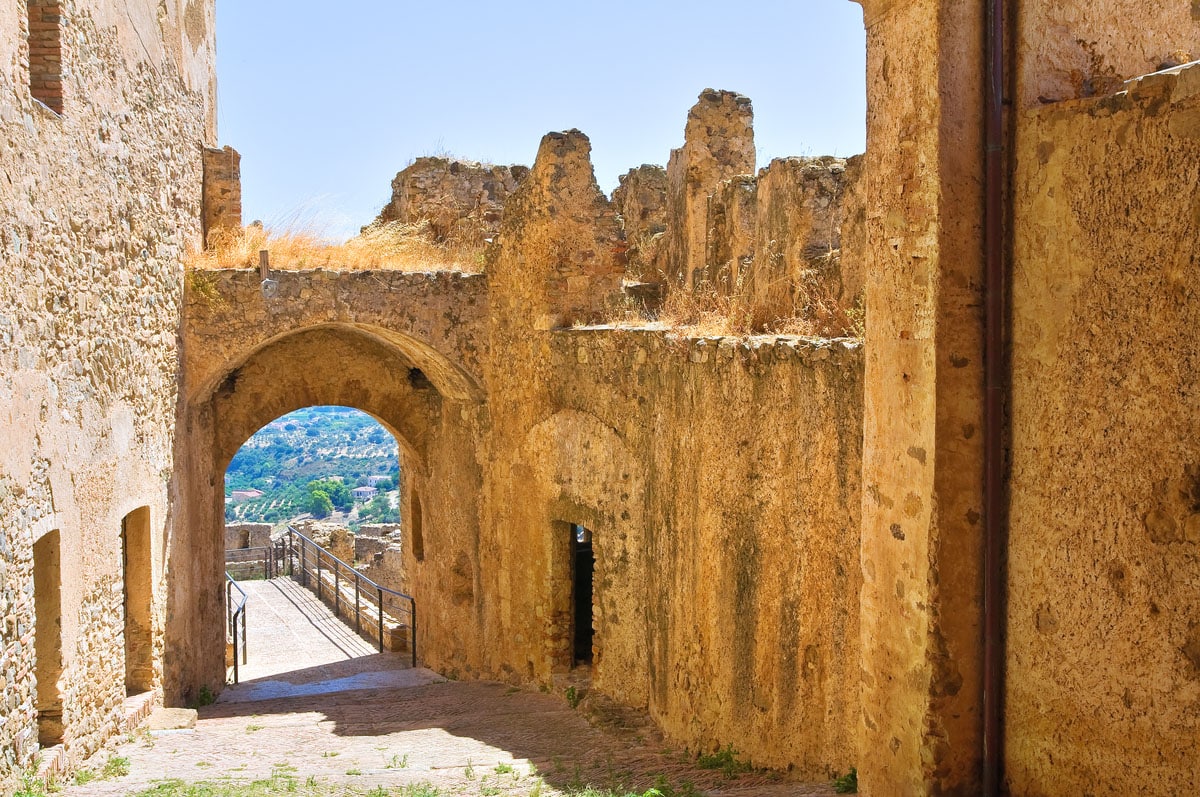
Strolling through the streets of the village to reach the Castle, the fulcrum of the entire town, it is worth stopping to admire the details of the houses, the small squares and the alleys that have preserved all the original details so well. Surrounded by massive walls on various levels, the castle was made even more impregnable by the presence of a deep ravine on the south side. The nucleus, ordered by Frederick II and completed during the Aragonese-Spanish period, underwent profound changes by the lords of the area, the Crivelli dukes, who built a palace on the highest part. Today, most of the fortress can be visited, and not only its rooms and courtyards can be admired, but also a splendid panorama of the village and the Gulf of Taranto.
Gastronomic specialities of Rocca Imperiale
Lemons are the undisputed protagonists of most of the liqueurs, desserts and recipes of Rocca Imperiale. In fact, as is the case throughout the region, the gastronomic specialities to taste and take home as souvenirs do not end here. In the town’s restaurants, the typical first course is “Frizzuli con la mollica”, a type of long handmade pasta served with a sausage sauce enriched with pepper powder and served with breadcrumbs. The ‘sausage of Rocca Imperiale’ has an unforgettable flavour, thanks to the presence of herbs that make it tasty and with the right degree of spiciness. The ‘peperoni cruschi’ are typical of this whole area of Calabria and in this village too they are widely used in the preparation of first and second courses, especially if they are reduced to powder and added to the various recipes. The “Bambata” (focaccia with peppers and tomatoes) or the various “Ptticill” (panzerotti with various fillings), on the other hand, can be excellent street food to be eaten while climbing to the highest point of Rocca Imperiale.
Village of Rocca Imperiale
Municipality of Rocca Imperiale
Province of Cosenza
Calabria Region
Inhabitants: 3 315 rocchesi
Altitude centre: 204 m s.l.m.
the municipality is part of:
I Borghi più belli d’Italia
Acknowledgements:
Bandiera Blu
Municipality
Via Castello Aragona – Tel. 0981 936391
BY CAR
- State Road 106 Italy.svg State Road 106: stretches for 490 km from Reggio Calabria to Taranto, along the entire Ionian coast;
- Strada Provinciale 147 Italy.svg Strada Provinciale 147: connecting Rocca Imperiale with some neighbouring towns;
- Strada Provinciale 150 Italy.svg Strada Provinciale 150.
What to see in Rocca Imperiale
Discover what to see in Rocca Imperiale among monuments, scenic views, museums, churches and symbolic places of the village. A useful selection to plan your visit and explore the area.
News and stories about “Rocca Imperiale”
Insights and stories from the area, to keep discovering.