 San Martino di Castrozza
 VIVA! Festival 2026
 Tandem paragliding flights in Tirolo and Merano: the thrill of flying over the Alps
 Recipe: Polta di Pacentro, the peasant dish that symbolises the traditions of Abruzzo
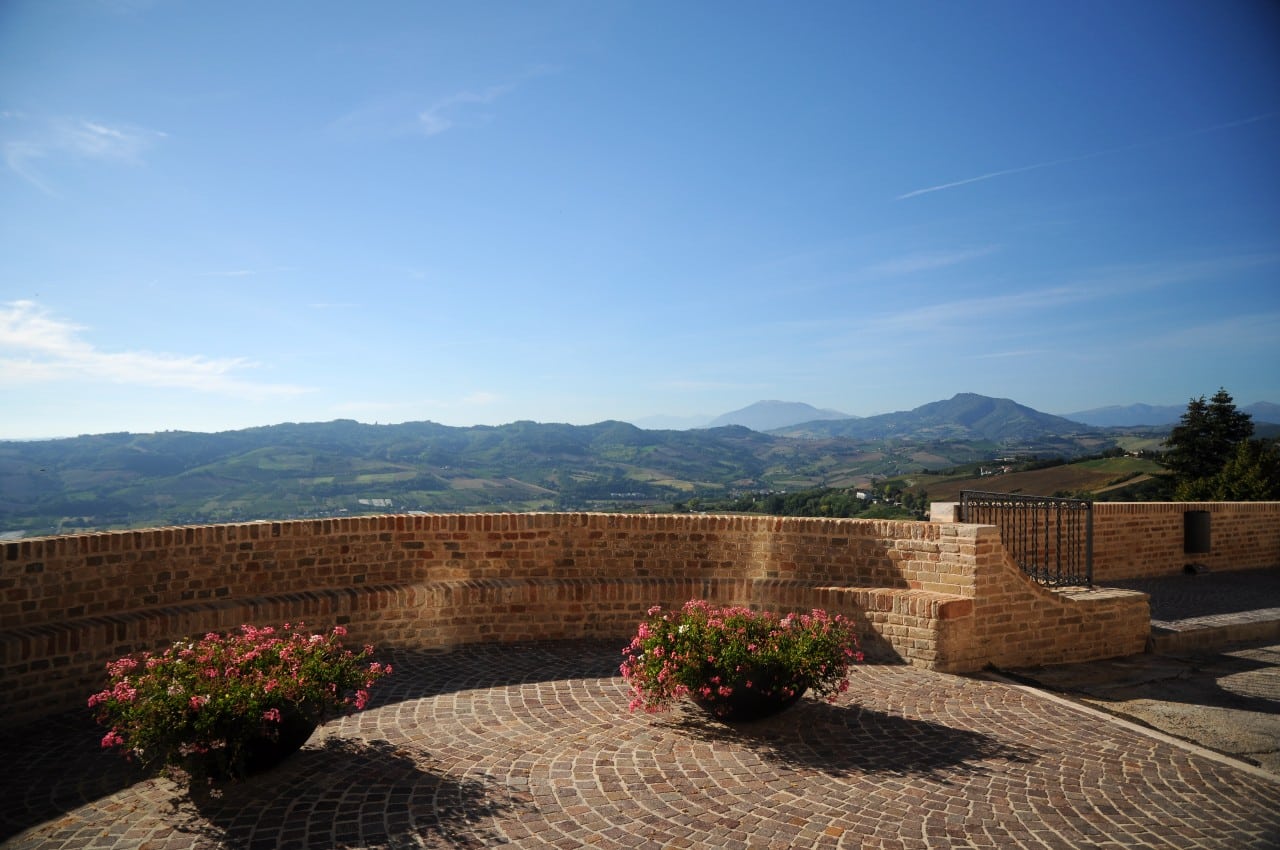
A real gem in the province of Fermo, the village of Monte Rinaldo stands on three hills: between the valley of the Aso River and the valley of the living Ete River, halfway between the Adriatic Sea and the Sibillini Mountains
Photo gallery
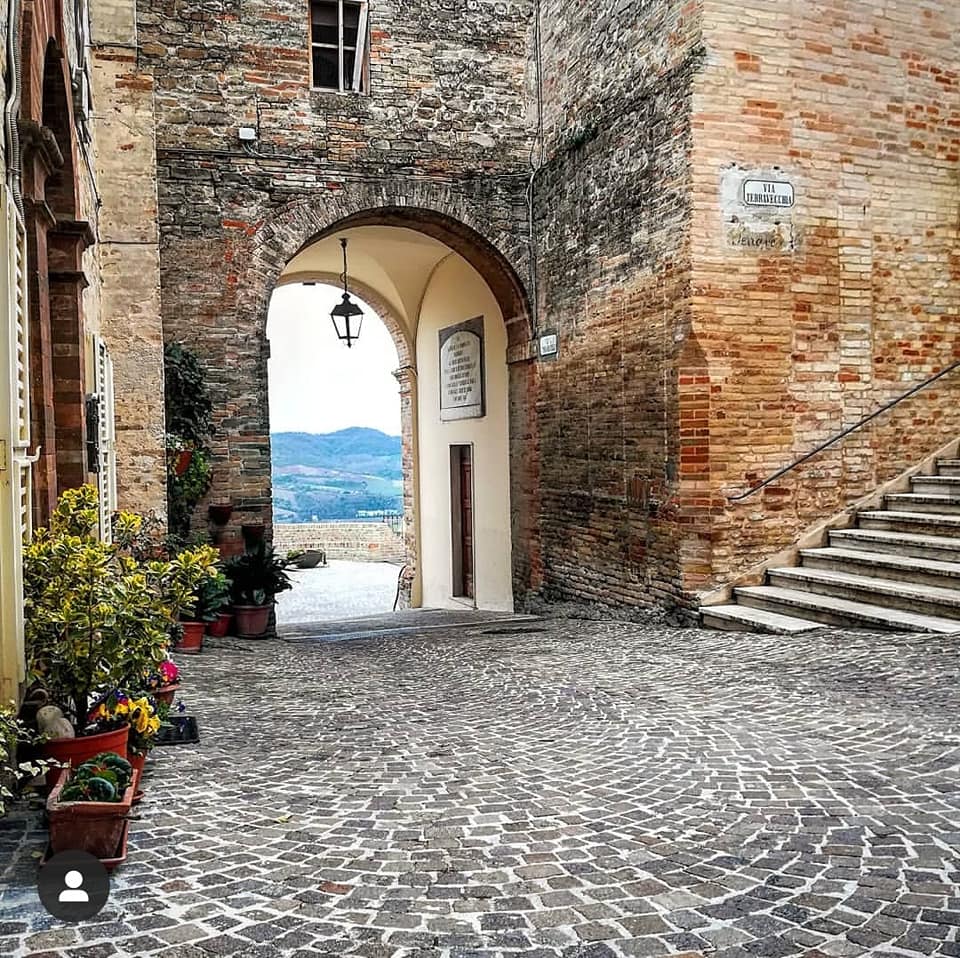
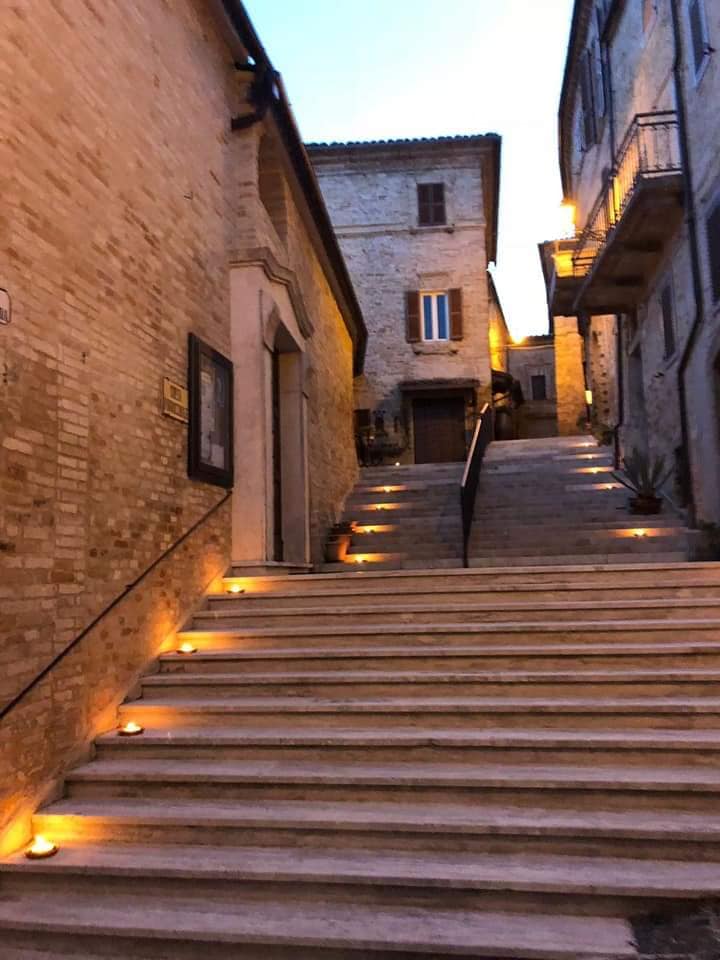
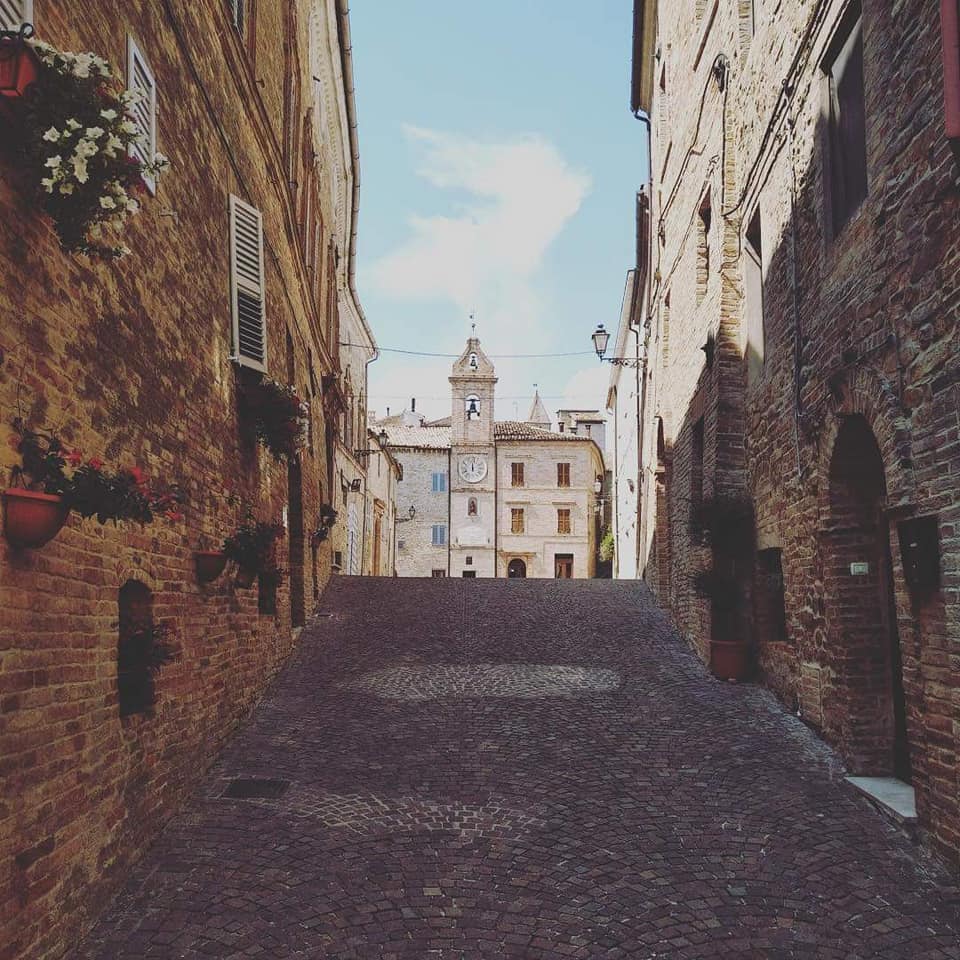
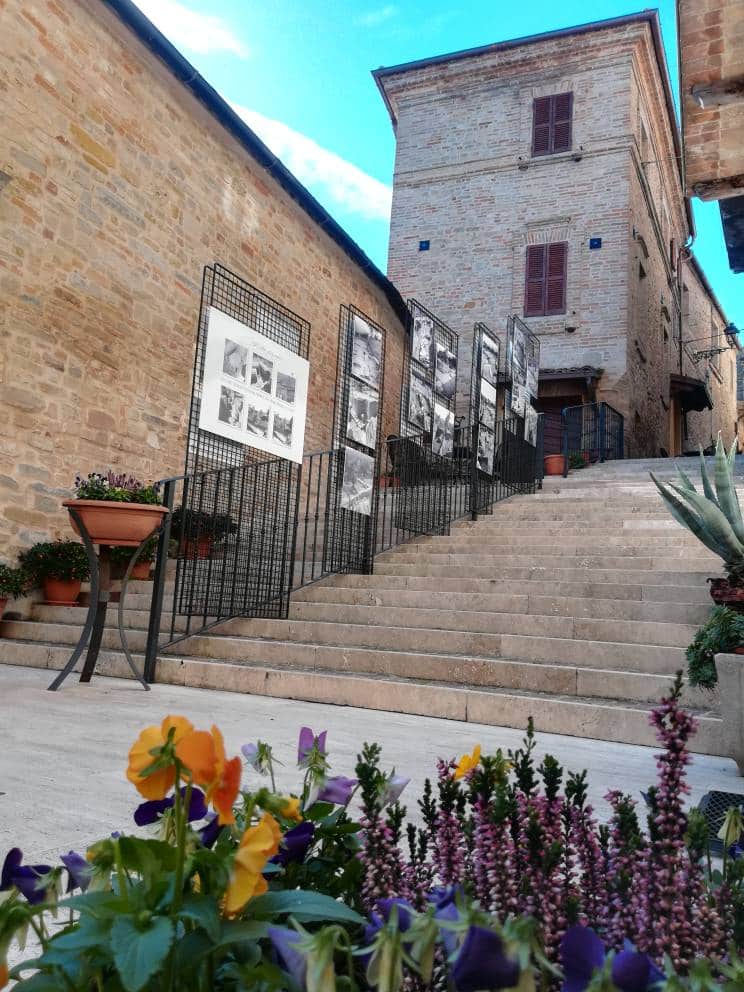
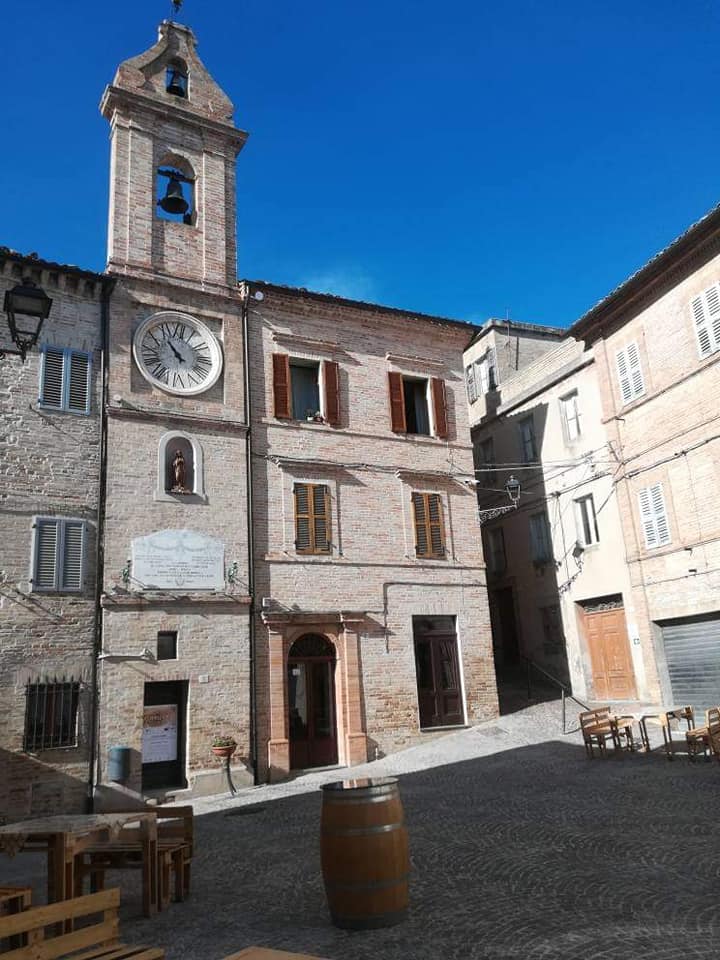
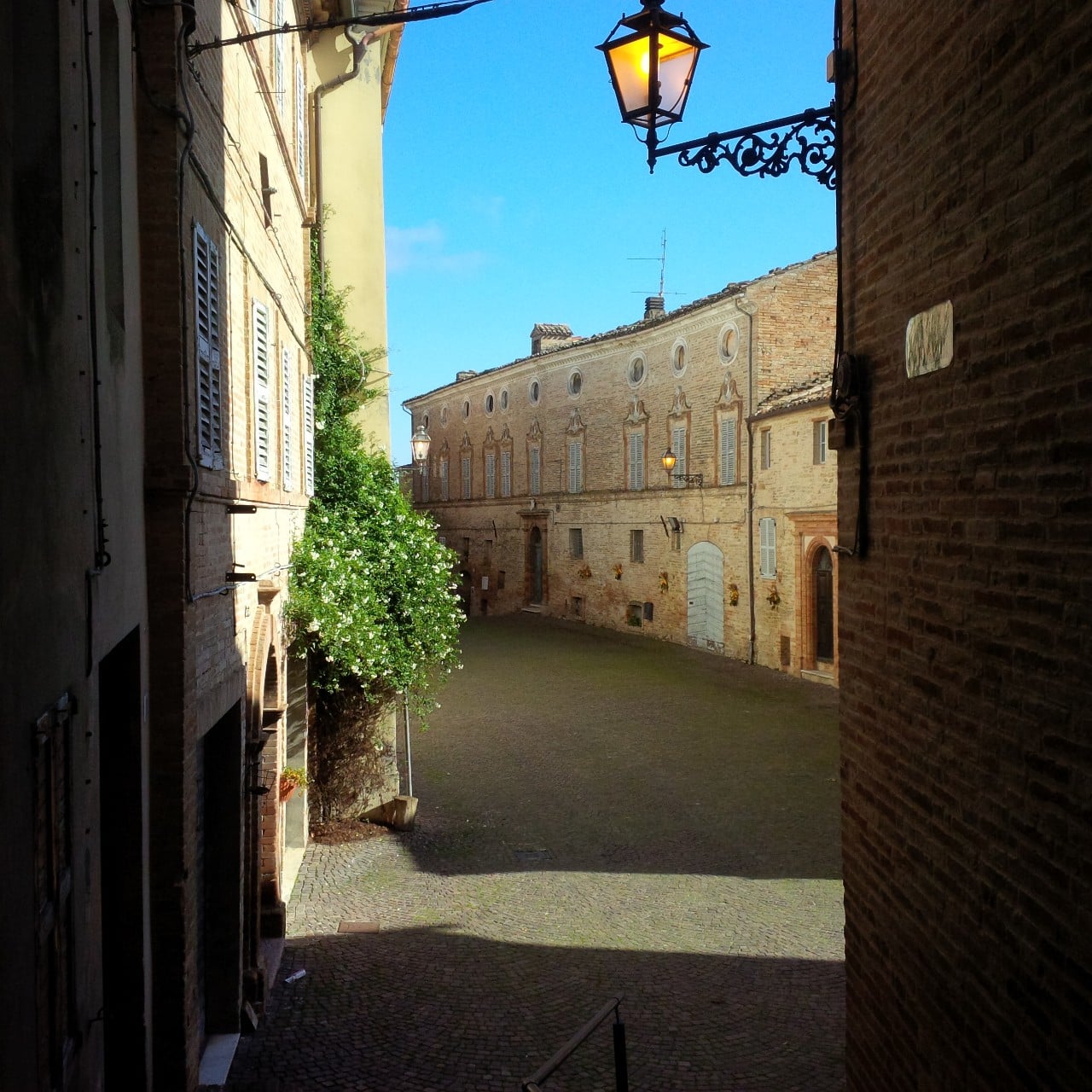
Monte Rinaldo, in the province of Fermo, is a charming village situated atop a buttress at 485 meters above sea level whose origins date back to Roman times, witness the temple located at “La Cuma”. The historic center of the hamlet, which preserves intact the urban fabric of the period, is protected by walls dating back to the Middle Ages. Alleys and masonry houses, represent a very special setting, giving visitors glimpses full of charm.
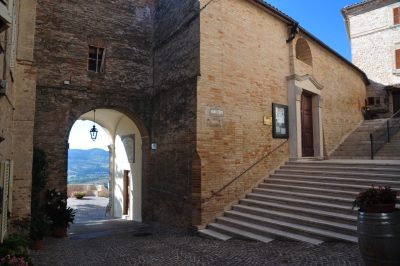
To visit Monte Rinaldo, one can pass through two of the historic gates: Porta Romana, the oldest, or Porta Ascolana, incorporated into the city walls. The latter, which is better preserved, has the characteristic round shape that makes it striking also because of its inclusion in the walls where buildings of more recent times are combined.
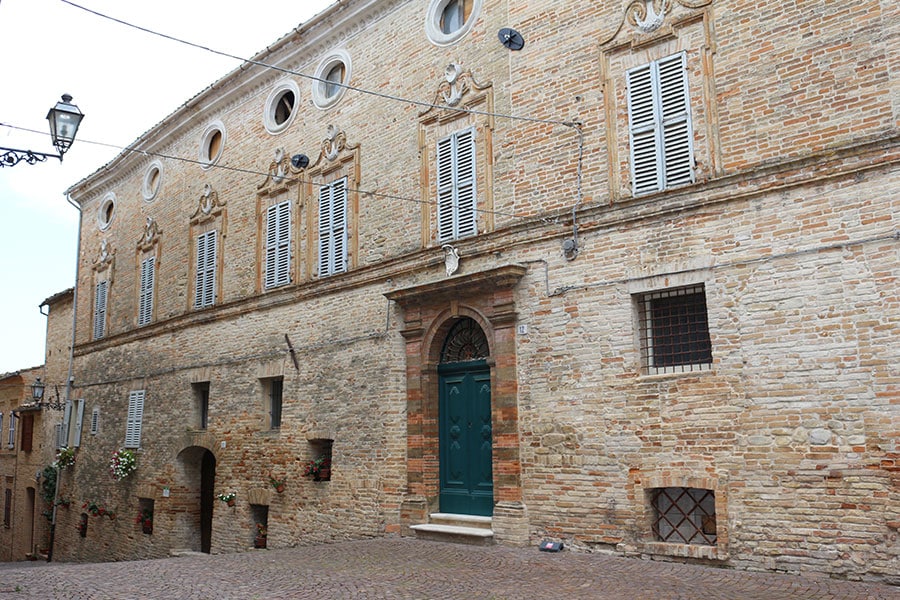
Passing through the gate one reaches the heart of the small village, where the Tower with the Clock and the stately Palazzo Giustiniani are located. Walking along one of the streets near the Palace, one reaches the oldest part of Monte Rinaldo, where there once stood a castle, now completely gone.
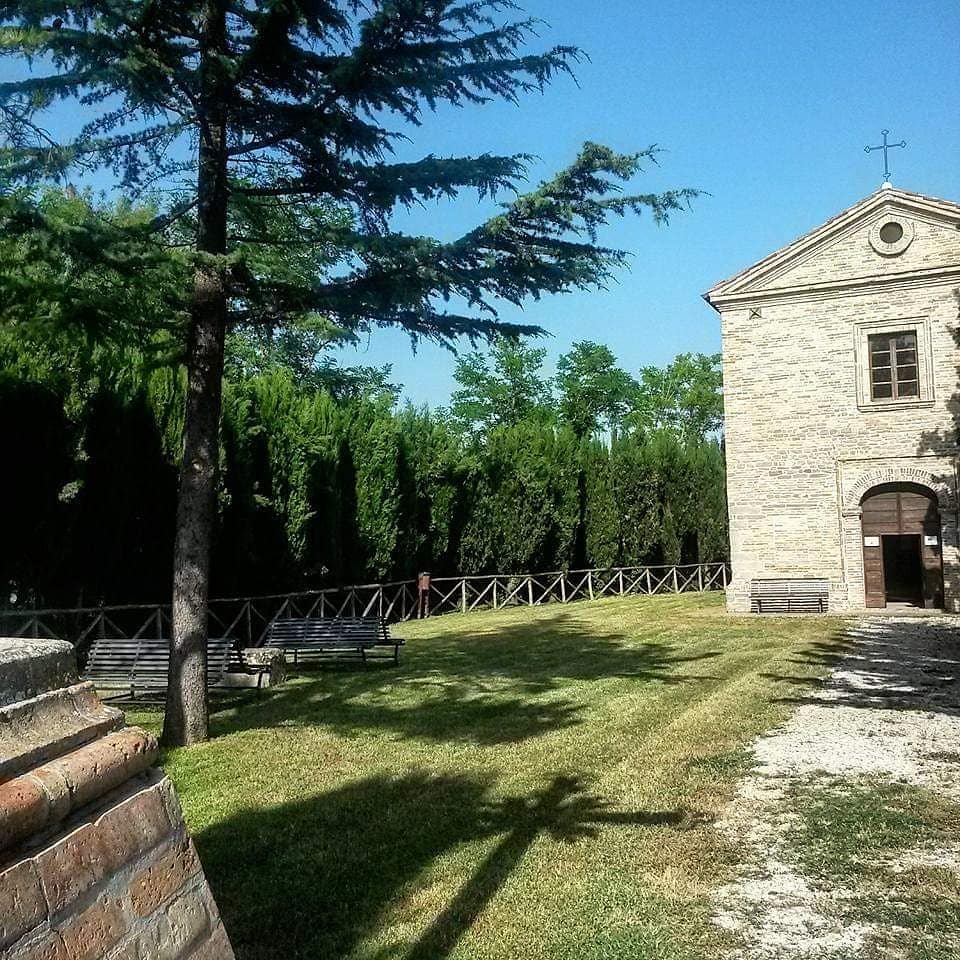
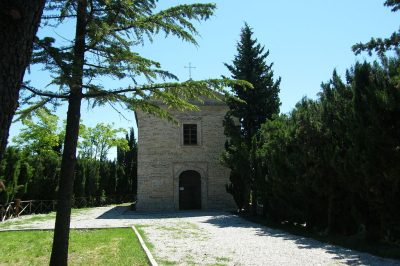
Walking through Monte Rinaldo along a flight of steps, one comes to the small 12th-century parish church dedicated to Saints Leonard and Flavian, the most important place of worship in the village.
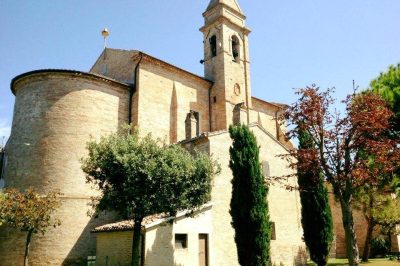
Walking along the road that circumnavigates the village walls, one reaches the Church of the Blessed Sacrament and Rosary, once dedicated to Our Lady of Mercy.
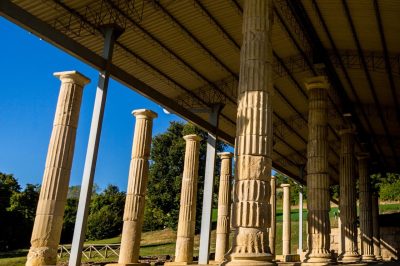
Near Monte Rinaldo is the La Cuma archaeological area, which preserves the remains of a Roman sanctuary built in the second half of the 2nd century.
The typicalities of Monte Rinaldo
Lovers of good food will not be disappointed by the village’s food and wine offerings, the specialty of which is represented by a tasty mutton steak that is processed faithfully following the local tradition.
Another must-try specialty is the local pecorino cheese whose flavor turns out to be very aromatic thanks to a natural herb found in the Aso Valley, the serpillo. A particular herb on which sheep feed to produce this cheese.
Monterinaldese cuisine is also enriched by other dishes such as the very tasty porchetta, prepared from fat pigs, and baked pork livers. This is a traditional dish that was prepared as early as the early 1900s by including both the blood and the innards of the pig and was baked in the oven and seasoned with porchetta sauce.
The area where Monte Rinaldo is located is rich in fruits and vegetables produced in the Valley, so one cannot fail to taste the very tasty vino cotto, which is a grape must boiled inside large copper vessels.
Village of Monte Rinaldo
Municipality of Monte Rinaldo
Province of Fermo
Marche Region
Inhabitants: 369 – monterinaldesi
Altitude center: 485 m s.l.m.
the municipality is part of:
Borghi Autentici d’Italia
The Municipality
Via Borgo Nuovo, 16 – tel. 0734777121
BY CAR
- From the A14 (Bologna-Ancona-Bari) highway, take the Pedaso exit and then take the Valdaso Provincial Road in the direction of Comunanza and follow the signs for Monte Rinaldo. You will arrive in Borgo di Monte Rinaldo after 24 km.
BY TRAIN
- Ascoli Piceno Station
- Porto San Giorgio Station
BY AIR
- Ancona Falconara Airport
- Pescara Airport
- Perugia Airport
What to see in Monte Rinaldo
Discover what to see in Monte Rinaldo among monuments, scenic views, museums, churches and symbolic places of the village. A useful selection to plan your visit and explore the area.
Continue the journey
Monte Rinaldo is only one of the treasures of the area. Use the interactive map to discover what to visit nearby, how far the other villages are and which experiences you can enjoy along the route.
Explore the area