 San Martino di Castrozza
 Malvasia in Porto 2026
 Tandem paragliding flights in Tirolo and Merano: the thrill of flying over the Alps
 Recipe: Polta di Pacentro, the peasant dish that symbolises the traditions of Abruzzo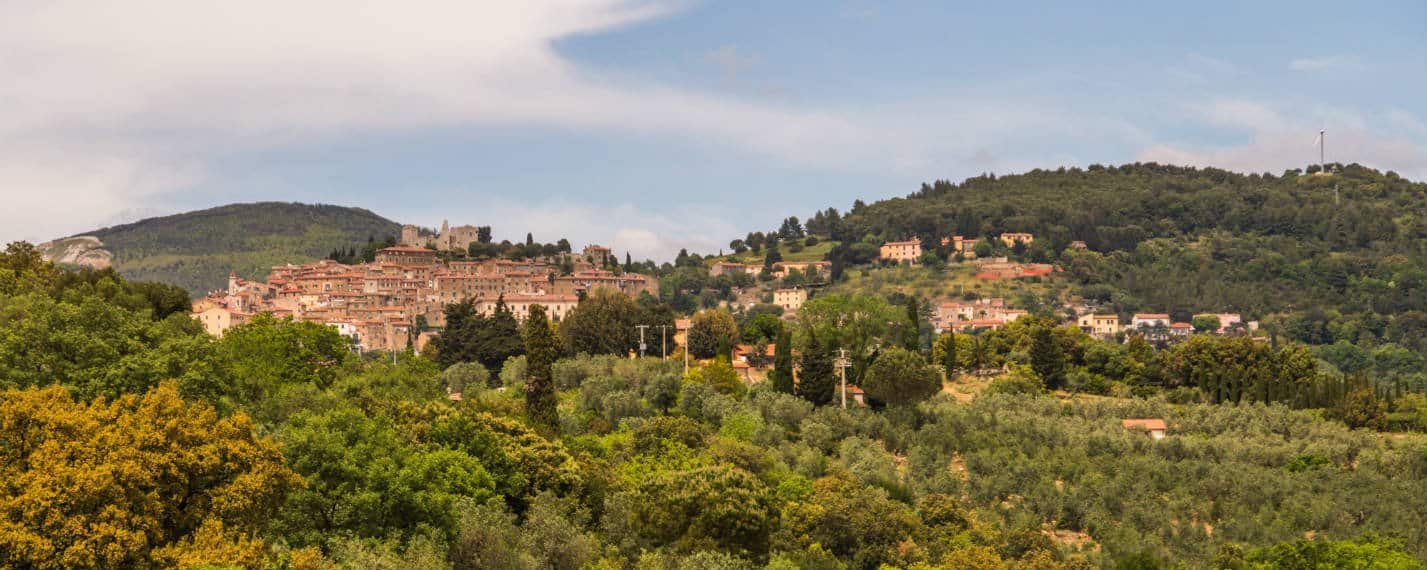
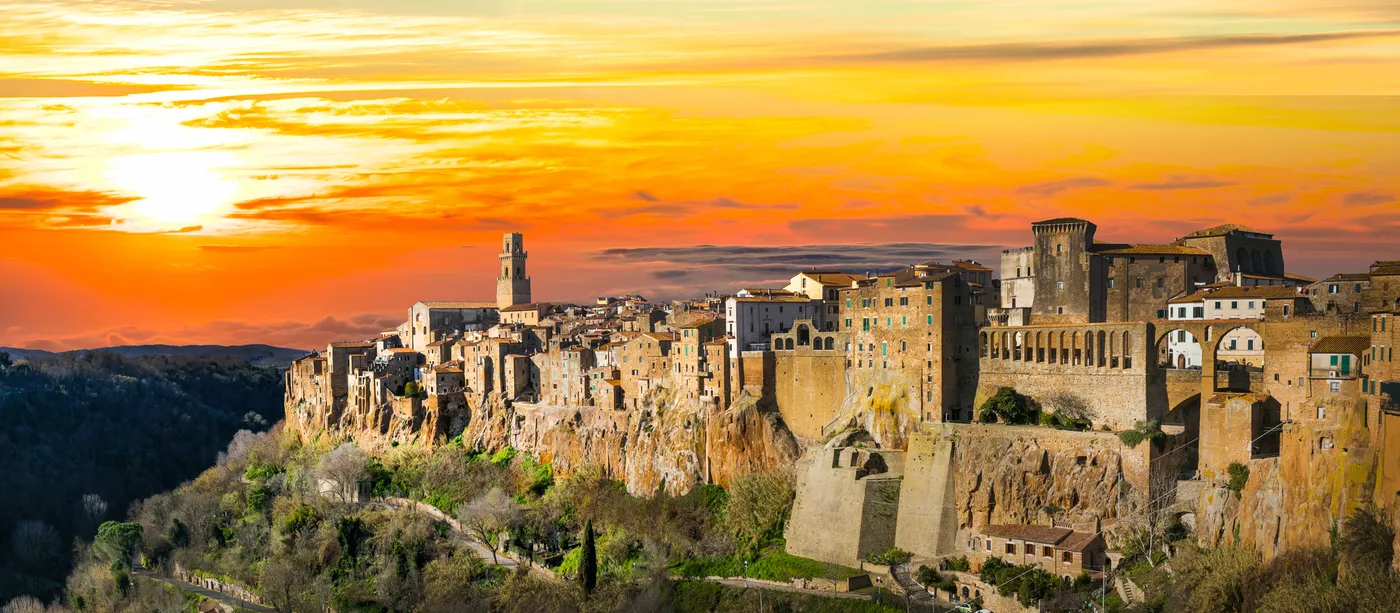
Located on a hill dominating the Val di Cornia, Campiglia Marittima is an ancient medieval village immersed in the fertile and luxuriant nature of the Maremma, standing out among olive trees, rows of vines and the unique Mediterranean scrub that frames a landscape of great historical charm, a former land of conquest of Etruscans, Romans and barbarians in the High Middle Ages.
Photo gallery
On the Peaks of the Val di Cornia
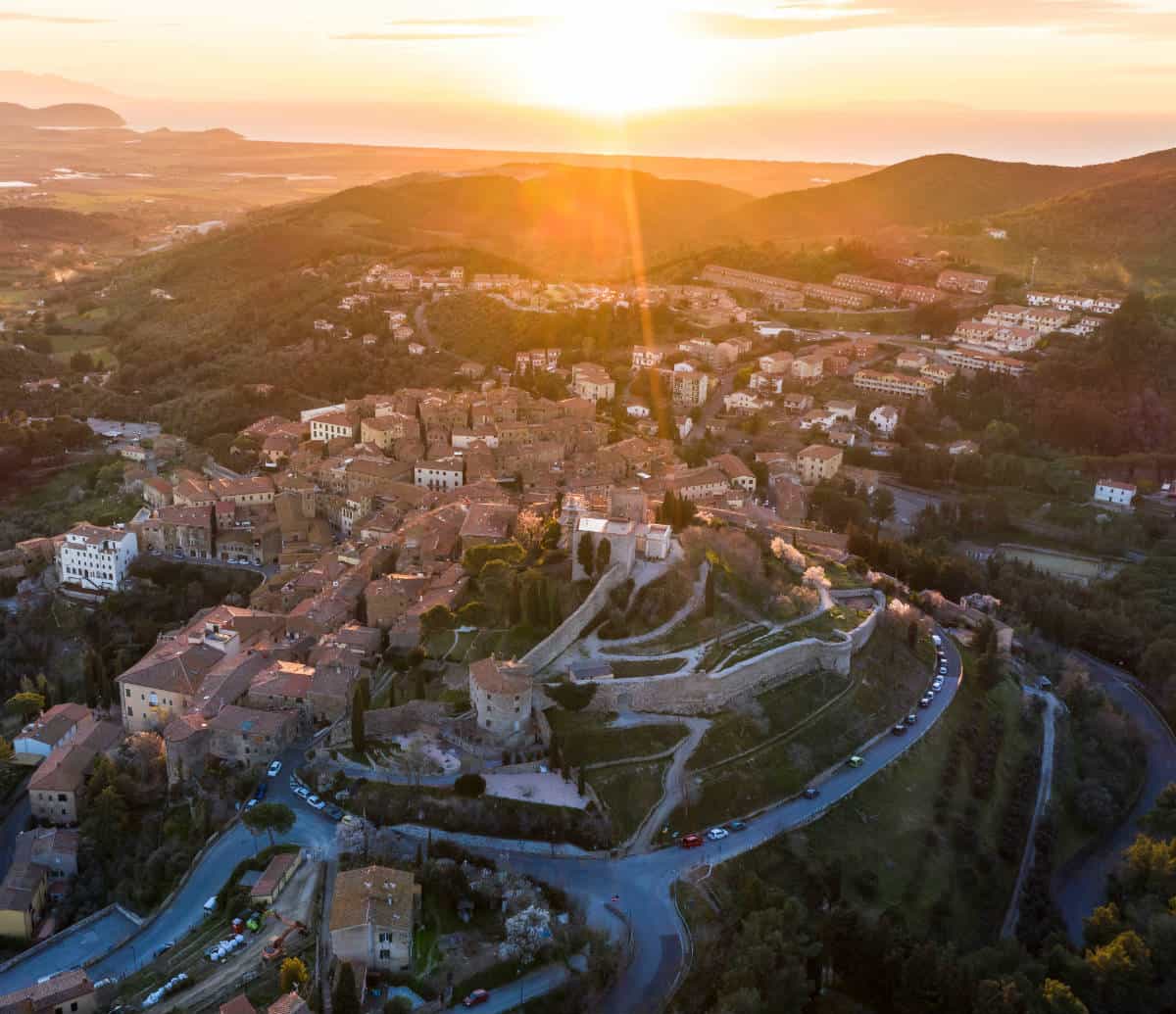
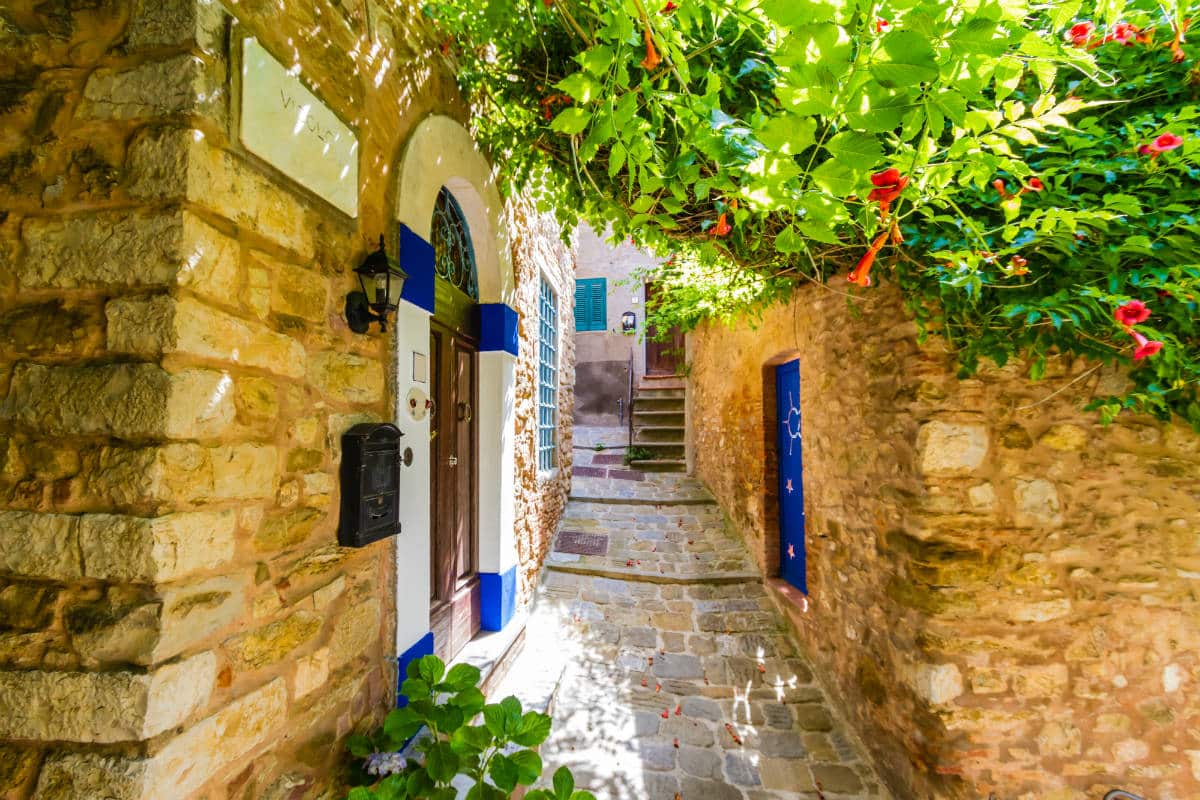
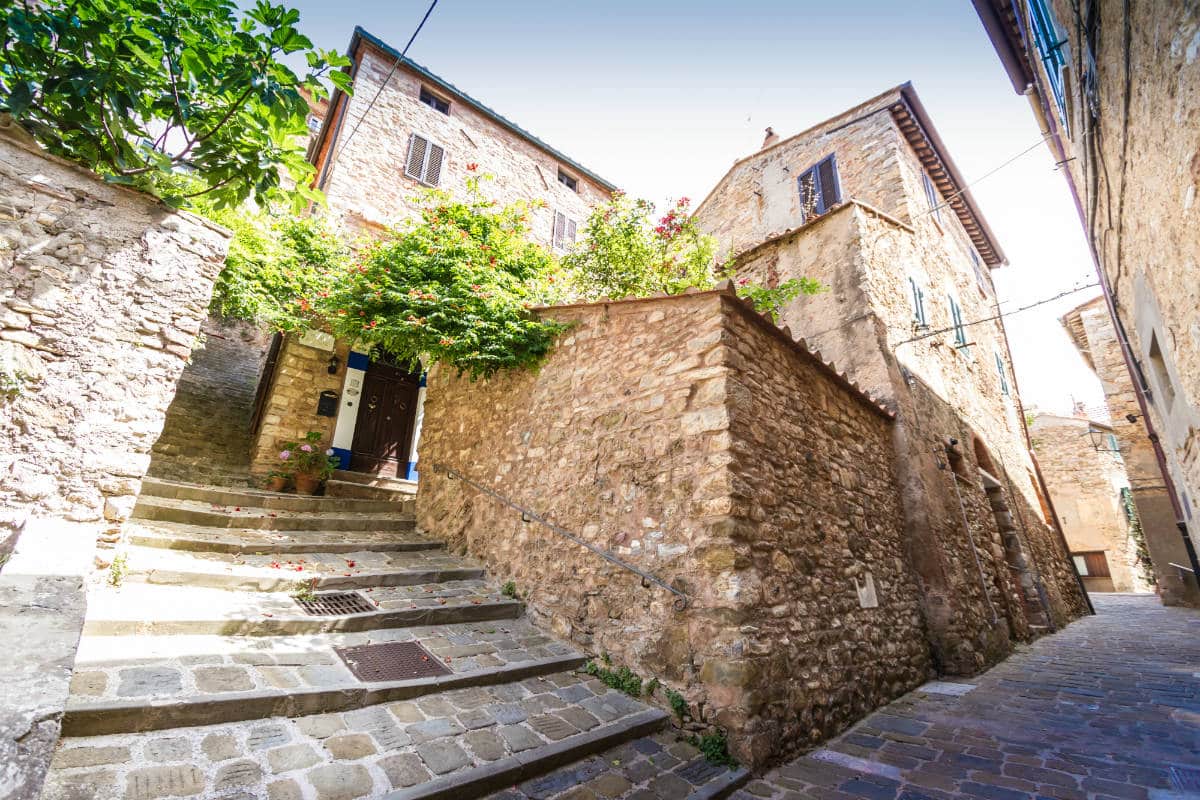
Perched regally on a hill, Campiglia Marittima dominates with majestic elegance the sea and the surrounding countryside of the Val di Cornia, one of the most fascinating areas on the Etruscan Coast. The paved streets and alleys, perfectly gathered in the concentric semicircles of palaces, exude a sense of timeless harmony. This ancient medieval town, enriched by a long history and authentic traditions, is considered one of the most charming villages in the region.
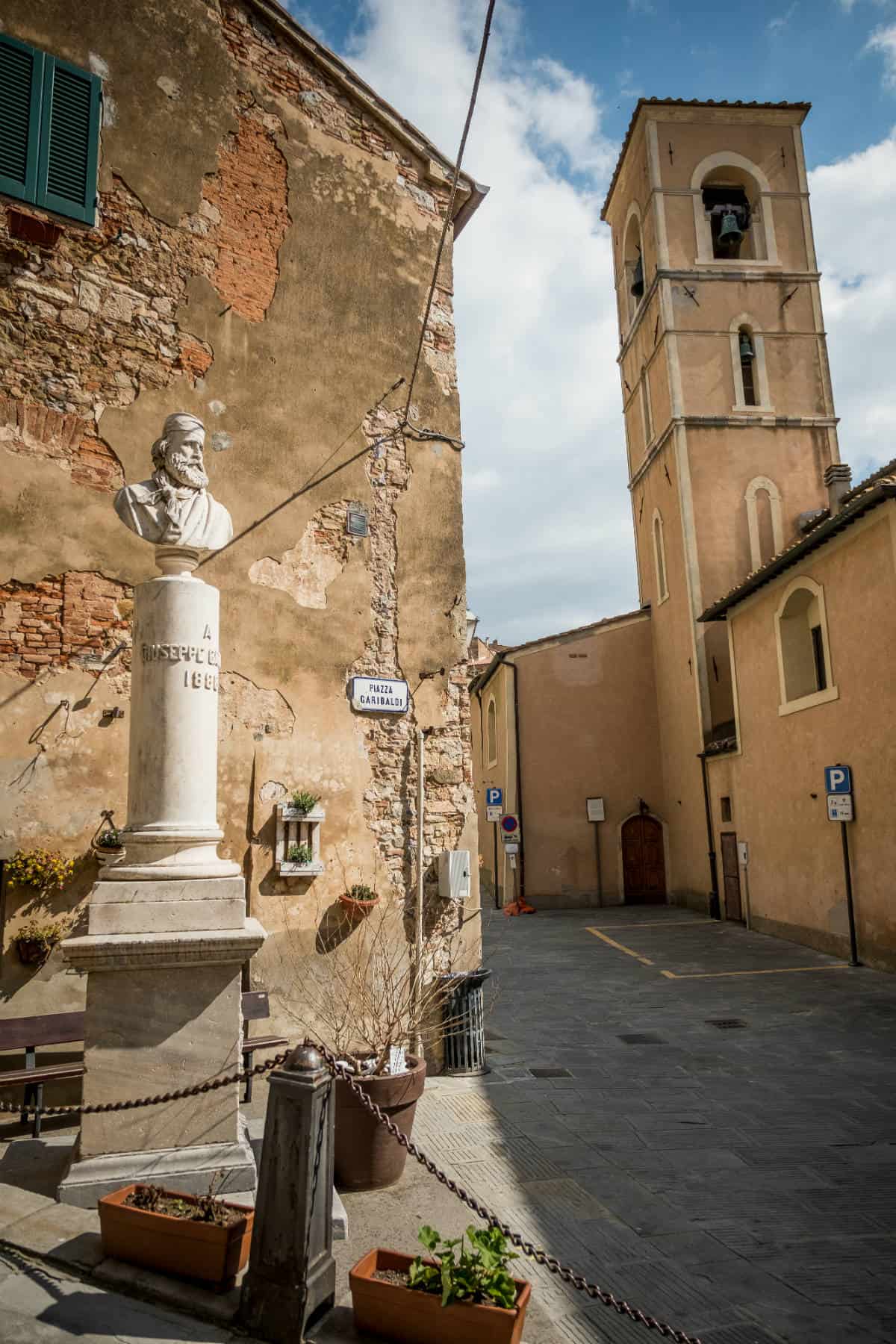
The historic center, expertly preserved within the city walls, is a delightful haven for lovers of Tuscan art, history and gastronomy. Craft stores, quaint museums and typical taverns overlook its characteristic squares, immediately inspiring a deep sense of intimacy and warm familiarity.
The magnificent panorama
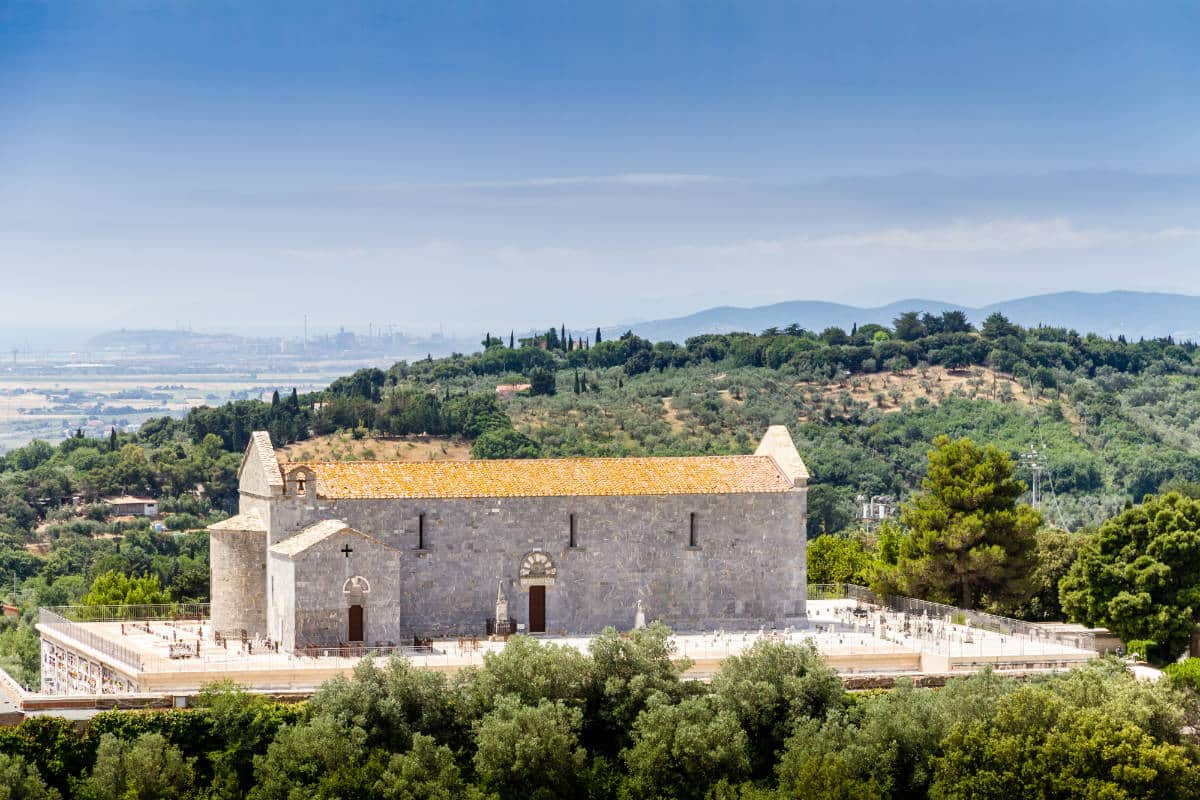
From the small medieval village, the gentle symphony between nature and architecture is expressed in a fascinating dance of gulfs, promontories and islands. The Argentario Promontory and Baratti Gulf, as well as the Tuscan archipelago, and, weather permitting, the northern coast of Corsica, form a breathtaking sea mirror, enriching the sensations offered by this little corner of Tuscan paradise.
Historical Showcase: The attractions of Campiglia Marittima
The medieval village of Campiglia Marittima is the custodian of a rich architectural heritage. Among the main attractions is the Praetorian Palace, an imposing symbol of the political and military power of the past, easily recognizable by its tower with clock and bell that dominates the other buildings. This palace now houses the Historical Archives, the Children’s Library “The Palace of Tales,” the Carlo Guarnieri Museum and the Mineral Museum, curated by the Tuscan Mineralogical Circle.
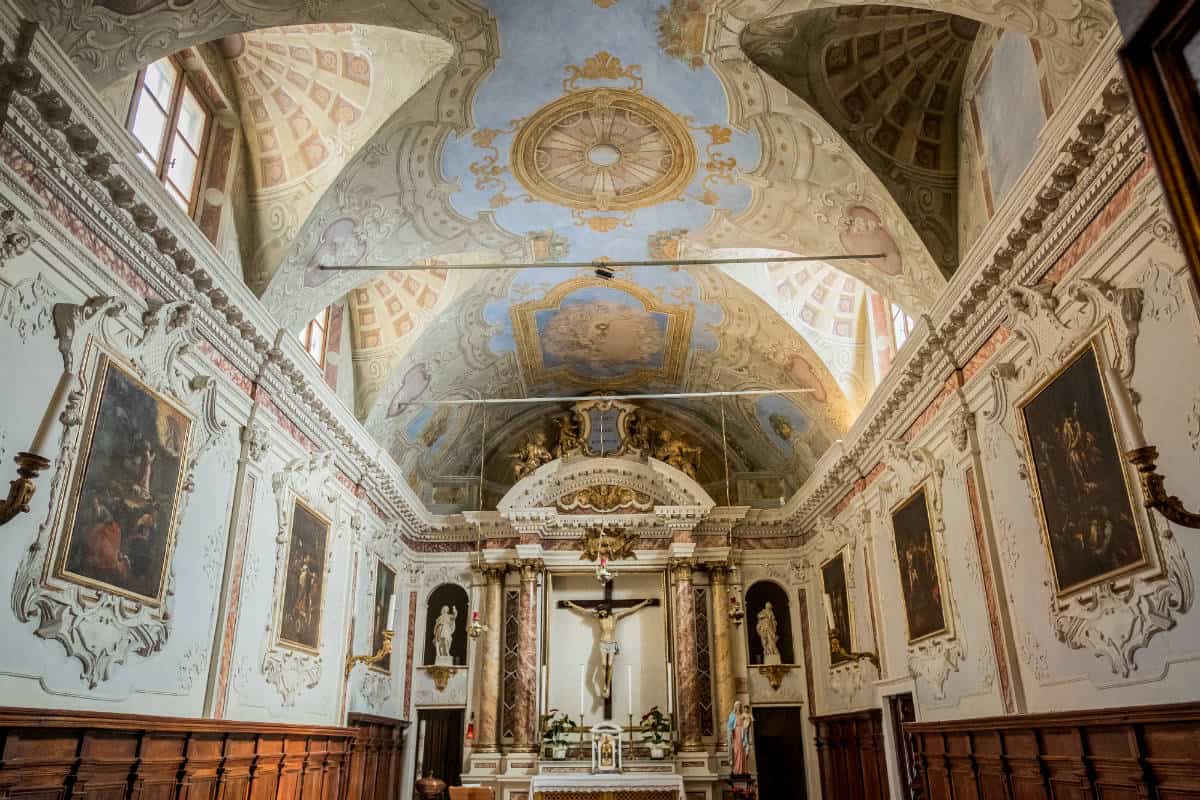
Also worth visiting are two churches of particular historical significance: the Pieve di San Giovanni, a splendid example of the Romanesque-Tuscan style, and the, our, Church of San Lorenzo, dating from the 13th century and built within the city walls.
Campiglia Marittima also boasts a small 19th-century jewel, the Teatro dei Concordi, now a lively venue for cultural events and meetings.
In the heart of the Ancient Mines: The San Silvestro Archaeo-mineral Park
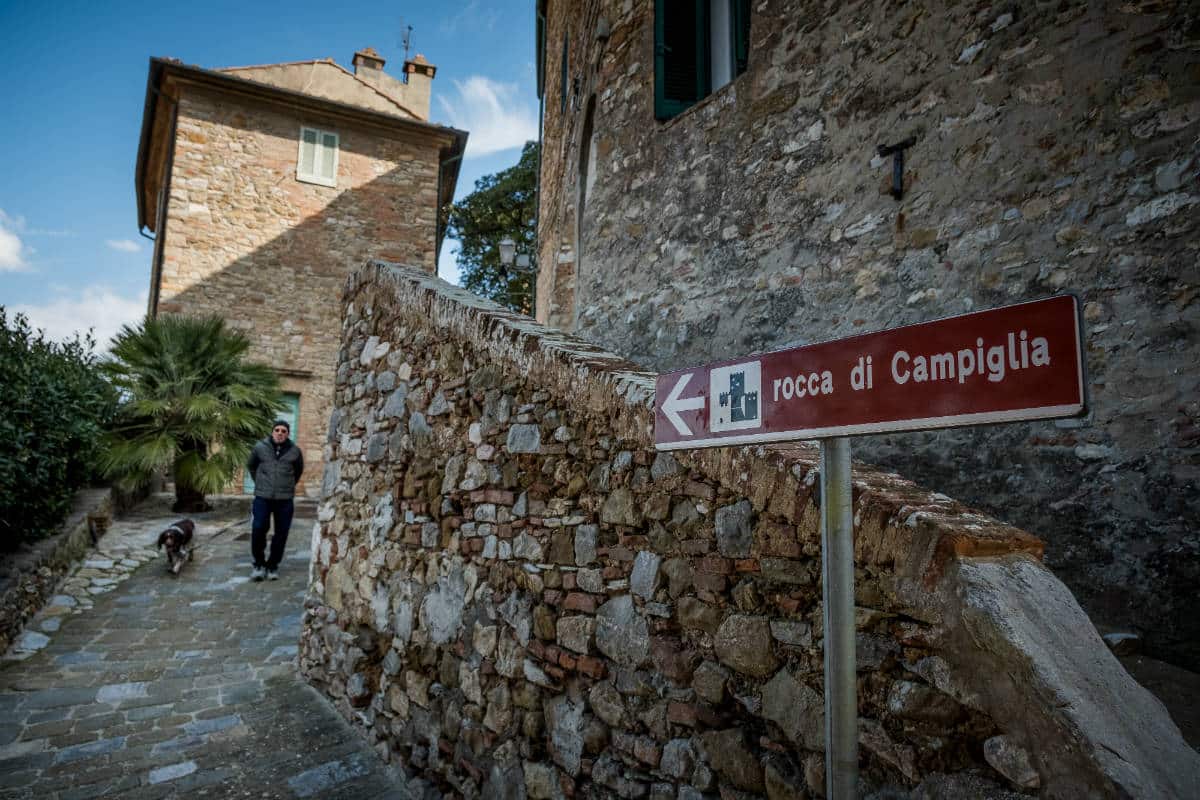
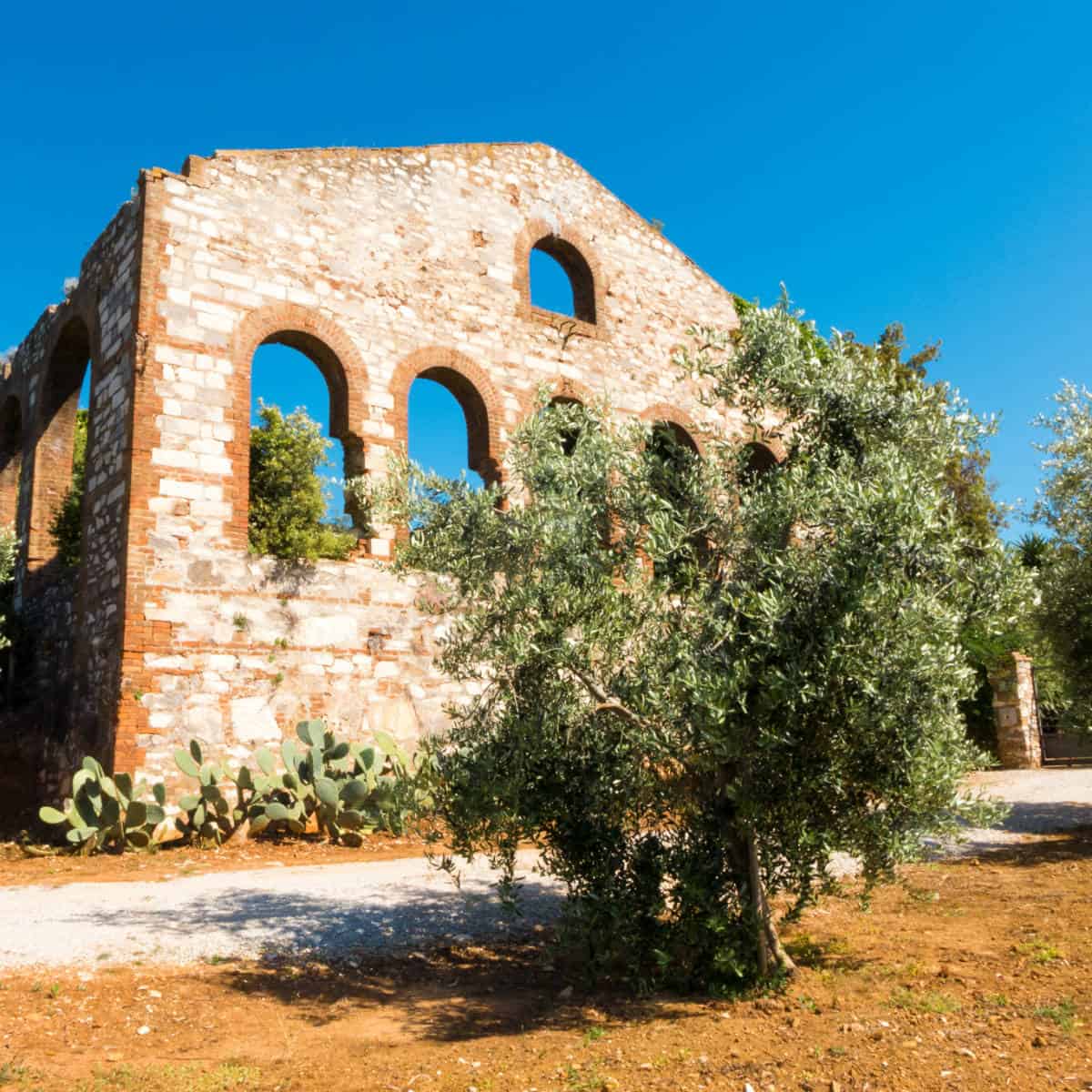
Surrounding Campiglia Marittima is the San Silvestro Archaeo-Mineral Park, covering some 450 hectares. Here, like a ghost from the past, is the fascinating Rocca San Silvestro, an ancient mining village founded in the Middle Ages to exploit the rich deposits of copper, lead and silver.
Inside, the Museum of Archaeology and Minerals and the Temperino Mine give a fascinating dive into the area’s mining past. Equipped with protective helmets, visitors can delve into the 360-meter tunnel to discover the secrets of mineral extraction from ancient times to the present day.
Between Art, Culture and Entertainment
Every year in August, Campiglia Marittima celebrates its history and culture with the Apriti Borgo event, a festival of theater and street arts. Also known as Abc Festival, this initiative combines performances and local gastronomic excellence to celebrate the peculiarities of this small and charming Tuscan village.
From its breathtaking views to its historical and cultural richness and its food and wine delights, Campiglia Marittima is a must-see destination for those traveling through the beautiful Etruscan Coast.
Municipality of Campiglia Marittima
Province of Livorno
Tuscany region
Center altitude: 231 m s.l.m.
I Borghi più belli d’Italia
Città del vino
Città della chianina
Strada del Vino e dell’Olio Costa degli Etruschi
Via Roma, 5 – Tel. 0565 839111
BY CAR
- From Rome: SS 1 Aurelia; Venturina exit; then follow signs for Campiglia Marittima
- From Livorno: SS 1 Aurelia; exit San Vincenzo Sud; then follow signs for Campiglia Marittima
- From Florence: SGC Firenze – Livorno; highway A11 Firenze-Mare; then continue on the A12 highway; exit Rosignano Marittimo; continue on the SS 1 Aurelia; exit San Vincenzo Sud; then follow signs for Campiglia Marittima
ON THE TRAIN
- Railway station Campiglia Marittima
BY PLANE
- Pisa airport
- Rome airport
- Florence airport
BY SEA
- Port of Piombino
- Port of Livorno
Campiglia Marittima’s treasures are not limited to its historical and naturalistic gems. In the heart of a land of hills and plains, among savory vegetables such as spinach and the violet artichoke, the Val di Cornia thistle, better known as hunchback, you will discover an authentic gastronomy rich in flavor.
Don’t miss the opportunity to taste the famous Campigliese schiaccia, a superb snack for a break in the local gastronomic tradition. The wines produced in this region, including Bolgheri and Sassicaia, will know how to inebriate your palates giving a refined and elevated taste.
What to see in Campiglia Marittima
Discover what to see in Campiglia Marittima among monuments, scenic views, museums, churches and symbolic places of the village. A useful selection to plan your visit and explore the area.
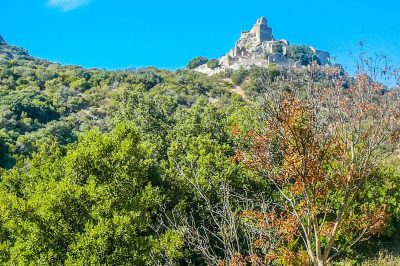
What to do in Campiglia Marittima
If you are wondering what to do in Campiglia Marittima, here you will find activities, experiences and tours to enjoy the village and its area in an authentic way, among nature, culture, food and wine, and guided routes.
Where to stay in Campiglia Marittima
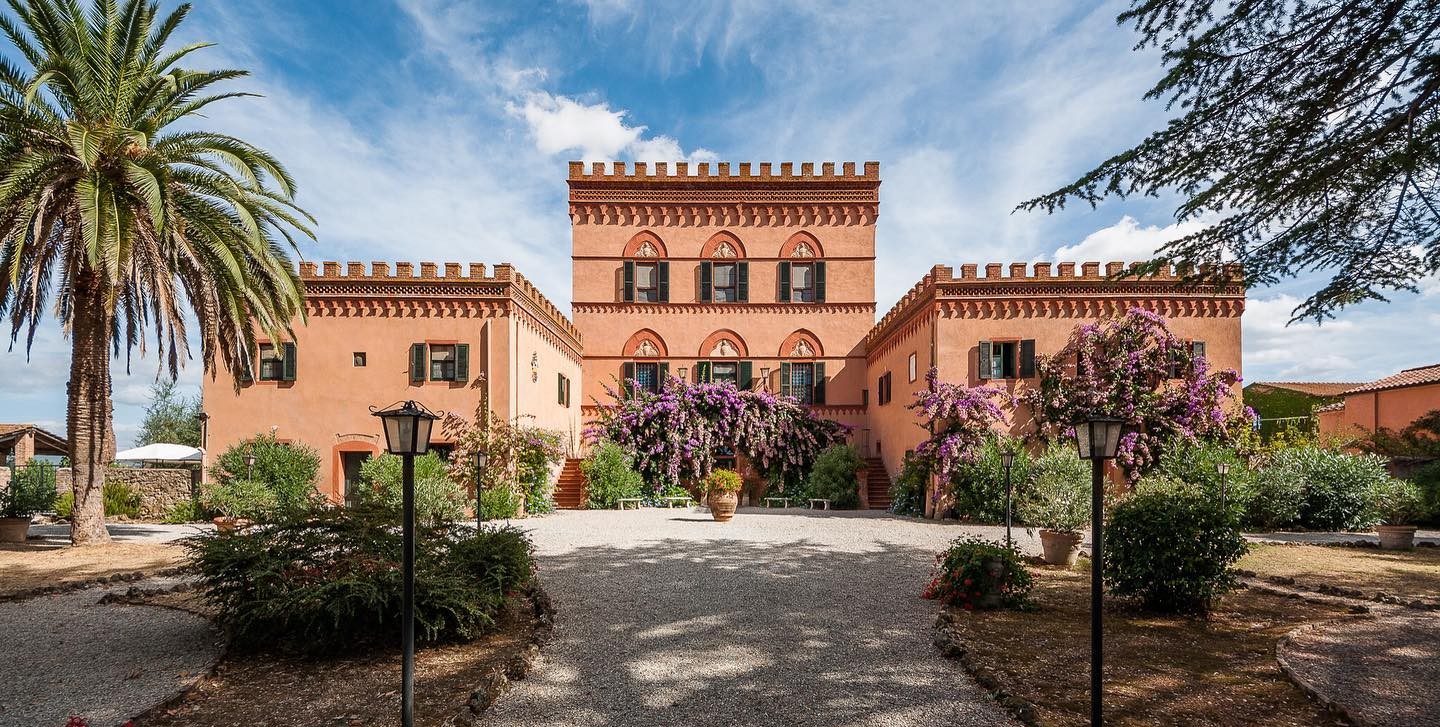
If you are looking for where to stay in Campiglia Marittima, you can choose from hotels, B&Bs, farm stays and holiday homes in the village and nearby, for a slower stay among landscapes, culture and authentic hospitality.
Continue the journey
Campiglia Marittima is only one of the treasures of the area. Use the interactive map to discover what to visit nearby, how far the other villages are and which experiences you can enjoy along the route.
Explore the area