 San Martino di Castrozza
 VIVA! Festival 2026
 Tandem paragliding flights in Tirolo and Merano: the thrill of flying over the Alps
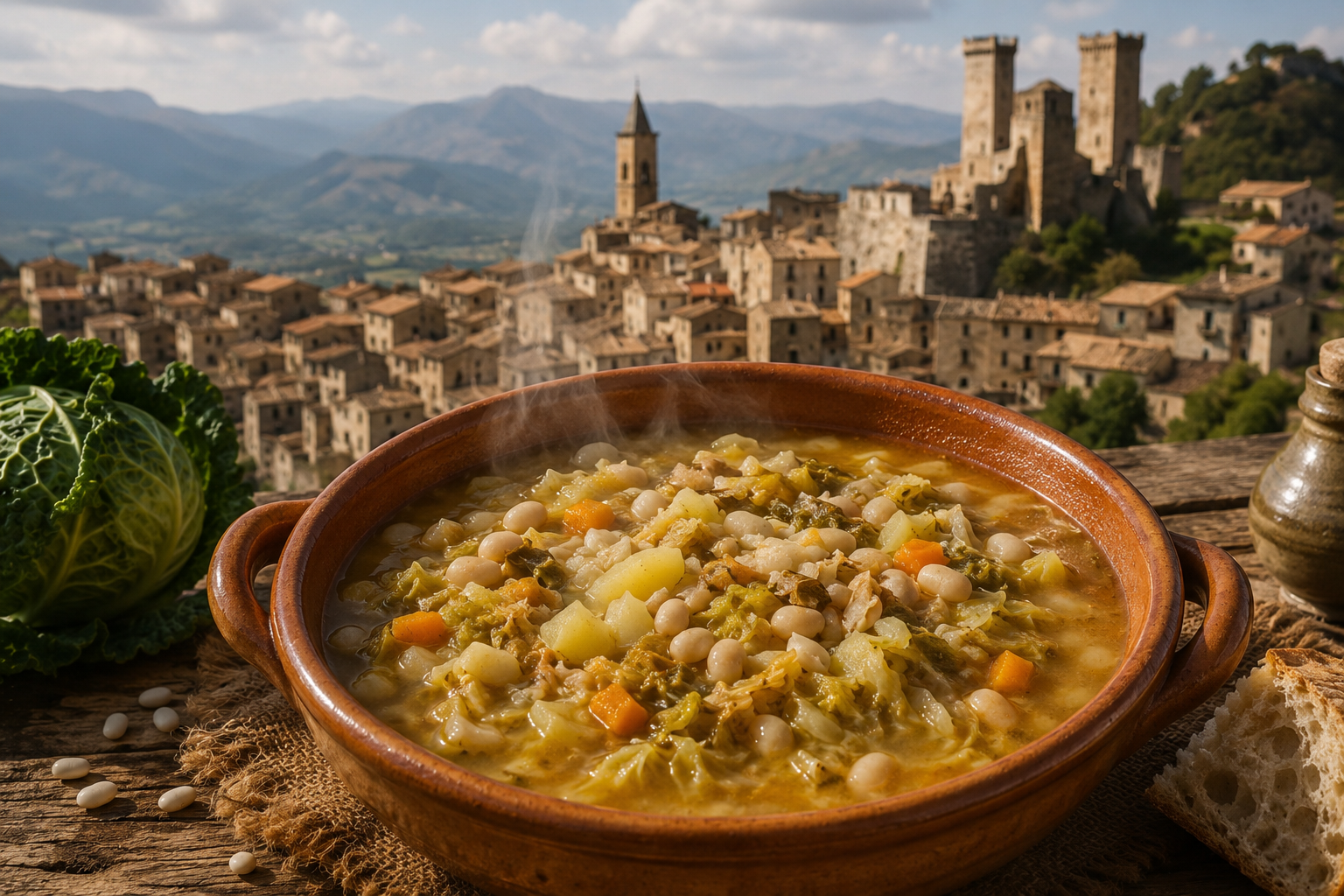 Recipe: Polta di Pacentro, the peasant dish that symbolises the traditions of Abruzzo
In the village of Maruggio, Easter is not merely a religious festival, but a deeply meaningful celebration of identity that is also expressed through traditional flavours. Among these, the Puddica holds a special place: a spiced bread, rich in symbolism and history, which is still made today in every household as a gesture of continuity and remembrance.
Maruggio: a blend of history, faith and authentic traditions
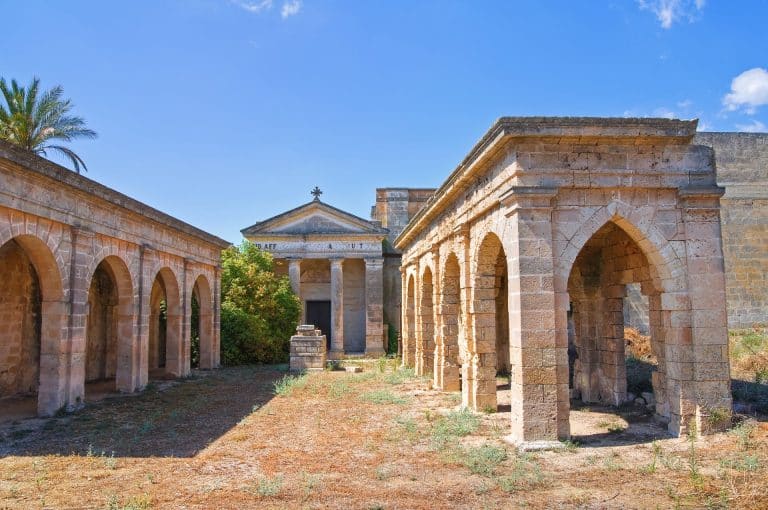
Nestled between the Murge hills of Taranto and the Ionian Sea, in Salento, Maruggio is one of the most charming villages in Apulia and is listed among Italy’s Most Beautiful Villages. Its history is linked to the Knights of Malta, who for centuries shaped its identity, leaving traces still visible in the architecture and the village’s landmarks.
Strolling through its narrow streets, past white houses, arches and flower-filled balconies, means immersing yourself in an authentic atmosphere, where time seems to slow down. It is here that folk traditions, such as those linked to Easter, are still kept alive and cherished.
La Puddica: the traditional Easter bread of Maruggese
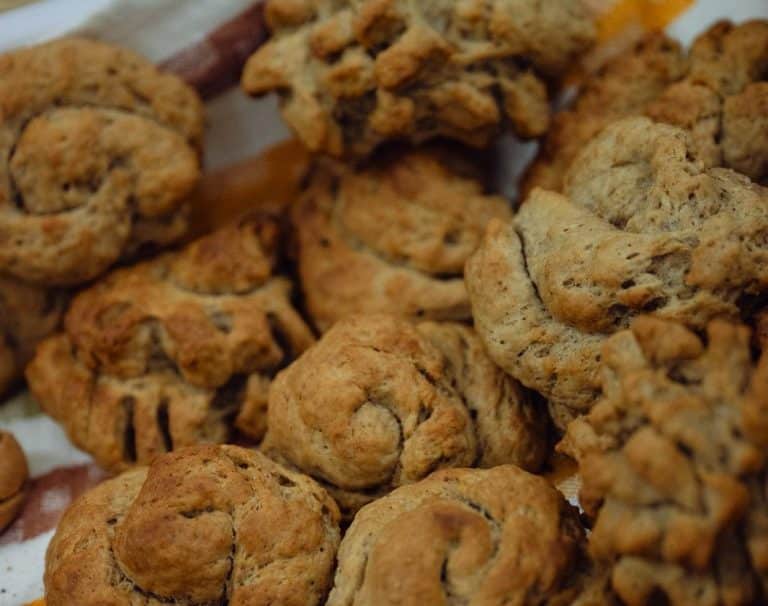
During the Easter holidays, it is a tradition in Maruggio for every family to make Puddiche, a spiced dough with a simple shape but profound significance. Usually shaped like a ring cake, the Puddica contains a hard-boiled egg at its centre, a symbolic element par excellence.
It was once the food of farmers, practical and nutritious, perfect to take with them during long days’ work in the fields. Over the years, it has also become a food associated with moments of reflection, such as the evocative Good Friday Procession, during which it was eaten to restore one’s strength.
Ingredients
1 kg of wheat flour
1 cube of fresh yeast
250 ml of olive oil
1 teaspoon of fine salt
Pepper to taste
Ground cloves to taste
Ground cinnamon to taste
1 hard-boiled egg (optional)
Water for kneading
Preparation
Making the Puddica is a time that brings the family together. The dough, kneaded with care and patience, is enriched with spices and left to rise slowly. Once ready, it is shaped into its characteristic ring shape and a hard-boiled egg is placed in the centre.
After a second rise, the Puddica is baked in the oven, releasing an intense aroma that fills the house and heralds the arrival of Easter.
Symbols, nursery rhymes and variations
La Puddica is much more than just a culinary dish: it is a symbolic narrative. The baking process represents the cycle of life, whilst the cloves evoke the crucifixion and the tears of Our Lady of Sorrows. The egg, on the other hand, is the universal symbol of rebirth and resurrection.
As a testament to its strong ties to folk tradition, there is also a nursery rhyme in the local dialect:
Sabutu Santu currendu currendu
(Holy Saturday, in a rush)
Tutti li piccinni vannu chiangendu,
(All the children are crying)
vannu chiangendu cu tuttu lu cori
(they are crying their hearts out)
puddichi cu l’ovi puddichi cu l’ovi!
(Puddiche with eggs, puddiche with eggs)
There are a few variations in the neighbouring towns, but Maruggio’s Puddica retains its unique characteristics, both in terms of ingredients and preparation.
The true taste of Easter
La Puddica is the perfect symbol of Easter in Maruggio: simple, authentic and deeply rooted in the history of the local area. Preparing and sharing it means keeping alive a tradition that has stood the test of time, bringing different generations together around an ancient and deeply meaningful ritual.
In this village overlooking the sea, every bite tells a story of faith, hard work and community.
In collaboration with: La Città di Maruggio e Associazione “Paly your Place”
Do you want to promote your business on e-borghi?
Reach travellers interested in villages, authentic experiences and quality tourism.
Discover how to become a partner