 Passignano sul Trasimeno
 Montefeltro
 Terronia Summer Camp
 Tandem paragliding flights in Tirolo and Merano: the thrill of flying over the Alps
 Upper Val di Non: A melting pot of cultures between South Tyrol and Trentino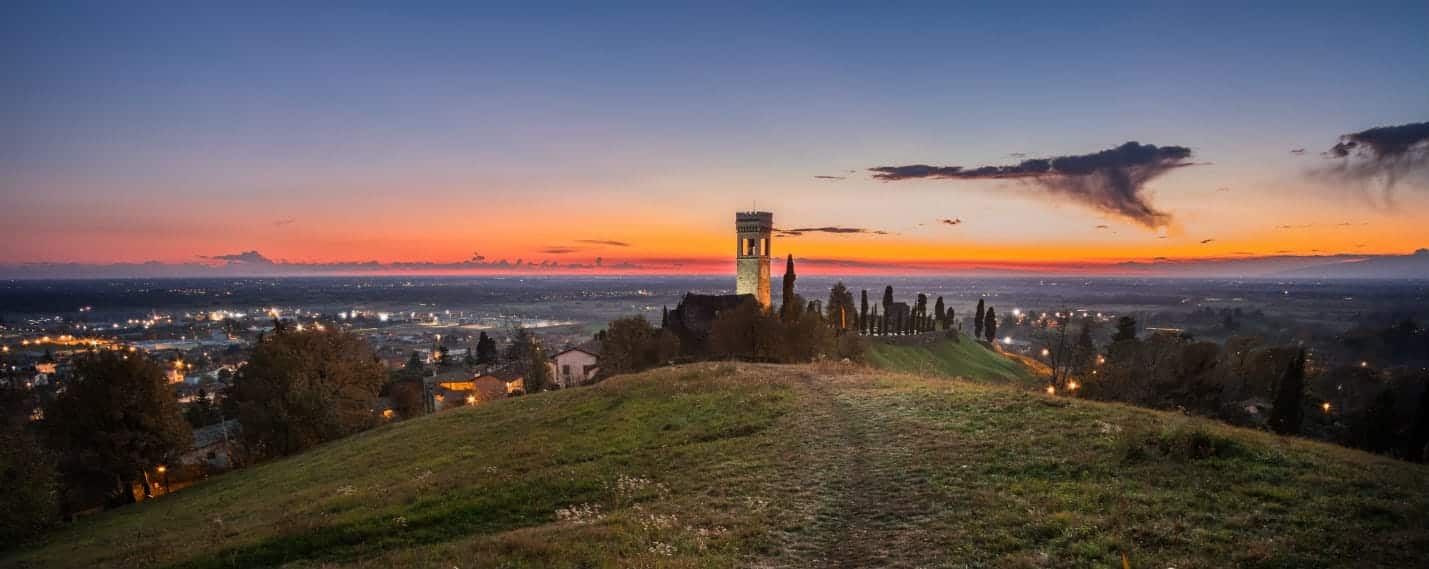
The village of Fagagna was already inhabited in Roman times, when it was a stopping point on the road connecting the municipality of Concordia Sagittaria to Gemona on the way to Noricum.
Photo gallery
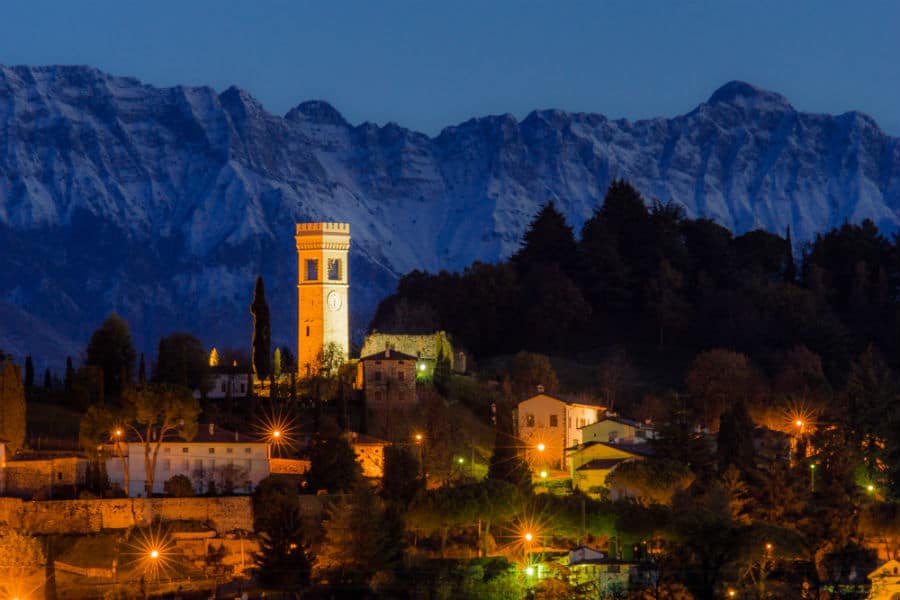
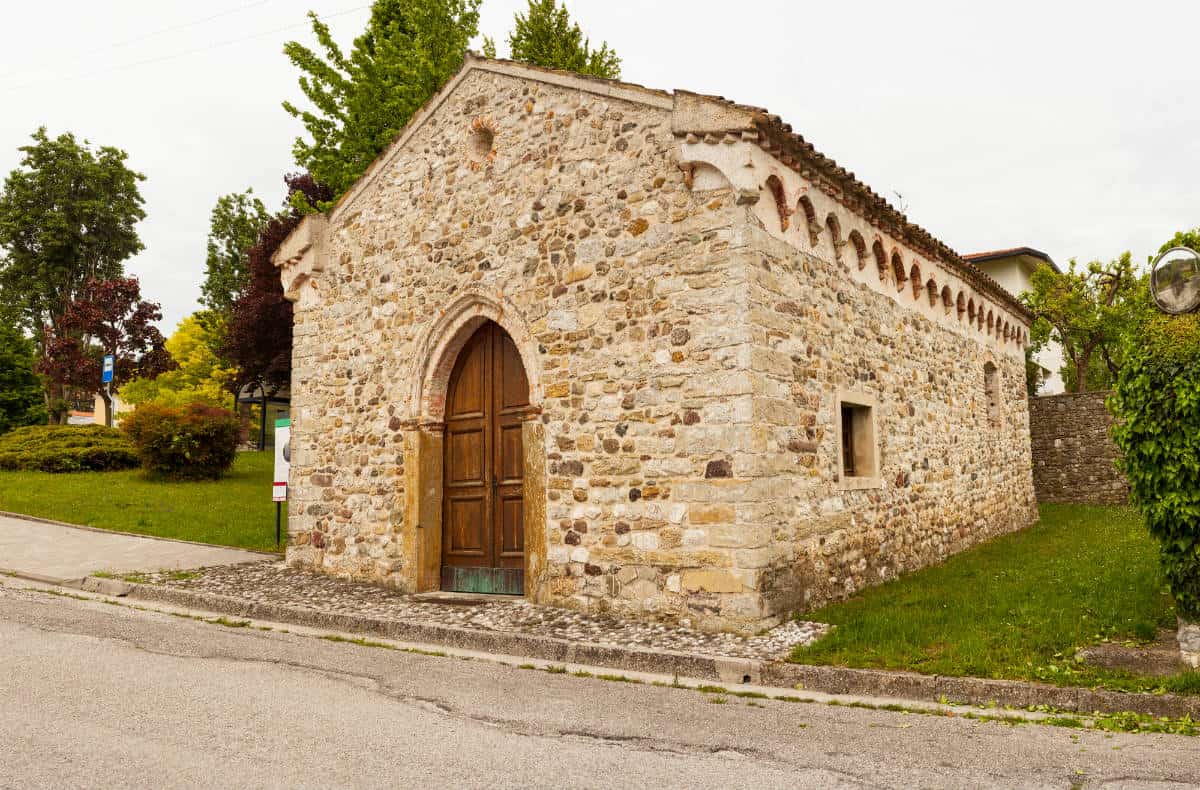
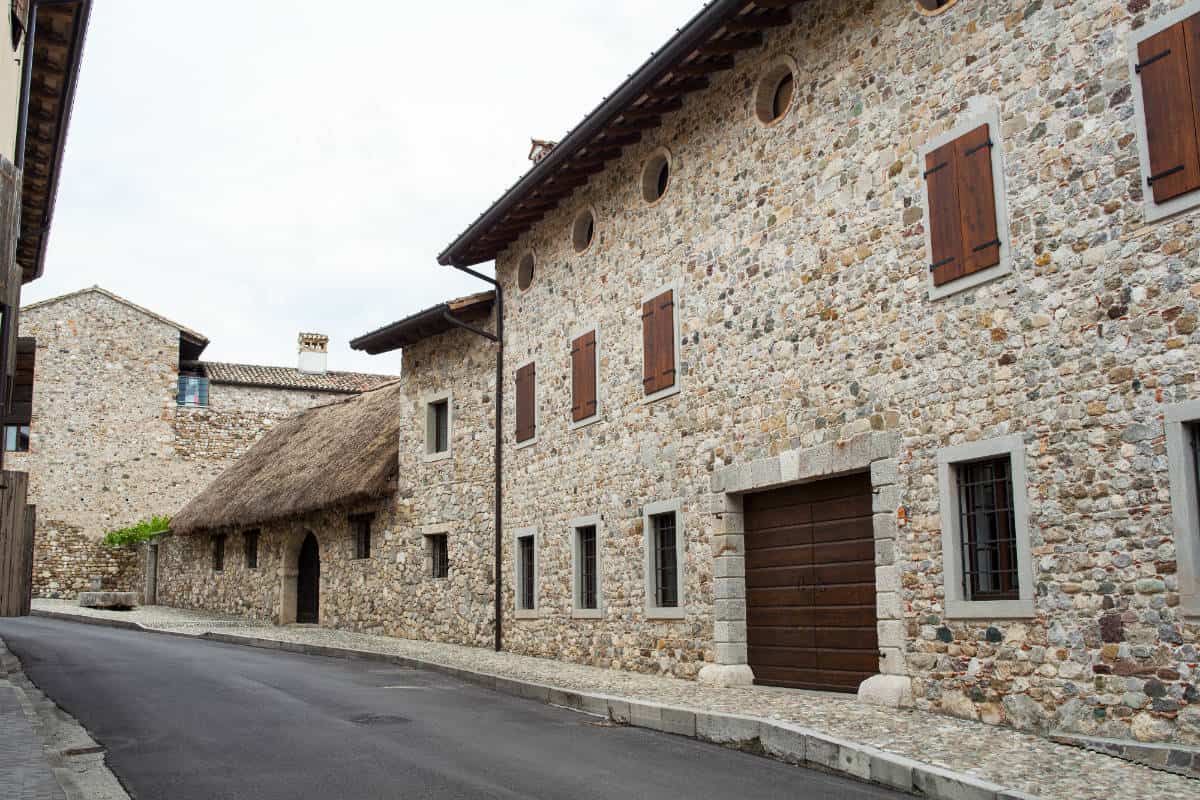
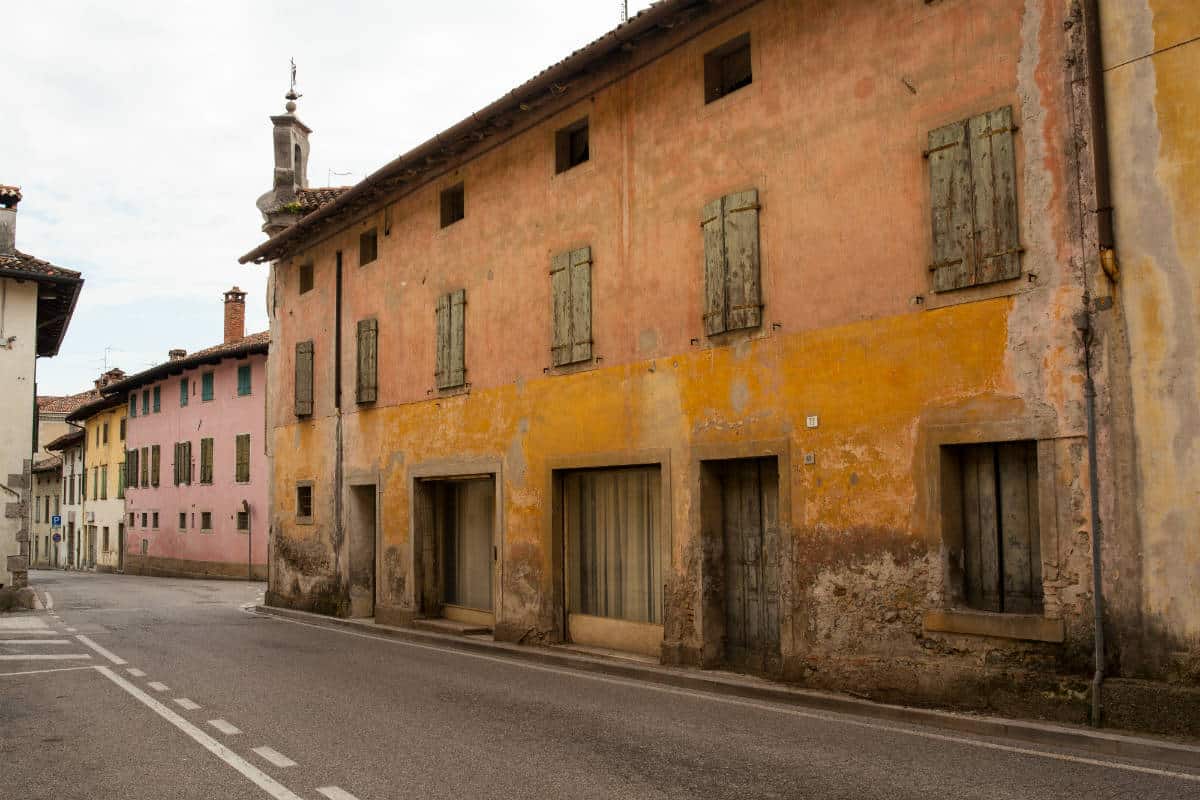
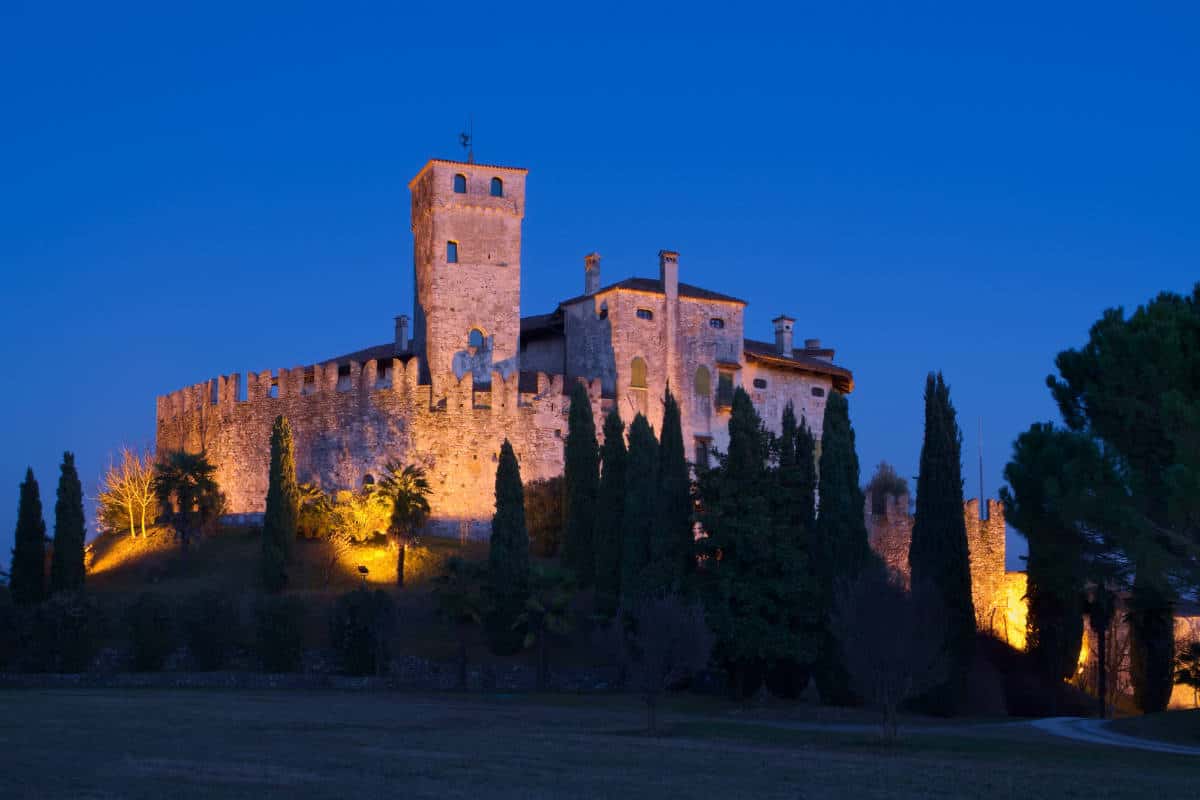
the village of Fagagna (Feagne in Friuli dialect), the village of donkeys, appears for the first time in 983. The site was already inhabited in Roman times when it was the transit station on the road linking the town hall of Concordia Sagittaria in Gemona on track toward the Noriker. The patriarchs of Aquileia gave the castle in fief to a consortium of noble families and committed themselves to a steward the administration of justice and the protection of their interests in the territory of gastaldìa, which in addition to Fagagna included other seventeen villages. Around the castle there were five small villages that toward the end of the XIV century, together with the castle gave origin to the Community of Fagagna, governed by a Board of twelve, four noble of the castle and eight popular. After many vicissitudes of wars, sieges and betrayals, Fagagna he gave in 1420 to the armed forces of the Republic of Venice have arrived at the conquest of Friuli.
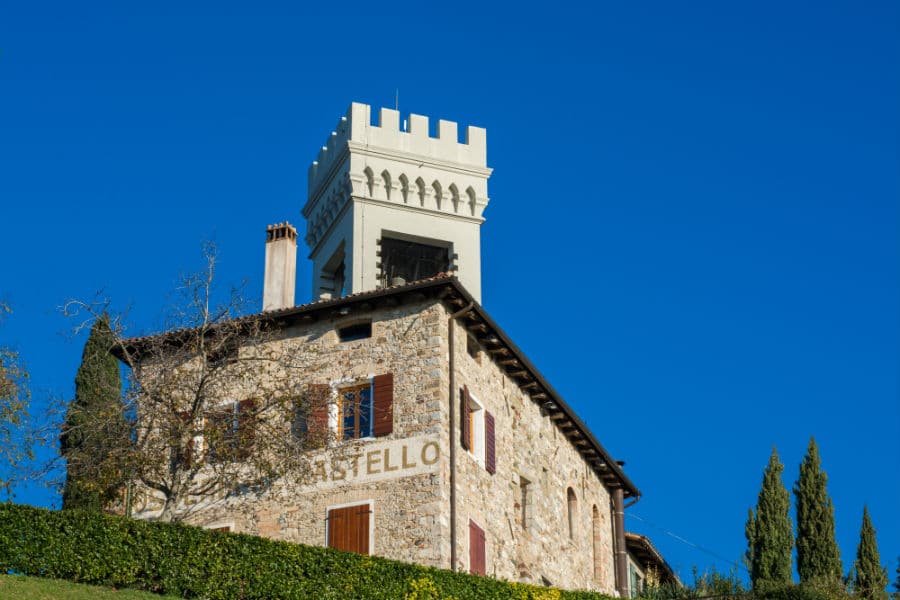
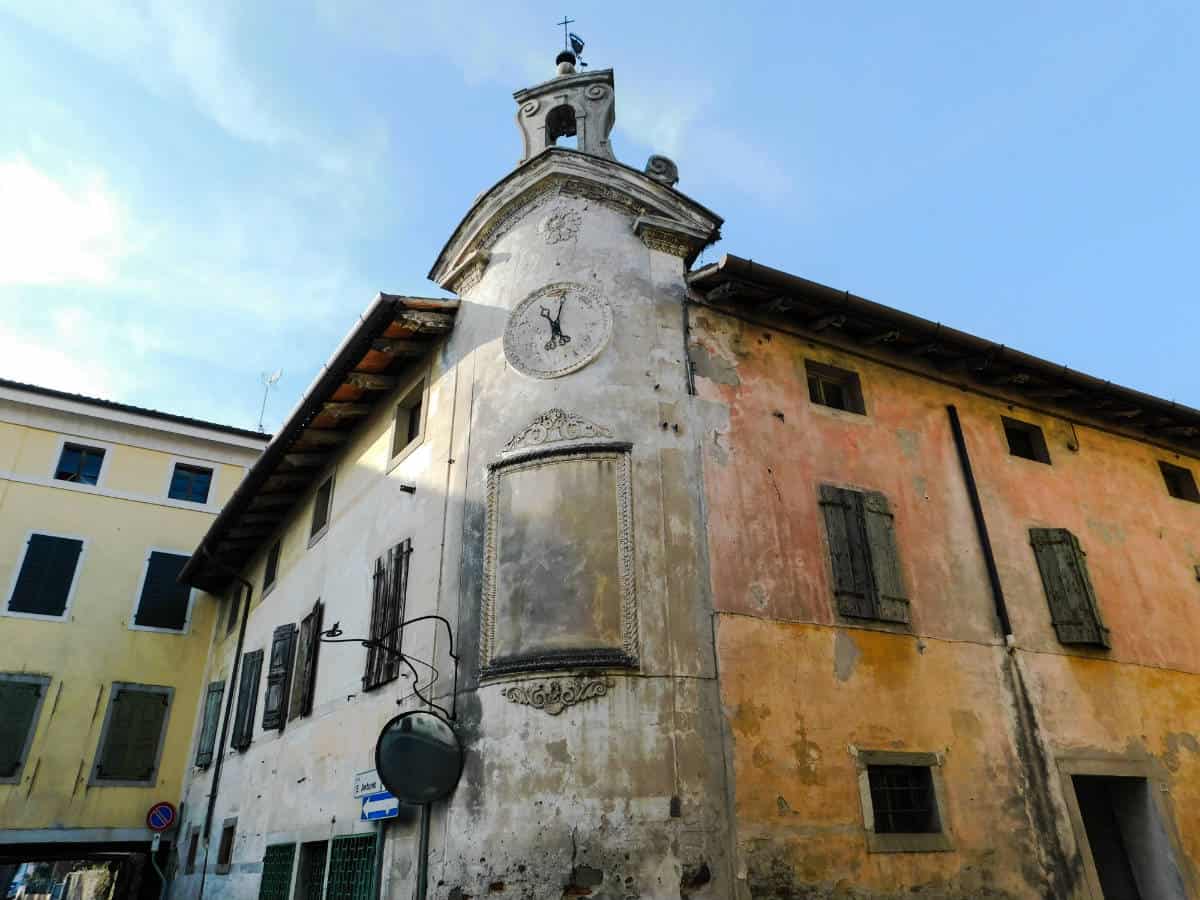
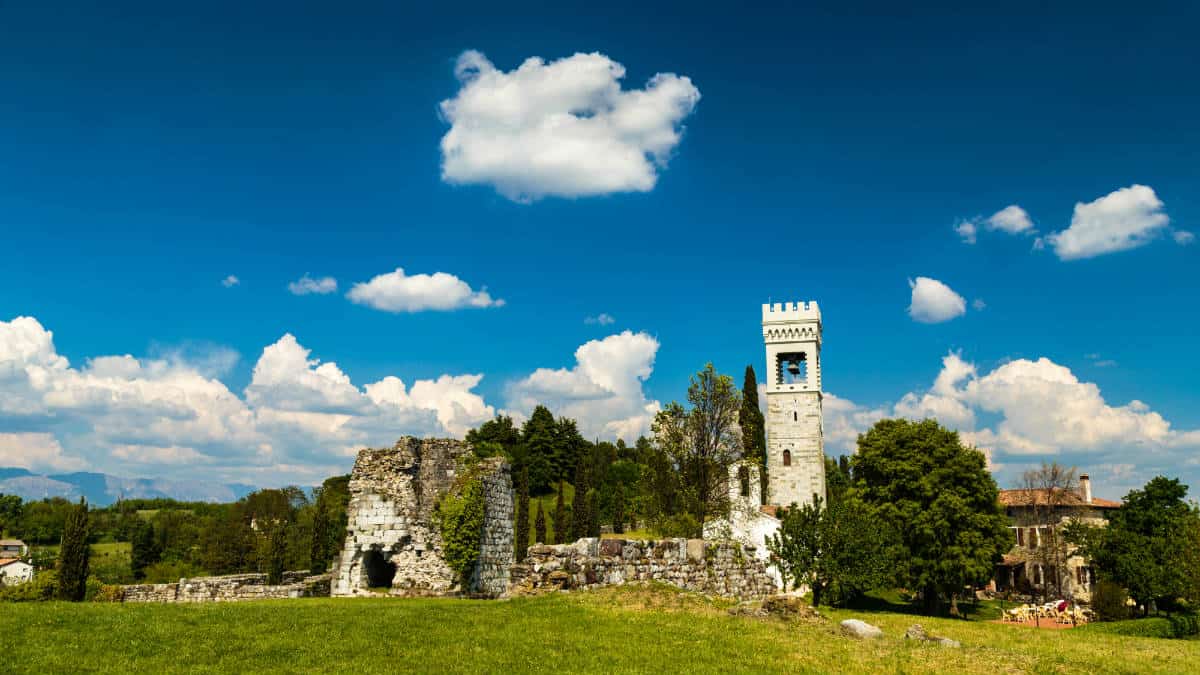
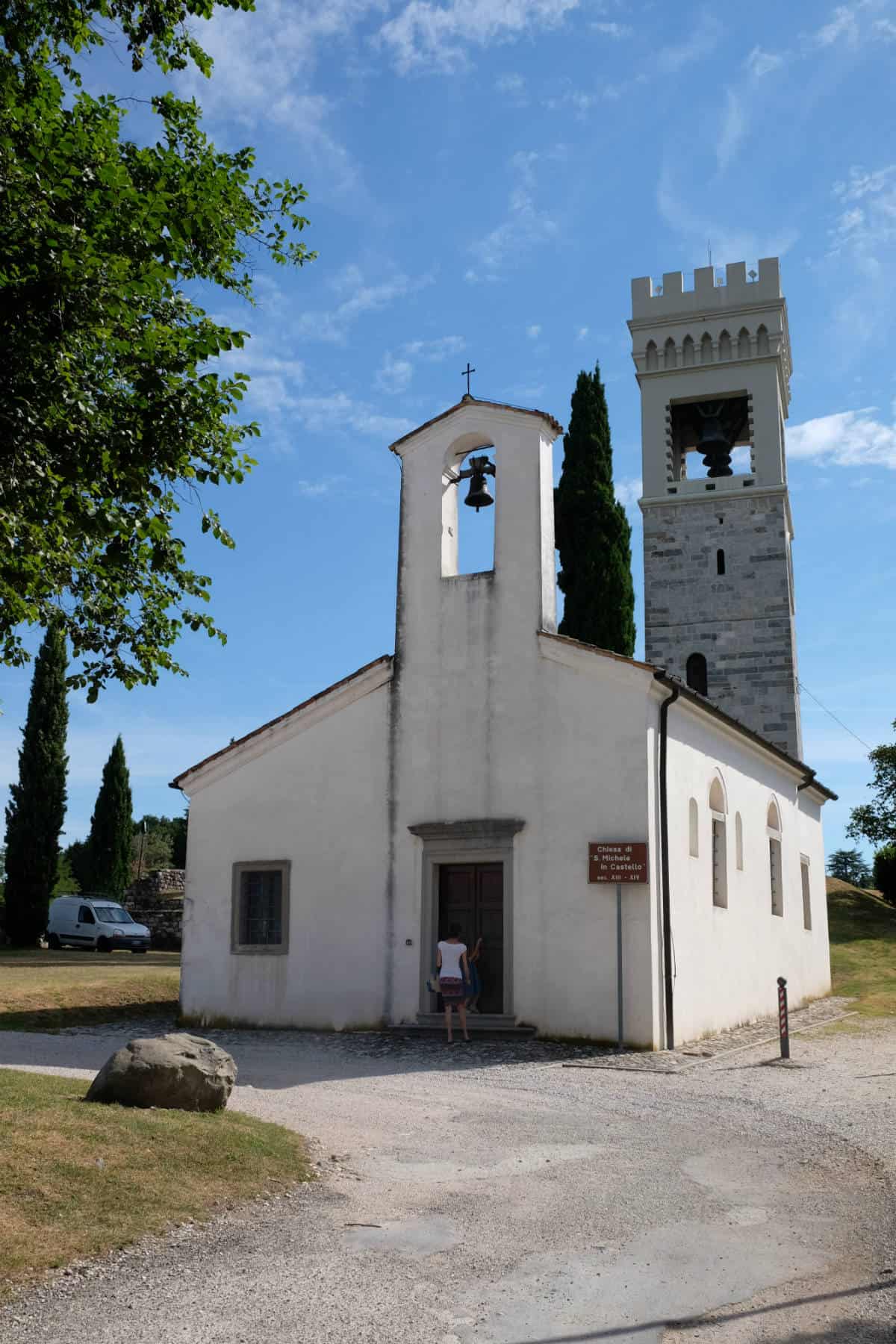
The castle, now little more than a ruin, rises on a site inhabited since the Roman Age, even if the first official documentation goes back to the patriarchal period (983 d.C.). Of the ancient fortifications survive only few elements including biceps of the defensive walls, the port of Borgo, the Castellana tower with the clock (transformed into a bell tower), the ruins of the tower mistress, A Casetta fourteenth century and the church of San Michele Arcangelo, considered the ancient oratory of Castellani existing and already in 1386.
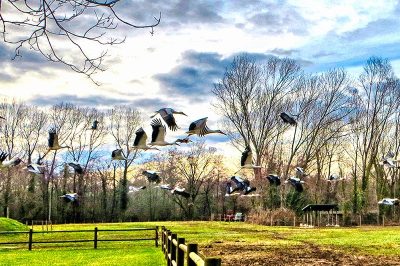
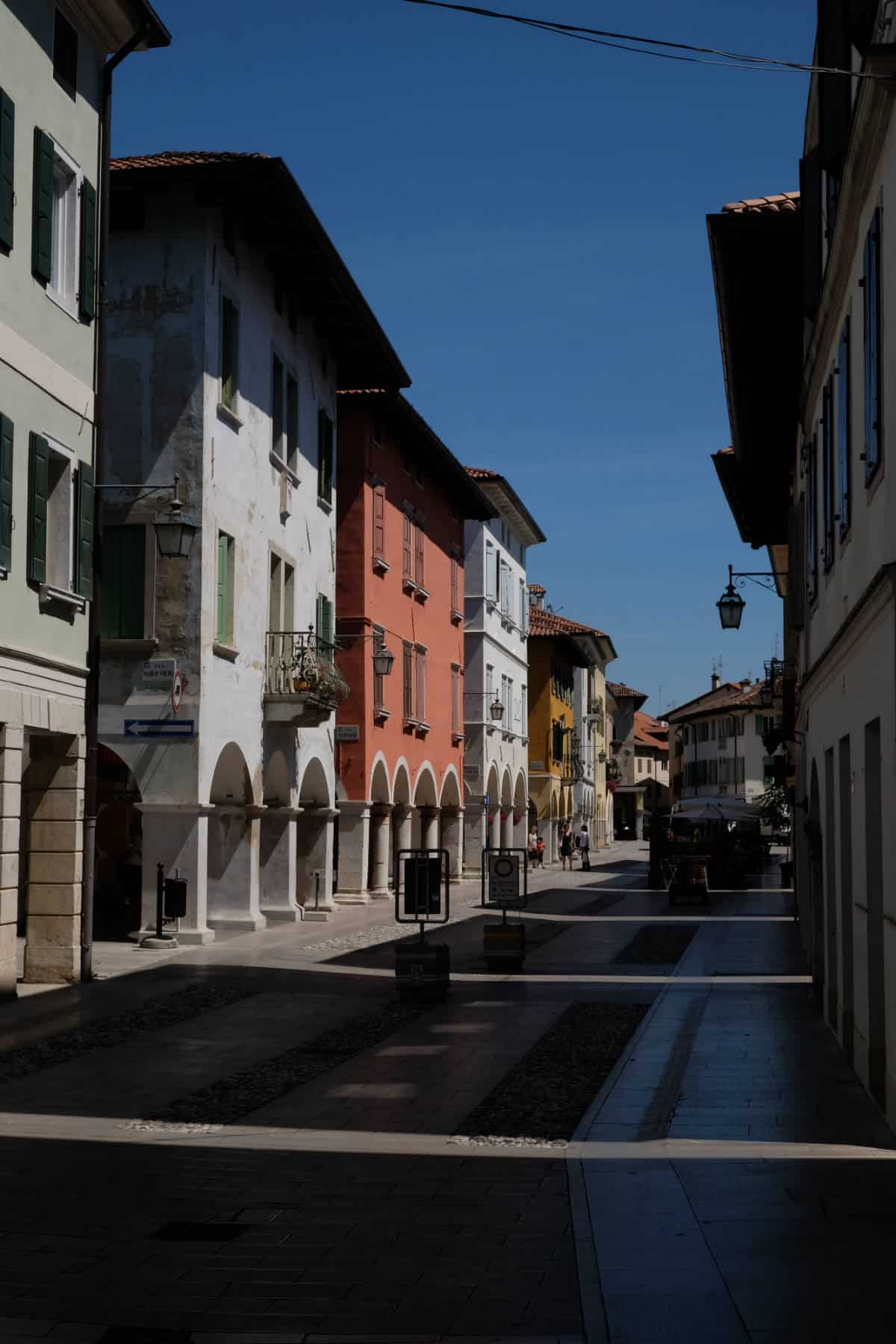
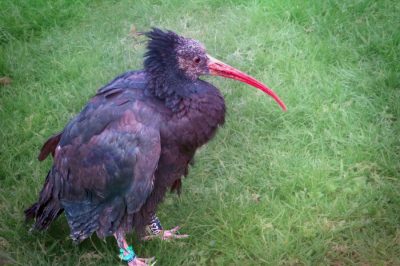
Between the civil buildings stands out the community house, dating back to the Renaissance, with beautiful loggia on the lower floor. Not far from the modern town center in the Naturalistic Oasis of Quadris started the project for the rehabilitation of the white stork. Along the road from Fagagna proceeds toward Colloredo of Montalbano is quite usual meet pairs there storks that occupy their nests on the roofs of the houses or on the streetlights.
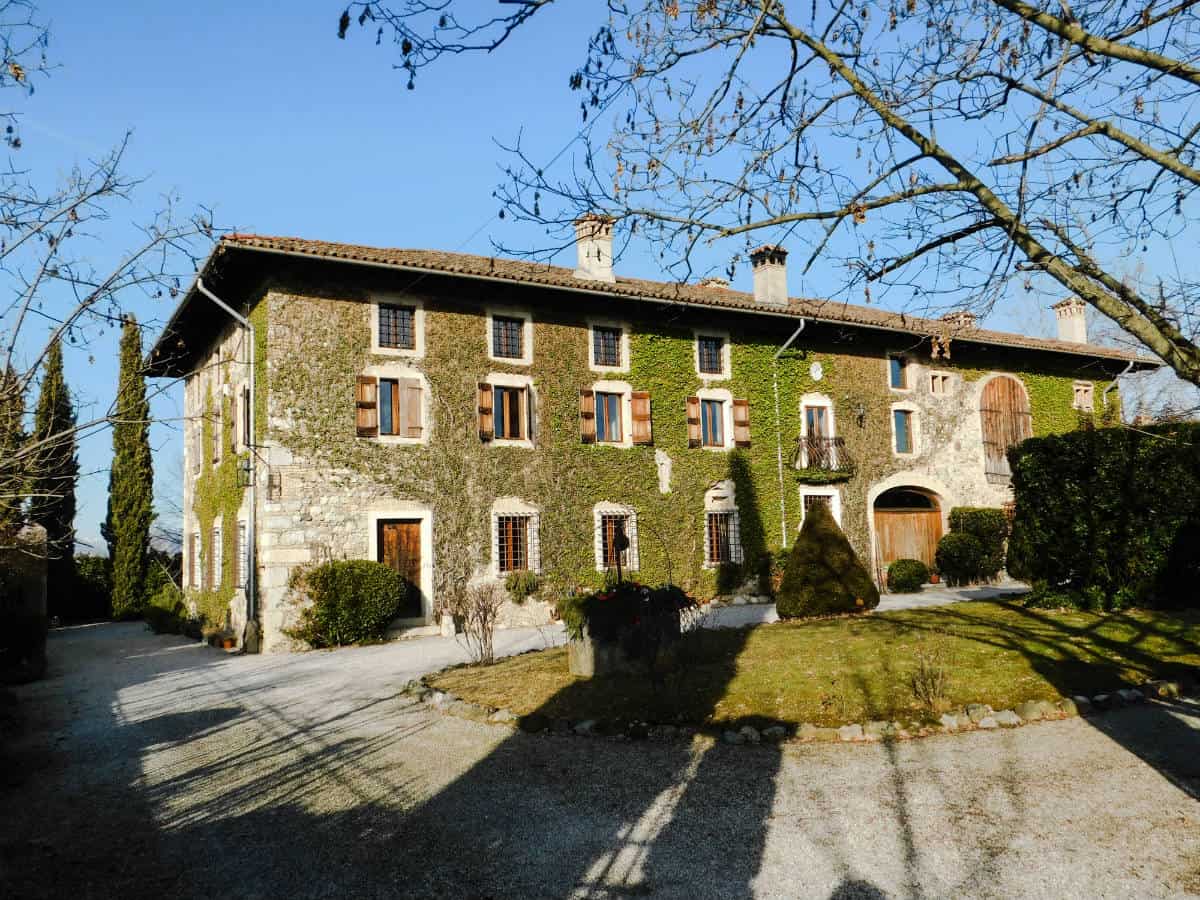
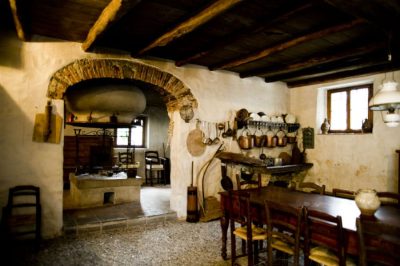
Ciase Cocél instead is a real insight into the rural life in the last century. This is not simply an ethnographic museum, here we really enter into the life of an ancient rural farmhouse. In the building, built entirely in the Sassi, you relive all the rites of peasant life in Friuli of the early twentieth century.
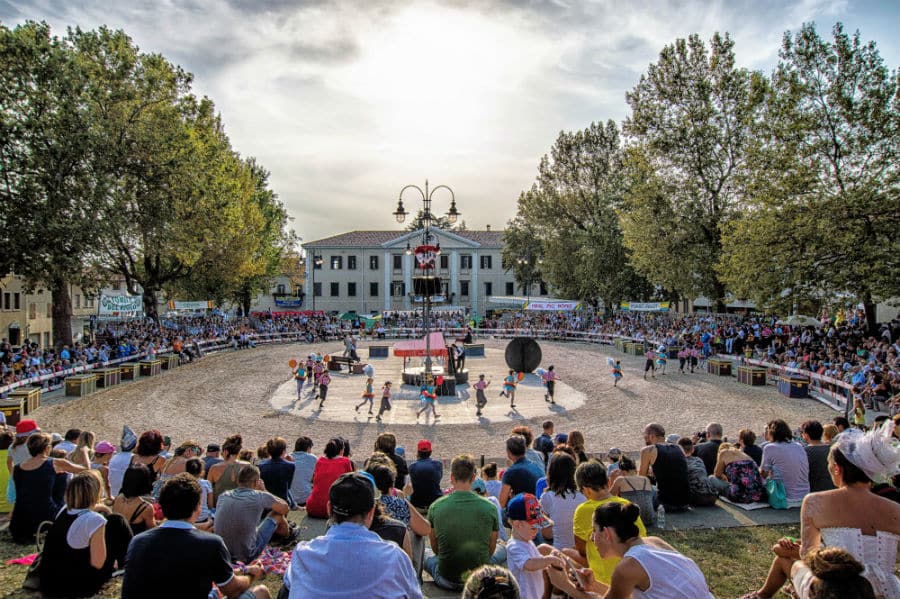
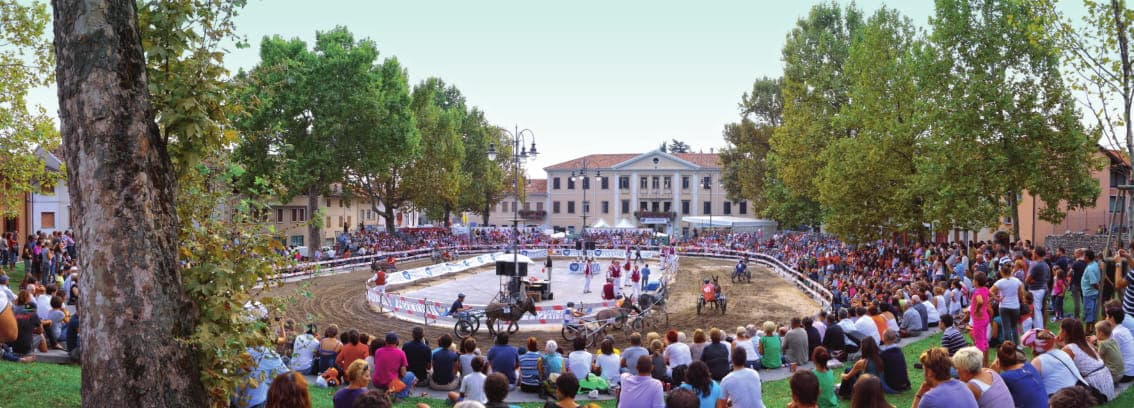
Every first Sunday of September, from 1891, in piazza di Fagagna takes place the traditional stroke of the donkeys.
Village of Fagagna
Municipality of Fagagna
Province of Udine
Friuli Venezia Giulia Region
Population: 6.048 fagagnesi o fagagnoti
Altitude centre: 177 m s.l.m.
the Municipality is part of:
I Borghi più belli d’Italia
Unione Collinare
Comunità collinare del Friuli
Protected natural areas:
Oasi Naturalistica dei Quadris
Municipality
Piazza Unità d’Italia 3 – Tel. +39 0432 812111
BY CAR
- Traveling on the highway, the closest exits to the center of Fagagna are:
– Udine Nord exit (A23 Palmanova-Treviso)
– Exit Gemona – Osoppo (A23 Palmanova-Treviso)
ON THE TRAIN
- Udine station
- Codroipo station
BY PLANE
- Trieste airport
- Treviso airport
- Venice Marco Polo Airport
What to see in Fagagna
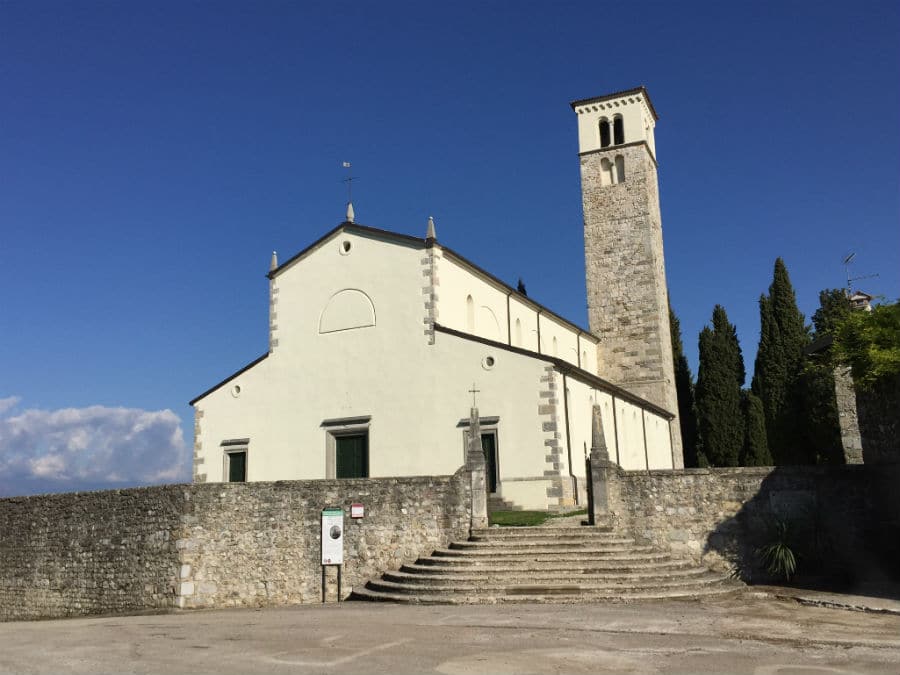
Discover what to see in Fagagna among monuments, scenic views, museums, churches and symbolic places of the village. A useful selection to plan your visit and explore the area.
News and stories about “Fagagna”
Insights and stories from the area, to keep discovering.