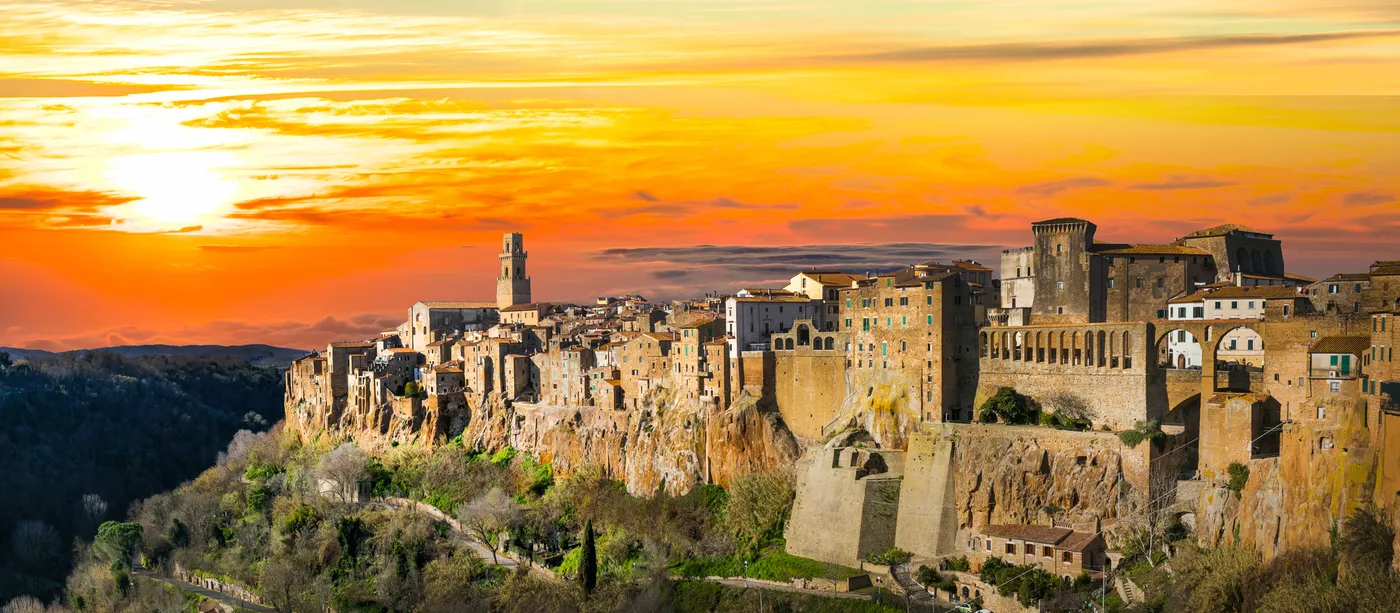
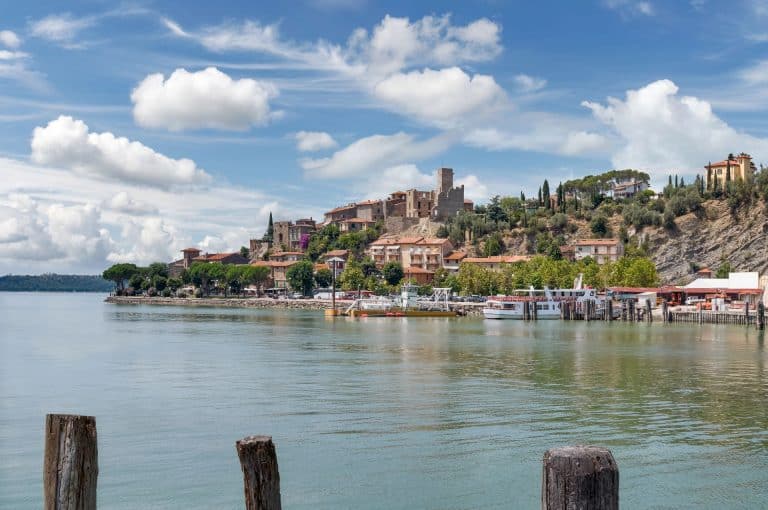
 Passignano sul Trasimeno
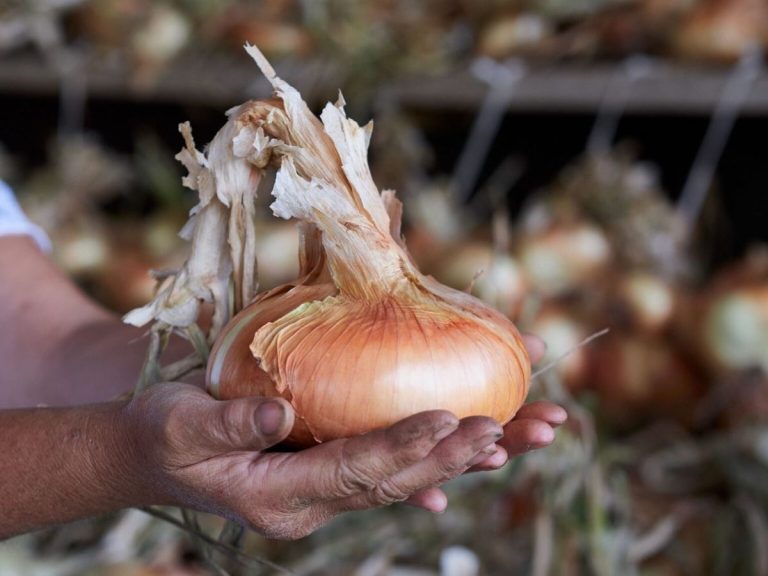 La Bionda in Tavola: Drubiaglio Onion Festival
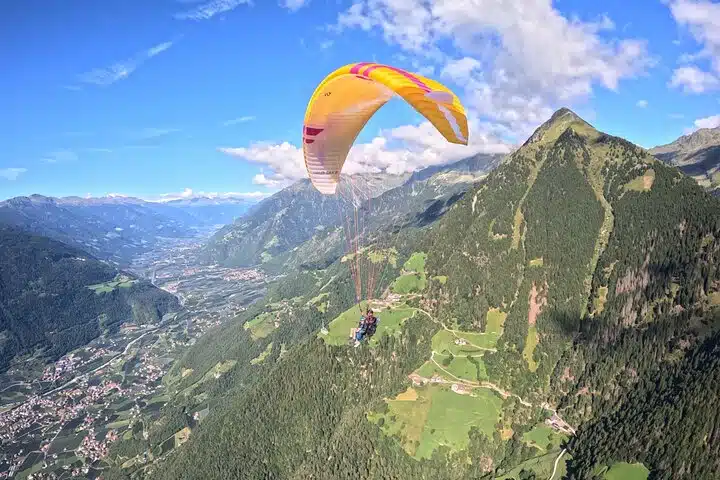 Tandem paragliding flights in Tirolo and Merano: the thrill of flying over the Alps
 Recipe: Cippillato, Trivento’s iconic sweet treat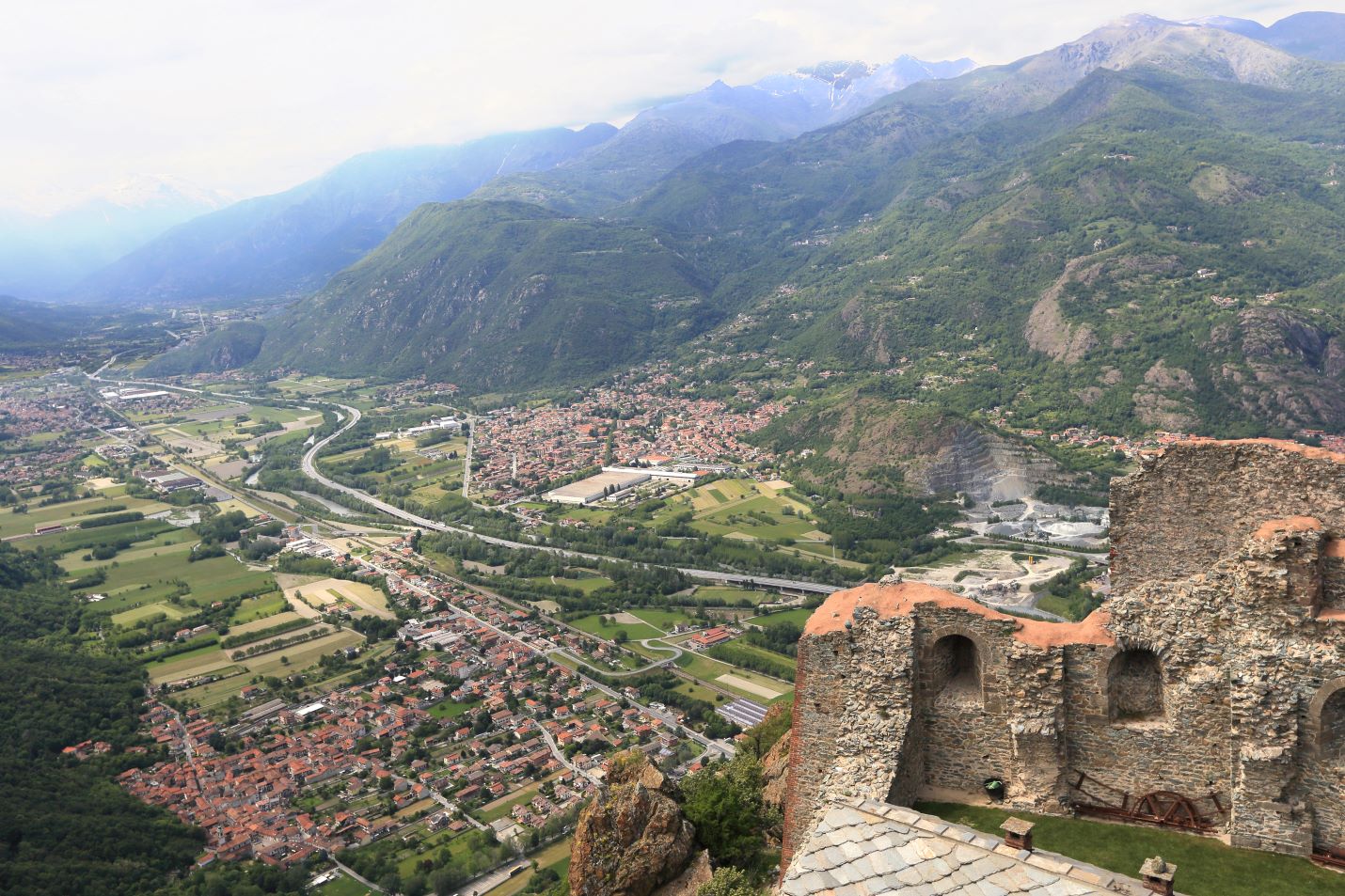
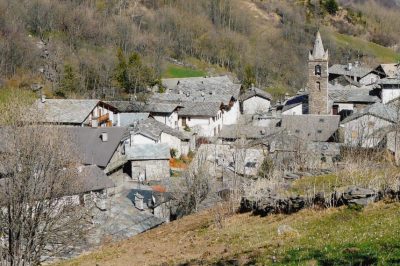
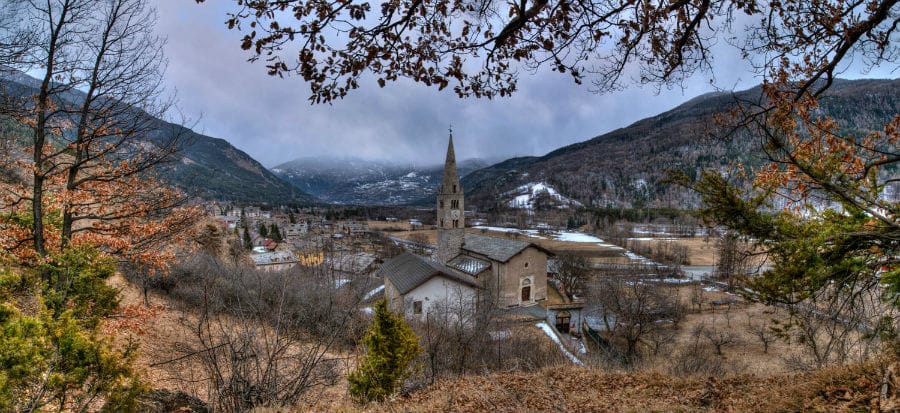
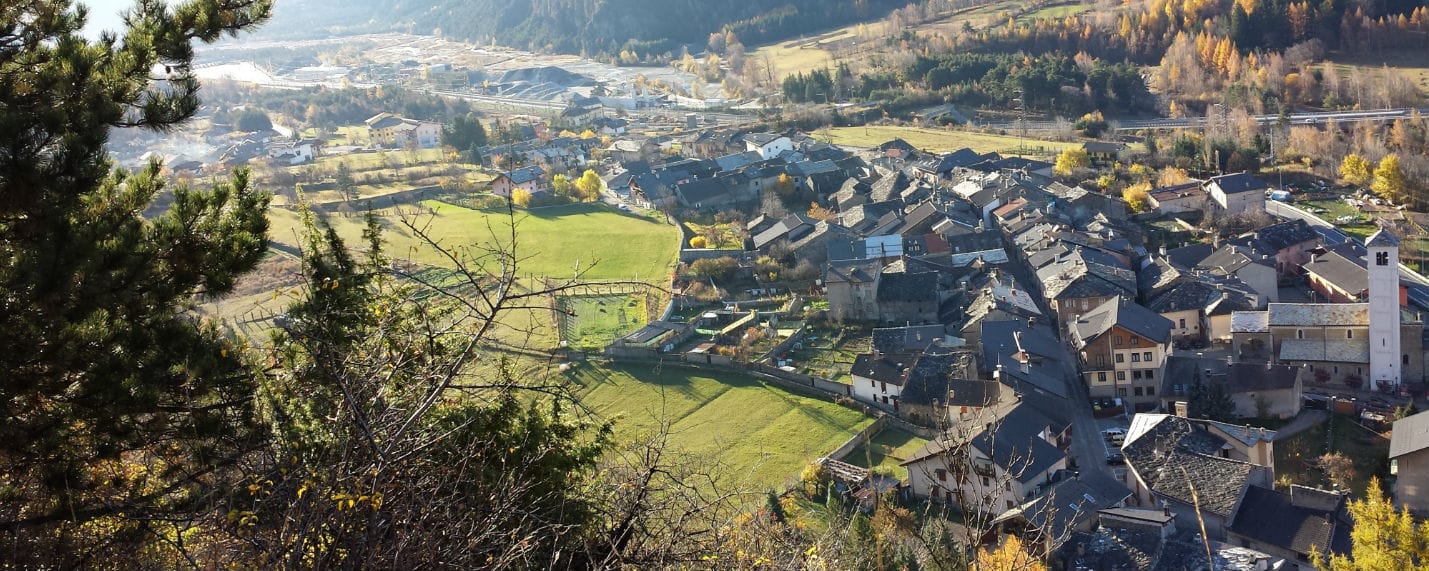
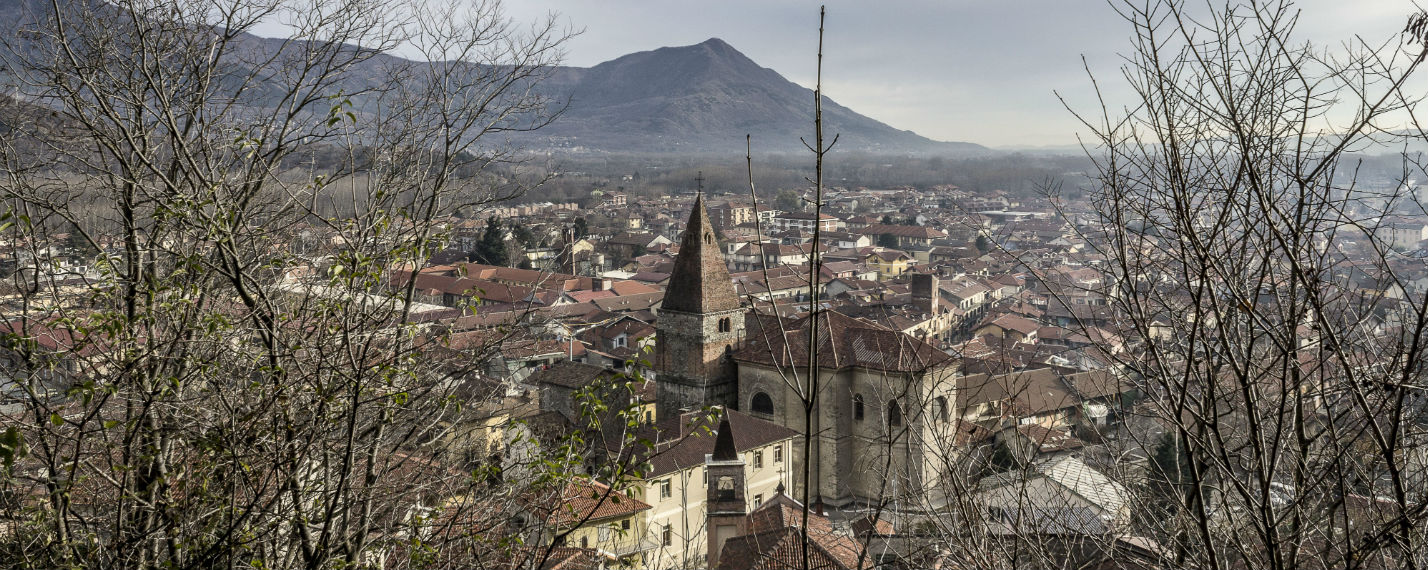
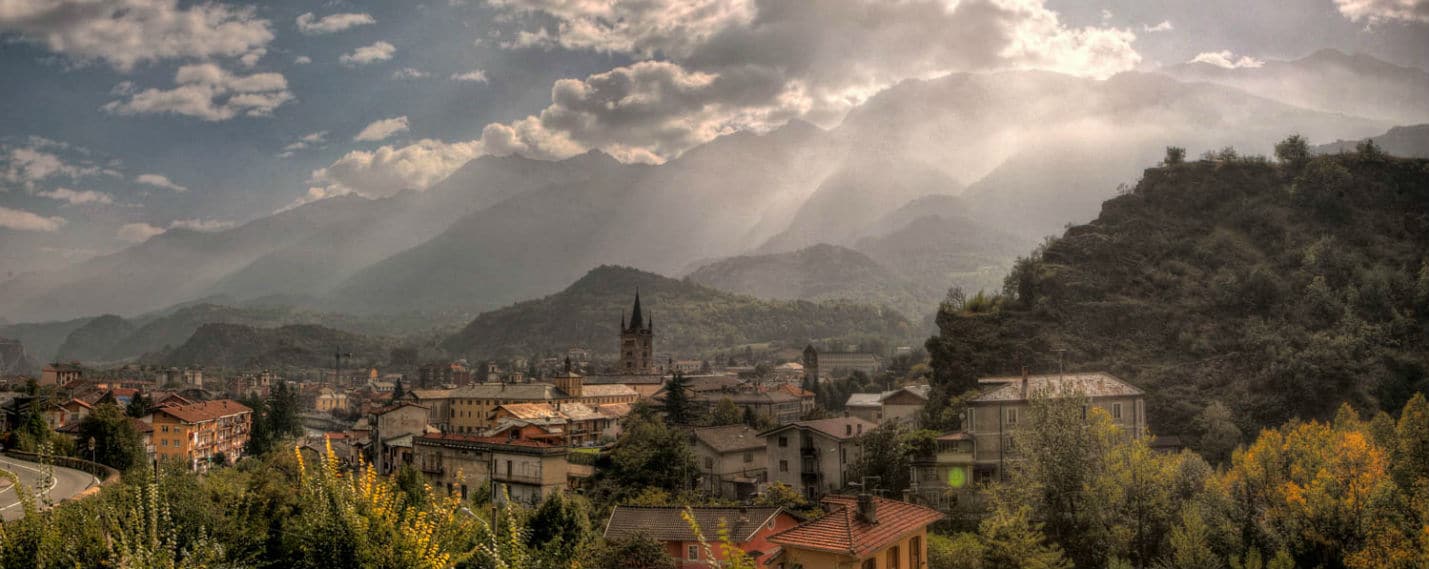
The Susa Valley, in western Piedmont, is one of Italy’s most fascinating Alpine valleys. Around 80 kilometres long, it links Turin to France via the historic mountain passes of Moncenisio and Monginevro, which have always been a crossroads for pilgrims, merchants and armies who have helped shape the history of Europe. Crossed by the Via Francigena, the valley boasts an extraordinary heritage comprising medieval villages, thousand-year-old abbeys, castles, fortifications, alpine landscapes and traditions that are still very much alive.
Visiting the Susa Valley means immersing yourself in a region where nature, culture, sport and gastronomy coexist harmoniously, offering authentic experiences all year round.
The villages of the Susa Valley
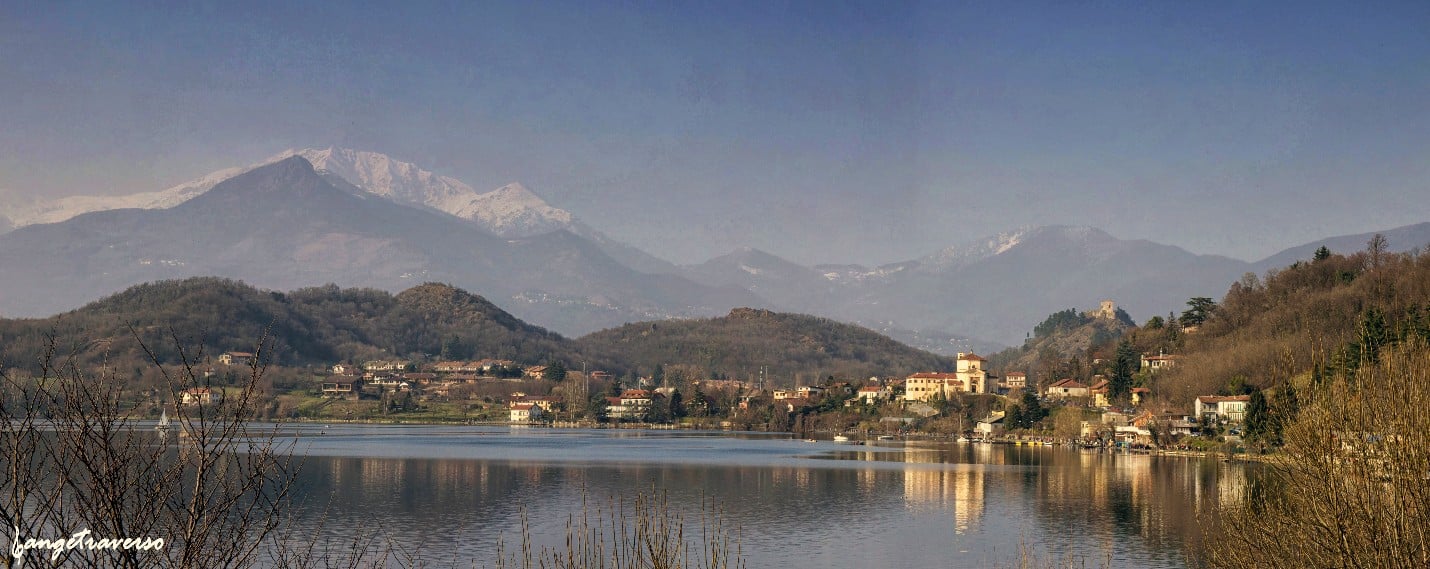
The valley is home to numerous villages and towns of great historical and scenic interest. Among the most representative is Susa, an ancient Roman city known as the ‘Key to Italy’, rich in monuments such as the Arch of Augustus, the Roman Amphitheatre and the Cathedral of San Giusto. A little further down the valley lies Avigliana, one of Piedmont’s most charming medieval villages, dominated by the ruins of its castle and overlooking the Avigliana Lakes Nature Park.
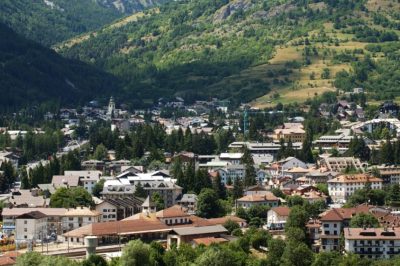
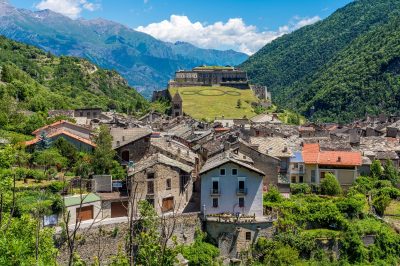
Also well worth a visit are Bussoleno, the heart of the middle valley and an important cultural centre; Novalesa, famous for its ancient Benedictine abbey; Exilles, dominated by its imposing fort; Sant’Ambrogio di Torino, the natural gateway to the valley at the foot of the Sacra di San Michele; San Giorio di Susa, with its medieval castle; Villar Dora, home to one of the best-preserved manor houses in the valley; as well as the picturesque villages of Chiomonte, Salbertrand, Oulx, Bardonecchia, Cesana Torinese, Sauze d’Oulx, Claviere and Sestriere, renowned Alpine resorts perfect in every season.
A unique historical and architectural heritage
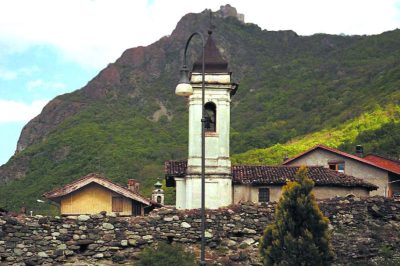
The Susa Valley is home to one of the most important historical and artistic heritages in the Italian Alps. The undisputed symbol of the area is the Sacra di San Michele, a spectacular abbey built on Monte Pirchiriano and a landmark of Piedmont, which dominates the entrance to the valley with a breathtaking view.
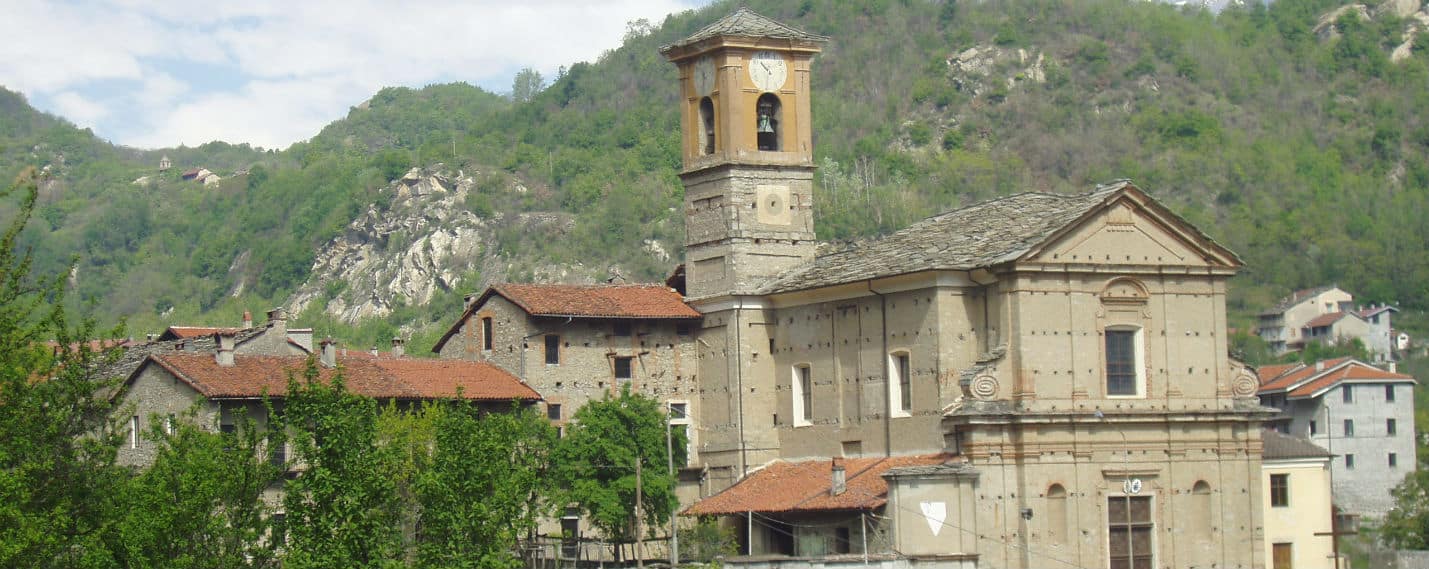
Further along the valley, you will also find the thousand-year-old Abbey of Novalesa, the Priory of Sant’Antonio di Ranverso, ancient Carthusian monasteries, Romanesque churches, sanctuaries and monastic complexes which, for centuries, have welcomed pilgrims travelling to Rome along the Via Francigena.
The Roman past comes to life in the town of Susa through the Arch of Augustus, the Roman Arena, the Porta Savoia and the imperial walls, whilst the Middle Ages have left a legacy of castles, fortified houses, refuges and towers scattered throughout the valley. Among these, the Fortress of Exilles stands out – one of the most spectacular Alpine fortifications in Europe – along with San Giorio Castle, Villar Dora Castle and numerous historic buildings that recount over a thousand years of history.
Things to do in Susa Valley
The Susa Valley is an ideal destination for lovers of nature and outdoor activities.
During the warmer months, it offers hundreds of kilometres of trails for trekking and hiking, routes for mountain biking, road cycling, horse riding, climbing, angling and itineraries dedicated to nature photography. The historic high-altitude military roads, such as the Strada dell’Assietta, the Colle del Sommeiller and the Pramand route, offer spectacular views and are among the most popular destinations for motorcycling and off-road enthusiasts.
The Avigliana Lakes Nature Park, the protected Alpine areas, the streams, lakes and mountain pastures also allow visitors to enjoy experiences in close contact with nature all year round.
A winter sports paradise
With the arrival of winter, Susa Valley becomes one of Piedmont’s leading ski areas. The resorts of Bardonecchia, Sestriere, Sauze d’Oulx, Cesana Torinese and Claviere, which form part of the Via Lattea ski area, offer hundreds of kilometres of slopes dedicated to downhill skiing, snowboarding and freestyle.
As well as skiing, there is no shortage of snowshoeing, cross-country skiing, tobogganing, dog sledding, Nordic walking on snow and mountain huts where you can enjoy traditional Alpine cuisine in an authentic atmosphere.
Events and traditions
The Susa Valley boasts a rich heritage of folk traditions that are brought to life throughout the year through festivals, historical re-enactments and folk events.
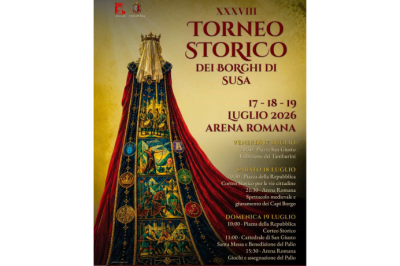
Among the best-known events are the Palio Storico dei Borghi in Avigliana, the Torneo Storico dei Borghi in Susa, the re-enactment of the Battle of the Chiuse in Sant’Ambrogio, Turin, the spectacular Soppressione del Feudatario in San Giorio di Susa and the traditional Fora l’Ours in Mompantero.
The valley’s identity is also kept alive by the Alpine choirs, marching bands, folk groups and the historic Spadonari of Giaglione and Venaus, who perform ancient ritual dances handed down through the centuries.
Authentic flavours of the Piedmontese Alps
The cuisine of the Susa Valley tells the story of its mountains through authentic produce and traditional recipes. In restaurants, farm stays and mountain huts, you can savour the famous gofri, ghinefle, cajette, mountain potatoes, alpine cheeses, honey, chestnuts and wines produced on the valley’s terraced slopes.
Every season offers new opportunities to discover the region’s authentic flavours, with food festivals, markets and celebrations dedicated to local specialities.
A region to enjoy all year round
Whether you wish to walk a section of the Via Francigena, visit ancient abbeys, explore medieval villages, enjoy outdoor sports or simply relax amidst the Alpine countryside, Susa Valley offers experiences to suit every traveller.
A region rich in history, culture, spectacular landscapes and authentic traditions, capable of surprising visitors in every season and offering a journey into the very heart of the Piedmontese Alps.
Ph. Depositphotos