 San Martino di Castrozza
 VIVA! Festival 2026
 Tandem paragliding flights in Tirolo and Merano: the thrill of flying over the Alps
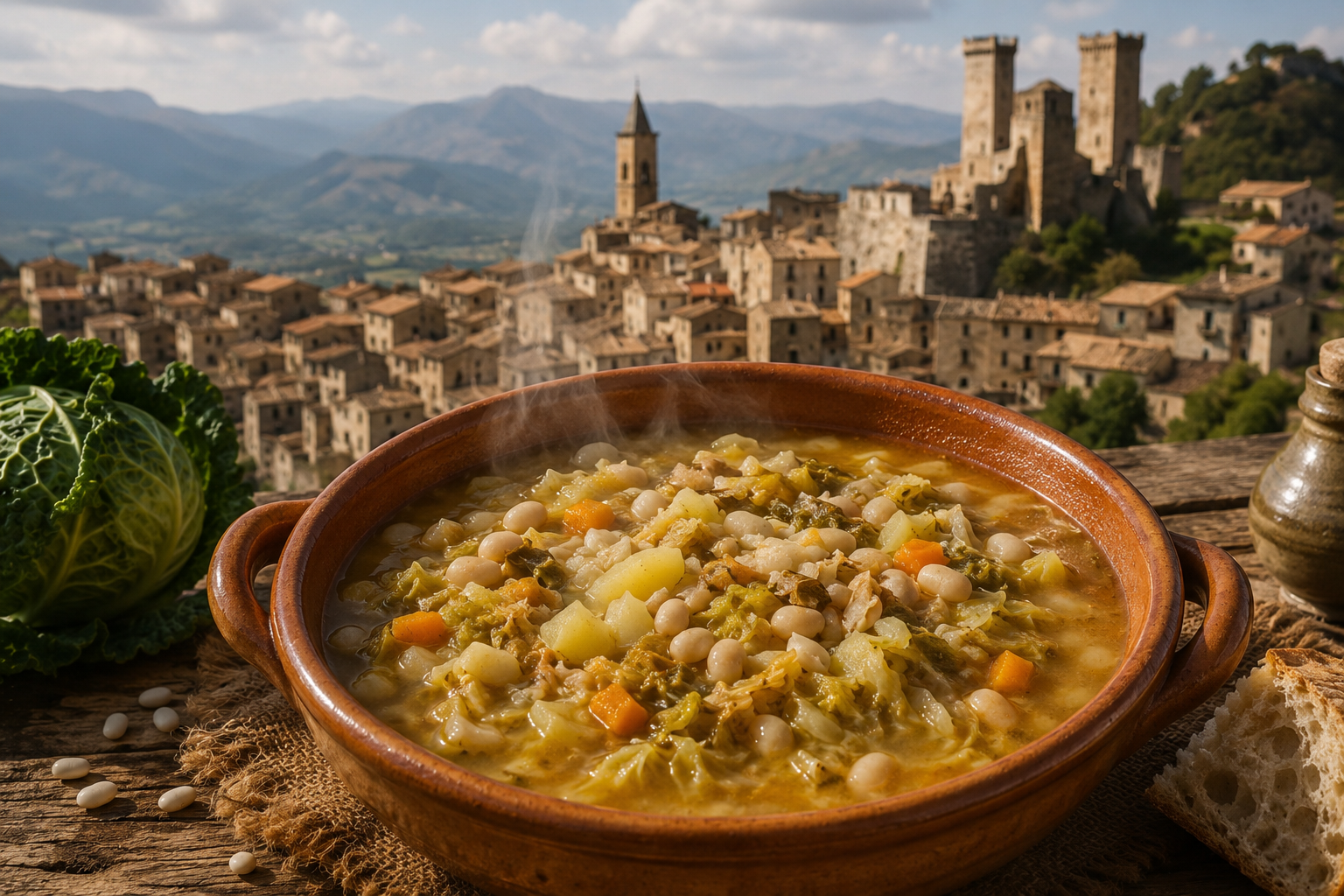 Recipe: Polta di Pacentro, the peasant dish that symbolises the traditions of Abruzzo
In a village perched on the Umbrian hills, a grandmother named Assunta opens the gate to her vegetable garden at six in the morning. She gathers borage petals still damp with dew and arranges them on a ceramic plate beside the spelt soup. No written recipe, no cookbook — just a tradition passed down from her mother, and before that, from her grandmother. Flowers on a plate have adorned the traditional cuisine of Italian villages for centuries, yet many of us have forgotten this beautiful custom. And for those wishing to give a special gift to a loved one, a birthday bouquet for a friend is a warm and unforgettable gesture — because flowers speak without words.
I find it fascinating to think that a single marigold petal on a peasant soup holds more history than many Michelin-starred dishes. In this article, you’ll discover forgotten traditions, learn which flowers you can safely use in the kitchen, find out where to source them and — above all — what mistakes to avoid. Whether you have a vegetable patch, a balcony or simply a curiosity, here you’ll find everything you need to bring flowers to your plate.
The ancient tradition of serving flowers on the plate in Italian villages
The history of flowers on the plate in Italian villages began long before Instagram and gourmet cuisine. The Romans added rose and violet petals to banquets, steeped them in wine, and mixed them with honey to create fragrant desserts. Apicius, in his famous cookbook, describes sauces made with rose petals and broths flavoured with mallow.
In the Middle Ages, monks cultivated marigolds, mallow and borage in the monastery gardens. They used them for healing broths, digestive decoctions and poultices. Housewives in the villages of the Apennines, Tuscany, Liguria and Sicily took this knowledge and transformed it into everyday recipes — fritters, soups and preserves.
Here’s the thing: every village had its own flowers and its own dishes. In Piedmont, families used to make sweet fritters with acacia flowers in May. In Lazio, grandmothers would stuff courgette flowers with ricotta and anchovies for Sunday lunch. In Trentino, elderflower syrup was a staple of children’s summer snacks. In Liguria, borage fried in batter was — and still is — an irresistible street food.
This tradition is not just about aesthetics. Edible flowers provide antioxidants, vitamins A and C, flavonoids and bioactive compounds. Marigolds contain carotenoids. Borage provides gamma-linolenic acid. Rose petals offer surprising amounts of vitamin C. The grandmothers in the villages didn’t know these names, but they knew those flowers were good for you — and they were right.
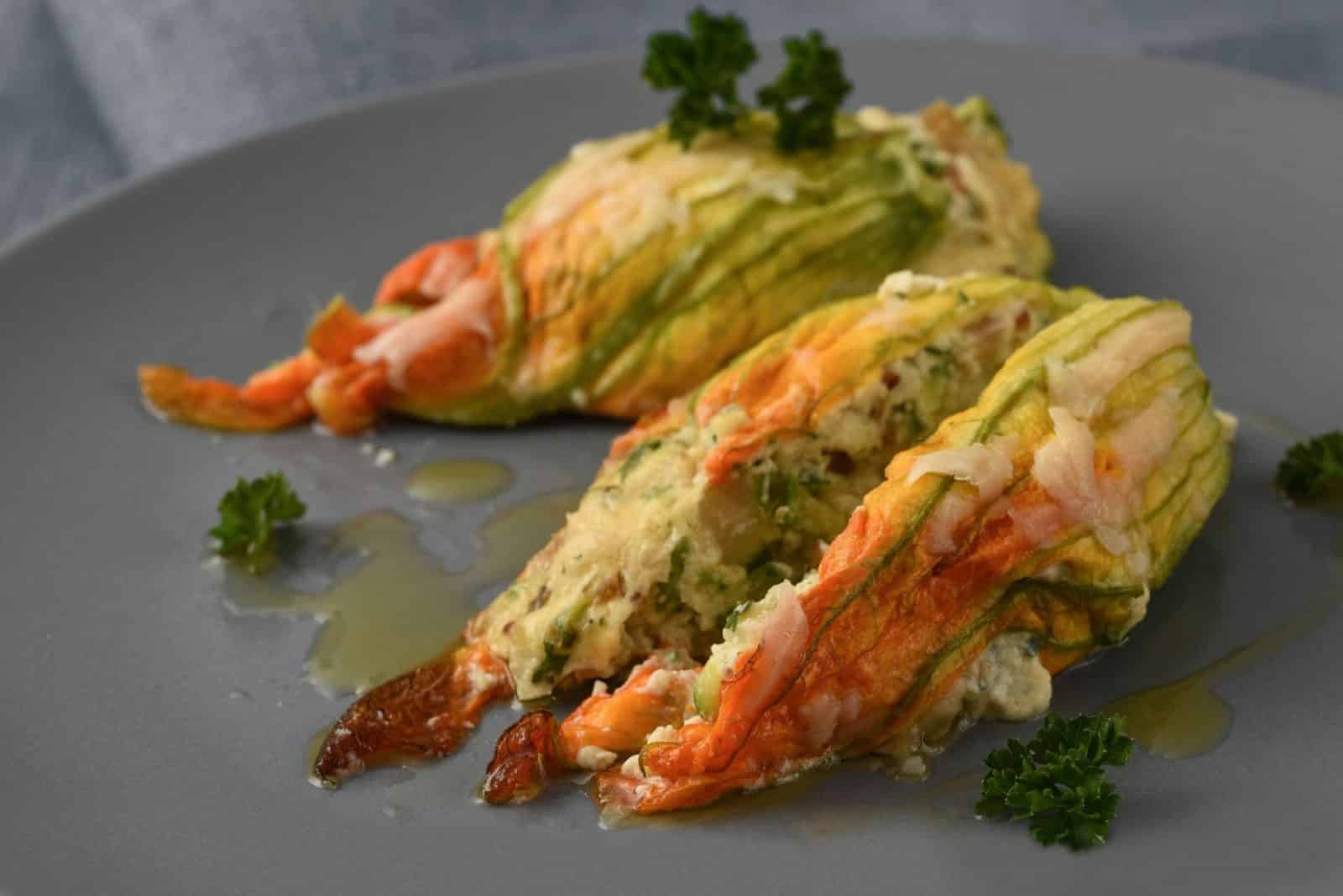
Fiori di zucca
Which flowers decorate (and add flavour to) traditional dishes
In traditional Italian cuisine, not all flowers are the same. Each flower has its own specific flavour, colour and use. I have grouped the most important ones by flavour profile, so you can find your way around straight away.
Flowers with a sweet and delicate flavour — rose, violet, lavender, elderflower
The rose dominates Sicilian confectionery with its fragrant water. Pastry chefs in Erice and Modica use it in cassata and almond desserts. In Liguria, some families still make rose petal jam, a ruby-coloured gem with an unmistakable flavour.
Candied violets have adorned cakes and desserts in Tuscan villages since the Renaissance. Fresh, they enrich spring salads with a delicate floral touch and an eye-catching colour.
Lavender adds its fragrance to biscuits from the Ligurian hinterland and southern Piedmont, areas where tradition blends with Provençal influences. Flavoured lavender honey is a typical product of these regions — perfect on fresh cheeses.
Il sambuco è il re delle frittelle dolci. Dal Trentino all’Appennino emiliano, a maggio le famiglie raccolgono i grappoli bianchi e li tuffano nella pastella. Gli sciroppi e i liquori di sambuco restano una tradizione viva, trasmessa di generazione in generazione.
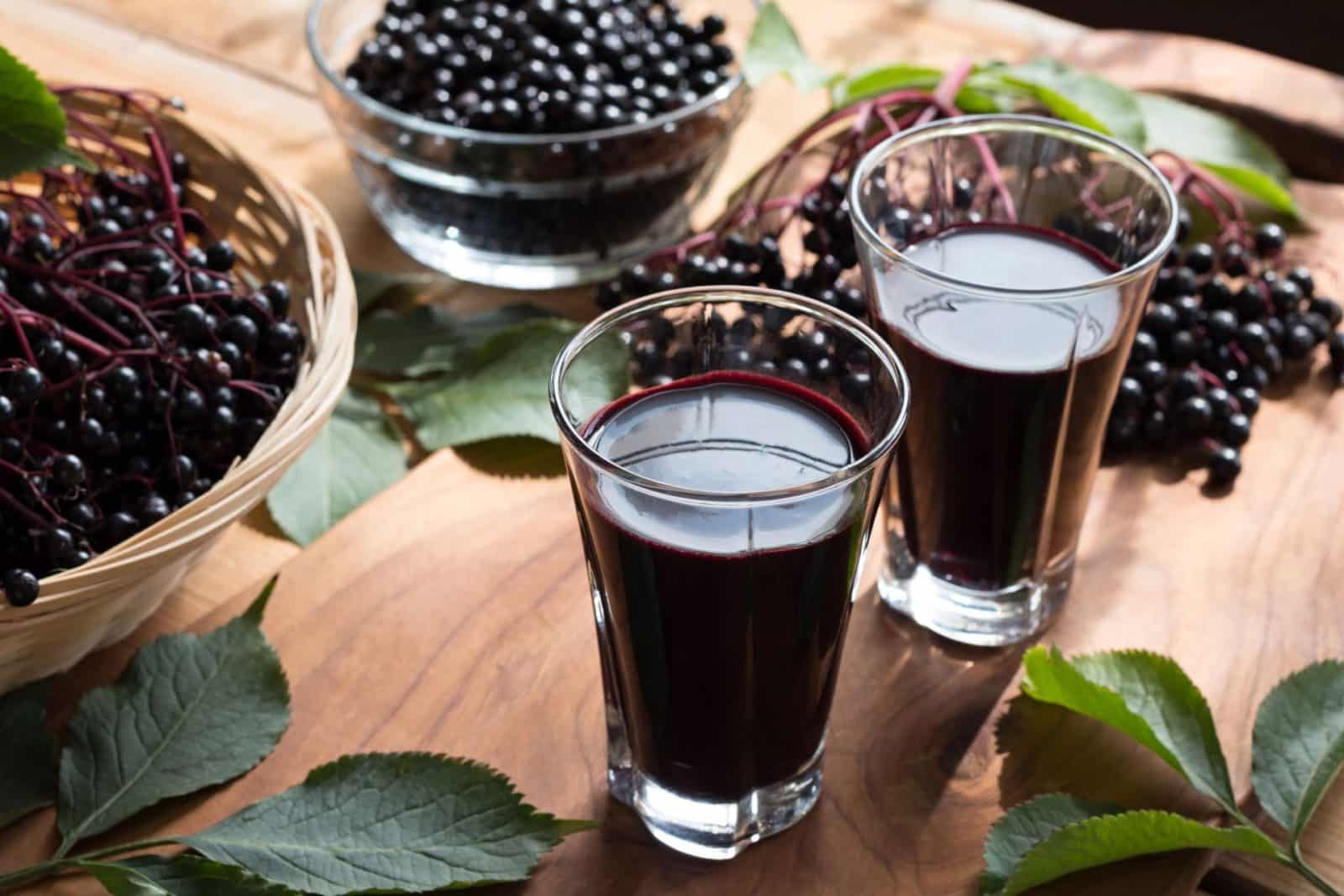
Sambuco
Pungent and spicy flowers — nasturtium, chives, carnation
The nasturtium has a lively flavour, similar to watercress, with a peppery note that awakens the palate. Village cooks add it to rustic salads and scatter it over bruschetta topped with fresh tomatoes. Its colours — orange, red, yellow — transform any dish into a work of art.
Chive flowers offer a delicate onion flavour, perfect on omelettes, fresh cheeses and boiled potatoes. Simply separate the small purple flowers from the cluster and scatter them over the dish.
The carnation (the flower, not the spice) brings spicy and slightly sweet notes. In the villages of Central Italy, they use it in fruit compotes and aromatic vinegars — preparations that require patience and taste of home.
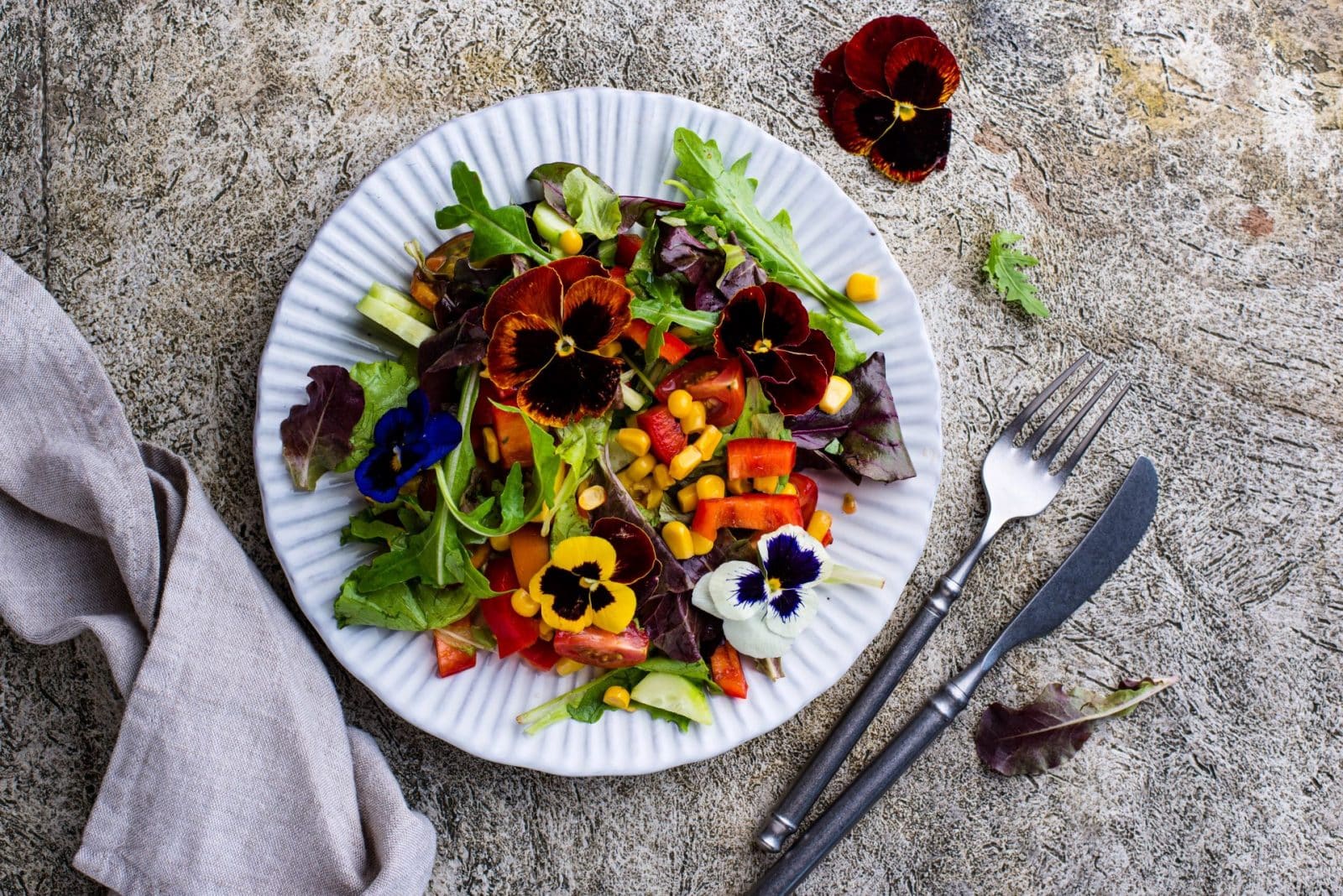
Insalata di nasturzio
Bitter and aromatic flowers — marigold, dandelion, borage, mallow
The marigold is known as ‘the poor man’s saffron’. In villages where saffron was an unaffordable luxury, housewives used marigold petals to give risottos and soups a deep yellow colour. I find it remarkable how rural ingenuity has come up with such elegant solutions to scarcity.
The dandelion brings flowers and leaves to the peasant table. Dandelion omelettes and bitter spring salads are a classic of rural cuisine — a cleansing dish that marks the transition from winter to summer.
Borage fried in batter is the signature dish of Ligurian village cuisine. The star-shaped blue flowers, crisp on the outside and soft on the inside, vanish from the plate in seconds. In Genoa and the inland villages, you can still find them in fry-ups and family-run trattorias.
Mallow has a delicate, almost neutral flavour and a long history in Italian herbal tradition. Grandmothers used it for soothing herbal teas and as a light garnish on vegetable dishes.
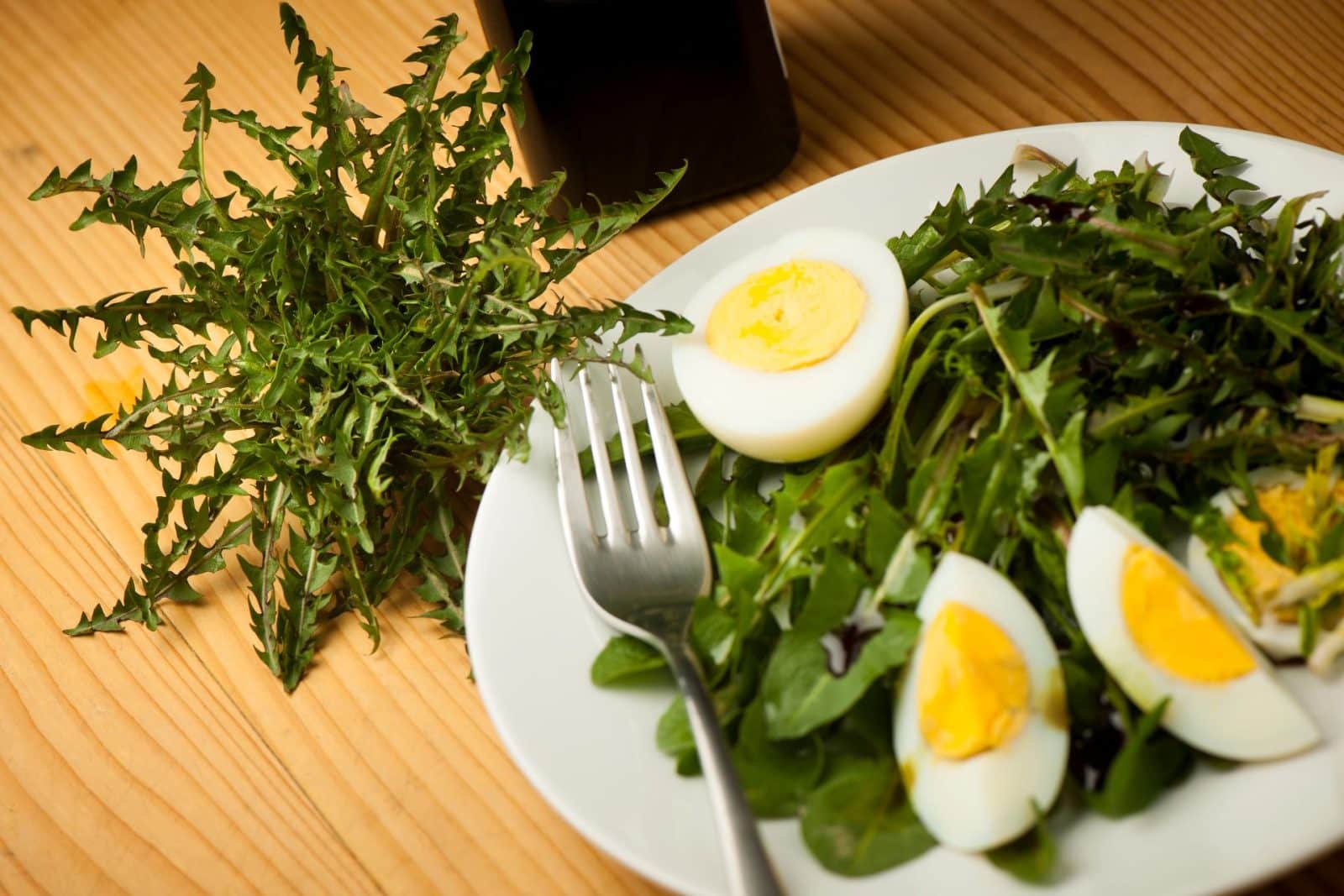
Tarassaco
The great classics — courgette flowers, acacia flowers, rosemary
Zucchini flowers are probably Italy’s most beloved edible flowers. In Rome, they are stuffed with ricotta and anchovies and fried until golden. In Naples, they are coated in a light batter. In Calabria, they are added to pasta with garlic and chilli. Every region has its own version, and each one swears that theirs is the best.
Acacia flowers are turned into sweet, crispy fritters — a tradition widespread from Piedmont to Veneto. Imagine a May evening, the scent of acacia in the air, the white clusters transforming into golden, sugary clouds. You’ll be surprised to learn that only a few ingredients are needed: batter, oil and freshly picked flowers.
Rosemary flowers are small but intense. They have the same aroma as the plant, concentrated in miniature. They adorn focaccia, roast lamb and baked potatoes with a touch of purple-blue that makes everything look more appetising.
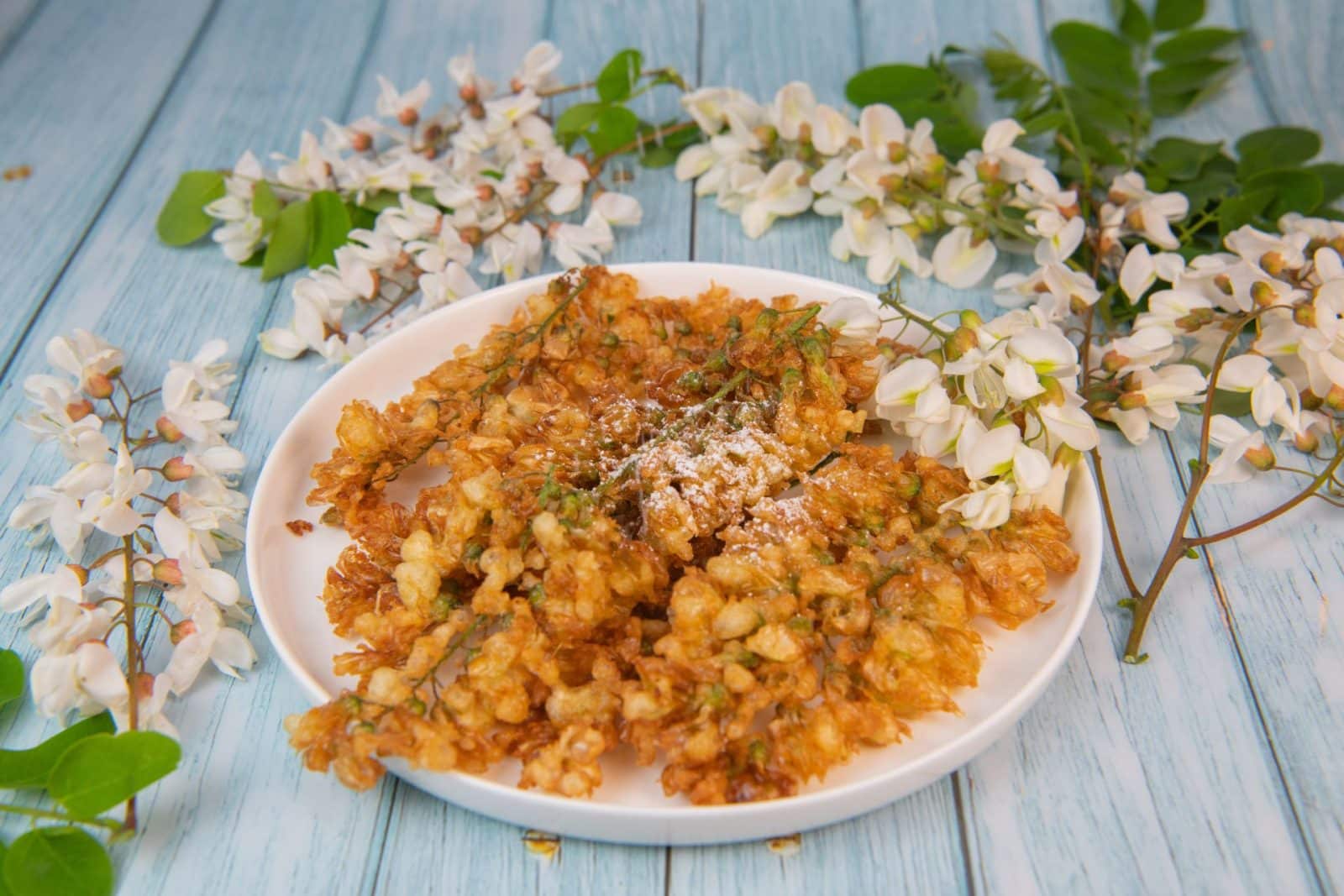
Fiori di acacia fritti
Where to find edible flowers in Italy — and where you should never pick them
Finding edible flowers in Italy isn’t difficult, but it does require a bit of care. Farmers’ markets and weekly street markets are the best places to look: speak directly to the growers, ask how they care for the plants, and check that they don’t use pesticides. Organic farms — which are becoming increasingly common — sell fresh edible flowers, often online with same-day delivery.
A home vegetable garden remains the safest and most rewarding source. Grow nasturtiums, marigolds, borage and pansies in pots or in the ground: they’re easy to grow and will provide you with flowers all season long.
By the way, here’s the golden rule: never pick flowers by the roadside, near fields treated with pesticides or in public parks where local authorities use weedkillers. These flowers absorb toxic substances invisible to the naked eye.
Only buy flowers certified for food use. Flowers from a traditional florist — those sold as ornamental — undergo chemical treatments unsuitable for consumption. Never put them on your plate.
Spring and early summer offer the widest variety. In autumn, marigolds, edible chrysanthemums and nasturtiums last well, with nasturtiums flowering until the first frosts arrive.
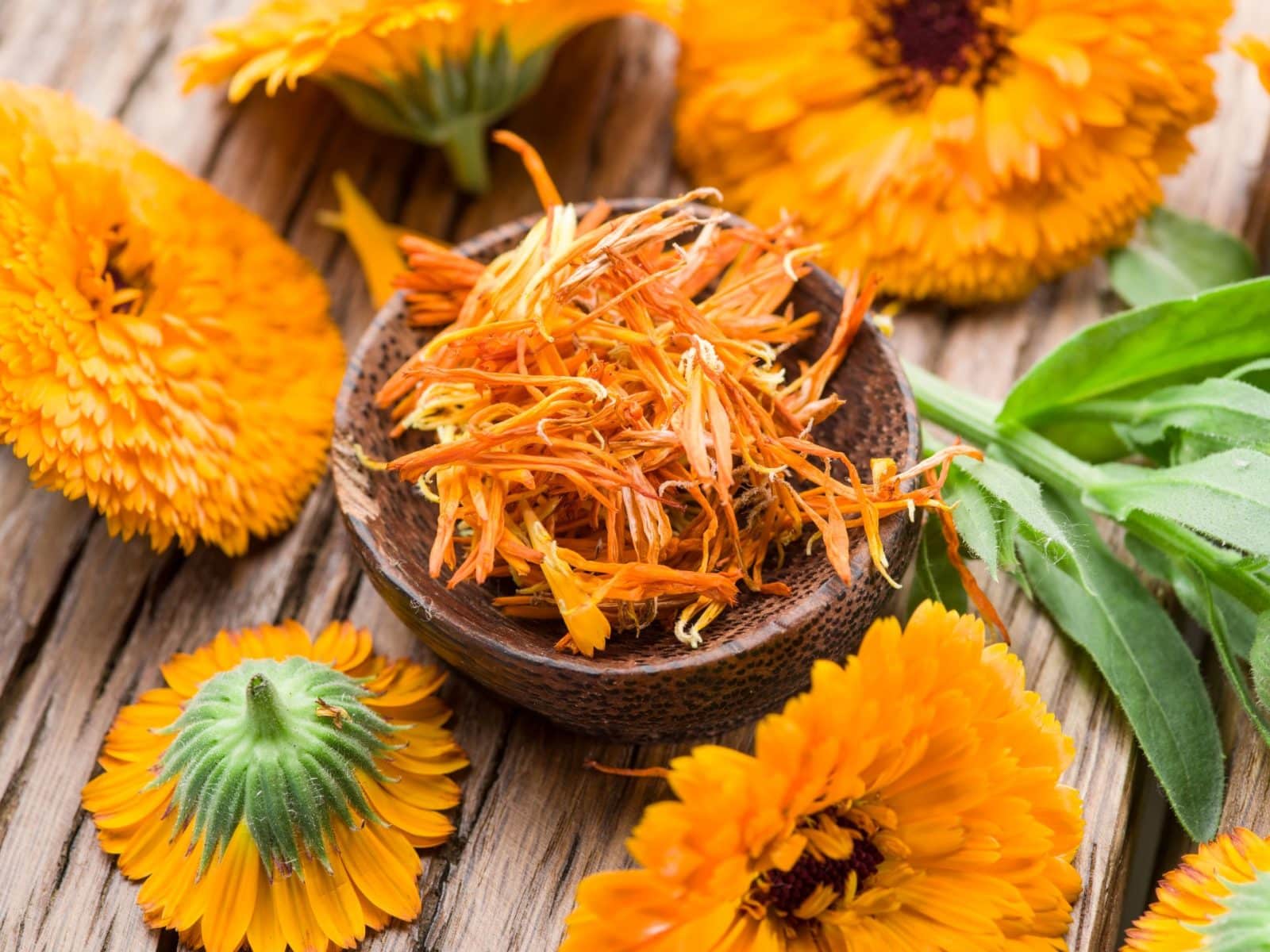
Fiori di calendula
How to store edible flowers — practical tips for the Italian climate
Preserving edible flowers in the Italian climate — especially in summer — requires a few practical tips. Pick or buy the flowers early in the morning, between 7am and 9am, when the dew has dried but the sun hasn’t yet warmed the petals.
Here’s how to do it, step by step:
- Wrap the flowers in a sheet of slightly damp kitchen paper.
- Place everything in an airtight container and refrigerate at around 4 °C.
Use the flowers within 2–3 days for the best flavour and appearance. - Avoid washing them under a strong running tap — gently immerse them in a bowl of cold water and pat them dry with kitchen paper.
- Keep them out of the fridge for as short a time as possible when temperatures exceed 30 °C.
- Add the flowers to the dish just before serving, so they retain their colour and texture.
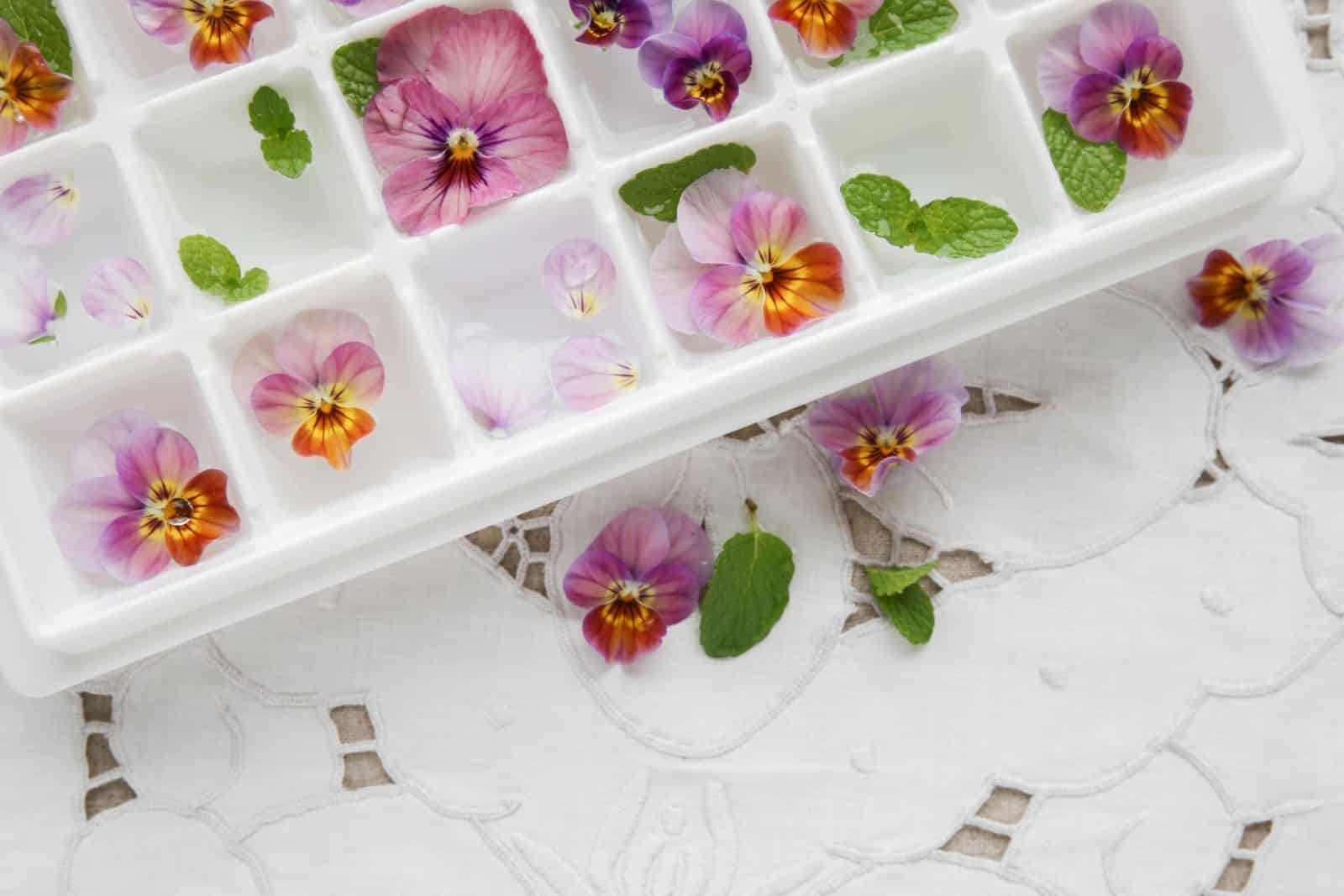
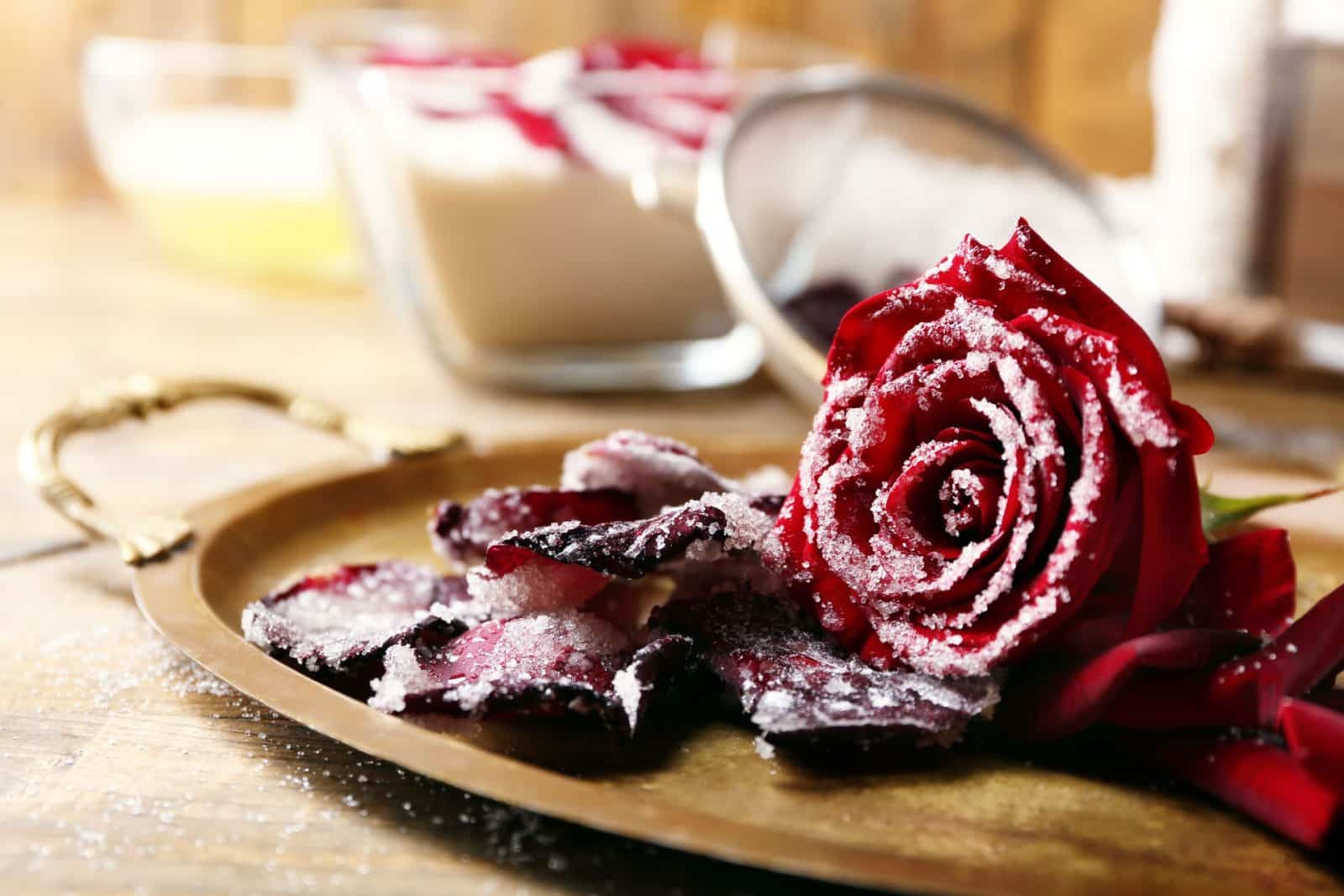
To keep them fresh for longer, you have two excellent options. The first: brush them with beaten egg white and dust them with fine caster sugar — they’ll dry within 24 hours and last for weeks. The second: freeze the petals in ice cubes — they’re perfect for cocktails, flavoured waters and summer slushies.
Common mistakes when using flowers in dishes — and how to avoid them
Using flowers in your dishes may seem simple, but certain mistakes can spoil the experience — or worse, cause health problems. Here are the most common ones:
- Using flowers that cannot be identified with certainty → Learn to recognise each species, or use a certified supplier. There is no room for doubt when it comes to food.
- Picking chemically treated flowers → Choose only organic flowers, either from your own garden or from growers who guarantee they are pesticide-free.
- Adding too many flowers to a dish → Remember that flowers should decorate and add flavour, not overpower. Two or three petals per serving are more than enough.
- Cooking flowers that should be eaten raw → Bear in mind that violets and rose petals lose their colour and flavour when exposed to excessive heat. The exceptions are acacia, elderflower and courgette blossom fritters, which are made specifically for frying.
- Confusing ornamental flowers with edible flowers → Bear in mind that hydrangeas, lilies of the valley, oleanders, foxgloves and daffodils are toxic. Never use them in cooking, not even as a decoration on the edge of the plate.
- Forgetting about allergies → Always inform your guests. Those with pollen allergies should test small quantities before consuming edible flowers.
Flowers on your plate for every occasion — from Easter lunch to the village festival
Flowers on the table are a feature of every season in Italy. Choosing the right flower for the season and occasion makes your table setting even more special.
Easter Sunday and Easter Monday: violets and primroses adorn the Easter pie, the coloured hard-boiled eggs and the colomba cake. Place them gently on the cake just before serving it — the contrast between the purple and the white of the icing is stunning.
Mother’s Day (second Sunday in May): scatter rose petals over a homemade cake. It costs next to nothing, but the effect is a delicate and meaningful tribute.
Ferragosto: orange nasturtiums and golden courgette flowers dominate summer al fresco meals. Add nasturtium petals to a rice salad or a Caprese salad — the peppery flavour pairs perfectly with mozzarella and tomato.
Local festivals and patron saint celebrations: many villages organise festivals dedicated to flowers in cooking, from the elderflower festival in Trentino to the courgette flower festival in Lazio. Look for the one nearest to you — honestly, it’s one of the most authentic experiences you can have.
Christmas and New Year: rosemary flowers and dried marigold petals adorn roasts, lentils and festive dishes with touches of warm colour and an enveloping fragrance.
Valentine’s Day: candied rose petals on a chocolate fondant. It really doesn’t get much more romantic than that.
Flowers and villages — a bond that reflects Italian identity
Every Italian village has its own flowers and recipes. This connection speaks to a deep-rooted identity — shaped by the land, the seasons, and the hands that work it. The flowers on the plates of these villages are not a trend started by Michelin-starred chefs: they represent a return to a traditional, rural, and feminine way of life, which women have preserved for generations.
There is a concept that experts call ‘gastronomic biophilia’ — the human need to reconnect with nature, even at the table. When you add a flower to a dish, you’re not just decorating. You’re performing an ancient gesture that speaks of care, of attention, of belonging to a place.
By the way: those who love flowers on their plates often love having them in their homes too. A fresh bouquet in the centre of the table completes the atmosphere of a lunch adorned with petals. MyGlobalFlowers works with local florists across Italy to deliver fresh floral arrangements — a simple way to bring the beauty of flowers from the plate to the living room.
I find it extraordinary how a single petal on a bowl of soup can hold so much history, so much care. Italian villages have always known this. It is up to us not to forget.
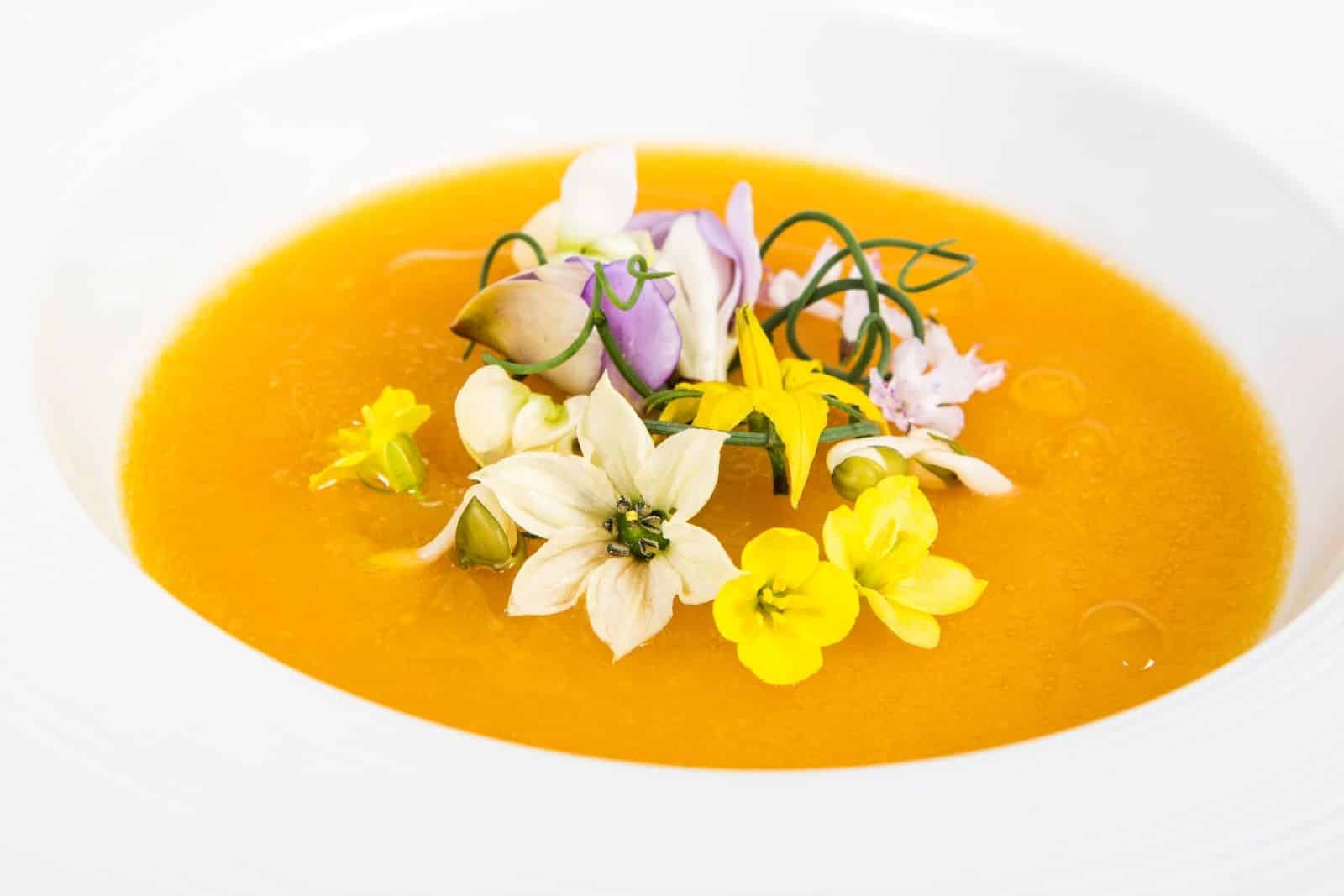
Zuppa di zucca
Conclusion
Flowers on a plate aren’t just decorations. They’re a gesture of care towards those who eat and towards a tradition that deserves to live on. Every time you add a petal to your soup, your salad or your cake, you’re continuing a story that began centuries ago in the kitchens of Italian villages — a story of women, vegetable gardens and knowledge passed down by word of mouth.
Next time you pass a flowering rosemary bush, stop. Pick a few flowers. Put them on your plate. You’ll notice the difference — not just in the taste, but in the way you look at your table.
Which flower is always present on your family’s table? Tell me in the comments. And if you’d like to bring a touch of spring into your living room too, take a look at the fresh bouquets in our catalogue.
Frequently Asked Questions
Which flowers can be safely eaten?
The safest and most common edible flowers are roses, violets, nasturtiums, marigolds, borage, courgette flowers, elderflowers and lavender. Only use flowers that are certified for food use or grown in your own garden without pesticides. If you are unsure about a particular variety, do not eat it.
Are the flowers from the florist edible?
No. Flowers sold as ornamental plants are treated with chemicals — fungicides, insecticides, preservatives — that are not suitable for human consumption. Buy edible flowers from certified food suppliers or organic markets, or pick them from your own garden. Do not make any exceptions, not even with flowers that look ‘natural’.
How do you store edible flowers in the fridge?
Wrap the flowers in slightly damp kitchen paper and place them in a sealed container. Store them at around 4 °C and use them within 2–3 days. Do not wash them before storing — wash them gently just before use.
Can children eat edible flowers?
Yes, provided they are safe and certified for food use. Start with small amounts to rule out any allergic reactions. Cooked courgette flowers and fresh violets are among the mildest and most suitable for young children’s palates.
Which flowers are poisonous and should never be used in cooking?
Oleander, lily of the valley, foxglove, hydrangea, monkshood, daffodil and tulip are poisonous — some of them highly so. Never use a flower that you cannot identify with absolute certainty. Consult reliable botanical guides or ask an expert before picking any unknown species.
In which season are there the most edible flowers in Italy?
Spring — from April to June — offers the greatest variety: violets, borage, elderflower, acacia and roses. Summer brings an abundance of nasturtiums, lavender and courgette flowers. Autumn still offers marigolds, edible chrysanthemums and the last nasturtiums before the frost sets in.
Ph. Depositphotos
Do you want to promote your business on e-borghi?
Reach travellers interested in villages, authentic experiences and quality tourism.
Discover how to become a partner