 San Martino di Castrozza
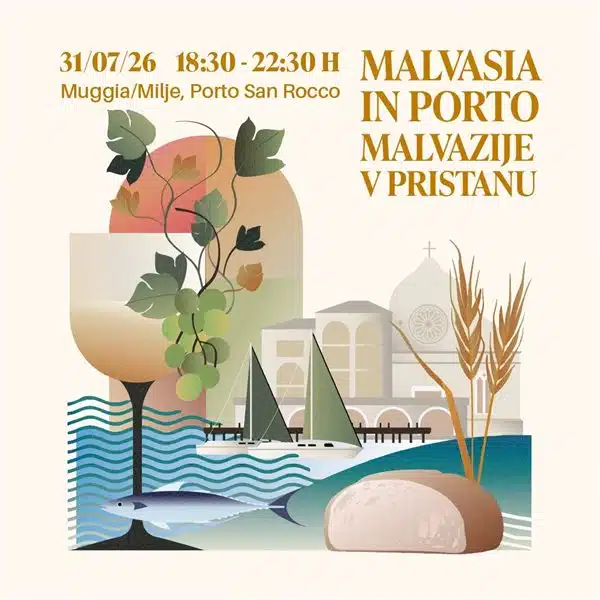 Malvasia in Porto 2026
 Tandem paragliding flights in Tirolo and Merano: the thrill of flying over the Alps
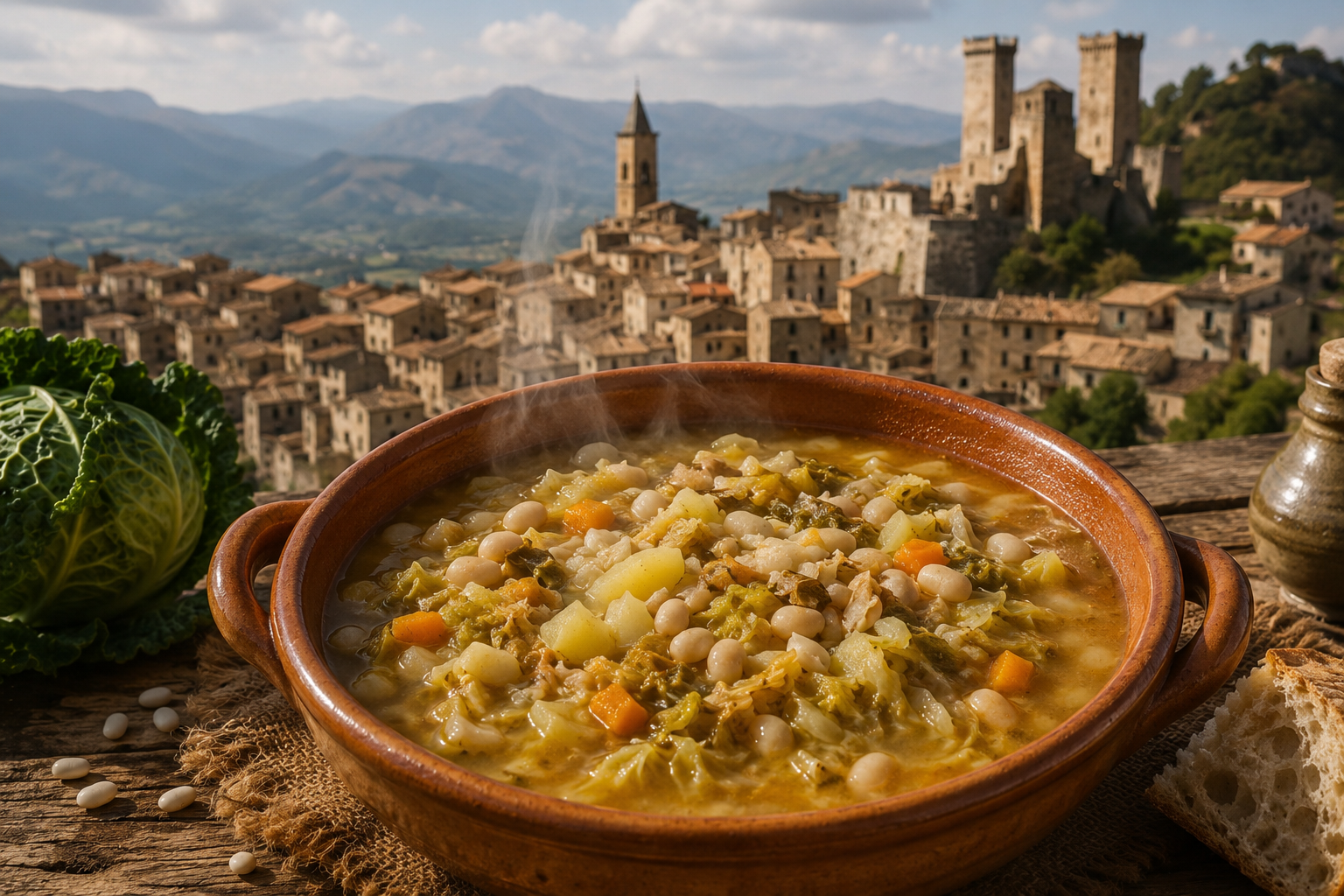 Recipe: Polta di Pacentro, the peasant dish that symbolises the traditions of Abruzzo
In the heart of South Tyrol, amid the alpine atmosphere and colourful facades of Vipiteno, canederli are much more than just a first course: they are a symbol of identity, rural heritage and conviviality. Also known as Knödel, these large rustic dumplings tell a story of simplicity and ingenuity, born from the need to waste nothing and transform stale bread into a hearty and tasty dish.
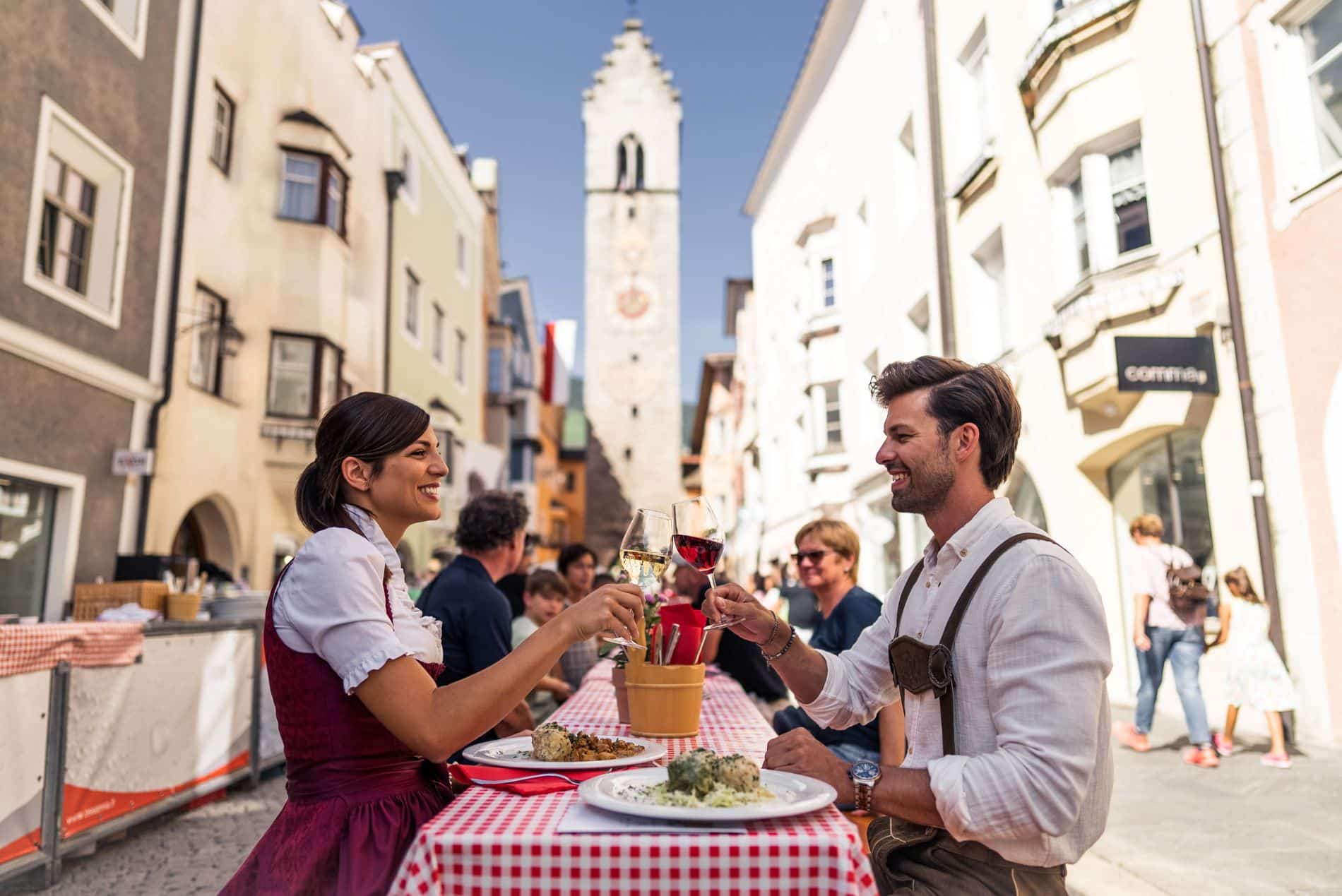
Every year, on the second Sunday in September, Vipiteno celebrates its signature dish with the Knödelfest (Dumpling Festival). One of the longest tables in the Alps is set up in the streets of the historic centre, where thousands of visitors can taste dozens of variations: with speck, cheese, spinach, and even sweet versions with apricots or plums. An event that combines gastronomy, tradition and community spirit, transforming the village into a festival of authentic aromas and flavours.
A humble dish that has become a tradition
Canederli have their roots in Tyrolean and Bavarian tradition, originating as a poor man’s dish in Central European peasant cuisine, widespread in Bavaria, Tyrol and South Tyrol.
The German term Knödel derives from ‘knot’, meaning ‘lump’, referring to the compact, round shape of these bread balls. Originally, they were simply made with stale bread soaked in milk or water and bound with eggs: a perfect example of anti-waste cuisine, when every ingredient was valued.
Over time, the recipe has been enriched: speck, mountain cheeses, parsley and chives have transformed this basic dish into a true Alpine speciality.
Ingredients
250 g stale bread, cubed
150 ml lukewarm milk
2 eggs
80 g South Tyrolean speck, diced
40 g grated cheese (or cubed)
1 tablespoon chopped parsley
Chives to taste
Salt and pepper to taste
1 tablespoon flour (if necessary)
Meat broth or melted butter for serving
Procedure
Place the stale bread in a large bowl and pour the warm milk over it. Leave to rest for about 10 minutes. Meanwhile, prepare the mixture.
Combine the eggs, speck, cheese, parsley and chives. Season with salt and pepper and mix with your hands until the mixture is compact. If the dough is too soft, add a tablespoon of flour.
With slightly damp hands, form balls the size of a tennis ball.
Bring a pot of salted water or light broth to a boil. Lower the heat and gently immerse the dumplings. Cook for about 12-15 minutes: they will be ready when they rise to the surface.
Traditionally, they are enjoyed:
-In hot broth on winter days.
-Dry, with melted butter and sage.
-In some variations, accompanied by sauerkraut or cabbage salad.
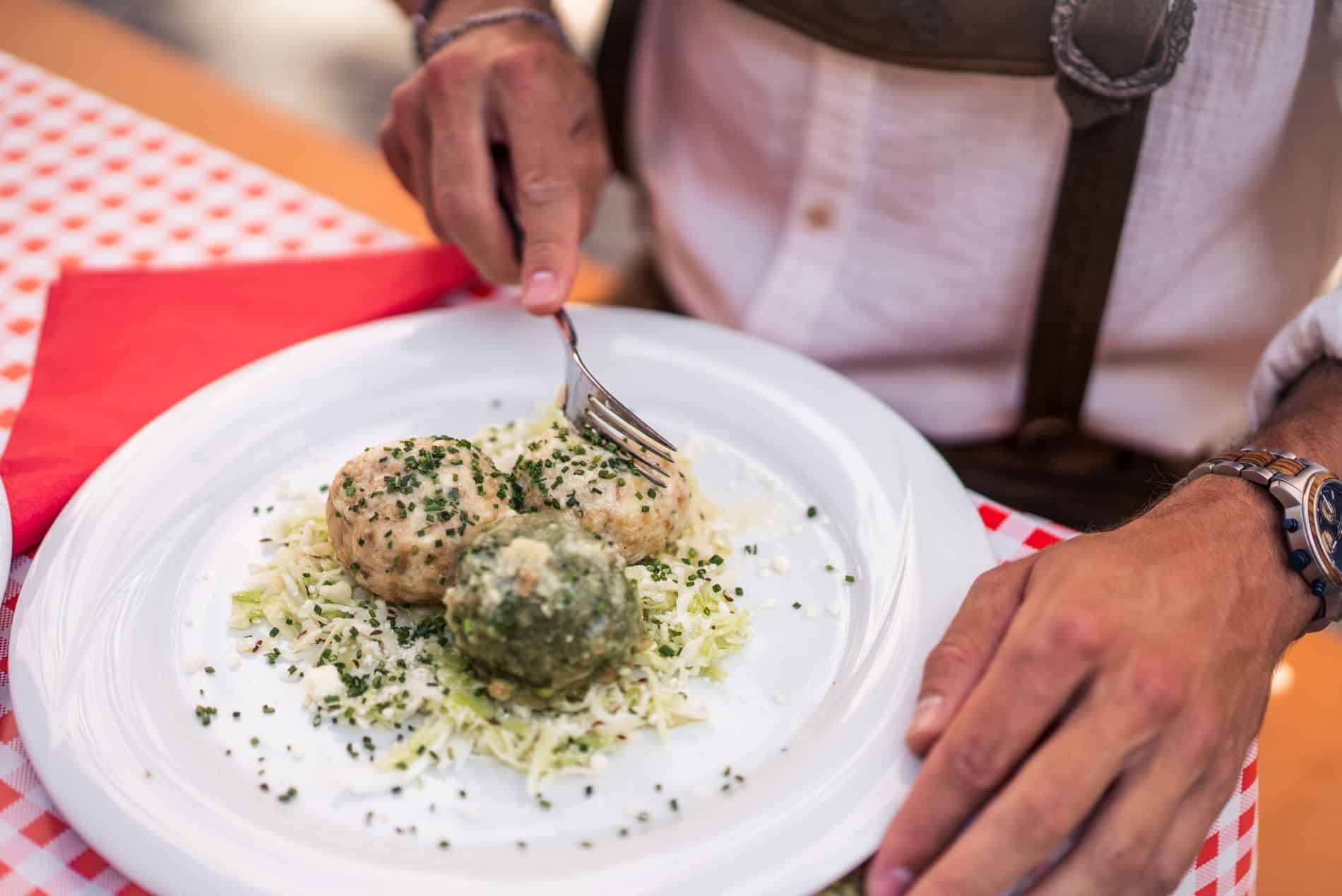
In South Tyrol, they are often prepared throughout the year, but are particularly popular in the cold months, when the alpine climate calls for warm, hearty dishes.
A dish born out of simplicity that today tells the story of a border region where Italian culture and Tyrolean tradition meet. Preparing them at home means bringing the warmth of mountain stoves and the scent of South Tyrolean mountain huts to the table.
Bite after bite, it’s like taking a trip through the streets of Vipiteno, among the snow-capped peaks and convivial tables of its most beloved festival.
In collaboration with: Società Cooperativa Turistica Vipiteno Val di Vizze Campo di Trens
Do you want to promote your business on e-borghi?
Reach travellers interested in villages, authentic experiences and quality tourism.
Discover how to become a partner