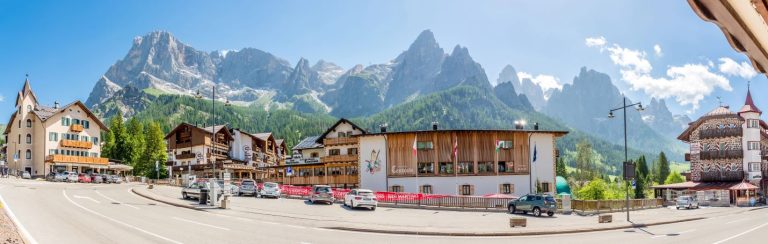
 San Martino di Castrozza
 Malvasia in Porto 2026
 Tandem paragliding flights in Tirolo and Merano: the thrill of flying over the Alps
 Recipe: Polta di Pacentro, the peasant dish that symbolises the traditions of Abruzzo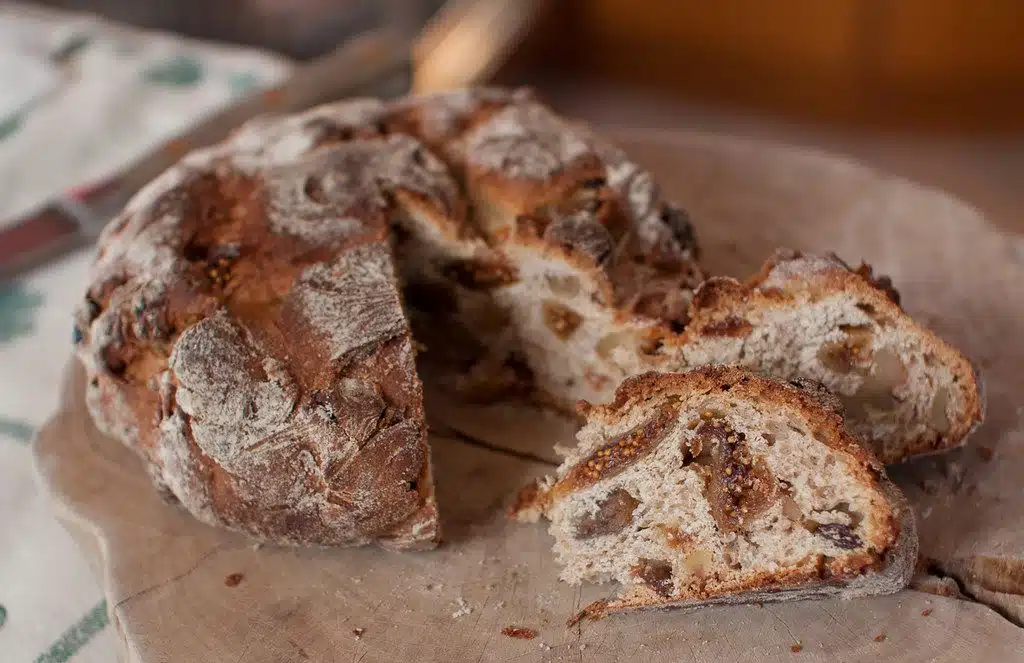
Valtellina, a long Alpine valley in Lombardy nestled between the peaks of the Orobie and Rhaetian Alps, is a land of ancient traditions, terraced vineyards, mountain villages, and rich, authentic cuisine. Here, where winters are cold and nature imposes a slow pace, some of the most iconic desserts of Alpine gastronomy were born. Among these, Bisciola stands out, a rustic and fragrant sweet bread that has its roots in a past suspended between legend and reality.
Eaten mainly during the Christmas period, Bisciola is Valtellina’s answer to the more famous panettone: a concentrate of energy and authentic flavors, perfect for facing the harsh mountain days.
Product origin and interesting facts: the legend of Napoleon
The origins of Bisciola are not precisely documented, but one of the most fascinating stories places it at the end of the 18th century, during the Italian campaign. It is said that Napoleon Bonaparte, passing through Valtellina, asked a local chef to prepare a dessert using only local products.
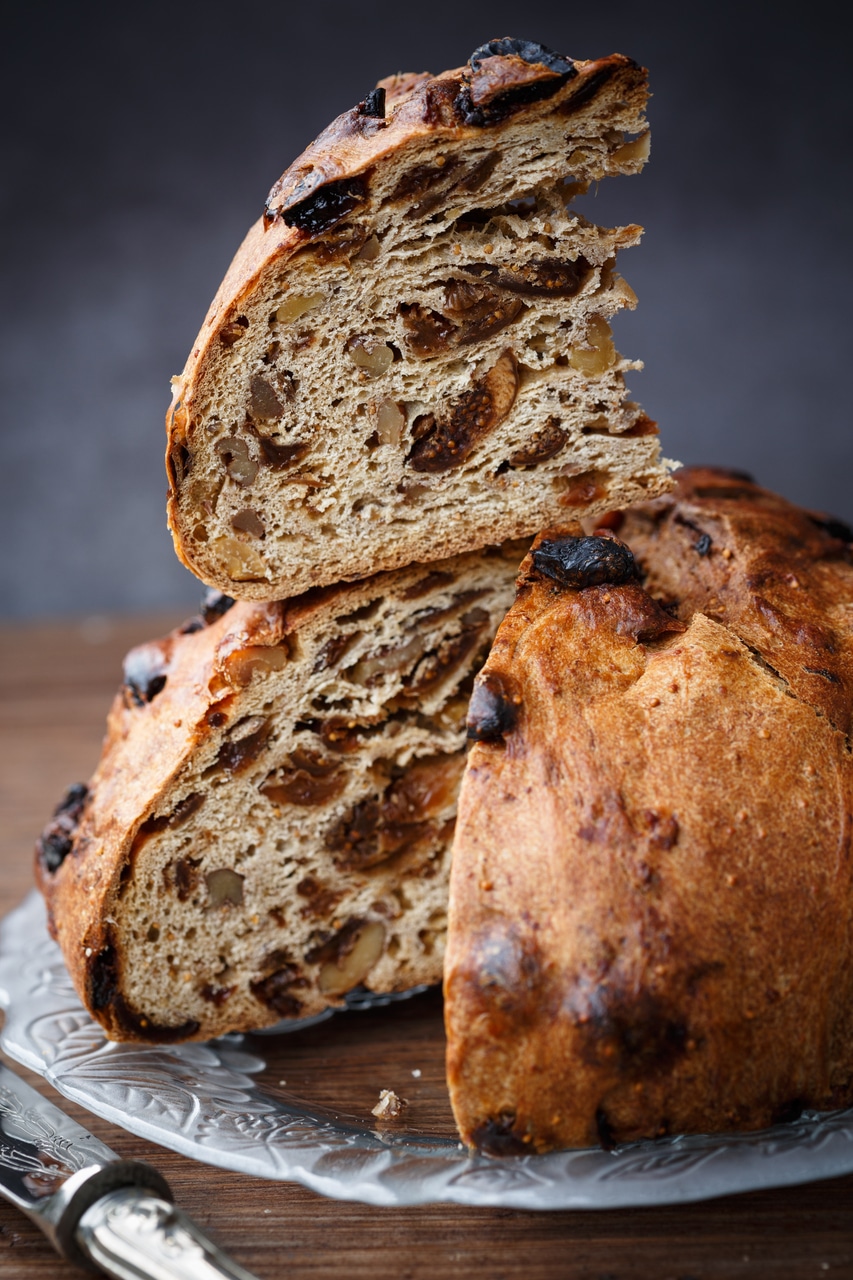
Thus, almost by chance, this sweet bread made from flour, dried fruit, raisins, and figs was born: simple, rich, and perfect for the holidays. Hence its nickname, “panettone valtellinese,” even though its shape is lower and more compact.
In 2013, Bisciola obtained the Collective Geographical Mark, a recognition that protects the quality of the ingredients and certifies the production chain.
In Valtellina, it is also known by other names: Bisciöla in the dialect, Pan de fich, Panun de Natal, all sweets similar in ingredients and tradition, united by the presence of walnuts, figs, and raisins, symbols of celebration and abundance.
Recipe for Valtellina Bisciola
Ingredients
for 4 people
300 g type 0 soft wheat flour
30 g natural yeast
10 g brewer’s yeast
130 g lukewarm water (26°C)
30 g milk
40 g egg yolk
70 g butter
70 g sugar
1 teaspoon honey
160 g walnuts
100 g raisins
100 g dried figs
2 g salt
grappa for soaking, to taste
(Note: if you don’t have sourdough starter, increase the brewer’s yeast to 5% of the weight of the flour.)
Process
To prepare Bisciola, start by soaking the raisins in grappa for about an hour, then roughly chop the dried figs and walnuts. Sift the flour into a large bowl, add the natural yeast and brewer’s yeast, then dissolve the salt in warm water and pour everything into the flour, kneading until the mixture is smooth. Shape into a loaf, cover with a damp cloth or plastic wrap, and let rise for 30 minutes. At this point, add the sugar, egg yolks, and softened butter, adjust the consistency with milk, add the honey, and knead until the dough is soft and smooth. Cover again and let rest for another 30 minutes. Once risen, add the walnuts, well-drained raisins, and figs, kneading the mixture until evenly distributed. Shape into a loaf, transfer to a baking sheet lined with parchment paper, and let rise again for at least 30 minutes, until doubled in volume. Cut a cross into the surface, brush with egg and bake in a preheated oven at 180°C for about 45 minutes, until golden brown and fragrant.
A rustic dessert that tells the story of a region
Bisciola valtellinese is not just a dessert: it is a symbol of Alpine hospitality, a concentrated source of energy born from rural tradition and the creativity of a region that has always known how to make the most of what nature has to offer.
Whether it really is linked to Napoleon or originated much earlier, this dessert continues to bring the authentic taste of the Lombardy mountains and the magic of the festive season to the table.
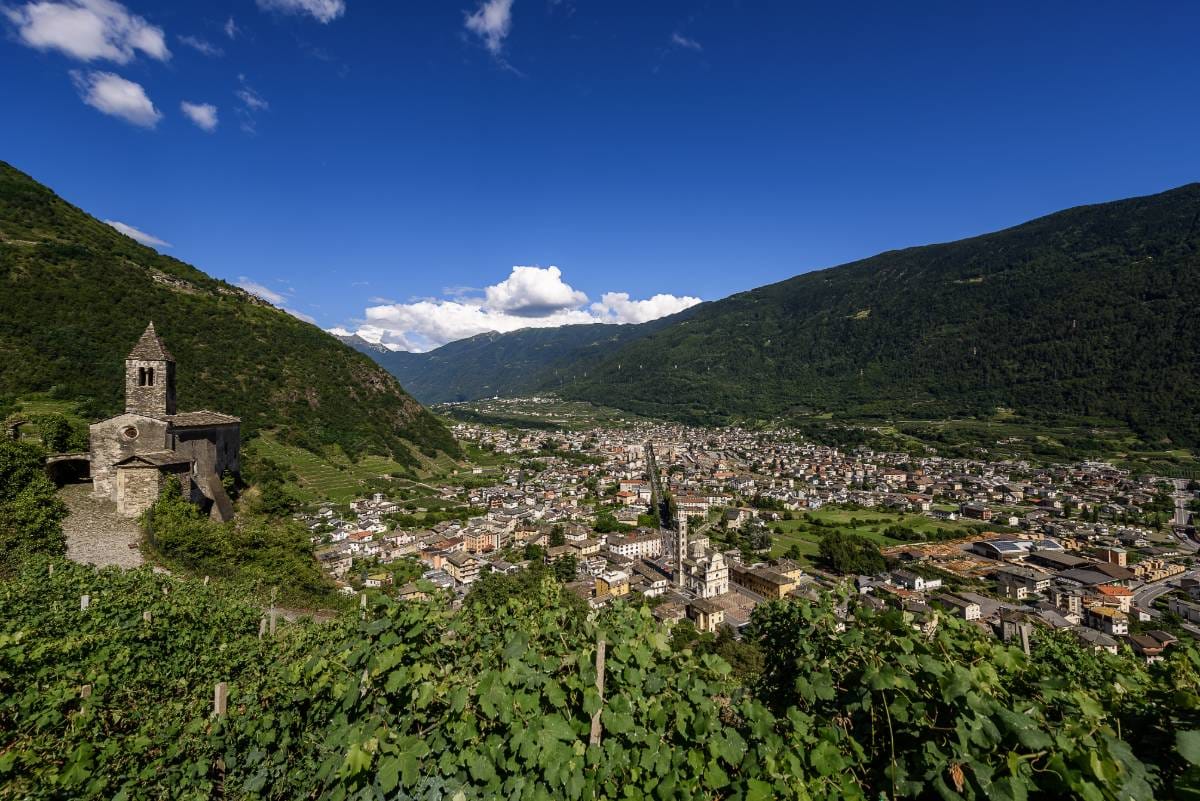
Main photo: Federica Fumelli
Do you want to promote your business on e-borghi?
Reach travellers interested in villages, authentic experiences and quality tourism.
Discover how to become a partner