 San Martino di Castrozza
 Subiaco Folk Festival 2026
 Tandem paragliding flights in Tirolo and Merano: the thrill of flying over the Alps
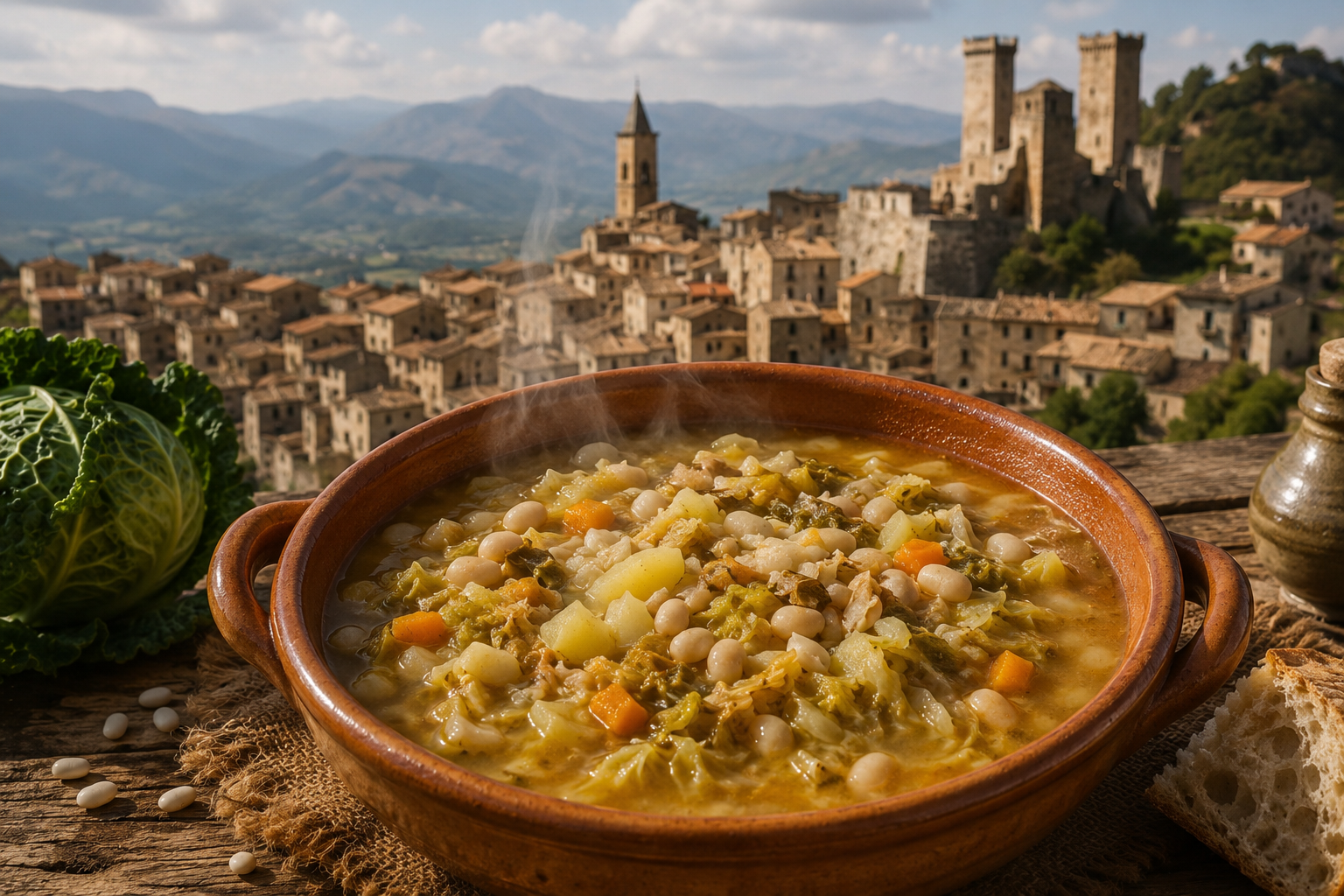 Recipe: Polta di Pacentro, the peasant dish that symbolises the traditions of Abruzzo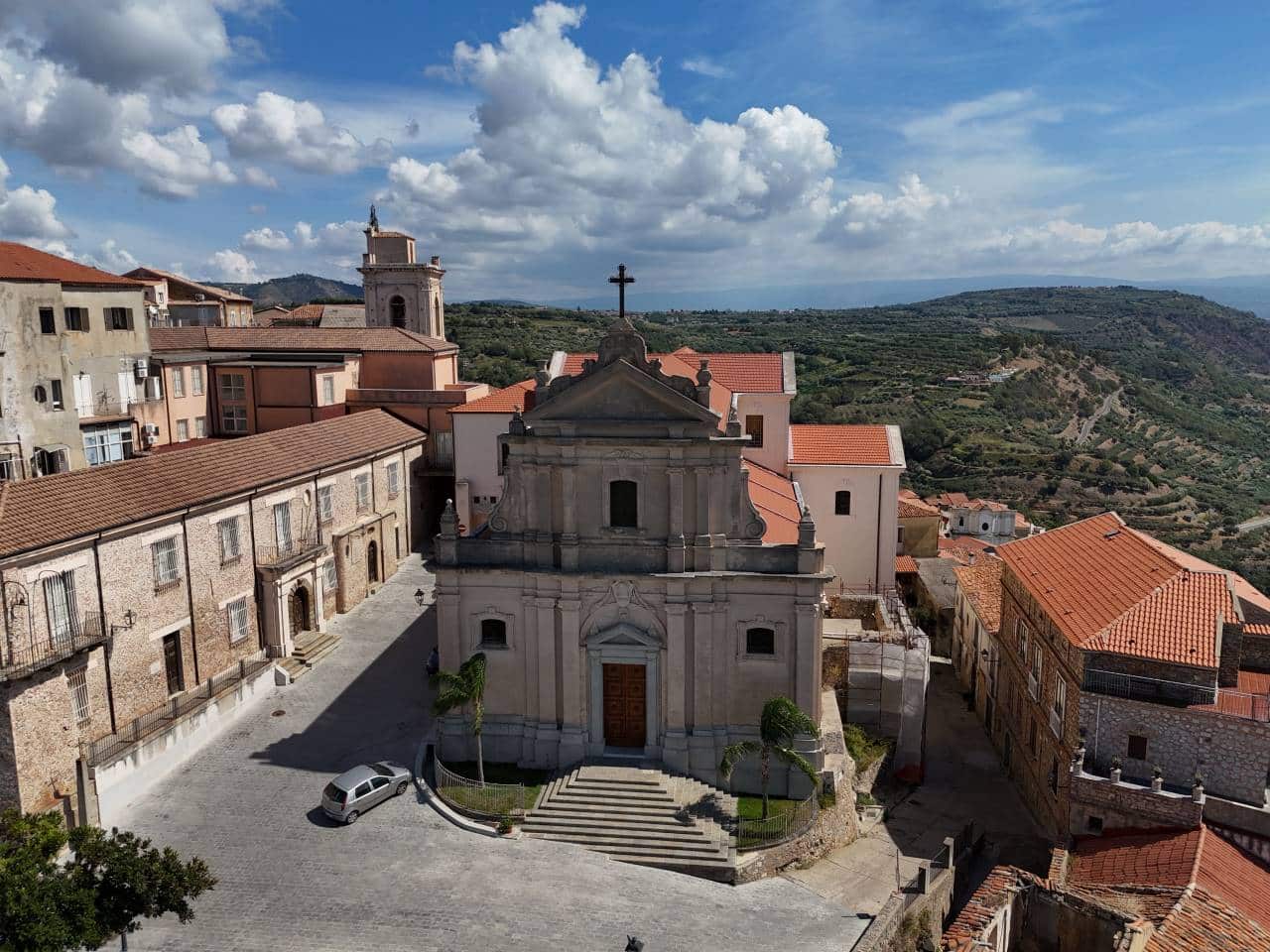
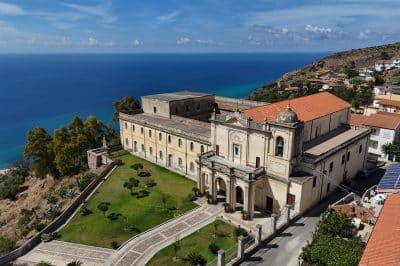
The Co-Cathedral of Santa Maria Assunta is the spiritual heart of Nicotera, its most important place of worship and one of the symbols that best recounts the long and complex religious history of the city. Tradition has it that the very first cathedral stood on the plain below the current village, exactly on the ruins of an ancient Greek temple dedicated to the goddess Diana. Here, where pagan and Christian sacred sites overlapped, the earliest memories of the Nicotera bishopric are preserved: as early as 596, a document attests to the existence of the bishopric, with Bishop Procolo appointed by the Pope to settle a dispute with the Church of Reggio.
For centuries, the early church suffered attacks and devastation, especially during the Saracen raids that ravaged the Calabrian coast. It was only in 1065, thanks to the intervention of Robert Guiscard, that Nicotera was able to be reborn: the Norman leader rebuilt the cathedral from scratch, dedicating it to the Madonna of Romania and adopting the architectural style typical of the Norman era, solid and austere, designed to last over time.
But the cathedral’s fate would still be marked by wars, fires, and devastation. In 1304, during the wars of succession between the Angevins and the Aragonese, the building was downgraded to a collegiate church and first attached to Mileto, then to Reggio. It was only in 1392, thanks to the intervention of the Count of Mileto, Enrico Sanseverino, and the bull of Pope Boniface IX, that Nicotera regained its episcopal autonomy.
Between the 16th and 17th centuries, the cathedral underwent a new phase of renovation. Bishop Ottaviano Capece promoted a major restoration, enlarged the building, and reconsecrated it in 1592, dedicating it definitively to the Virgin Assumed into Heaven. However, in 1759, a violent fire destroyed part of the structure and many valuable sacred furnishings. It was not long before the city was again struck by the fury of nature: the earthquake of 1783, one of the most devastating in Calabrian history, razed the cathedral to the ground, making a complete reconstruction essential.
The building was rebuilt at the expense of the state, respecting the original dimensions but introducing substantial changes to the interior. The single hall was transformed into a three-nave structure with vaults, culminating in a large apse that now houses a valuable polychrome marble high altar. The result is a sober yet elegant environment, where the harmonious lines blend with the light filtering in from above, enhancing the works housed inside.
For centuries the cathedral of the diocese of Nicotera and then, from 1818, united aeque principaliter with the diocese of Tropea, since 1986 the church has been the co-cathedral of the diocese of Mileto-Nicotera-Tropea. Today it remains an essential reference point not only for the liturgical life of the village, but also for the historical memory and identity of the community.
Walking through the historic center, the Co-Cathedral of Santa Maria Assunta appears as a perfect synthesis of the history of Nicotera: destroyed and rebuilt several times, solid and resilient, capable of preserving the memory of the past and at the same time recounting the deep faith that has always animated this land.