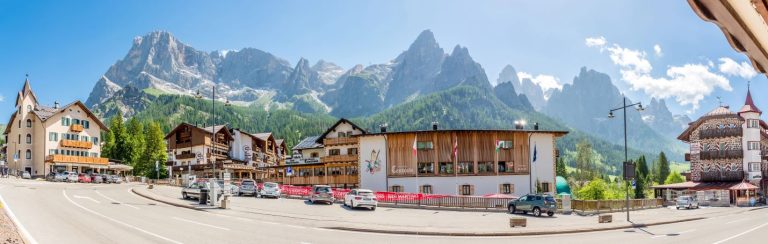
 San Martino di Castrozza
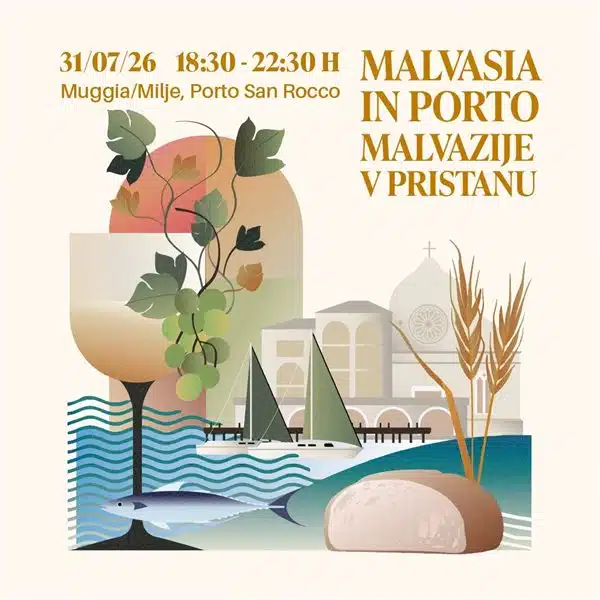 Malvasia in Porto 2026
 Tandem paragliding flights in Tirolo and Merano: the thrill of flying over the Alps
 Recipe: Polta di Pacentro, the peasant dish that symbolises the traditions of Abruzzo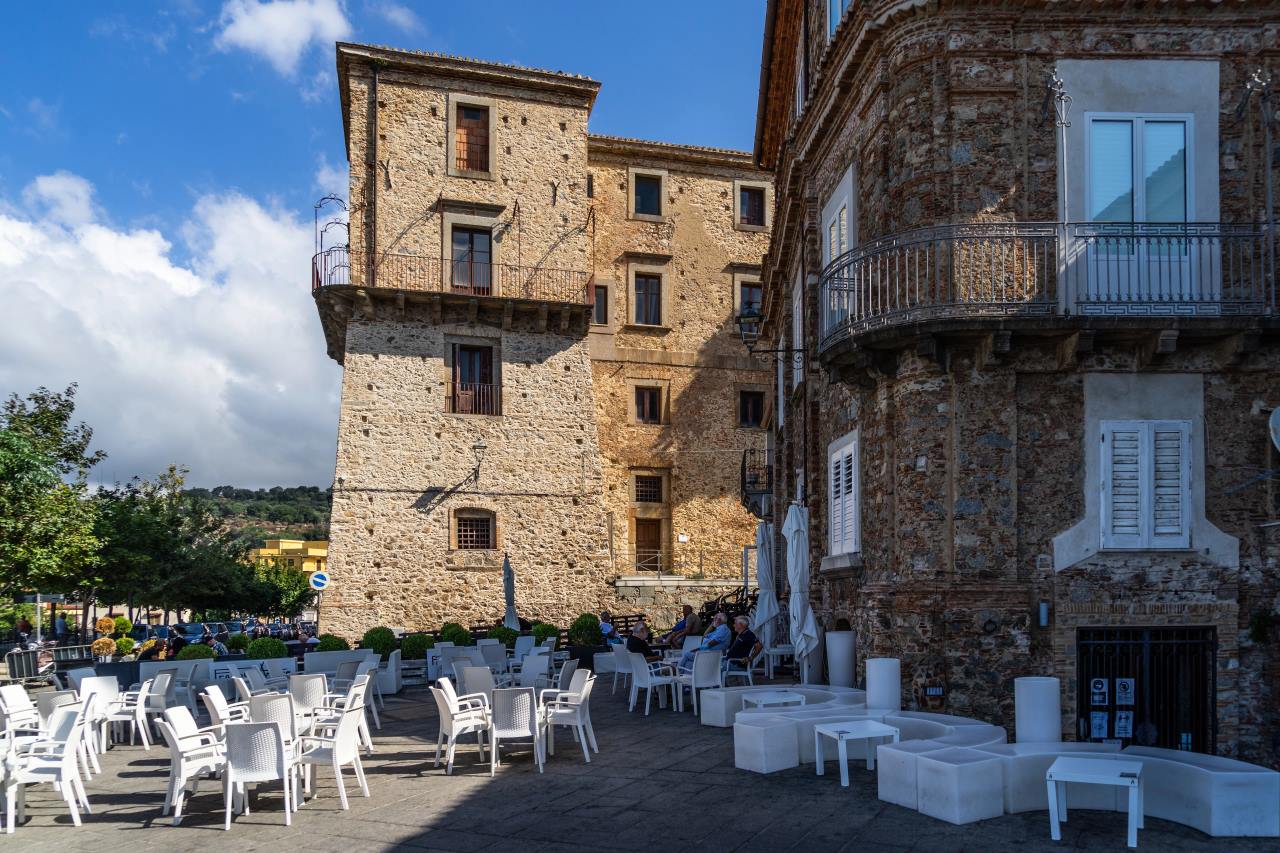
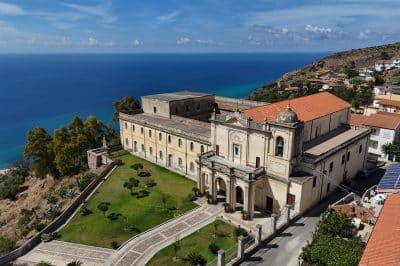
Imposing, elegant, and full of charm, Castello Ruffo is the undisputed symbol of Nicotera and the visual landmark of the entire village. Located in the heart of the historic center, it dominates the valley below and overlooks one of the most spectacular views in Calabria: from the long terrace suspended over the sea, the gaze embraces the entire Tyrrhenian Sea, recognizing the profile of the Aeolian Islands one by one, following the line of the Strait of Messina and, on clear days, reaching as far as the silhouette of Mount Etna. It is a place where history and landscape merge, leaving anyone who looks out from it breathless.
The origins of the castle date back to the 11th century, when Robert Guiscard built the first Norman fortress here, which was then destroyed and rebuilt several times over the centuries. As early as 1074 and 1085, the castle was devastated by the Saracens; in 1284 it was attacked by the Aragonese army and subsequently rebuilt; under Frederick II it took on architectural forms typical of the Swabian age. The history of the castle is marked by a continuous alternation of power and destruction: earthquakes, wars, sieges, and dominations changed its appearance, reflecting the complex political events of medieval Calabria.
It was in the 18th century that the castle took on its current appearance. In 1763–1764, Count Falcone Antonio Ruffo, Prince of Scilla and Lord of Nicotera, decided to build his summer residence here, entrusting the project to architect Ermenegildo Sintes, a pupil of Vanvitelli. The new complex was built a few meters from the remains of the ancient Norman manor—no longer visible today—recovering part of the surviving structures and transforming them into an elegant noble palace. The splendid interior rooms, the arches of the main façade, the marble and wrought iron details, and the three corner towers that give the building its characteristic quadrilateral plan date back to this phase.
The main façade is one of the most spectacular features: two side towers and, between them, a series of seven large arches supporting the long panoramic terrace overlooking the sea. Although the 1783 earthquake damaged part of the façade, the building’s charm remains intact. Inside, a large hall lit by the openings of the arches and a granite slab floor lead to the majestic staircase that leads to the upper floor. A marble entrance in the inner courtyard leads to the basement, a place where history and legend intertwine: for centuries, it has been said that the castle was connected to Marina di Nicotera by secret passages, five in all, leading to the sea, the mountains, and even the Monastery of the Poor Clares. Popular tradition even has it that prisoners, to test their existence, threw watermelons into the tunnels and found them again on the coast. Although there is no historical confirmation, this legend continues to fuel the mystery of the castle.
The Ruffo Castle was not only an aristocratic residence: its walls have been graced by such important figures as St. Bruno of Cologne, Pope Urban II, Joachim of Fiore, and Empress Constance of Altavilla. In 1283, during the War of the Vespers, it even became the seat of the court and hosted the drafting of the edict for the arrest of those responsible for the local revolt.
Today, the castle is owned by the Municipality of Nicotera, which has restored it and transformed it into an important cultural center. The ground floor houses the Civic Archaeological Museum, which preserves artifacts from prehistoric times to the Middle Ages, while the first floor houses the Museum of Rural Life in Poro, a valuable testimony to the rural traditions of the Calabrian Serre. Recognized as a site of significant historical and artistic interest and protected since 1999, Castello Ruffo is a place to be explored slowly, allowing yourself to be enveloped by its beauty and legendary past.