 Passignano sul Trasimeno
 Montefeltro
 Palio delle Barche
 The Ca’ Rossa Experience: from vineyard to glass
 Recipe: Ogliastra PGI Culurgiones with Pecorino Romano PDO, the taste of longevity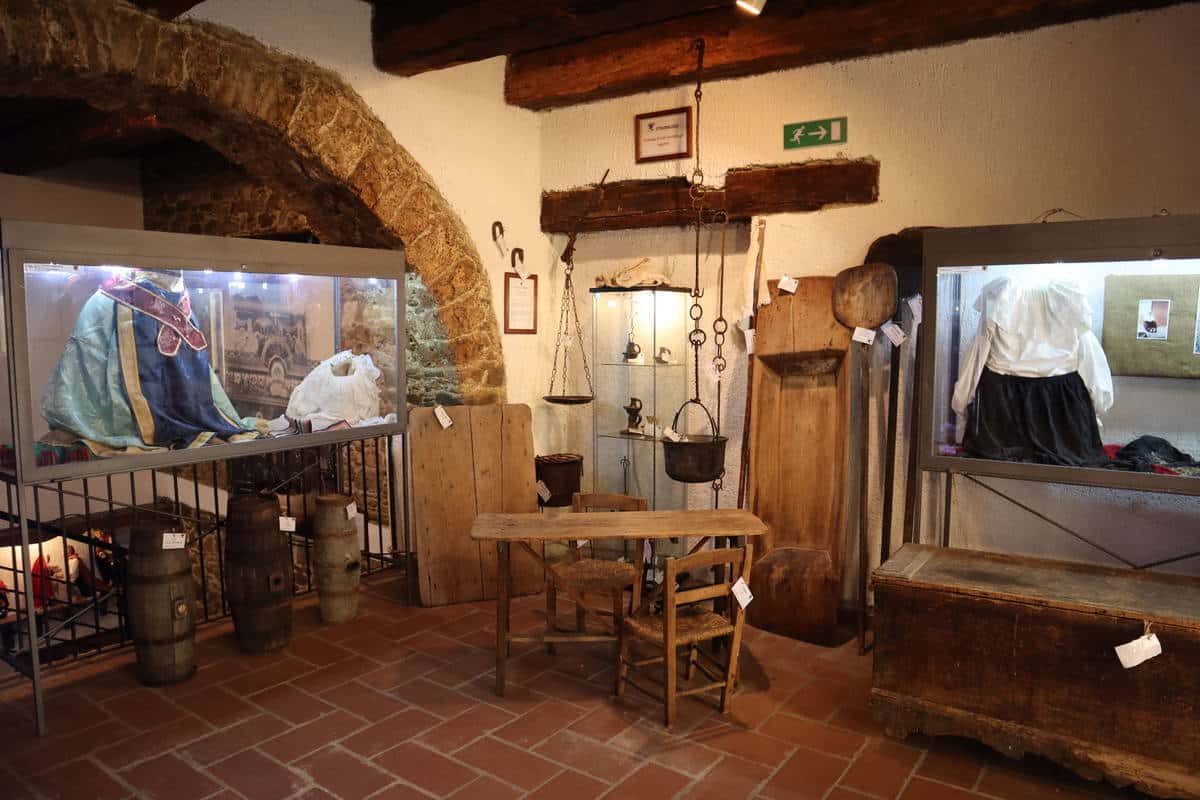
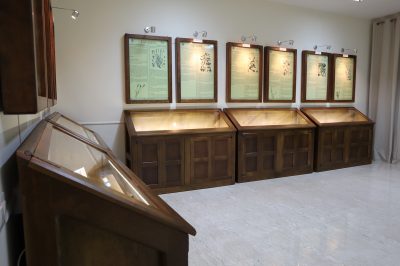
The Arbëreshë Culture Ethnographic Museum is one of the most important places for learning about the history, traditions and identity of the Arbëreshë community in the Pollino National Park. Located in the historic centre of San Costantino Albanese and also linked to the cultural heritage of San Paolo Albanese, the museum houses a valuable ethnographic collection that recounts over five centuries of history of the Albanian communities who settled in southern Italy following the Ottoman invasion of the Balkans.
Housed in a 19th-century building that has been restored and converted into an exhibition space, the museum spans several floors and offers an engaging journey into Arbëresh peasant and pastoral culture. The rooms contain numerous artefacts of material culture sourced directly from local families: tools for agricultural and pastoral work, instruments for milk processing, domestic utensils, artefacts related to spinning and weaving, as well as traditional Arbëreshë costumes that bear witness to the strong cultural identity kept alive over the centuries.
One of the most fascinating exhibits is the section dedicated to broom-weaving, an ancient craft that was an integral part of daily life in Arbëreshë communities. Through historical photographs, original tools and ethnographic documentation, the museum illustrates every stage of the process by which the plant is transformed into fabrics and artefacts.
The Ethnographic Museum is not merely an exhibition space, but a true centre for the preservation and promotion of Arbëreshë heritage. It houses a specialist library dedicated to Albanian-speaking culture, a photographic collection from the first half of the 20th century, and a craft workshop dedicated to the making of traditional musical instruments, in particular the surdulina, a typical pastoral instrument of the region.
Objects, images, songs, stories and audiovisual accounts guide visitors on a journey of discovery through an ethnic and linguistic minority that has managed to preserve its language, the Byzantine rite, its religious traditions and a strong sense of community. The Arbëreshë, who arrived in southern Italy between the 15th and 18th centuries following the death of the Albanian national hero Gjergj Kastrioti Skanderbeg, have in fact maintained a deeply distinct and recognisable culture over time.
Nestled in the mountainous landscape of Pollino and closely linked to village life, the museum is today a vibrant place, capable of uniting memory and the future, tradition and innovation. Visiting the Arbëreshë Culture Ethnographic Museum means coming into contact with one of the most fascinating and authentic cultural identities of southern Italy.