 San Martino di Castrozza
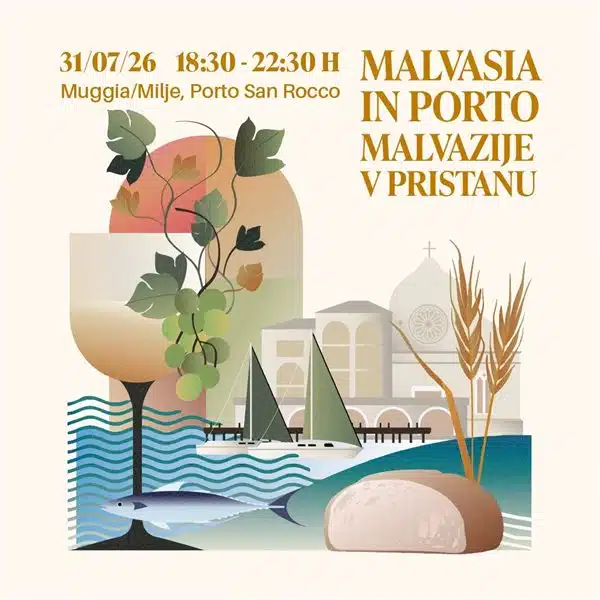 Malvasia in Porto 2026
 Tandem paragliding flights in Tirolo and Merano: the thrill of flying over the Alps
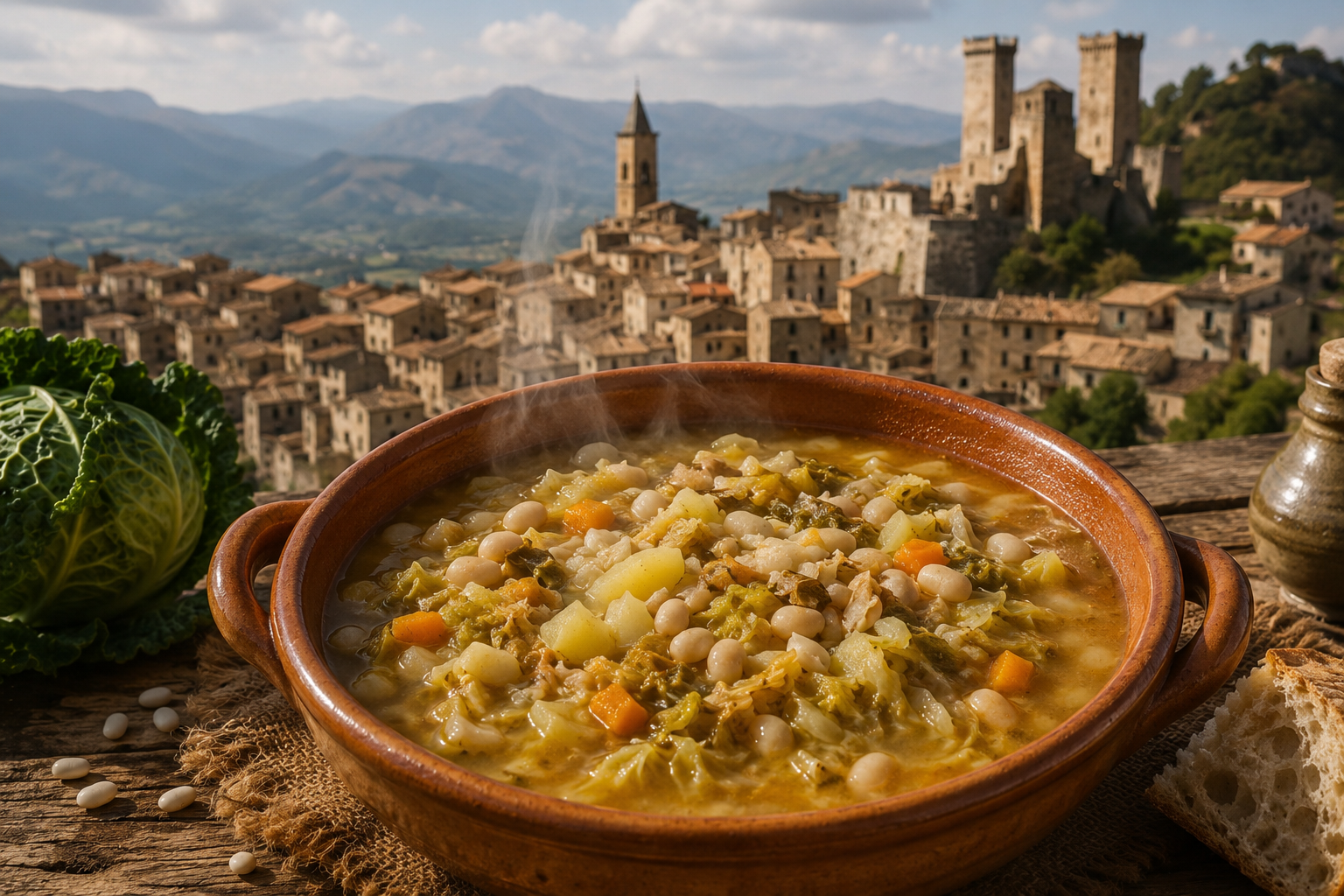 Recipe: Polta di Pacentro, the peasant dish that symbolises the traditions of Abruzzo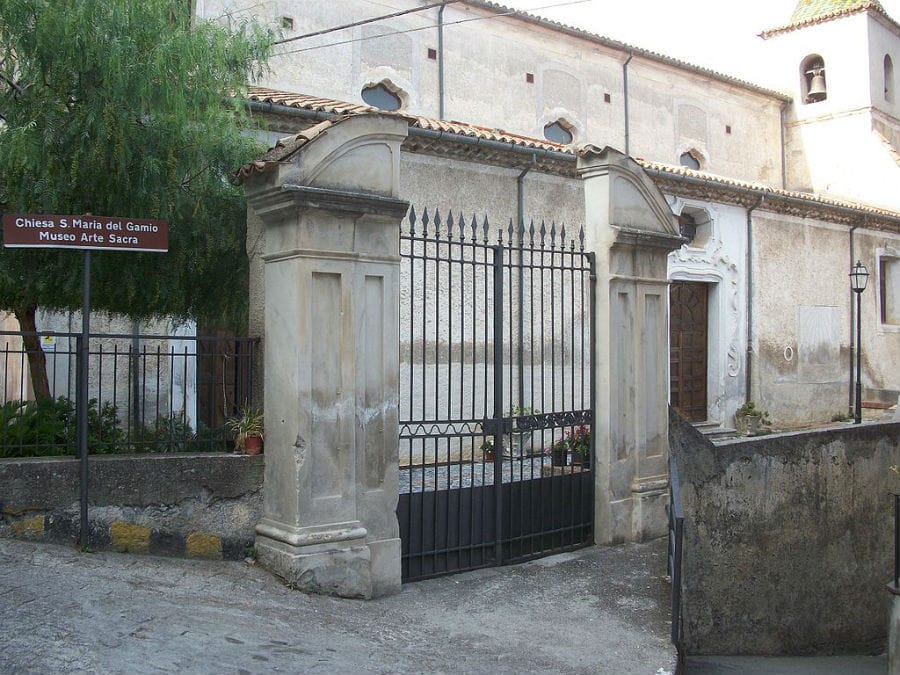
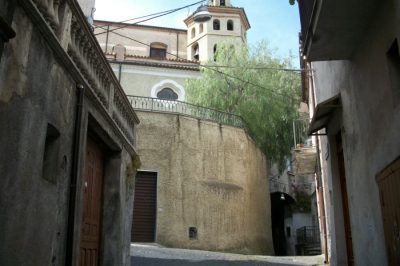
The Church of Santa Maria del Gamio in Saracena is one of the oldest and most fascinating religious buildings in the area, with origins dating back to the Byzantine era, probably between the 10th and 11th centuries. The name ‘Gamio’, from the Greek gámoi (wedding), traditionally refers to the Gospel episode of the wedding at Cana. Ancient documents attest that the Byzantine rite remained in use until 1568, the year in which the church was consecrated to the Latin rite.
Access is via an iron gate dating from the second half of the 19th century, beyond which there are two entrances: the older one, built in the early 17th century by Giovanni La Bollita of Altomonte and decorated with stucco work by Pascale Morello in 1757–58, and a second portal constructed in 1872 following the extension of the building.
The interior, with three naves, is rich in works of art. The central nave is covered by an imposing carved and gilded wooden coffered ceiling, created between 1619 and 1628 by the craftsmen Jacono Lanfusa and Vincenzo de Untiis. The single chapel is dedicated to Saint Innocent the Martyr, patron saint of the parish: his statue, purchased in Naples in 1831, stands on a marble altar created in 1772 by the Neapolitan artist Marino Palmieri.
The sacristy houses a fine mid-16th-century panel polyptych, featuring depictions in which Saint Blaise and Saint Francis of Paola stand out. At the base of the work are the coats of arms of the Sanseverino family, the former lords of Saracena, and of the town itself. Also of note is the wooden bench below, dating from the mid-17th century and crafted by local artisans.
Finally, next to the sacristy is the Museum of Sacred Art, which complements the historical and cultural significance of this complex, bearing witness to the community’s long religious and artistic tradition.