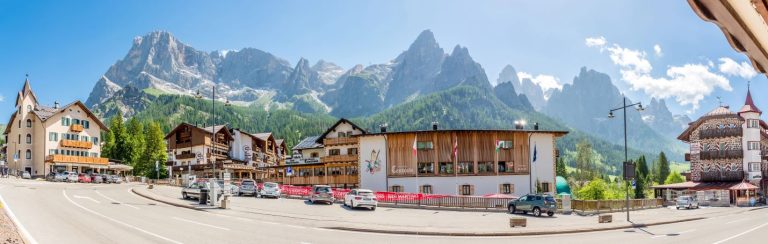
 San Martino di Castrozza
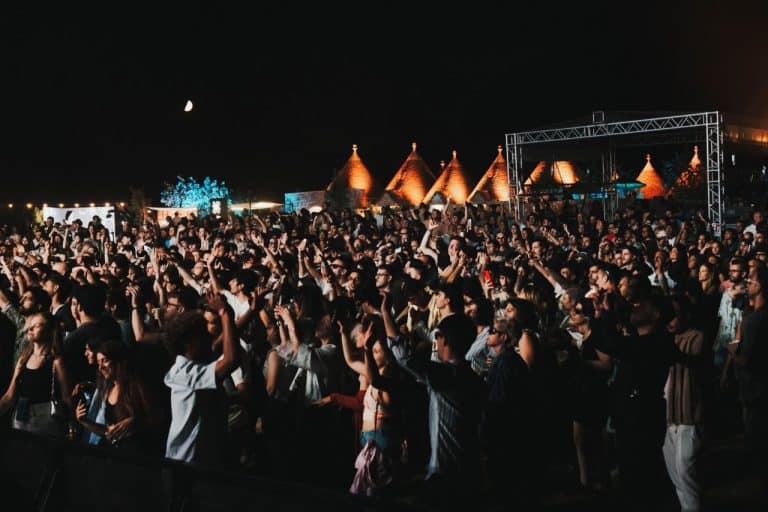 VIVA! Festival 2026
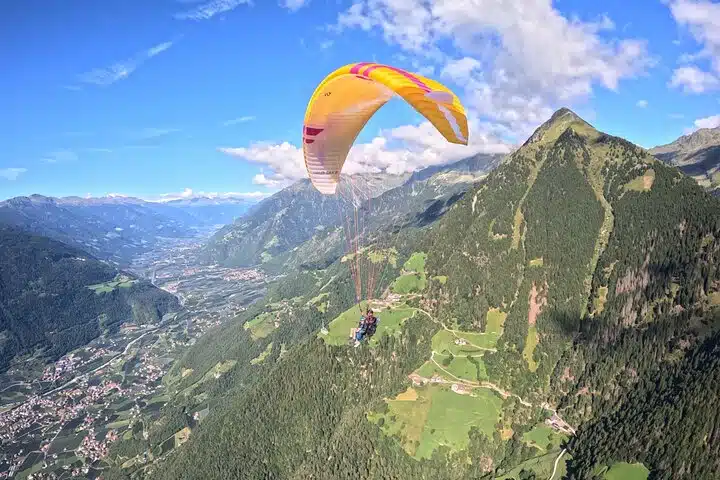 Tandem paragliding flights in Tirolo and Merano: the thrill of flying over the Alps
 Recipe: Polta di Pacentro, the peasant dish that symbolises the traditions of Abruzzo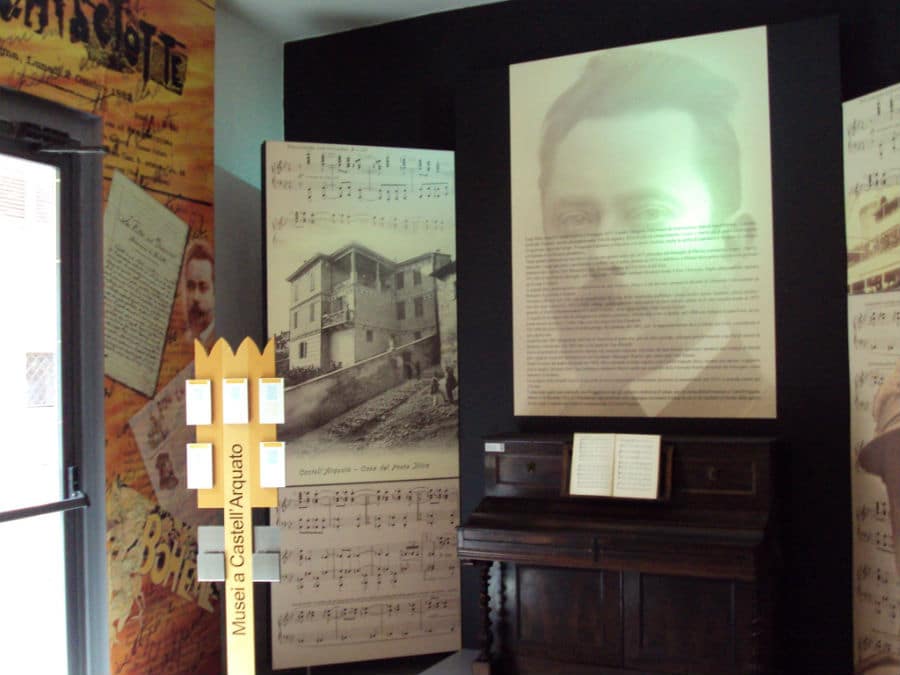
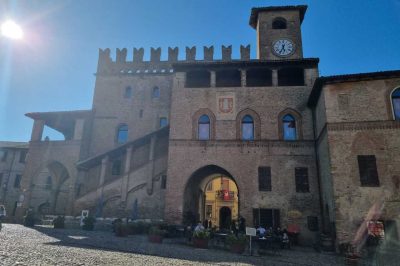
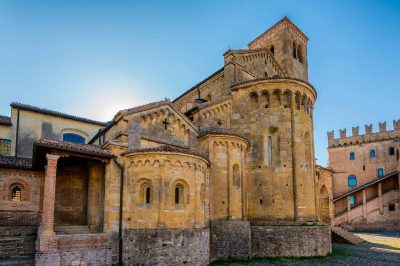
Luigi Illica, born in Castell’Arquato on 9 May 1857, was a journalist, playwright and talented poet. He was one of the leading figures of the Milanese Scapigliatura movement and one of the most important librettists of the post-Verdi era. He worked for Giacomo Puccini, Alfredo Catalani, Umberto Giordano and Pietro Mascagni. His librettos are a faithful reflection of the literary culture of the time and the trends that shaped it. Of particular importance in his career was his meeting with Giuseppe Giacosa, with whom he collaborated on his most famous librettos: La Bohème, Tosca and Madama Butterfly (all for Puccini).
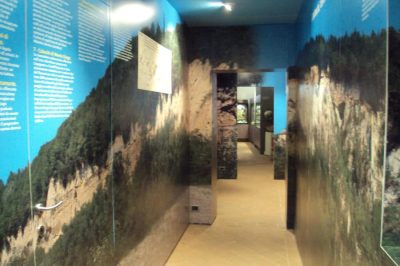
Located right next to Luigi Illica’s birthplace, the museum is divided into four sections:
-Life: retracing the key stages of his private, public and artistic life;
– Works: the texts written for the theatre are on display, some with Illica’s autograph notes, as well as the opera librettos he created, mostly in editions from the period, accompanied by the corresponding scores.
-Testimonials: letters, photographs, costumes, stage sets, the piano and typewriter used by Illica;
-Materials: books, scores, audiovisuals, recordings and CDs can be consulted.