 San Martino di Castrozza
 VIVA! Festival 2026
 Tandem paragliding flights in Tirolo and Merano: the thrill of flying over the Alps
 Recipe: Polta di Pacentro, the peasant dish that symbolises the traditions of Abruzzo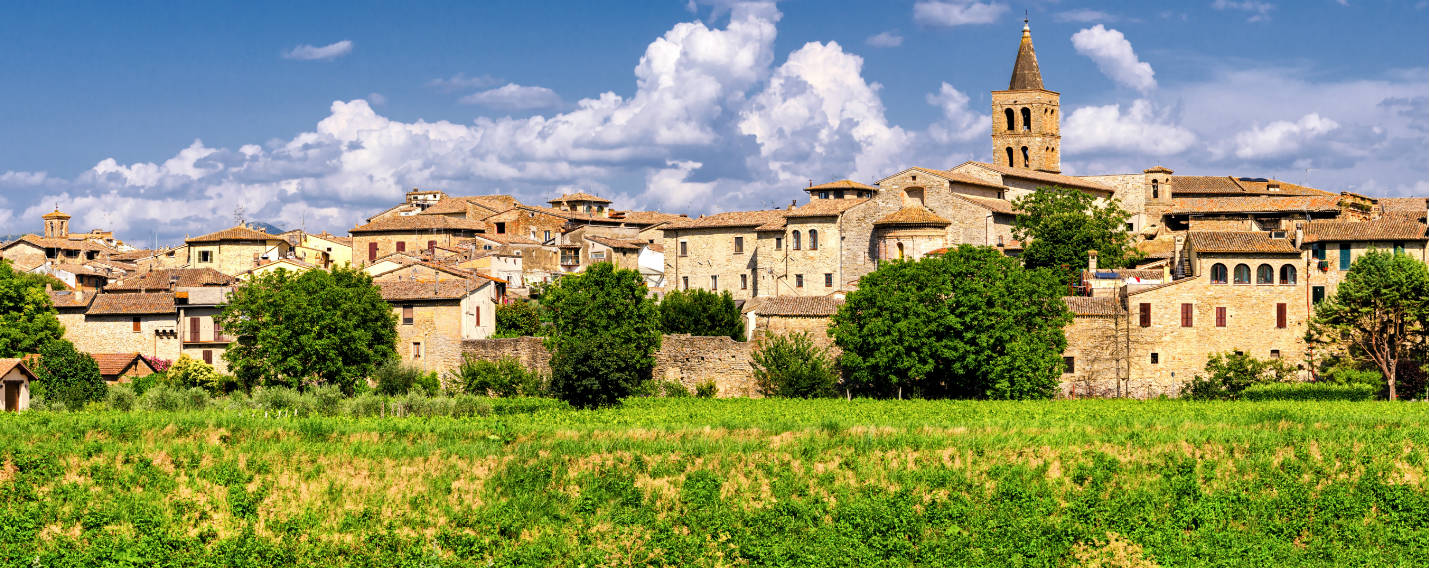
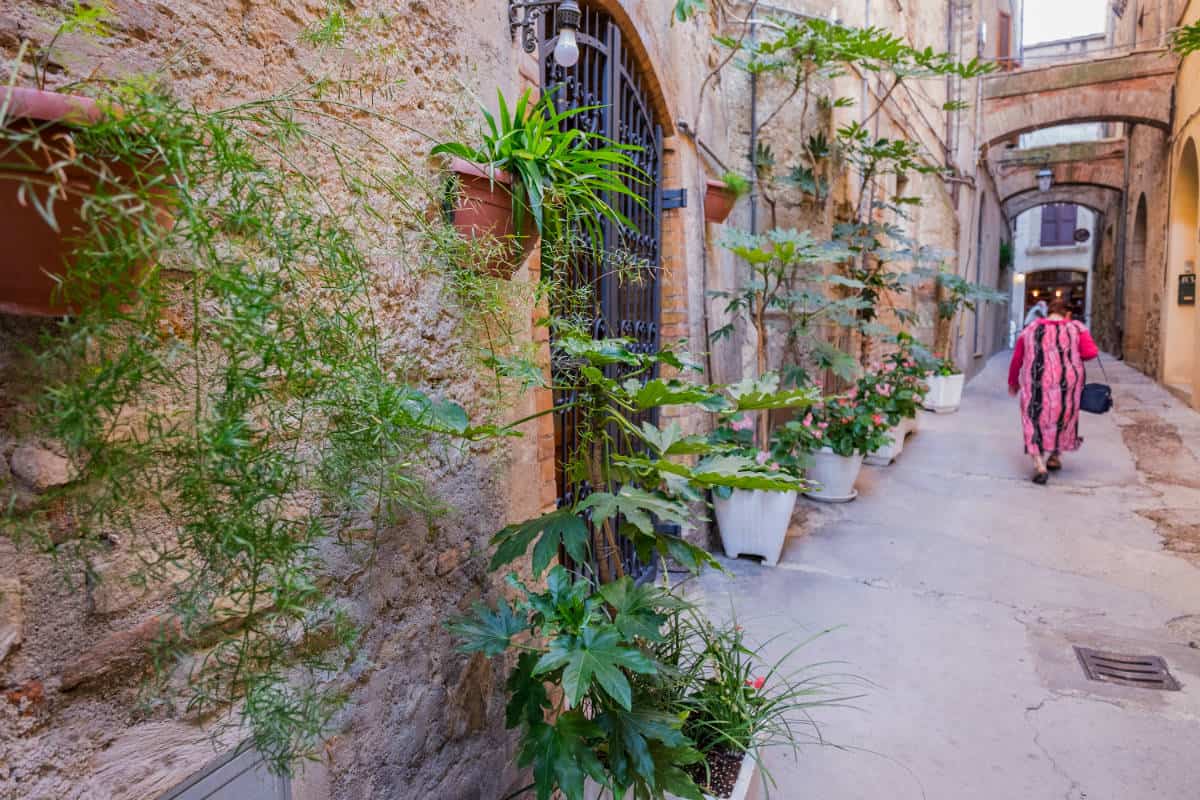
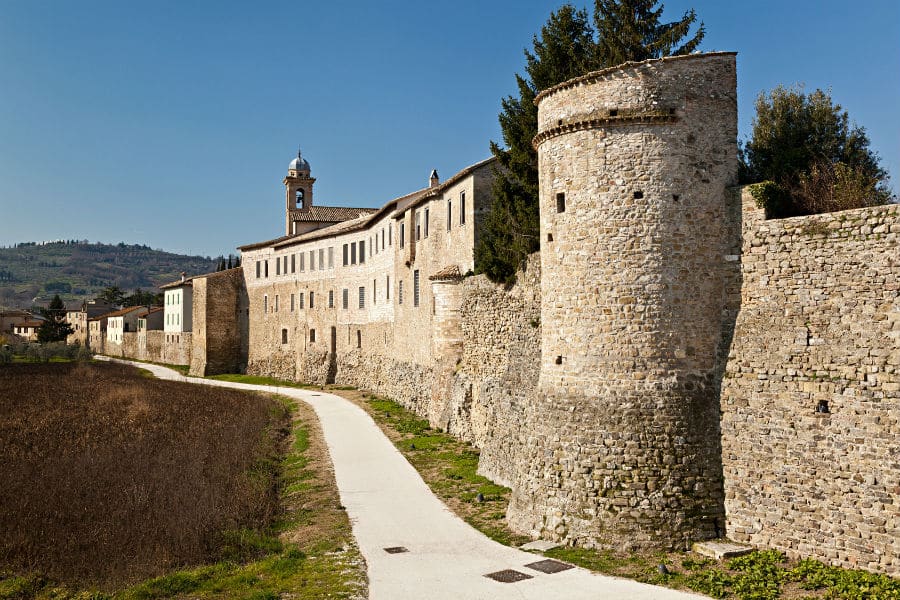
Between Assisi and Spoleto, in the center of the Umbrian Valley, Bevagna is a charming medieval village rich in history, culture and traditions. Its strategic location along the Via Flaminia and the presence of a river port favored the economic and commercial development of the village, making it an important center of trade and culture. Bevagna’s architecture, which mixes different styles, tells centuries of history through its monuments. Famous for its Mercato delle Gaite, which brings medieval traditions back to life, and for its typical cuisine, Bevagna is a must-see destination for those wishing to explore an authentic Umbria, immersed in an atmosphere that has preserved its charm over time.
Photo gallery
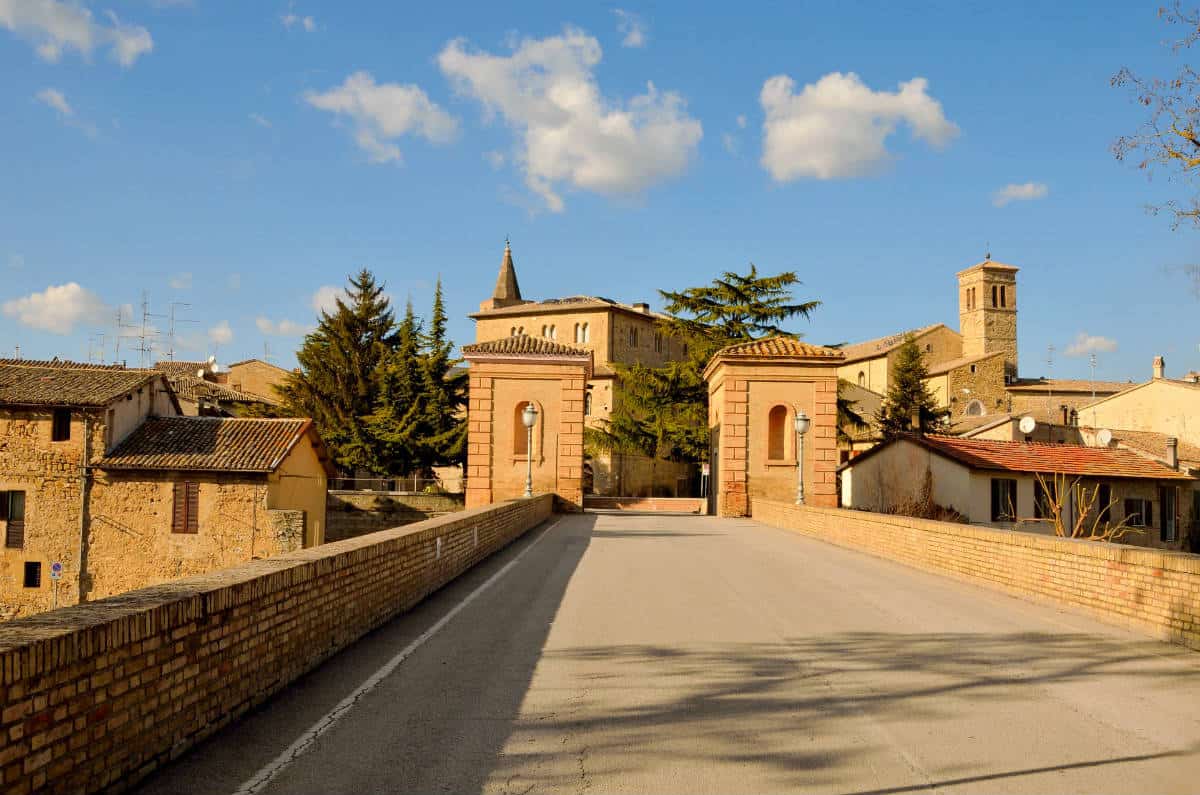

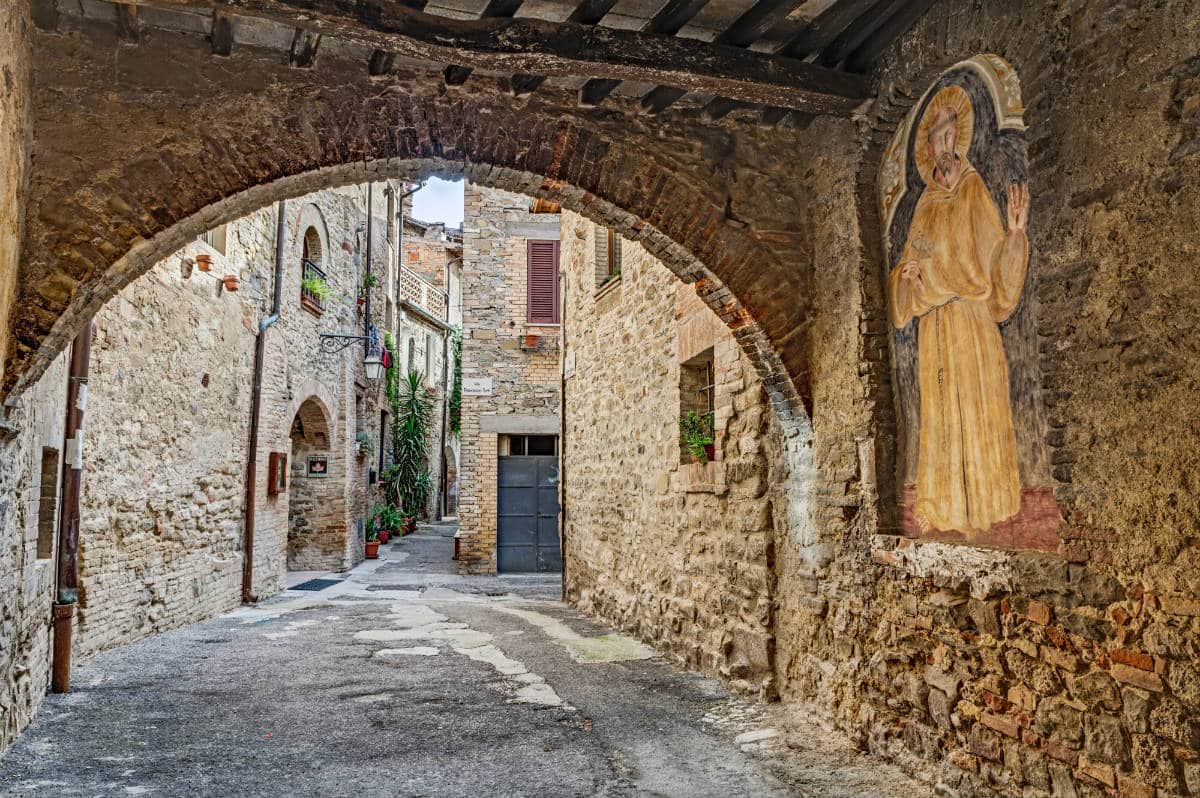
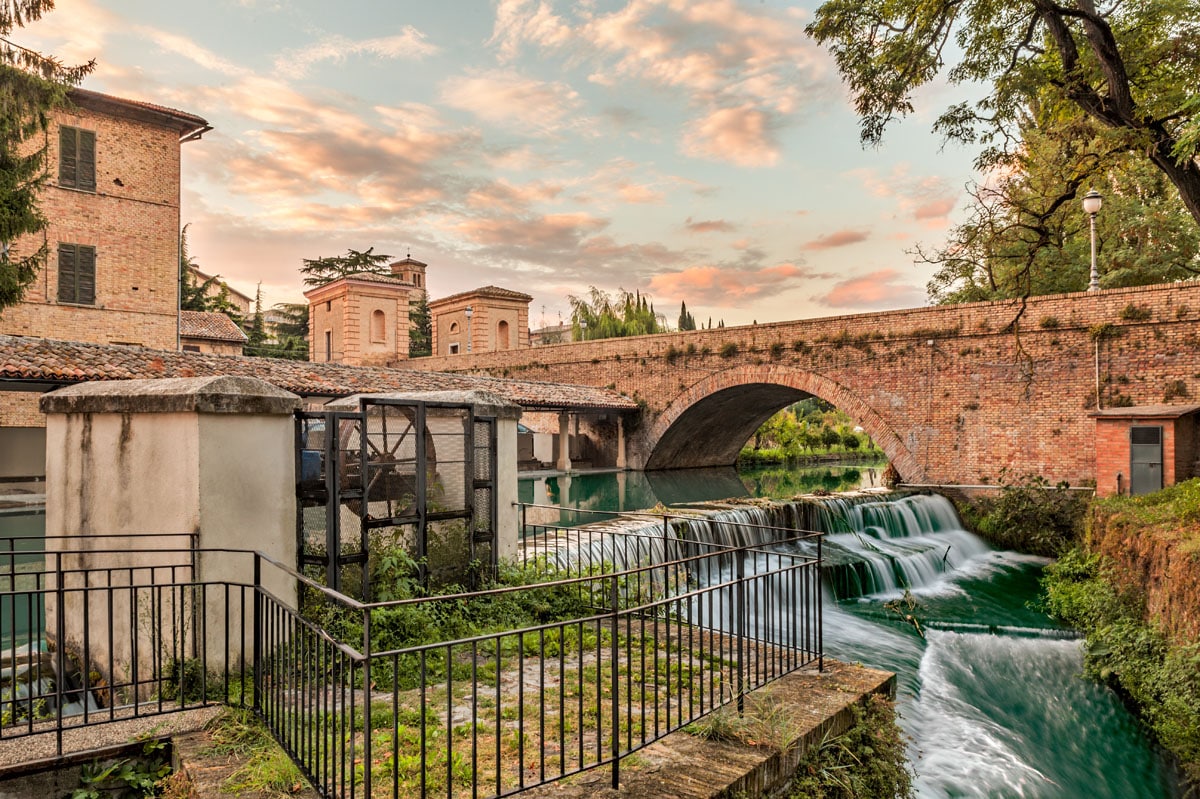
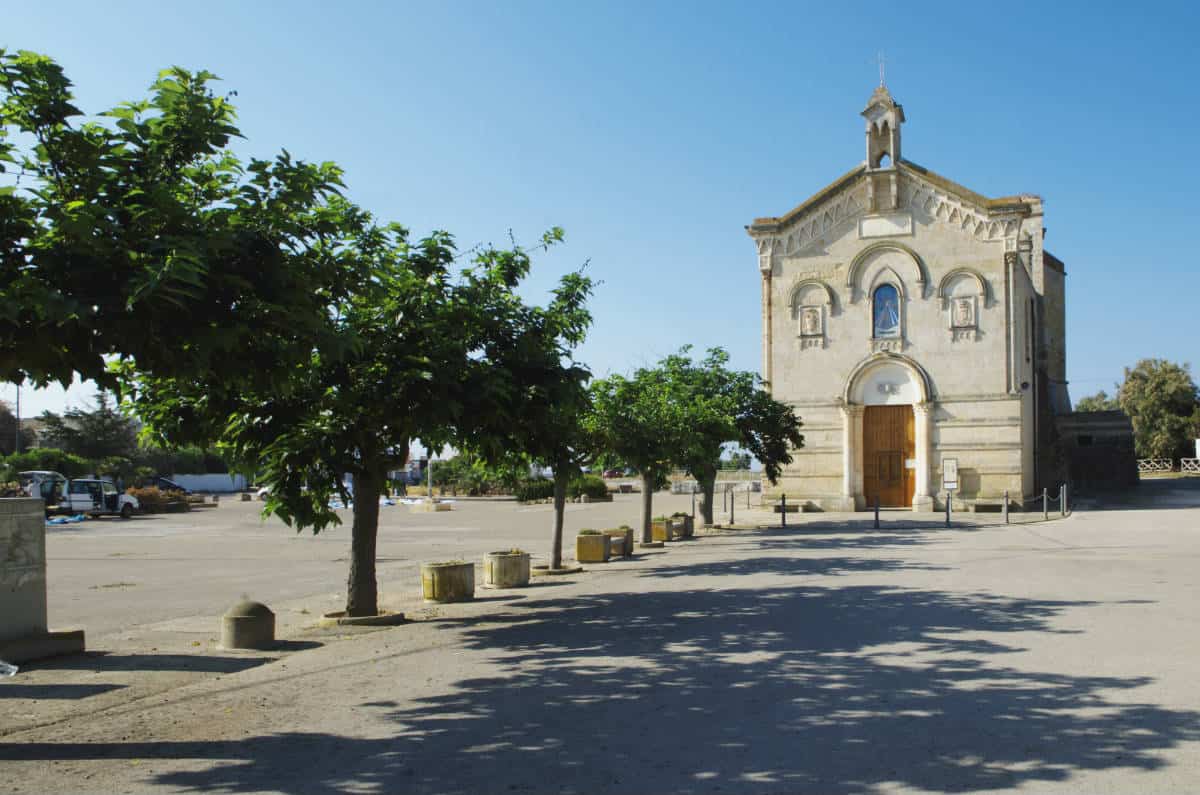
Bevagna is a charming medieval village located in the heart of Umbria, a few kilometers from Perugia, nestled among the rolling hills of the Umbrian Valley and at the foot of the Martani Mountains. Its history is rooted in antiquity, dating back to the Roman conquest of Umbria in 295 B.C., when it was known as Mevania. This ancient settlement was notable for its importance as a center of trade and agriculture, especially for its famous fine cloths, hence the name “bevagne.”
Becoming a Roman municipality in 90 B.C., Bevagna developed considerably due to its strategic location along the Via Flaminia, one of the main communication arteries of the time. The river port on the Topino River, whose waters were navigable, allowed a lively commercial exchange, contributing to the prosperity of the town and its economy. As the centuries passed, Bevagna became a significant cultural and religious center, evidenced by the founding of the diocese in 487 A.D. and the presence of Christian martyrs, such as St. Vincent, the town’s first bishop and patron.
Bevagna’s architecture is a fascinating mosaic of styles and historical periods. During the Roman period, important infrastructure was built, including an amphitheater and baths, the vestiges of which are still visible today. With the advent of Christianity and barbarian invasions, the town experienced periods of hardship, but its resilience allowed for a rebirth. In 1187, Bevagna was granted the title of free commune, governed by consuls, and became an important political and commercial center, contested by such powers as Spoleto, Foligno, Perugia and the Papal States.
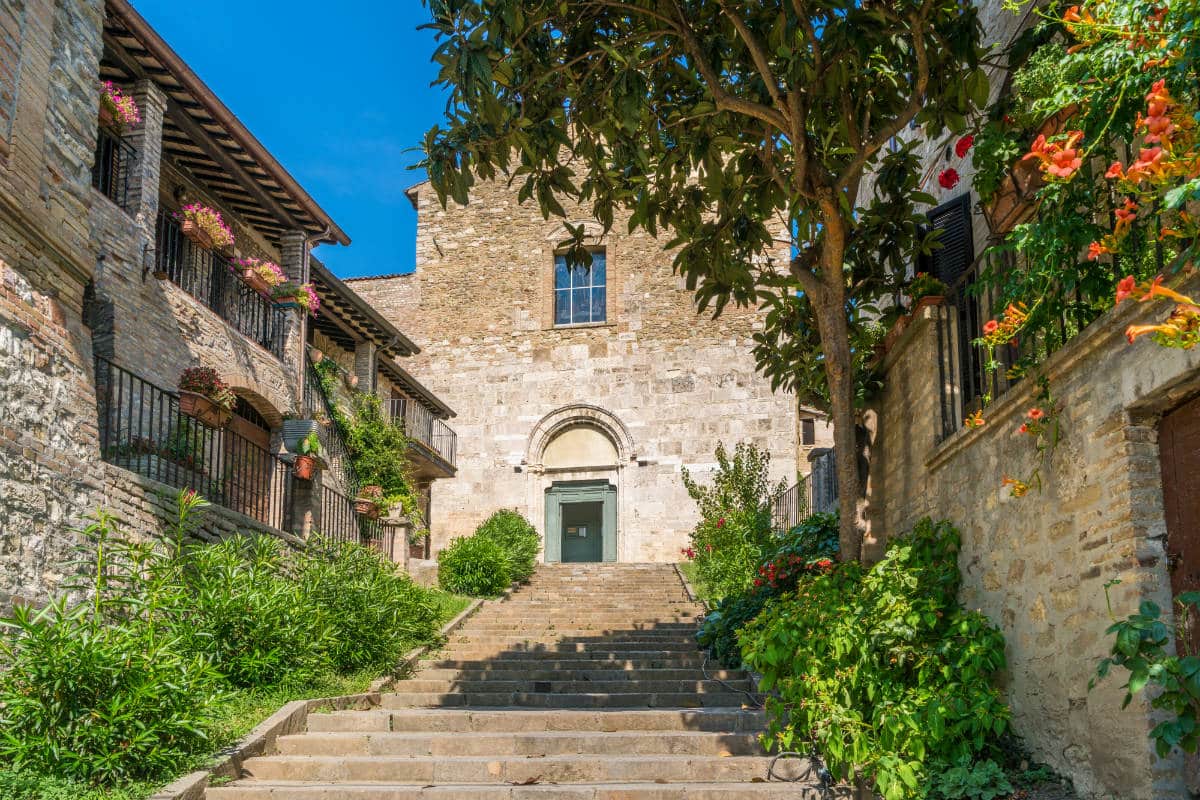
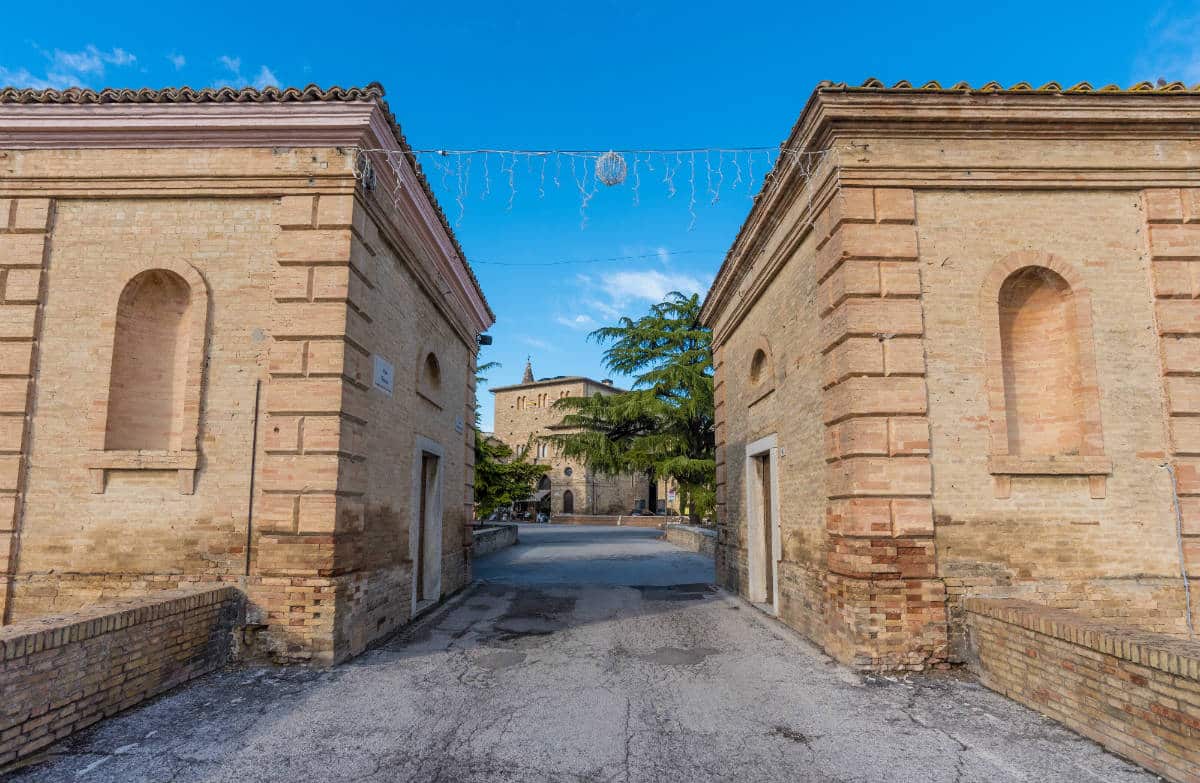
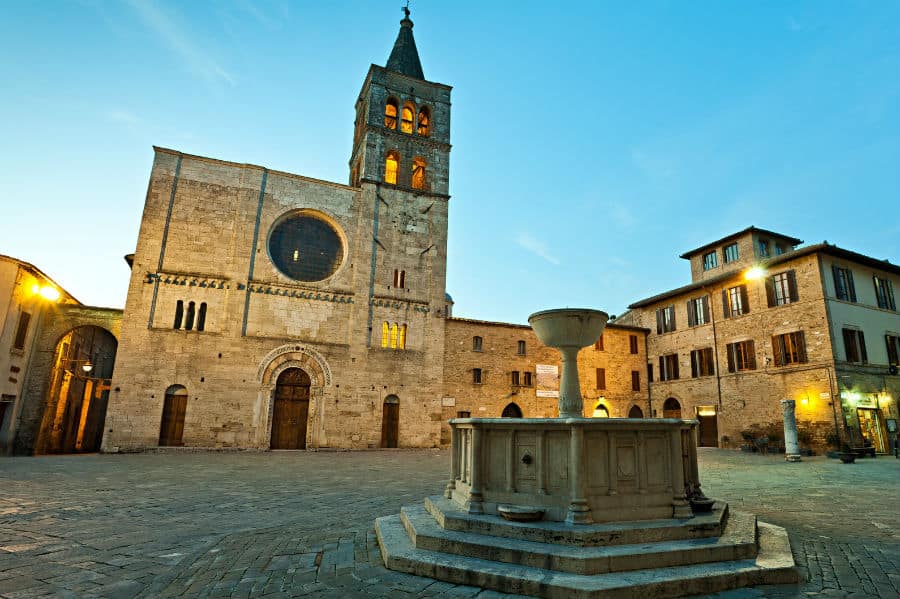
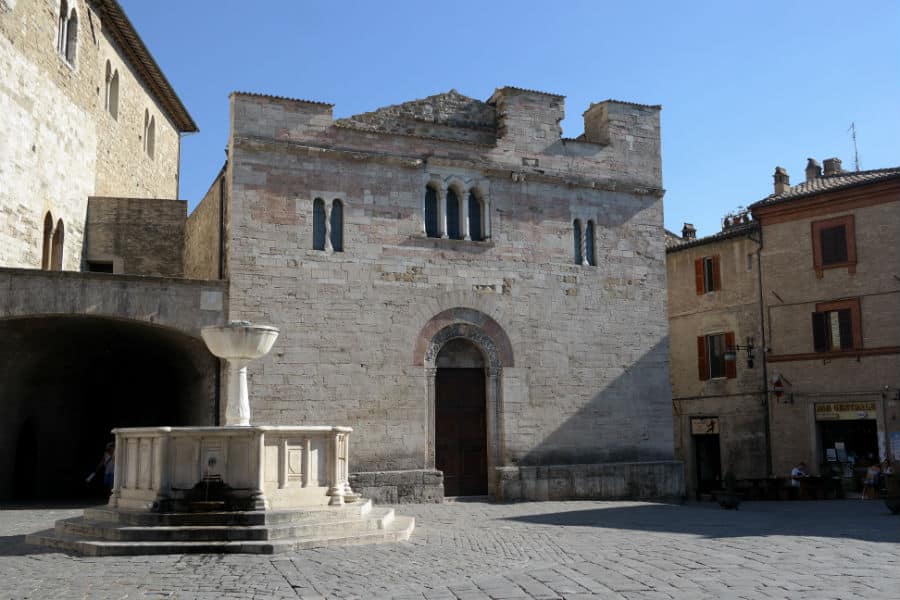
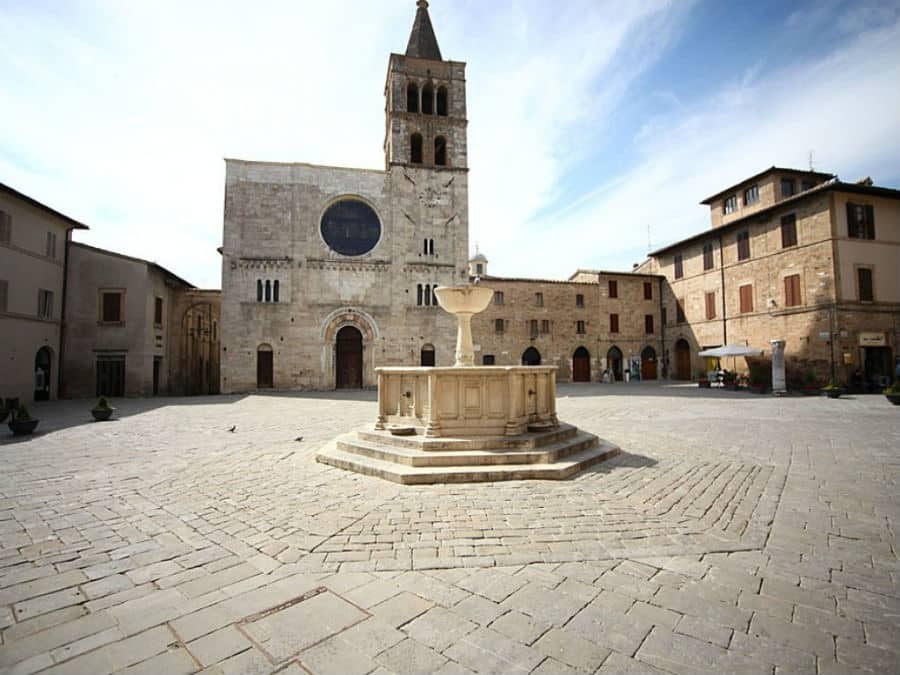
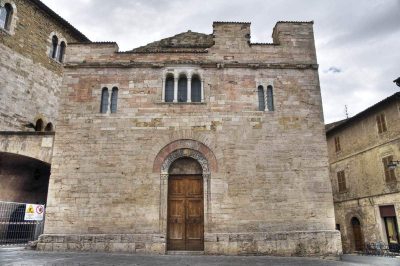
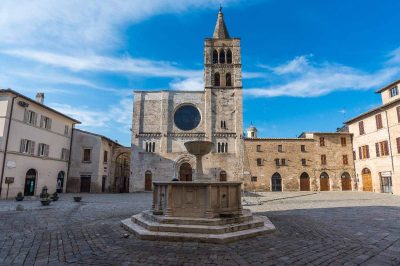
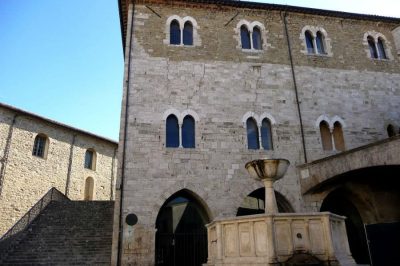
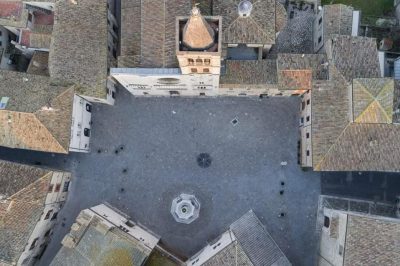
Bevagna’s landscape is characterized by rolling hills, vineyards and wheat fields, overlooking a historic center rich in architectural beauty. The Piazza Silvestri is the beating heart of the village, a place that enchants visitors with its original layout and medieval atmosphere. Significant monuments such as the Church of San Silvestro, a masterpiece of Umbrian Romanesque architecture, and the Collegiate Church of San Michele Arcangelo, famous for its ornate portal and cusped bell tower, face here. The Palazzo dei Consoli, which now houses the Francesco Torti Theater, is another symbol of prestige and history.
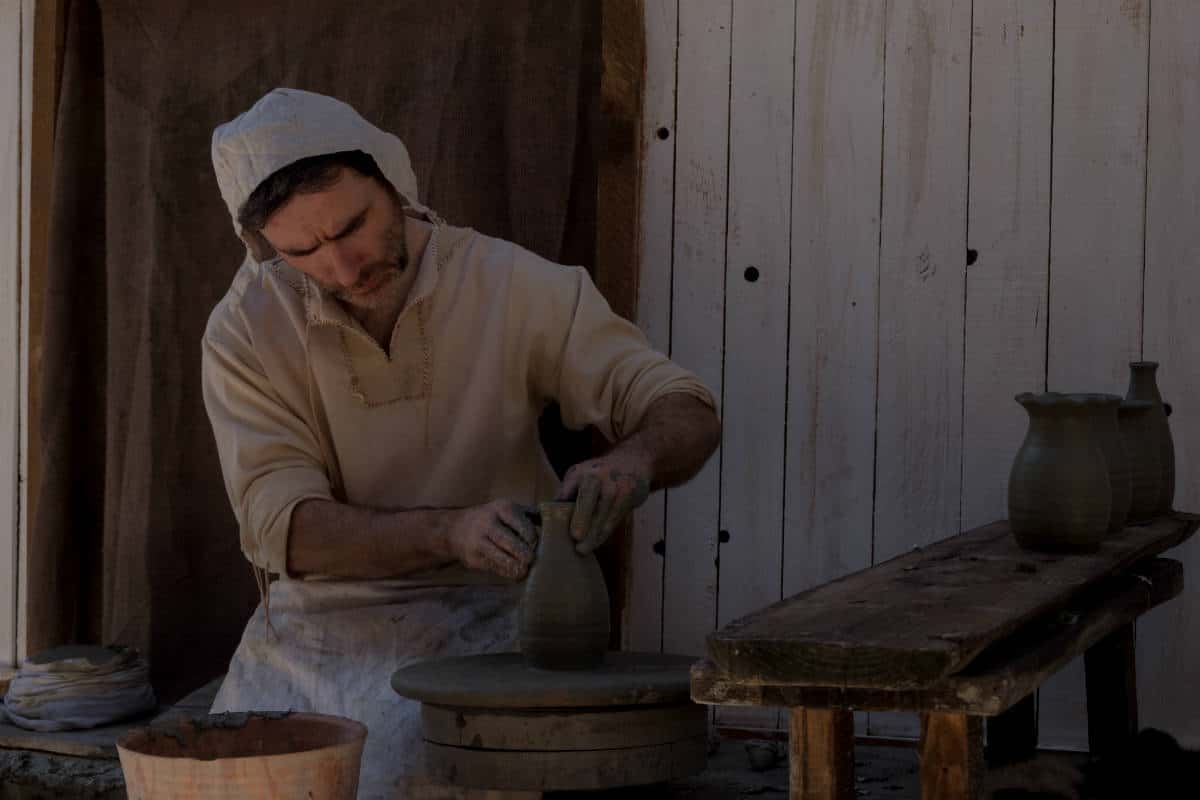
One of the most anticipated events of the year is the Mercato delle Gaite, which takes place in June and celebrates the village’s medieval traditions and customs. During this event, Bevagna’s four quarters come alive with jester performances, medieval music, knightly contests and craft markets. Visitors can immerse themselves in a unique historical atmosphere, savoring typical dishes and admiring ancient crafts, such as papermaking, an art with deep roots in the area.
Bevagna is also known for its traditional cuisine, which offers typical Umbrian dishes such as torta al testo, strangozzi with truffles and fine wines from local wineries. The village’s restaurants and trattorias allow you to enjoy regional specialties in a warm and welcoming atmosphere, surrounded by the historical and cultural charm of this place.
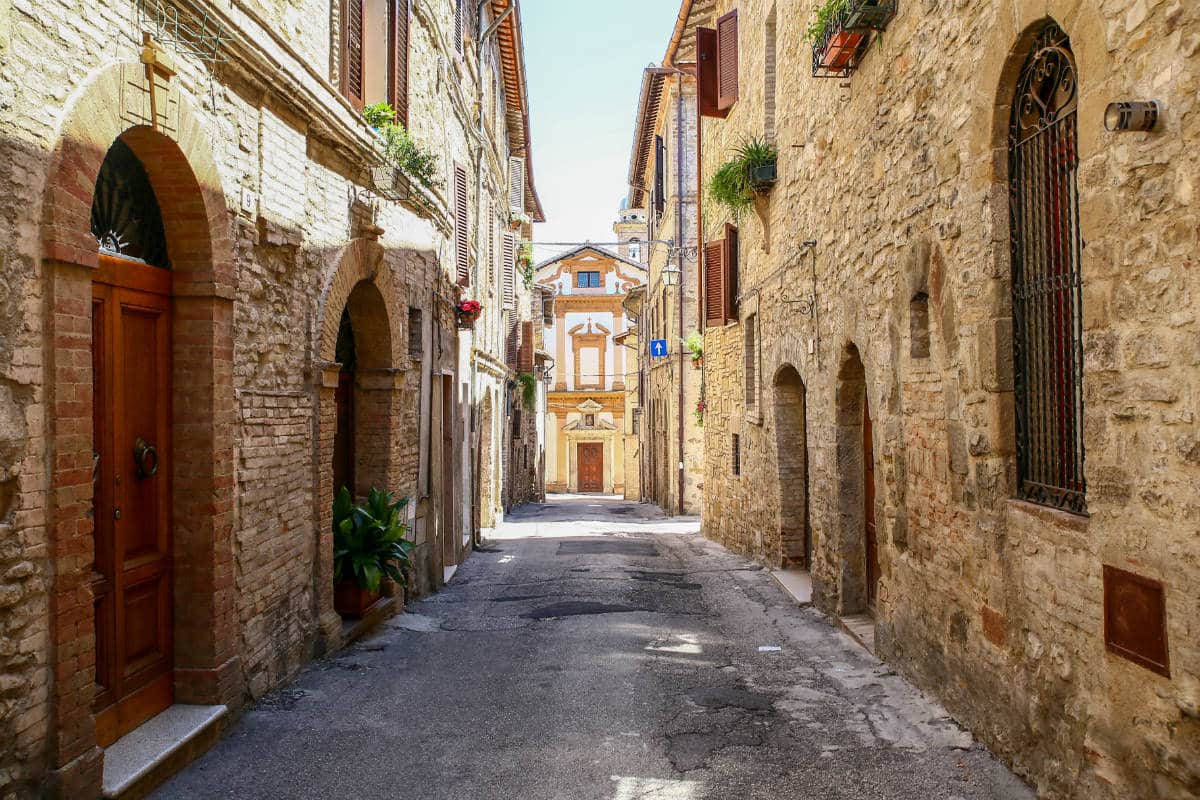
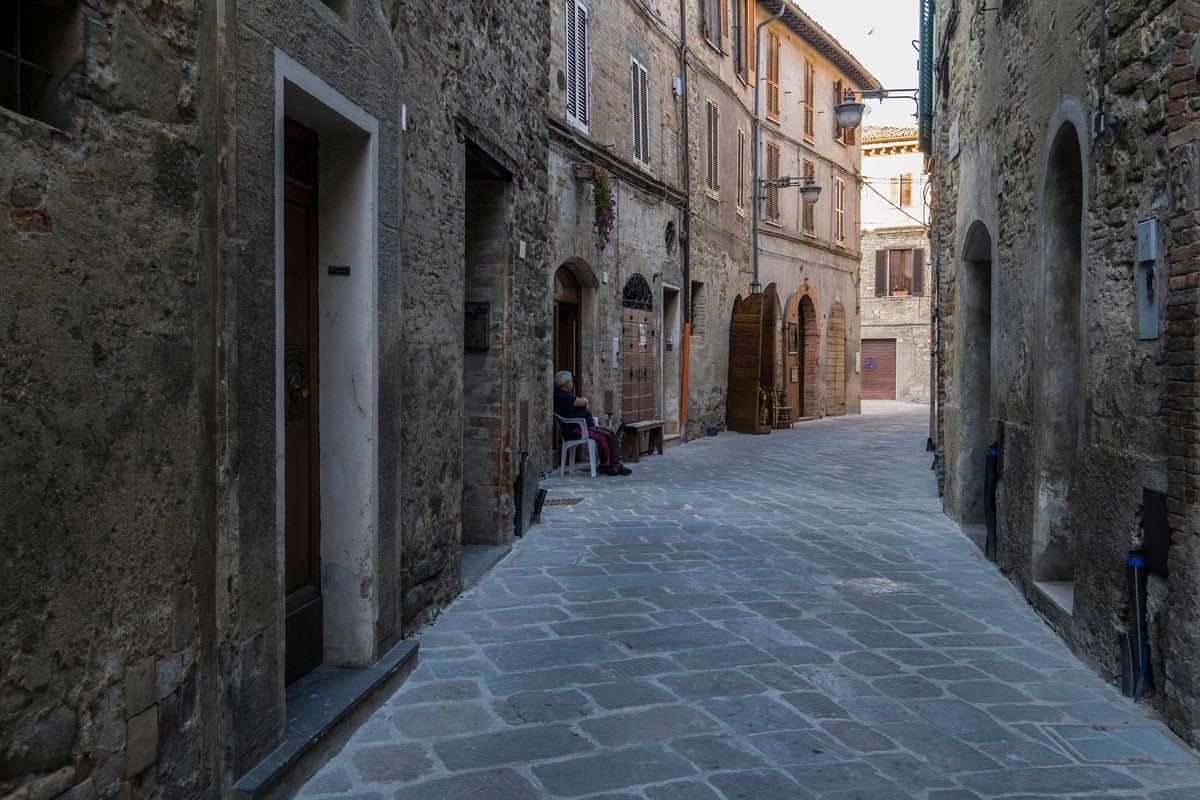
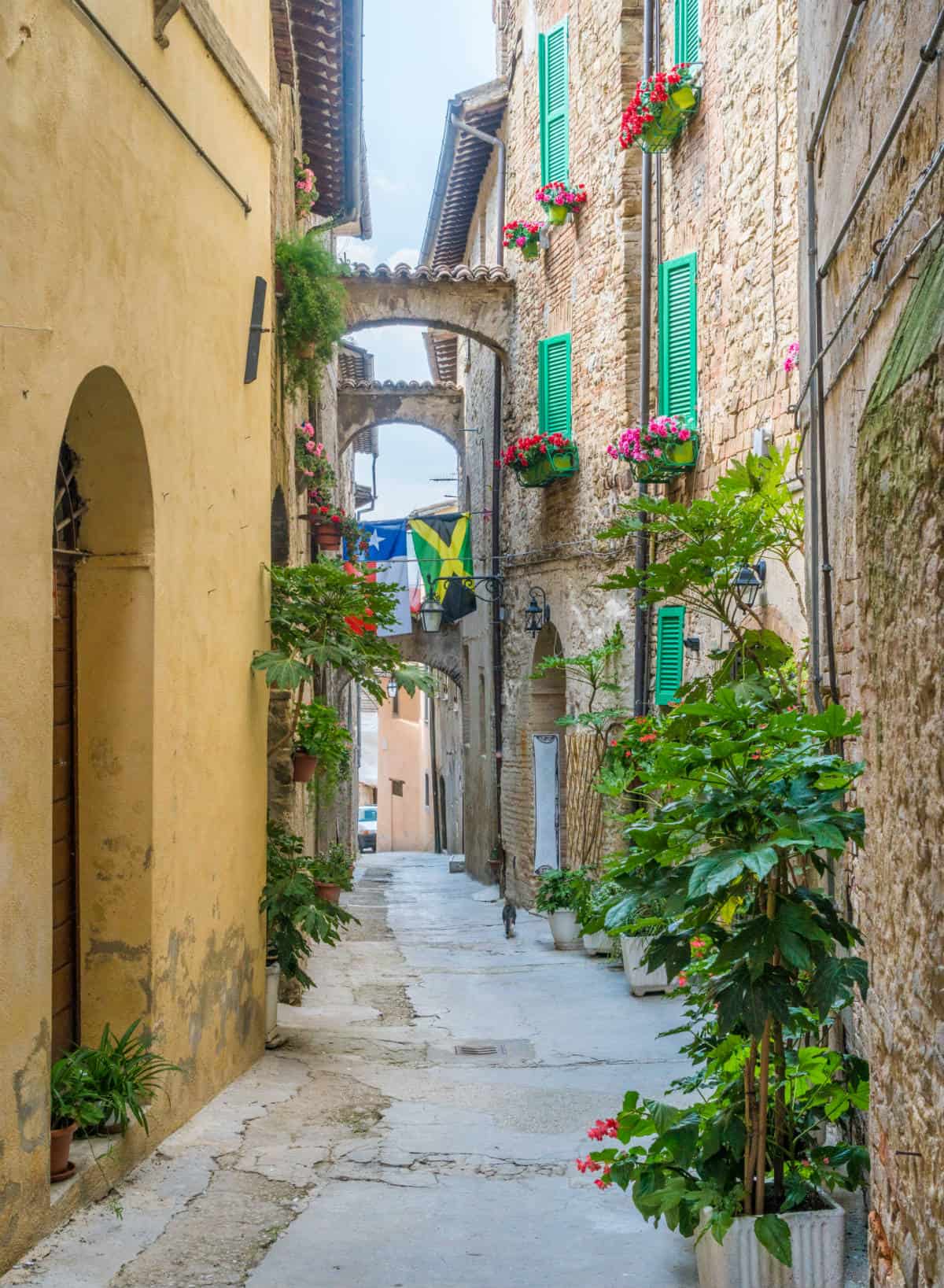
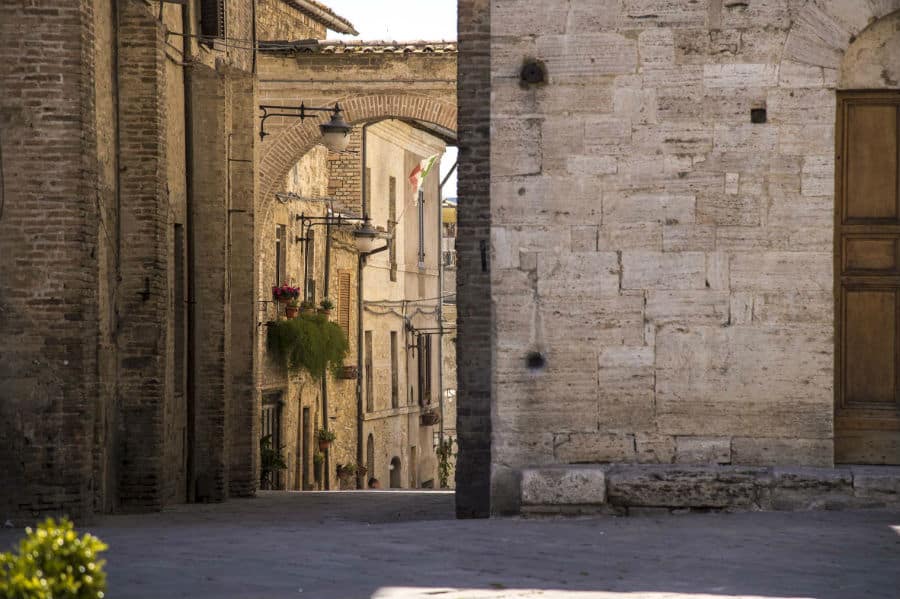
In short, Bevagna is not just a village to visit, but a journey through time that offers the opportunity to explore the history, art and traditions of an authentic Umbria. Walking through its cobblestone streets, among ancient palaces and churches, you have the chance to live a unique experience, immersed in an atmosphere that has preserved its charm over the centuries. Whether visiting to discover the historic sights or taking part in one of its traditional celebrations, Bevagna is a must-see destination for those wishing to explore the heart of Italy.
Village of Bevagna
Municipality of Bevagna
Province of Perugia
Umbria Region
Inhabitants: 5.068 bevanati
Center Altitude: 210 m s.l.m.
The Municipality is part of:
I Borghi più belli d’Italia
City of flavors
City of bio
City honey
City of wine
City of Oil
Acknowledgments
Orange Flag – Italian Touring Club
Municipality
Course Matteotti 58 – Tel. 0742-368111
BY CAR
- From the North: A1 motorway; Valdichiana exit; highway to Perugia, Assisi and Foligno; exit Foligno Nord; Bevagna
- From the south: A1 motorway; Orte exit; highway to Terni, Spoleto and Foligno; exit Foligno Nord; Bevagna
BY PLANE
- “Sant’Egidio” Umbrian Regional Airport Perugia
- “Leonardo da Vinci” International Airport Fiumicino – Rome
- April – Art on the Table. Show local market, product exhibitions and typical tasting dishes, local artist shows, concerts.
- April/May – Medieval Spring. A showcase of the June Festival (Gaite Market) featuring concerts, conferences and events of medieval gastronomic nature.
- Second half of June – The Gaite Market. A historic reenactment event that falls every year over the last 10 days over the last two Sundays in June. The main objective of the event is to recreate the daily life between 1250 and 1350. The four Gaite (neighborhoods) San Giorgio, San Giovanni, San Pietro and Santa Maria challenge in four races (crafts race, gastronomic race, market competition, race of archery) to decree who to win the stake.
What to see in Bevagna
Discover what to see in Bevagna among monuments, scenic views, museums, churches and symbolic places of the village. A useful selection to plan your visit and explore the area.
News and stories about “Bevagna”
Insights and stories from the area, to keep discovering.
Continue the journey
Bevagna is only one of the treasures of the area. Use the interactive map to discover what to visit nearby, how far the other villages are and which experiences you can enjoy along the route.
Explore the area