 San Martino di Castrozza
 VIVA! Festival 2026
 Tandem paragliding flights in Tirolo and Merano: the thrill of flying over the Alps
 Recipe: Polta di Pacentro, the peasant dish that symbolises the traditions of Abruzzo
Perched on a hill overlooking the Valdichiana Aretina, Castiglion Fiorentino is a Tuscan village rich in history and charm, where Etruscan origins intertwine with the Middle Ages and the Renaissance. With its open views of the countryside, ancient walls, museums, and traditions that are still alive today, it is one of the most authentic destinations for discovering the historical and cultural soul of Tuscany.
Photo gallery
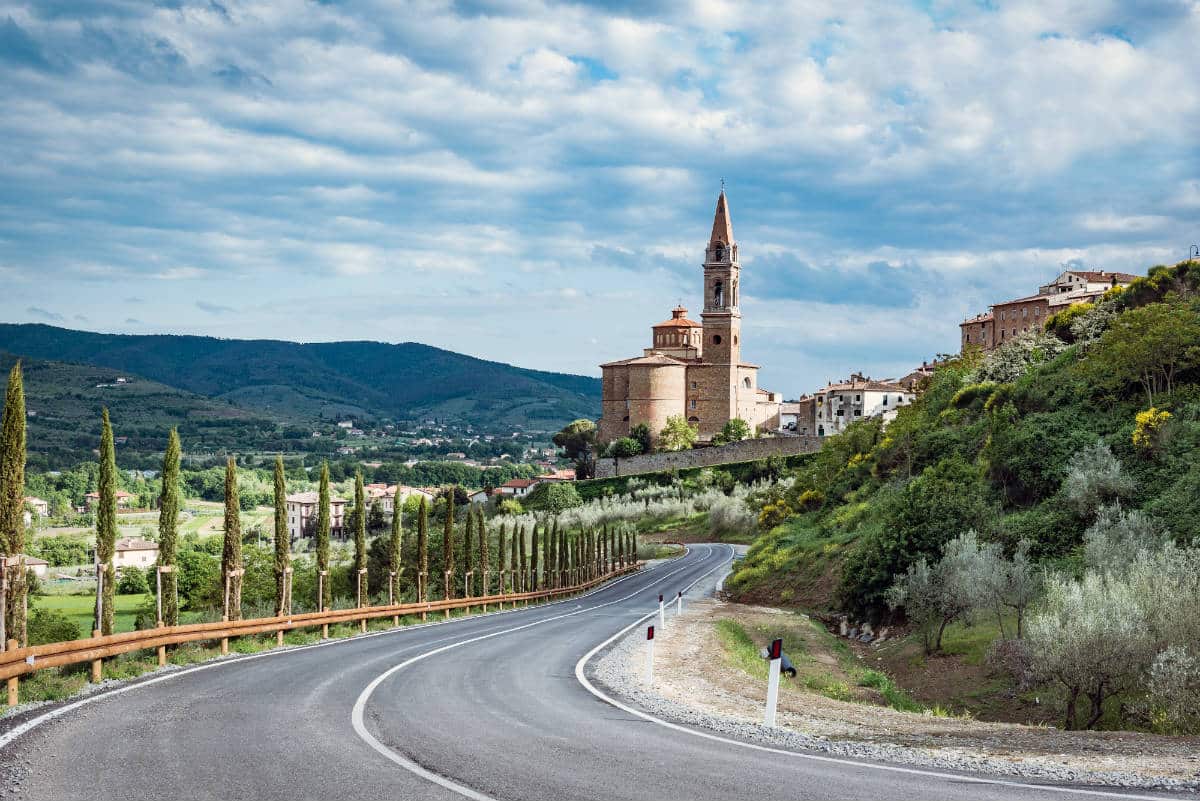
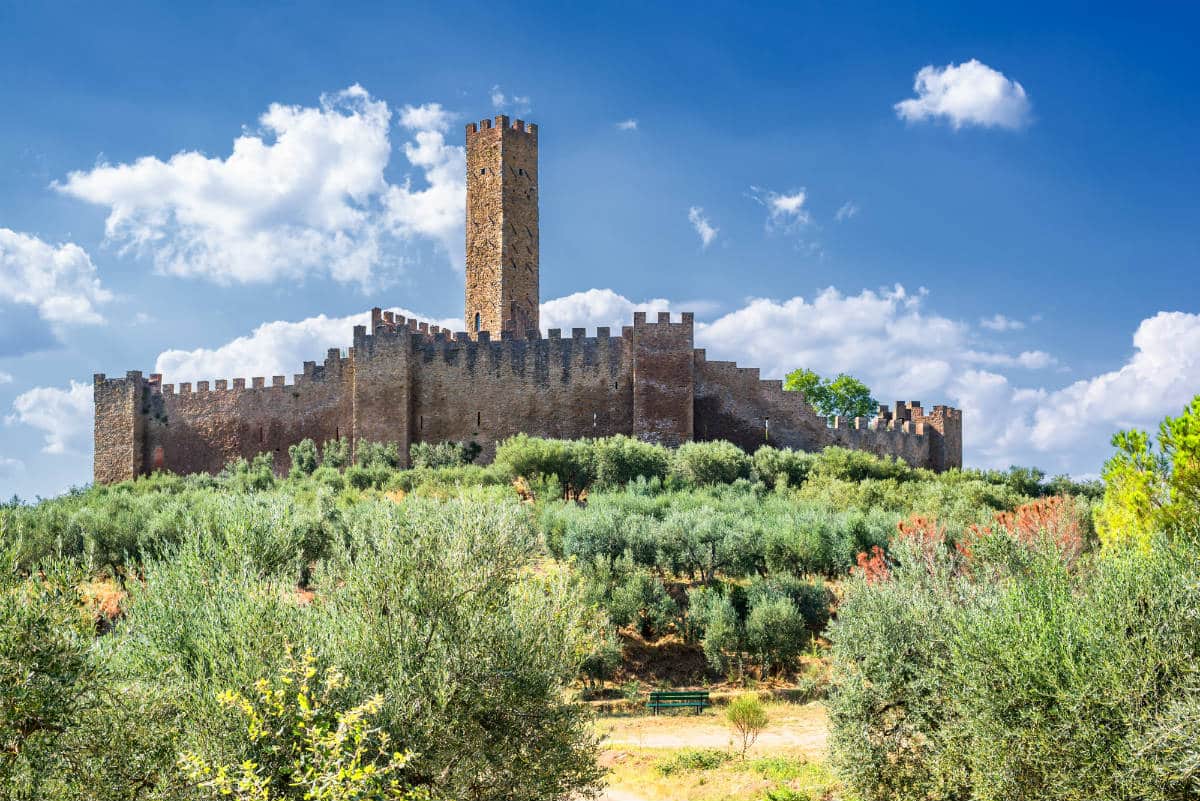
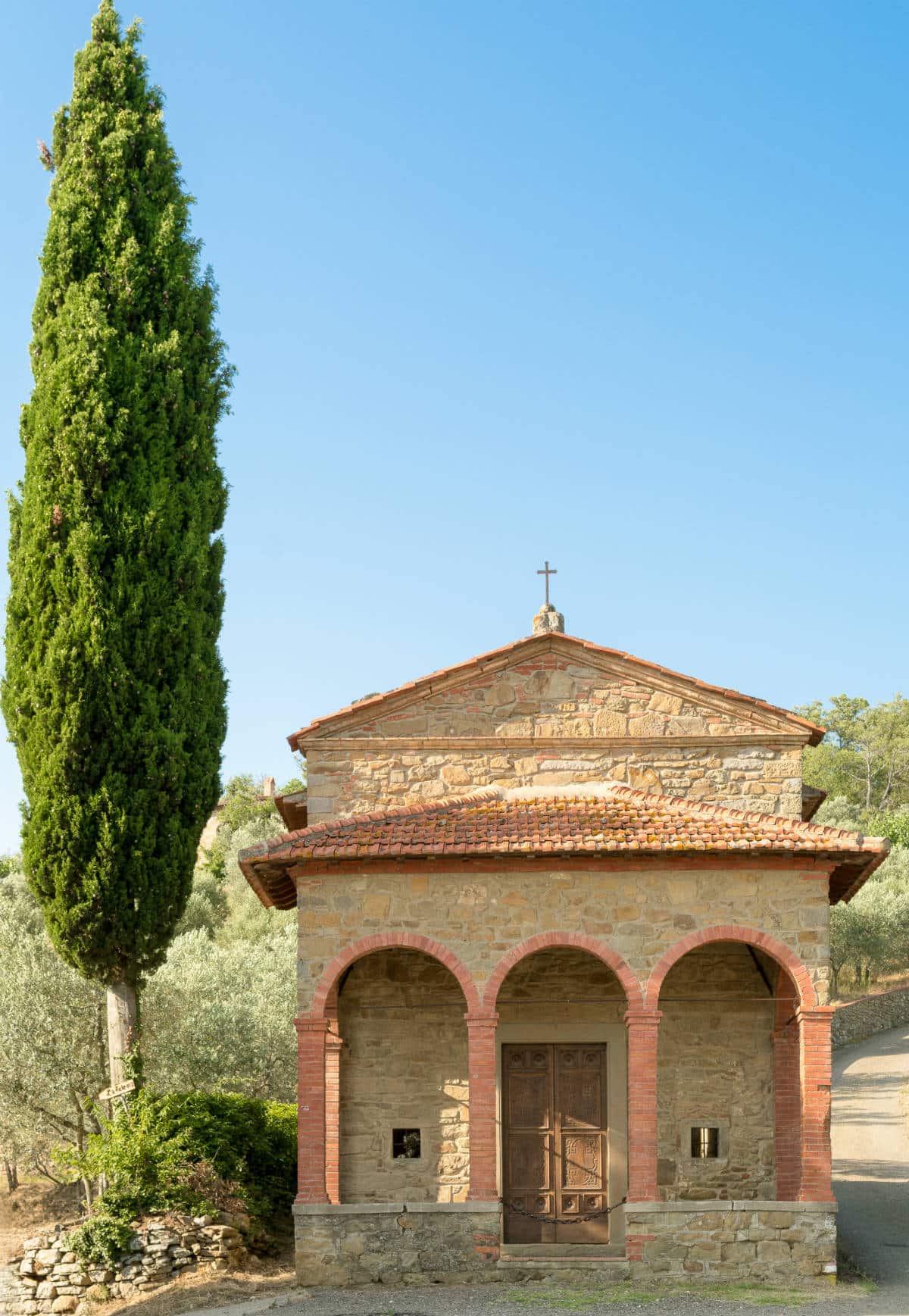

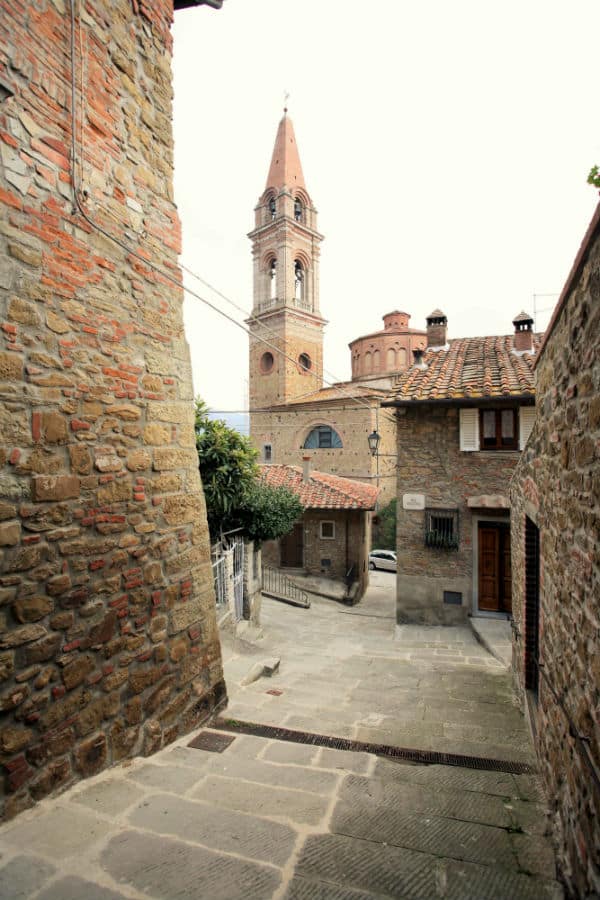
The territory of Castiglion Fiorentino has been inhabited continuously since prehistoric times and experienced its first phase of significant development during the Villanovan period. However, the real leap forward occurred between the 6th and 5th centuries BC, when the Etruscans chose this hill as the ideal place to settle, also initiating the first land reclamation works in the Val di Chiana.
At the time, the valley was crossed by the Clanis River, which flowed in the opposite direction to the current Canale Maestro della Chiana and was an important navigable waterway, connected to the Tiber via the Paglia. It was along this river axis that Etruscan settlements flourished, as evidenced by the numerous finds discovered in the Castiglione area, including the famous Brolio Deposit, discovered in the 19th century in the hamlet of the same name and consisting of an extraordinary collection of Etruscan votive bronzes.
With the arrival of the Romans, the area was exploited mainly for its exceptional agricultural fertility, destined to feed the city. However, in the Augustan age, in order to contain the periodic flooding of the Tiber, the mouth of the Clanis was blocked, causing the Valdichiana to become swampy. It was during this period that the village of Castulone—the ancient nucleus of Castiglion Fiorentino—developed further uphill, becoming a healthy refuge from the malaria that afflicted the valley floor.
The name “Castiglione” appears in documents only from the 10th century onwards, when the village was a fief of the Marquises of Monte Santa Maria. From 1384, it came under the permanent rule of Florence, taking on the definitive name of Castiglion Fiorentino, which still today recalls this historical link with the Tuscan capital.
The village: medieval structure and Renaissance soul
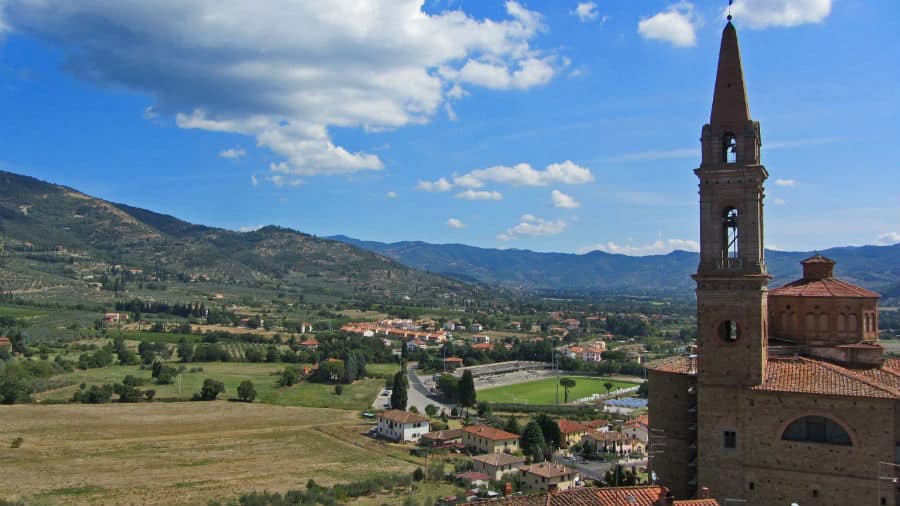
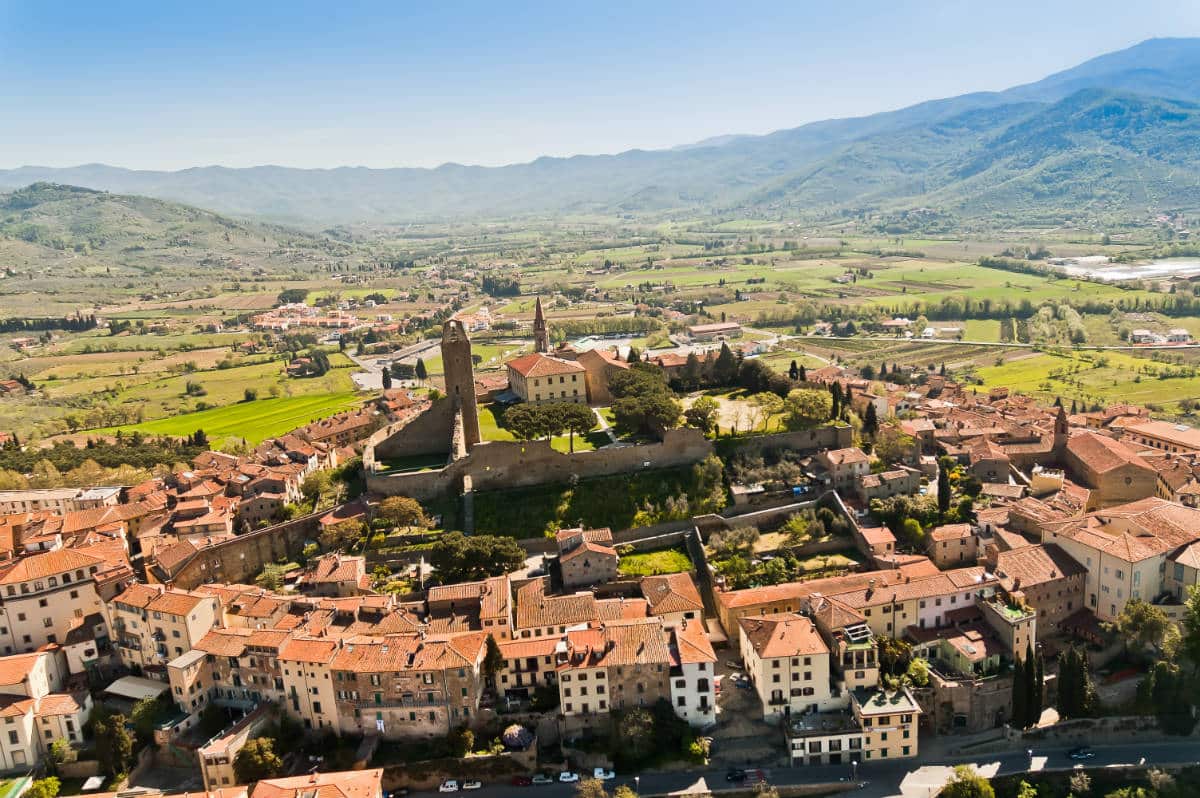
Castiglion Fiorentino stands on a small strategic hill, dominating the Valdichiana Aretina to the southwest and the Val di Chio to the east. Its location, along the ancient Arezzo–Chiusi axis and at the junction between Valdichiana and Valtiberina, has made it a key hub for control and trade for centuries.
The historic center retains a typically medieval layout: defensive walls, city gates, uphill alleys, and sudden glimpses lead to the Cassero, built on the ancient Etruscan site. Here stands the tower, the true symbol of the city, visible from across the valley.
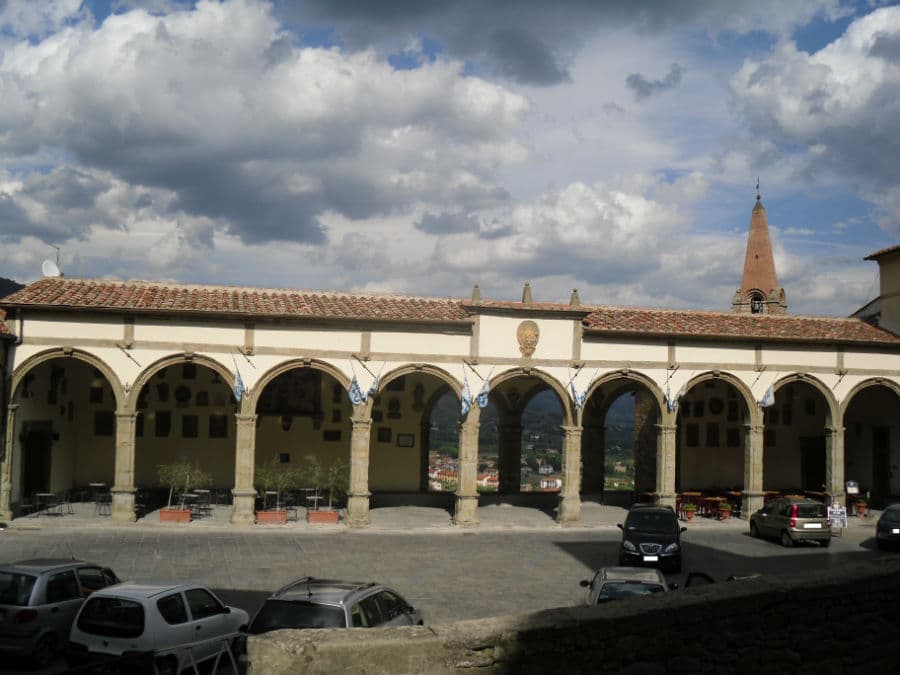
Alongside its medieval soul, there are refined Renaissance examples, such as the famous Loggiato Vasariano and numerous palaces built or remodeled between the 16th and 19th centuries, which tell the story of a prosperous, cultured, and artistically vibrant city.
What to see in Castiglion Fiorentino
- Porta Fiorentina
Ancient northwestern entrance to the village, once called Porta Aretina or Porta di Santa Maria. - Corso Italia and Piazza del Municipio
The Corso, approximately 260 meters long, leads to the main square, the civic heart of the city, overlooked by the Town Hall and Vasari’s Loggias, which offer one of the most evocative views of the valley. - Pinacoteca Comunale (Church of Sant’Angelo)
It houses works of great value, including 13th-century goldsmith’s work and paintings by Margarito d’Arezzo, Taddeo Gaddi, and Bartolomeo della Gatta. - Cassero Area and Tower
A cultural and historical center, it offers a spectacular view of the Valdichiana and Val di Chio. - Civic Archaeological Museum and underground tour
Located in the Palazzo Pretorio, it houses artifacts from the territory and the Cassero area, with a reconstruction of the roof of an Etruscan sanctuary (5th–4th century BC). - Museum of Sacred Art of the Pieve di San Giuliano
Inside the Collegiate Church of Saints Michael and Julian are masterpieces such as Luca Signorelli’s Lamentation over the Dead Christ and a Robbia altarpiece depicting the Baptism of Christ. - Mario Spina Municipal Theater
An elegant 19th-century theater with three tiers of boxes, rich in gilded stucco and refined decorations.
The museums of the Castiglione Museum System are accessible free of charge, making the visit even more complete and engaging.
Local specialties and traditions: the flavors of Valdichiana
The cuisine of Castiglion Fiorentino reflects the agricultural identity of the area: high-quality extra virgin olive oil; authentic, local wines from Valdichiana; meat, cured meats, and traditional peasant dishes linked to the seasons; simple desserts, often prepared for religious holidays.
All this is accompanied by a calendar of events and historical rituals, including the Holy Week Processions, among the most intense and evocative in Tuscany, capable of involving the entire community and transforming the village into a place of silence, light, and memory.
A village that tells the story of authentic Tuscany
Castiglion Fiorentino is a place where landscape, history, and everyday life blend harmoniously. Walking within its walls means traversing centuries of civilization, from the Etruscans to the Renaissance, to today’s Tuscany. It is a village to be experienced slowly, where every glimpse tells a story and every view opens onto one of the most fascinating valleys in Italy.
Village of Castiglion Fiorentino
Municipality of Castiglion Fiorentino
Province of Arezzo
Tuscany Region
Population: 13.053 castiglionesi
Altitude centre: 345 m s.l.m.
the Municipality is part of:
Paesi Bandiera Arancione
Castiglioni d’Italia
Città della chianina
Città dell’olio
Strada del Vino Terre di Arezzo
Acknowledgments
Orange Flag – Italian Touring Club
Municipality
Piazza del Municipio 12 – Tel. 0575-65641
BY CAR
- From the North: Take the A1 highway, exit at Arezzo, follow signs for Arezzo and continue on the Arezzo-Battifolle link, cross Terrarossa and continue following signs for Castiglion Fiorentino.
- From the South: Take the A1 motorway towards Florence, exit at Valdichiana / Bettolle / Sinalunga, continue on the SS 327 and then on the RA6 ring road towards Perugia, exit at Cortona and take the SP 32 always towards Cortona, cross Camucia and then follow the signs for Castiglion Fiorentino.
ON THE TRAIN
- Castiglion Fiorentino railway station
BY PLANE
- Florence airport
- Pisa airport
- Weekly market: Every Friday, in Foro Boario;
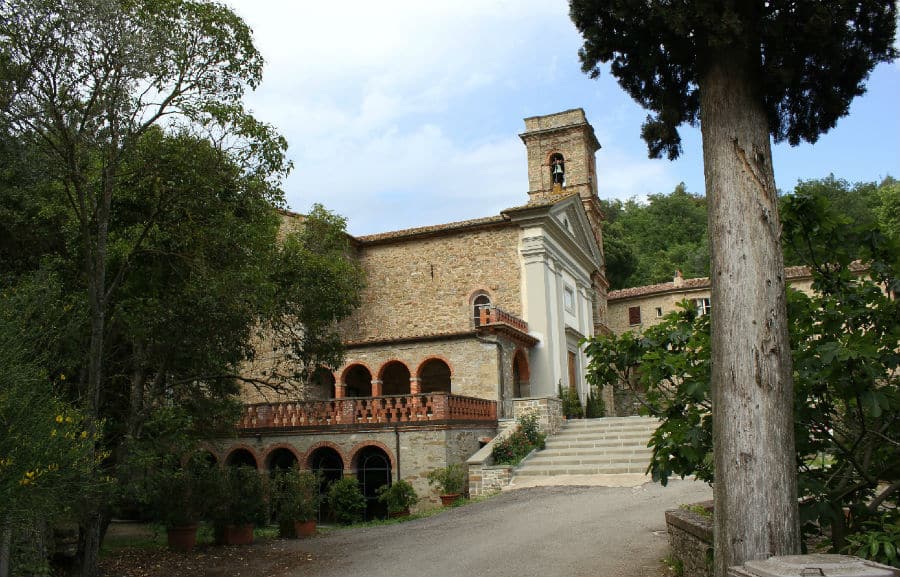
What to see in Castiglion Fiorentino
Discover what to see in Castiglion Fiorentino among monuments, scenic views, museums, churches and symbolic places of the village. A useful selection to plan your visit and explore the area.
Continue the journey
Castiglion Fiorentino is only one of the treasures of the area. Use the interactive map to discover what to visit nearby, how far the other villages are and which experiences you can enjoy along the route.
Explore the area