 San Martino di Castrozza
 VIVA! Festival 2026
 Tandem paragliding flights in Tirolo and Merano: the thrill of flying over the Alps
 Recipe: Polta di Pacentro, the peasant dish that symbolises the traditions of Abruzzo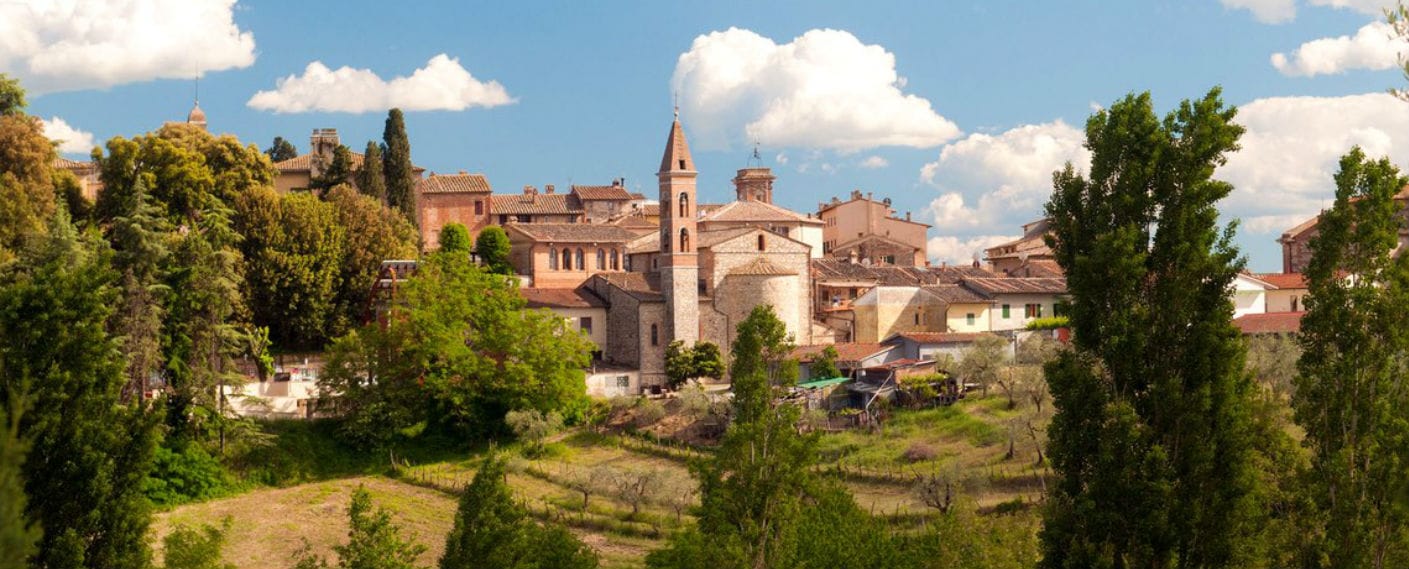
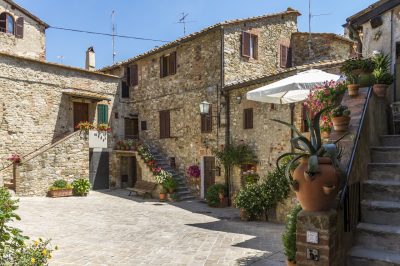
Castelnuovo Berardenga nestled between the fertile hills of Chianti and the incredible landscape of the Crete Senesi, stands on the hills that separate the first stretch of the Ombrone valley from that of its tributary Arbia. This small town boasts a rich historical and cultural heritage, with churches dating back to the year 600 and noble families who built majestic villas with fairytale gardens.
Photo gallery
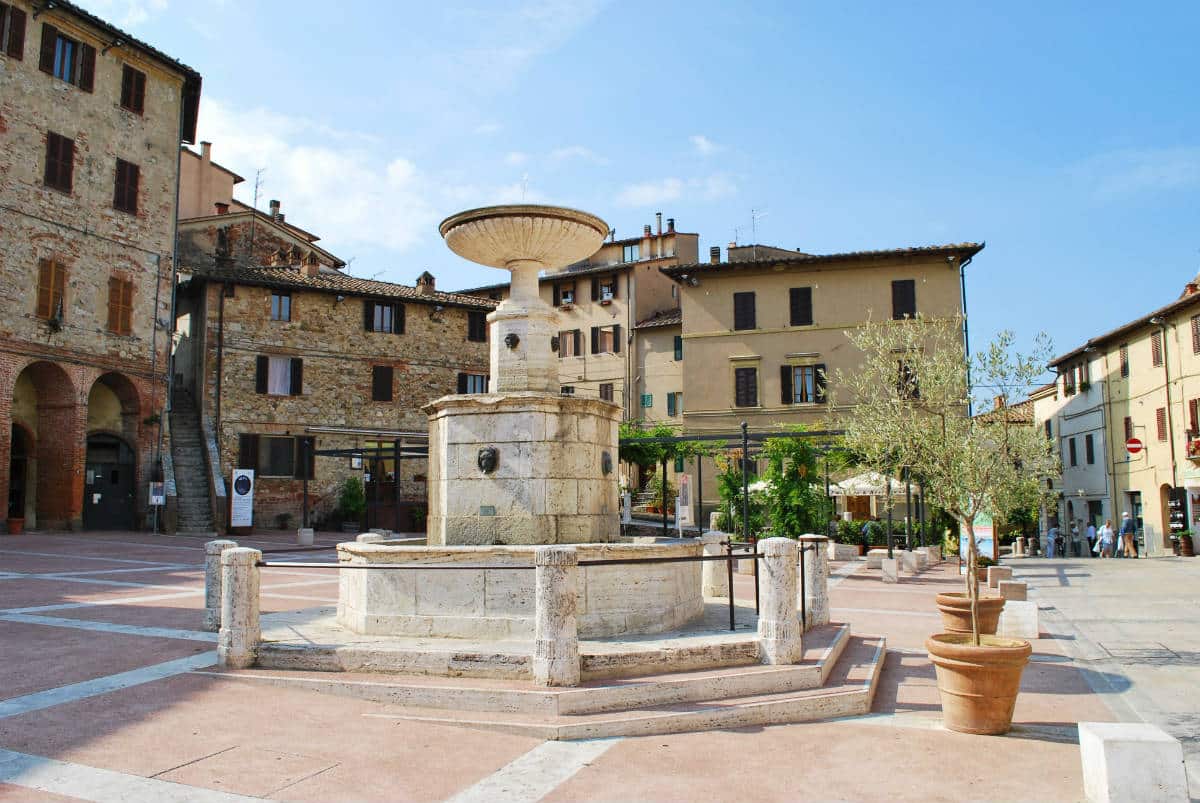
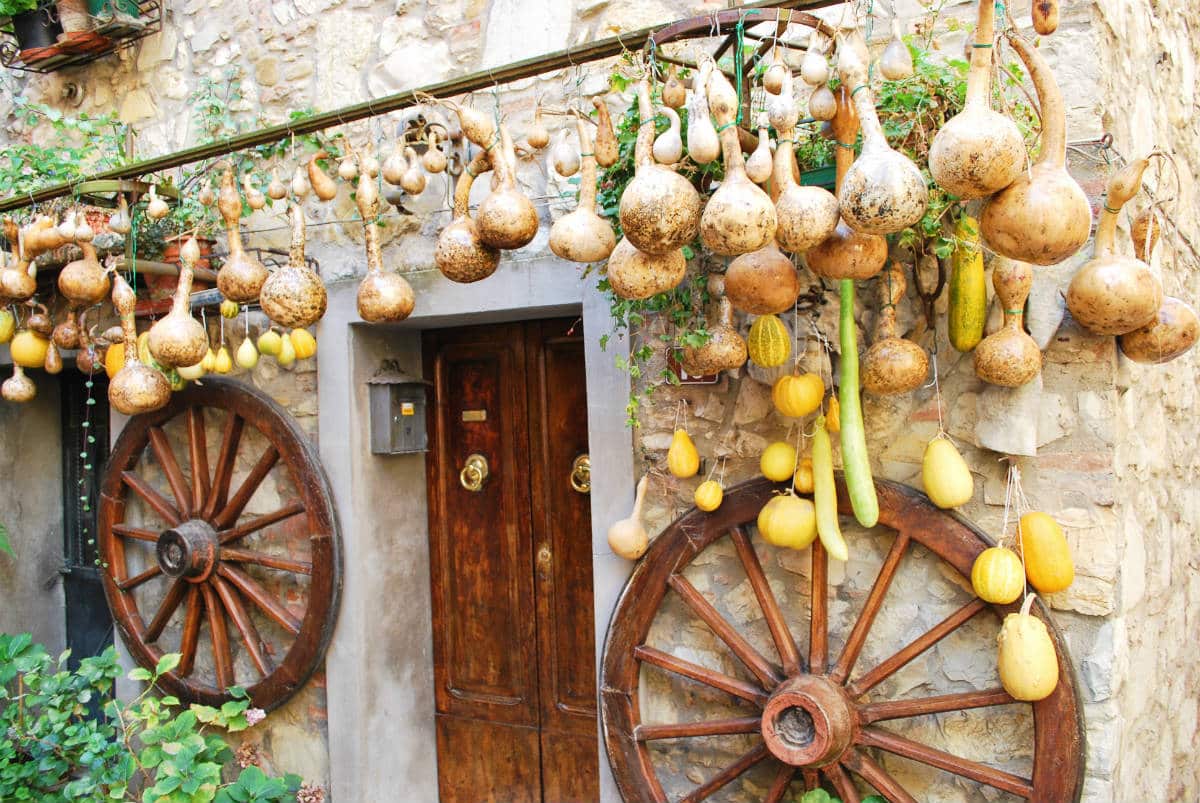
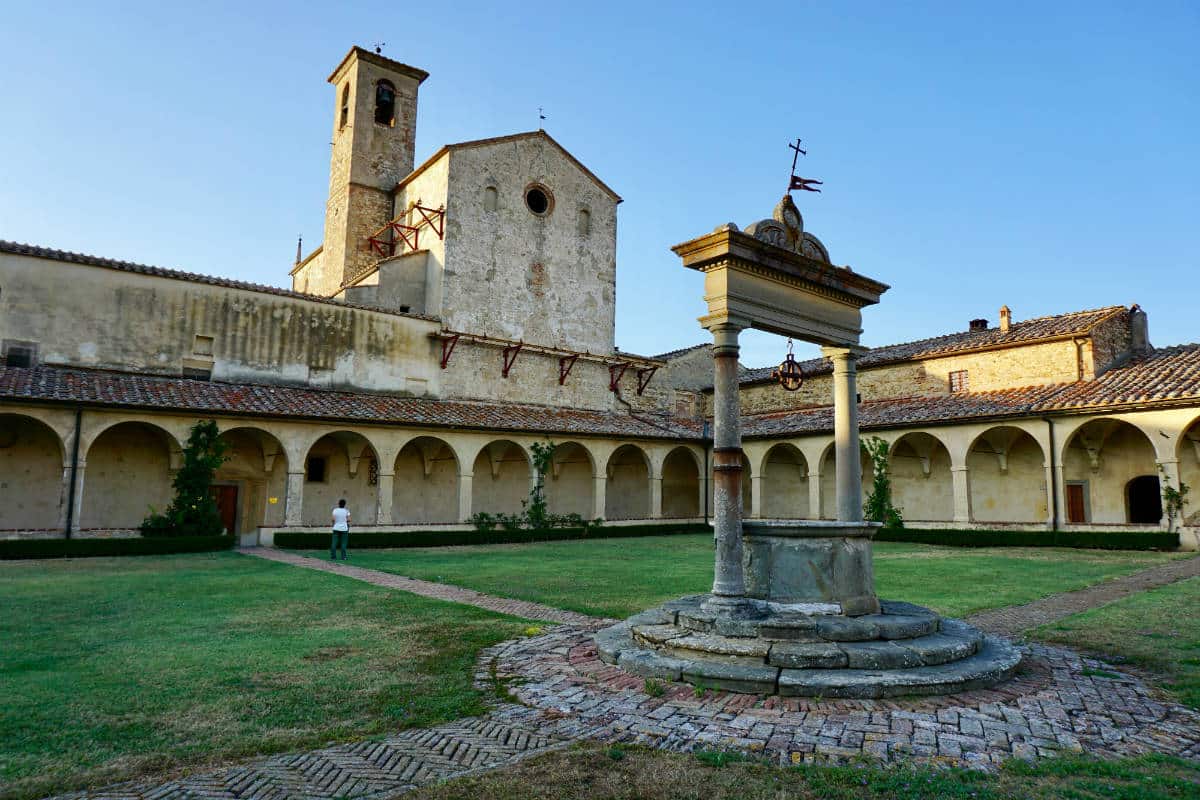
Castelnuovo Berardenga, located just outside Siena, nestled between the fertile Chianti hills and the incredible landscape of the Crete Senesi, rises on the hills that separate the first stretch of the Ombrone valley from that of its tributary Arbia.
Under the name of the territory or district of the Berardenga is sottintendeva even in times of the Sienese Republic the portion of that state between the sources of the torrent Bozzone and those of Amber, between the Chianti high and the river Biena up to Taverne d’Arbia. The name derives from the County of Berardenghi that took its name from one of the sons of Wuinigi Count (Guinigi) of Ranieri. He was called Berardo and this name, constantly repeated by the descendants, gave then the name also to the territory. The jamb, donde took the name the county Berardenga, part without doubt from that Castelnuovo, founded by the Republic of Siena, as point of surveillance of the border toward Florence and Arezzo, after a resolution dated 26 July 1366. In this era the top of the hill was surrounded by walls by entrusting the direction a Mino dei of Siena (1373-1374). The castle is today retains a tower and a little more. The ancient parish church of San Giusto, situated not far from Castelnuovo is reminded of a long time before it was built the castle, between the branches of the nearby ancient parish church of Pacina, note for the first strife between Siena and Arezzo on diocesan boundaries dating back to the VII century One of the facts that the most striking, of its medieval history, is the very high number of castles. Among the many, deserves mention that of Montalto, possessed by Berardenghi since the ixth century. The testimonies of settlement of the middle ages are not limited only to the churches, monasteries and castles but next to these constructions of guerresco plant or religious, sprang up fortified villas and houses that precludevano to the incipient renaissance.
Village of Castelnuovo Berardenga
Municipality of Castelnuovo Berardenga
Province of Siena
Tuscany Region
inhabitants: 9.097 castelnovini
Altitude centre: 351 m s.l.m.
the Municipality is part of:
Città del bio
Città del vino
Città slow
Recognitions
Bandiera arancione – Italian Touring Club
Municipality
Via Garibaldi 4 – Tel. 0577-3511
BY CAR
- From the North: Take the A1 highway. Exit at Firenze Certosa and take the highway to Siena, continue on the ring road towards Arezzo – Perugia, continue following signs for Castelnuovo Berardenga. Or, exit at “Valdarno”, take the SR 69 towards Montevarchi – Arezzo until Levane, then take the SP 540 towards Siena, continue until the indication for Castelnuovo Berardenga.
- From the South: Take the A1 highway, exit at “Valdichiana”, take the Siena – Bettolle ring road towards Siena, exit at Castelnuovo Berardenga.
- From Siena: Take the Siena-Bettolle highway, exit at Castelnuovo Berardenga.
ON THE TRAIN
- Siena railway station
BY PLANE
- Florence airport
- Pisa airport
- Rome Fiumicino Airport
What to see in Castelnuovo Berardenga
Discover what to see in Castelnuovo Berardenga among monuments, scenic views, museums, churches and symbolic places of the village. A useful selection to plan your visit and explore the area.
News and stories about “Castelnuovo Berardenga”
Insights and stories from the area, to keep discovering.
Continue the journey
Castelnuovo Berardenga is only one of the treasures of the area. Use the interactive map to discover what to visit nearby, how far the other villages are and which experiences you can enjoy along the route.
Explore the area