 San Martino di Castrozza
 VIVA! Festival 2026
 Tandem paragliding flights in Tirolo and Merano: the thrill of flying over the Alps
 Recipe: Polta di Pacentro, the peasant dish that symbolises the traditions of Abruzzo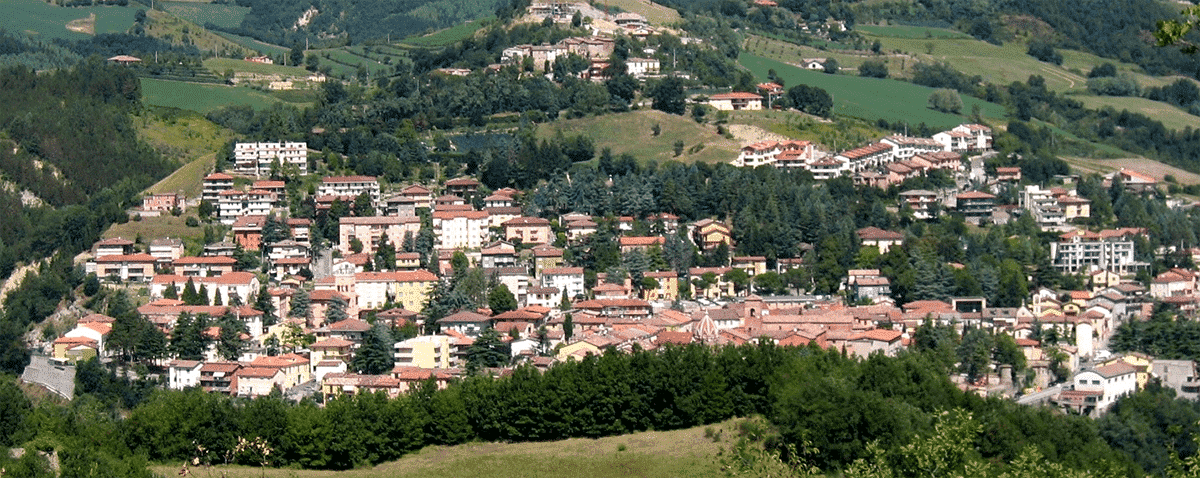
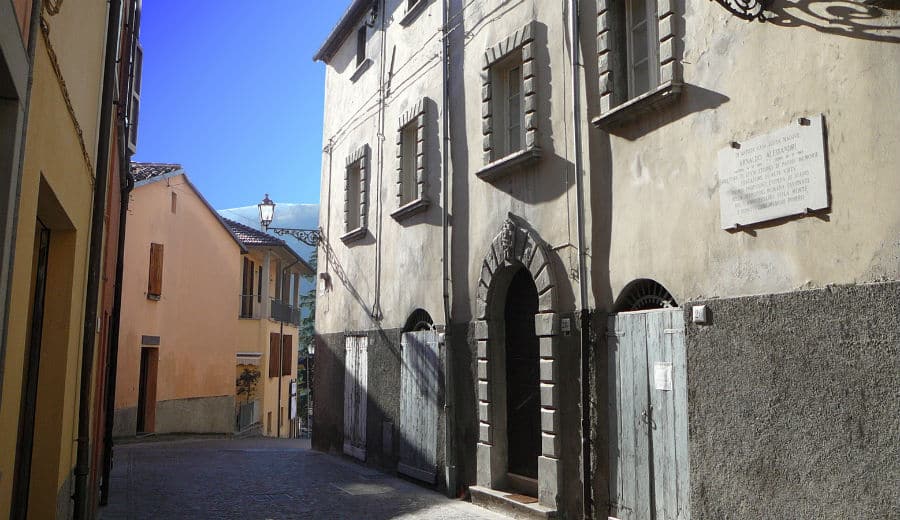
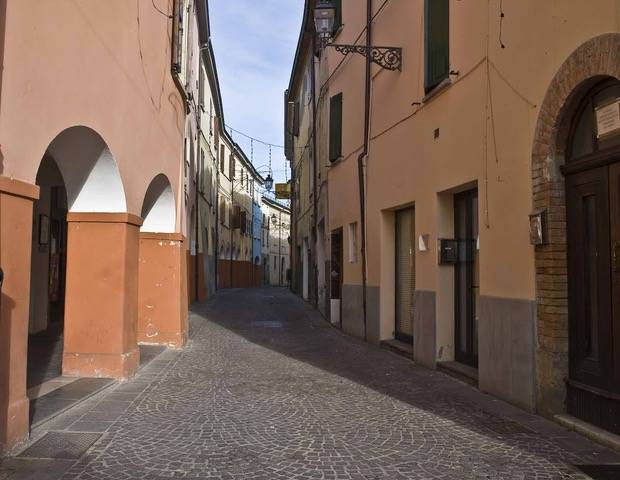
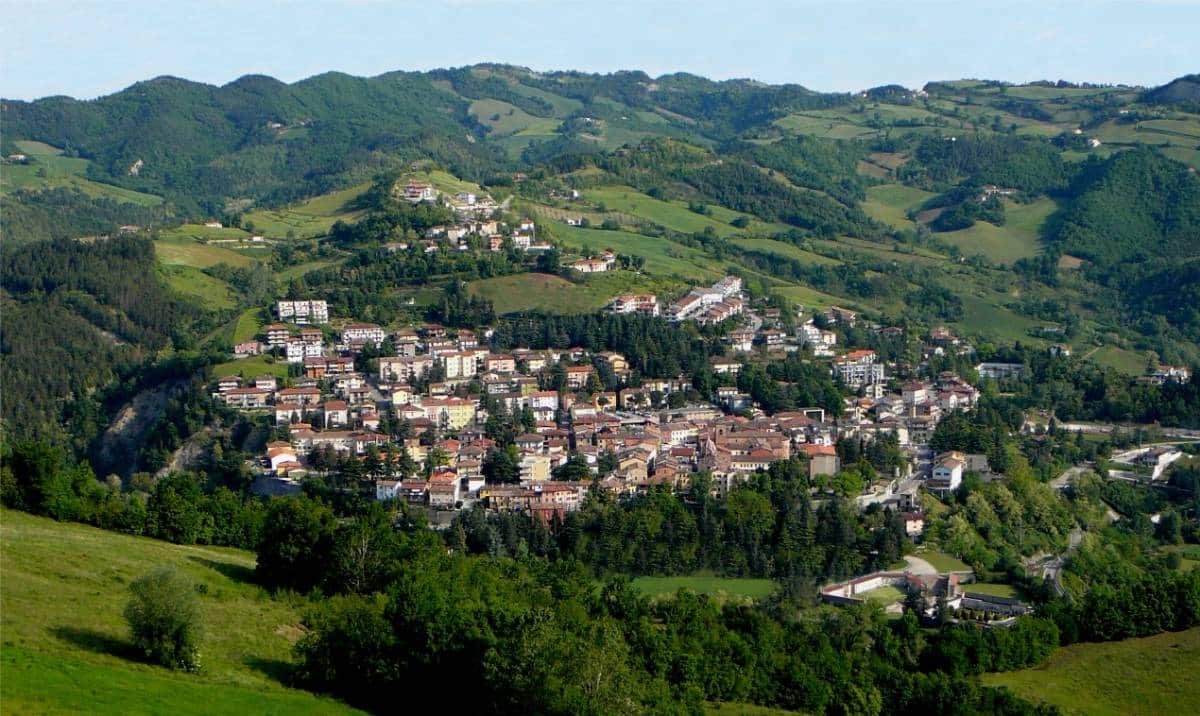
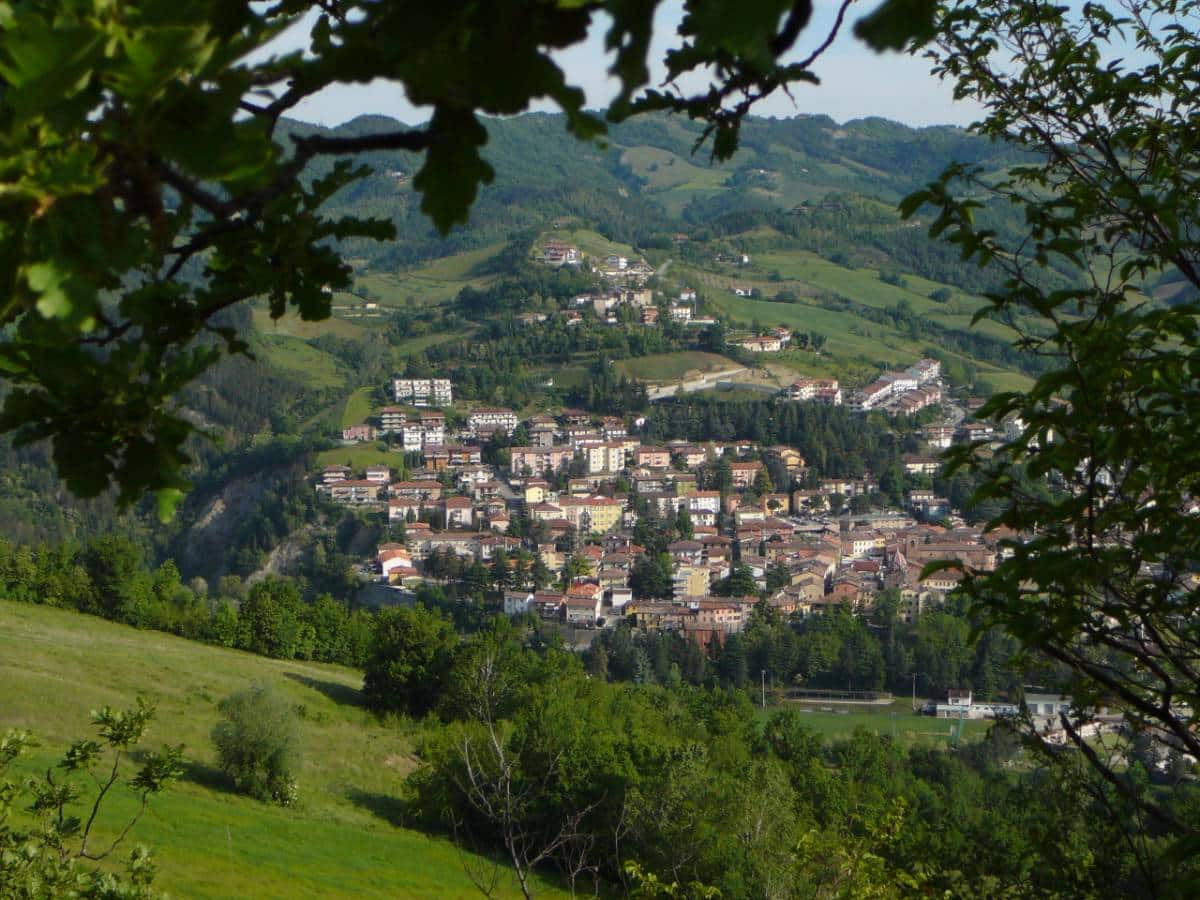
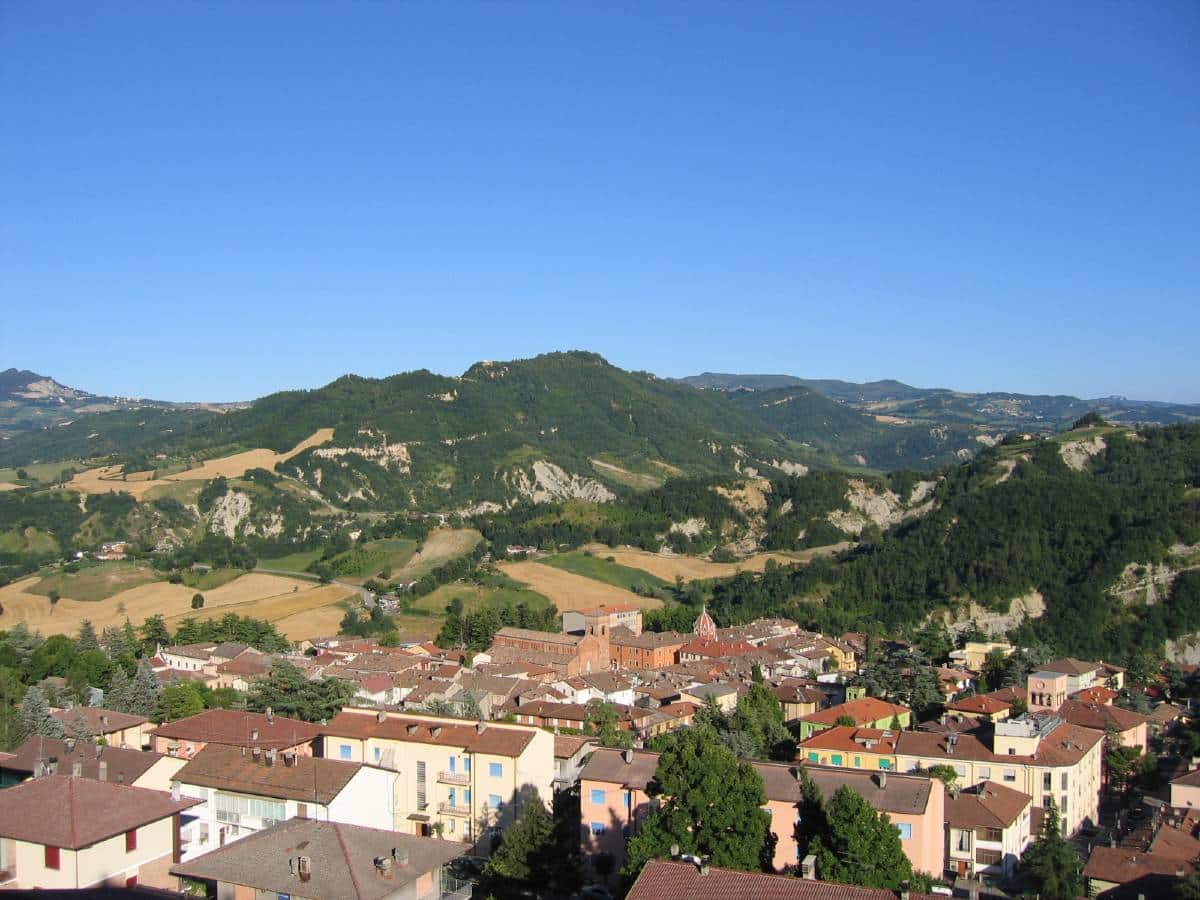
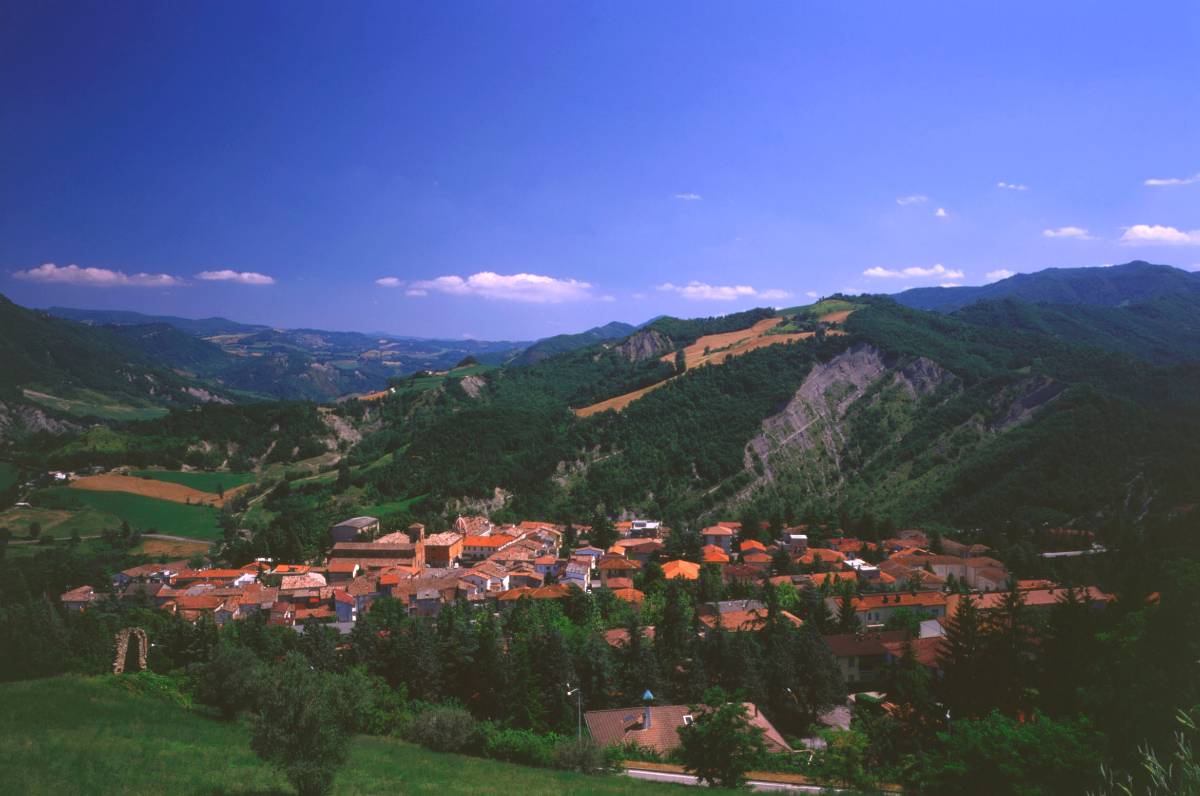
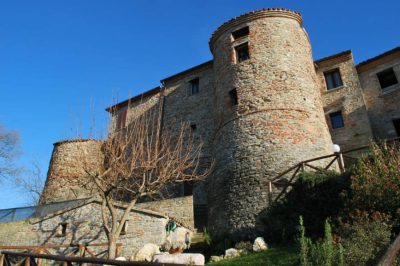
Sarsina is a village full of history and tradition located on the Tuscan-Romagna Apennines and birthplace of Tito Maccio Plauto, the greatest Latin playwright. The testimonies of the history of Sarsina are kept, not only in the Archaeological Museum and in the Basilica of San Vicinio, but also in the whole of the Historic Center, the Museum of Sacred Art and the small but charming medieval village of Calbano.
Photo gallery
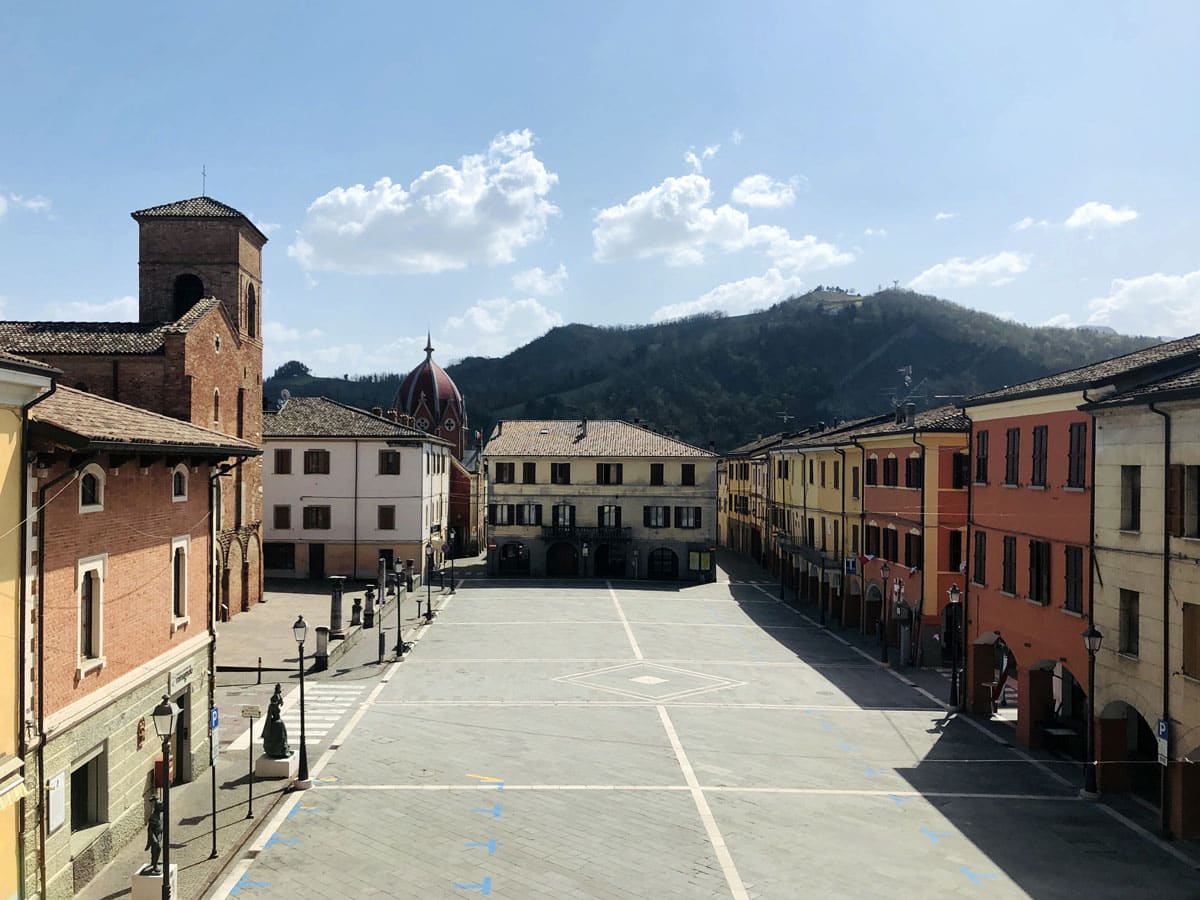
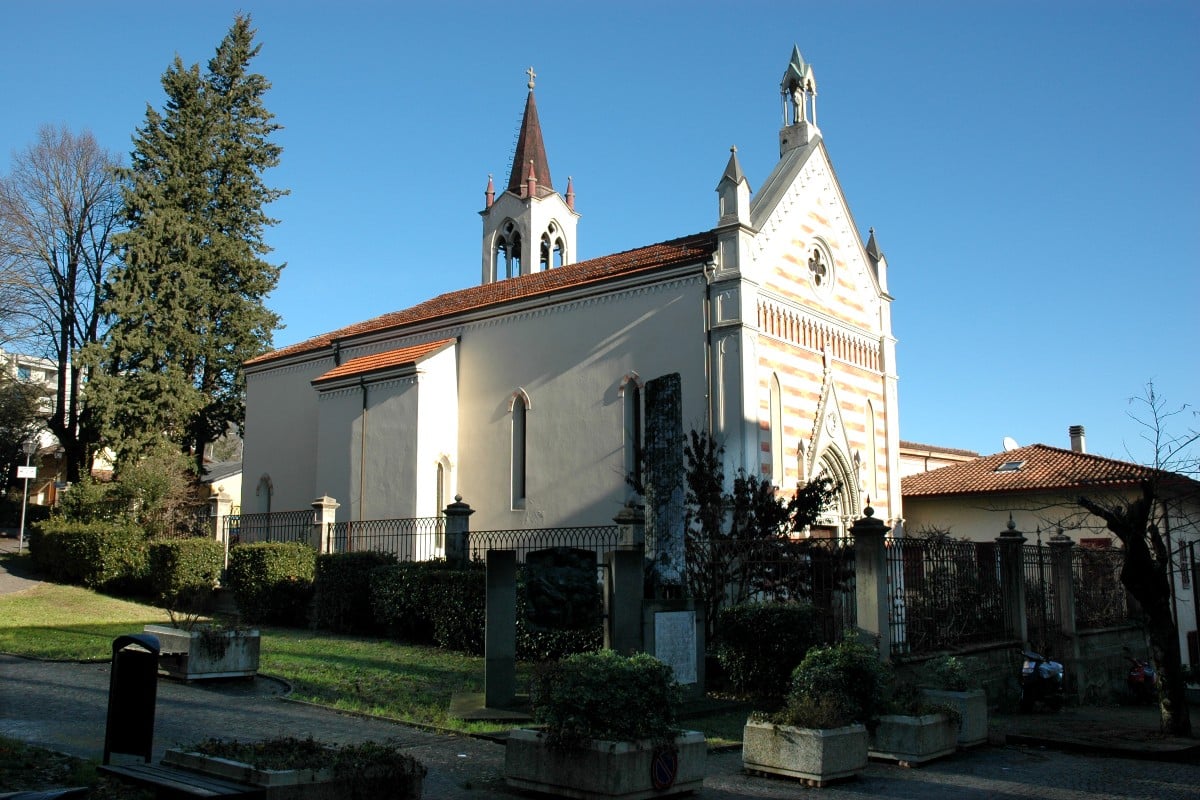
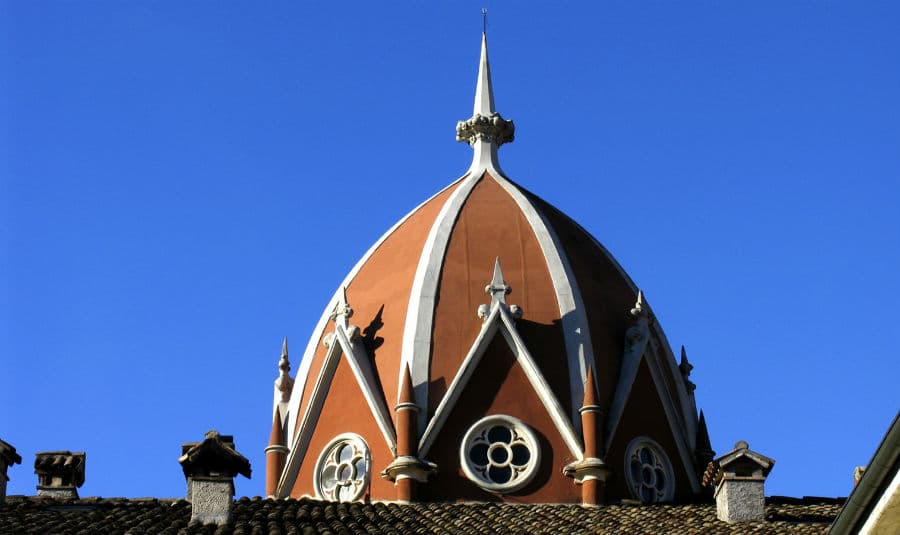
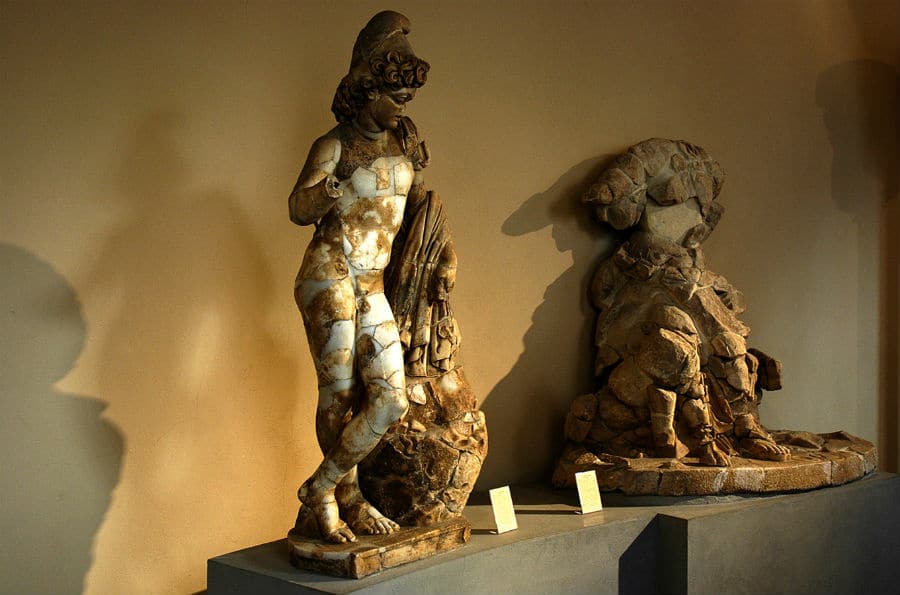
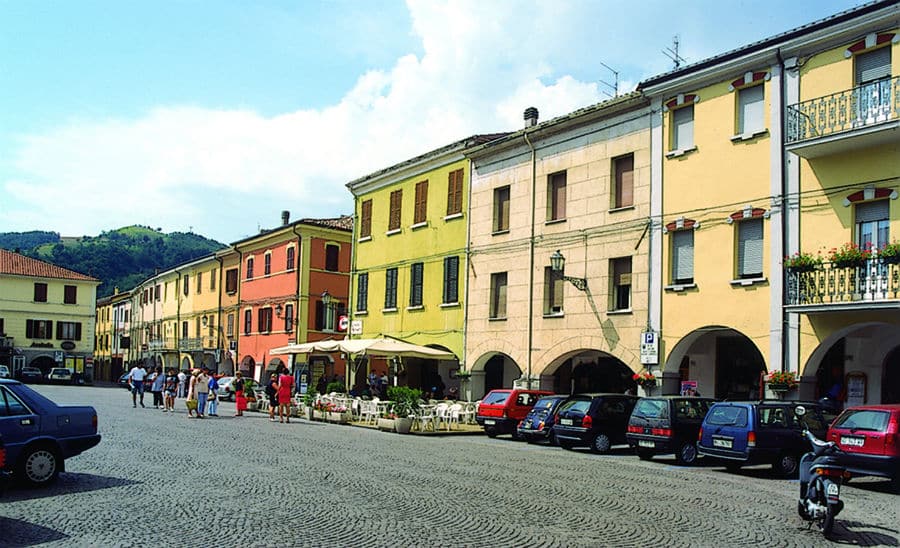
Sarsina is a village of ancient origins, founded by a population of Umbrian origin between the VI and the IV century B.C. Already in the III century B.C. Sarsina ruled a great state to here and beyond the ridge of the Apennines which included some valleys of Romagna and the upper Tiber River. Conquered by Rome in 266 B.C., became first “Federated City” and then “Municipality”. In 255-251 BC there was born Tito Maccio Plauto, the largest Latin comedy writer. Between the III and the IV century it had its first bishop, Vicinio, then became the patron saint of the diocese, whose fame as a healer and an exorcist was kept alive until our days. Decayed with the collapse of the Roman Empire, suffered devastation and looting and, while passing from one domain to another, managed to retain part of its importance as a bishopric.
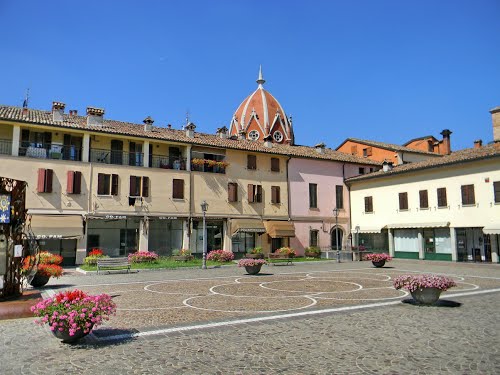
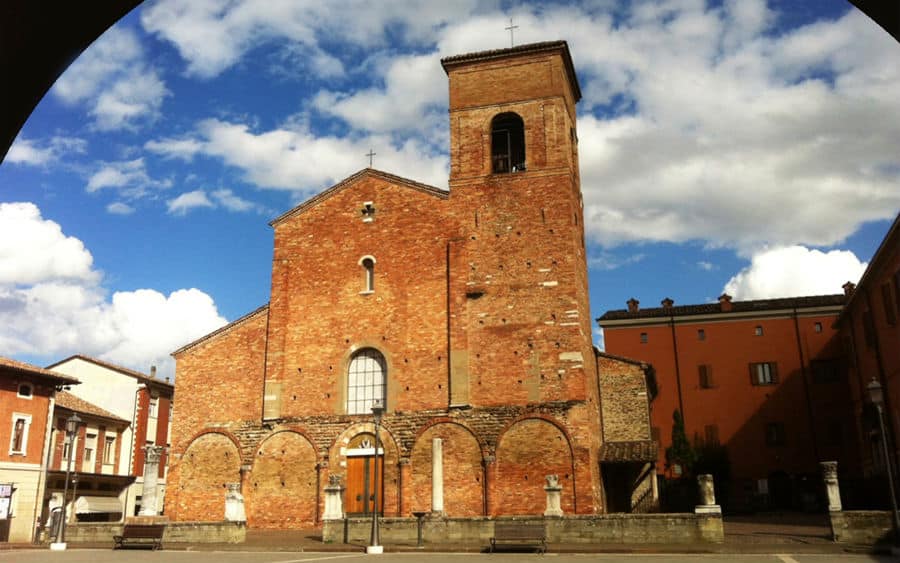
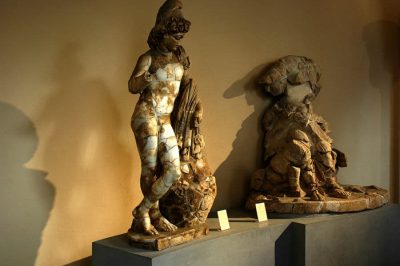
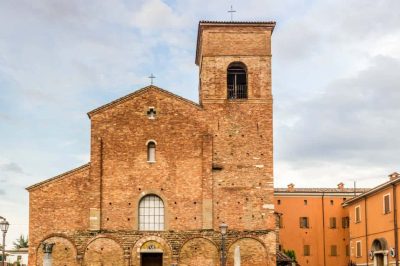
The numerous testimonies of the ancient and glorious roman history are distributed within the historic center and kept in the National Archaeological Museum: one of the most interesting of northern Italy. The large Plautus Square, situated in the middle of the civitas, in the area of the ancient roman forum, closes in a lounge with the agile frame of the loggia, under the gaze of the millenary Cathedral, laughing in the warm redness of the facade. It represents a true “living room” for the sarsinati (people of Sarsina) and for the numerous tourists that every year visit the village. The “murello” of the parvis, hospitable bench for joyful gatherings, has been refined with some monuments of the roman necropolis of Pian di Bezzo.
Other findings can be found in the courtyard of the bishopric, to the right of the Basilica of San Vicinio: one of the most remarkable examples of Romanesque architecture in Romagna. Inside the Basilica are preserved the mortal remains of San Vicinio and its thaumaturgical “chain”, to which thousands and thousands of pilgrims every year come to receive the traditional “blessing”.
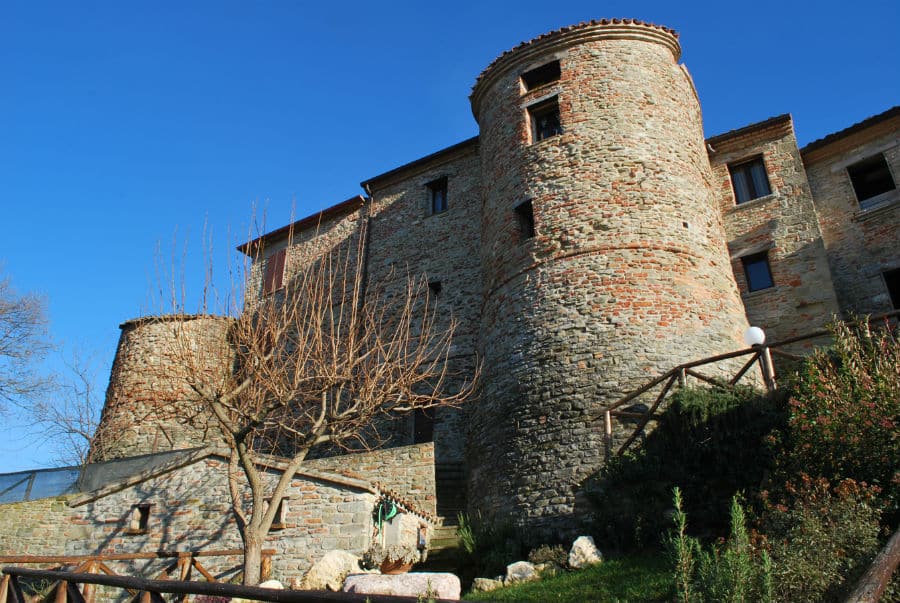
The testimony of the history of Sarsina are also preserved not only in the Archaeological Museum and the Basilica of San Vicinio, but also to the whole of the historical center, the Museum of Sacred Art and the small but charming medieval village of Calbano. The “Plautus Festival”, the “Roman Feast”, the “Sagra della Pagnotta” and the Feast of San Vicinio are the events that celebrate every year the original enogastronomy and splendours of this village, able to surprise and fascinate even the most distracted tourists.
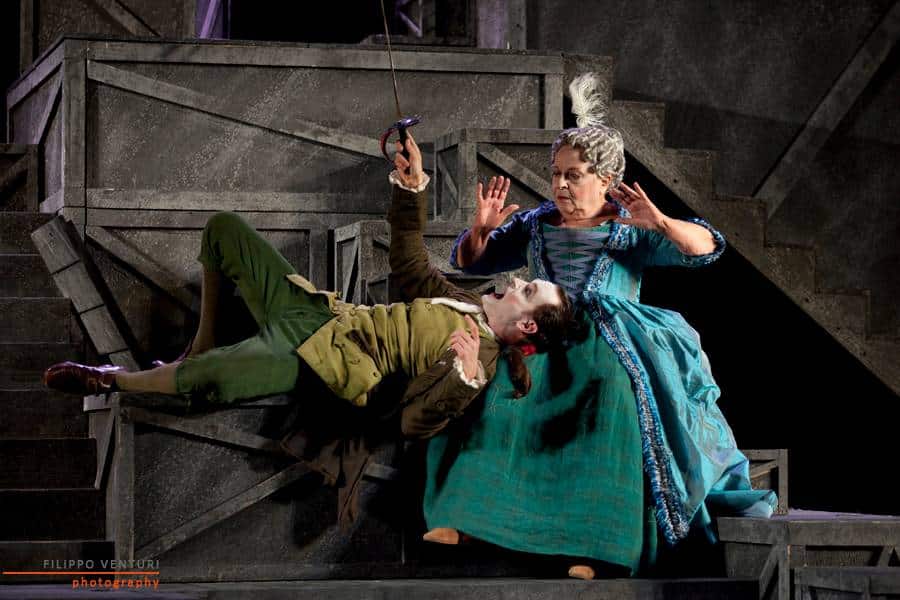
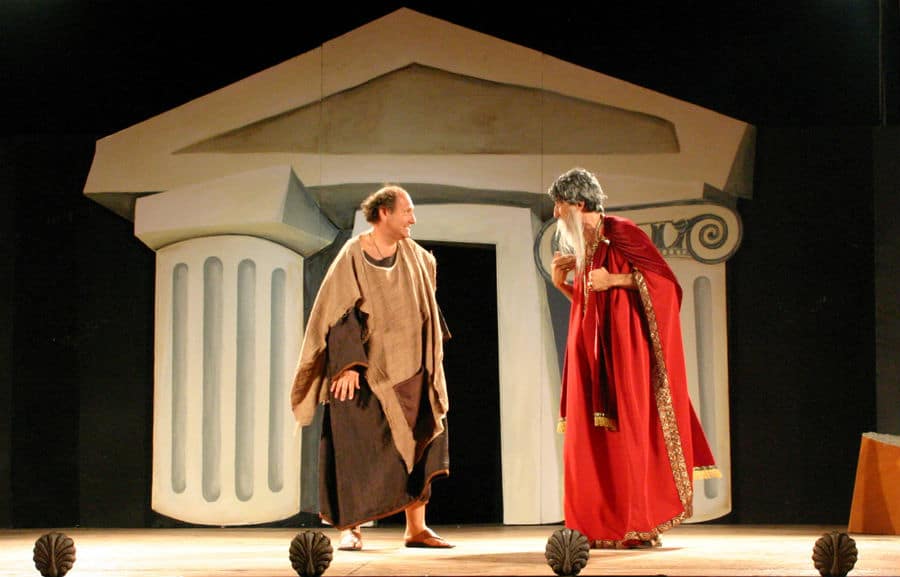
The Plautina Arena, inaugurated in 1995, is located at the foot of the medieval village of Calbano on a gentle slope overlooking the media-Alta Valle del Savio. Provided by 2008 of a movable covering to protect both the public, both the stage, is able to accommodate up to 1,068 spectators in comfortable armchairs numbered. Every year – in the months of july and august – is here set up the prestigious Plautus Festival, recognized by the Ministry of Culture, already from 1996, theatrical festival of national importance. Established in 1956, every year proposes 12-15 drama staged by the most important theater companies and by the most renowned actors of the theater and of the national film industry.
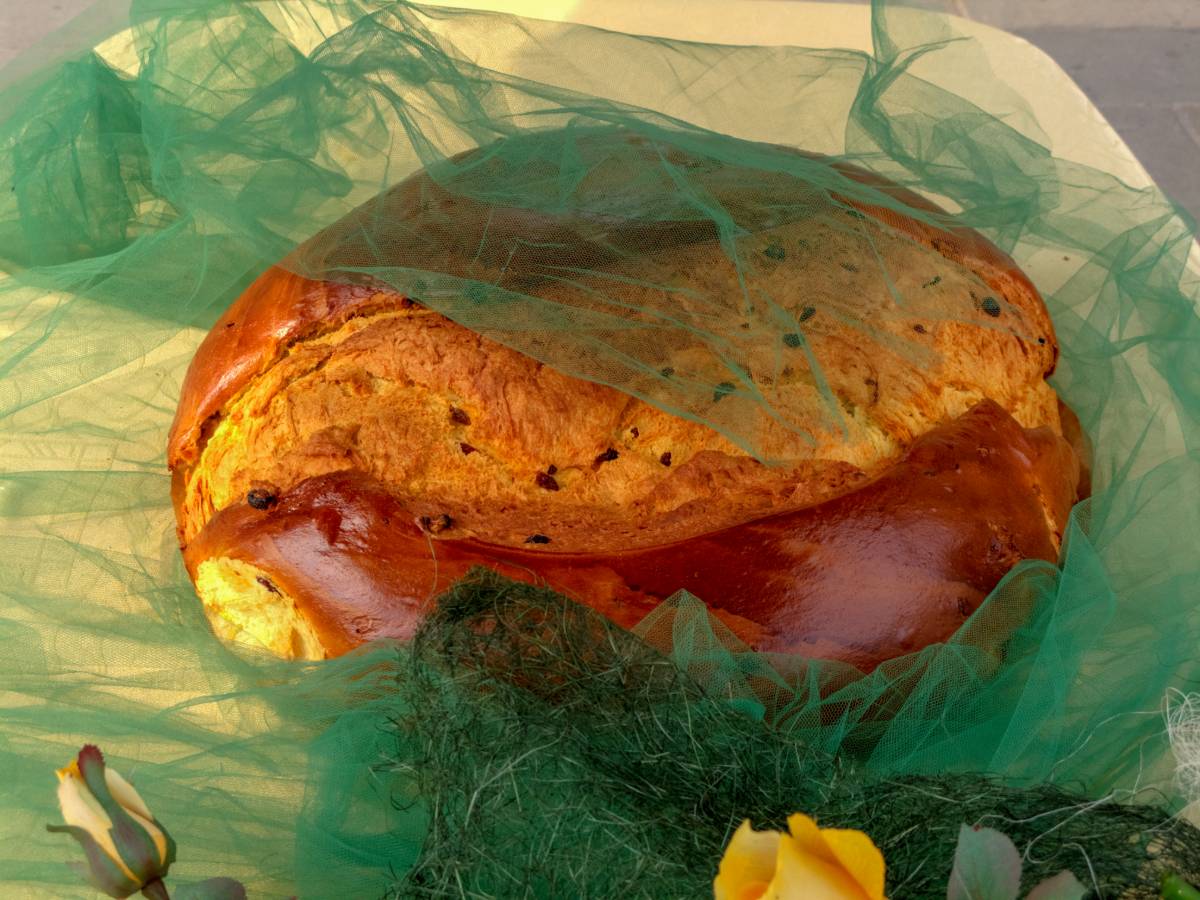
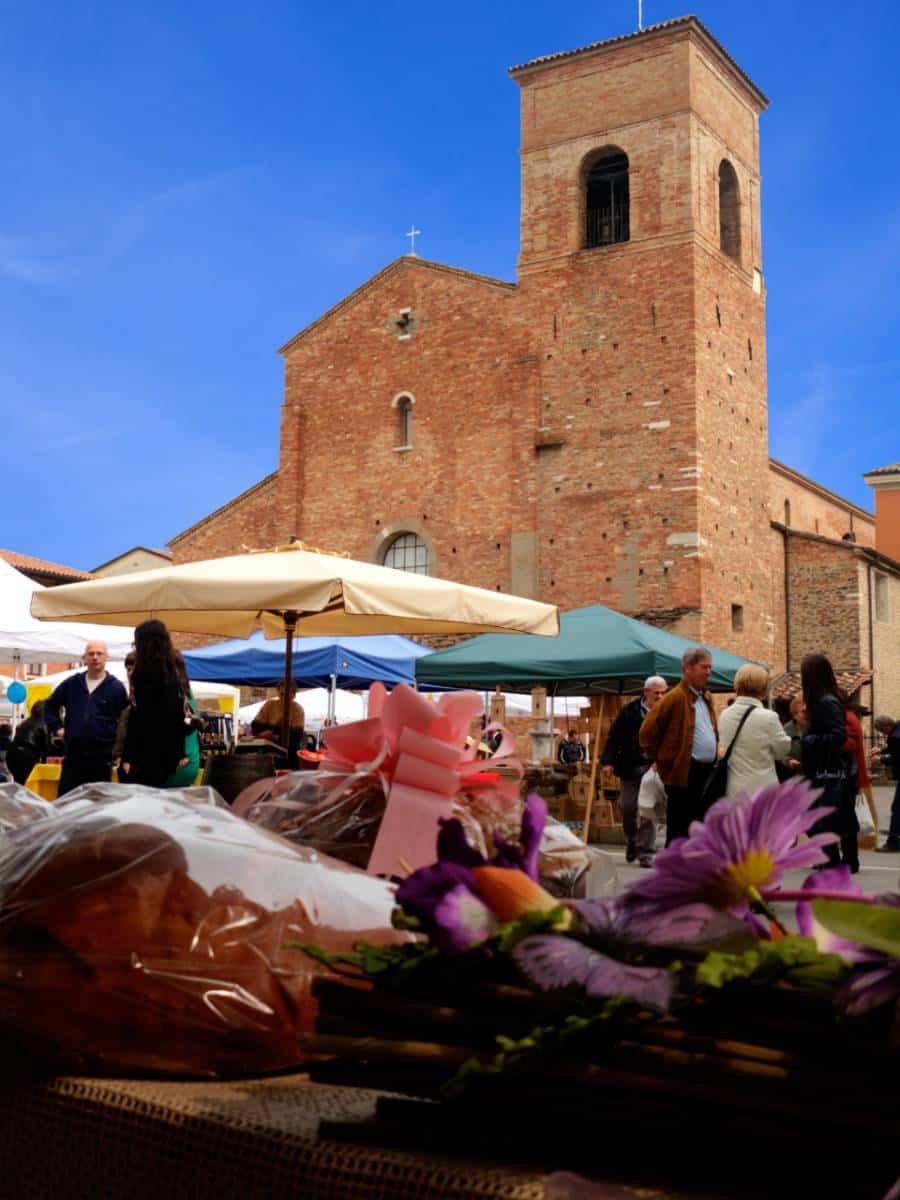
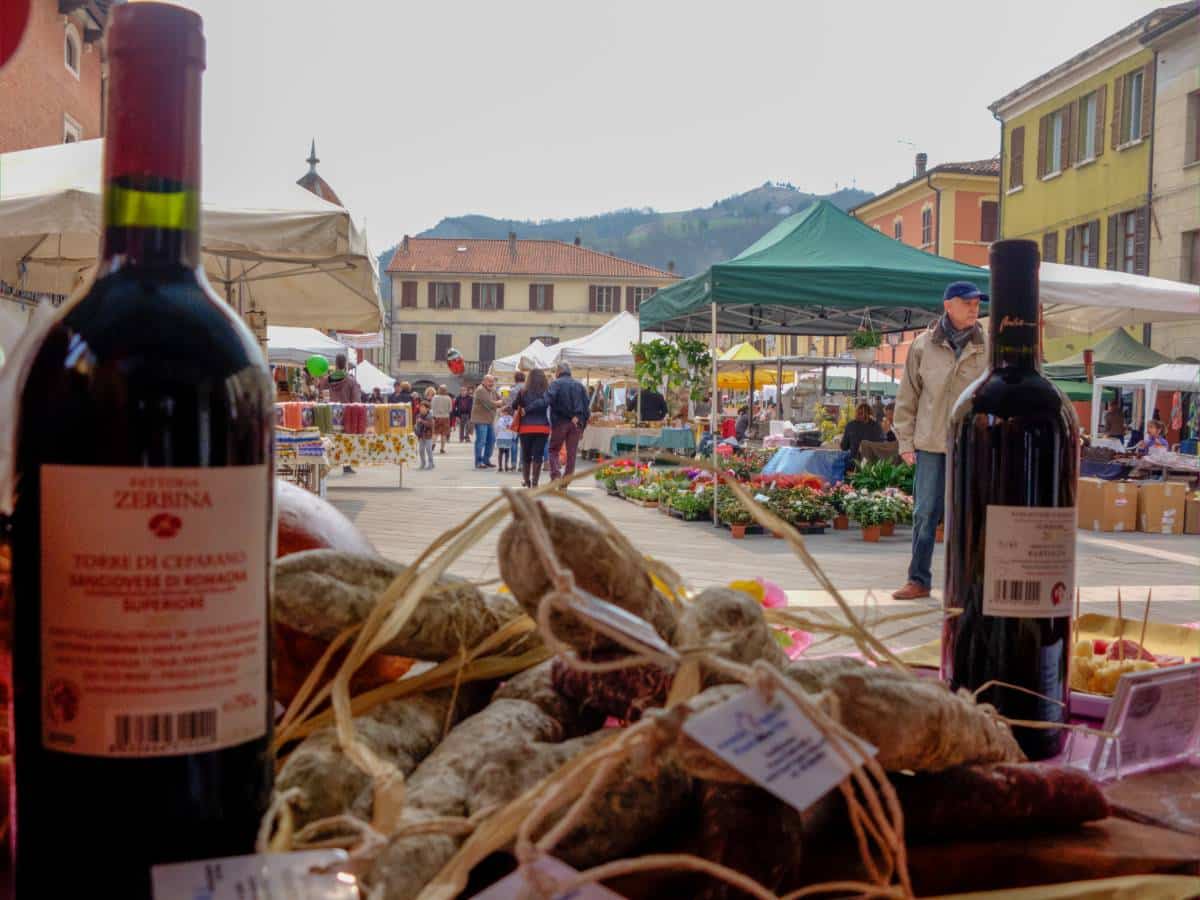
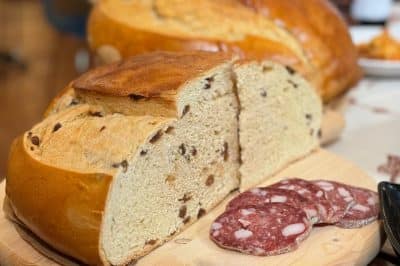
For over 30 years, in the two Sundays before Easter, the most important spring event in Romagna has been taking place: Pagnotta Festival. For the occasion, the historic center of the Plautian city will come alive with stands of the most genuine Romagna food and wine and craftsmanship. The festival proposes to enhance one of the most original sweets of Romagna cuisine, typical of the Savio Valley and, in a very particular way, of Sarsina.
La Pagnotta has ancient origins and like many similar preparations, it was once nothing more than a sweetened bread, often enriched with some raisins, which was never missing in the farmers’ houses.
Village of Sarsina
The Municipality of Sarsina
Province of Forlì-Cesena
Emilia-Romagna Region
inhabitants: 3.446 sarsinati
Altitude center: 243 m a.s.l.
The Municipality is part of:
Road of Wines and Flavors of the Hills of Forlì and Cesena
Acknowledgements
Bandiera Arancione – Touring Club Italiano
Municipality
Largo De Gasperi, 9 – tel. 054794901
BY CAR
- From the North: take the A14 motorway towards Ancona and exit at the Cesena Nord exit. Follow the direction Rome – Ravenna and continue on the SS 3BIS / E45 state road to Rome, exit at Sarsina and continue on the SP 138.
- From the south: take the A14 motorway towards Bologna and exit at Cesena Nord, follow the direction for Rome – Ravenna, continue on the SS 3BIS / E45 state road to Rome, exit at Sarsina and continue on the SP 138.
- From Ravenna: SS 16, take the SS 3BIS / E45 state road towards Rome, exit at Sarsina and continue on the SP 138.
- From Rome: Take the A1 Rome – Florence motorway, exit at the Orte tollbooth, take the E45 towards Perugia – Cesena until the Sarsina exit, continue on the SP 138.
ON THE TRAIN
- Cesena railway station
BY PLANE
- Forlì airport
- Rimini airport
- Bologna airport
In the many restaurants and taverns in Sarsina, one can enjoy the traditional “piadina romagnola,” “gusùn” (guscioni), passatelli in broth, “salsiccia matta,” “bustrengo,” and “pagnotta di Pasqua,” along with other typical dishes of Romagna cuisine.
What to see in Sarsina
Discover what to see in Sarsina among monuments, scenic views, museums, churches and symbolic places of the village. A useful selection to plan your visit and explore the area.
News and stories about “Sarsina”
Insights and stories from the area, to keep discovering.
Continue the journey
Sarsina is only one of the treasures of the area. Use the interactive map to discover what to visit nearby, how far the other villages are and which experiences you can enjoy along the route.
Explore the area