 San Martino di Castrozza
 VIVA! Festival 2026
 Tandem paragliding flights in Tirolo and Merano: the thrill of flying over the Alps
 Recipe: Polta di Pacentro, the peasant dish that symbolises the traditions of Abruzzo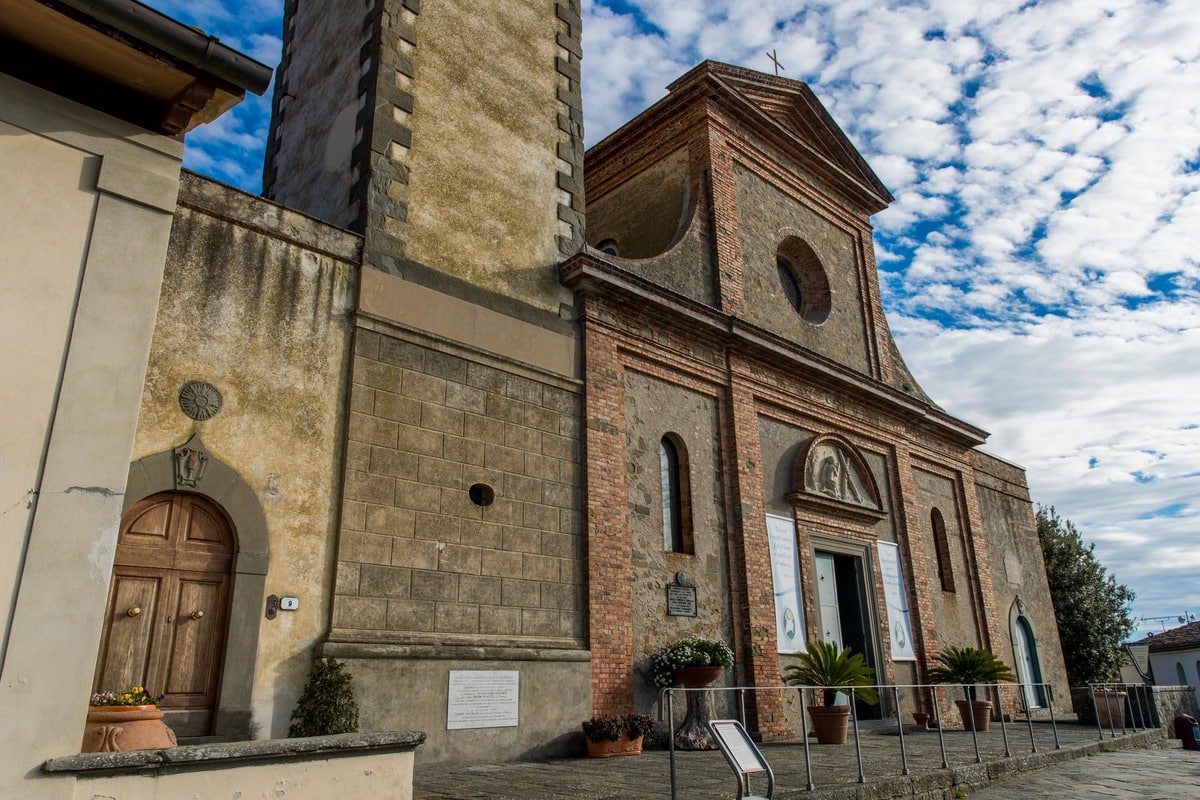
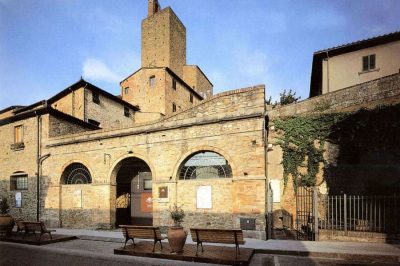
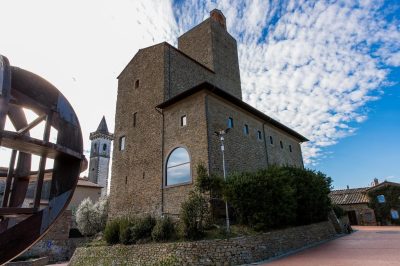
The Church of Santa Croce in Vinci, the village’s parish church, has very ancient origins, documented as far back as the 12th century when it is mentioned in the registers of the Bishopric of Pistoia as cappella de Vincio. The building we see today is the result of restoration work carried out in the mid-20th century, which gave it a Neo-Renaissance appearance, largely replacing the original medieval structure.
In Leonardo da Vinci’s time, the church was the community’s main place of worship, and his family, who lived in the castle, were also closely connected to it. It was most likely here that the great artist was baptised on 16 April 1452, as attested by a document discovered in 1931 by the scholar Emil Möller at the State Archives of Florence. The entry, written by his grandfather Antonio, records Leonardo’s birth and the name of the priest who baptised him with precision.
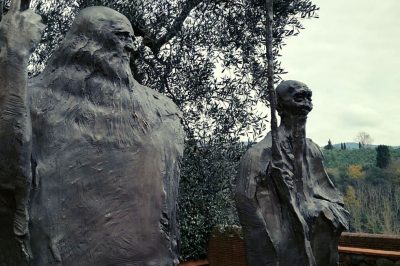
Inside the church, the ancient 15th-century baptismal font is still preserved, having survived the building’s alterations. Today it is situated in an octagonal space designed by the architect Ugo Giulio Arata for the Leonardo celebrations of 1952. This space has recently been enhanced by a series of sculptures created in 2010 by the artist Cecco Bonanotte, dedicated to the History of Salvation.
The works, situated in the niches of the baptistery, depict scenes such as the Creation, the Annunciation, the Last Supper and the Passion, whilst an evocative sculpture of the Apocalypse descends from the central vault. The ensemble combines historical memory and contemporary art, making the church not only a place of worship but also a space of great cultural value, deeply linked to the figure of Leonardo da Vinci.