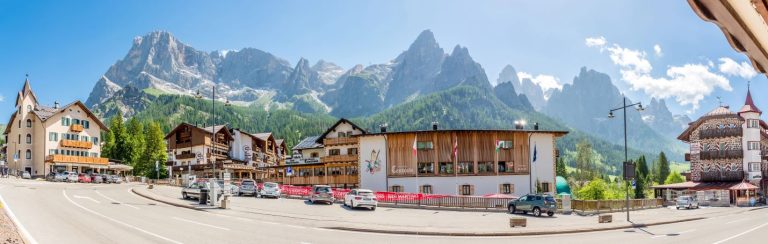
 San Martino di Castrozza
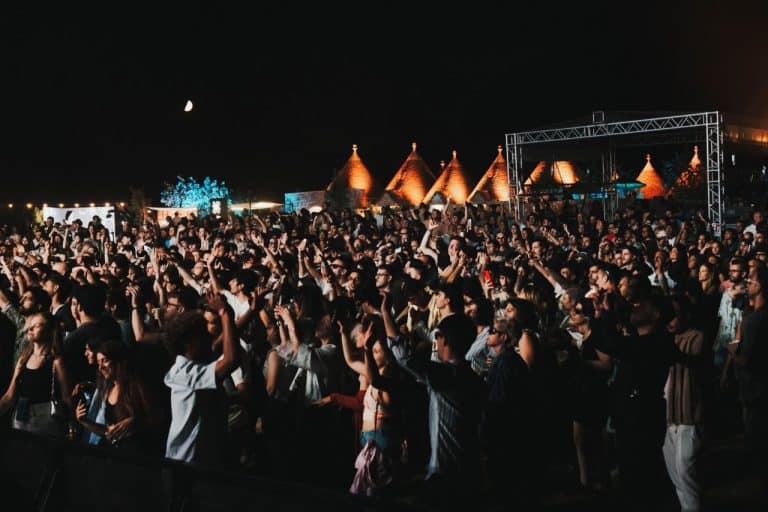 VIVA! Festival 2026
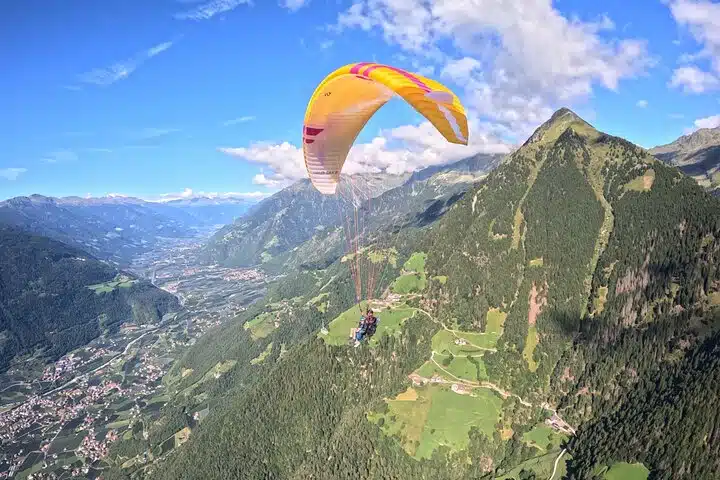 Tandem paragliding flights in Tirolo and Merano: the thrill of flying over the Alps
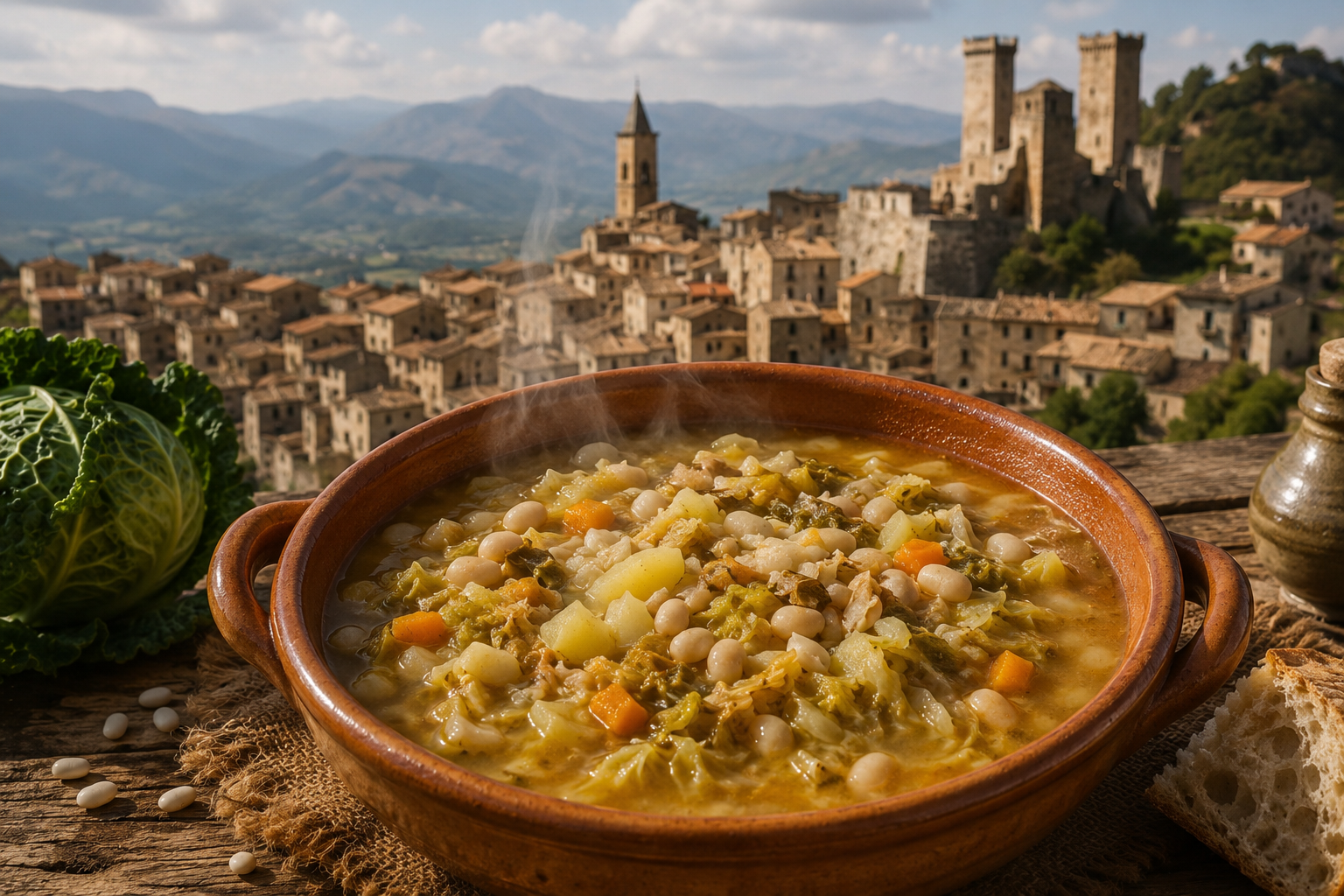 Recipe: Polta di Pacentro, the peasant dish that symbolises the traditions of Abruzzo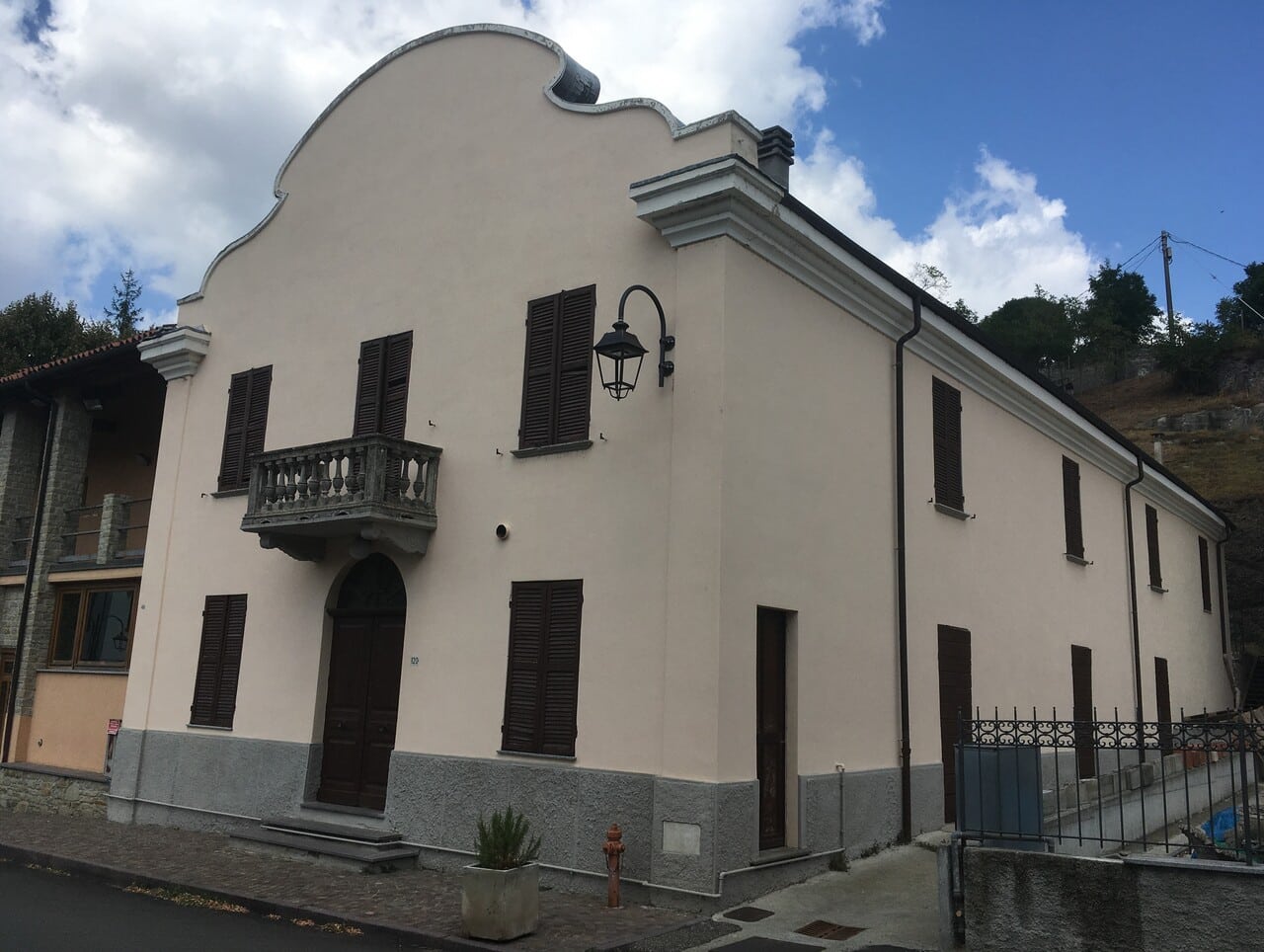
The Spigno Monferrato Municipal Cinema Theatre is one of the buildings that symbolises the cultural life of the village, bearing witness to over a century and a half of social, artistic and community history.
Built in 1863, it was originally established as the headquarters of the local Philharmonic Society, immediately becoming a focal point for the town’s cultural and political life. In those years, it was also closely linked to the activities of the Workers’ Mutual Aid Societies, maintaining ties with prominent figures such as Giuseppe Saracco. Even today, among the older residents, the building is affectionately remembered as ‘la sucietò’.
From the early 20th century onwards, the theatre continued to serve as a vital venue for performances, meetings and recreational activities. After the Second World War, it was converted into a dance hall, before evolving, around the 1950s, into a fully-fledged cinema. During that period, with the advent of cinema, Spigno Monferrato became an important hub for community gathering and socialising across the entire region.
Inside, a historic Cinemecannica Milano Zenith III E projector is still preserved, a valuable reminder of the golden age of local cinema. After 1990, cinema screenings ceased, but the building was completely renovated, retaining significant artistic features such as the fresco depicting an equestrian scene by the Spigno-born painter Franco Vasconi.
Today, thanks to further restoration work, the Municipal Cinema Theatre has been revitalised as an active cultural venue. It is regularly used for events, performances and initiatives, as demonstrated by the recent theatre season organised for the winter of 2022–2023.
This venue remains the beating heart of cultural life in Spigno Monferrato: a space where past and present converge, continuing to offer opportunities for sharing, art and social interaction.