
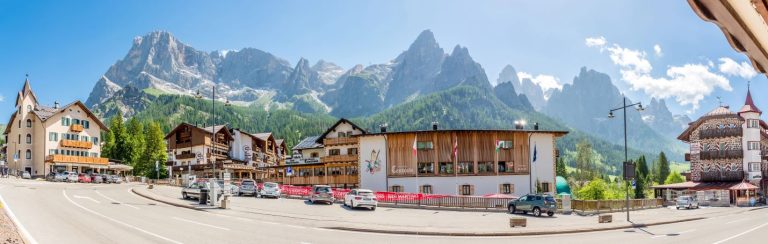
 San Martino di Castrozza
 Barga in Cioccolato 2026
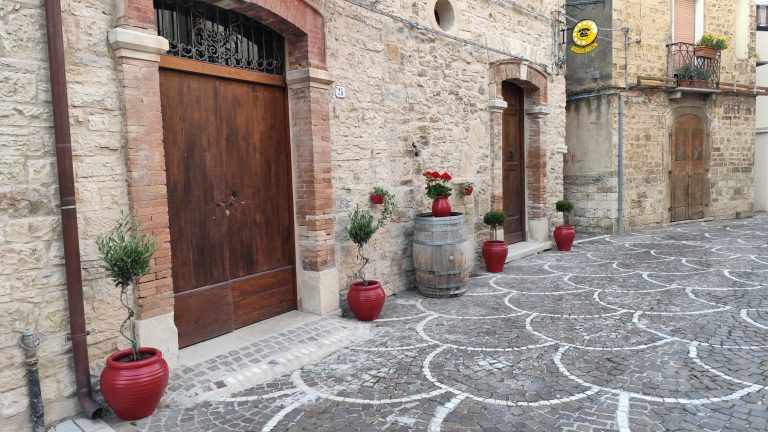 Cianfagna Winery Residence
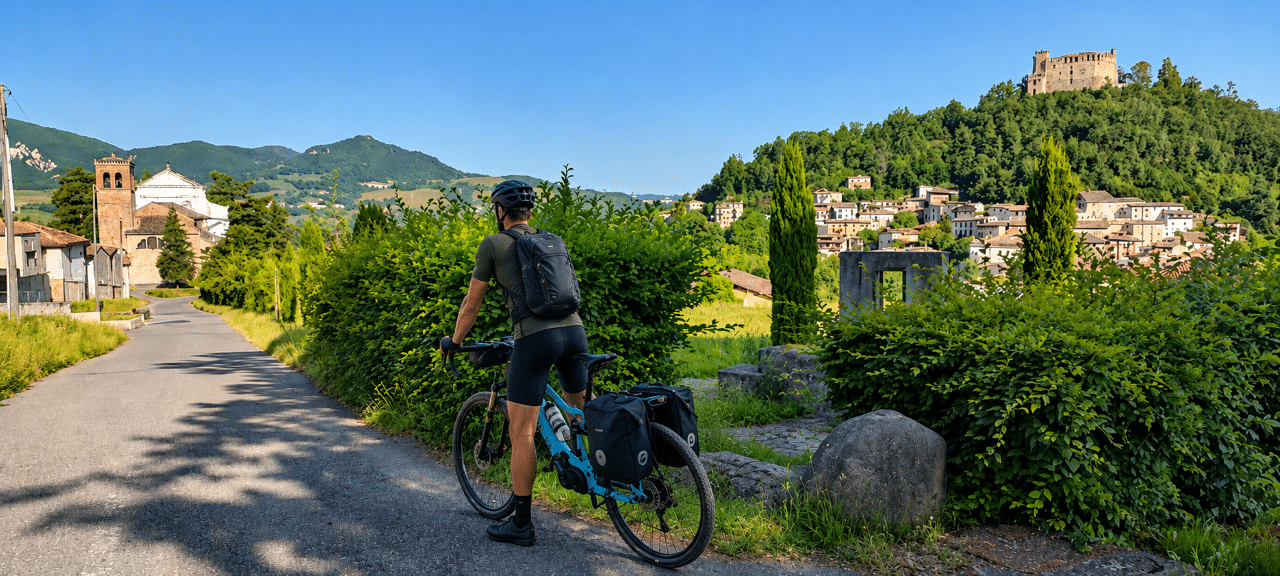 Historic trails and slow itineraries between Pavia and Oltrepò Pavese: the charm of slow tourism amidst nature, villages and spirituality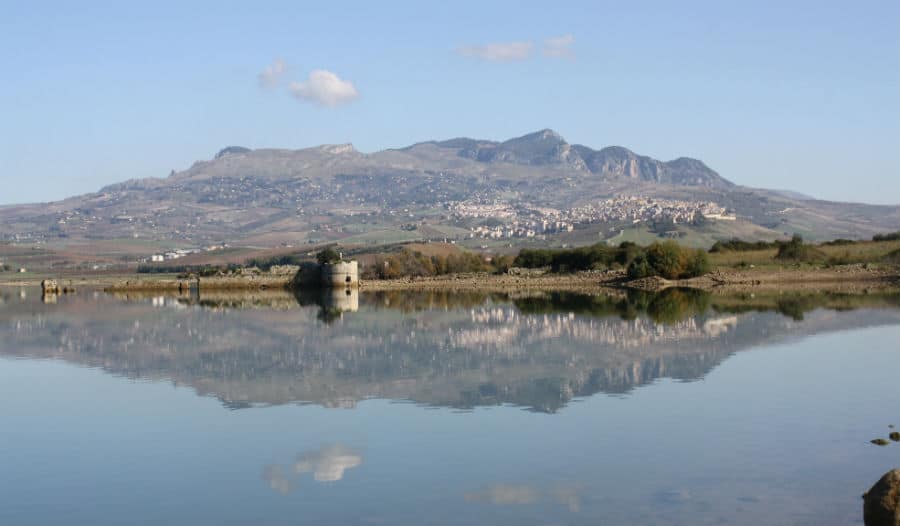
Nestled between the waters of the picturesque Lake Arancio and the hills surrounding Sambuca di Sicilia lies one of the most fascinating and mysterious monuments in western Sicily: the Fort of Mazzallakkar. Today only partially visible, depending on the water level of the reservoir, this ancient structure stands as a rare example of Arab military architecture on the island.
The fort’s construction probably dates back to the 9th century, sometime after 830, when the Arabs were consolidating their rule in Sicily and founding the nearby settlement of Zabut, the ancient name for Sambuca di Sicilia. Its function was likely that of a defensive outpost to protect the territory controlled by Zabut Castle and the important communication routes that crossed this part of the Agrigento hinterland.
The fort is situated in the locality of Mulini, an area that in the past was home to numerous mills powered by the waters of the Rincione stream. Its strategic position, between the hill of Castellazzo and Torre Cellaro, allowed for effective control of the surrounding area and the region’s agricultural resources.
From an architectural point of view, the Fort of Mazzallakkar features a particularly original quadrangular structure. At each of the four corners stands a cylindrical tower, a feature that makes the complex instantly recognisable. The towers are topped by small limestone domes decorated with spires which, according to some scholars, may have been intended to resemble a flame or a crescent moon, a symbol associated with Islamic culture. The walls, approximately four metres high, are fitted with loopholes that allowed for the observation and defence of the territory.
For centuries, the fort remained almost intact. As late as the mid-20th century, it was still used as a shelter for flocks and grazing animals and retained much of its original structure. The situation changed radically with the construction of the Carboj dam and the creation of Lake Arancio. Since then, the monument has been periodically submerged by the waters for several months each year, emerging only when the lake level drops.
This constant alternation between submersion and emergence, combined with the effects of temperature fluctuations and erosion, is seriously jeopardising the fort’s preservation. Despite this, the site continues to hold great appeal for visitors and photographers, who can admire one of Sicily’s most unusual sights: a medieval fortress that seems to rise directly from the water.
The Fort of Mazzallakkar stands today as a unique testament to the island’s Arab heritage and is one of the most evocative sites in the Sambuca di Sicilia area. Its thousand-year history, its connection to the founding of ancient Zabut, and the spectacular landscape that surrounds it make it a destination of great interest for those wishing to discover a lesser-known side of Sicily, yet one rich in charm and history.