 San Martino di Castrozza
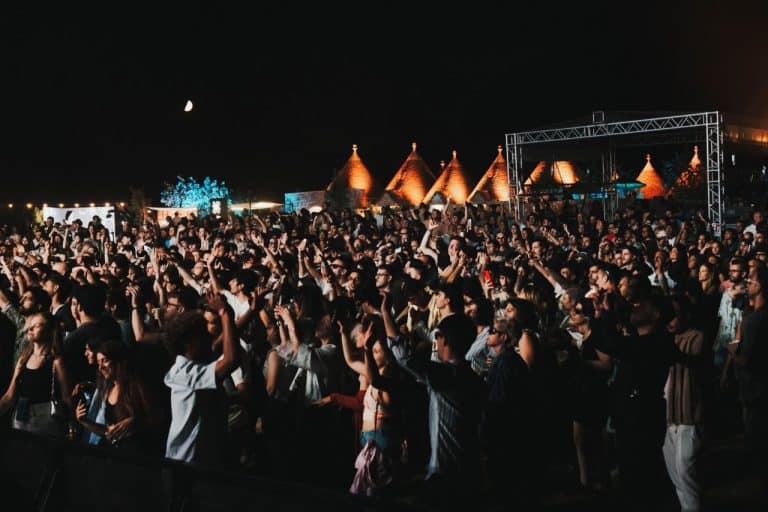 VIVA! Festival 2026
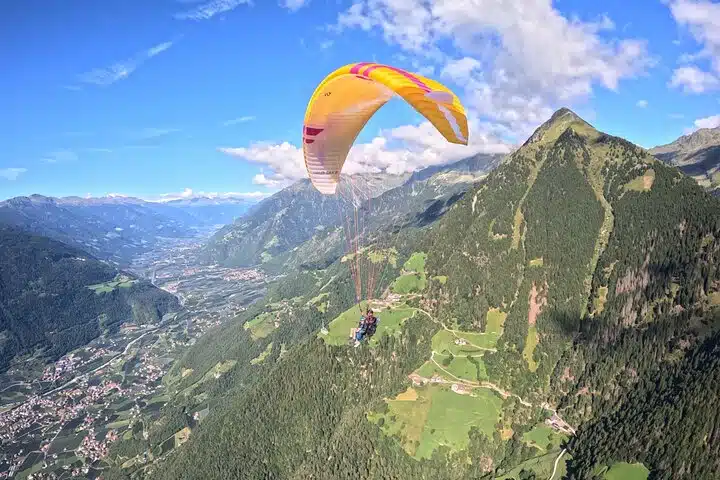 Tandem paragliding flights in Tirolo and Merano: the thrill of flying over the Alps
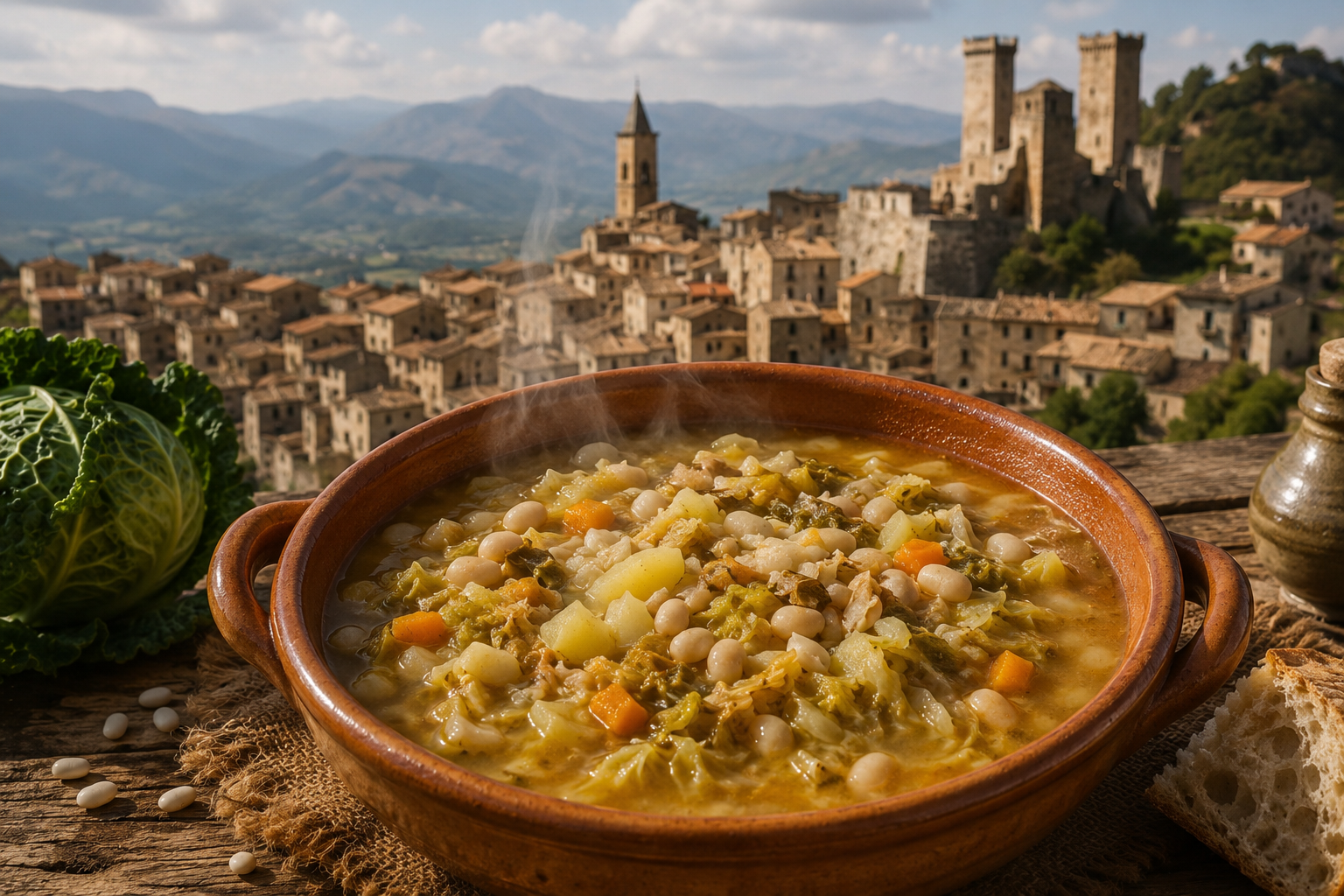 Recipe: Polta di Pacentro, the peasant dish that symbolises the traditions of Abruzzo
There are villages that tell ancient stories and others that, without knowing it, have given voice to the emotions of entire generations. Poggio Bustone belongs to both categories. Perched on the Reatini Mountains, immersed in silent and authentic nature, this small village in Lazio is inextricably linked to one of the greatest artists in Italian music: Lucio Battisti.
It was not just a person who was born here, but a sensitivity capable of transforming intimate emotions into universal songs.
The village of Poggio Bustone: silence, nature, and authenticity
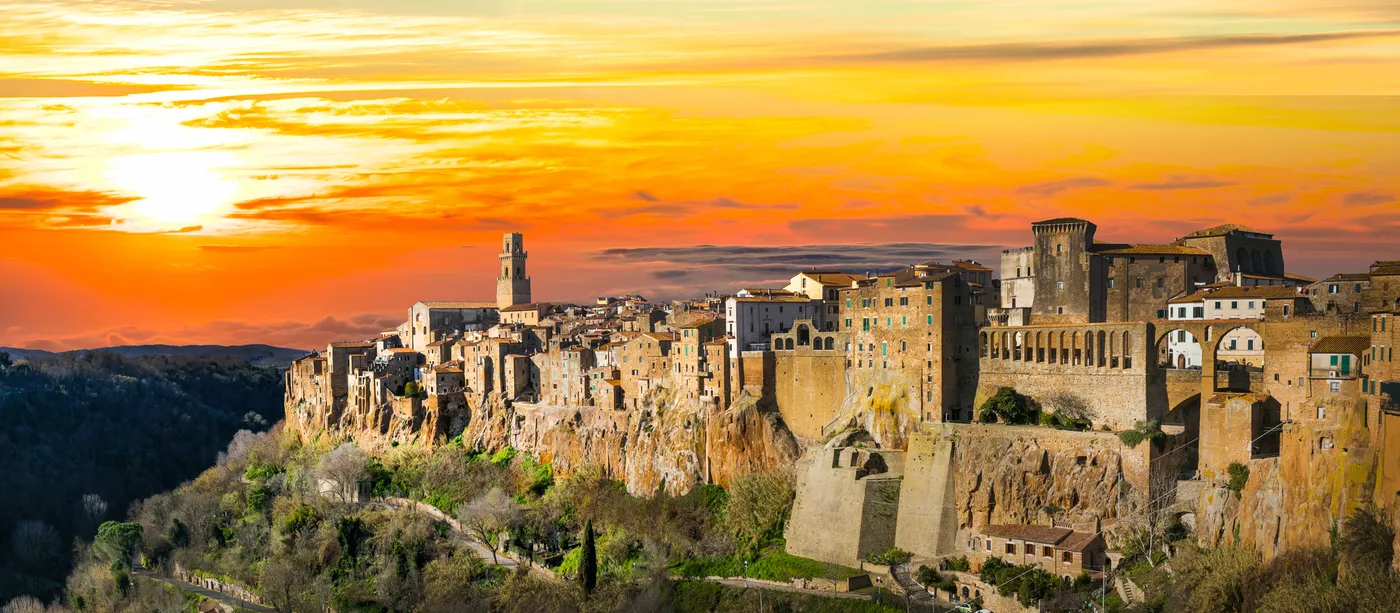
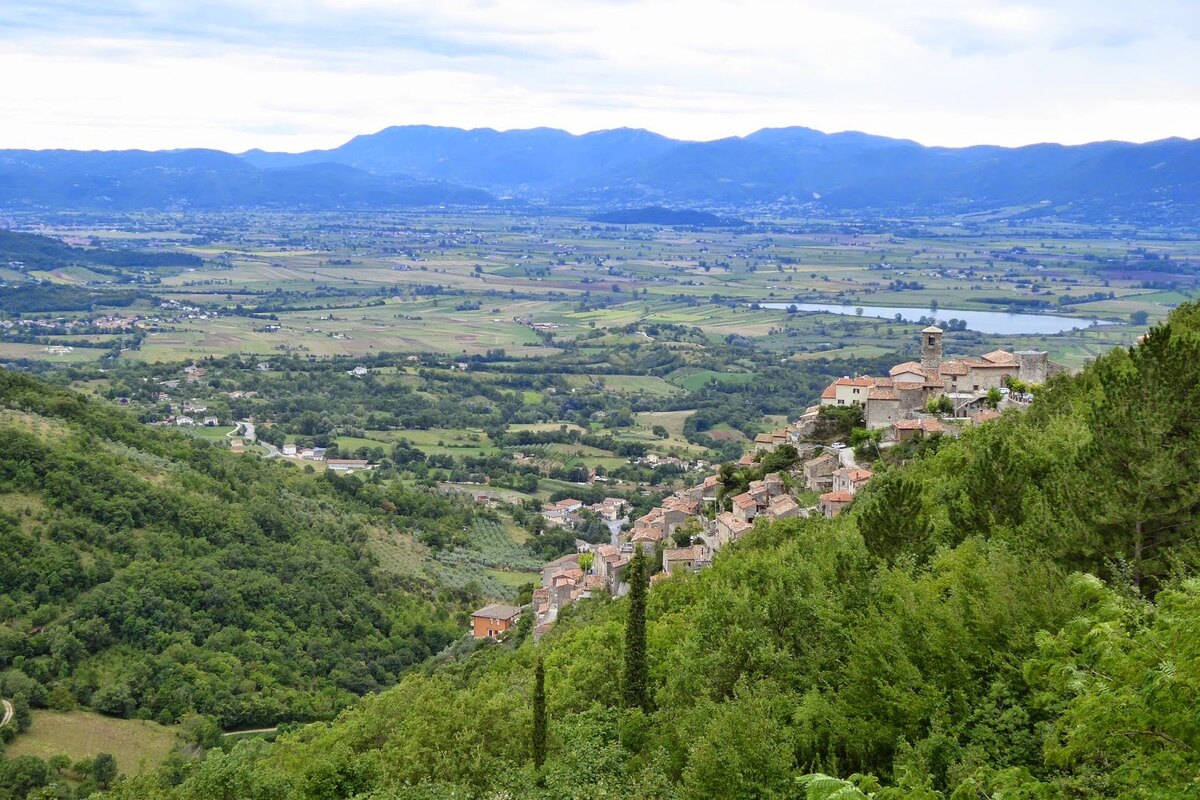
Poggio Bustone overlooks the Piana Reatina like a natural balcony, with stone alleys, unexpected views, and an atmosphere that invites you to slow down. It is a cozy, authentic village where time seems to pass at a different pace, marked by the wind blowing through the olive trees and the sound of bells.
Strolling through the historic center means immersing yourself in an intimate setting, made up of houses leaning against each other, medieval arches, and views that suddenly open up onto the valley below. It is precisely this simple and profound context that helped shape the sensitive soul of Lucio Battisti.
Lucio Battisti and Poggio Bustone: a bond that goes beyond birth
Lucio Battisti was born in Poggio Bustone on March 5, 1943. Although his career took him far away, his bond with the village never broke. Poggio Bustone is not just a place of birth: it is an emotional root, a fixed point in the artist’s collective and personal memory.
This is where the origins of his unique ability to express universal feelings with simple, almost whispered words lie. The village thus became an integral part of his imagination, a place that fans still perceive today as authentic and deeply consistent with his music.
The Lucio Battisti Museum: a journey through music and memory
In the heart of the village is the Lucio Battisti Museum, a space that is emotional rather than exhibition-oriented. The museum takes visitors on a journey through photographs, documents, personal objects, and testimonies that reveal the man behind the artist.
It is not a celebratory museum in the traditional sense, but an intimate place, almost respectful of the silence that Lucio Battisti always chose for himself. Each room reveals fragments of his life, creativity, and thoughts, allowing visitors to better understand the depth of an artist who revolutionized Italian music without ever seeking the limelight.
What to see in Poggio Bustone besides the museum
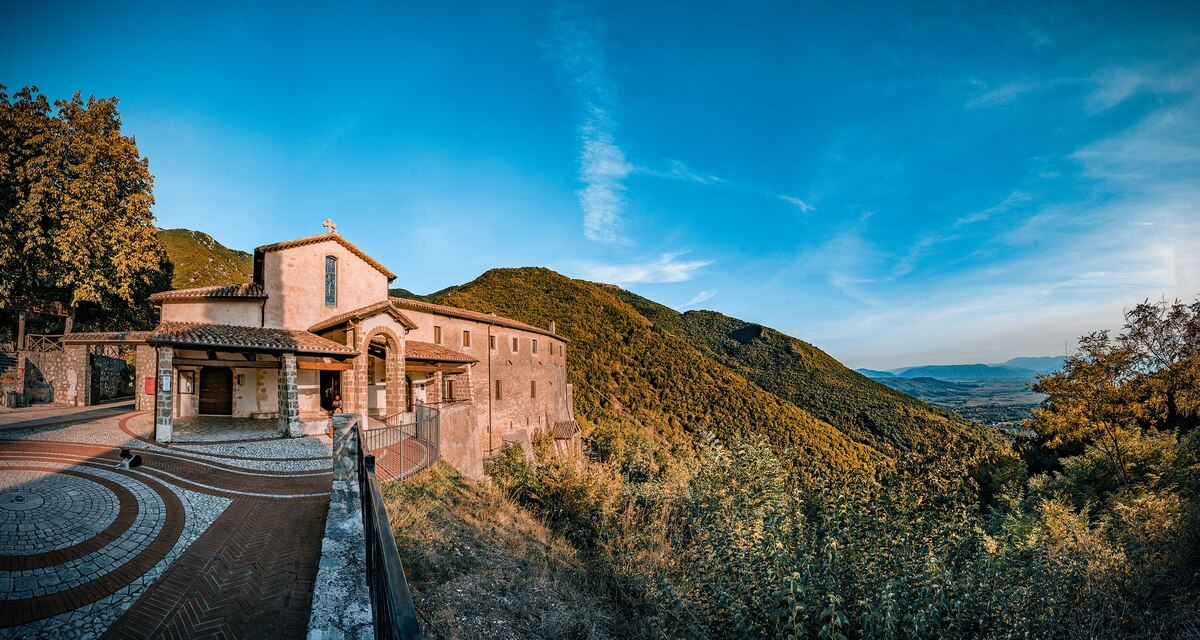
In addition to the museum, Poggio Bustone offers other places of interest that complete the visitor experience. Don’t miss the historic center with its narrow streets and panoramic viewpoints, the Sanctuary of San Giacomo, and the nature trails surrounding the village, ideal for those who love walking surrounded by greenery.
The village is also a starting point for excursions in the Reatini Mountains, making it a perfect destination for those seeking slow, cultural tourism deeply connected to the territory.
A village that continues to resonate through time
Poggio Bustone is not only Lucio Battisti’s birthplace: it is a place of the soul. Here, music meets silence, memory dialogues with the landscape, and every visit becomes an emotional experience.
Walking through its streets, entering the museum dedicated to one of Italy’s greatest artists, and letting yourself be enveloped by its atmosphere means understanding how certain places still manage, even today, to inspire songs that never cease to speak to the heart.
Do you want to promote your business on e-borghi?
Reach travellers interested in villages, authentic experiences and quality tourism.
Discover how to become a partner