 San Martino di Castrozza
 VIVA! Festival 2026
 Tandem paragliding flights in Tirolo and Merano: the thrill of flying over the Alps
 Recipe: Polta di Pacentro, the peasant dish that symbolises the traditions of Abruzzo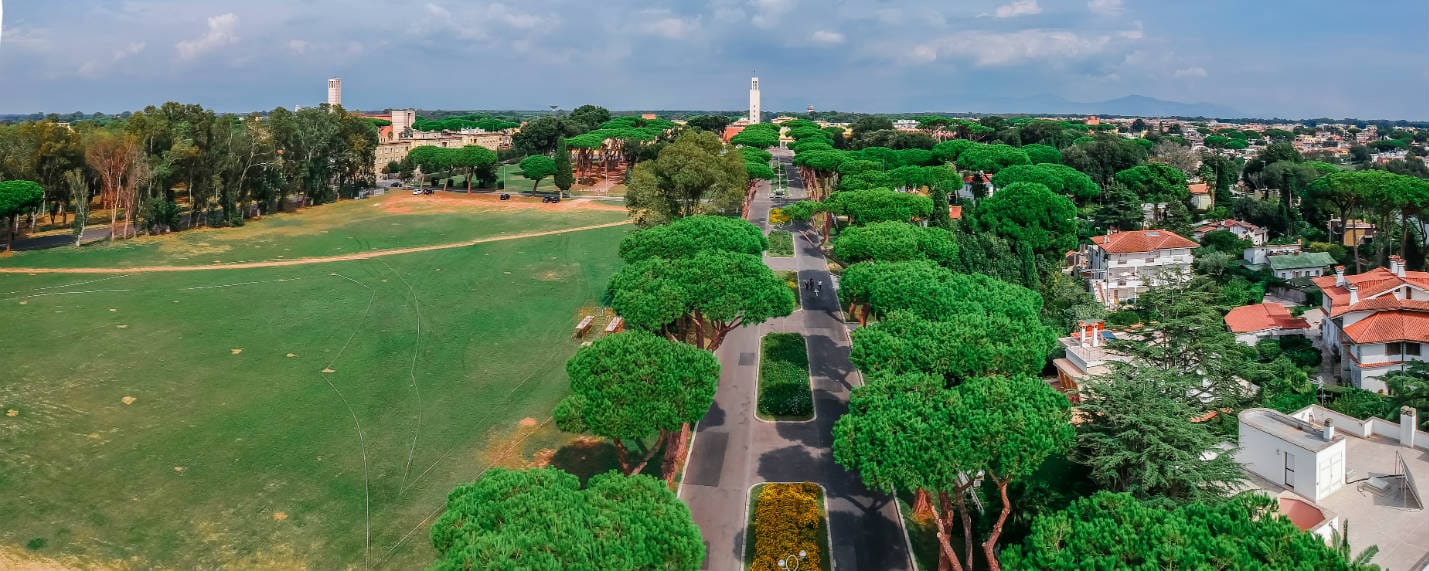
Sabaudia is one of Italy’s most fascinating newly founded cities, an extraordinary example of rationalist architecture immersed in the natural surroundings of the Circeo National Park. Overlooking Lake Paola and just a stone’s throw from one of Lazio’s most beautiful beaches, it combines Roman history, 20th-century urban planning and unspoilt landscapes in a unique balance between lake, dunes and sea.
Photo gallery
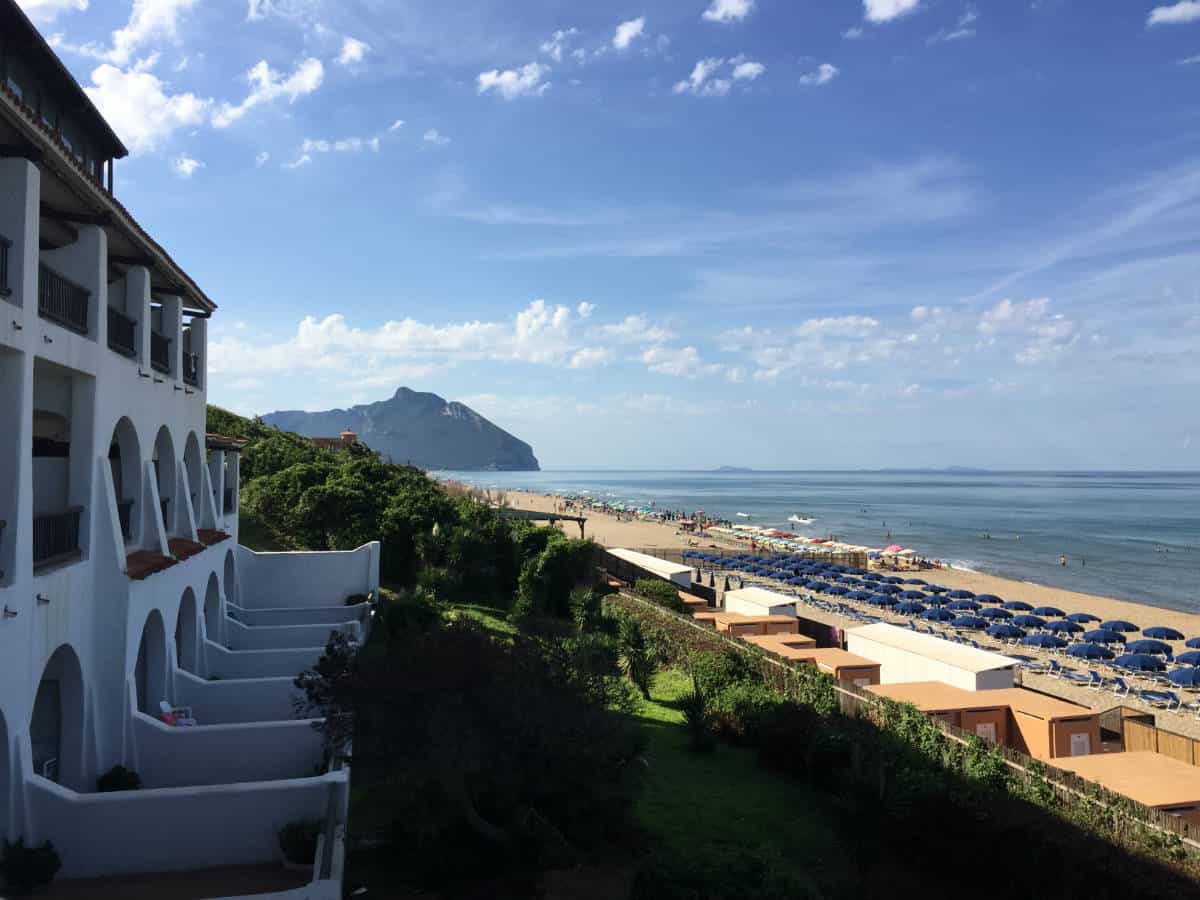
Sabaudia is one of the most fascinating newly founded cities in Lazio, located in the heart of the Agro Pontino, in the province of Latina, within a territory that for centuries had been dominated by the Pontine Marshes. Founded in 1933, after Littoria (now Latina), it represented the second major urban development project undertaken by the Fascist regime as part of the comprehensive reclamation of the area. The city was born from a design competition organised by the Opera Nazionale Combattenti (National Combatants’ Organisation) and was built very quickly, becoming a model of modern and functional planning.
Sabaudia is considered one of the purest expressions of Italian rationalism. Its linear, essential and luminous architecture, designed around porticoed squares and well-defined perspective axes, still attracts scholars and urban planning enthusiasts from all over the world. The original layout has remained virtually intact, giving the city a coherent and recognisable identity.
The rationalist heart: symbolic squares, towers and buildings
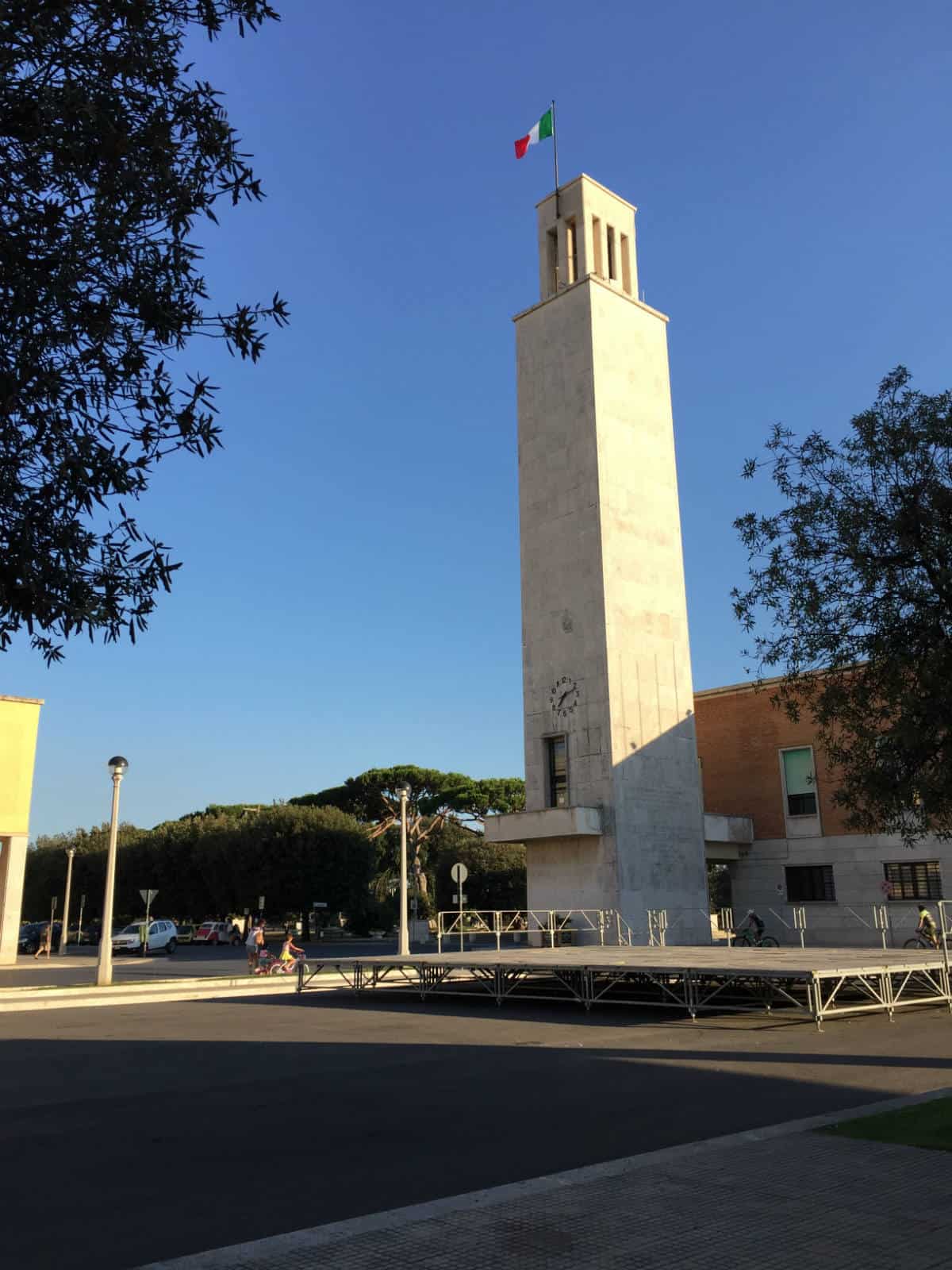
The town centre is built around Piazza del Comune, the hub of town life. Here stands the Town Hall with its Civic Tower, over forty metres high, a visual landmark for the entire surrounding area. Next to it are the Casa del Combattente, the covered market, the Dopolavoro with its café and theatre, and the Palazzo delle Poste e Telegrafi, designed by Angiolo Mazzoni and considered one of the most architecturally interesting buildings in the city.
A few steps away is the Church of Santissima Annunziata, inaugurated in 1935, with its travertine façade and large mosaic of the Annunciation, which recalls the life and landscape of the land reclamation. The bell tower, almost as high as the civic tower, rises upwards, giving the entire complex a sense of height. Inside is the Royal Chapel, a gift from Elena di Savoia to the new city, a small jewel that bears witness to the symbolic link with the ruling house.
Protected nature and exceptional landscapes
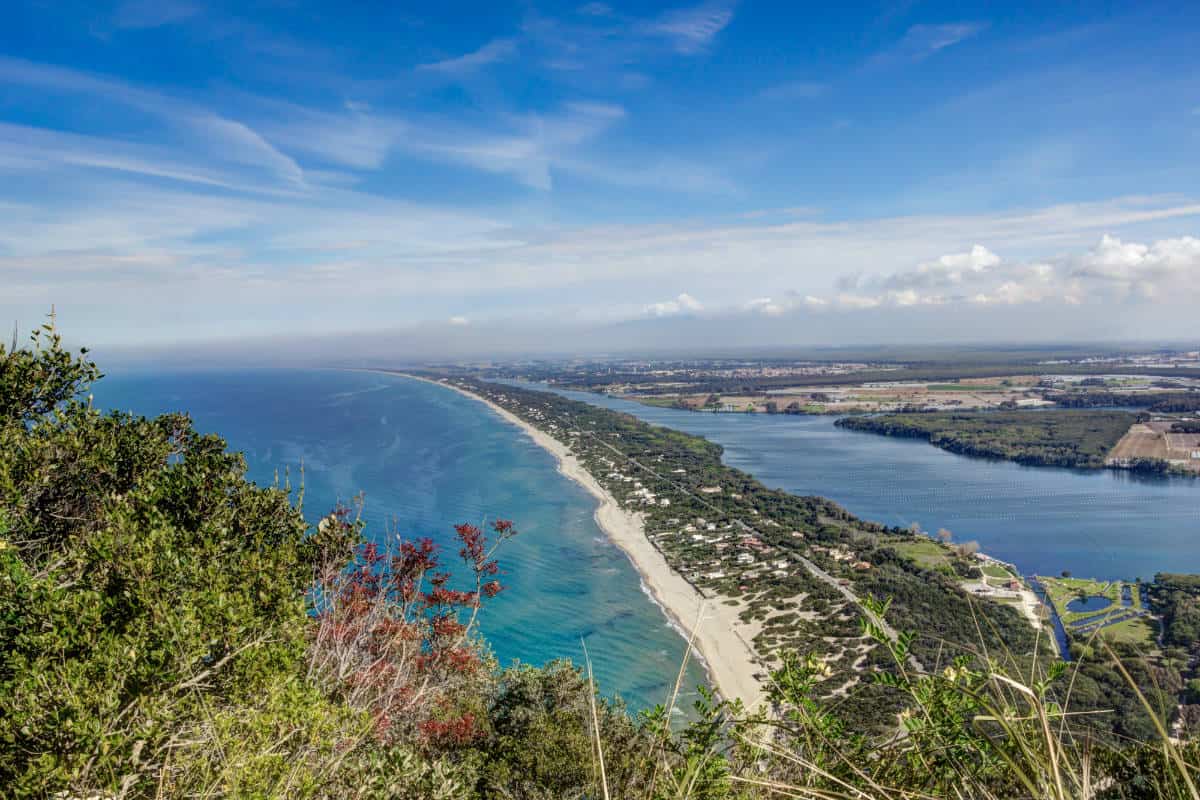
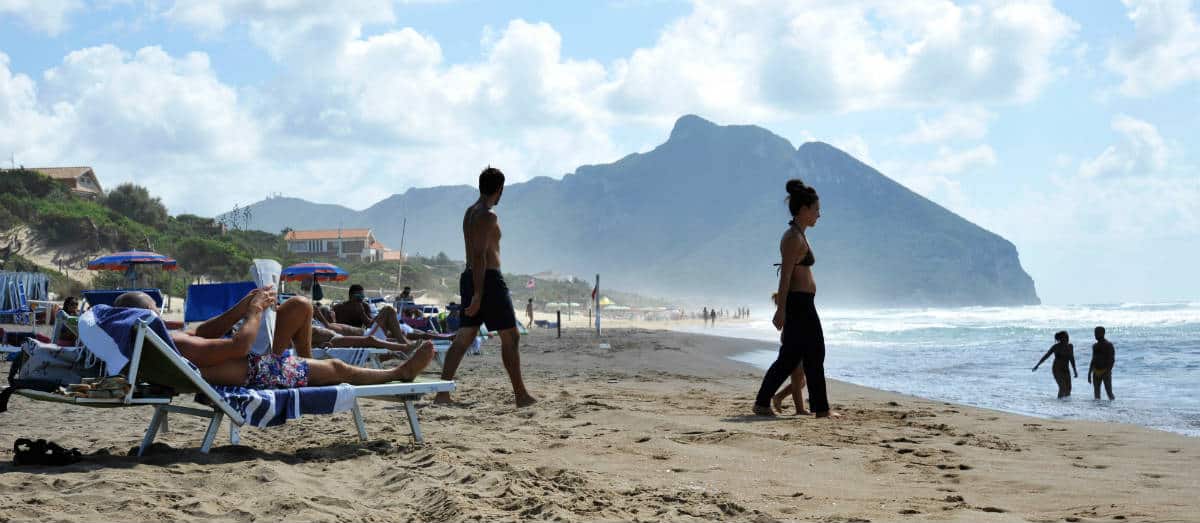
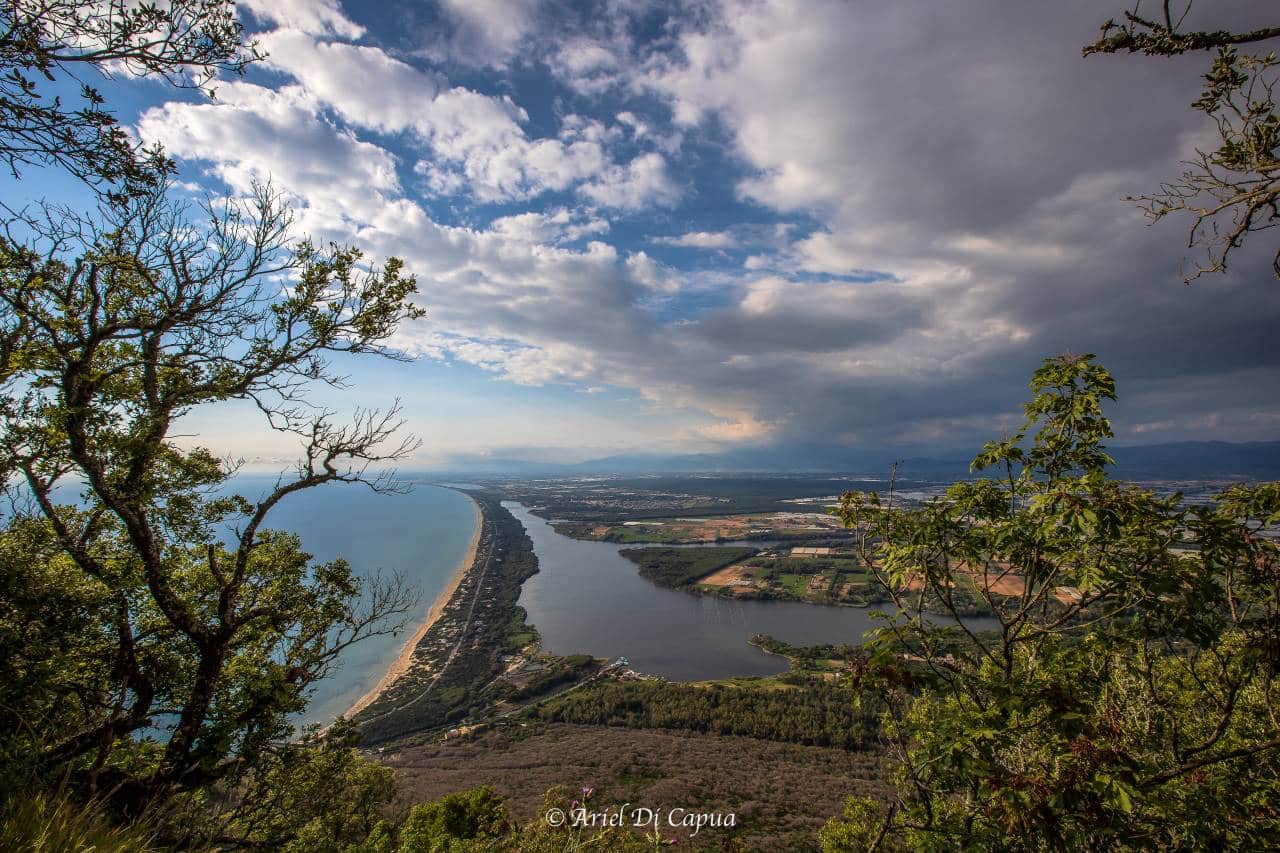
While the architecture reflects the modernity of the 1930s, the landscape surrounding Sabaudia presents a wild and evocative face. The city stands on the shores of Lake Paola, a stretch of water inhabited by herons and egrets, which extends at the foot of the imposing Circeo Promontory. The latter, with its profile reminiscent of the figure of the sorceress Circe, dominates the horizon and seems to emerge from the sea like an island suspended between myth and reality.
All around is the Circeo National Park, a protected natural area and UNESCO Biosphere Reserve since 1977 as part of the ‘Man and the Biosphere’ programme. Coastal dunes, woods, lakes and a white beach stretching for over twenty kilometres make this stretch of coastline one of the most picturesque in Lazio. It is no coincidence that Sabaudia has been awarded the Blue Flag several times for the quality of its waters and services, and has also been recognised as an ideal destination for families thanks to the Green Flag.
Between Roman antiquity and spirituality
The territory of Sabaudia was already appreciated in imperial times. Around the 1st century AD, Roman patricians chose Lake Paola as a holiday resort. Emperor Domitian had a grandiose villa built there with a theatre, gymnasium, swimming pool and thermal baths. Today, the remains of the Villa of Domitian bear witness to the magnificence of that complex, while the Fonte di Lucullo, an artificial cave used as a cistern to supply the thermal baths, testifies to the ingenuity of Roman hydraulic works.
On the shores of the lake stands the Sanctuary of Santa Maria della Sorresca, built by the Benedictines in the 6th century on the ruins of a Roman villa. The bell tower, with its unusual shape, also had a defensive function. Inside is a 13th-century wooden statue of the Madonna and Child, an object of devotion celebrated every year on the Monday after Pentecost.
Culture, museums and cinematic inspiration
Sabaudia is not only nature and architecture, but also culture. The Marcello Zei Museum of the Sea and Coast offers an exhibition that recounts the relationship between the sea and the land through paleontological, archaeological and naturalistic finds. The Town Hall also houses the Emilio Greco Museum, dedicated to the famous sculptor.
The dunes and landscapes of Sabaudia have fascinated writers and filmmakers. Alberto Moravia and Pier Paolo Pasolini celebrated its suspended atmosphere, while cinema chose it as an iconic setting, as in the film “Amore mio aiutami” with Alberto Sordi and Monica Vitti. In 2023, the lake’s panorama was also immortalised on a stamp from the ‘Natural and Landscape Heritage’ series, dedicated to Italy’s seaside.
Events and life on the coast
During the summer, Sabaudia comes alive with events that combine music and nature. The Sunset Jazz Festival brings concerts to the beach at sunset, creating an intimate and evocative atmosphere. In the Cavea del Parco Nazionale del Circeo, Il Parco e la Commedia (The Park and Comedy) is staged, a series of live shows immersed in greenery.
Sabaudia is therefore a unique city, where the rigour of rationalism dialogues with the softness of the dunes and the vastness of the sea. A city that is young in its foundation but ancient in the roots of the territory that surrounds it, capable of offering a rare balance between history, architecture and nature.
Municipality of Sabaudia
Province of Latina
Lazio region
Center altitude: 17 m s.l.m.
Blue Flag
Spighe Verdi
Città del vino
Parco Nazionale del Circeo
Piazza Del Comune 1 – tel: 0773.5141
BY CAR
- From Rome, take the SR 148 Pontina towards Terracina; at the roundabout in Casal Guarda turn at the first exit on Via Migliara 53.
- From Naples, take the ring road towards Pozzuoli, continue towards Mondragone; cross Formia, Gaeta, Sperlonga; take the Terracina tunnel and take the SR 148; continue following the signs for Sabaudia.
- From Frosinone, passing through Priverno, take the SP Marittima II continuing on the SP Migliara 53.
- From Anzio-Nettuno, move on the SP Litoranea.
- From Formia-Gaeta, travel on the Via Flacca.
ON THE TRAIN
- Priverno-Fossanova station
BY PLANE
- Rome Fiumicino Airport
- Rome Ciampino Airport
Continue the journey
Sabaudia is only one of the treasures of the area. Use the interactive map to discover what to visit nearby, how far the other villages are and which experiences you can enjoy along the route.
Explore the area