 San Martino di Castrozza
 VIVA! Festival 2026
 Tandem paragliding flights in Tirolo and Merano: the thrill of flying over the Alps
 Recipe: Polta di Pacentro, the peasant dish that symbolises the traditions of Abruzzo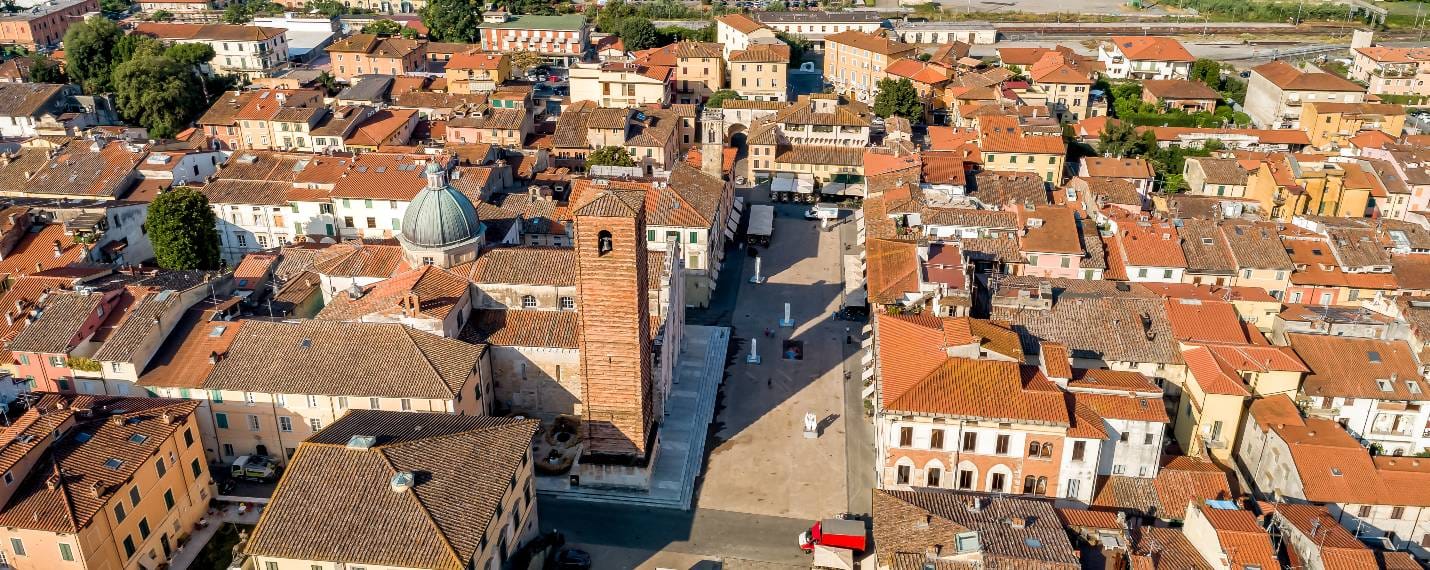
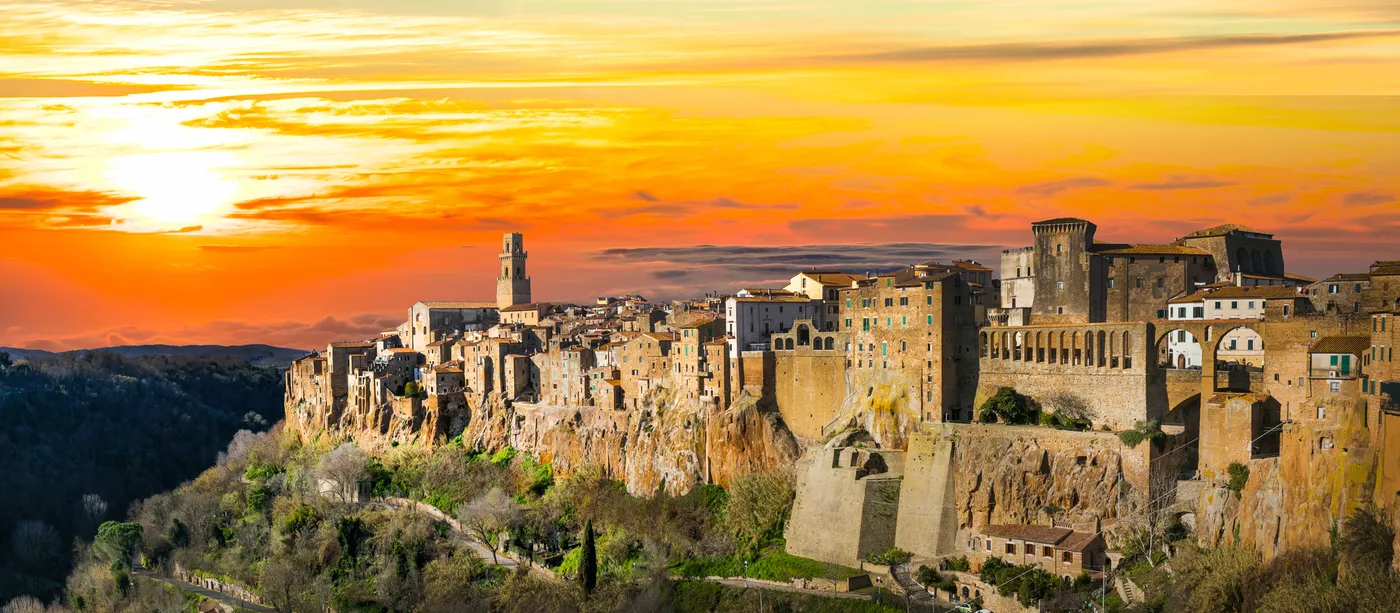
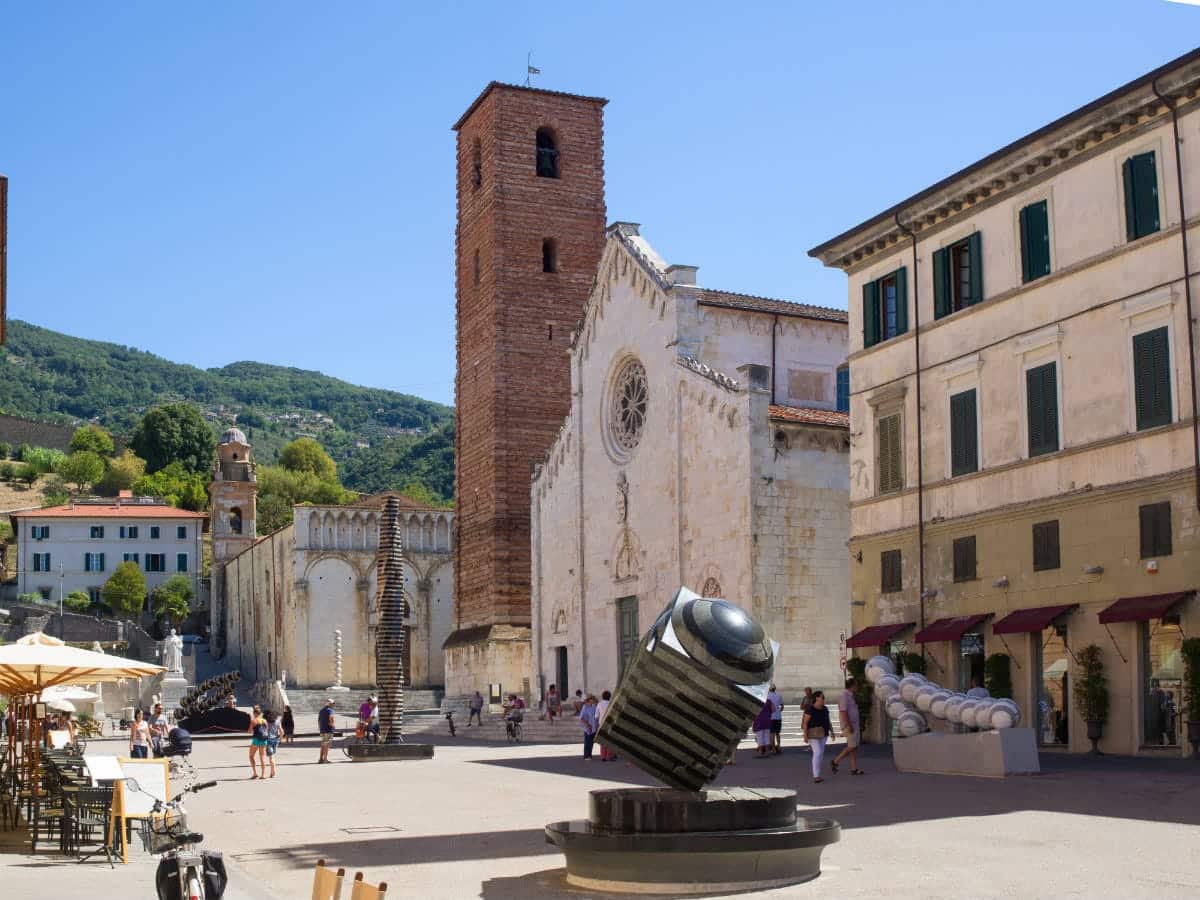
For art lovers, both classic and contemporary, Pietrasanta is a perfect destination. It is called “Little Athens”, thanks to the vast number of artists who have decided to settle there over the years. What fascinates tourists is the elegant historic center, full of art galleries, boutiques, wine bars, refined restaurants and houses overlooking its streets with a pavement that brings travelers back to past times.
Photo gallery
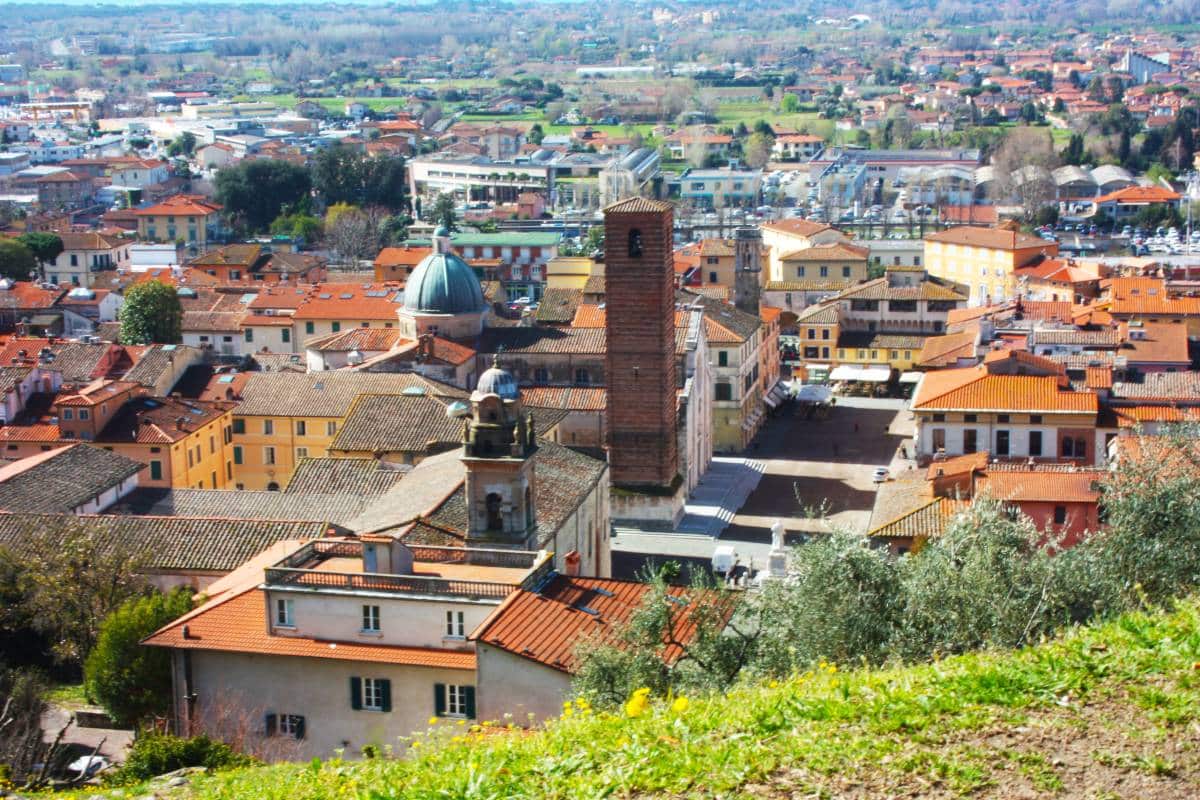
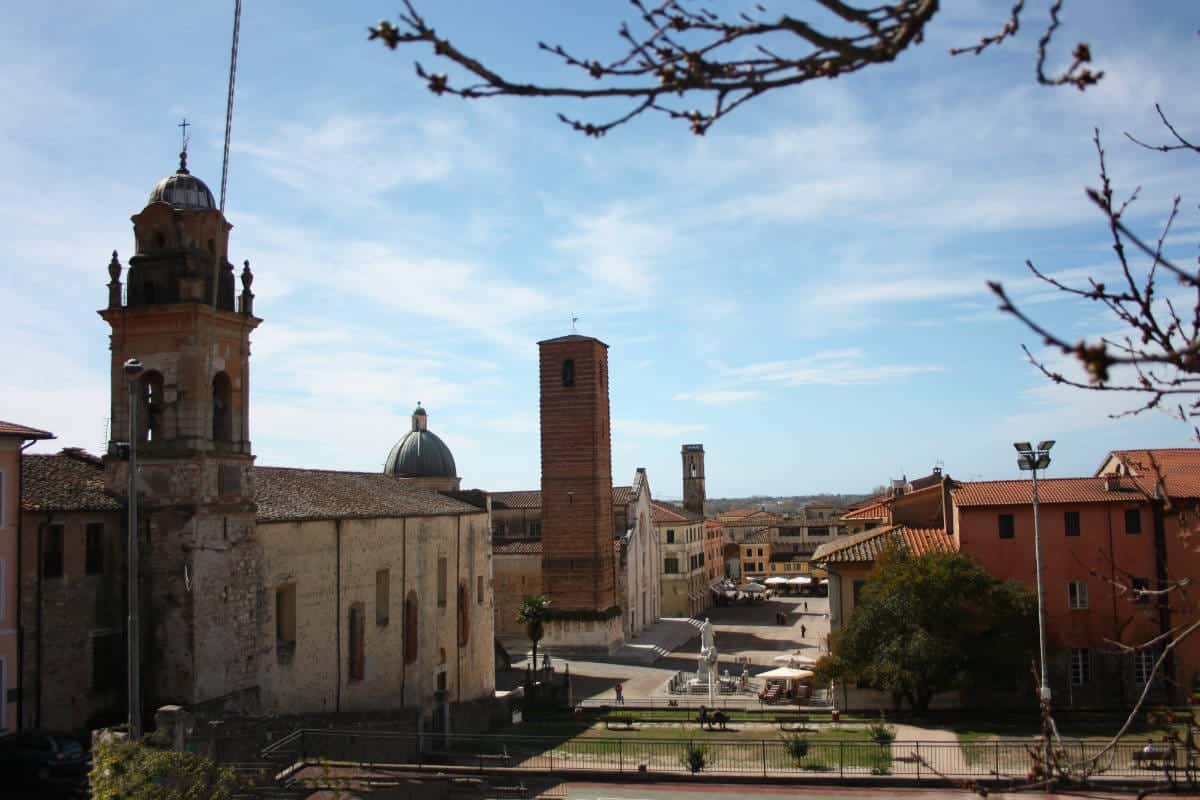
Pietrasanta, the birthplace of the Italian poet and critic Giosuè Carducci, is the capital of Versilia and is considered the perfect destination for lovers of art, both classical and contemporary.
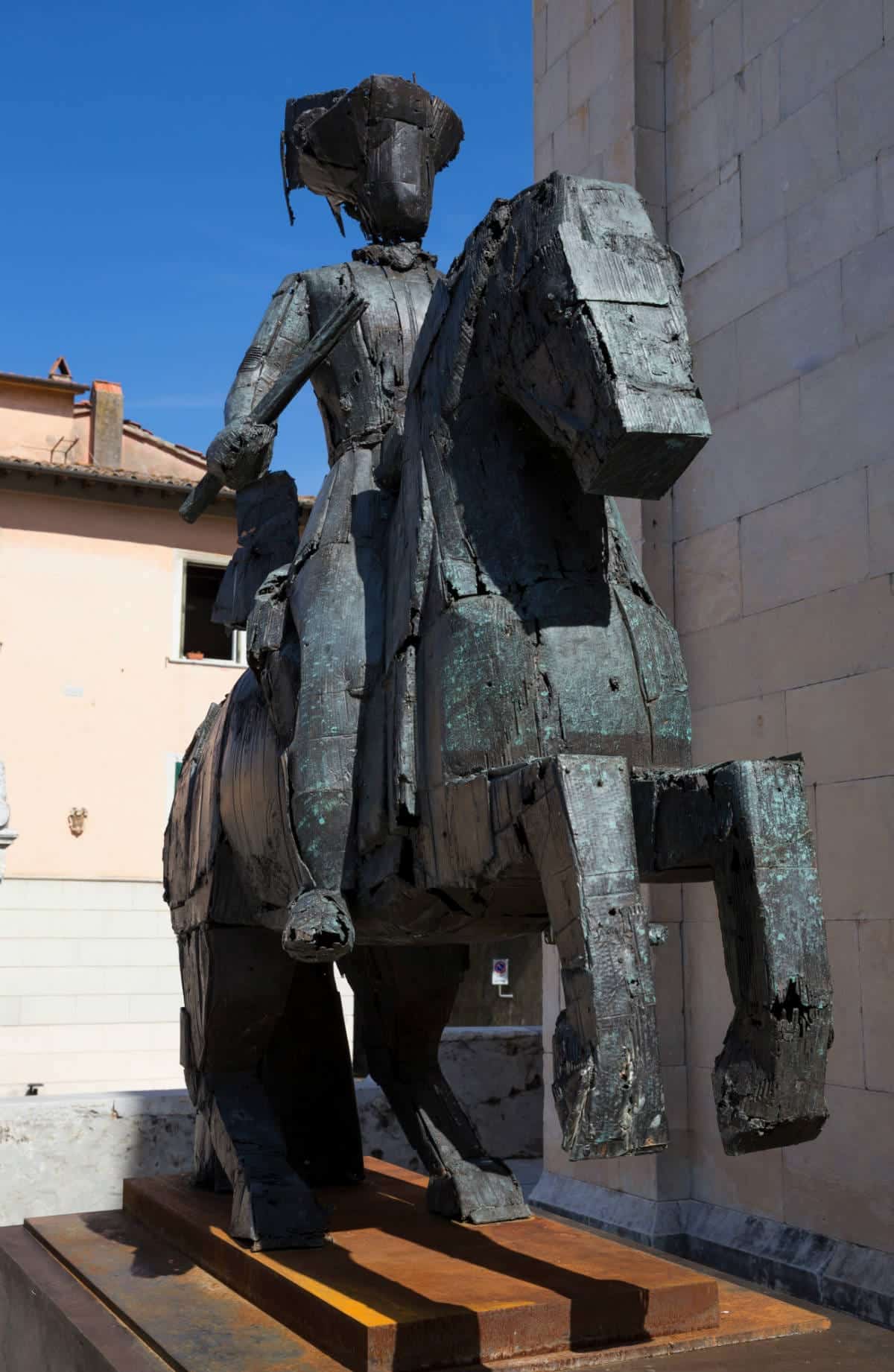
The artistic vocation of Pietrasanta has ancient roots and is closely linked to the processing of marble and bronze, thus earning the nickname Little Athens, due to the concentration of artists who have decided over the years to settle in the village. Among the most famous there are Igor Mitoraj and Fernando Botero.
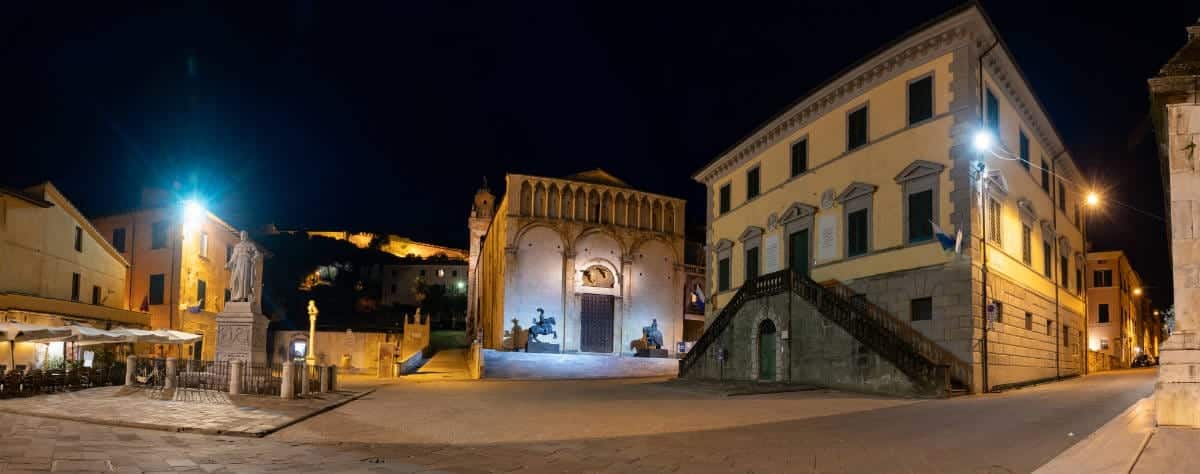
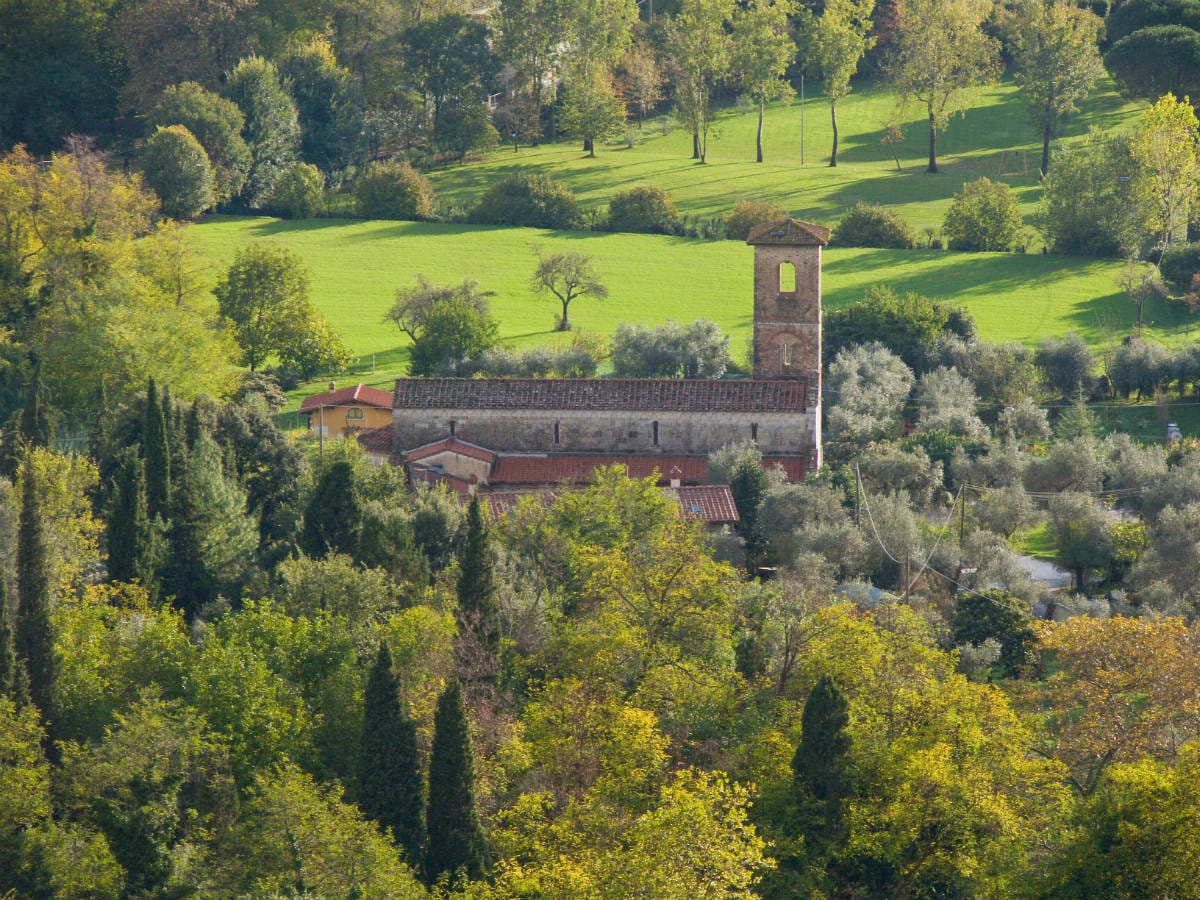
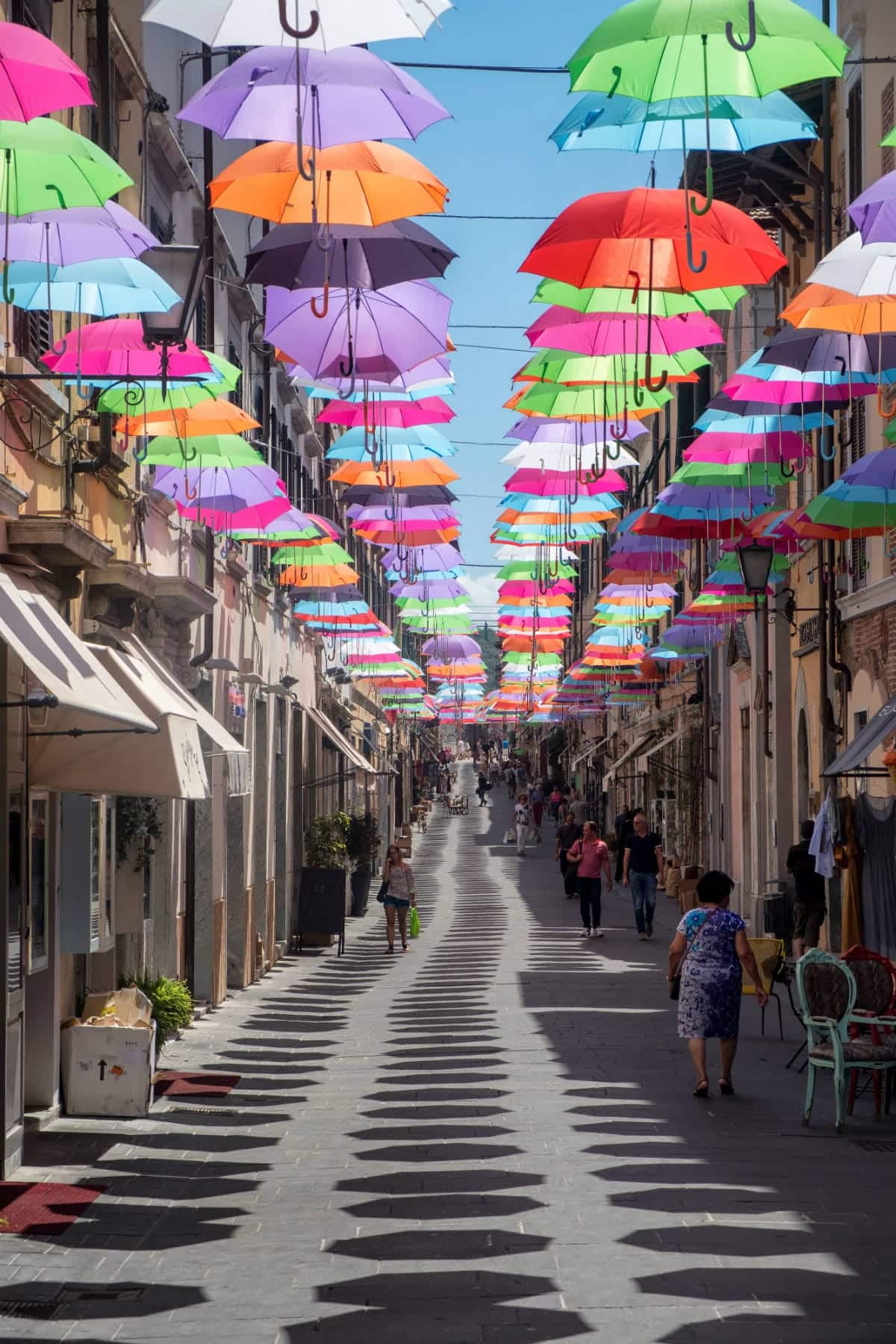
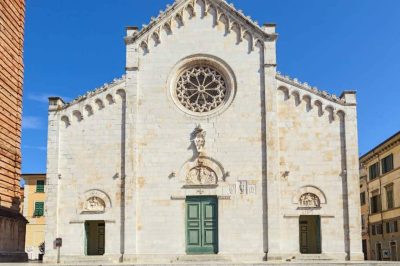
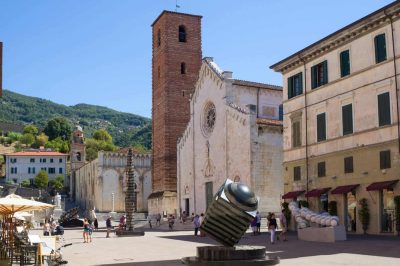
What fascinates tourists is the elegant historic center, rich in art galleries, boutiques, wine bars, fine restaurants and with houses overlooking its streets with a pavement that brings travelers back to the past. In the center you can also admire numerous monuments, including the Cathedral of San Martino, in Romanesque-Gothic style, and the Church of Sant’Agostino, in Romanesque style with the bell tower attached in Baroque style.
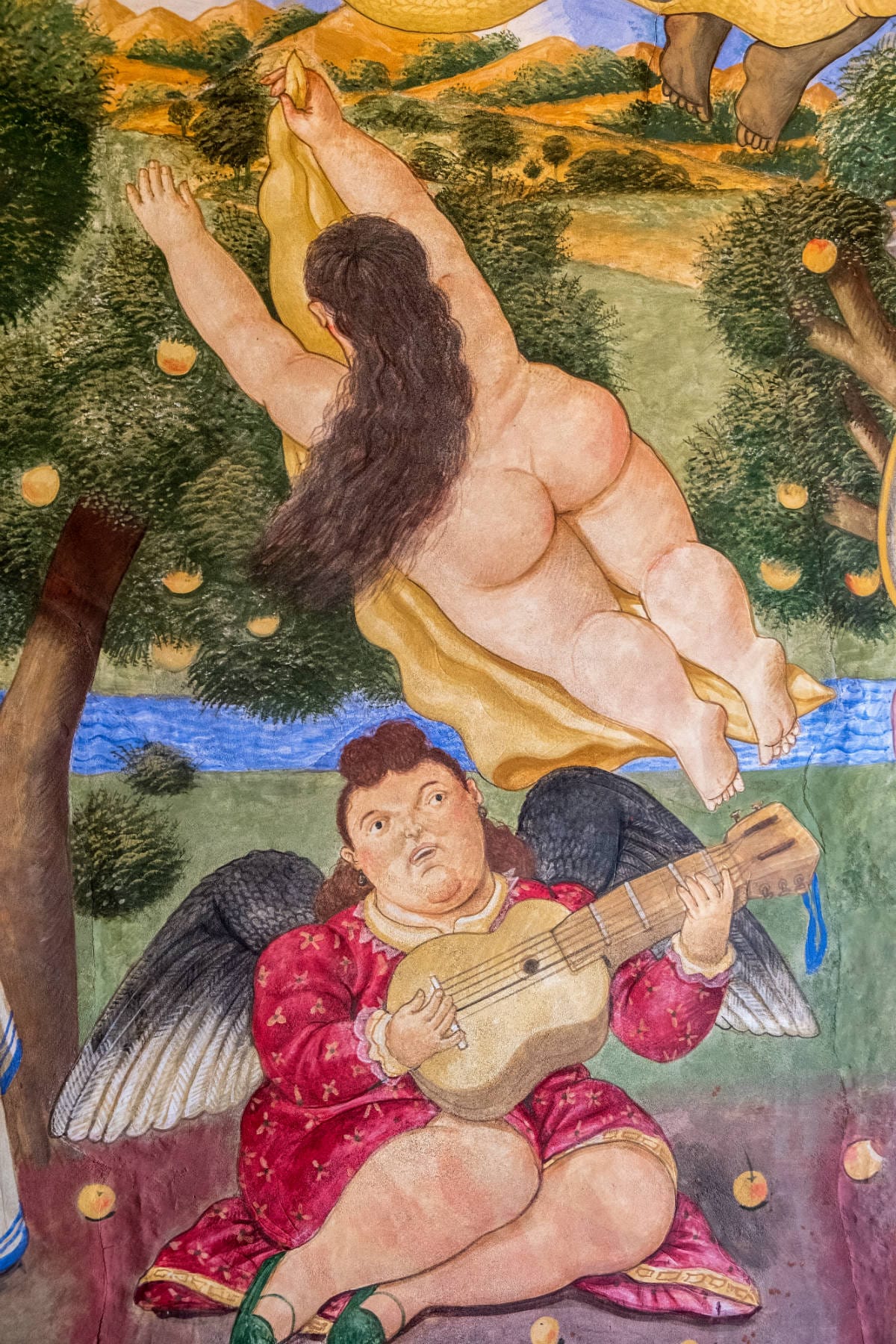
Walking through Pietrasanta one can appreciate sculptures and works of contemporary painting, among which: Fernando Botero’s Il Guerriero, in Piazza Matteotti; Harry Marinsky’s San Francesco, opposite the Church of San Francesco; Francesco Messina’s Il Pugilatore in via Garibaldi; Igor Mitoraj’s Il Centauro in Piazza Centauro. Among the paintings, inside the Church of Sant’Antonio, it is possible to admire the fresco by Fernando Botero with Paradise and Hell.
The village of Pietrasanta also has a series of underground passages, as well as strategic defensive works such as the walls clearly visible from the square, reachable thanks to a path that ends at the Rocca di Sala, from which you can admire the Versilia plain from Viareggio to Forte dei Marmi.
There are several famous people who link their name to Pietrasanta, primarily Giosuè Carducci, born in Valdicastello (a hamlet of Pietrasanta). The poet spent his childhood in the village where it is still possible to visit his birthplace. Nobel Prize for literature in 1906, every year the city remembers him with the National Poetry Prize dedicated to him.
Even the poet Gabriele d’Annunzio, the Polish sculptor Igor Mitoraj, the Colombian sculptor Fernando Botero and many others stayed in Pietrasanta, including Michelangelo Buonarroti, who signed several contracts in Pietrasanta for the marbles that gave birth to some of the his most valuable works.
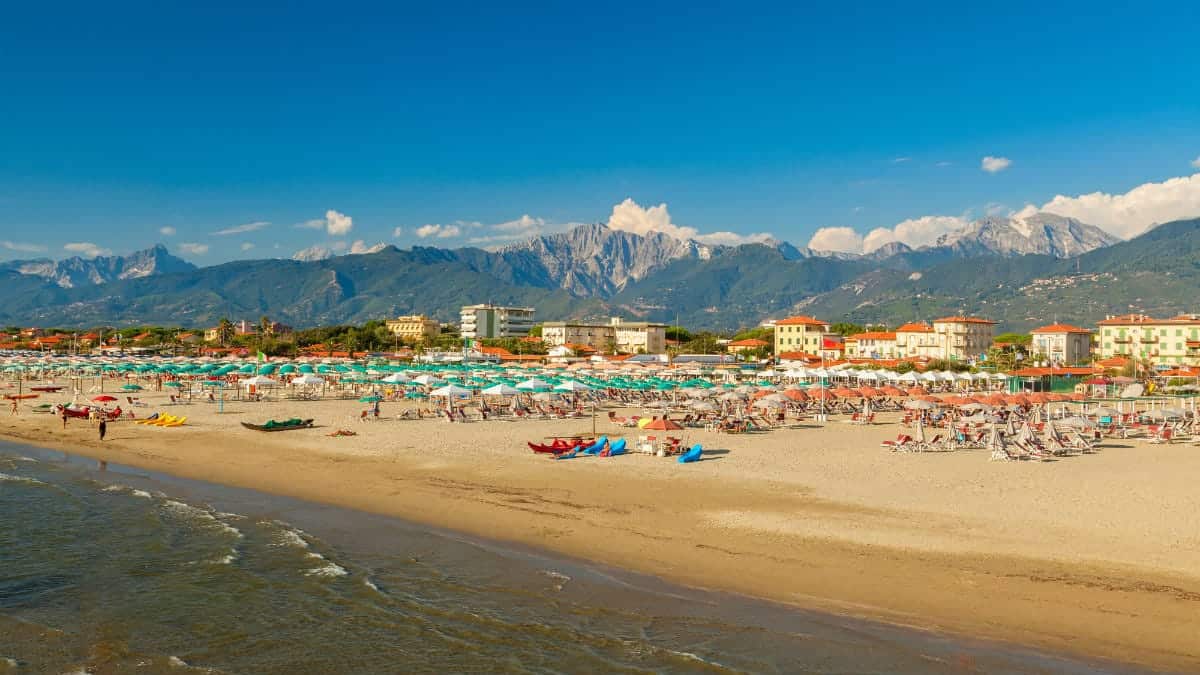
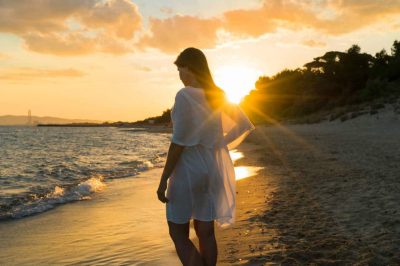
Once you have visited the beauty of the village you just have to enjoy some of its sea. Marina di Pietrasanta, composed of four centers Fiumetto, Tonfano, Montrone and Focette, is a few kilometers from the village and stretches for about five kilometers on the beautiful Tyrrhenian coast.
Throughout the Versilia, the land is rich in flavors and with a strong culinary tradition. In Pietrasanta, the cuisine of the land and the sea meet, with genuine local products cooked in the name of artistic creativity and served in trendy bars. Once in the village, one cannot fail to taste: the fried panzanella, which is nothing more than a fried dough in hot oil; the “sciocco” bread (typical Tuscan), whose name derives from the fact that it does not contain salt, with a slice of Tuscan salami or Colonnata lard; The combination of the flavors of sea and land can be appreciated in the preparation of typical dishes such as spelled and catch of the day, sparnocchi – sea cicadas – with beans and risotto with cuttlefish and chard. Not to be forgotten are the Versilia tordelli, meat-filled ravioli made by hand and seasoned with ragù, Cacciucco alla Versiliese, spaghetti with razor clams, grilled fish, matuffi, or polenta with sausage and mushroom sauce and topetti, which are simple potato gnocchi.
All dishes are prepared with local oil, in fact in the area there are small olive mills.
Municipality of Pietrasanta
Province of Lucca
Tuscany region
Center altitude: 14 m s.l.m.
Città dei sapori
Comuni della Via Francigena
Bandiera Blu
Area naturale protetta Lago e Rupi di Porta
Piazza Matteotti 29 – tel. 05847951
BY CAR
- From the South: take the A1 highway to Florence; then highway A11 Firenze Mare and finally highway A12 Livorno-Genova; Versilia exit
- From the North: take the A1 highway to Parma; then the Cisa A15 motorway to S. Stefano; finally highway A12 Genova-Livorno; Versilia exit
ON THE TRAIN
- Viareggio / Pietrasanta station
BY PLANE
- Pisa airport
What to see in Pietrasanta
Discover what to see in Pietrasanta among monuments, scenic views, museums, churches and symbolic places of the village. A useful selection to plan your visit and explore the area.
News and stories about “Pietrasanta”
Insights and stories from the area, to keep discovering.
Continue the journey
Pietrasanta is only one of the treasures of the area. Use the interactive map to discover what to visit nearby, how far the other villages are and which experiences you can enjoy along the route.
Explore the area