 San Martino di Castrozza
 White Night in Città Sant'Angelo
 Tandem paragliding flights in Tirolo and Merano: the thrill of flying over the Alps
 Cultural sites in the Piana Rotaliana Königsberg: a journey through the history, art and traditions of Trentino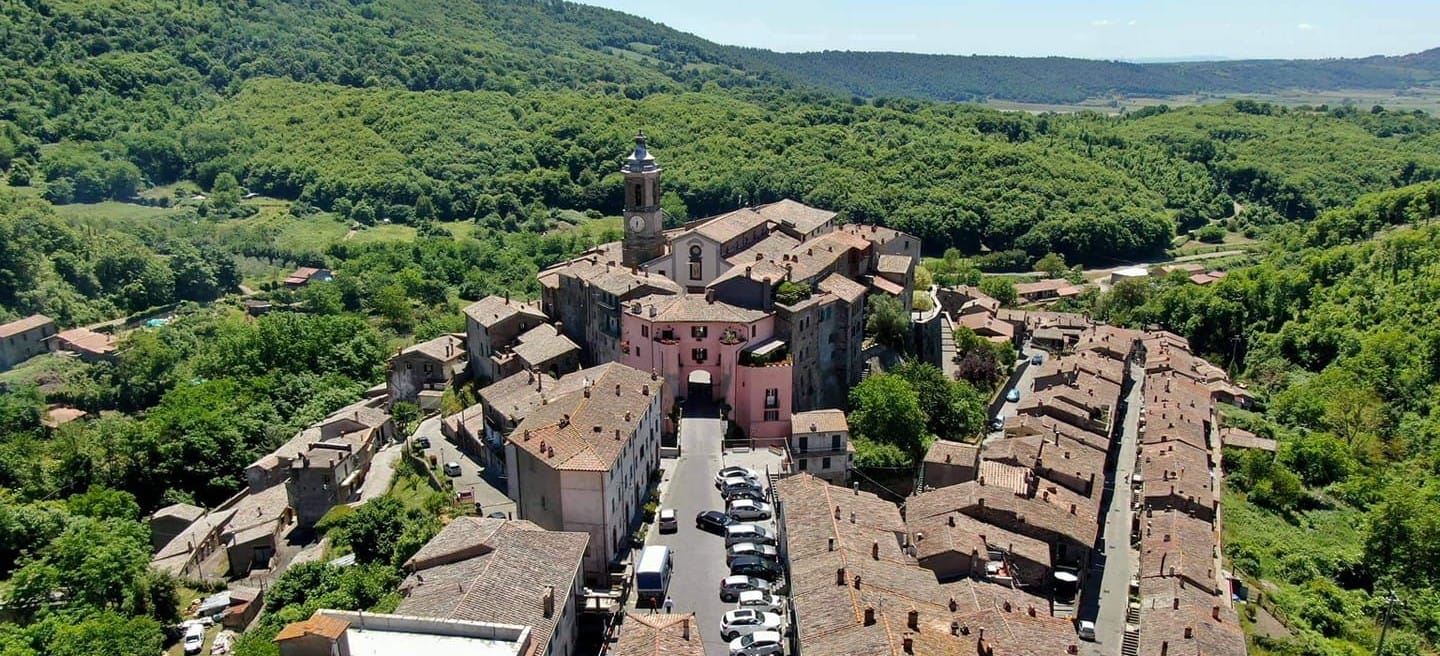
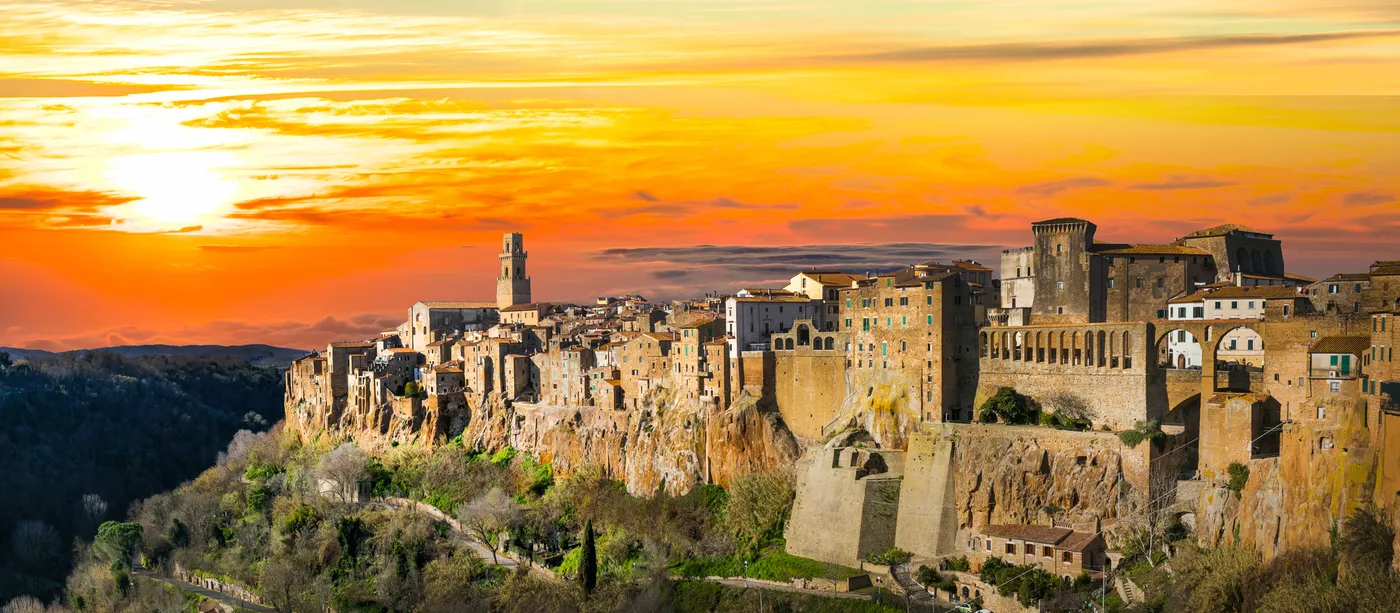
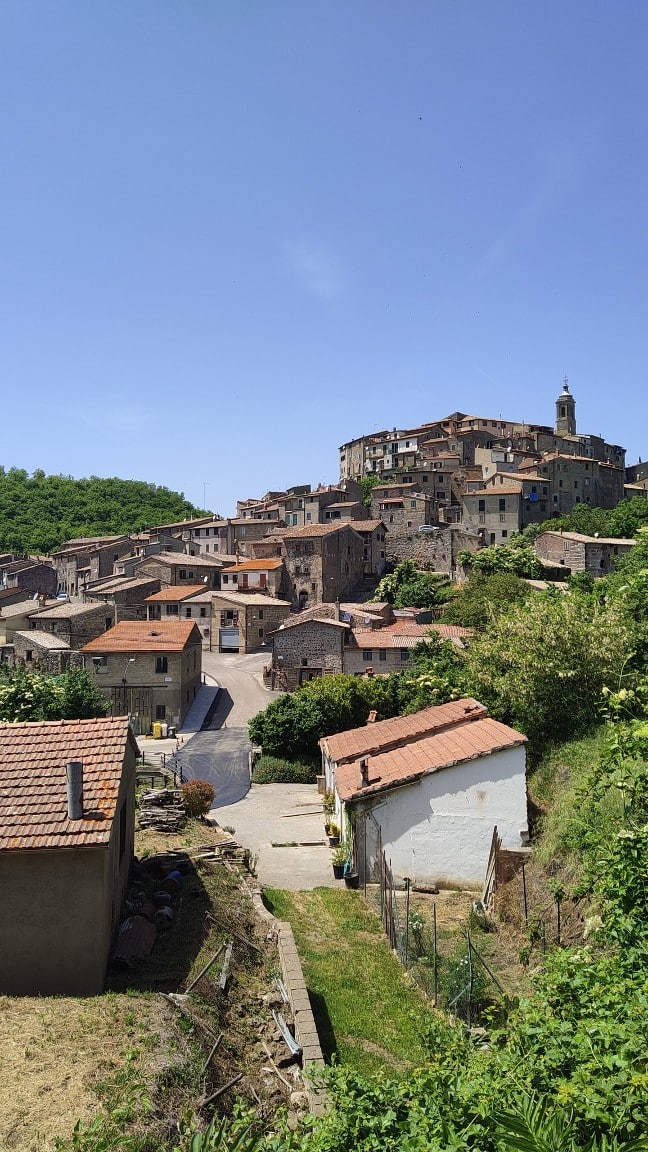
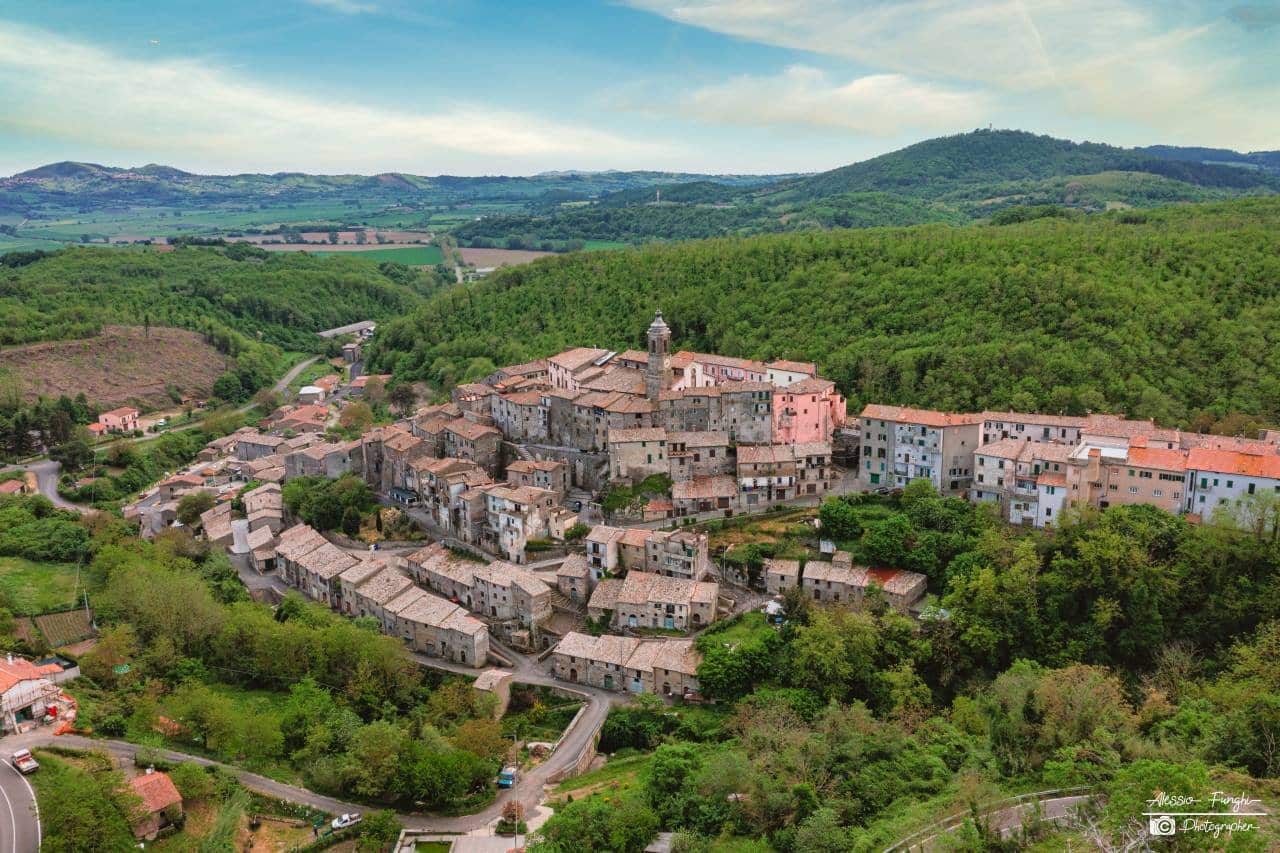
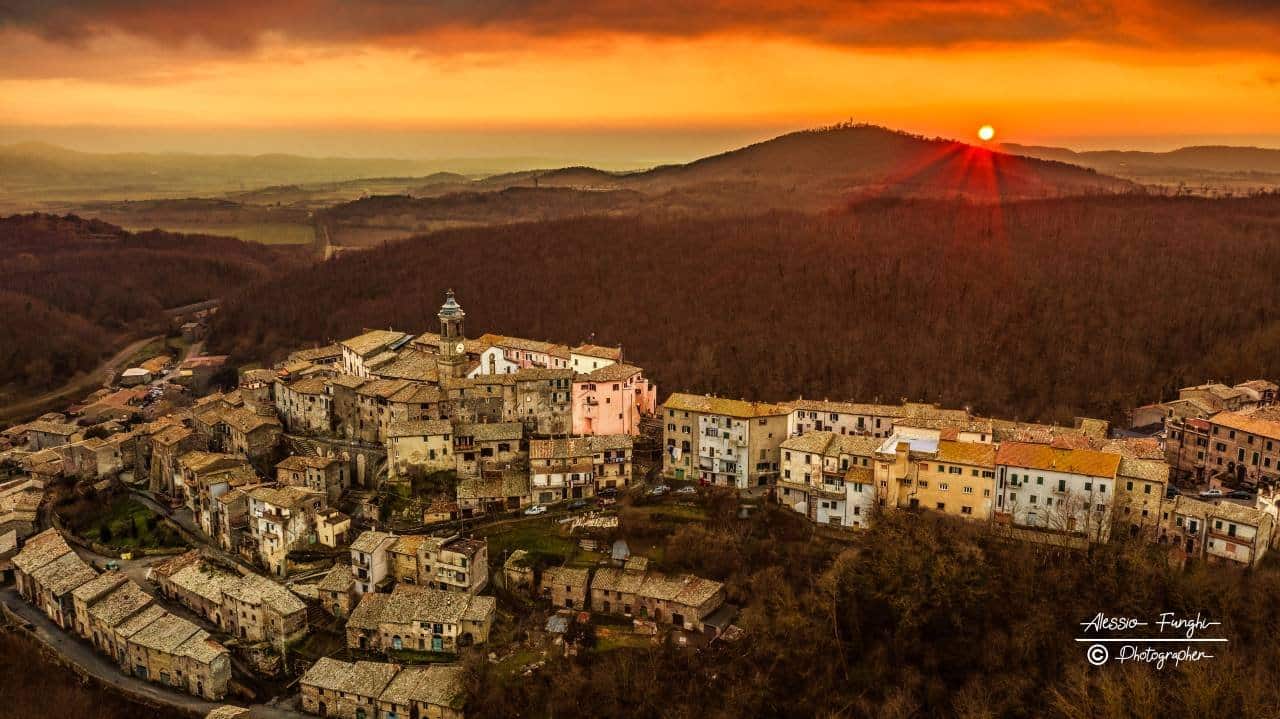
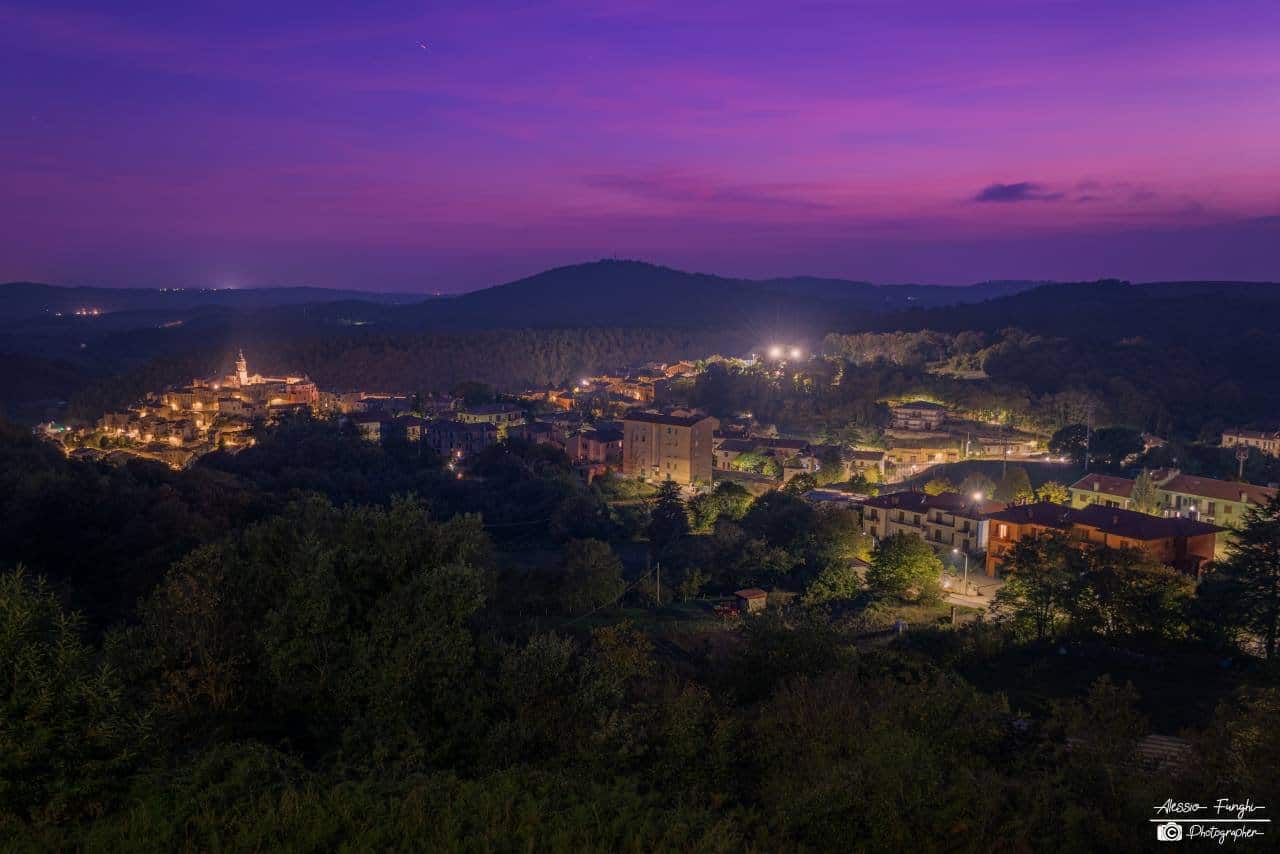
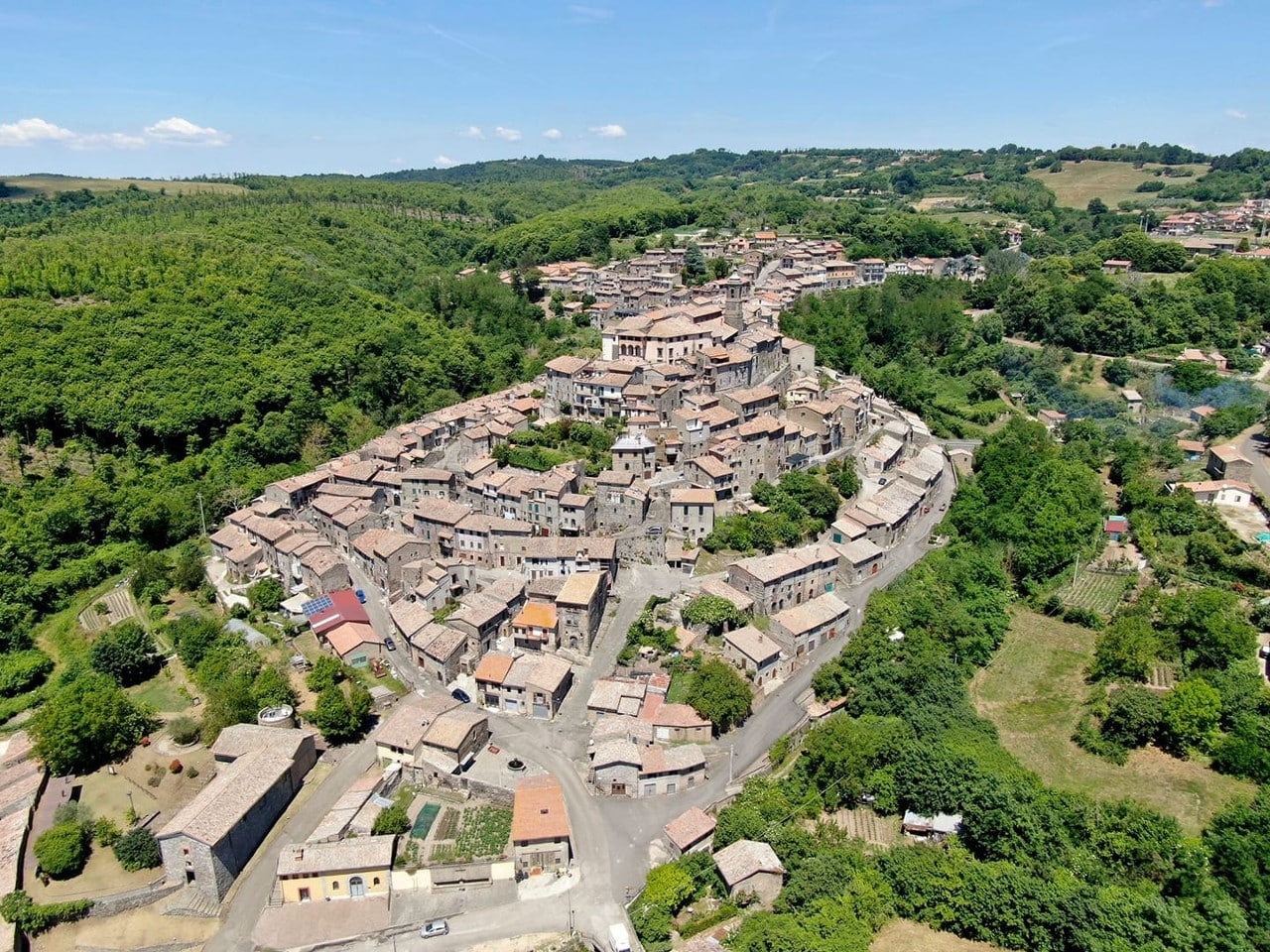
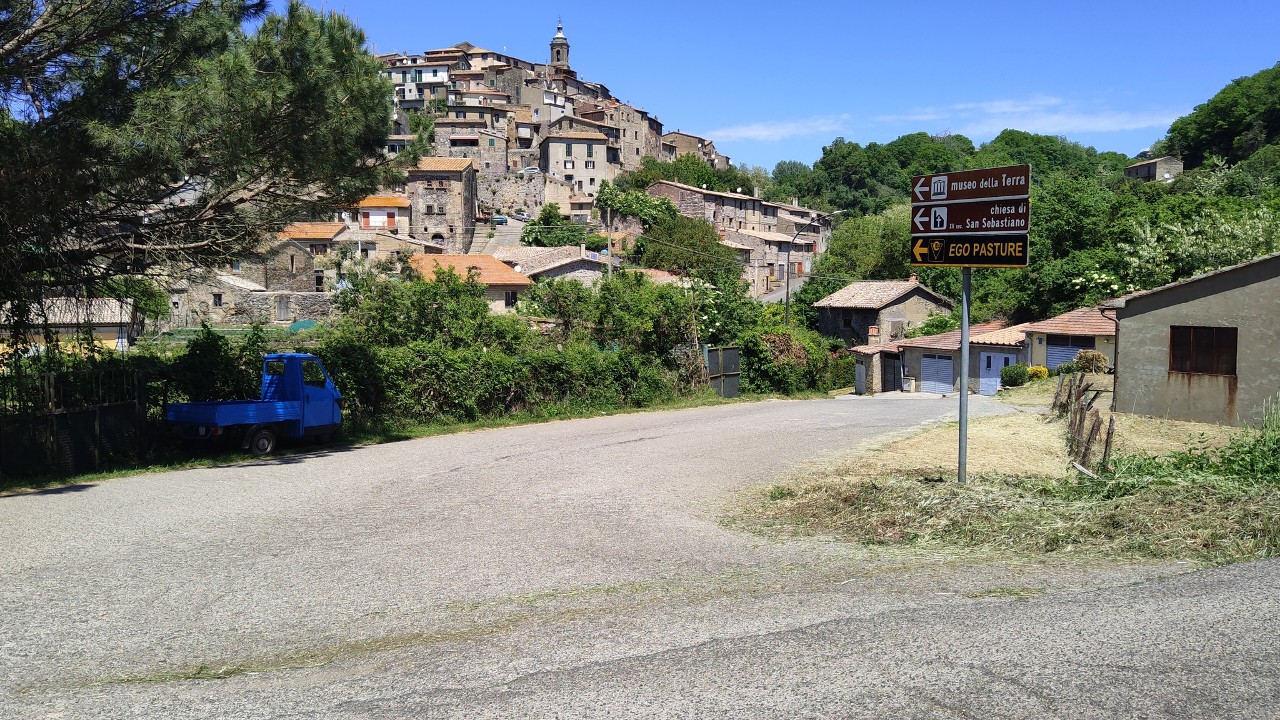
Just a stone’s throw from Lake Bolsena and Lake Mezzano is the characteristic village of Latera, perched like a spiral on a hill 503 m above sea level, overlooking the Caldera di Latera below, a verdant valley of volcanic origin crowned by many rolling hills. Latera is a small jewel of Tuscia Viterbese and falls within the territory of the Volsini Mountains a stone’s throw from Tuscany, particularly the villages of Sorano and Pitigliano.
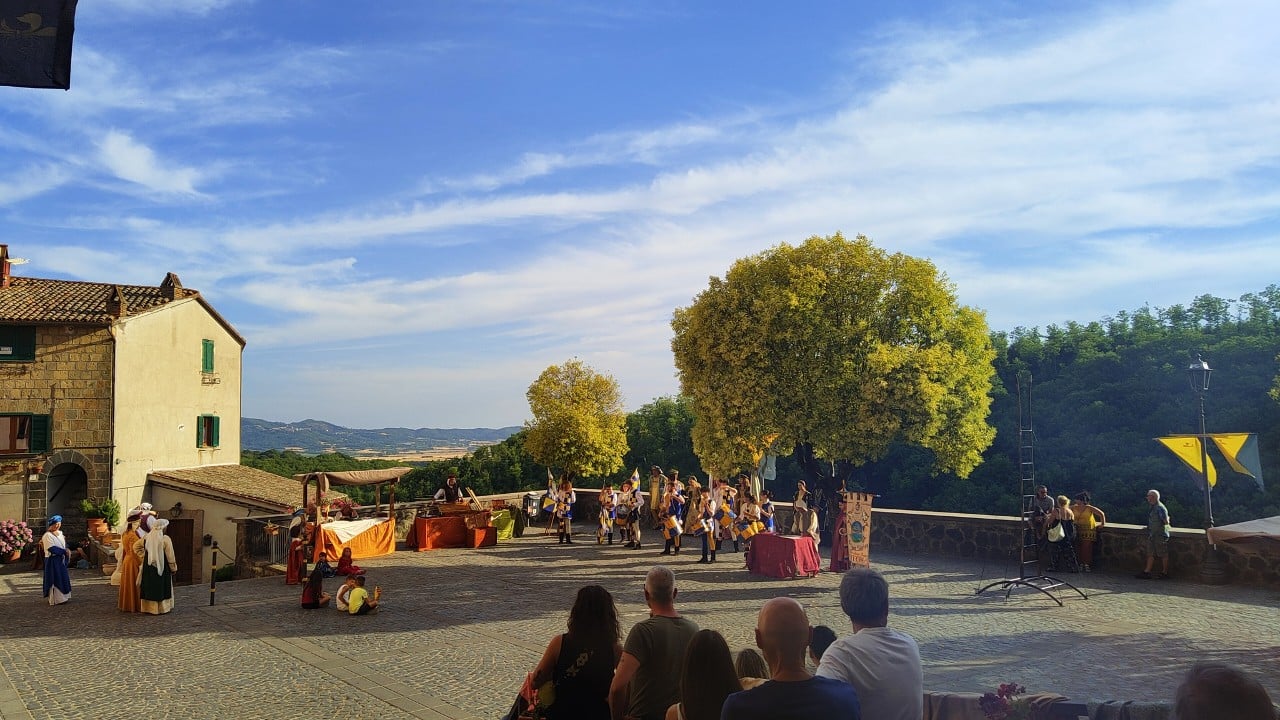
Despite being a small village, there are not a few things to see in Latera, not to mention the events that attract visitors from all over the province of Viterbo and beyond.
Photo gallery
The village
The territory in which Latera rises, in the light of the historical finds unearthed, was inhabited as early as 5000 B.C.: it then became an important Etruscan center, became first a Longobard dominion and later in 1080, a fortified stronghold of the Aldobrandeschi. Passing under the rule of Orvieto, the Holy See and the Farnese family, Latera became independent only in 1870, following the Unification of Italy.
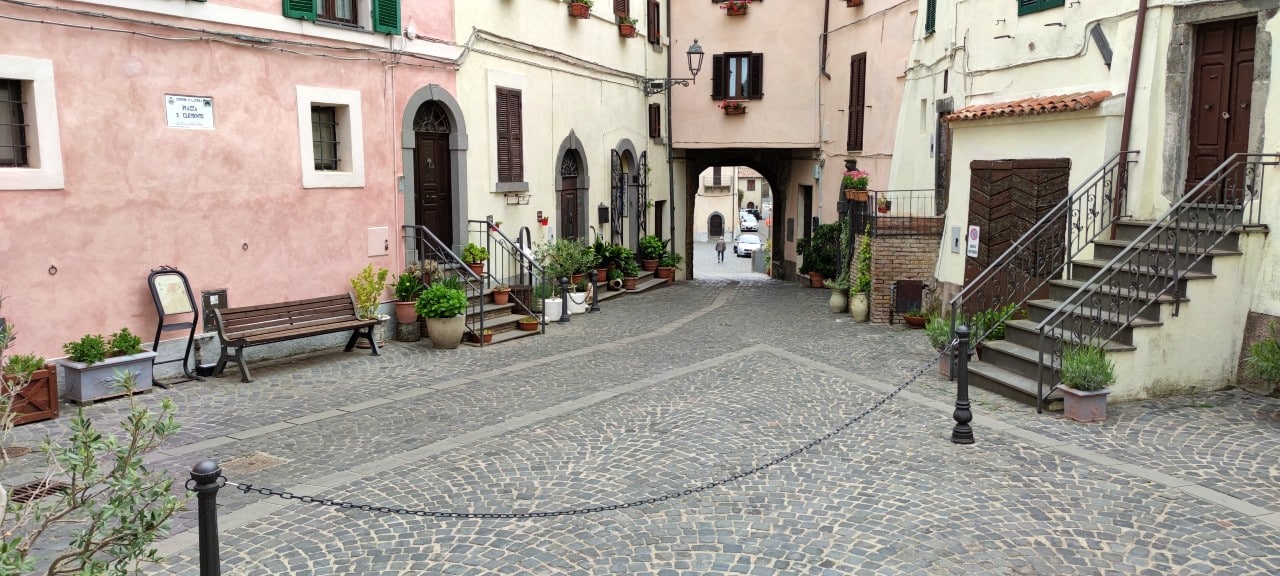
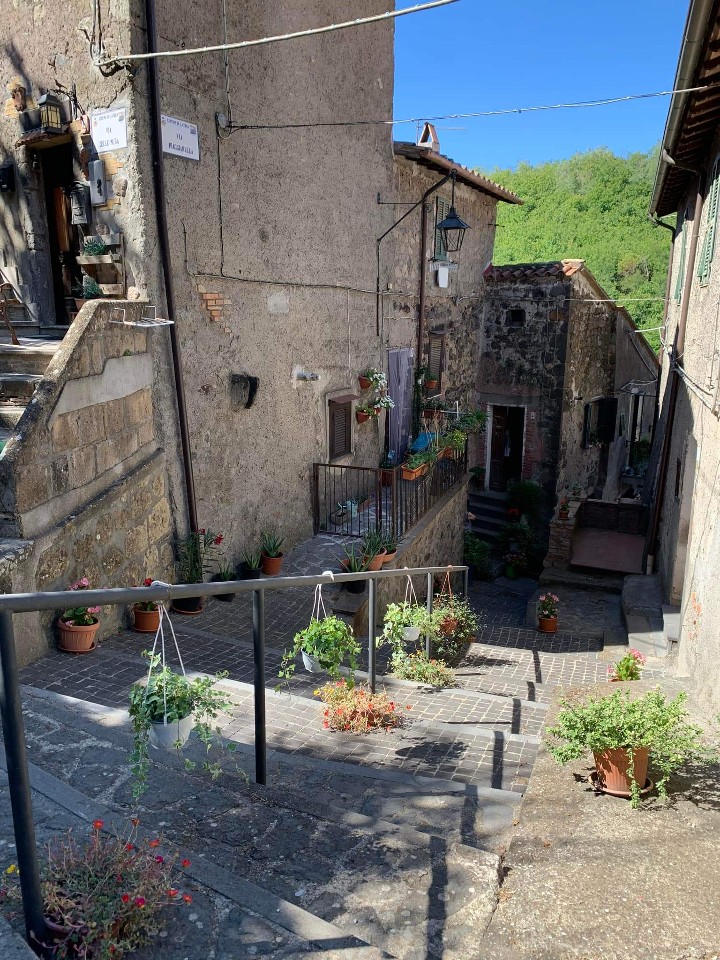
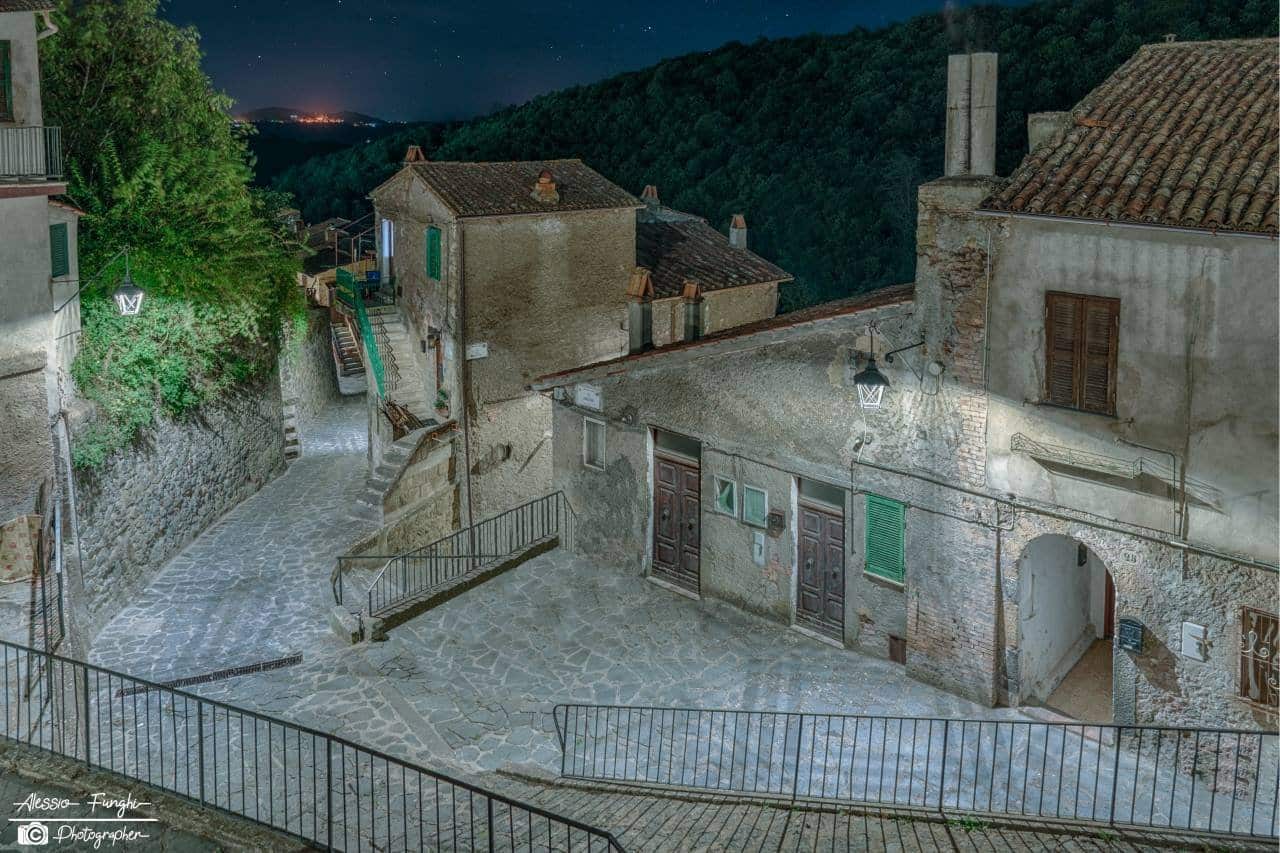
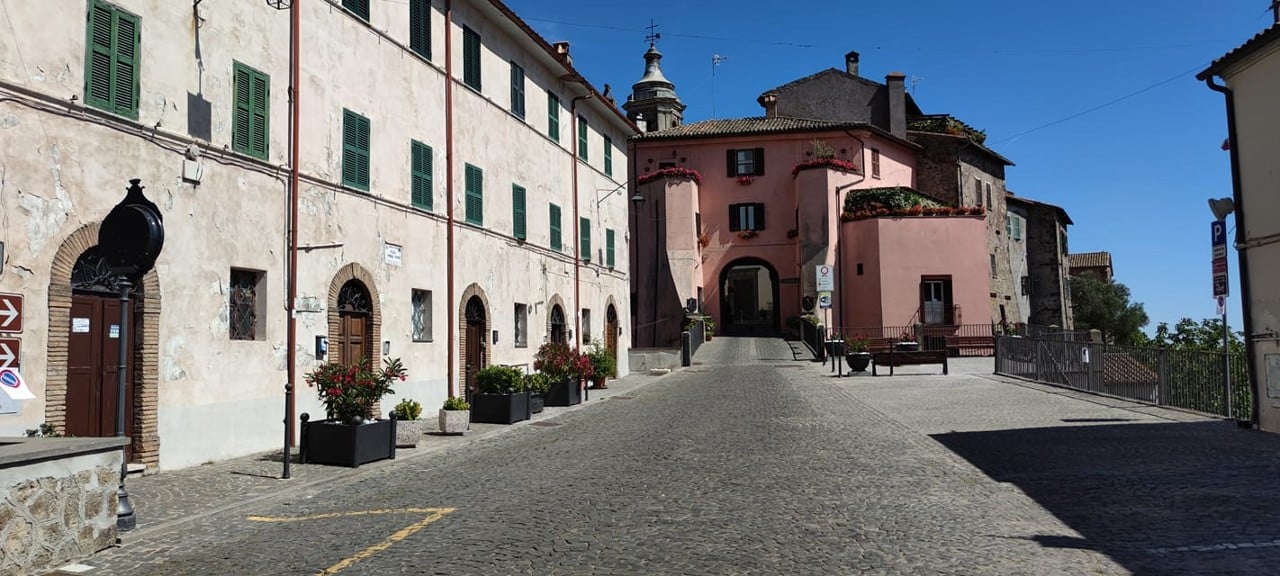
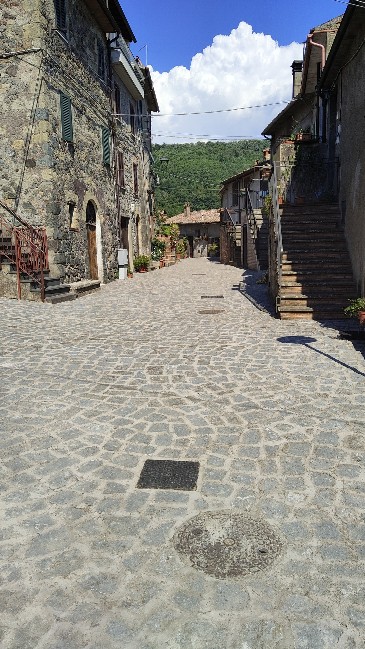
Latera is a charming medieval village whose most precious jewel is its historic center, which is entered through a rosy stone gate that in the past also featured a drawbridge. Passing through the gateway, one finds oneself in a place lost in time, with narrow cobblestone alleys, stairways, dark underpasses and stone houses, often embellished with the typical profferli, elements typical of medieval architecture in the villages of the Viterbo area, external stairways that allowed access to the upper floor.
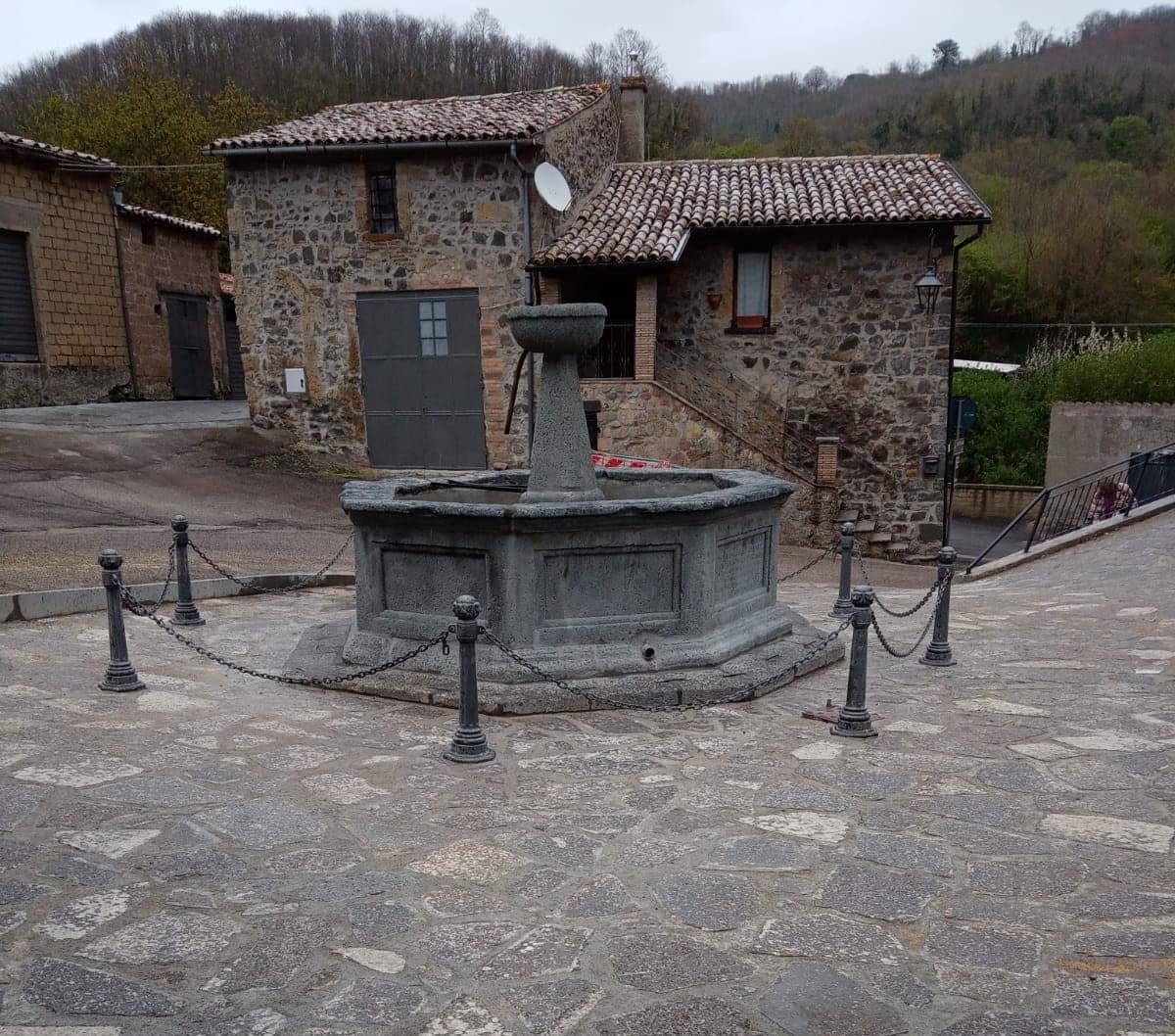
Strolling through the ancient heart of the village, one encounters stores where artisans skillfully work pottery, four historic fountains (including the Ducale fountain, a reminder of the aqueduct commissioned by Ranuccio Farnese) and churches.
Worth visiting are the Church of St. Joseph, dating from the 12th century, inside which is an effigy of the Virgin considered miraculous; the Church of St. Rocco, erected about the end of the 15th century as a vow to drive the plague out of the town.
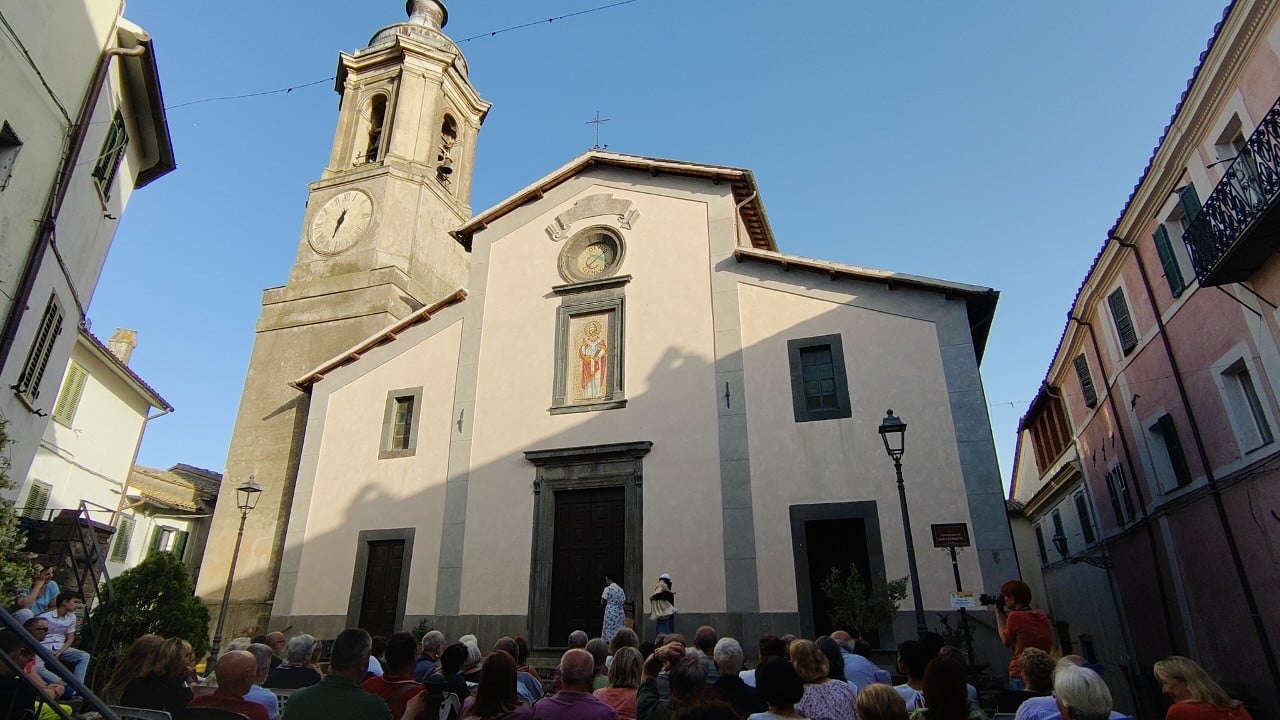
The Church of San Clemente, however, is the main building of worship in Latera, dating from 1598. This one features a typical Renaissance rose window on the outside, while the interior is a riot of 18th-century columns, elegant capitals and a magnificent altarpiece.
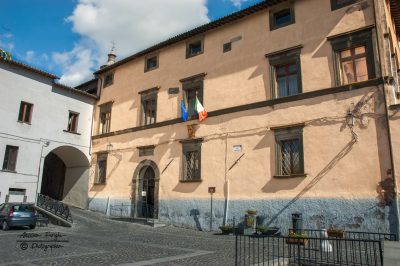
A stone’s throw from the Church of San Clemente, from which one can easily reach a panoramic viewpoint over the entire Caldera of Latera, Mount Amiata and the lakes of Mezzano and Bolsena, stands the Palazzo Farnese. Also known as the Rocca, it was designed by Jacopo il Bello da Vignola and built in 1408 at the express wish of Ranuccio Farnese the Elder and still displays a monumental Renaissance-style facade.
Walking through the streets of the village of Latera, one encounters a very suggestive corner namely the South Gate or Arch of Good Counsel, better known as “The Four Arches.” This is the ancient gateway to the castle, of Lombard origin. Four streets surmounted by round arches intersect in this corner of the town. It is a unique structure inserted in the oldest part of the village.
Traditions in Latera
Speaking of tradition, local gastronomy is another feather in Latera’s cap and its typicality, besides the Alto Viterbese IGP potato, are the Pizzicotti. Linked to the peasant world of yesteryear, they are the same dough used to make bread (flour, water, salt, natural yeast). The name so curious comes from the way the ball of dough is precisely pinched to tear off irregular pieces to throw into boiling water for cooking.
Village of Latera
Municipality of Latera
Province of Viterbo
Lazio Region
Inhabitants: 775 lateresi
Center altitude: 508 m s.l.m.
the municipality is part of:
Borghi Autentici d’Italia
Comunità Montana Alta Tuscia Laziale
The Municipality
Piazza della Rocca, 2 – Tel. 0761459041
BY CAR
- Driving along the highway, the nearest exits to the center of Latera are:
Orvieto exit (Milan-Naples)
BY TRAIN
- Orvieto Station
BY AIR
- The closest airports to Latera are those of:
Perugia Airport
Marrone di Latera is the typical product of the village. It has a brown color tending to reddish, a large size, very homogeneous circular shape, with a thin, yellowish film,
easily removed; the fruit has a more or less intense sweetish taste.
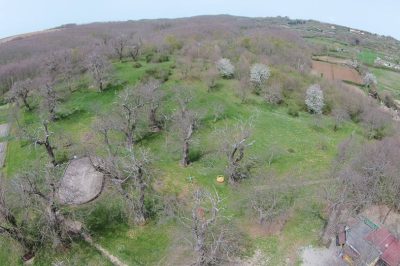
Chestnut trees vary in height from 20 to 30 meters with crowns that take on a very broad appearance with a bearing that develops according to natural forms; the trunks have, for the most part, a non-straight course before forking into main and secondary branches.
They are also used for the Latera Chestnut Festival. Here the chestnut festival is a regular event that recurs the last two weekends of October with a quiet and friendly atmosphere that frames a simple and authentic autumn festival.
In addition, of course, to the tasting of roasted chestnuts and local wine with stations located in the squares and slarghi of the historic center, numerous initiatives are carried out to accompany the entire festival.
The classic Christmas dessert
Serpone is a classic dessert made in Latera during the Christmas season. The latter is made both at home and can be purchased from bakers in Latera.
Ingredients for about 5 serpones:
1 kg flour
5 eggs
6 tablespoons sugar
2 tablespoons oil
50 g butter
a pinch of cinnamon
1 lemon
strega liqueur
Various toppings with:
hazelnuts, walnuts, raisins, figs, cinnamon, sugar, grated dark chocolate, strega liqueur or sambuca, lemon, orange and tangerine peel.
From ancient Lateran gastronomy
Pizzicotti are a typical dish of the ancient Laterese gastronomic tradition. Linked to the peasant world of yesteryear, they are extremely simple to make, inexpensive and obtainable from ingredients available from the land from which they draw genuine flavors and aromas.
The dough is the same as that used for bread (flour, water, salt, natural yeast). The curious name comes from the way the ball of dough is precisely pinched to tear off irregular pieces to throw into boiling water for cooking.
It was all very simple and quick: plenty of bread dough was prepared and what did not end up in the oven for baking ended up on the plate in the form of steaming “PIZZICOTTI” solving the lunch problem.
The wood-fired oven was the meeting place where the women of Latera went to bake bread, exchange a few chats to escape from household chores for a moment.
Unforgettable moments that have disappeared today under the frenzy of modern life that imposes stressful rhythms that give no time to stop. The latter gave rise to the Sagra del Pizzicotto, which is held in July and has become an excellent opportunity to taste ‘pizzicotti’ still made by hand and enjoy a typical Lateran menu.
What to see in Latera
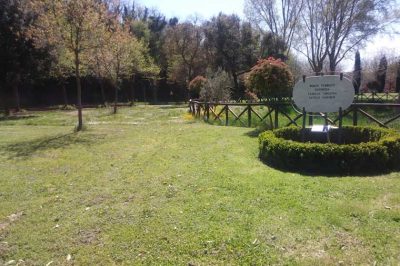
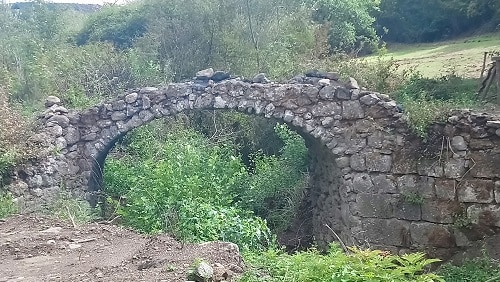
Discover what to see in Latera among monuments, scenic views, museums, churches and symbolic places of the village. A useful selection to plan your visit and explore the area.
What to do in Latera
If you are wondering what to do in Latera, here you will find activities, experiences and tours to enjoy the village and its area in an authentic way, among nature, culture, food and wine, and guided routes.
Continue the journey
Latera is only one of the treasures of the area. Use the interactive map to discover what to visit nearby, how far the other villages are and which experiences you can enjoy along the route.
Explore the area