 San Martino di Castrozza
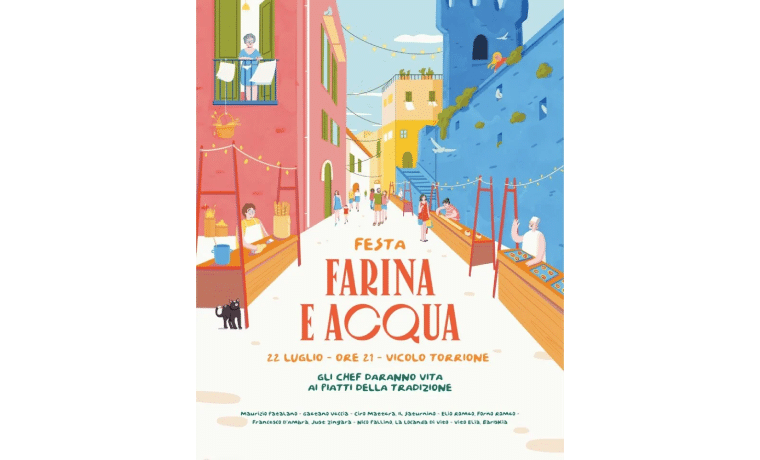 Farina e Acqua - Flour and Water 2026
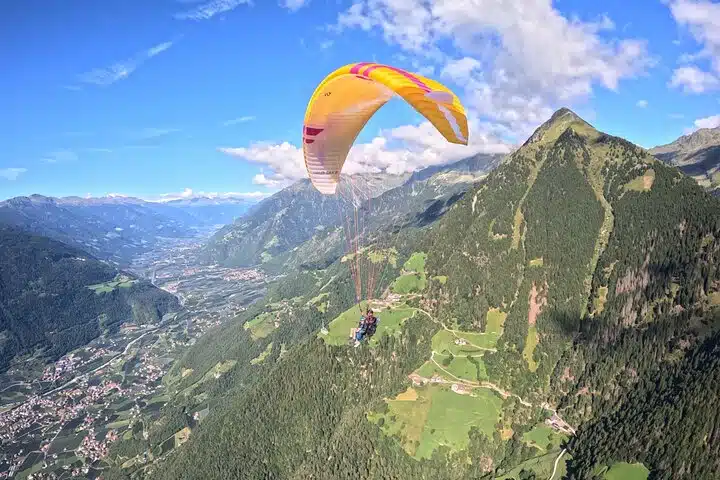 Tandem paragliding flights in Tirolo and Merano: the thrill of flying over the Alps
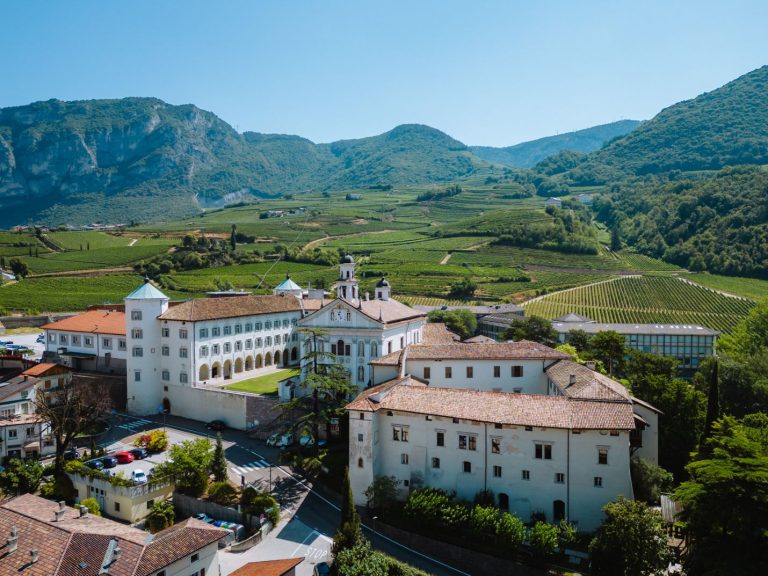 Cultural sites in the Piana Rotaliana Königsberg: a journey through the history, art and traditions of Trentino
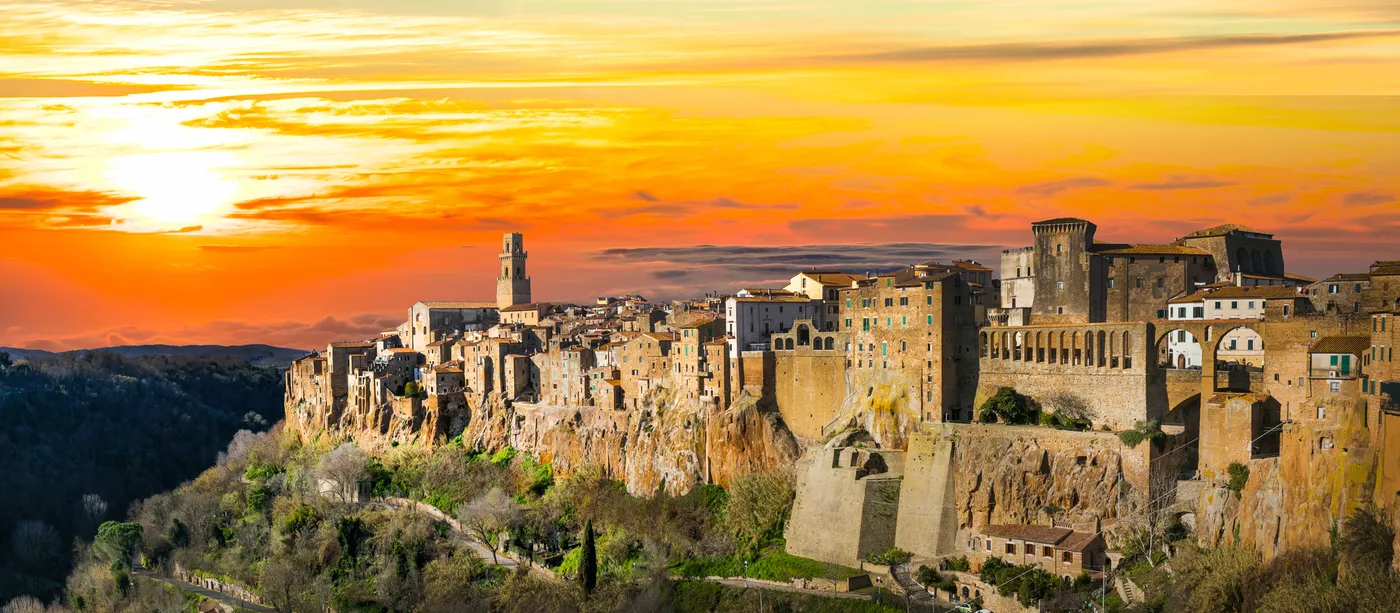
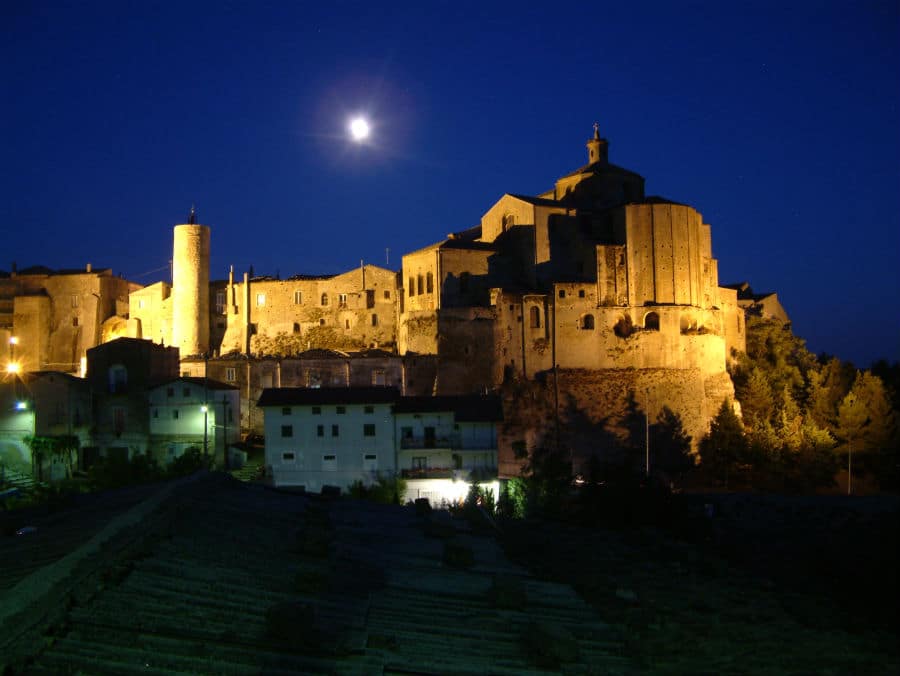
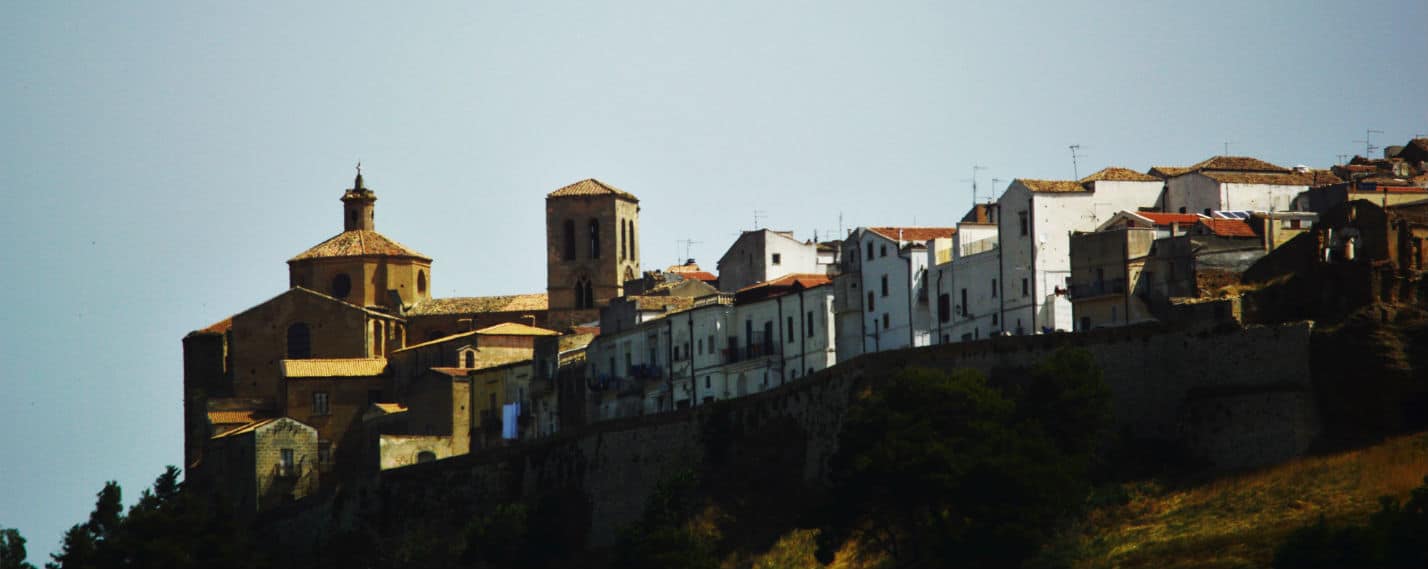
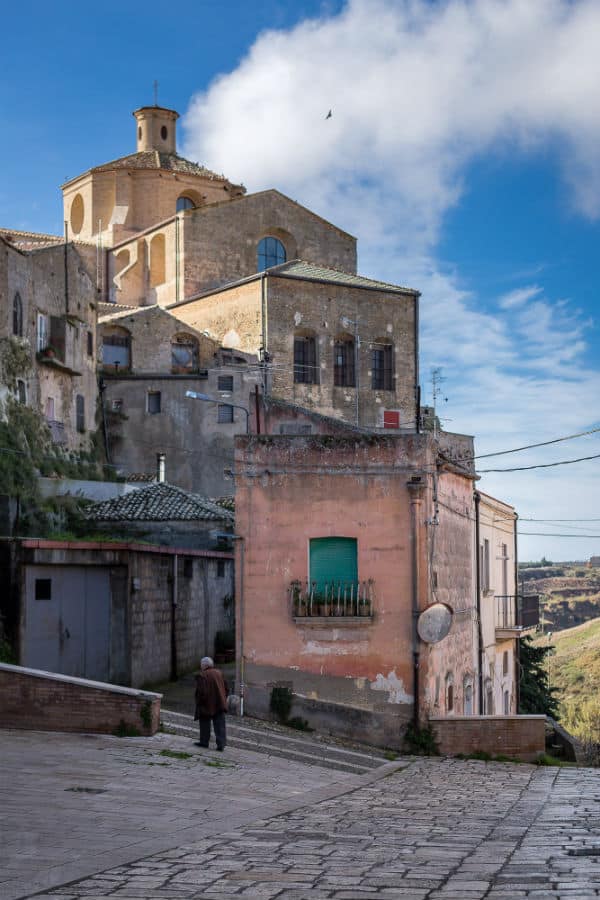
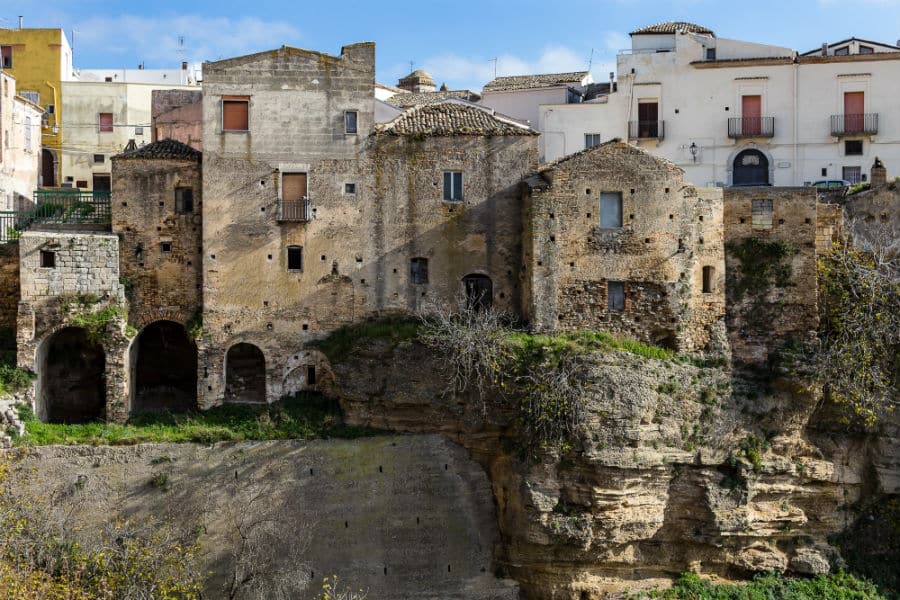
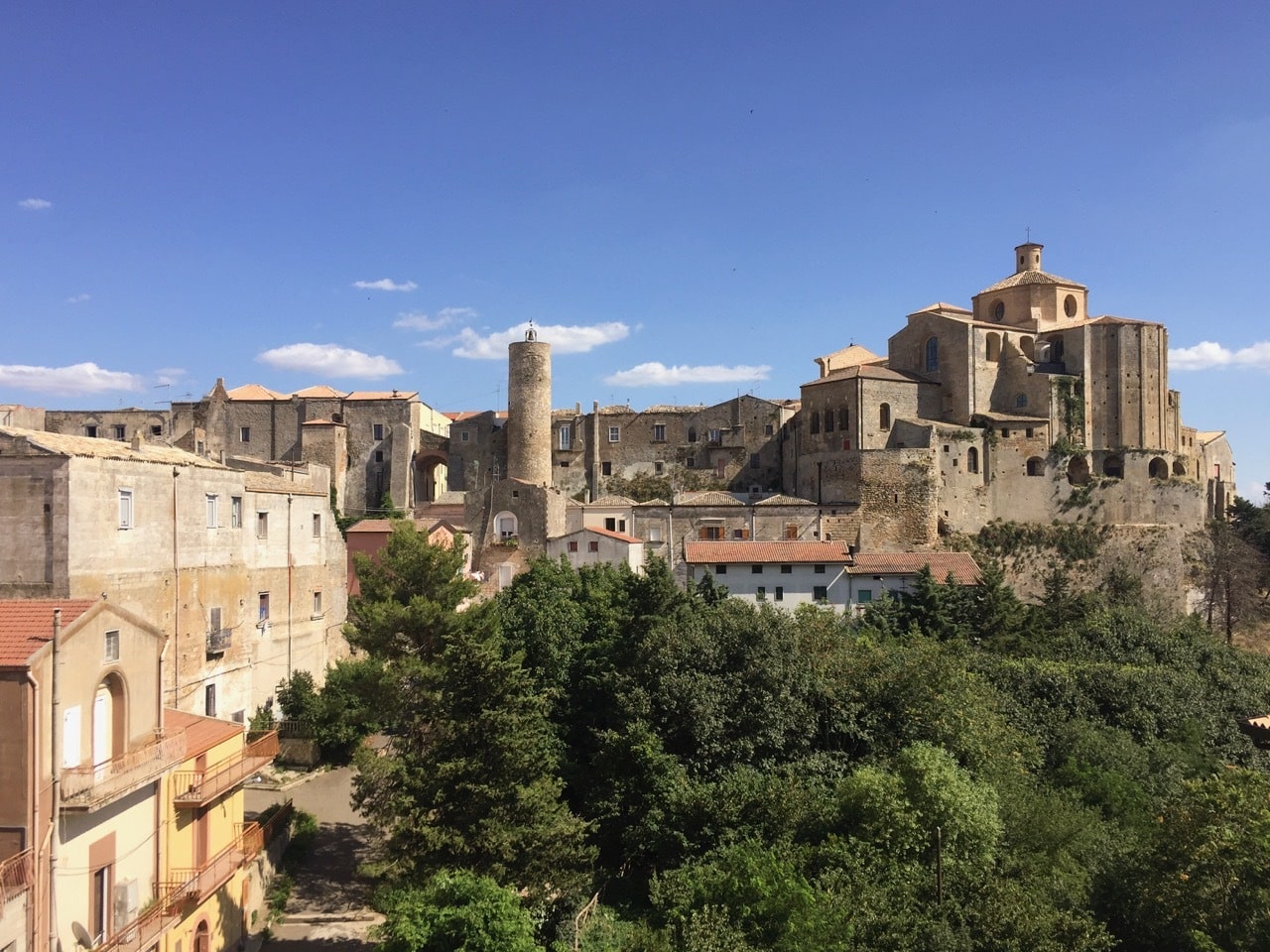
Wandering around the historic center of Irsina is like re-immersing yourself in the past, a city that has kept its charm and splendor unchanged. An enchanting center that never ceases to surprise, with its masterpieces of art, the never monotonous territory, characterized by green hills and mountainous reliefs rich in woods, colorful landscapes of rare beauty, churches and architecture that evoke a glorious past.
Photo gallery
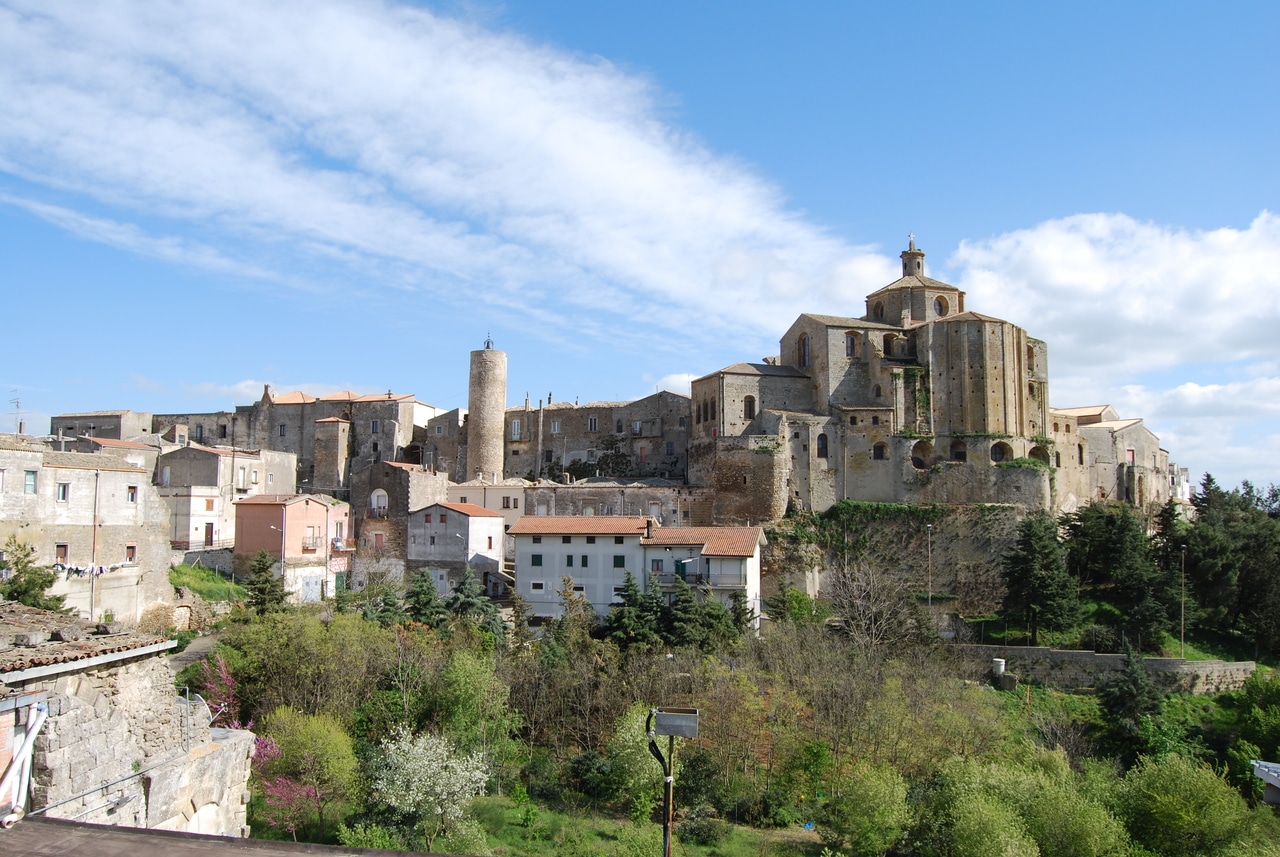
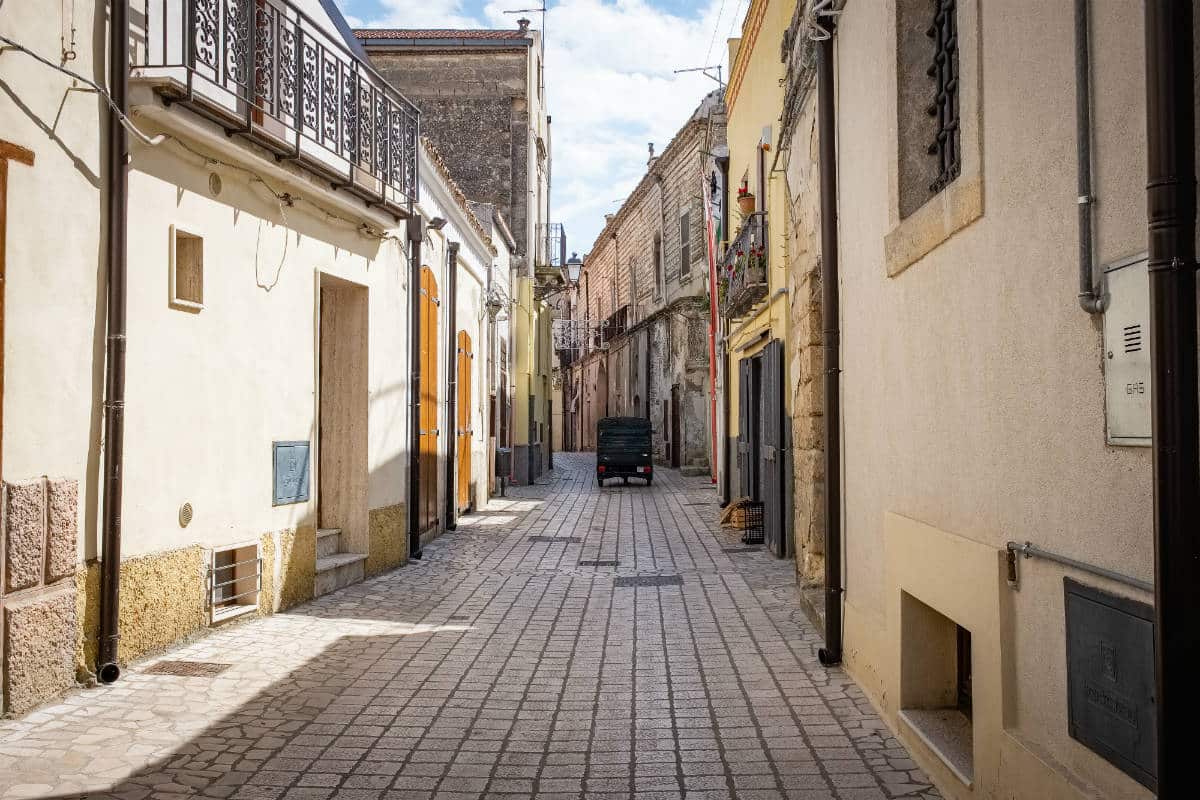
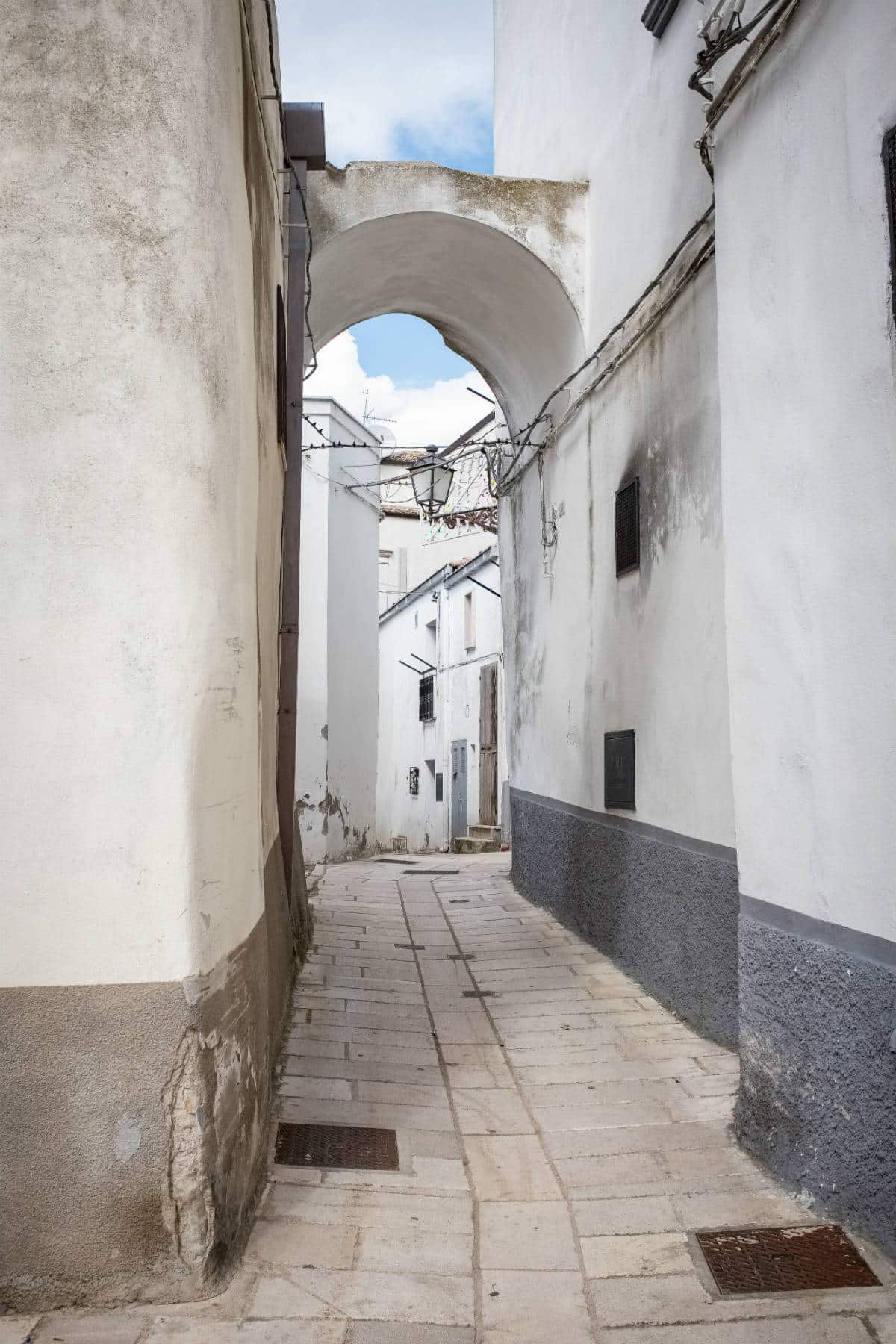
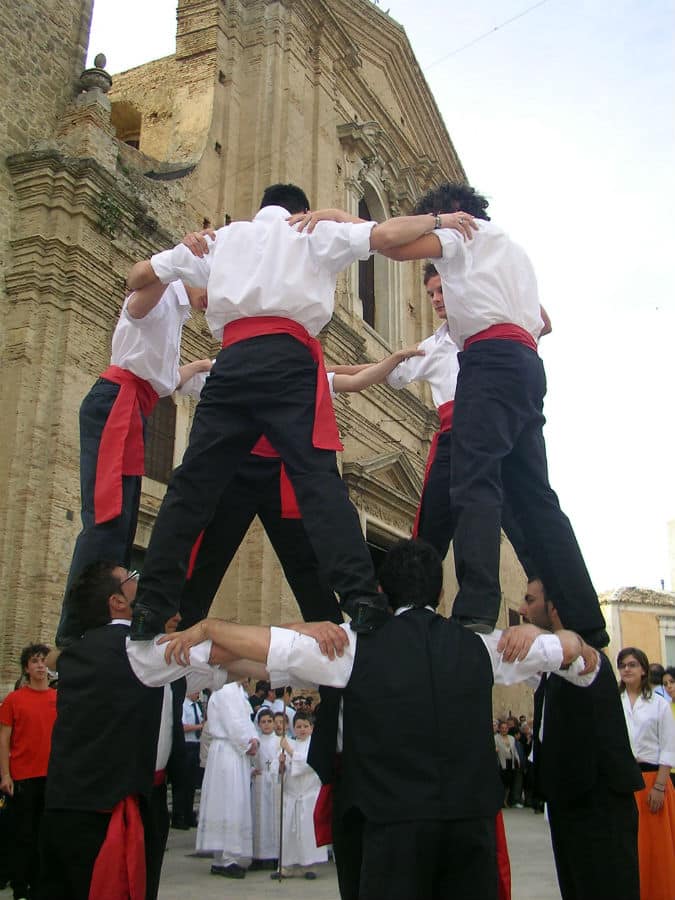
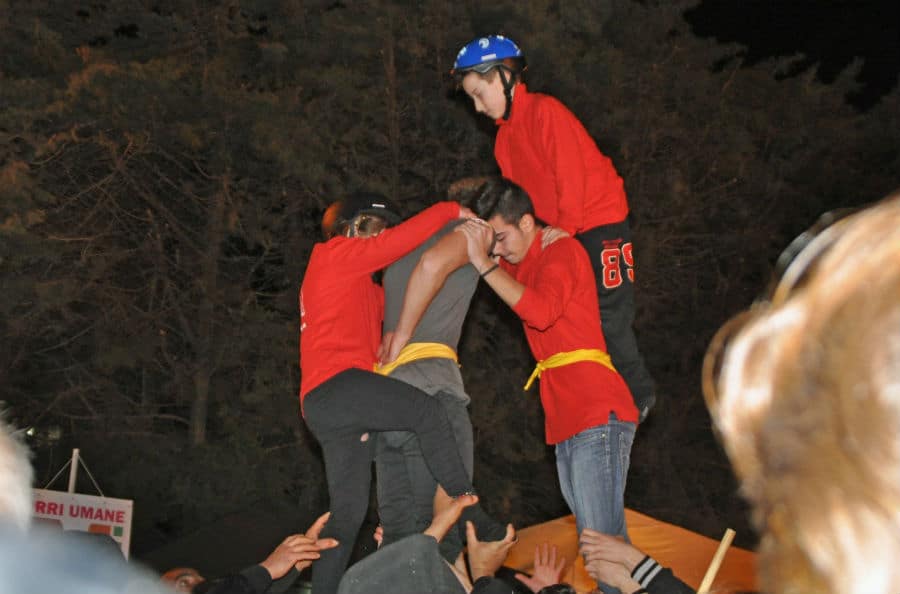
Irsina (Montepelòse or Mondepelòse in irsinese dialect, up to 1895 called Montepeloso) has origins who perdone age greco-roman and this makes it one of the oldest towns of Lucania. From the Middle Ages until 6 February 1895 the name of the country was Montepeloso. As regards the etymology, it seems that the Montepeloso name derives from the Greek plusos, that means the land fertile and rich, amended in pilosum by the Latini. The current name seems to derive from the latin Irtium.
It was besieged and invaded in 895 by the Saracens, who in 988 destroyed; it was rebuilt by Prince Giovanni II of Salerno and was disputed between the Byzantines and the Normans. The territory of Irsina is at the center of the battle of Montepeloso, fought on 3 September 1041, at a short distance from the shores of the Bradano river. The Byzantine Army is guided by Augustus Bugiano (Boioannes); the Norman forces are controlled by Atenolfo, brother of the Prince of Benevento, that also coordinates the military the Lombards. The knights are led by William of Altavilla and Argiro. The Normans lanciano the first charge, while the Greeks accuse the coup and fall to hundreds.
William I of Altavilla is sick but leaves his tent, placed above a hill and launches into the fray. According to the reporter Guglielmo di Puglia, the knights Normans sbaragliano the Byzantine forces and the troops that come from Calabria, from Sicily and from Macedonia and a group of mercenaries Pauliciani. According to the historian De Blosiis, hero of the battle is Gualtiero, son of Count Friend. The Byzantines are driven by Norman troops that are successful and, therefore, the city passed under the dominion of Norman. The Normans capture Augusto Bugiano, transfer it to Melfi together with the insignia Byzantine and then to Benevento the Deliver To Atenolfo.
According to the chronicle of the Beloved of Montecassino, Tristan, knight of following the lineage Altavilla in the territory of the Vulture, is the first Norman Count of Montepeloso, one of the twelve baronies of which composes the County of Puglia. In 1059 the Council of Melfi I, the Pontiff Nicholas II, elevates the County of Puglia to the Duchy of Apulia and entrusts to lineage Altavilla. The second Lord of the city, in 1068, is Goffredo, Count of Conversano, a nephew of Roberto il Guiscardo. In 1123 the Pope Callistus II with a bubble Montepeloso elects to episcopal seat, also to counteract the byzantine presence still strong in the country. In 1132 citizens adhere to revolt against Ruggero II and Montepeloso becomes the feud of Tancredi of Conversano, conte di Brindisi, but the following year Ruggero II the punishes for having deployed with the rebels and the ago shaved to the ground.
In the Swabian era was annexd to the county of Andria and after the death of Federico II became a marquisate under the lordship of Manfredi. In 1266, after the battle of Benevento, passed under the dominion of the Angevins, who donated it to Peter of Beaumont count of Montescaglioso and subsequently to Giovanni di Monfort. In 1307 it passed to the dominion of the Orsini del Balzo, that the lost as a result of the conspiracy of the barons, subentrarono when the Aragoneses. In 1586 it was purchased by the rich Genoese family of Grimaldi and finally passed to the Riario Sforza, who were the last feudal lords of Montepeloso.
In 1799 it joined the risings republicans raising the tree of freedom, soon choked by the troops of Cardinal Fabrizio Ruffo. After the unity of Italy was affected by the phenomenon of brigandage.
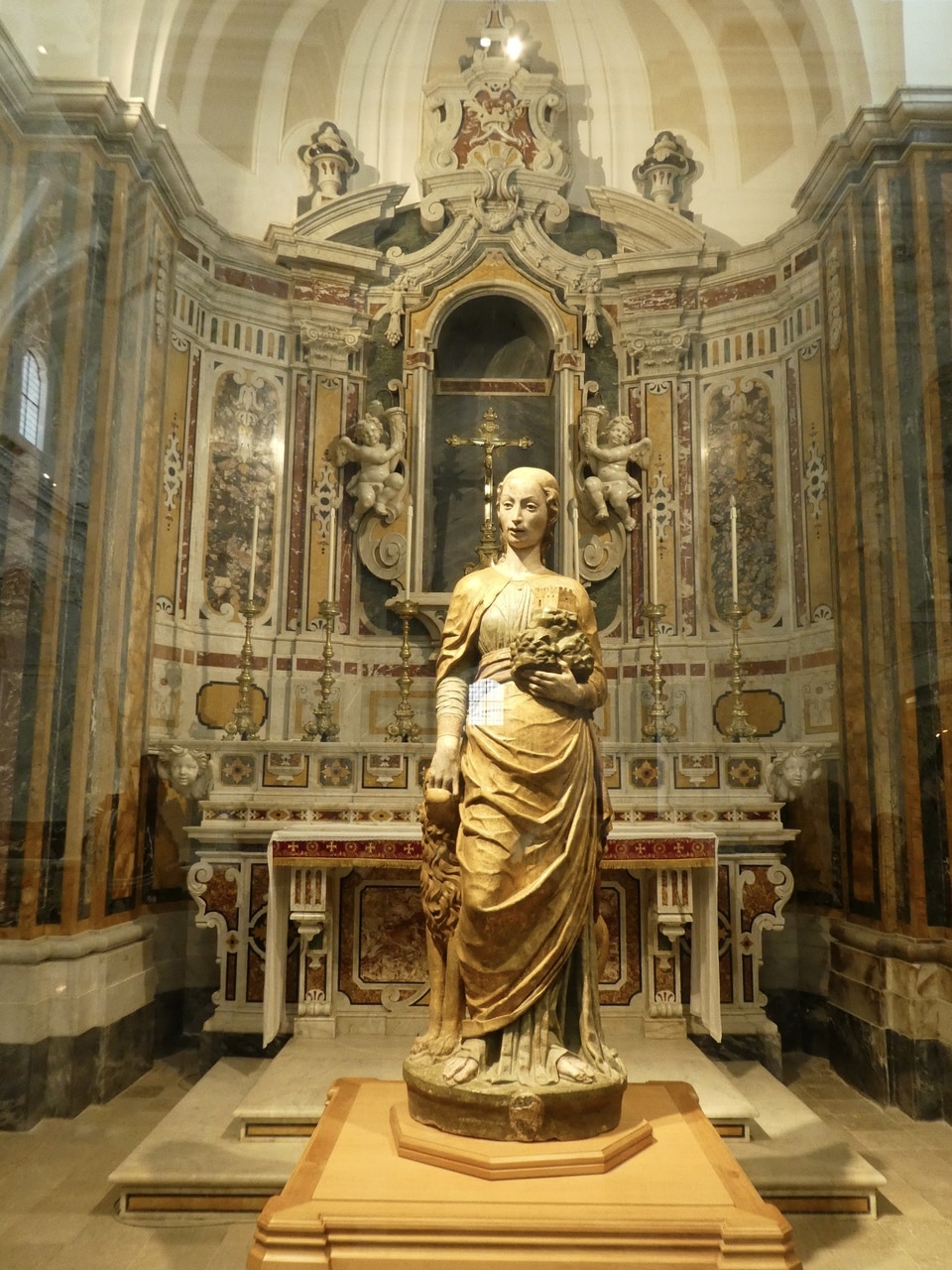
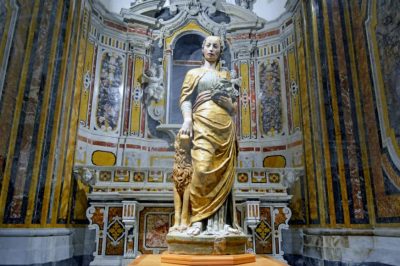
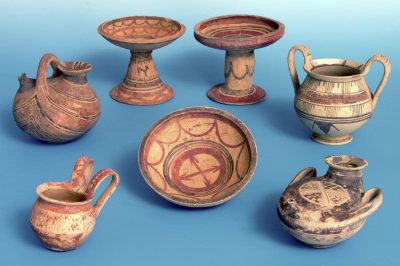
Certainly deserve a visit to the Cathedral of Santa Maria Assunta, the Church of the Convent of San Francesco and the Museo Civico Janora, which houses the collection of the historian and archaeologist irsinese Janora Michele.
The irsinese economy is based largely on agriculture: in particular on cereal crops and vines. There are also numerous craft activities and different holdings: famous is the buffalo mozzarella from Campania.
Village of Irsina
Municipality di Irsina
Province of Matera
Basilicata Region
Inhabitants: 4.972 irsinesi
Altitude centre: 548 m s.l.m.
the municipality is part of:
I Borghi più belli d’Italia
Associazione Giochi Antichi
Municipality
Corso Canio Musacchio – Tel. +39 0835 628711
BY CAR
- From Matera: take the La Martella – S.P. 209 – graft SS 655 Bradanica – first exit Irsina SS 96 (panoramic) or second exit Irsina, graft SS 96 bis, exit Irsina
- From Bari: take the SS 96 towards Altamura / Potenza and exit at Irsina
- From Potenza: take the SS 96 bis and exit at Irsina
- From TARANTO: take the exit towards Bari – SS 100 – SS 7 – La Martella exit – SP 209 – graft SS 655 Bradanica – first exit Irsina SS 96 or second exit Irsina, graft SS 96 bis, exit Irsina
- From Naples
- From Rome
What to see in Irsina
Discover what to see in Irsina among monuments, scenic views, museums, churches and symbolic places of the village. A useful selection to plan your visit and explore the area.
What to do in Irsina
If you are wondering what to do in Irsina, here you will find activities, experiences and tours to enjoy the village and its area in an authentic way, among nature, culture, food and wine, and guided routes.
Continue the journey
Irsina is only one of the treasures of the area. Use the interactive map to discover what to visit nearby, how far the other villages are and which experiences you can enjoy along the route.
Explore the area