 San Martino di Castrozza
 VIVA! Festival 2026
 Tandem paragliding flights in Tirolo and Merano: the thrill of flying over the Alps
 Recipe: Polta di Pacentro, the peasant dish that symbolises the traditions of Abruzzo
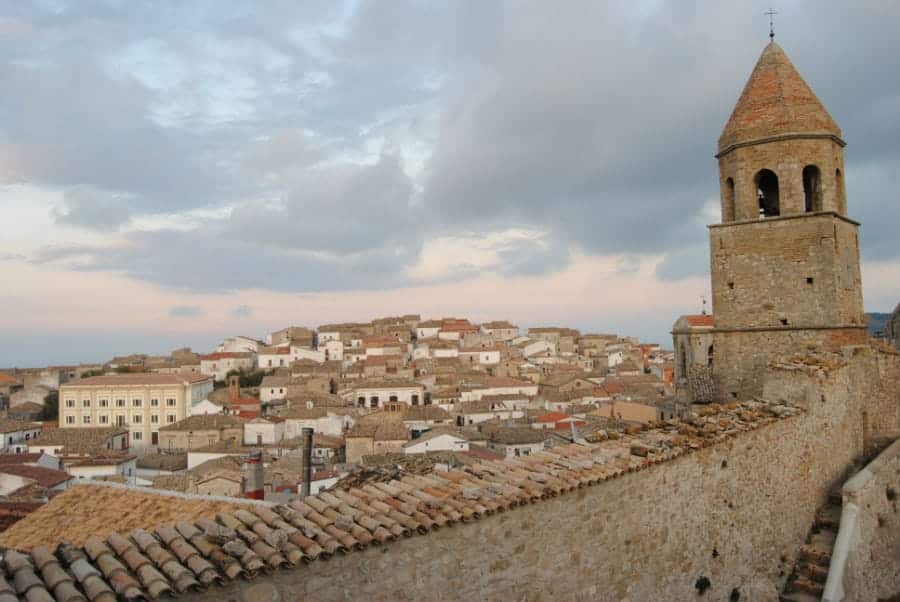
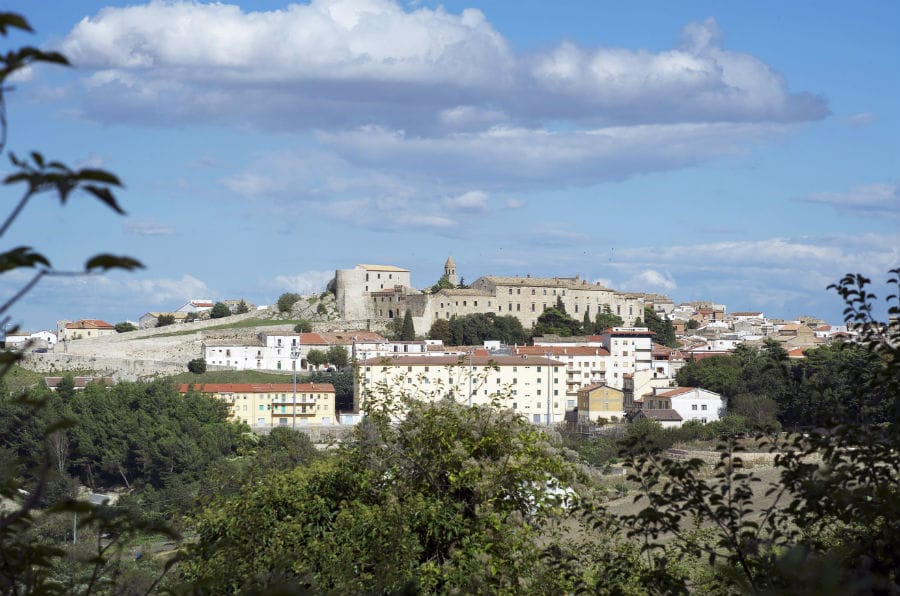
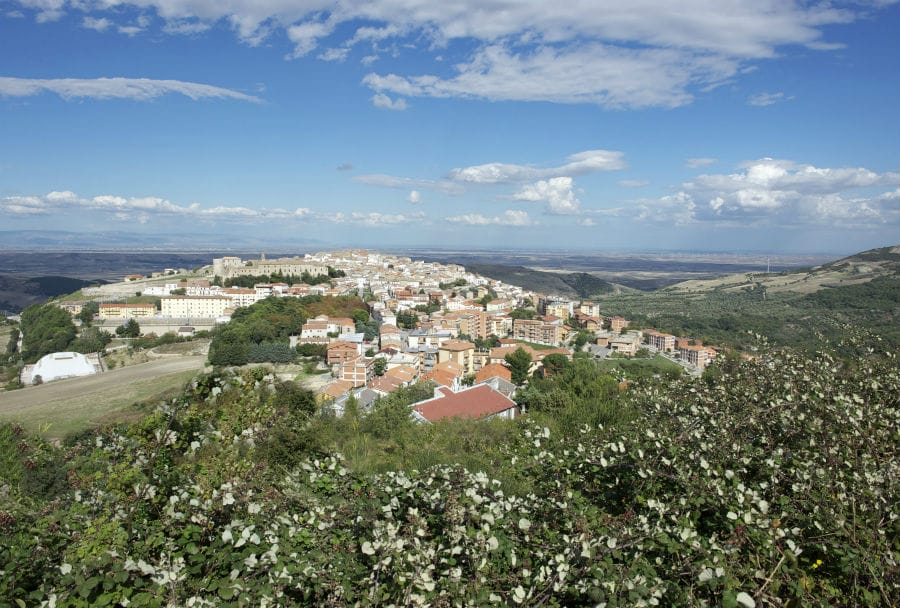
Bovino is an enchanting village located in the province of Foggia, within the picturesque setting of the Monti Dauni, specifically in the Cervaro Valley. Perched almost 650 meters above sea level, Bovino offers an unparalleled natural spectacle: green forests, streams and a breathtaking panoramic view of the Tavoliere delle Puglie. A corner of tranquility and beauty that has witnessed centuries of history and now welcomes visitors with its ancient charm and authentic spirit.
Photo gallery
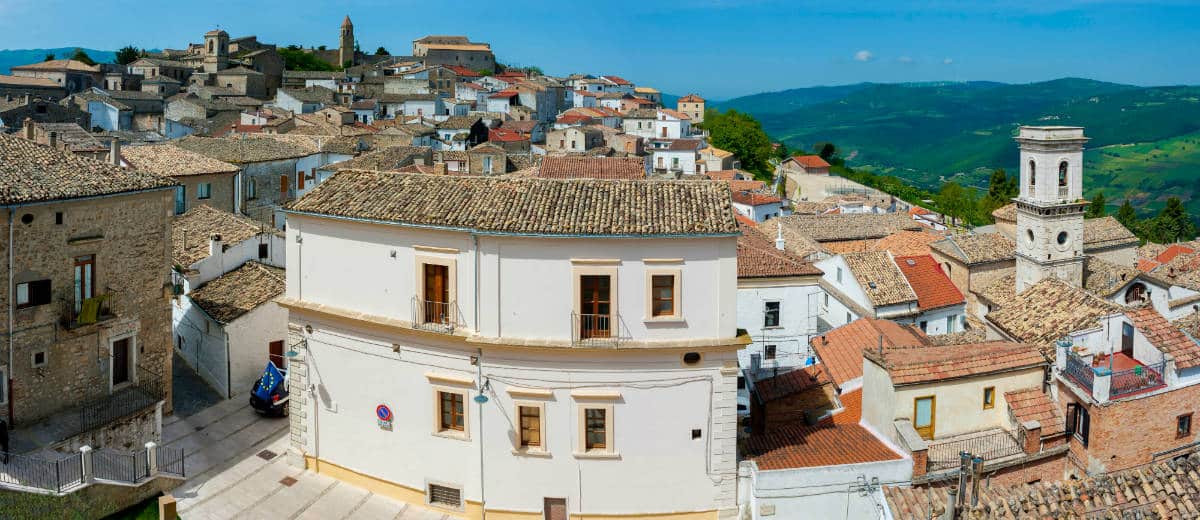
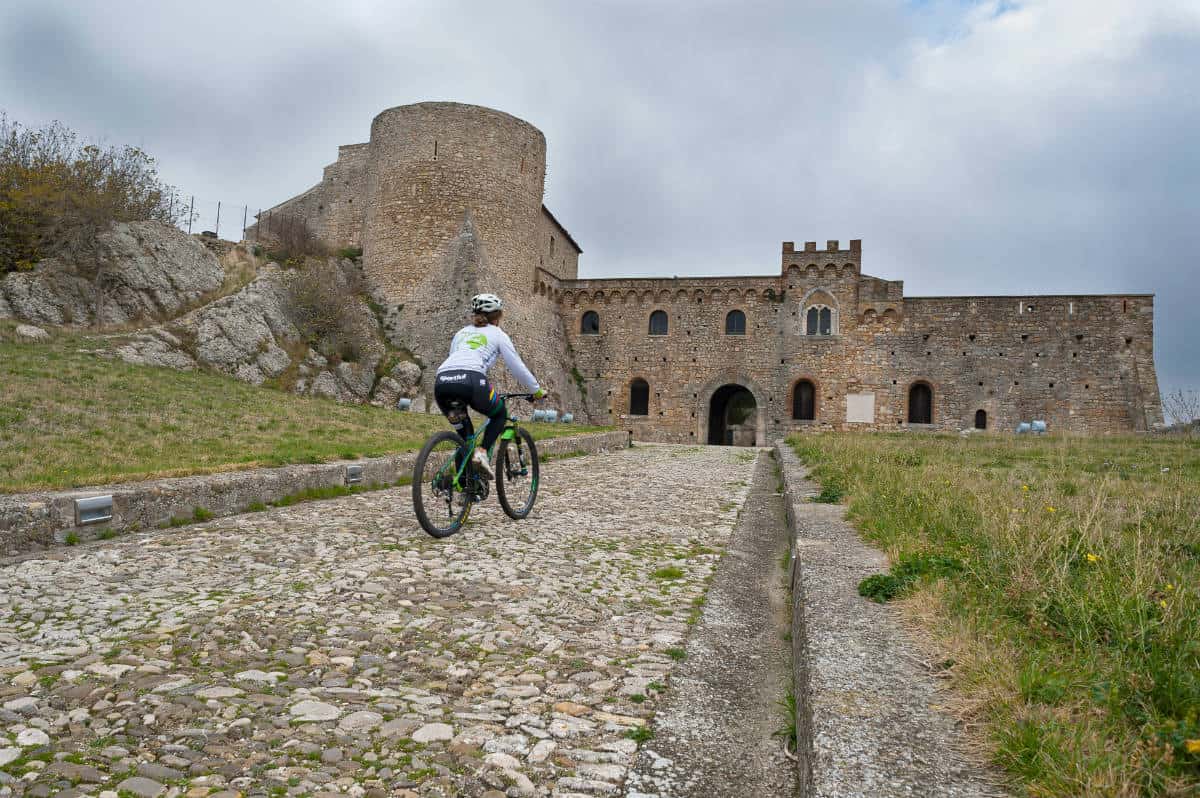
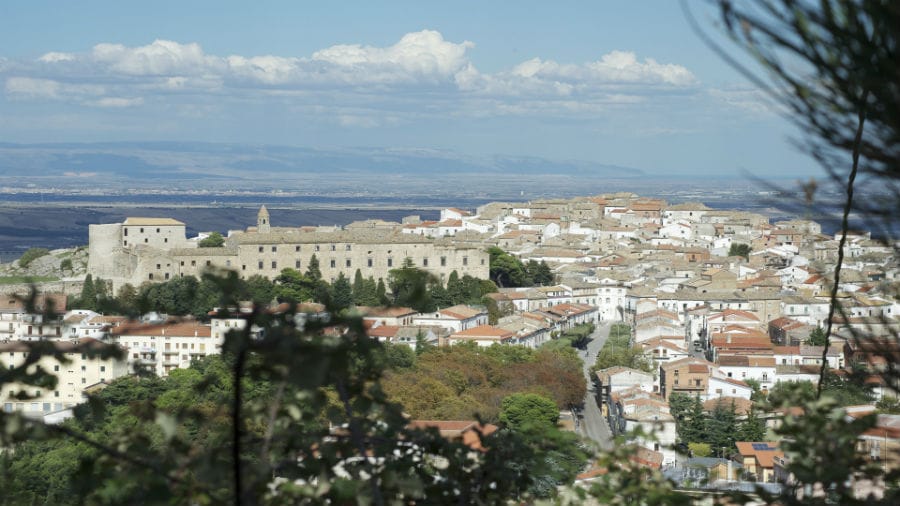
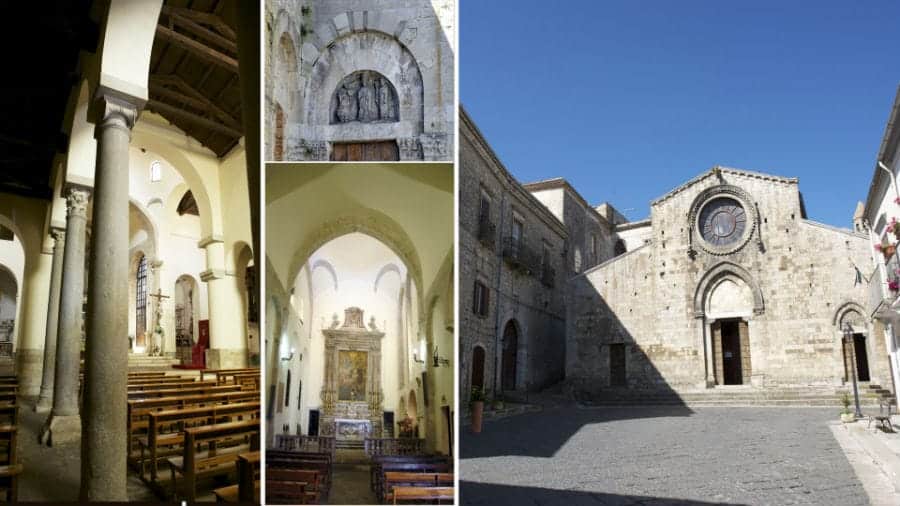
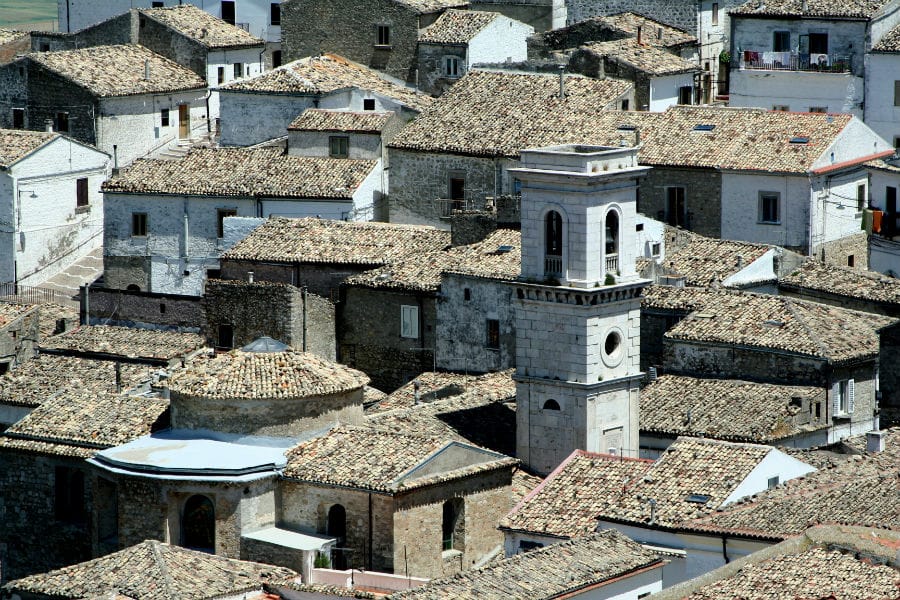
Bovino’s origins are rooted in Roman times, when it was known as Vibinum. The village had some strategic importance during the Second Punic War, when Hannibal, during his famous passage to Canne, camped there. But its history does not stop there: over the centuries Bovino has been the scene of numerous historical events and important transformations. In the Middle Ages, the village was fortified by the Byzantines and later became an important ecclesiastical and noble center, as evidenced by the construction of the Cathedral of Santa Maria Assunta, built in 905 AD. The Cathedral, which represents one of the most significant examples of Apulian Romanesque, preserves a particularly valuable relic: a fragment of one of the thorns from Christ’s crown.
Bovino is distinguished by its privileged location and its natural environment, which has given rise to numerous episodes linked to popular tradition, such as those of the famous brigand Ghino di Tacco, who made the area known as the “Vallo di Bovino.” This mountainous and wild area, rich in natural resources, has been home to brigands and adventurers who have found refuge there in past centuries.
What to see in Bovino
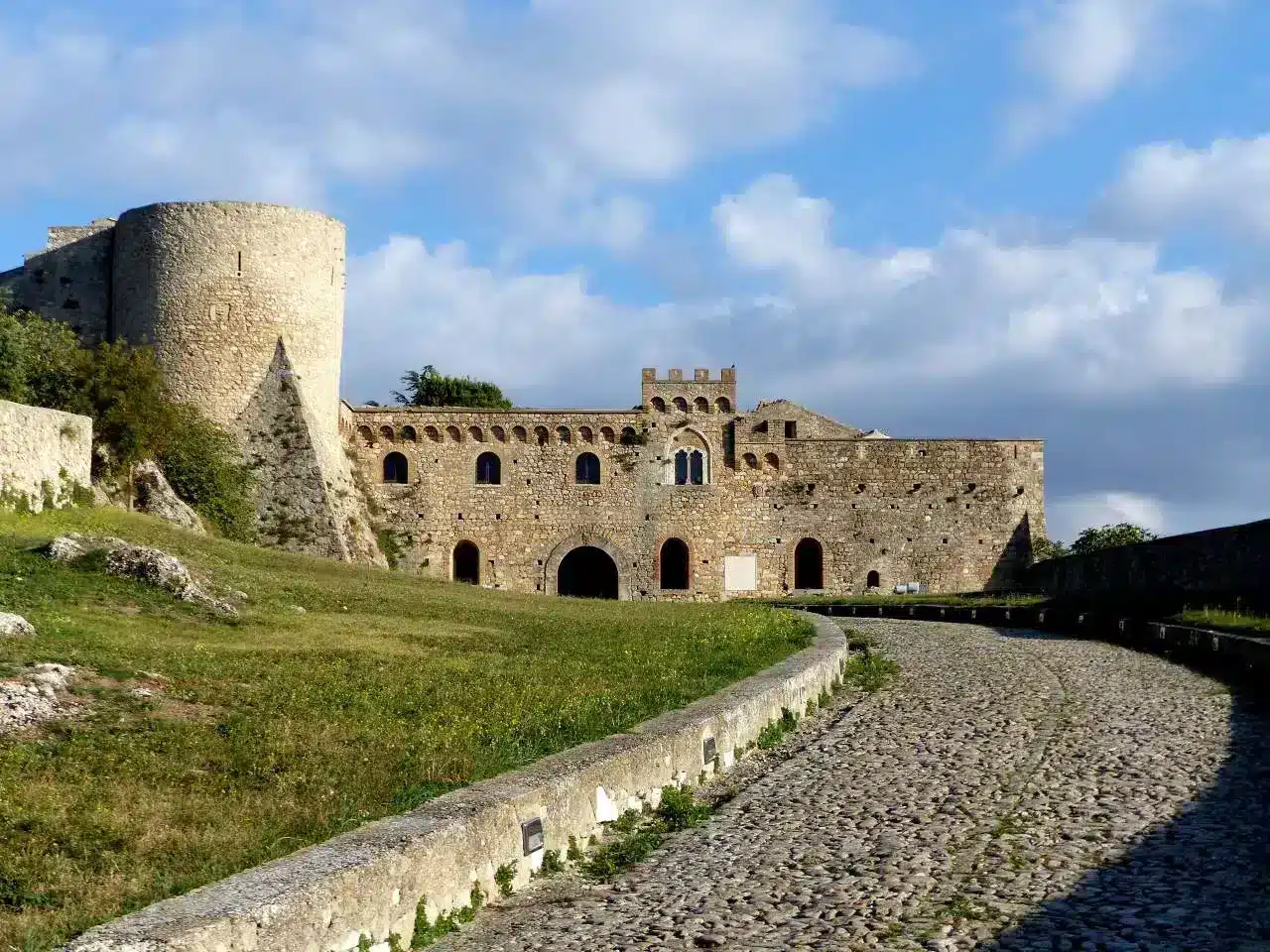
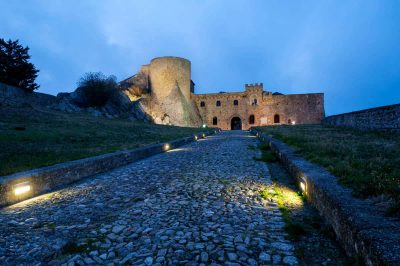
The heart of the village is the Castle, which dominates the entire town. Located on an imposing rocky outcrop, the Castle of Bovino has its origins in the Norman period and was later expanded by Frederick II. Over the centuries, the castle has seen the passage of numerous lords and nobles, including the powerful Guevara family, which transformed it into a noble residence. The Castle of Bovino, with its Norman tower and imposing walls, is today one of the most striking places in Daunia, a symbol of the history and culture of the village.
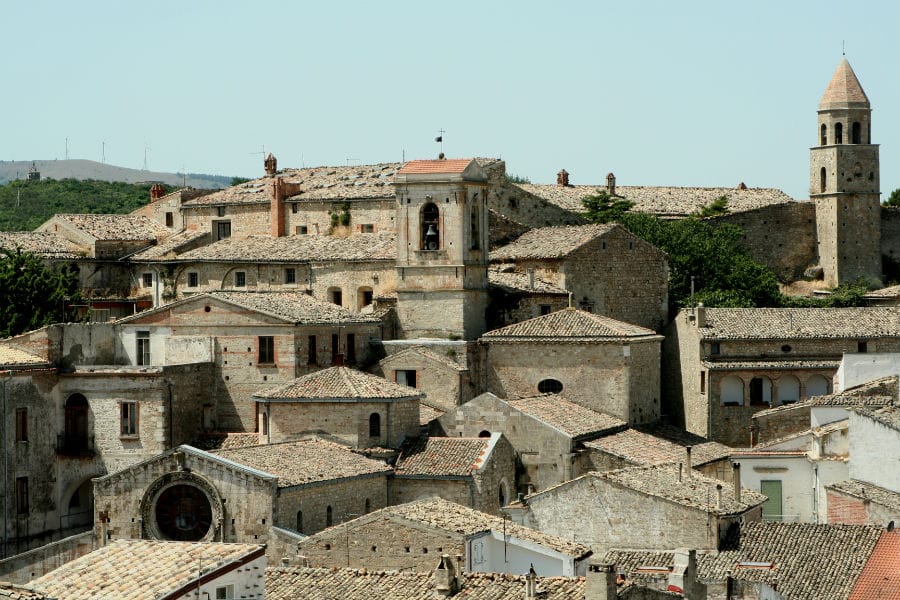
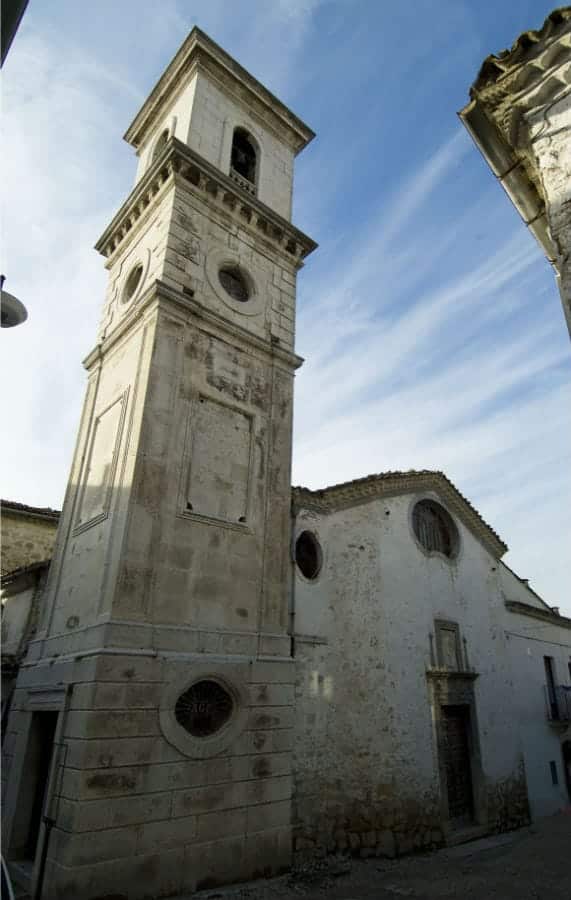
Alongside the Castle and the Cathedral, Bovino is rich in historic churches that testify to the town’s strong ties to religious tradition. The Church of San Marco, the Church of San Pietro del Carmine, the Church of the Rosary, and the Church of the Annunziata are just some of the architectural wonders found in the historic center. St. Peter’s Church, for example, dates back to 1099 and is another splendid example of Romanesque architecture. The presence of these churches, each with its own history and character, further enriches the experience of those visiting Bovino.
In addition, the village boasts a Civic Museum and a Diocesan Museum, where visitors can immerse themselves in local history and learn more about Bovino’s culture and traditions. Among the most fascinating curiosities are the Cerrato Cellars, an underground archaeological monument consisting of two adjoining rooms that were probably used as cisterns for the city’s water supply.
A short walk from the center is the Sanctuary of Madonna di Valleverde, one of the town’s most significant places of worship. This shrine, which stands in a green and picturesque wooded area, houses a wooden statue of the Madonna and Child, made in the 13th century. The story of this statue is fascinating and shrouded in legend: it is said that in 1265 the Virgin appeared to a woodsman in a forest of oaks and holm oaks, asking him to erect a church in her honor.
Tasting and wandering around the village
Bovino is also a place where local gastronomy plays a key role. Typical Apulian products, such as caciocavallo podolico, Nero di Troia wine and handmade delicacies like taralli and orecchiette, are just some of the specialties that can be enjoyed. Podolian caciocavallo cheese, in particular, is one of Italy’s excellent cheeses, made from the milk of Podolian cows that graze in the surrounding mountains. This cheese, with its unique flavor, is a true symbol of the area’s agricultural and dairy tradition.
In addition to its history, culture and gastronomy, Bovino is surrounded by breathtaking nature, ideal for those who love hiking. The landscape of the Monti Dauni, with its green hills and streams, offers numerous trails for trekkers and nature lovers. The Cervaro Valley, in particular, is a peaceful corner where it is possible to walk immersed in the tranquility of the forest and enjoy unique views.
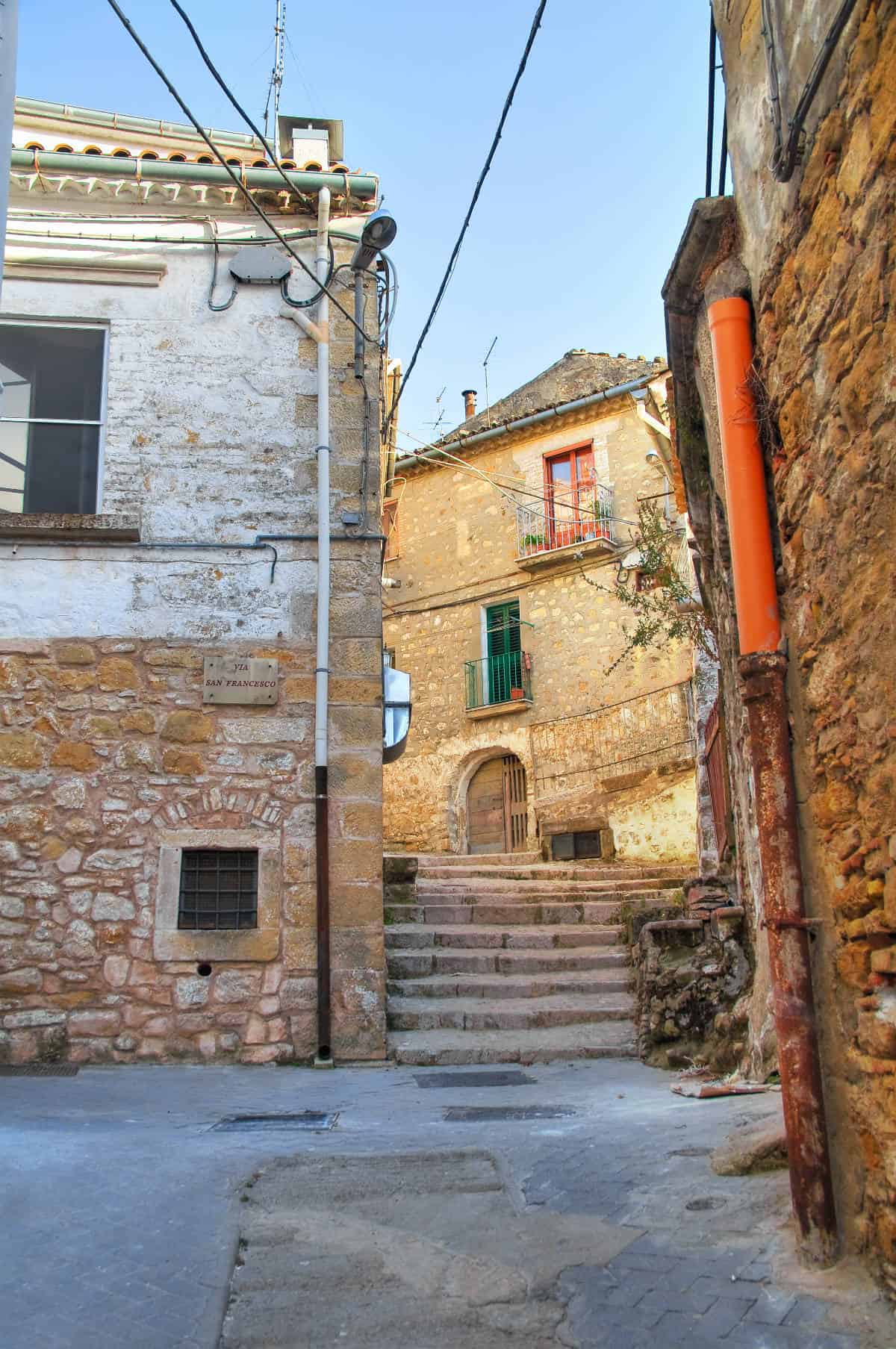
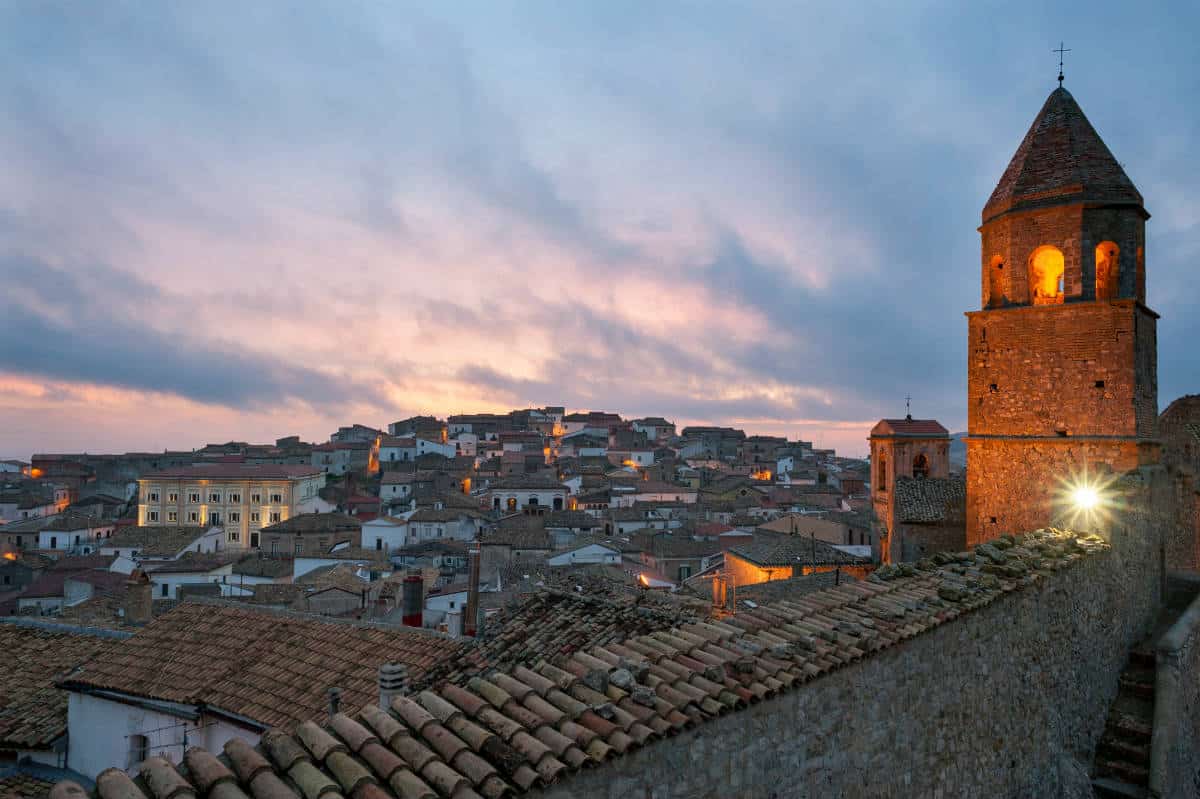
Bovino is a village that fascinates for its history, its architectural heritage, its culture and its panoramic location. Every corner of this enchanting town tells stories of times long past, including churches, castles and traditions that are interwoven with the natural landscape. A real treasure of Apulia, which deserves to be discovered and appreciated.
Village of Bovino
Municipality of Bovino
Province of Foggia
Apulia Region
Population: 3.275
Altitude centre: 620 m s.l.m.
the Municipality is part of:
I borghi più belli d’Italia
Paesi bandiera arancione
Città sane
Acknowledgments
Orange Flag – Italian Touring Club
Municipality
Via Leggieri – Tel. +39 0881 966711
BY CAR
- From Rome: take the Grottaminarda exit, continue on the state road to Foggia and continue towards Bovino.
- From Bologna: take the Foggia exit and continue towards Bovino.
- From Bari: take the Foggia exit and continue towards Bovino.
ON THE TRAIN
- Foggia railway station
BY PLANE
- Foggia “Gino Lisa” airport
- Bari international airport
What to see in Bovino
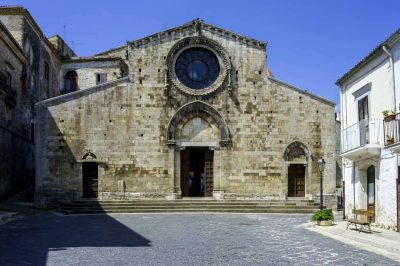
Discover what to see in Bovino among monuments, scenic views, museums, churches and symbolic places of the village. A useful selection to plan your visit and explore the area.
Continue the journey
Bovino is only one of the treasures of the area. Use the interactive map to discover what to visit nearby, how far the other villages are and which experiences you can enjoy along the route.
Explore the area