 Passignano sul Trasimeno
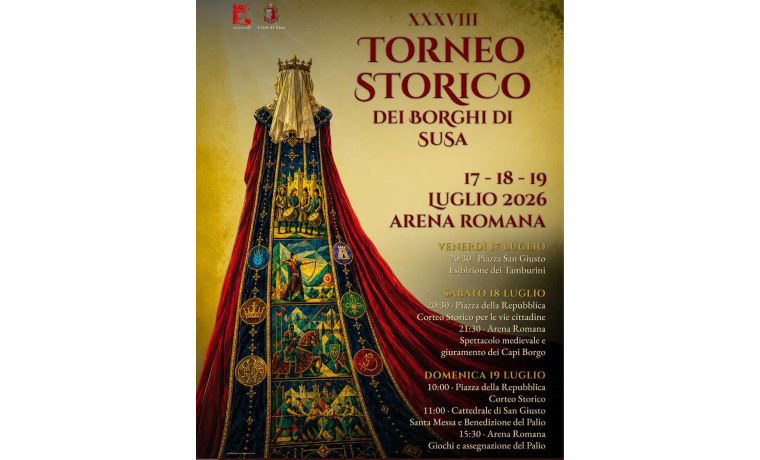 Historical Tournament of the Villages of Susa
 Tandem paragliding flights in Tirolo and Merano: the thrill of flying over the Alps
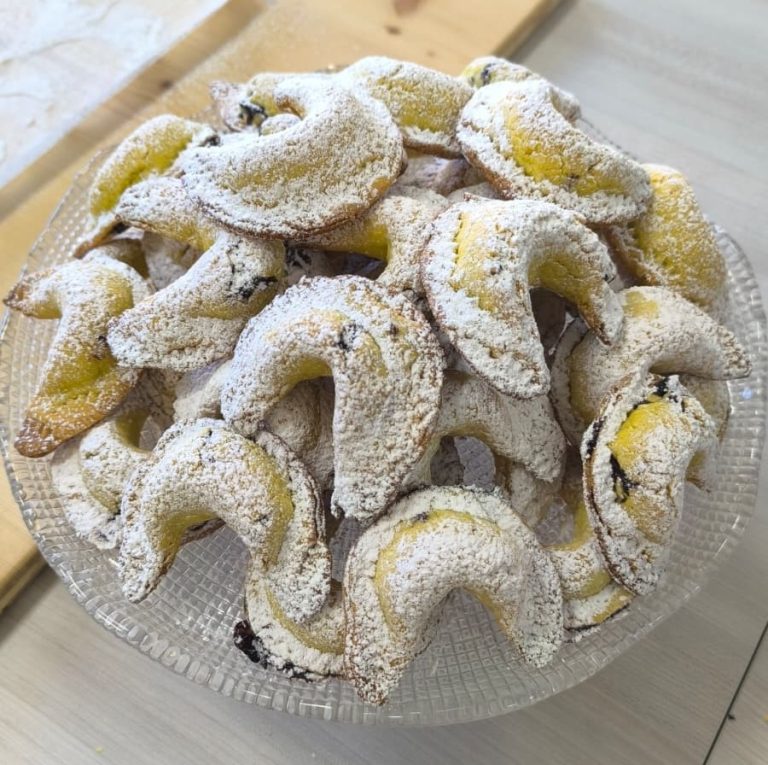 Recipe: Cippillato, Trivento’s iconic sweet treat
In the heart of Puglia, amongst white-washed alleyways and traditions handed down through the centuries, lies one of the most beloved products of the local cuisine: potato focaccia, known in the local dialect as ‘fecàzze de patàne’. This simple, wholesome dish tells the story of Casamassima, a village where the culture of bread and wood-fired ovens is an integral part of daily life. Still prepared today using traditional methods, this focaccia is a symbol of conviviality and identity.
A village steeped in history and tradition
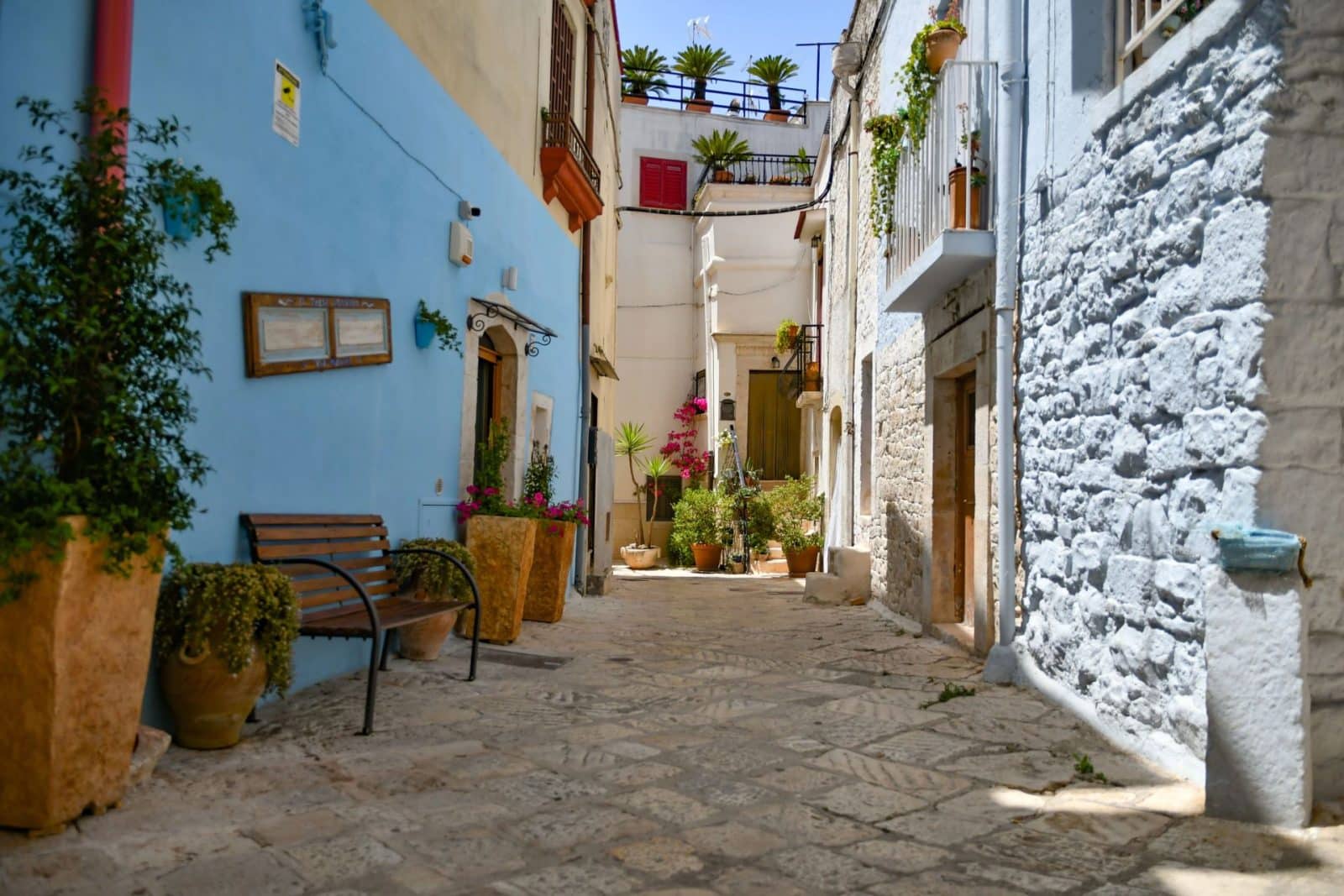
Casamassima, situated in the hinterland of Bari, is also known as ‘the blue village’ due to the distinctive colour of the houses in its historic centre. Strolling through its narrow streets means immersing yourself in an authentic atmosphere, characterised by arches, courtyards and the aromas wafting from the bakeries.
Here, culinary traditions are still very much alive, passed down from generation to generation. Bread and its derivatives are a central part of the local culture, and potato focaccia is one of its most representative expressions.
Ph. Depositphotos
The origins of potato focaccia
Potato focaccia has its roots in rural life. In the past, in the homes of Casamassima, bread was baked once a week, involving the whole family from the early hours of the morning. From the last batch of dough destined for the communal oven, the housewives would make a simple focaccia, seasoned with oil and salt, and baked directly in the fireplace.
Over time, to make the dough softer and keep it fresh for longer, potatoes were added. Thus was born the ‘fecàzze de patàne’, a thick, soft and even tastier focaccia, destined to become one of the village’s signature products.
Ph. Depositphotos
Ingredients
500 g potatoes
1 kg flour
Brewer’s yeast
Lukewarm water, as required
Salt
Extra virgin olive oil
Cherry tomatoes (optional)
Baresana or Bitritto olives (optional)
Process
Start by boiling the potatoes, which are then peeled and mashed. Add flour, yeast, lukewarm water and salt, and knead the dough until it has a soft, elastic texture. After leaving it to rise for about an hour, roll out the dough in an oiled baking tray.
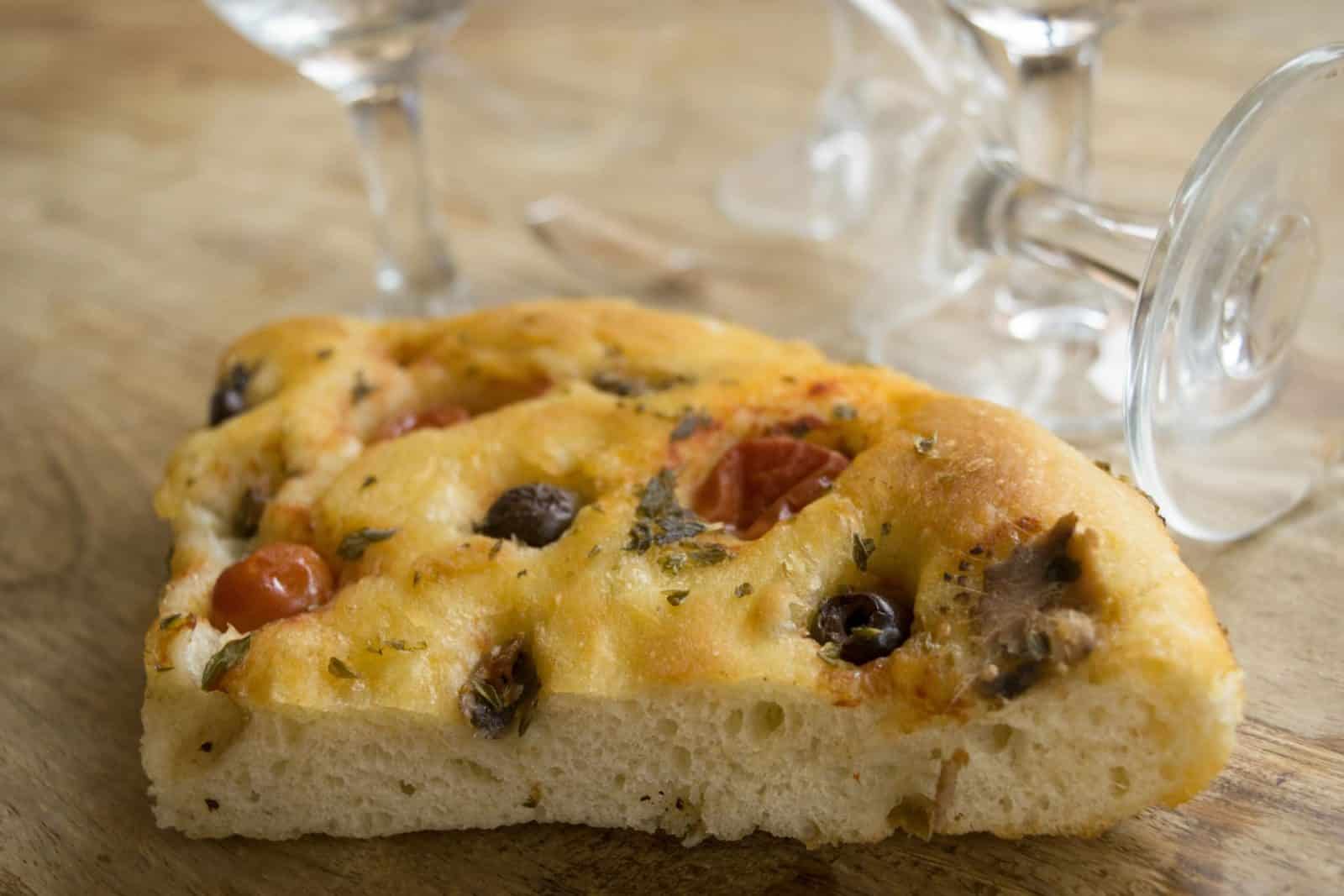
The focaccia can be left in its most authentic form, topped only with oil and salt, or enriched with cherry tomatoes, olives and oregano. It is baked in the oven at 180°C until golden brown.
Tradition, festivals and local variations
Potato focaccia is eaten all year round, but it takes on a special role during local festivals. It is the star of Sunday lunches and major celebrations, such as the feast of Our Lady of Mount Carmel and that of Saint Roch.
One of the most authentic features of the Casamassima version is its simplicity: thick and soft, often without any toppings, perfect for filling with cured meats and cheeses such as mortadella and provolone.
Today, many bakeries in the village continue to bake it in wood-fired ovens, preserving the aroma and flavour of yesteryear, whilst local festivals and events help to introduce this speciality to visitors too.
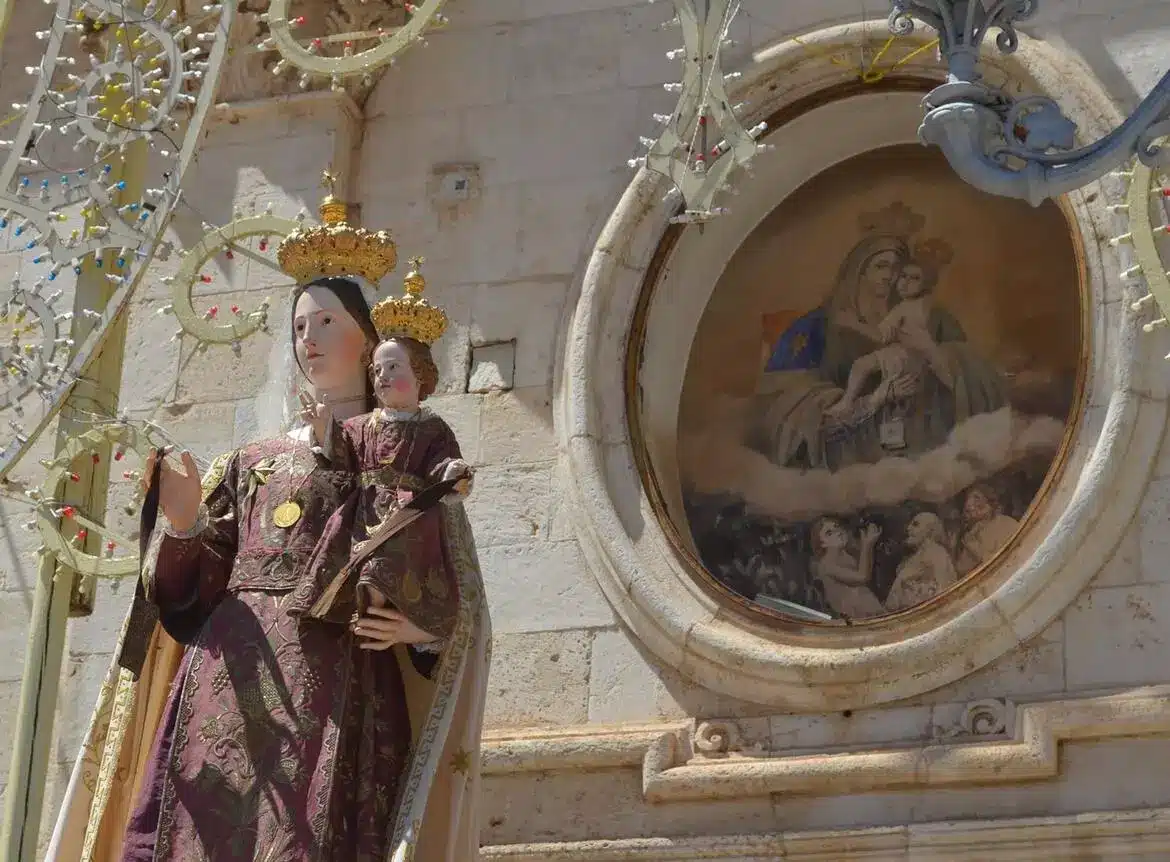
Madonna del Carmelo
A flavour that reflects the local area
Casamassima’s potato focaccia is not just a dish, but a true story of family, tradition and the local area. Every bite encapsulates age-old customs, the aroma of the oven and shared moments.
Visiting Casamassima also means discovering these authentic flavours, letting yourself be won over by a cuisine that is both simple and extraordinary. And among all the local specialities, the fecàzze de patàne remains one of the most sincere expressions of the Apulian spirit.
In collaboration with: Comune di Casamassima – Pro Loco Casamassima APS
Attività Panificatori Casamassima
Do you want to promote your business on e-borghi?
Reach travellers interested in villages, authentic experiences and quality tourism.
Discover how to become a partner