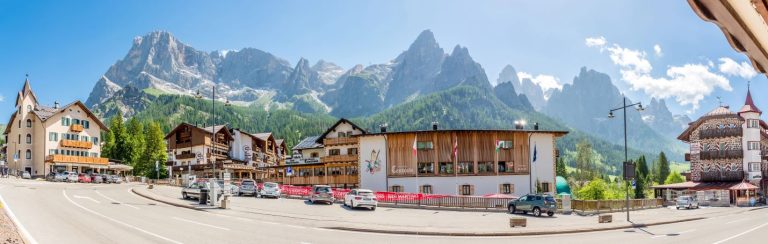
 San Martino di Castrozza
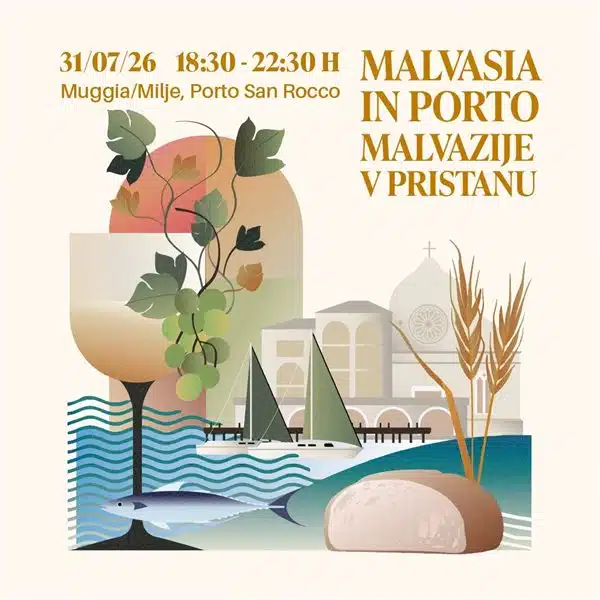 Malvasia in Porto 2026
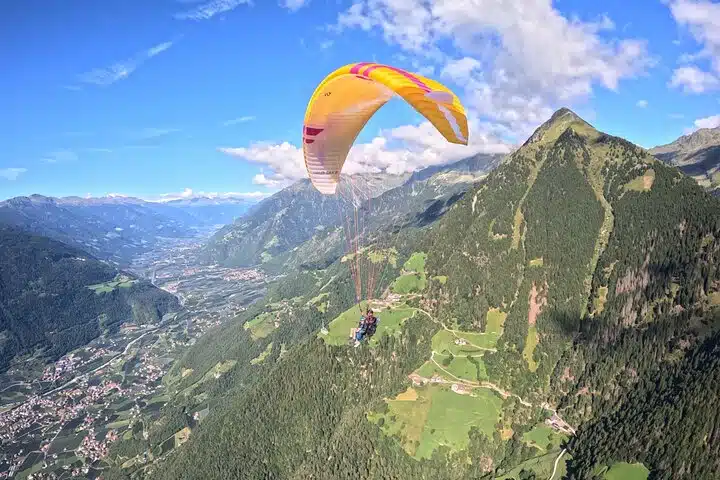 Tandem paragliding flights in Tirolo and Merano: the thrill of flying over the Alps
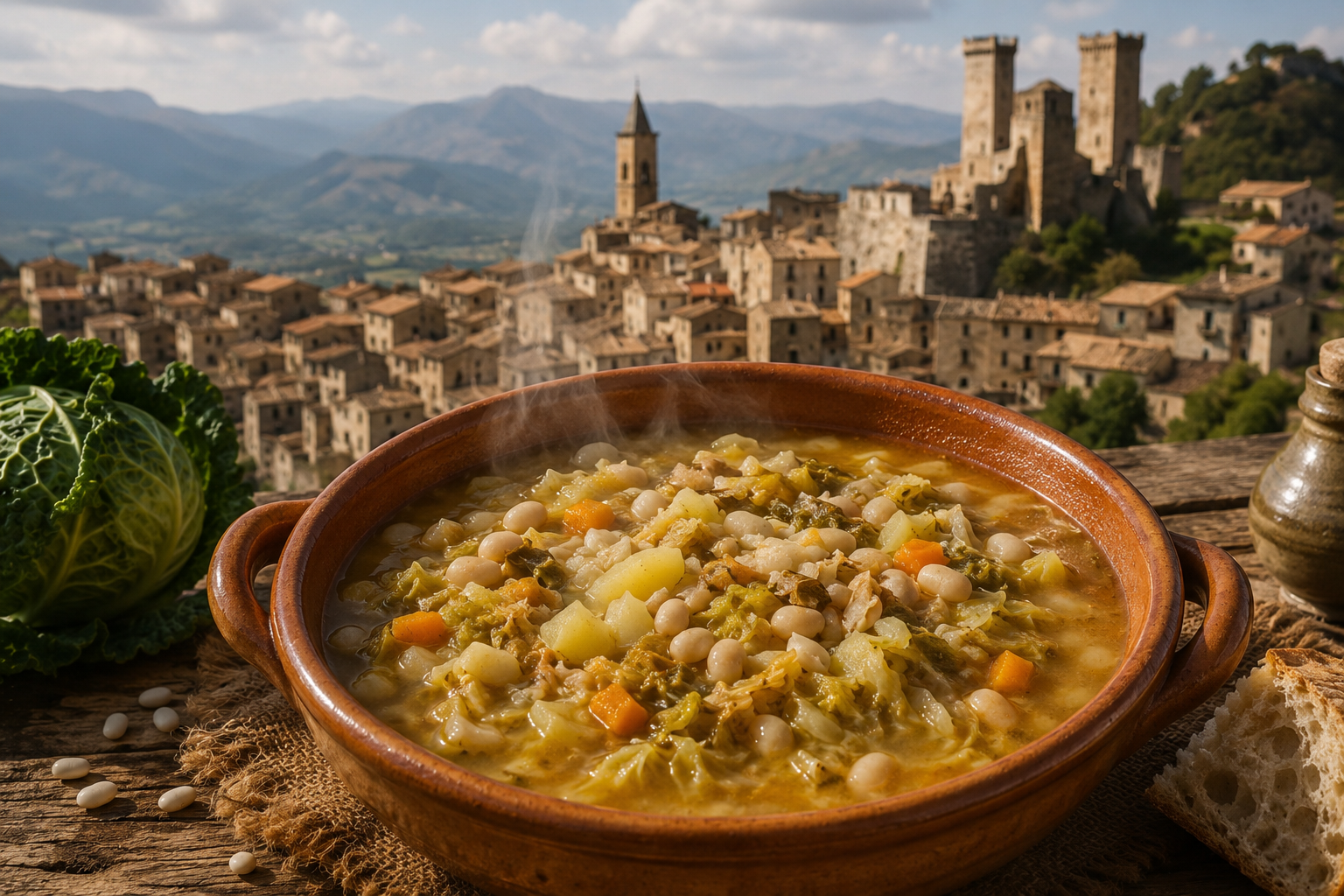 Recipe: Polta di Pacentro, the peasant dish that symbolises the traditions of Abruzzo
Abbazia di Sant Alberto di Butrio
The Pavia area is home to a spiritual heritage of extraordinary value, comprising thousand-year-old abbeys, ancient parish churches, sanctuaries nestled in the countryside, and routes trodden over the centuries by pilgrims from all over Europe. Here, faith is not merely a religious dimension, but serves as a key to understanding the history, art and cultural identity of a region that has managed to preserve its connection with the past intact.
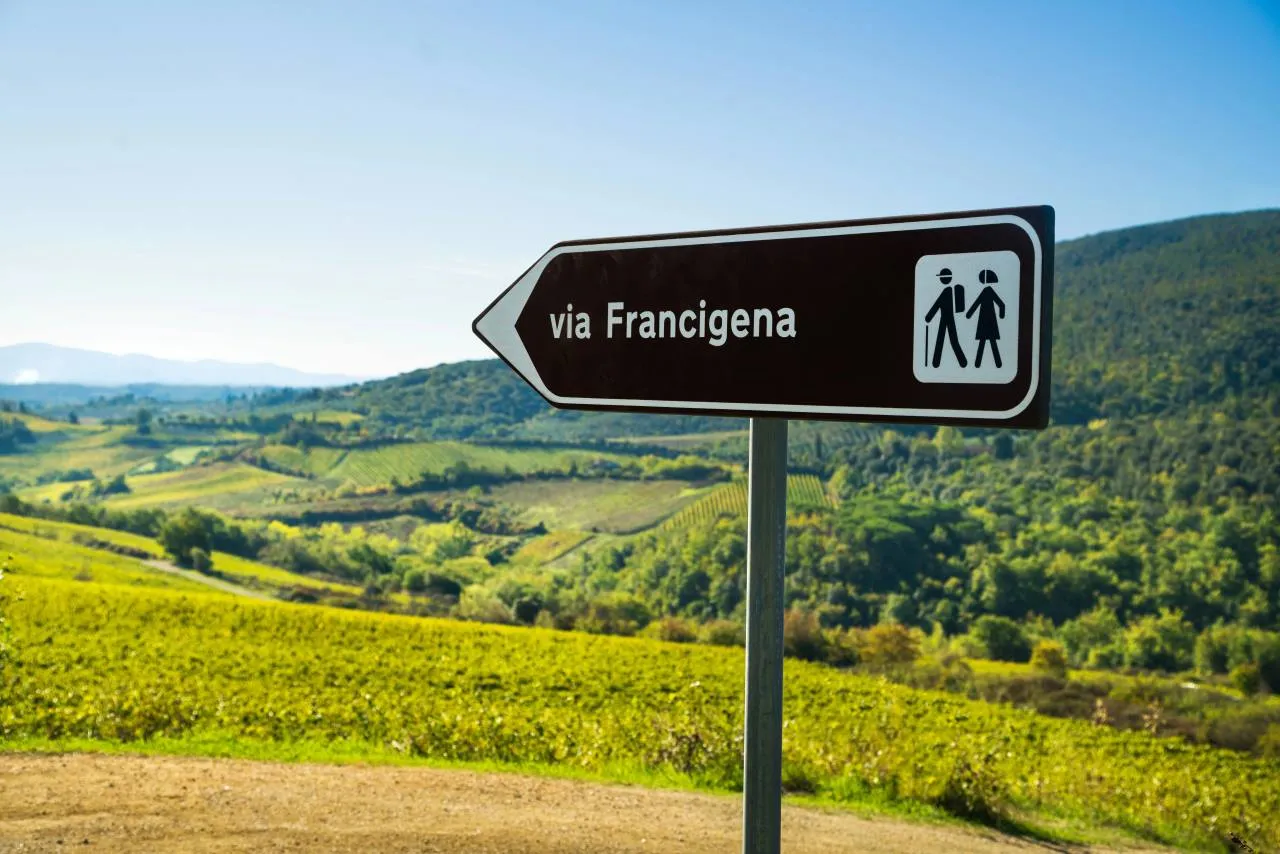
Pavia and its province have always occupied a privileged position within the European pilgrimage landscape. It is no coincidence that the European Union has recognised the city as a crossroads of important spiritual routes, making it a meeting point for paths that unite different cultures, peoples and traditions. The famous Via Francigena crosses the region alongside other historic routes such as the Cammino di Sant’Agostino, the Via degli Abati, the Via di San Colombano, the Via Sancti Martini and the Via Francisca del Lucomagno.
Walking along these routes means immersing oneself in a landscape that alternates between countryside, hills, villages and sacred sites, following the same paths trodden for centuries by pilgrims, merchants, monks and travellers.
Pavia, the spiritual heart of Lombardy
The city of Pavia is the ideal starting point for exploring the province’s religious heritage. As the capital of the Lombard Kingdom and an important cultural centre as early as the Middle Ages, it preserves artistic and spiritual treasures of immense value.
Of particular significance is its connection with Saint Augustine, one of the most important Church Fathers. His relics rest in the Basilica of San Pietro in Ciel d’Oro, a pilgrimage destination and a symbol of Augustinian spirituality. This connection has helped to make Pavia one of the main religious destinations in Northern Italy.
The city continues to this day to be a point of reference for those wishing to enjoy an experience that combines faith, culture and exploration of the local area.
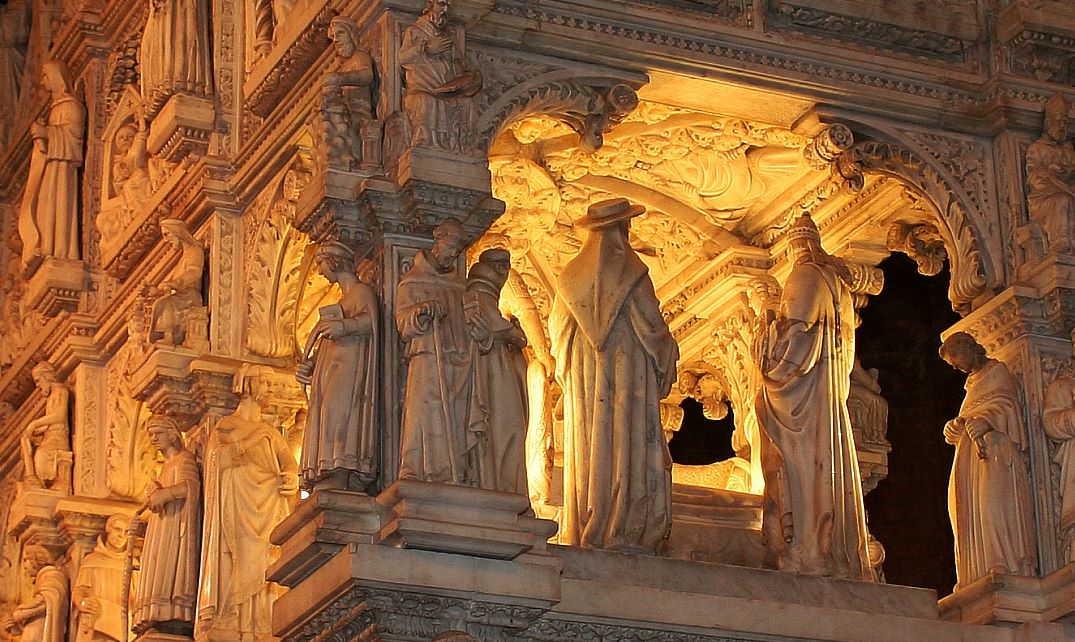
Oltrepò Pavese, a land of abbeys and ancient parish churches
Leaving the city behind and heading towards the Oltrepò Pavese, the journey takes on the character of a truly spiritual experience. The hills that line the route to the Staffora Valley are home to some of Lombardy’s most fascinating religious sites.
Among the most evocative sites is the Abbey of Sant’Alberto di Butrio, in the municipality of Ponte Nizza. Nestled in the woods of the Apennines, this medieval abbey seems suspended in time. Founded around the year 1000, it preserves an extraordinary cycle of 15th-century frescoes depicting biblical episodes, the lives of saints and scenes from Christian tradition. The tranquillity that envelops the monastic complex still makes this a favourite destination for those seeking silence, meditation and spirituality.
Not far away lies the Church and Hermitage of San Ponzo, linked to the figure of the hermit who lived in the 3rd century. The natural caves where the saint spent part of his life still stand as a tangible testament to the ascetic spirituality that characterised the early centuries of Christianity.
Along the valleys, one also encounters numerous Romanesque parish churches that bear witness to the spread of the faith throughout the region. The Parish Church of San Zaccaria in Rocca Susella, with its capitals carved by the Comacine masters, and the Church of San Martino Vescovo in Cecima are fine examples of medieval religious architecture.
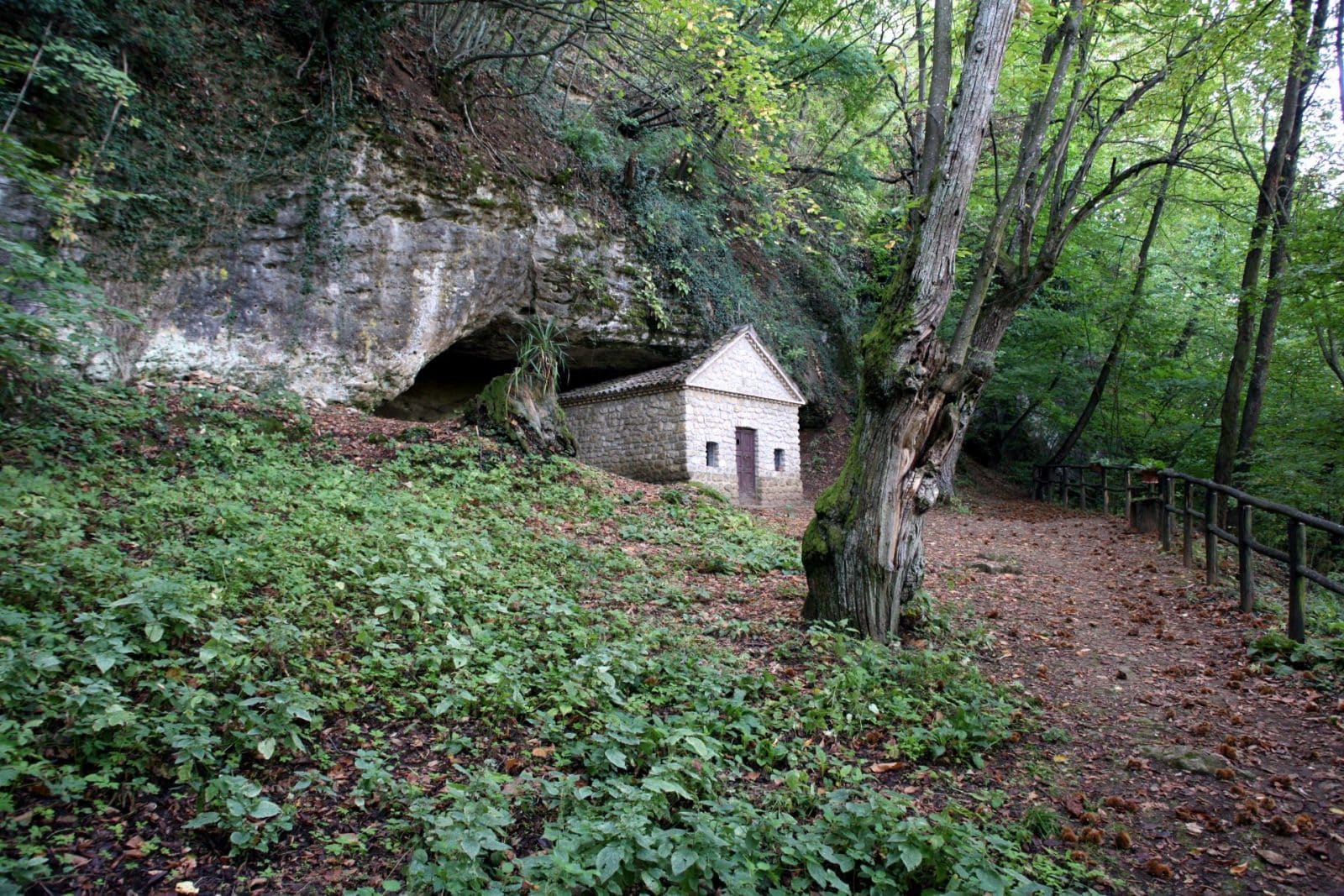
Grotta San Ponzo – Ph. Umberto Barcella
Places of worship along the ancient pilgrims’ routes
For centuries, the Pavese area has been a transit route for pilgrims heading to Rome. This tradition has led to the establishment of churches, hospices and places of welcome dotted along the main routes.
In Voghera, the veneration of Saint Bovo and Saint Roch tells a story deeply linked to pilgrimage. Both saints were travellers of the faith and are still particularly revered by the local community today.
In the historic centre of Rivanazzano Terme, the Church of the Holy Trinity is well worth a visit; it houses the oldest pipe organ in the province of Pavia, built in 1629. A place where spirituality, art and sacred music come together to create a unique atmosphere.
Varzi, a historic village in the Upper Staffora Valley, also preserves important religious heritage such as the Church of the Capuchins, an ancient medieval parish church that still bears traces of its Romanesque and Gothic past.
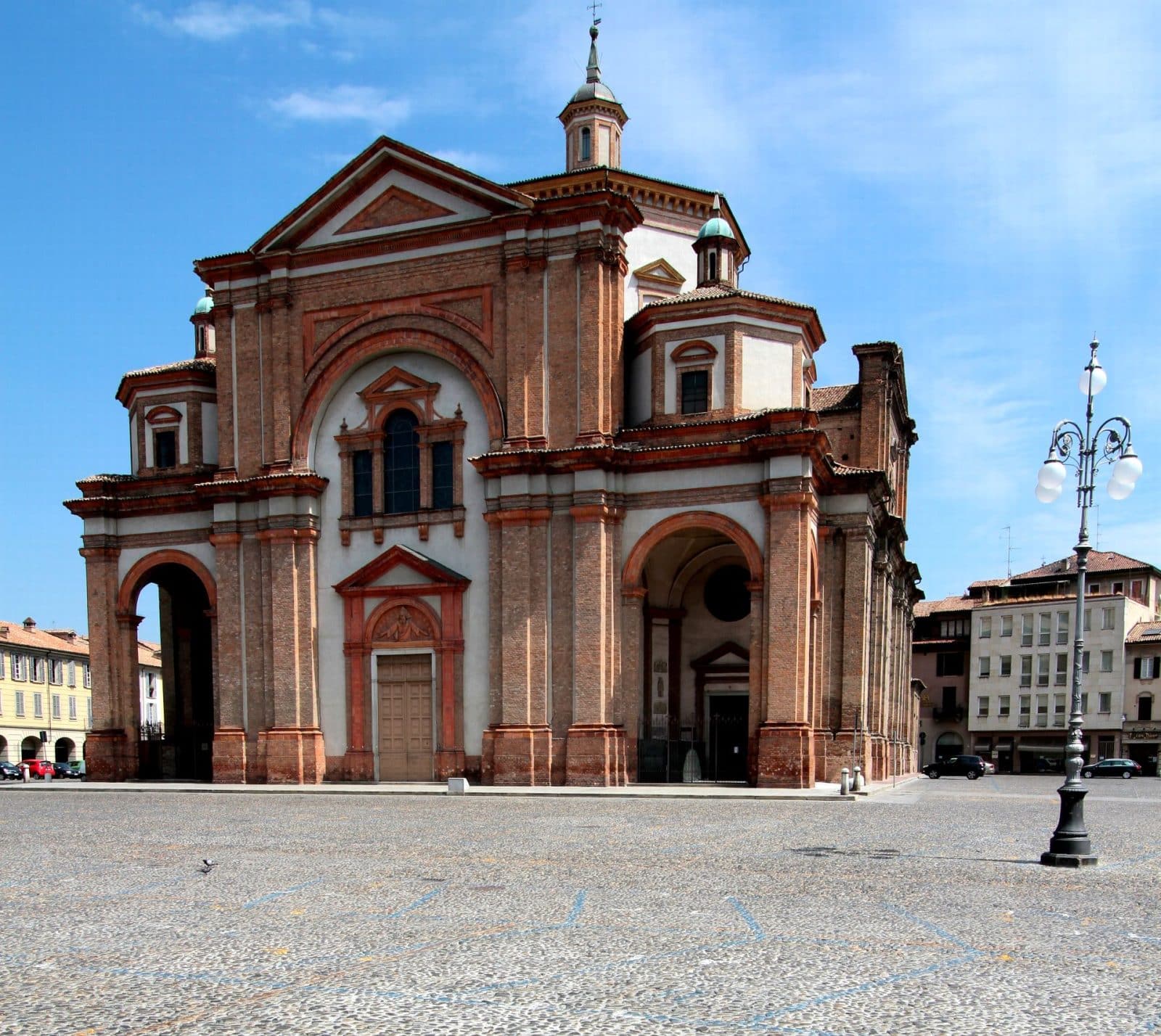
Duomo di Voghera- Ph. Umberto Barcella
The Temple of the Brotherhood of Peoples: a universal message of peace
Among the most original and significant sites in the Pavese area, the Temple of the Fraternity of Peoples, situated in the hamlet of Cella di Varzi, stands out.
Founded after the Second World War at the behest of Don Adamo Accosa, a former military chaplain, the temple was built using materials sourced from sites symbolic of the world’s conflicts. Fragments collected in London, Warsaw, Dresden, Hiroshima, Nagasaki and many other cities scarred by war have been transformed into architectural elements and sacred furnishings.
Today, this extraordinary place stands as a universal symbol of reconciliation, brotherhood and dialogue among peoples, demonstrating how memory can become an instrument of peace.
Religious trails: a new frontier in cultural tourism
In recent years, religious pilgrimage routes have been enjoying a significant resurgence, attracting not only pilgrims but also travellers interested in slow and sustainable tourism.
The Via Francigena remains the best-known route, covering over 126 kilometres of the Pavia area and passing through numerous municipalities. Alongside it, other spiritual itineraries have emerged, offering the chance to discover villages, castles, rural landscapes and local traditions.
According to the Lombardy Region, these routes represent one of the most important opportunities to enhance the region, promoting tourism that respects the environment and generates positive benefits for local communities.
Walking in the Pavia area means, in fact, coming into contact with an authentic dimension of travel, where the slow pace allows you to appreciate details, stories and atmospheres that often escape traditional tourism.
The anticipation surrounding Pope Leo XIV’s visit
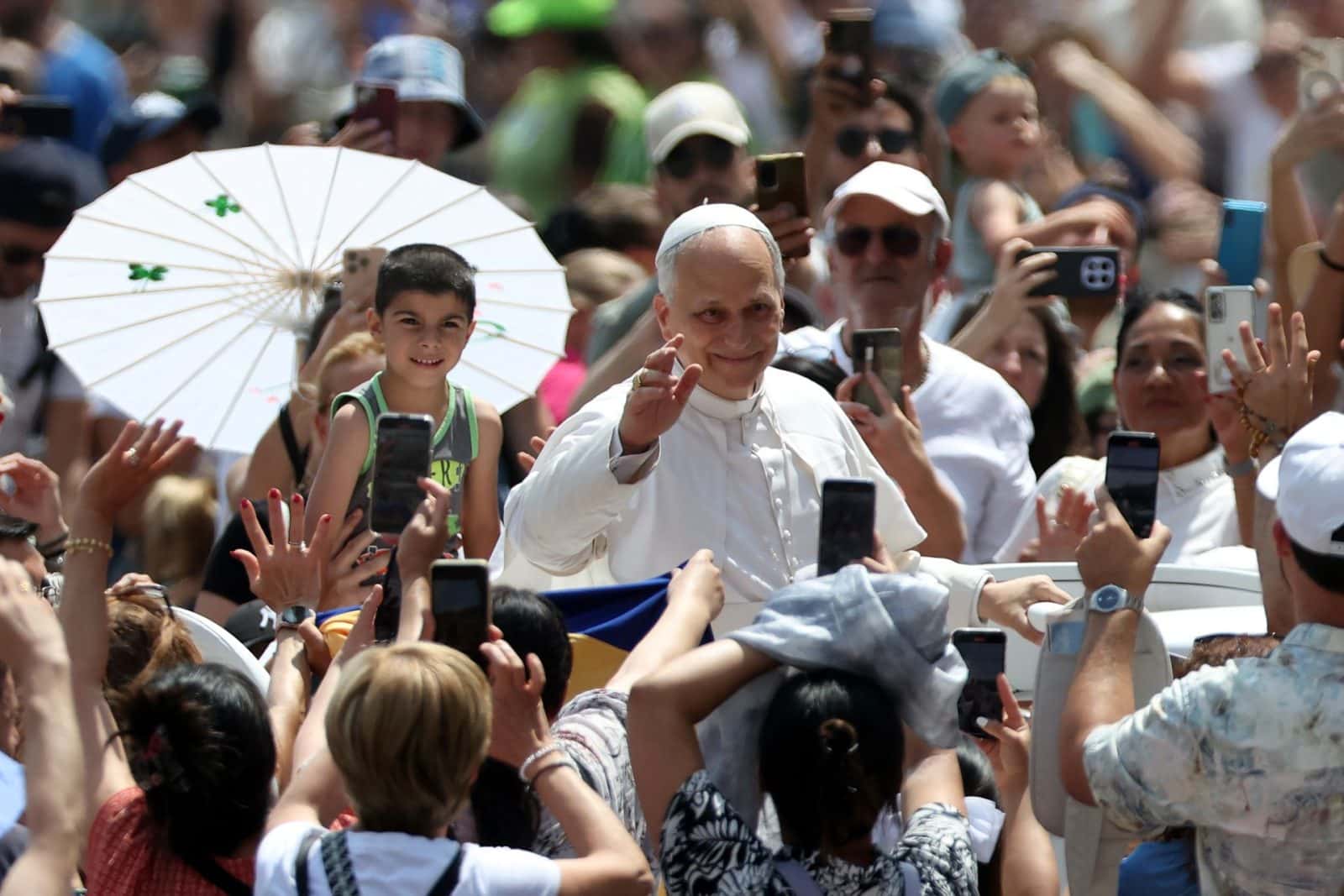
20 June 2026 will be a historic date for the city and the entire province of Pavia. Pope Leo XIV will visit the Pavia area on an occasion that promises to be particularly significant for the local community.
Officially announced by the Bishop’s Curia, the visit will feature three symbolic moments: a meeting with healthcare professionals at the National Centre for Oncological Adrotherapy (CNAO), prayer before the relics of Saint Augustine, and a gathering with the city in Piazza Duomo.
Bishop Corrado Sanguineti has described this event as “a great gift”, capable of fostering hope and trust. The Pope’s presence takes on an even deeper significance precisely because of the strong bond that links Pavia to the Augustinian tradition.
The Pope’s visit will also provide an opportunity to shine a spotlight on the region’s cultural and spiritual heritage, raising awareness of places that have for centuries been landmarks of faith and pilgrimage.
Ph. Depositphotos
A heritage to be enjoyed all year round
With its abbeys nestled in the woods, medieval parish churches, historic trails and places of worship, the Pavese area offers a cultural experience that appeals to visitors of all ages and backgrounds.
Here, spirituality intertwines with history, art engages with the landscape, and every place tells a story spanning centuries of faith and tradition. This heritage found a significant moment of recognition in Pope Leo XIV’s visit, confirming the Pavese region’s role as one of the most fascinating destinations for those wishing to embark on a journey along the paths of faith.
For further information
Visit the website: www.visitpavia.com
Do you want to promote your business on e-borghi?
Reach travellers interested in villages, authentic experiences and quality tourism.
Discover how to become a partner