 Passignano sul Trasimeno
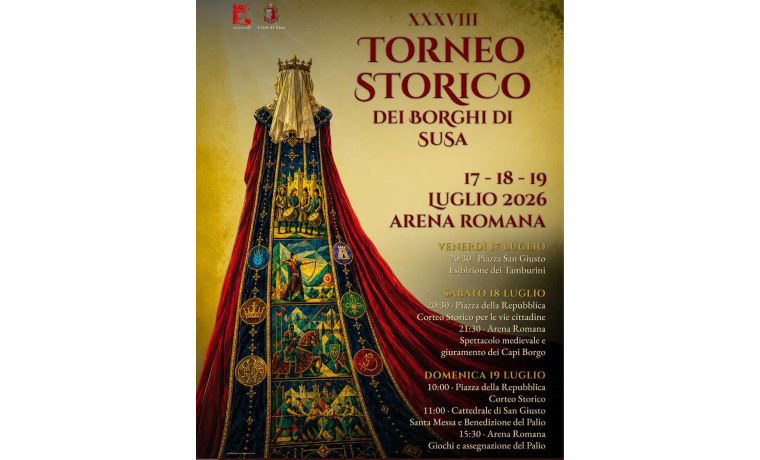 Historical Tournament of the Villages of Susa
 Tandem paragliding flights in Tirolo and Merano: the thrill of flying over the Alps
 Recipe: Cippillato, Trivento’s iconic sweet treat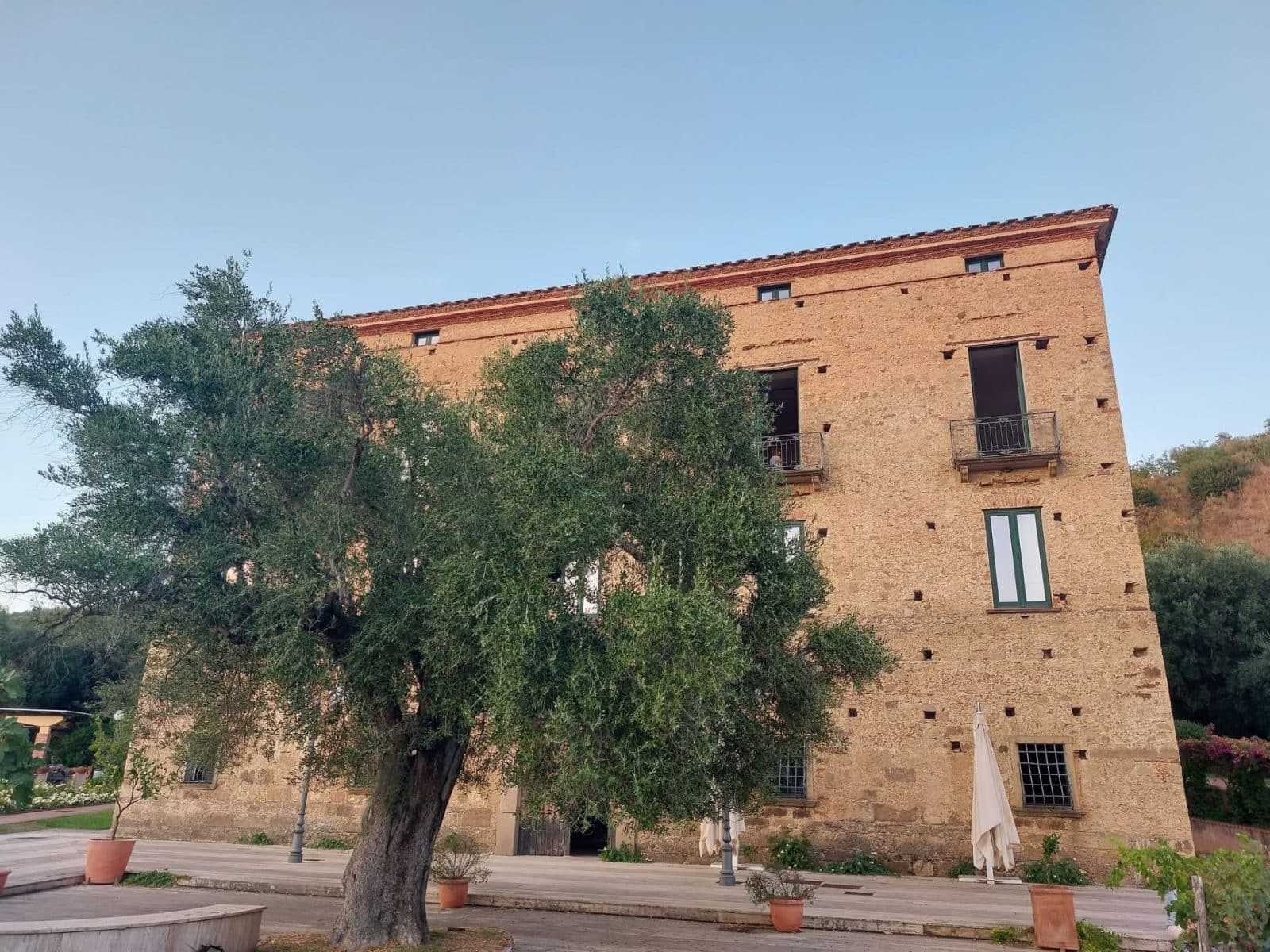
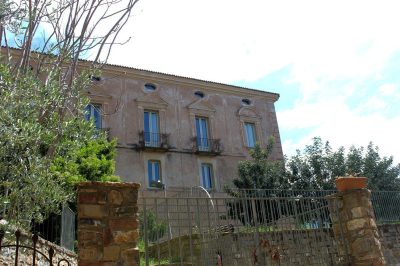
In the heart of Marina di Ascea, Palazzo Alario stands as one of the most significant sites for understanding the interplay between history, culture and the identity of the Cilento region. Originally built as a fortified farmhouse in the late 18th century, the building still retains the charm of rural defensive architecture, bearing witness to a past in which security and agricultural management were closely intertwined.
The turning point in the complex’s history came in the 20th century, when a major restoration and redevelopment project was launched, completed in 1999 thanks to the work of architect Paolo Portoghesi and engineer Vittorio Gigliotti. The project transformed the ancient structure into a modern cultural centre, whilst maintaining a strong link with the site’s historical roots.
Today, Palazzo Alario is a vibrant multi-purpose centre, designed to host events, performances and cultural activities. Inside, it houses the ‘Parmenide’ Cinema-Theatre-Auditorium, a space dedicated to theatre and film screenings, and the charming open-air ‘Zenone’ theatre, which during the summer months hosts performances bathed in the light and scents of the Cilento. The complex is further enhanced by a guesthouse, “Il Ritrovo di Parmenide”, which welcomes scholars, artists and visitors, creating a place for meeting and exchange.
The symbolic heart of the building is the monumental square with its portico known as ‘The Philosophers’ Promenade’, a direct reference to the great philosophical tradition of nearby Elea-Velia, the birthplace of thinkers such as Parmenides and Zeno. Here, amidst natural elements such as olive, vine and fig trees, there is an atmosphere suspended between contemplation and remembrance.
The works of the sculptor Vincenzo Cerino contribute to making the setting even more evocative: the bronze statue dedicated to Parmenides and the Fountain of the Five Sisters, symbolically linked to the dams of the Cilento region. These artistic elements interact with the surrounding space, transforming Palazzo Alario into a place where art, nature and history intertwine harmoniously.
Visiting Palazzo Alario therefore means immersing oneself in a setting that goes beyond mere architecture: it is a journey into the culture of Cilento, a hub for events and gatherings, and a living symbol of the continuity between past and present.
Ph. Gilberte Bertina De Block