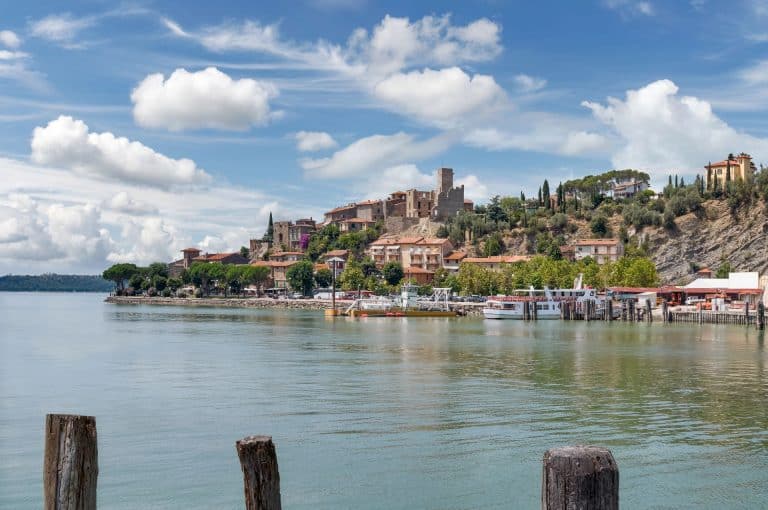
 Passignano sul Trasimeno
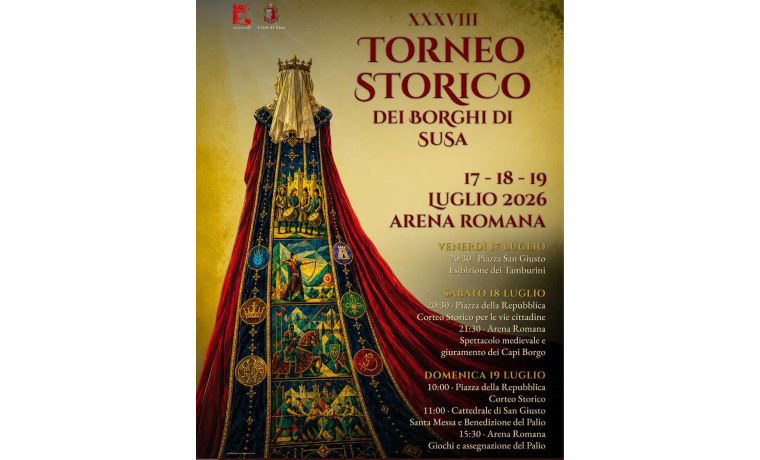 Historical Tournament of the Villages of Susa
 Tandem paragliding flights in Tirolo and Merano: the thrill of flying over the Alps
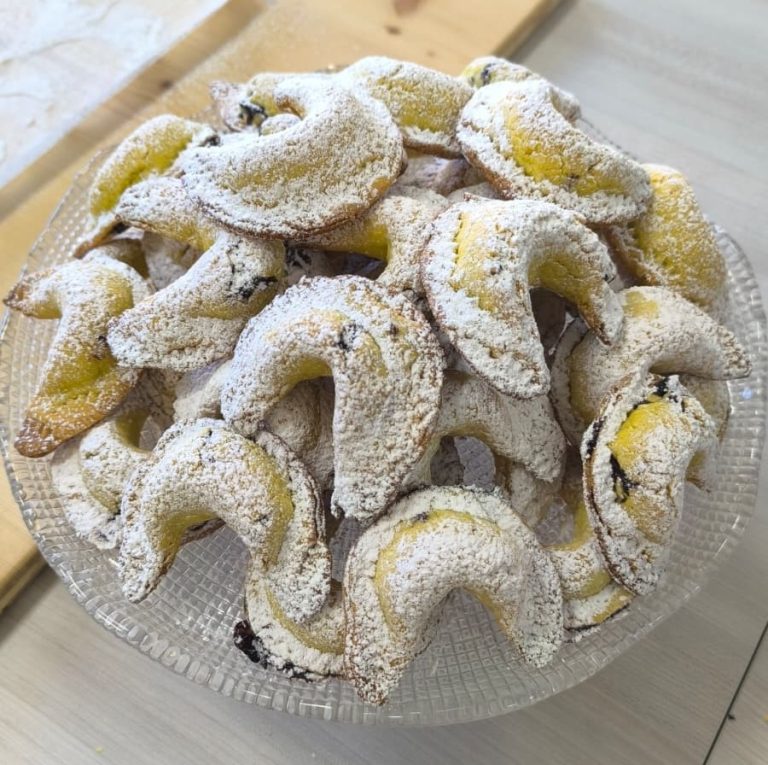 Recipe: Cippillato, Trivento’s iconic sweet treat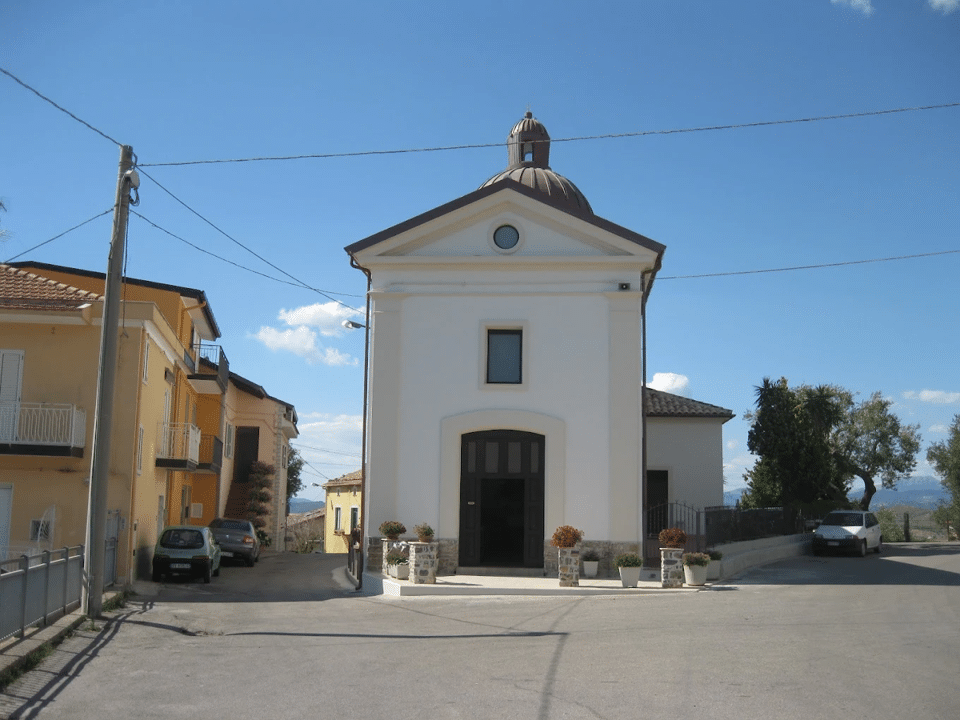
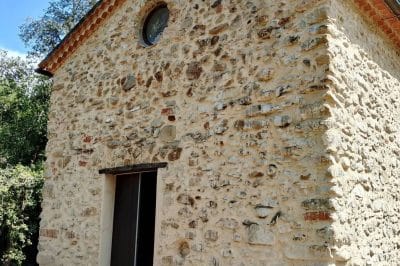
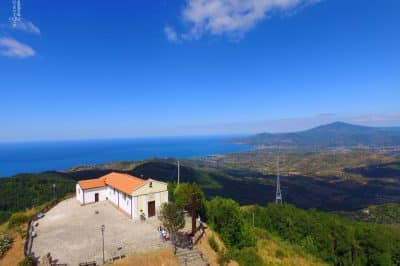
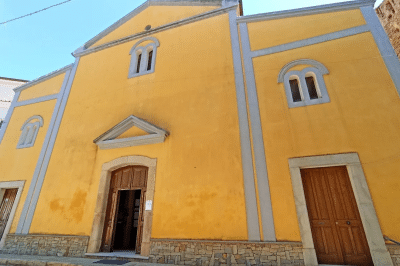
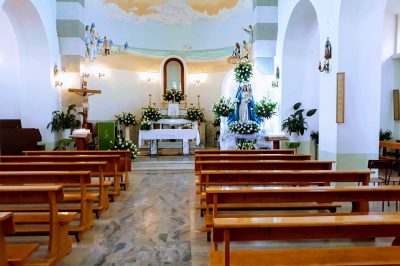
In the Ascea area, not far from the village centre, stands the Chapel of Saint Anthony, a simple place of worship yet deeply rooted in the history and devotion of the local community. This small religious building is one of the most authentic symbols of the bond between faith, memory and the collective identity of the village.
The cult of Saint Anthony of Padua in Ascea has ancient origins and, according to tradition, was introduced by Franciscan friars. The first documented evidence dates back to a pastoral visit in 1727, which attests to the existence of a chapel dedicated to the saint outside the town centre, whilst the presence of the statue is mentioned in a document from 1884. Since then, devotion to Saint Anthony has become deeply rooted in the lives of the local people.
Over the centuries, this bond has been strengthened by events that have marked the town’s history. The community attributes to the saint several miraculous intercessions that occurred during times of great difficulty, such as during the cholera epidemics of 1836 and 1911, the typhoid epidemic of 1900 and the spread of the ‘Spanish flu’ in 1920. As a sign of gratitude, Saint Anthony is celebrated several times throughout the year, bearing witness to a vibrant and widespread devotion.
The most significant event is the great festival held on the first Tuesday in August, when the village comes alive with religious celebrations and processions involving the whole community. In addition to these, there are celebrations in October and February, linked to the commemoration of historical events that have strengthened the cult.
The Chapel of Saint Anthony is not merely a place of prayer, but a symbolic space that preserves the collective memory of Ascea. Here, amidst architectural simplicity and spiritual intensity, a sense of belonging is renewed across the generations, making this small sanctuary an indispensable focal point for the local community.
Ph. Poul Krogsgård