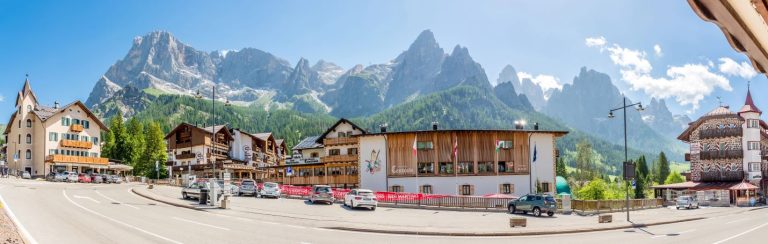
 San Martino di Castrozza
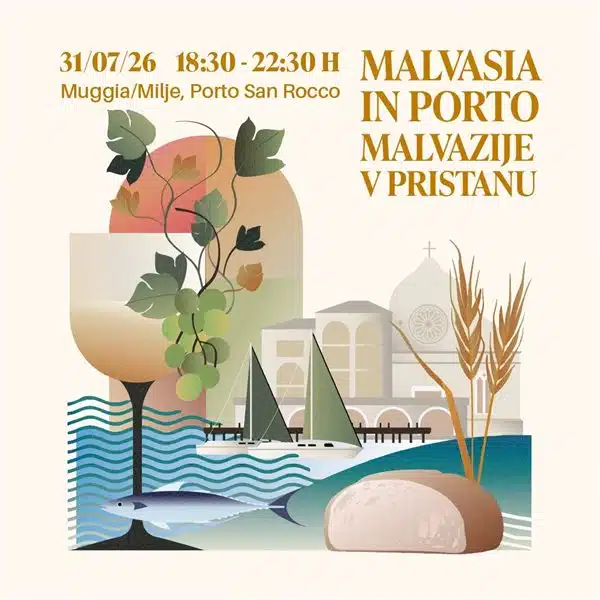 Malvasia in Porto 2026
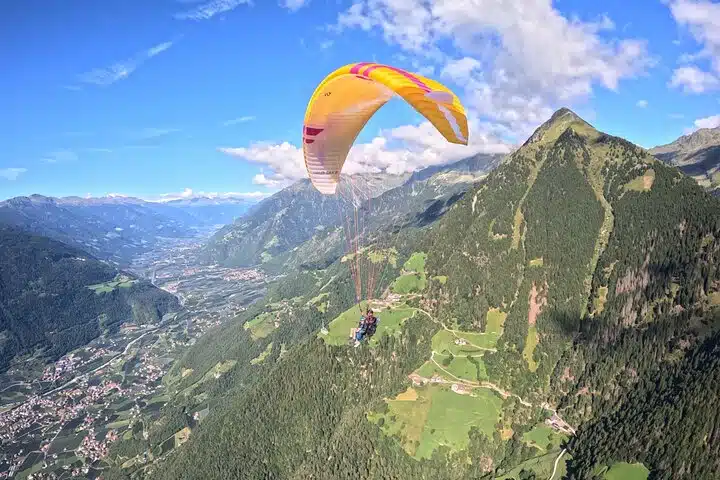 Tandem paragliding flights in Tirolo and Merano: the thrill of flying over the Alps
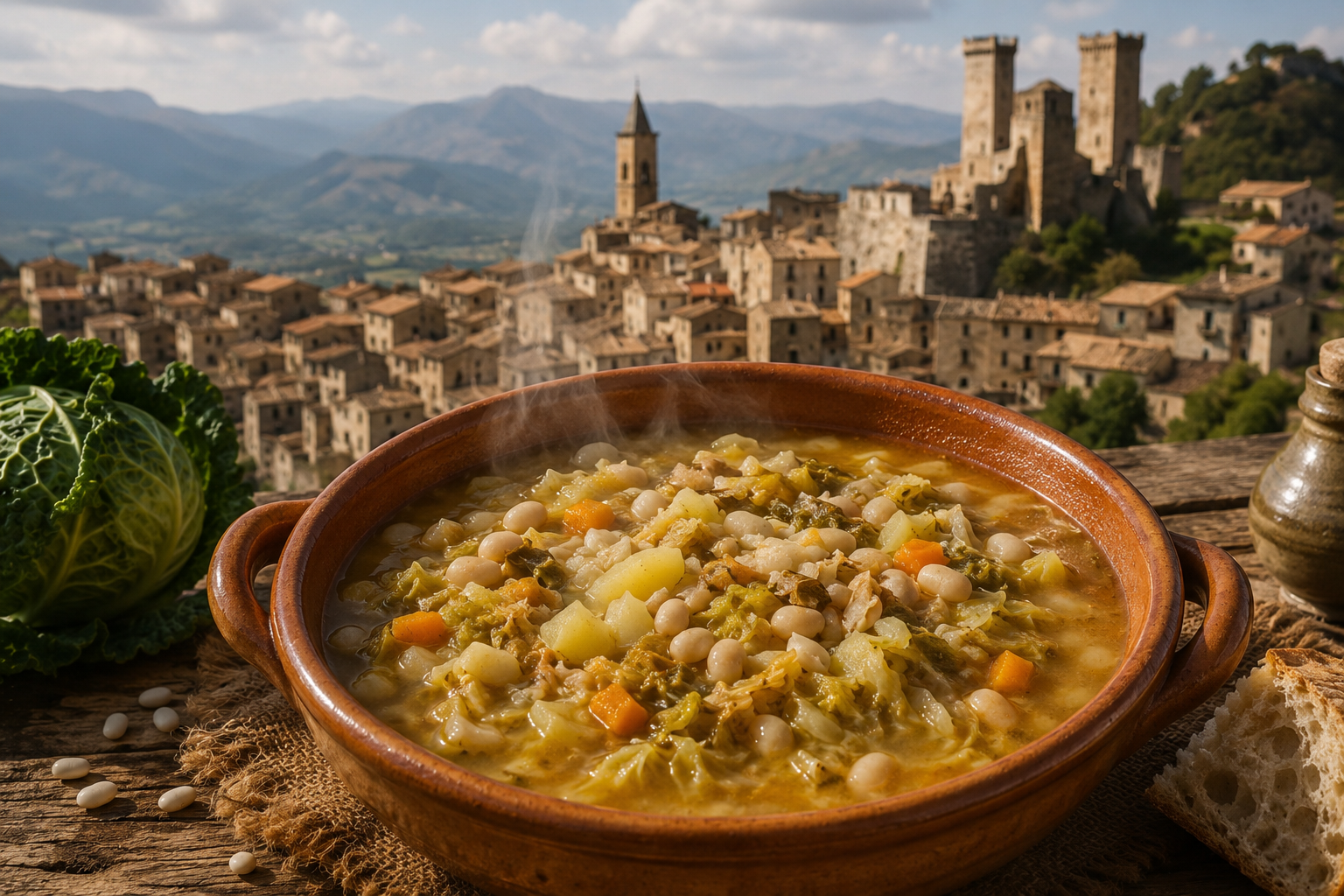 Recipe: Polta di Pacentro, the peasant dish that symbolises the traditions of Abruzzo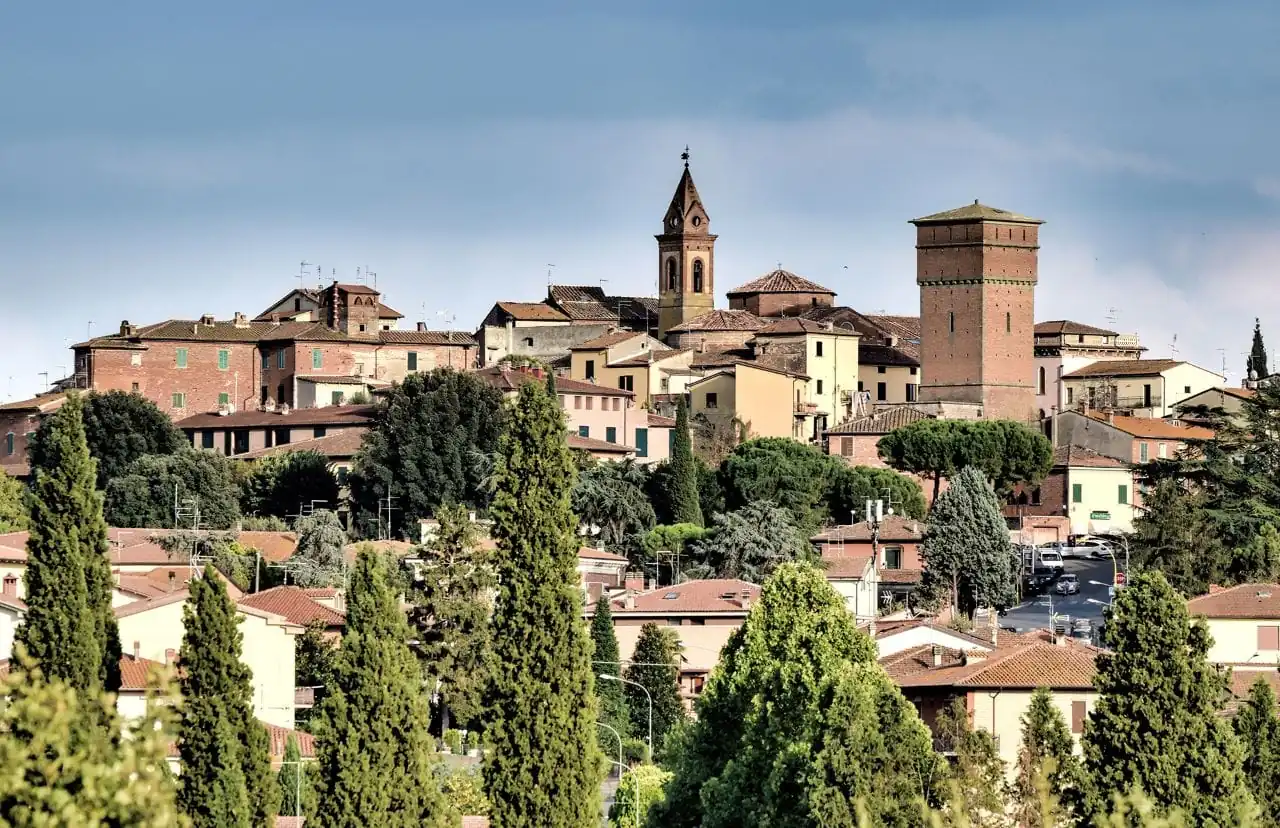
In the heart of the Valdichiana Senese, Bettolle is much more than just a hamlet: it is a place where the history of Tuscany intertwines with the landscape, human ingenuity, and a deep agricultural vocation. The most populous hamlet in the Municipality of Sinalunga, Bettolle preserves traces of an ancient past, ranging from the Etruscans to the great reforms of the Grand Duchy of Tuscany, offering today a rare balance between rural authenticity and modern comforts.
The origins of Bettolle: between the Etruscans and the Middle Ages
The origins of Bettolle date back to ancient times, as evidenced by the numerous Etruscan artifacts found in the area. Even the name of the village is shrouded in mystery: according to some hypotheses, it derives from an ancient birch forest, but this theory is unlikely given the absence of this tree in the Valdichiana. More credible is the Etruscan origin, linked to the Vetu family settled in nearby Farneta, from which the place name Vettunlae evolved into Bettolle.
In the Middle Ages, the village acquired strategic importance: in 1014, Emperor Henry II granted the settlement to the abbot of Farneta, calling it “Villa di Bettolle.” It later became a fiefdom of the powerful Cacciaconti family, lords of Asciano and numerous castles in the Valdichiana.
Bettolle has the typical appearance of a Tuscan village: brick houses, narrow alleys, and a tranquility that invites you to slow down. All this is set in what can be described as a true masterpiece of a landscape, shaped over time by the vision of the Grand Dukes of Tuscany and the major land reclamation projects that redesigned the Valdichiana.
Churches, architecture, and natural landscape
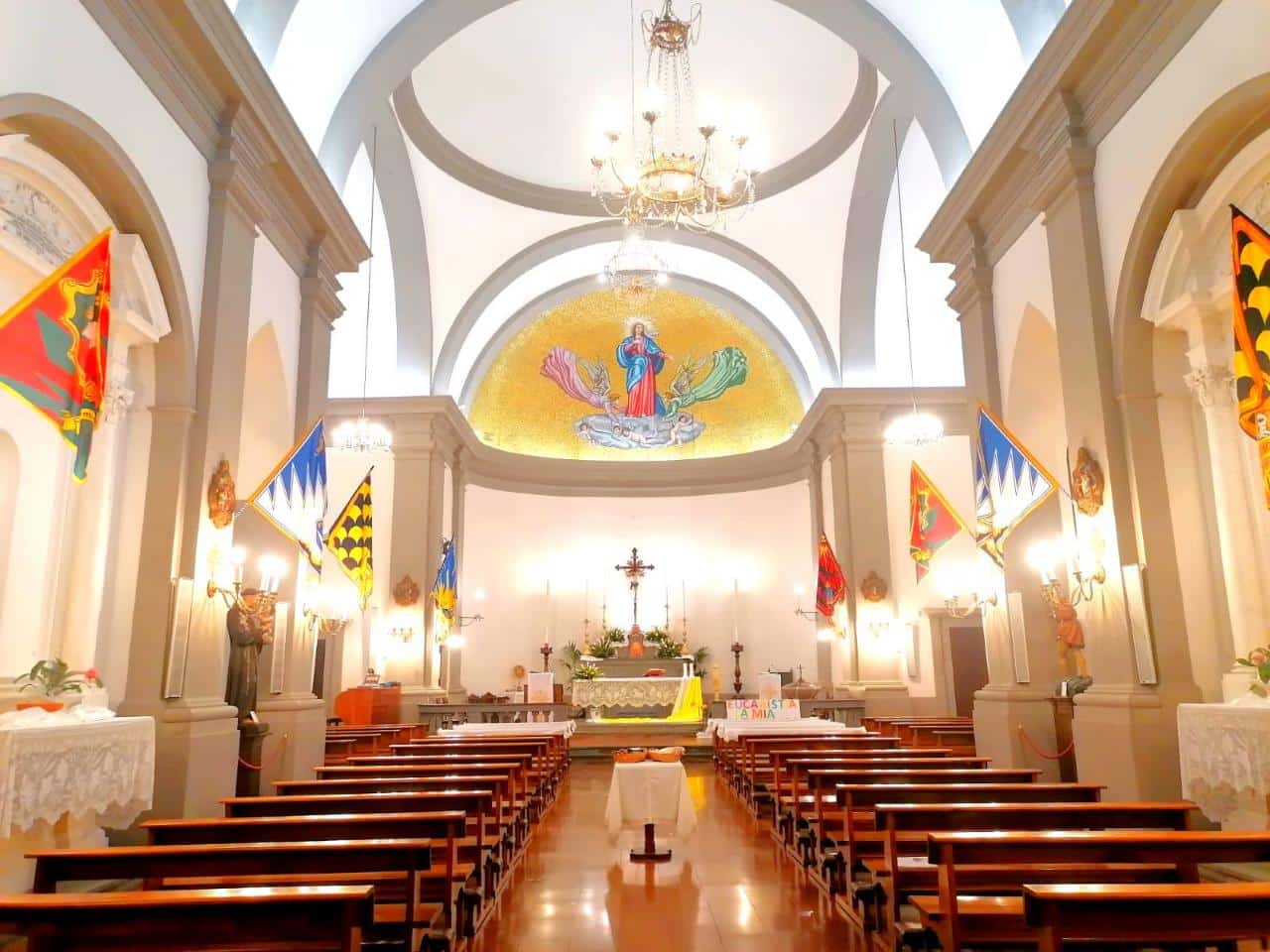
In the town center stands the church of San Cristoforo, built on the site of an ancient parish church dedicated to Maria Assunta, first documented in 1014. The modern urban fabric has developed around the medieval core and the Real Fattoria, blending history and contemporary life.
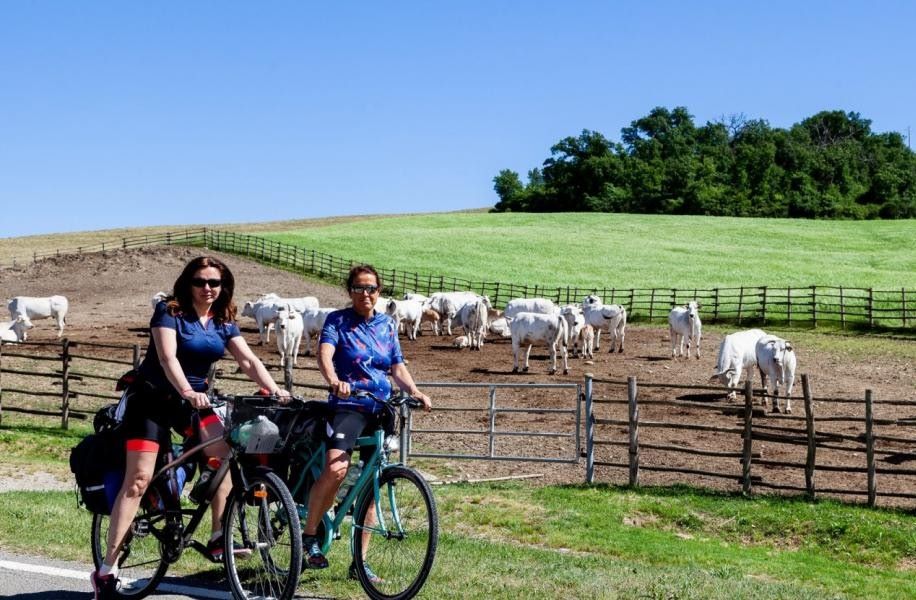
At the foot of the village flows the Canale Maestro della Chiana, along which there are pleasant walking and cycling paths. Here you can immerse yourself in nature.
Bettolle and Chianina beef: a story of excellence
You can’t talk about Bettolle without mentioning Chianina beef. This is where Ezio Marchi was born, the professor who studied and selected this breed of cattle at the beginning of the 20th century, transforming it from a simple working animal into one of the world’s most famous gastronomic delicacies.
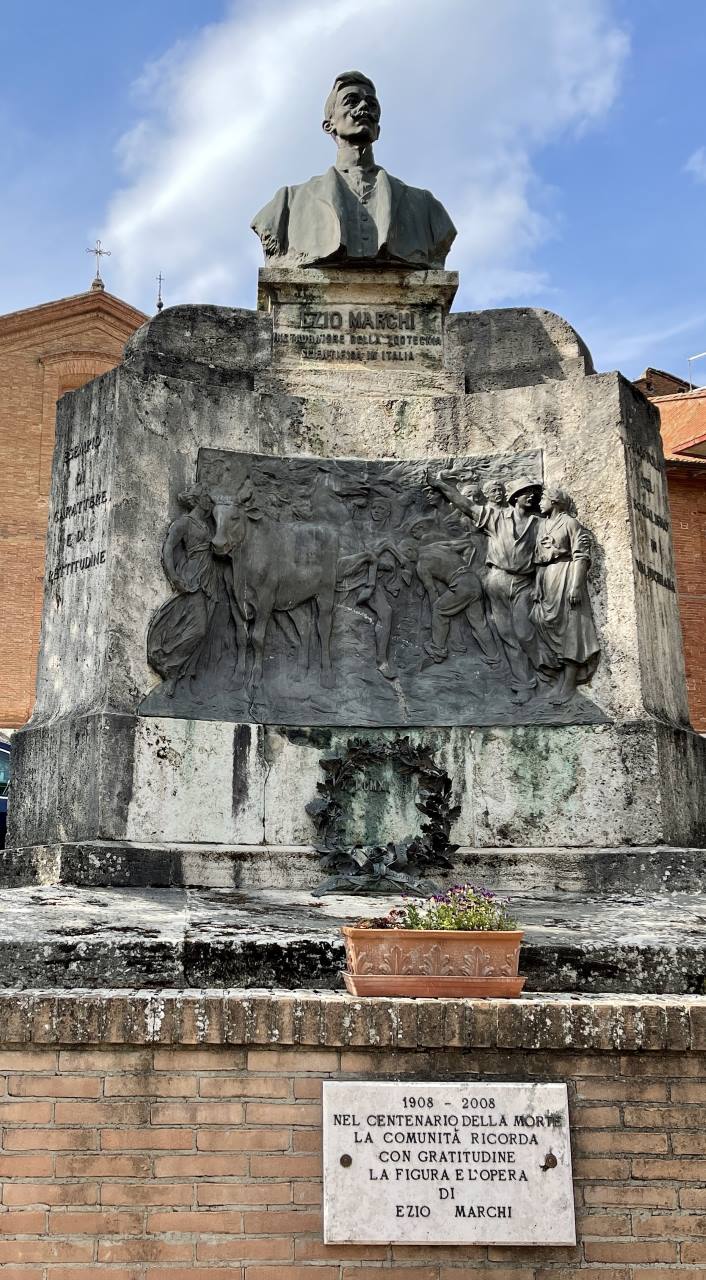
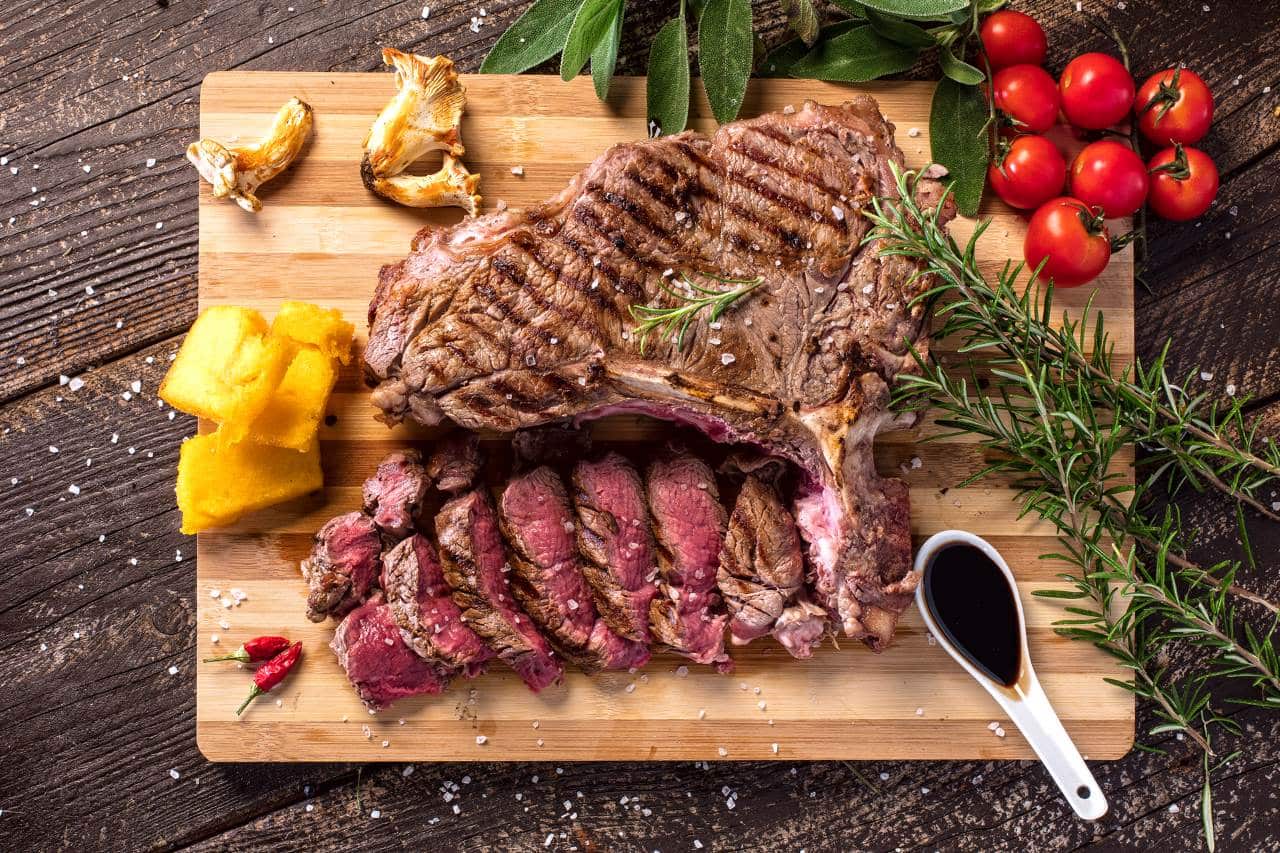
Thanks to his studies, Chianina beef has become the symbol of Tuscan haute cuisine and the famous Florentine steak. Bettolle is now considered the home of the White Giant and hosts a branch of the Consorzio di Tutela del Vitellone Bianco dell’Appennino Centrale (Consortium for the Protection of White Veal from the Central Apennines), as well as the Associazione Amici della Chianina (Friends of Chianina Association), which has been committed for years to promoting this breed and its link with the territory.
“The Valley of the White Giant”: an event not to be missed
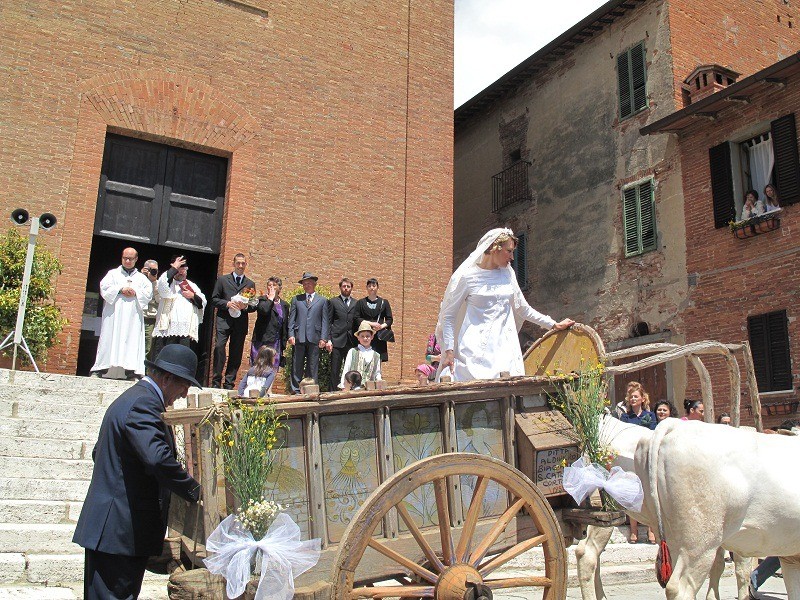
One of the most eagerly awaited events is “La Valle del Gigante Bianco” (The Valley of the White Giant), which takes place every year between the end of May and the beginning of June. The event transforms Bettolle into a magnet for enthusiasts and curious visitors alike, with conferences, exhibitions, cultural events, activities for children, and tastings.
The heart of the event remains gastronomy: every evening, traditional dinners based on Chianina beef celebrate one of the most iconic products of Tuscan tradition, in a festive and convivial atmosphere.
The Leopoldine and the landscape of land reclamation
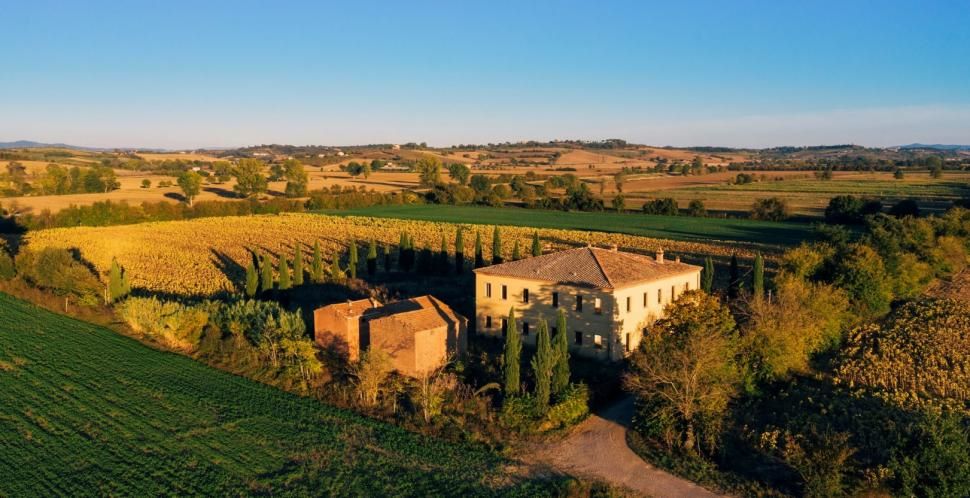
Descending towards the plain, the landscape is enriched by the large Leopoldine, the farmhouses commissioned by Grand Duke Pietro Leopoldo during the 18th-century reclamation of the Valdichiana. These were not simple dwellings, but actual farms, designed according to modern criteria for the time.
Even today, these buildings, with their central towers, are one of the most recognizable features of the area. Seeing them emerge from the cultivated fields and drainage canals is like taking a journey through the history of Tuscan engineering and agriculture.
What to do in Bettolle today
Bettolle is an ideal destination for those who love simplicity and authentic experiences. There are two main reasons to stop here:
–Eat well: here, Chianina beef is a true religion. Trattorias and restaurants offer traditional dishes, with a quality that comes from a direct relationship with the local area.
–Explore: the area offers walking and cycling trails along the drainage canals, perfect for relaxing strolls amid nature, countryside, and rural architecture.
What’s more, Bettolle’s strategic location makes it an excellent starting point for visiting Siena, Arezzo, Florence, Lake Trasimeno, Val d’Orcia, and Crete Senesi.
Bettolle is the ideal place for those seeking the most authentic Tuscany: one made up of orderly landscapes, deep-rooted traditions, and authentic flavors. A small village capable of telling a great story, where past and present coexist in balance and where every stop becomes an opportunity to rediscover the value of slowness and quality.
Do you want to promote your business on e-borghi?
Reach travellers interested in villages, authentic experiences and quality tourism.
Discover how to become a partner